How Social Conditions Hardwire Us for Disease and Trauma

A woman standing in a busy city with her hands on her face looking stressed, showing how social conditions can affect you

What role does society play in trauma? What social conditions can harm your physical and mental health? In his book The Myth of Normal, Gabor Maté describes how certain deeply ingrained structures in Western society like racism, misogyny, and capitalism instill and reinforce trauma. These factors don’t just shape our societies—they have tangible, harmful effects on our physical and mental health.  Here’s a look at the role that society can play in trauma.

The Biopsychosocial Model of Health (Explanation & Benefits)

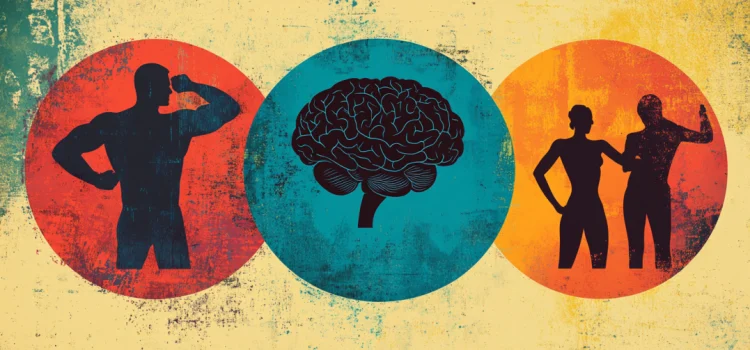
There are three circles, one contains a man flexing, one contains a brain, and one contains two people, representing the biopsychosocial model of health

How is the biopsychosocial model of health different from the biomedical model? What holistic healing practices can you try? Physician and trauma expert Gabor Maté says that the biopsychosocial model is much more effective than the traditional biomedical model when it comes to healthcare. The biopsychosocial model takes thoughts, feelings, social interactions, and environment into account when it comes to health. Here’s Maté’s argument for the biopsychosocial model for health and healing.

The Top Five Regrets of the Dying: Book Overview & Lessons

An elderly man in a hospital bed who is looking out a window at the sun

What are the most common regrets people have on their deathbeds? How can we learn from their regrets and mistakes? In The Top Five Regrets of the Dying, a book by palliative care nurse Bronnie Ware, she shares the most common regrets her patients expressed in their final weeks. By learning from her patients’ reflections, you can gain clarity on what truly matters and make positive changes before it’s too late. Continue reading to learn why these regrets are so common and how to avoid them in our overview of Ware’s book.

Why You Will Regret Not Living an Authentic Life

A young woman with a backpack on in a forest who is living her authentic life

Do you live authentically, or for others? Why is authentic living so important to happiness? Bronnie Ware, a palliative care nurse, shares that one of the biggest regrets people have on their deathbed is not living an authentic life. She also provides insights into how to live more authentically in a judgemental world. Continue reading for Ware’s life-changing advice.

Stop Sabotaging Your Own Happiness—You Will Regret It Later

A tired man in a suit who is leaning on his desk which has photos of his family on it, he is sabotaging his happiness

Are you sabotaging your own happiness? How can you pursue happiness instead? In her book The Top Five Regrets of the Dying, Bronnie Ware shares that many of her dying patients wished they prioritized happiness more in their lives. It’s easy to keep pushing it off until later, but not everybody has a later. Keep reading to learn why you need to start prioritizing happiness in your life.

The Things You Can See Only When You Slow Down Quotes

A Korean Buddhist monk meditating in front of a waterfall in the forest.

Looking for the top The Things You Can See Only When You Slow Down quotes? What can these quotes teach you about the value of mindfulness? In his book, Zen Buddhist teacher Haemin Sunim reminds us to pause, breathe, and engage with the world from a place of mindfulness, compassion, and openness. By adopting practices that encourage us to slow down, we’re able to enhance our well-being, forge deeper connections, and find happiness. Here are three quotes from the book with explanations.

The Things You Can See Only When You Slow Down: Overview

A cartoon image of a woman relaxing in a hammock reading a book with a sunset behind her

Do you feel constantly busy and struggle to take time to rest? What is the value of slowing down? How can you practice slowing down? In The Things You Can See Only When You Slow Down, a book by Zen Buddhist teacher Haemin Sunim, you’ll learn how embracing slowness can lead to increased self-awareness and contentment. He shares practices that encourage you to slow down, forge deeper connections, and enhance your well-being. Keep reading for an overview of the book and its principles.

3 Relationship Regrets People Have at the End of Their Lives

A middle aged man in a hospital gown in a gurney who is reflecting on his relationship regrets because he's alone

Do you make an effort to keep in contact with your friends? Do you often put work before your family? Do you talk openly about your feelings? The book The Top Five Regrets of the Dying says that relationship regrets are common among the dying. Specifically, people regret putting work ahead of loved ones, not sharing their emotions, and losing touch with their friends. Here’s what you can do to avoid this common regret.

Feel Like You’re Always Busy? Here’s How to Escape the Chaos

A stressed man who is always busy sits in traffic in his car and looks frustrated

Why does it feel like we’re always busy? How can you slow down in a fast-paced world? In Zen Buddhist teacher Haemin Sunim’s book, The Things You Can See Only When You Slow Down, he explains why people today feel overwhelmed by busyness. If you want to feel less busy, you need to change your perspective and stop blaming society. Here’s Sunim’s advice for slowing down in a fast-paced society.