

Este artículo es un extracto del Shortform deLos 5 lenguajes del amor», de Gary Chapman. Shortform los mejores resúmenes del mundo de los libros que deberías leer.
¿Te gusta este artículo? Regístrate aquí para obtener una prueba gratuita .
Sabemos lo profundo que es nuestro amor, pero a menudo nos cuesta saber cómo expresarlo. ¿Cuáles son las mejores formas de demostrar realmente lo mucho que nos importa? ¿Cuáles son Los 5 lenguajes del amor?
Utiliza las estrategias desarrolladas por Gary Chapman y presentadas en Los 5 lenguajes del amor: El secreto para un amor duradero para aprender a expresar amor y, al hacerlo, crear una conexión emocional más profunda en tu relación.
Expresa tu amor utilizando Los 5 lenguajes del amor
Si quieres saber cómo expresar amor, necesitas saber qué tipo de «lenguaje amoroso» habla tu pareja (o cualquier destinatario de tu amor).
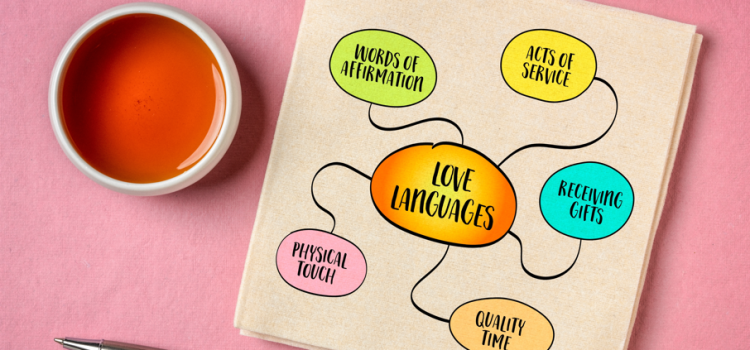
Los cinco lenguajes del amor son la forma en que experimentas y demuestras amor. Hay cinco lenguajes del amor: palabras de afirmación, tiempo de calidad, recibir regalos, actos de servicio y contacto físico. Aprender a hablar el lenguaje del amor de tu pareja puede ayudarte a comprender cómo expresar amor. Y aprender tu propio lenguaje del amor te ayuda a comprender qué es lo que te hace sentir realizado en una relación.
Los 5 lenguajes del amor
Lenguaje del amor 1: Palabras de afirmación
Las palabras de afirmación son palabras o frases que le dices a tu pareja para que se sienta bien consigo misma y con lo que hace. Estas palabras pueden ser cumplidos, palabras de aliento, comentarios que expresan amabilidad o que muestran tu confianza en ella. Así es como se expresa el amor si tu pareja aprecia el reconocimiento verbal.
- Para la persona cuyo lenguaje del amor son las palabras de afirmación, un cumplido sobre su apariencia o lo que hace por la familia llenará su depósito.
- Decirle a tu pareja que la aprecias en tu vida hará que se sienta amada.
- Apoyar sus esperanzas y sueños diciéndoles «creo en ti» o «tienes mucho talento, puedes hacer lo que quieras» les animará y les dará valor.
- Pedirles ayuda de una manera que destaque sus habilidades o los beneficios que aportaría a tu vida puede hacer que se sientan valorados y apreciados.
Lenguaje del amor 2: Tiempo de calidad
El tiempo de calidad es tiempo dedicado exclusivamente a estar con tu pareja sin distracciones. Una persona con este lenguaje amoroso simplemente quiere estar con su ser querido.
La actividad es secundaria al hecho real de estar juntos. El tiempo puede significar participar activamente en una conversación significativa, participar en una actividad que les guste, incluso si a ti no te gusta, o cenar juntos sin ver la televisión ni usar dispositivos electrónicos. Así es como se expresa el amor si tu pareja se siente más querida simplemente estando contigo.
- Un paseo nocturno juntos, ya sea hablando o en silencio, puede hacer que tu pareja se sienta querida.
- Asistir a una clase de cocina o montar en bicicleta juntos puede expresar el deseo de estar con tu pareja, lo que se traduce en una sensación de plenitud.
- Escuchar a tu pareja hablar sobre su día y hacerle preguntas para comprender cómo se siente le hará saber que te preocupas por él o ella y que estás dispuesto a estar ahí para él o ella.
- Hablar con tu pareja sobre tu pasado o tus miedos le hará saber que quieres que forme parte de tu vida por completo.
Lenguaje del amor 3: Recibir regalos
Recibir regalos representa el acto de dar un regalo como símbolo de amor. Un regalo equivale a un detalle, y para una persona con este lenguaje amoroso, ese detalle se percibe como amor.
Para las personas que hablan este de los cinco lenguajes del amor, el tipo de regalo es menos importante que el esfuerzo por conseguirlo y el deseo de regalarlo. Así es como se expresa el amor si a tu pareja le gusta recibir regalos.
- Un pequeño regalo traído de un viaje de negocios hace que tu pareja se sienta especial porque estabas pensando en ella.
- Una pulsera de diamantes provocará la misma reacción que una bufanda de ganchillo. La sensación seguirá siendo la de sentirse lo suficientemente querida como para recibir algo de ti.
- A veces, tu mera presencia es el regalo que tu pareja necesita.
- Si están pasando por una crisis, estar ahí para ofrecerles un hombro en el que apoyarse, alguien con quien hablar o una presencia reconfortante es suficiente para demostrarles tu amor.
- Dar prioridad a una petición de tu presencia por encima del trabajo o de planes previos les demuestra lo mucho que importan sus sentimientos.
Lenguaje del amor 4: Actos de servicio
Los actos de servicio son cosas que se hacen para facilitarle la vida a tu pareja. Ya sea que actúes para quitarle una carga de encima, ayudarla o darle espacio para que haga otra cosa, estos actos de servicio le dirán a tu pareja que la respetas a ella y a su tiempo. Así es como se expresa el amor si tu pareja se siente amada cuando la ayudas.
- No todos los actos son iguales. Comprender qué actos serán más beneficiosos para tu pareja significa comprender su vida lo suficiente como para saber cómo ayudarla y sus expectativas lo suficiente como para saber qué es lo que quiere que hagas por ella.
- Si tu pareja se queja con frecuencia de una determinada tarea doméstica, echarle una mano para quitarle esa tarea de encima es un acto de amor.
- Si sabes que a tu pareja le molesta pasear al perro por la noche, encargarte de esa tarea le hará sentir bien.
- Si tu pareja quiere más tiempo para sí misma, sacar a los niños una noche a la semana será una gran muestra de amor.
Lenguaje del amor 5: Contacto físico
El contacto físico significa que una persona siente más amor a través del contacto íntimo. Los toques pueden ser grandes o pequeños, íntimos o casuales. Lo más importante que hay que aprender sobre una pareja que habla este lenguaje es su preferencia específica por el contacto físico. Así es como se expresa el amor si tu pareja valora el contacto físico positivo.
- Una mano en el hombro puede ser más deseable que un beso en el cuello.
- La intimidad física puede expresar amor más que tomarse de las manos, o viceversa.
- Tocar a alguien de una manera que no le gusta es un contacto negativo, una violación o un abuso.
- Esta acción no transmite amor.
- Hay infinitas formas de expresar amor a través del tacto.
- Diviértete descubriendo qué tipo de caricias le gustan a tu pareja.
Cómo expresar amor llenando el depósito del amor
Ahora que ya sabes cuáles son los cinco lenguajes del amor, tienes que averiguar cuál es la mejor manera de expresarlo.
Tú y tu pareja son diferentes, incluso si han estado juntos durante mucho tiempo. Como individuos, cada uno aporta su historia y su bagaje a la relación. Tienen expectativas sobre lo que quieren o deberían recibir de su pareja. Tienen diferentes formas de lidiar con la ira y el dolor. Tienen diferentes prioridades.
Cuando tu depósito de amor está lleno, puedes encontrarte con tu pareja en un lugar positivo para lidiar con vuestras diferencias. Con un depósito de amor lleno, podéis comunicaros mejor y apreciaros mutuamente.
Con los depósitos de amor vacíos, las diferencias pueden convertirse en distancia y resentimiento. Un depósito de amor vacío puede eliminar el deseo de tratar a tu pareja con respeto y compromiso.
- Una discusión con un depósito de amor vacío puede volverse hiriente, violenta y dañina.
- Una discusión con el depósito del amor lleno puede convertirse en una plataforma para el crecimiento y la compañía.
El divorcio es frecuente en la sociedad, y la causa probablemente sea que se han dejado agotar numerosos depósitos de amor.
- La pérdida de la euforia inicial del enamoramiento puede hacer que algunos se sientan perdidos y vacíos.
- Enamorarse es fácil. Mantener el amor requiere reflexión y esfuerzo.
Si tu depósito está vacío, es probable que el de tu pareja tampoco esté muy lleno. Dedicar tiempo a aprender los lenguajes del amor del otro puede iniciar el proceso de redescubrir lo que significa el amor para ti y el placer de construirlo y vivirlo cada día.
Preguntas frecuentes sobre Los 5 lenguajes del amor y cómo expresar amor
1. ¿Qué pasa si no puedo descubrir cuál es mi lenguaje del amor o el de mi pareja?
Considera el experimento de 5 semanas. De lunes a viernes, intenta hablar uno de los idiomas de forma constante con tu pareja. Tómate el sábado y el domingo libres.
Prueba Los 5 lenguajes del amor semana un idioma diferente de Los 5 lenguajes del amor . Es posible que notes una reacción más fuerte en tu pareja una semana que otra. La semana en la que parezca responder con más intensidad puede indicar cuál es su idioma. Esto te mostrará cómo expresar amor a tu pareja.
La semana en la que te sentiste más cómodo hablando uno de los idiomas o disfrutaste más realizando las actividades específicas también puede indicar cuál es tu idioma preferido.
2. ¿Cambiará mi lenguaje amoroso con el tiempo?
Al igual que cualquier parte inherente de nuestra personalidad, nuestro lenguaje amoroso preferido tiende a desarrollarse cuando somos jóvenes y permanece con nosotros. Sin embargo, pueden producirse cambios si cambian tus prioridades.
- Puede que te encante que te toquen, pero si tienes una carga de trabajo exigente, es posible que descubras que deseas o aprecias más los actos de servicio de tu pareja.
- Es posible que busques pasar tiempo de calidad con tu pareja y lo desees con frecuencia, pero si vuestros horarios no lo permiten, o si mantenéis una relación a distancia, las palabras de afirmación o recibir regalos pueden empezar a satisfacerte.
3. ¿Los niños hablan un determinado lenguaje del amor?
¡Sí! Los niños definitivamente tienen preferencias en cuanto a cómo reciben amor, pero eso no significa que no necesiten amor en todas sus formas. La forma en que se ama a los niños influirá en gran medida en cómo aman cuando sean adultos y cómo quieren ser amados.
Asegurarse de que su hijo sea amado en todos los idiomas le ayudará a convertirse en una persona emocionalmente equilibrada.
Presta atención a cómo se comportan ante ciertos actos de amor y podrás empezar a comprender cuál podría ser su lenguaje principal. Esto te ayudará a determinar cómo expresar amor a los niños.
- Es posible que a su hijo le encanten los cuentos antes de dormir y los días de juego en el parque, pero si siempre pide un beso de buenas noches o inicia abrazos con frecuencia, es posible que experimente el contacto físico más profundamente que cualquier otra cosa.
A medida que el niño crece, es probable que su lenguaje no cambie, pero sí puede cambiar la forma en que quiere recibir amor.
- Un niño al que le encantaban los cumplidos puede que siga encantándole, pero el tipo de cumplido que desea puede cambiar.
- Si tu hijo solía emocionarse cuando le decías lo inteligente o guapo que era, ahora esos comentarios pueden avergonzar a tu hijo adolescente.
- Es posible que prefieran cumplidos que se centren en su creciente individualidad, como «Estás desarrollando un estilo muy bonito» o «Estás mejorando mucho en matemáticas/fútbol/pintura».
- Busca señales que indiquen un cambio en la actitud de tu hijo respecto a recibir amor, para asegurarte de que siempre sienta tu amor.
4. ¿Hay idiomas que sean más comunes entre hombres y mujeres?
Los lenguajes del amor provienen de un lugar emocional dentro de nosotros. Aunque abundan los estereotipos de que los hombres buscan más contacto físico que las mujeres o que las mujeres desean más palabras de afirmación que los hombres, cada persona es diferente. Lo que hace que una persona se sienta amada tiene menos que ver con el género que con la satisfacción emocional.
Debido a que hay tantas formas de expresar un determinado lenguaje amoroso, la naturaleza única del acto para tu pareja puede ser muy diferente de otro acto dentro del mismo lenguaje para otra persona.
- Tu pareja puede sentirse más querida cuando le elogias por su destreza en las tareas domésticas, mientras que otra persona puede preferir que le digas que es atractiva.
5. ¿Qué pasa si mi pareja no responde cuando le hablo en su idioma?
A veces nos preguntamos cómo expresar el amor porque lo que hemos intentado no ha funcionado. Hay muchas razones por las que tu pareja puede no responder a tus esfuerzos por hablar su idioma.
- Puede que guarden resentimiento y no crean en tu sinceridad.
- Puede que no crean que tu comportamiento vaya a durar.
- Es posible que estés hablando el idioma equivocado.
- Es posible que hayan cambiado de opinión respecto a algo o alguien.
Si tu pareja no responde, la opción más fácil es rendirse. No está funcionando, así que ¿por qué seguir intentándolo? Pero si te rindes, puedes estar confirmando las sospechas o convicciones de tu pareja de que tus acciones no eran sinceras o duraderas. También puedes detenerte demasiado pronto, justo cuando empezaban a cambiar de opinión o a creer en ti.
En su lugar, dale tiempo a tu pareja para que se acostumbre a tu nuevo comportamiento. Comunícate con ella para hacerte una idea de cómo están siendo recibidos tus esfuerzos.
Hablar el idioma de tu pareja es una forma de demostrarle tu amor, y no necesitas su aprobación para hacerlo. Sigue amándola lo mejor que puedas. Si parece que las cosas han ido demasiado lejos o que no está dispuesta a cambiar, al menos sabrás que la has amado lo mejor que has podido.
6. ¿Qué pasa si mi pareja no habla mi idioma?
No puedes obligar a tu pareja a que te quiera más o mejor. Lo único que puedes hacer es comunicarle tus necesidades y deseos. Si tu pareja sabe cómo quieres que te quiera y no lo hace, quizá debas replantearte tu relación, incluyendo lo que esperas de ella y lo que puedes o no puedes soportar.
7. ¿Es demasiado tarde para reavivar el amor en una relación?
Si alguna vez hubo amor, puede volver a haberlo si ambas personas se esfuerzan por aprender a amar bien al otro. Si el amor se ha desvanecido, es probable que sea debido a sentimientos heridos o a la percepción de que el amor del otro se está desvaneciendo a medida que cambian los comportamientos.
Si descubres cómo expresar amor a tu pareja, podrás empezar a llenar su depósito. Si tu pareja está dispuesta a hacer lo necesario para llenar el tuyo también, el amor podrá empezar a reconstruirse.
———Fin de la vista previa———
¿Te ha gustado lo que acabas de leer? Lee el resto del mejor resumen del mundo deLos 5 lenguajes del amor» en Shortform . Aprende los conceptos fundamentales del libro en 20 minutos o menos .
Esto es lo que encontrarás en nuestro Los 5 lenguajes del amor completo de Los 5 lenguajes del amor :
- Cómo descubrir cuál es tu lenguaje del amor y cuál es el de tu pareja.
- Por qué surgen discusiones en las relaciones y cómo evitarlas
- Cómo hablar el lenguaje del amor adecuado, aunque no sea el tuyo







¡Me encanta! 💖 Los 5 lenguajes del amor realmente reveladores. Es increíble cómo comprenderlos puede mejorar las relaciones. ¡Gracias por explicarlo tan claramente! 😊