Investment Failures: Don’t Let Them Hold You Back
Investment Failures: Don’t Let Them Hold You Back

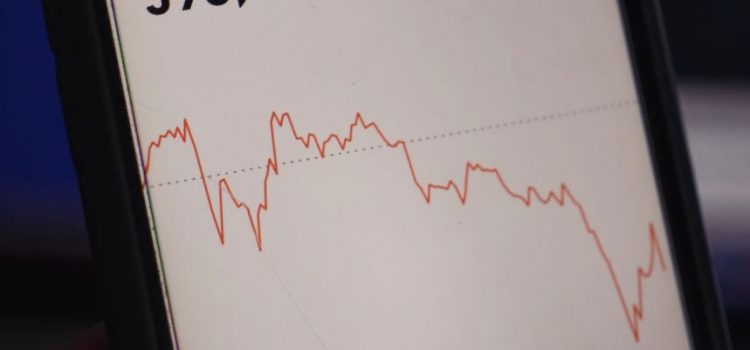
Have you ever made an investment that didn’t turn out the way you expected? What should you do if your investment fails? It’s easy to become discouraged when things don’t go as planned, especially when your money is on the line. However, that doesn’t mean you shouldn’t take risks. Investment failures do occur, fairly frequently, but if you keep trying, you could get lucky enough with one investment that it outweighs any failures. Here is why you shouldn’t let failure hold you back from trying again.

Follow Your Personal Financial Goals—Not the Herd

Follow Your Personal Financial Goals—Not the Herd

Where do you see yourself in the future financially? Do you have a financial goal you’re striving for? According to Morgan Housel’s book The Psychology of Money, you should know your personal financial goals, otherwise, you may find yourself making decisions that don’t align with your goals. For example, short-selling stocks may work for some people, but it wouldn’t work with a long-term compounding plan. Here’s why it’s important to follow your own financial goals.

How Much Money Is Enough?—Greed Is a Fine Line

How Much Money Is Enough?—Greed Is a Fine Line

How much money is “enough”? Is there a point at which you should stop taking risks and enjoy what you have? People who say “money doesn’t buy happiness” are wrong—money can make you happier, up to a point. However, once you make enough to live a comfortable life, money can become a trap. Some people become so greedy in their desire to keep making more that they risk losing everything they have. Here’s how to be happy with having “enough.”

Meditation and Mindfulness: How to Get Started

Meditation and Mindfulness: How to Get Started

What is the difference between meditation and mindfulness? How do you get started with these practices? Productivity expert Chris Bailey argues that meditation and mindfulness can contribute to your productivity by training you to focus. He makes a distinction between the two practices and explains how you can reap their benefits by making them daily habits. Keep reading to learn about the benefits of meditation and mindfulness and how to make them a part of your daily routine.

Why You Should Be Saving Money for Emergencies

Why You Should Be Saving Money for Emergencies

Do you have an emergency savings fund? Why is it important to plan for financial emergencies? Many people have the mindset of “it couldn’t happen to me.” But the truth is, sudden financial emergencies can happen to literally anybody—they’re unpredictable in their nature. That’s why it’s so important to start saving for emergencies, so you’re prepared for things to go wrong. Here’s why you should plan for things to go wrong.

How to Put Together a Long-Term Financial Plan

How to Put Together a Long-Term Financial Plan

Do you want to put together a long-term financial plan? Why should you be sensible, rather than logical, when planning for the future? To be logical is to make a decision based on known facts, while to be sensible is to show sound judgment. They are similar, but they are not the same. In his book The Psychology of Money, Morgan Housel suggests making sensible decisions when making a long-term financial plan because it will put your mind at peace. Here’s how to create a feasible financial strategy, according to behavioral finance expert Morgan Housel.

How to Financially Plan for Goals to Change

How to Financially Plan for Goals to Change

Have your life goals changed over the years? Do you have the same goals you did 10 or 20 years ago? A fact of life is that goals change over time. However, people often deny this fact and try to plan for the future as if nothing will change. That’s why Morgan Housel, the author of The Psychology of Money, says that you should make a financial plan that is flexible. Here’s why you should have finances that can change with your life.

Morgan Housel: Why Money Is Happiness

Morgan Housel: Why Money Is Happiness

Why do they say “money can’t buy you happiness”? Did you know that statement is fundamentally wrong? In his book The Psychology of Money, Morgan Housel explains that money buys you control over time, which is the key driver of happiness. When you have control over how you spend your time, you can spend it on things that bring your happiness. Here’s why money is happiness if used responsibly.

How to Start Saving Money Regardless of Your Income

How to Start Saving Money Regardless of Your Income

Do you regularly put money aside in a savings account? Why is it important to save money? We’re told from a young age that having a savings account is important, but many people don’t have savings because they feel like they don’t make enough money to save. According to Morgan Housel, the author of The Psychology of Money, this way of thinking is incorrect and harmful—everyone should save money even if they don’t have a high income. Here’s how to start saving money even if you don’t have a high income.

Make Better Decisions With Computer Algorithms

Three Keys to Making Better Decisions in Life

Why is it so difficult to make decisions? Do you often regret your decisions, thinking you should have known better? Decision-making is a cognitively taxing process, especially when the future is uncertain and the stakes are high. But it doesn’t have to be this way. According to Brian Christian and Tom Griffiths, humans already have all the tools to make smart decisions. In their book Algorithms to Live By, they explain how to make better decisions using computer algorithms. Let’s take a look at four algorithms intended to help you make better decisions.