Evolutionary Mismatch: How the Tables Have Turned

Evolutionary Mismatch: How the Tables Have Turned
What is evolutionary mismatch? What are some examples of traits that used to be advantageous, but became the opposite? Evolutionary mismatch is a phenomenon where traits that used to aid survival in the past work to our disadvantage in the present. For example, our brains evolved to support our survival as hunter-gatherers—not our survival in modern life. Here’s why humans are biologically not wired for the demands modern life presents.

Global Balance of Power: 20th-Century Empires & Superpowers

Global Balance of Power: 20th-Century Empires & Superpowers

How did the global balance of power shift in the 20th century? How did these balances shape wars, and how did wars shape them? In The Silk Roads, historian Peter Frankopan identifies Central and Western Asia as the battleground where the great empires of history rose and fell. He argues that understanding the East is crucial to our understanding of the world—particularly for Westerners who have lost this global perspective. Keep reading for Frankopan’s discussion of the global balance of power in the 20th century.

The Indigenous Critique: What Started the Enlightenment?

The Indigenous Critique: What Started the Enlightenment?

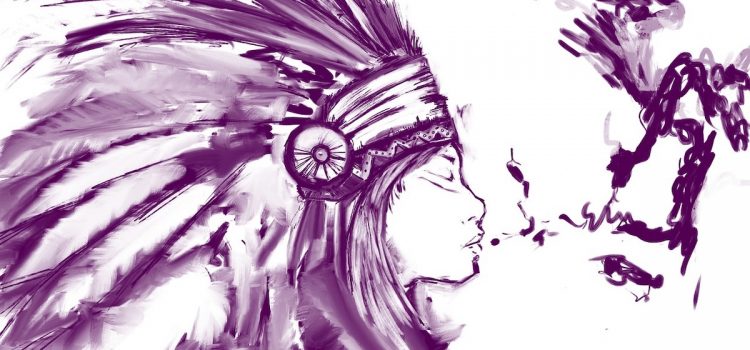
What’s the indigenous critique? What started the Enlightenment? Is the traditional narrative accurate? European Enlightenment philosophy was inspired by the native North American people’s critique of European customs. That’s the view of David Graeber and David Wengrow, as presented in their book The Dawn of Everything. Continue reading to learn about this fascinating alternative view of history.

The Origins of Political Order by Francis Fukuyama: Book Overview

The Origins of Political Order by Francis Fukuyama: Book Overview

How and when did government develop as an institution? How are governments held accountable? What makes a democracy stable? The Origins of Political Order by Francis Fukuyama explores the development of political systems from prehistory to the eve of the American and French revolutions in the late 18th century. Fukuyama is interested in how and why contemporary liberal democracies emerged. Keep reading for an overview of the book.

Oil and Politics: How the Silk Roads Became the Oil Roads

Oil and Politics: How the Silk Roads Became the Oil Roads

Why does everyone fight over oil? How does this struggle affect the balance of power in the world? In ancient times, Persia was prized by the great powers of the world for its wealth and location. In modern times, the area is prized for its oil. The discovery of this commodity altered the world’s political landscape forever. Continue reading for a historical overview of oil and politics.

Indigenous Stereotypes: Debunking the Notion of “Primitives”

Indigenous Stereotypes: Debunking the Notion of “Primitives”

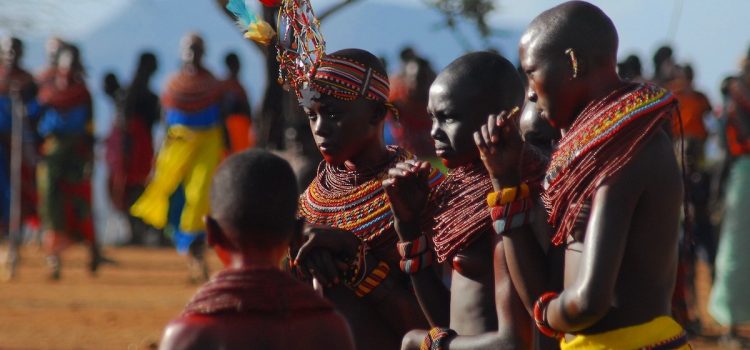
Are indigenous peoples just societies that haven’t evolved yet? Is it accurate to think of them as savage or primitive? In The Dawn of Everything, anthropologist David Graeber and archaeologist David Wengrow assert that our beliefs about the evolution of human societies have been wrong all along. They challenge the conventional anthropological narrative and attempt to set the record straight on indigenous societies. Keep reading for an enlightening discussion about where indigenous stereotypes come from and how they miss the mark.

Understanding Democracy: 3 Takeaways From Francis Fukuyama

Understanding Democracy: 3 Takeaways From Francis Fukuyama

Is there a “recipe” for democratic government? Is democracy contingent? Can political decay be reversed? To understand the pressures on democracy in the 21st century, it’s important to understand what modern democracy is and where it came from. Francis Fukuyama aims to build that foundation in his book The Origins of Political Order. Continue reading for the book’s takeaways on understanding democracy in the world today.

The Russian Empire vs. the British Empire: Clash of Interests

The Russian Empire vs. the British Empire: Clash of Interests

How far did the Russian Empire extend? How was it a threat to the British Empire? Did this clash lead to World War I? The rise of the Russian Empire began in the early 1800s, and its eventual expansion posed a threat to the interests of the British Empire. The clash between these two powers impacted the world for years to come. Keep reading to learn about the Russian Empire vs. the British Empire.

Is Inequality Inevitable? Imagining an Alternate World

Is Inequality Inevitable? Imagining an Alternate World

Is inequality inevitable? How did we come to view inequality this way and get stuck in unequal state-level societies? David Graeber and David Wengrow raise these questions in The Dawn of Everything. They suggest that understanding the complexity and diversity of different kinds of societies throughout history might prompt us to broaden our ideas about the possibilities for our contemporary societies. Keep reading for an invitation to consider these important questions, including an exercise to help you think through alternatives.

The Importance of Accountability in Government: A History

The Importance of Accountability in Government: A History

How is government accountability important to democracy? What can we learn from the history of democracy in England? One piece of the puzzle that makes up a modern liberal democracy is accountability—a state’s commitment to the rights and needs of the people it governs. In The Origins of Political Order, political economist Francis Fukuyama examines how government accountability evolved in England. Keep reading to learn about the history and the importance of accountability in government.