Starbucks in 2007: How the Franchise Fell From the Top

A Starbucks store in 2007

What happened to Starbucks in 2007? Why did Starbucks suffer from opening new stores? By 2007, Starbucks had become a bastion of coffeehouse culture, but it wasn’t performing as well as former CEO Howard Schultz thought it should. In his book Onward, Schultz discusses how Starbucks rose to the top but fell to the bottom during the 2007-2008 financial crisis. Keep reading to learn about the rise and fall of Starbucks.

How COVID-19 Changed the World (Schwab & Malleret)

a globe that has been broken in several places depicts how COVID-19 changed the world

Are you prepared for the next global crisis? How has the COVID-19 pandemic changed your perspective on worldwide interconnectedness? The book COVID-19 by Klaus Schwab and Thierry Malleret delves into how COVID-19 changed the world across various global systems. The authors explore how the crisis has exposed vulnerabilities, shifted international dynamics, and heightened risks for vulnerable nations. Keep reading to uncover the complex web of consequences stemming from this unprecedented global emergency.

The Impact of COVID-19 on Businesses: Schwab & Malleret Explain

businessmen at a conference table in front of a cityscape overlaid with graphs depict the impact of COVID-19 on businesses

Are you curious about how COVID-19 has changed the business landscape? Want to know what the future holds for various industries? In their book COVID-19, Klaus Schwab and Thierry Malleret explore the impact of COVID-19 on businesses across the globe. From supply chain transformations to shifts in government influence, they share insights into the evolving economic and social landscape. Read on to discover how the pandemic is reshaping the business world and what it means for you.

The Economic Impact of COVID-19 (Schwab & Malleret)

three silhouetted people looking at a digital world map on the wall illustrate the economic impact of COVID-19

Are you curious about how COVID-19 has reshaped our world? What lasting changes will we see in the economy? In COVID-19, authors Klaus Schwab and Thierry Malleret explore the pandemic’s far-reaching impacts. They examine the economic impact of COVID-19, industry transformations, and the acceleration of digital technologies. The book covers how these changes are affecting our daily lives and future prospects. Keep reading to uncover the key insights from this thought-provoking analysis.

Why Is Homelessness Increasing in America? 5 Reasons

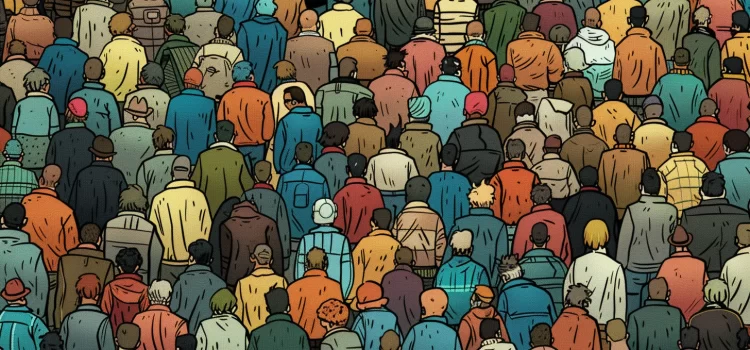
A cartoon of many homeless people, raising the question of why homelessness is increasing.

Why is homelessness increasing? What societal factors affect the homeless population? Homelessness in America has reached a high point in recent years. There are many reasons why the housing crisis isn’t getting any better, and they mainly point to systematic and policy issues. Learn more about the factors that are causing the unhoused population to grow every year in America.

Solutions to War: 3 Ways to Eliminate the Financial Incentives

a split image with a war-torn landscape on the left and a peaceful landscape on the right illustrates solutions to war

Have you ever wondered why wars are fought? What if the people who profit from war had to fight in them? In War Is a Racket, General Smedley D. Butler proposes radical solutions to war’s financial appeal. He suggests capping earnings, democratizing war decisions, and limiting military actions to defense only. Read on to discover how these changes could reshape the landscape of global conflicts.

Who Profits From War? Smedley Butler Identifies the Real Winners

a drawing of men in suits from behind walking on money-covered floors illustrates who profits from war

Have you ever wondered who profits from war in the end? What if the biggest winners aren’t on the battlefield but in boardrooms? You’re about to discover the sad truth about war profiteering. War Is a Racket by General Smedley D. Butler exposes how corporations and financiers have reaped enormous wealth from conflict throughout history. Prepare to have your eyes opened as you dive into the hidden economics of war.

War Makes Money—for a Few (General Smedley D. Butler)

a digital world map with data displayed in graphs illustrates that war makes money

Have you ever wondered about the true motives behind war? Is it really about patriotism and national security? In War Is a Racket, General Smedley D. Butler challenges common beliefs about warfare. He argues that war makes money for a select few while the majority suffer the consequences. Keep reading to discover Butler’s eye-opening insights from his military career.

Smedley D. Butler: War Is a Racket (Book Overview)

Smedley D. Butler: War Is a Racket (Book Overview)

Is war a racket? Who benefits? Who pays? General Smedley D. Butler’s War Is a Racket depicts conflict as essentially a venture that yields financial gain for a select few beneficiaries. This flies in the face of the common conviction that engaging in warfare is a necessary evil to maintain a country’s security. Read on for our overview of this book that might have you looking at war in a different light.

Rule #1: Book Overview and Takeaways (Phil Town)

Two hands holding coins with a leaf sprouting out of them.

Are you tired of feeling lost in the complex world of investing? Is there a simple, yet effective strategy to build wealth in the stock market? Phil Town’s Rule #1 book offers a straightforward approach to investing that focuses on purchasing outstanding companies at attractive prices. The book’s strategies aim to reduce risk and provide a clear set of guidelines for investors to follow. Read below for a brief overview of Rule #1.