
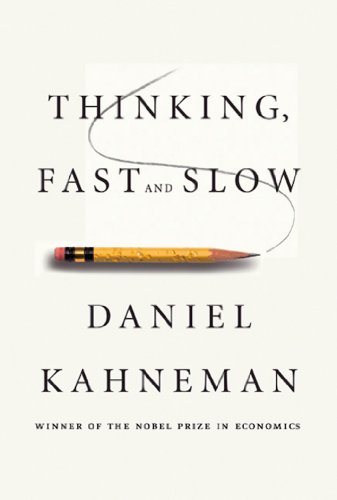
This article is an excerpt from the Shortform summary of "Thinking, Fast and Slow" by Daniel Kahneman. Shortform has the world's best summaries of books you should be reading.
Like this article? Sign up for a free trial here .
How is the expected utility theory used to predict human behavior? Expected utility theory is a theory of how people make choices and take risks when they don’t know the outcome.
Traditional expected utility theory asserts that people are rational agents that calculate the utility of each situation and make the optimum choice each time. We’ll look at how expected utility theory for decision making works and cover some of its flaws.
Originally Published: November 1, 2019
Last Updated: December 10, 2025
Expected Utility Theory Assumes People Are Perfectly Logical
The traditional theory of decision-making, known as expected utility theory, asserts that people rationally calculate how much they stand to gain or lose in each potential situation. Then, based on those calculations, they make the choice that’s most likely to lead to the greatest personal benefit.
However, people are not purely rational actors. Therefore, Kahneman argues that expected utility theory is not an effective way to explain people’s actions.
For example, suppose someone presents you with two options:
- An 80% chance to win $100, with a 20% chance to win only $10
- A 100% chance to win $80
If you calculate the average outcome of the first option based on probability, its expected value is greater ($82 versus $80). Therefore, according to utility theory, people should always choose it. However, Kahneman says most people will choose the second option because they prefer certainty over the chance to win more money.
| Expected Utility Vs. Expected Value Kahneman describes the flaws of expected utility theory at length, but it should be noted that this theory was, itself, a response to an even earlier theory called expected value. Expected utility theory emerged as an answer to a thought experiment called the St. Petersburg Paradox: a game of chance where, in theory, you could win an infinite amount of money, but are much more likely to win very little. Expected value theory states that, since there’s a chance of winning an infinite amount of money, it’s rational to pay any amount of money to play. However, this is clearly flawed reasoning: Nobody would pay billions of dollars just for a miniscule chance of winning even more. Expected utility theory tries to resolve the paradox by pointing out that, beyond a certain point, more money is not useful; therefore, even infinite money has finite utility. Now that there’s a limit to the game’s potential benefit, it makes rational sense to weigh that against how likely you are to lose money when you play, and decide how much a round of this game is actually worth to you. |
———End of Preview———
Like what you just read? Read the rest of the world's best summary of "Thinking, Fast and Slow" at Shortform . Learn the book's critical concepts in 20 minutes or less .
Here's what you'll find in our full Thinking, Fast and Slow summary :
- Why we get easily fooled when we're stressed and preoccupied
- Why we tend to overestimate the likelihood of good things happening (like the lottery)
- How to protect yourself from making bad decisions and from scam artists