The Importance of Emotional Intelligence at Work & Home

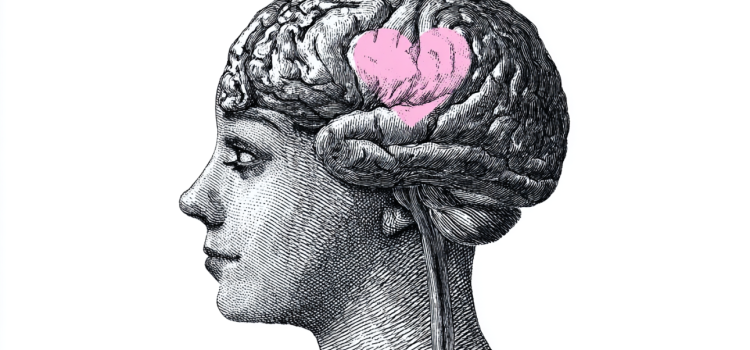
A sketch of a woman's brain with a love heart on it

In Emotional Intelligence 2.0, Bradberry and Greaves argue that emotional intelligence—your ability to recognize and manage emotions—accounts for 58% of job performance and predicts success better than IQ or technical skills. Understanding the importance of emotional intelligence starts with understanding your brain. When you experience something, that information passes through your limbic system before reaching the frontal lobe, where logical thinking happens. This wiring means you feel before you think, making emotional awareness essential rather than optional for navigating workplace dynamics, building relationships, and making sound decisions.

Emotional Intelligence & Self-Awareness: The Basics

Emotional Intelligence & Self-Awareness: The Basics

Ever notice how hunger makes you snappy, or how certain people instantly put you on edge? That’s self-awareness in action—your ability to recognize emotions as they happen and understand your behavioral patterns over time. In Emotional Intelligence 2.0, Travis Bradberry and Jean Greaves argue that this recognition forms the foundation of emotional intelligence, because you can’t manage an emotion you haven’t noticed. Keep reading to learn more about self-awareness and tactics for developing it.

Apply Discipline Strategically to Achieve Success

A man holding a checklist in a gym illustrates the importance of applying discipline

Many people fail to reach their goals because they believe success requires a superhuman, never-ending level of willpower. In reality, the secret isn’t being a naturally disciplined person; it’s learning how to apply discipline strategically to the right habits. By using the focusing question to identify the one behavior that makes everything else easier or unnecessary, you can move away from the myth of the “disciplined life” and toward a system of automatic success. Read on to discover why discipline is a short-term tool rather than a long-term personality trait and learn how to build sequential success one habit at

4 Emotional Intelligence Strategies to Boost Your EQ Skills

4 Emotional Intelligence Strategies to Boost Your EQ Skills

Want to navigate workplace tensions with more grace, make better decisions under pressure, and build stronger professional relationships? In Emotional Intelligence 2.0, Bradberry and Greaves argue you can develop these capabilities by systematically improving your emotional intelligence through four core skills: self-awareness, self-management, social awareness, and relationship management. This guide breaks down specific, research-backed strategies for developing each skill, from identifying your physical stress signals and managing your self-talk to reading body language and handling difficult conversations that preserve trust even during disagreement.

Badass Habits by Jen Sincero: Book Overview & Takeaways

A woman flexing her bicep while looking in the mirror because she has good habits

Struggling to stick with new habits? The problem isn’t your willpower—it’s that you’re focused on doing instead of being. In Badass Habits, self-help expert Jen Sincero argues that lasting change comes from shifting your identity first, then letting your habits naturally follow from who you’ve become. Sincero, a life coach and bestselling author of the You Are a Badass series, offers a refreshingly irreverent take on habit formation that flips traditional advice on its head. This guide explores her identity-first approach to building better habits, walks through practical strategies for reshaping your environment and routines, and examines the psychological tools

The Myth of a Balanced Life: Strive for Counterbalance Instead

A ballet dancer in a flowing dress balancing on her tiptoes illustrates counterbalance instead of a balanced life

You might believe you should strive to give equal time and attention to all areas of your life. Entrepreneur Gary Keller says this is a myth. If you want to achieve uncommon success at something, you’ll sometimes need to neglect other areas of life. A musician who’s training for a crucial recital can’t at the same time write her memoir or learn to cook healthier food. Keller urges you to accept that, when you’re intensely focused on one thing, other areas of your life will temporarily slide. You should manage this imbalance strategically—let the dishes pile up for a week

Understanding the 4 Benefits of Emotional Intelligence

Understanding the 4 Benefits of Emotional Intelligence

Can developing your emotional intelligence really change your life? According to Bradberry and Greaves in Emotional Intelligence 2.0, emotional intelligence (EQ) is the one characteristic you can strengthen throughout your life, making it your most practical tool for self-improvement—unlike IQ and personality, which remain largely fixed. Understanding the benefits of emotional intelligence can transform how you navigate relationships, handle stress, and achieve success. Here’s an overview.

Focus on One Thing: How to Build a Legacy of Accomplishment

A woman holding up a hand with "FOCUS" on it illustrates how impactful it is when you focus on one thing

In today’s hyper-connected world, multitasking is often mistaken for productivity, yet true success comes from a much narrower path. Based on the principles of Gary Keller’s The ONE Thing, extraordinary results are not the byproduct of doing more, but of doing the right things in the right order. When you align your daily actions with your long-term goals, you create a powerful “domino effect” where each small win fuels a massive, geometric progression toward your ultimate vision. To achieve these life-changing breakthroughs, you must learn to ignore the distractions and focus on one thing at a time. This sequential approach