The Anchoring Effect: 10 Examples, Explained

The Anchoring Effect: 10 Examples, Explained

What is the anchoring effect? How do we use it in everyday decision making? The anchoring effect is a cognitive bias where you depend too heavily on an initial piece of information when making decisions. This can lead to bad judgments and allows you to be biased by information that’s often irrelevant to the decision at hand. Learn how the anchoring effect in psychology works, why it can lead to bias, and how to overcome the anchoring effect.

3 Types of Humanism: How Humans Worship Themselves

3 Types of Humanism: How Humans Worship Themselves

What is humanism? What are the different types of humanism philosophies? Do humanist beliefs require a God? Humanism is the term for religions or belief systems that worship man rather than God or gods. This doesn’t mean that humanists don’t believe in God. There are four general types of humanism: liberal humanism, socialist humanism, and evolutionary humanism. We’ll cover how these three types of humanistic beliefs differ from one another, humanism meaning, and what the future of humanism looks like.

How Did Early Humans Communicate? Gossip Was Key

How Did Early Humans Communicate? Gossip Was Key

How did early humans communicate with each other? What features of Homo sapiens language made this species successful? Early humans communicated through complex language, gossip, and shared fictions. These advancements in language allowed our species to dominate the animal kingdom, and the later invention of writing allowed people to leave a written legacy. We’ll cover why linguistic advancements such as gossip were such an important form of communication for early humans, and we’ll look at how writing was invented.

What Caused the Industrial Revolution? Obsession With Energy

What Caused the Industrial Revolution? Obsession With Energy

What caused the Industrial Revolution? How did it shape the modern world? The causes of the Industrial Revolution were the discovery of energy conversion and development of new resources. The idea that human beings had the capacity to convert matter to energy was a significant cause of the Industrial Revolution. We’ll cover what caused the Industrial Revolution and how it changed society.

Social Constructionist Theory: Our Life is Based on Myths

Social Constructionist Theory: Our Life is Based on Myths

What is the social constructionist theory? How does the fact that our reality is socially and culturally constructed influence our beliefs and behaviors? The social constructionist theory is the theory that our societies function on shared assumptions and collective “myths.” These assumptions and beliefs aren’t natural–rather, they are created by society and culture itself. We’ll cover the origin of social constructs and how social constructionist theory explains many of your beliefs about what is “natural” or common sense, and what isn’t.

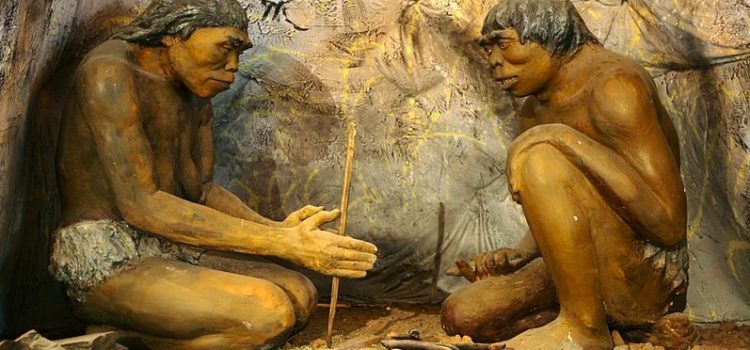
Early Homo Sapiens: The Most Skilled Humans in History

Early Homo Sapiens: The Most Skilled Humans in History

What were our ancestors the early Homo sapiens like? How did they live? How did they communicate? What did they eat? How did they shape our lives today? We don’t know much about the early Homo sapiens, but we do know that they were cooperative, nomadic, and extremely knowledgeable. Early Homo sapiens may be the most knowledgeable humans in the history of mankind. We’ll cover how early Homo sapiens lived and how they came to dominate other animals.

Types of Money: How Beads, Bills, and Data Became Currency

Types of Money: How Beads, Bills, and Data Became Currency

What were the types of money used throughout history? What were the advantages and disadvantages of these types of currency? Ancient types of money included cattle, animal skins, grain, salt, beads, and cloth. These have all been used as types of currency in various cultures and time periods. We’ll cover the major kinds of money throughout history and why a few particular types prevailed.

Confirmation Bias Definition: Why You See What You Want to See

Confirmation Bias Definition: Why You See What You Want to See

What is confirmation bias? What can cause confirmation bias? Confirmation bias is the tendency to find and interpret information in a way that confirms your prior beliefs. We selectively pay attention to data that fit our prior beliefs and discard data that don’t. Better understand the above confirmation bias definition and how confirmation bias occurs in decision making.