


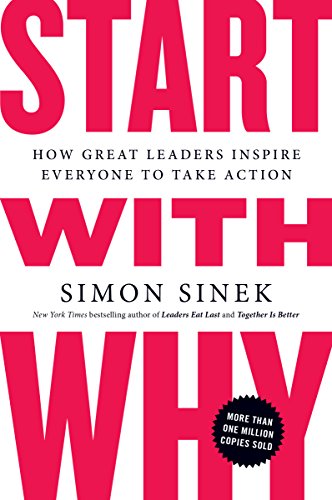
Este artículo es un extracto del Shortform deEmpieza con el porqué» de Simon Sinek. Shortform los mejores resúmenes del mundo de los libros que deberías leer.
¿Te gusta este artículo? Regístrate aquí para obtener una prueba gratuita .
Todas las empresas necesitan motivar a los clientes para que hagan algo, ya sea comprar un producto o un servicio. ¿Funciona la publicidad manipuladora? ¿Cuáles son las estrategias más comunes de la publicidad manipuladora? Si eres comprador, ¿cómo las detectas? Si eres vendedor, ¿deberías utilizarlas?
Analizaremos las seis tácticas publicitarias manipuladoras más comunes. Examinaremos sus ventajas e inconvenientes y debatiremos si realmente funcionan o si existe una forma más eficaz de hacer publicidad.
- Publicado originalmente: 1 de febrero de 2020
- Última actualización: 21 de enero de 2026
Dos tipos de publicidad
Hay dos formas de motivar a las personas a actuar: la publicidad manipuladora y la publicidad inspiradora.
- Las manipulaciones utilizan influencias externas para conseguir que las personas compren un producto o servicio. Utilizan el modelo de refuerzo del comportamiento «zanahoria y palo». Aunque las manipulaciones pueden producir beneficios a corto plazo, no generan lealtad a largo plazo. Este es el QUÉ de las estrategias empresariales.
- La inspiración hace que una persona actúe por voluntad propia, no por influencias externas. Por lo general, estas personas se inspiran en el PORQUÉ de una empresa. La inspiración fomenta la lealtad, y la lealtad conduce a la repetición de negocios. Este es el PORQUÉ de las estrategias empresariales.
No empieces con QUÉ
Simon Sinek dice que, lamentablemente, la mayoría de las empresas no Empieza con el porqué, sino con el QUÉ. Como parte más superficial de un negocio, el QUÉ es lo más fácil de identificar y comunicar a los clientes potenciales.
Por eso, gran parte de los mensajes se centran en aspectos como las características del producto, su popularidad y el éxito de la empresa: la empresa intenta convencer a los clientes potenciales de que LO QUE vende es bueno. Sin embargo, aunque todo lo que dice la empresa sea cierto, esas afirmaciones no son inspiradoras y, en última instancia, este enfoque fracasará.
(Shortform : Sinek afirma que tu QUÉ no inspirará a la gente a comprarte sin un PORQUÉ sólido, pero otros expertos en marketing no están de acuerdo. En Purple Cow, Seth Godin sostiene que los productos pueden tener éxito por sí mismos, pero solo si son lo suficientemente notables como para llamar la atención de la gente. Para ser verdaderamente notable, un producto debe ser lo suficientemente único como para destacar entre la multitud y lo suficientemente práctico como para que la gente quiera comprarlo. Por ejemplo, el diseño único del Volkswagen Beetle hizo que mucha gente hablara de él (tanto en sentido positivo como negativo). Esas conversaciones sirvieron como publicidad gratuita, lo que, combinado con la fiabilidad del coche, condujo directamente al éxito del Beetle).
QUÉ se basa en la manipulación, no en la inspiración
Cuando las empresas carecen de un PORQUÉ que inspire a sus clientes, deben recurrir a lo que Sinek denomina manipulaciones para vender sus productos. Las manipulaciones son tácticas que influyen artificialmente en los clientes para que compren en su empresa o utilicen sus servicios. Algunos ejemplos son los precios, las promociones, los miedos, las aspiraciones, la presión de los compañeros y la novedad.
Sinek añade que las manipulaciones funcionan , pero solo a corto plazo: ninguno de estos métodos creará clientes fieles que repitan la compra. Por lo tanto, las empresas centradas en el QUÉ tienen que manipular constantemente a las personas para que compren sus productos solo para mantenerse en el negocio. Además, es inevitable que, con el tiempo, una empresa de este tipo utilice tácticas equivocadas o que los clientes empiecen a darse cuenta de sus mensajes falsos. Cuando eso ocurra, las ventas se agotarán y el negocio se derrumbará.
(Shortform : Sinek afirma que las manipulaciones no son eficaces, pero algunas investigaciones sugieren justo lo contrario: el marketing manipulador es tan eficaz (y omnipresente) que está afectando a la forma en que las personas ven el mundo. Este tipo de mensajes suelen aprovechar el miedo, la ira y la indignación para captar la atención, lo que puede aumentar los niveles de estrés individual y la polarización social con el tiempo. El marketing manipulador también suele basarse en afirmaciones exageradas que provocan la decepción de los consumidores. Esto puede erosionar la confianza en la empresa, como dice Sinek, o bien llevar a los clientes a pensar que hay algo mal en ellos y no en el producto, lo que contribuye a problemas que van desde la ansiedad hasta los trastornos alimentarios).
Seis tácticas publicitarias manipuladoras comunes
Aquí hay seis tácticas publicitarias manipuladoras comunes y por qué no funcionan.
Táctica publicitaria manipuladora n. º 1: el precio
Los precios más bajos incitan a la gente a comprar, por lo que las empresas se enzarzan en guerras de precios y venden a precios bajísimos.
Pero la manipulación de los precios puede ser peligrosa para una empresa. Cuando un cliente se acostumbra a pagar un precio bajo, puede resultar casi imposible aumentar el coste de un artículo.
Esto crea un mercado de productos básicos, en el que las empresas tienen que crear más productos para mantener sus ingresos. Así que, aunque bajar los precios impulsa el negocio, también dificulta obtener beneficios a largo plazo.
Táctica publicitaria manipuladora n. º 2: promociones
Las promociones son programas a corto plazo (a menudo denominados programas de «valor añadido») que ofrecen un incentivo temporal para realizar una compra inmediata. Algunas promociones habituales son las rebajas por tiempo limitado, las ofertas de reembolso, los cupones o los descuentos por correo.
Todos hemos experimentado promociones, y son una manipulación habitual en la industria automovilística.
- Cuando los fabricantes de automóviles japoneses comenzaron a superar a sus homólogos nacionales, los fabricantes de automóviles estadounidenses como General Motors (GM) pusieron en marcha programas de incentivos a gran escala. Pero, aunque atrajeron a clientes y supusieron una solución a corto plazo, también redujeron los beneficios de GM.
- GM tuvo que suspender algunos de sus programas promocionales, lo que provocó una caída en sus ventas. Los clientes habían empezado a esperar precios promocionales y, cuando estos desaparecieron, volvieron a comprar automóviles de marcas extranjeras.
Para evitar la penalización económica que suponen las promociones, las empresas suelen diseñar descuentos que son difíciles de canjear. Casi el 40 % de los clientes nunca obtienen el descuento, ya que no siguen los pasos necesarios para obtener el reembolso. Aunque esta manipulación tiene una ventaja económica a corto plazo, a largo plazo cuesta reputación y la fidelidad de los clientes.
Táctica publicitaria manipuladora n. º 3: el miedo
El miedo es la manipulación más poderosa porque apela a nuestro instinto de supervivencia.
También es una táctica habitual: piensa en los anuncios contra las drogas o en los anuncios de servicio público que te advierten que te pongas el cinturón de seguridad para no morir en un accidente.
En el mundo empresarial, el miedo se utiliza a menudo para convencernos de que, si no compramos un determinado servicio o producto, nos ocurrirá algo malo. ( Shortform : un buen ejemplo de ello son los anuncios de productos farmacéuticos, en los que se dice a las personas que no tomar un determinado medicamento afectará negativamente a su longevidad o calidad de vida).
Aunque a menudo no te pasará nada malo si no compras dicho producto o servicio, el miedo hace que los clientes sientan que sí les pasará, lo cual es una manipulación eficaz.
Táctica publicitaria manipuladora n. º 4: aspiración
La aspiración aprovecha el deseo de las personas de tener más, hacer más o ser mejores. Son más eficaces si las personas a las que se dirigen se sienten inseguras o preocupadas por alcanzar sus objetivos.
La aspiración suena un poco como la inspiración, pero son cosas diferentes. Por ejemplo, la aspiración hace que la gente compre pases para el gimnasio, pero se necesita inspiración para que una persona los use . Por eso, las membresías de gimnasios aumentan un 12 % en enero, pero solo una fracción de esas personas las usa.
El mayor problema de las aspiraciones como táctica de manipulación es que crean un deseo de satisfacción a corto plazo cuando solo funcionan las soluciones a largo plazo. Las aspiraciones pueden hacer que las personas actúen durante un tiempo, pero no logran mantener su impulso.
Táctica publicitaria manipuladora n. º 5: presión social
Cuando una empresa afirma que la mayoría de las personas o expertos utilizan su producto, está utilizando la presión social, también conocida como presión de grupo, como una forma de manipulación. Por eso, los anuncios suelen incluir afirmaciones como «cuatro de cada cinco expertos están de acuerdo» o «millones de clientes satisfechos» creen que su producto es el mejor.
La presión social funciona porque juega con nuestro miedo profundo a que otras personas puedan saber algo que nosotros no sabemos. En otras palabras, al invocar a la mayoría, la presión social nos hace preocuparnos de que nuestras decisiones sean erróneas.
Por eso los anuncios con famosos pueden ser tan eficaces. Cuando un famoso habla de un producto, hace que la gente piense que ese producto es bueno o que comprarlo nos hará parecernos más al famoso que lo promociona. Piensa en ejemplos como Michael Jordan promocionando Gatorade y Nike, o Tiger Woods promocionando desde pelotas de golf Titleist hasta coches GM.
Táctica publicitaria manipuladora n. º 6: Novedad
La novedad —definida como «nueva» o «inusual»— a menudo se comercializa como «innovación».
Pero la novedad y la innovación son muy diferentes entre sí.
- La novedad es simplemente introducir algo nuevo y, con el tiempo, acabará desapareciendo. La novedad es más un truco que una mejora real.
- La innovación es un cambio valioso que perdura en el sector hasta bien entrado el futuro. Se trata de una auténtica reinvención, en aspectos que son importantes para los clientes a largo plazo.
En última instancia, la novedad engaña a los consumidores haciéndoles creer que un producto o servicio es innovador cuando no lo es.
Ejemplo de publicidad manipuladora
Podemos ver la diferencia entre novedad e innovación cuando observamos dos teléfonos «innovadores»: el Motorola RAZR y el iPhone de Apple.
- El RAZR se promocionó como «innovador» y el futuro de los teléfonos móviles porque incorporaba innovaciones como «aluminio de calidad aeronáutica» y un «teclado grabado químicamente». Aunque al principio se vendieron muchos teléfonos, en cuatro años las acciones de Motorola cotizaban al 50 % de su valor anterior. Lo que se suponía que era innovación era en realidad una novedad, y no duró.
- El iPhone se comercializó de forma muy similar al RAZR: como el futuro de los teléfonos móviles. Pero, a diferencia del RAZR, el iPhone era realmente innovador y, según Sinek, no por su pantalla táctil y la eliminación de los botones. El iPhone cambió el funcionamiento de la industria de la telefonía al indicar a los fabricantes de teléfonos qué funciones tendrían sus teléfonos (en lugar de que fueran los fabricantes quienes decidieran qué funciones incluirían). Se trató de un cambio duradero que continúa hoy en día.
Cuando las empresas lanzan múltiples variantes menores de un producto, es una señal de que solo están buscando la novedad en lugar de la innovación, como los treinta y dos tipos de pasta de dientes de Colgate.
———Fin de la vista previa———
¿Te ha gustado lo que acabas de leer? Lee el resto del mejor resumen del mundo de «Empieza con el porqué» en Shortform . Aprende los conceptos fundamentales del libro en 20 minutos o menos .
Esto es lo que encontrarás en nuestro Empieza con el porqué completo de Empieza con el porqué :
- Lo que Steve Jobs hizo bien en comparación con otros líderes empresariales
- Cómo definir el PORQUÉ de tu organización
- Cómo ayudar a tu organización a evitar perder su ventaja competitiva a medida que alcanza el éxito







No veo que hables de la publicidad manipuladora que se dirige al deseo de una persona de ser amada o de tener amistad. Actúan como si tuvieran una relación amorosa contigo o como si fueran tu mejor amigo.
Publicidad directa por correo electrónico como «Tom, te echamos de menos».
O anuncios por correo electrónico que utilizan tu nombre y parecen anuncios de citas o personales. Por ejemplo, un correo electrónico de Groupon dice:
«10 dólares a que te hemos estado esperando.
Si esto fuera un anuncio de citas, nos sentiríamos ofendidos».
O de una empresa de venta de frutas y verduras:
«¡Eres la niña de nuestros ojos y te mereces el mejor cumpleaños! Esperamos que tengas un día relajado, lleno de deliciosas verduras.
Tenemos tanto cariño por ti en nuestros corazones.
Tácticas de amor falso.