“What You See Is All There Is” Bias (WYSIATI)

“What You See Is All There Is” Bias (WYSIATI)

What is the “What You See is All There Is (WYSIATI)” phenomenon? How does it work? Why does WYSIATI lead to bad decisions? What You See is All There Is (WYSIATI) is a cognitive bias described by Daniel Kahneman in Thinking, Fast and Slow. WYSIATI says that when presented with evidence, especially those that confirm your mental model, you do not question what evidence might be missing. Learn how the “What You See is All There Is” phenomenon affects your decision making, and learn how to overcome it.

Heuristics and Biases: Bad Thinking and Bad Decisions

Heuristics and Biases: Bad Thinking and Bad Decisions

What is a heuristic question? How is it involved in decision-making? What is the link between heuristics and biases? A heuristic question is a question that’s relatively easy to answer that you substitute for a more complex question. Heuristics are practical, but not always ideal. They help you make quick decisions. We’ll cover how heuristics work, examples of heuristics, and the benefits and dangers of heuristic thinking.

4 Surprising Effects of the Scientific Revolution

rocket launch

What were the effects of the Scientific Revolution? How did advances in science lead to the merging of science, imperialism, and capitalism? The effects of the Scientific Revolution include the merging of science with other institutions and the legacy of how we perceive the inevitability of death. These effects have touched almost every aspect of our governments and economies. We’ll cover the impact of the Scientific Revolution on politics, governments, and ethics.

Capitalism and Imperialism: A Codependent Relationship

Capitalism and Imperialism: A Codependent Relationship

What is the relationship between capitalism and imperialism? How did the line between them (if there is one at all) become so blurry? Capitalism and imperialism are codependent. Capitalism allows empires to flourish, while empires often work to serve capitalism (and their own interests). We’ll cover how capitalism and imperialism are intimately linked and look at the history of their relationship.

European Imperialism: How a Tiny Continent Ruled The World

European Imperialism: How a Tiny Continent Ruled The World

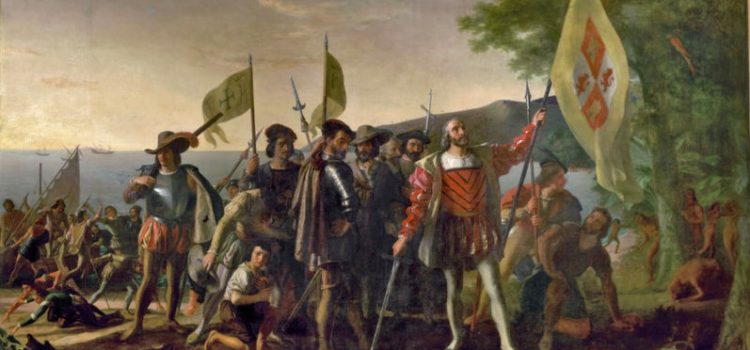
What spurred the Age of Imperialism? How was European imperialism also a quest for knowledge? European Imperialism began in the 18th century as Europeans set sail to conquer new lands. The Age of Imperialism was driven by a combination of national pride, greed, and genuine curiosity. We’ll cover how European Imperialism began, why the Age of Imperialism was dominated by Europeans, and how it changed the world.

Homo Sapiens and Neanderthals: Did They Mate? Battle? Both?

Homo Sapiens and Neanderthals: Did They Mate? Battle? Both?

What was the relationship between Homo sapiens and Neanderthals like? Did they get along? Did they mate? Did they go to war? Homo Sapiens and Neanderthals had a complex relationship. They likely both interbred and fought wars with each other. Although Neanderthals were stronger and had bigger brains, Homo sapiens became the dominant human species. We’ll cover how Homo sapiens came to dominate the animal kingdom and why the Neanderthals died out.

Global Thinking: The Smartest Way to Think

Global Thinking: The Smartest Way to Think

What is global thinking? How does it differ from narrow framing, and why does it help in decision-making? Global thinking is the ability to see the big picture and consider every combination of options to find the optimum one. Global thinking is mentally taxing and therefore hard to do, and we usually fall back on “narrow thinking” instead. We’ll cover how global thinking differs from narrow framing and how global thinking can help you make better decisions.

Sunk Cost Fallacy Examples: Why It’s Hard to Cut Your Losses

Sunk Cost Fallacy Examples: Why It’s Hard to Cut Your Losses

What is the sunk cost fallacy? What are some examples of the sunk cost fallacy? The sunk cost fallacy is the tendency to keep investing time or money in something because you’ve already invested a lot of time, money, or resources into it. In doing so, we separate life into separate accounts, instead of considering the global account. Learn what the sunk cost fallacy is and why it’s so easy to fall for it.

Availability Bias: Why Memorable Things Seem Important

Availability Bias: Why Memorable Things Seem Important

What is availability bias? When does it occur, and how can you avoid it? Availability bias is the tendency to place more importance on information we can easily remember. The more easily you remember something, the more significant you perceive what you’re remembering to be. In contrast, things that are hard to remember are lowered in significance. Learn how the availability bias, also known as the availability heuristic in psychology, hurts our thinking skills. We’ll cover the role of availability bias in the media and what you can do to overcome availability bias.

Invention of Writing: Created to Record Data, Help the Brain

Invention of Writing: Created to Record Data, Help the Brain

What were the causes and consequences of the invention of writing? Where was writing invented, and how did it change human history? The Sumerians invented writing in southern Mesopotamia between 3500 BC and 3000 BC. The invention of writing first affected accountants, not playwrights and poets. We’ll cover the reasons writing was invented and look at how it changed the world.