David Sinclair: Aging Is a Disease

David Sinclair: Aging Is a Disease

Is aging inevitable? Is it possible to cure aging, in theory? How close are we to overcoming aging? Throughout recorded history, we’ve always accepted aging as something that just happens to people. According to Australian biologist David Sinclair, aging is a disease that can be treated. Sinclair suggests a number of different ways to treat aging, either by delaying the symptoms or (in some cases) actually reversing the damage. Here is why aging is a disease, according to David Sinclair.

What Happens When You Fast?

What Happens When You Fast?

What happens when you fast? How long does it take to start losing weight when fasting? What are the common side-effects of fasting? When you fast for extended periods of time, your body goes into a fat-burning mode. However, it takes some time to start seeing weight loss—your body needs to adapt to tapping into your fat stores for energy. During this acclimation phase, you may feel some adverse effects, including lethargy, headaches, and fatigue. Keep reading to learn what happens in your body when you fast.

Why Do We Age and Die? Biologist Explains

Why Do We Age and Die? Biologist Explains

Why do we age and die? Do we really age and die to make room for our descendants? Humans have always accepted aging as a fact of life, but relatively few people have questioned why it has to happen. The oldest theory, dating back to Aristotle, is that we age and die for the good of the species, to “make room” for the next generation. But that theory fell out of favor in the 1950s, paving the way for new theories to come. Keep reading to learn about key theories of aging.

Curing Aging Is Just a Matter of Time

Curing Aging Is Just a Matter of Time

Is it possible to cure aging? How can human societies adapt to the world without aging? According to biologist David Sinclair, it’s inevitable that we’ll cure the disease of aging. Further, he believes that we can not only cure aging but also create a world that’s able to support an undying human population. It will require major changes in how we think about almost every aspect of society, but Sinclair says that it’s not only possible but necessary to do so.  Here’s why curing aging is just a matter of time and how we can prepare for the future where

How Does Insulin Cause Weight Gain?

How Does Insulin Cause Weight Gain?

What triggers insulin release? How does insulin cause weight gain? Insulin is released every time you eat. Most people eat every few hours, which leads to chronically high insulin levels. Constant feeding means a constant influx of glucose, which is the body’s preferred fuel—there’s no need to tap into fat stores for energy. Keep reading to learn about the role of insulin in weight gain.

What Happens in the Small Intestine?

What Happens in the Small Intestine?

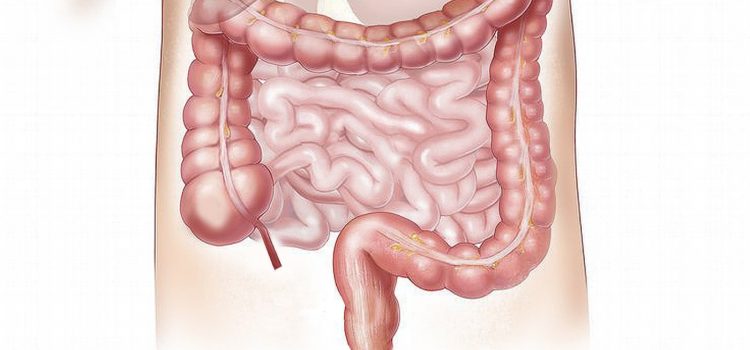
What happens in the small intestine? What is the role of the small intestine in the digestive process? The small intestine’s job is to absorb the food particles found in chyme into the bloodstream. From there, the particles travel throughout the body, providing fuel for our cells and building important structures. Keep reading to learn how the job of the small intestine.

David Sinclair: How to Reverse Aging & Extend Lifespan

Is aging an incurable disease? Or can aging be treated? Scientists are moving to the idea that aging is not, in fact, an inevitable doom that we’ve so far believed it to be. Rather, aging is a treatable disease. Biologist David Sinclair suggests a number of different ways to treat aging, either by delaying the symptoms or (in some cases) actually reversing the damage. Here’s how to reverse aging, according to David Sinclair.

Gut by Giulia Enders: Book Overview

Gut by Giulia Enders: Book Overview

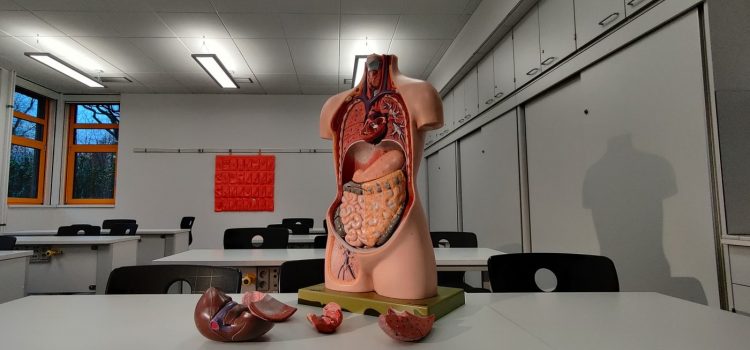
What is Gut by Giulia Enders about? How does Enders detail the science behind our digestive system? In her book Gut, Giulia Enders aims to overthrow the idea that the gut is a gross and useless part of the body. She explains the role the gut plays in digestion, how it affects physical and mental health, and how to keep it healthy. Here’s a brief overview of Gut by Giulia Enders.

Acute vs. Chronic Stress: What’s the Difference?

Acute vs. Chronic Stress: What’s the Difference?

What’s the difference between acute vs. chronic stress? Which type of stress is more harmful to your body? There are two different types of stress: acute stress and chronic stress. Acute stress is induced by short-term challenges such as exercise, fasting, and exposure to hot/cold temperatures. Chronic stress occurs when you are exposed to a high-stress situation or stimuli for a long time, which can have adverse health consequences because it skews up your body’s equilibrium. Keep reading to learn about the effects of acute vs. chronic stress.