The Implications of Human Immortality

The Implications of Human Immortality
Can humans live forever? And if so, should we? What are the wider implications of human immortality? Living forever is an attractive yet controversial idea. There are a number of ethical implications concerning immortality. Some of the chief concerns include overpopulation, economic inequality, and stagnation of scientific and social progress. Biologist David Sinclair addresses these concerns in his book Lifespan, coming to the conclusion that humanity has got what it takes to overcome them. Keep reading to learn about the implications of human immortality, according to David Sinclair.

Understanding the Human Gut Microbiome

Understanding the Human Gut Microbiome

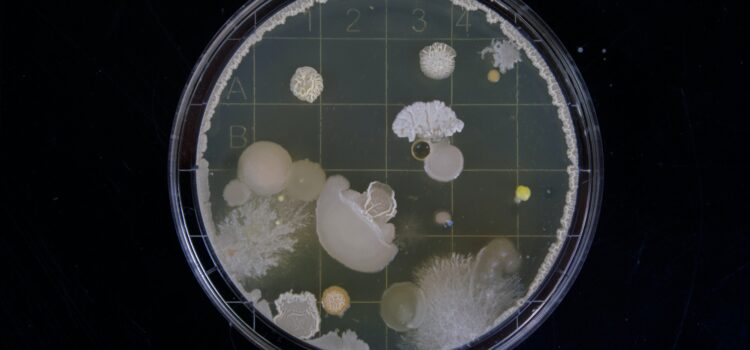
What is the human gut microbiome? How does it influence our physical and mental health? We have huge populations of bacteria in the human gut microbiome. These bacteria play a vital role in digestion, and emerging science suggests that they also have other important effects. These include strengthening our immune system and possibly impacting our mental health. Keep reading to learn about the role of these bacteria populations, how we develop them, and how we can maintain a healthy gut.

Is the Appendix a Useless Organ?

Is the Appendix a Useless Organ?

Is the appendix useless? What is the purpose of the appendix? The appendix has a reputation of having no practical purpose in the body, but that’s not true. The appendix is a vital part of the digestive system; it kills bad bacteria and maintains good bacteria. Learn why the appendix isn’t so useless after all, according to scientist Giulia Enders.

Yamanaka Genes: Finally, a Cure for Aging?

Yamanaka Genes: Finally, a Cure for Aging?

What are Yamanaka genes? How can these genes reverse aging? Yamanaka genes are a group of genes that encode transcription factors that have been shown to convert mature cells into stem cells. These factors hold promise in our quest to reverse aging—stem cells can grow into any type of cell (e.g. neurons, heart cells, liver cells) and could be used to replace the age-related cell damage. Here’s how Yamanaka genes can one day help reverse your biological clock.

Where Does the Process of Digestion Begin?

Where Does the Process of Digestion Begin?

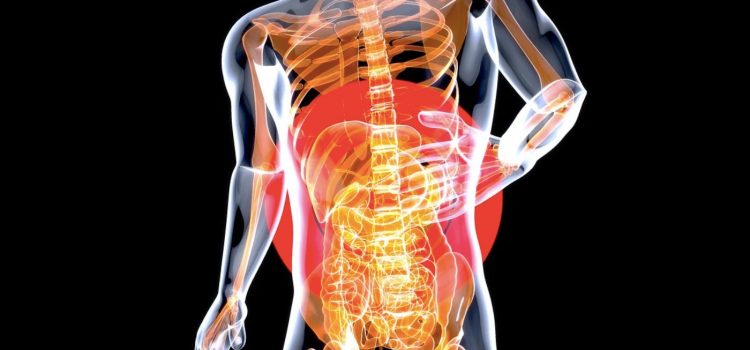
Where does the process of digestion begin? What are the key organs involved in the digestion of food? We tend to think digestion happens in the abdomen, but it actually starts in the mouth. When we eat food, the mouth begins to break it down by releasing saliva and chewing. The mouth also protects us from unwelcome bacteria that we encounter in everyday life. These functions take place in two places: the salivary glands and the tonsils. Keep reading to learn about the stages of the digestion process.

Senescence: What It Is and How to Reverse It

Senescence: What It Is and How to Reverse It

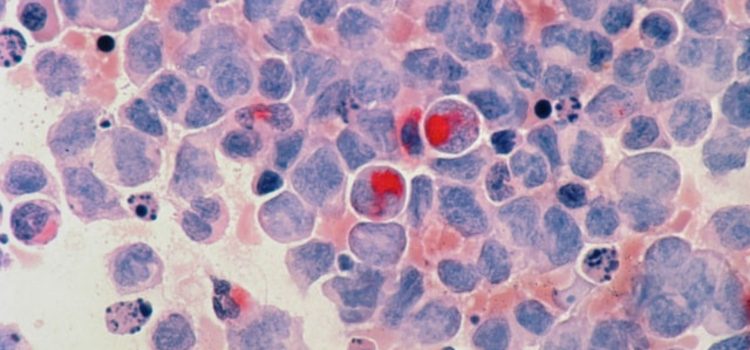
What is senescence? What role do senescent cells play in aging? Is it possible to reverse senescence? As we get older, our cells start to shut down by entering senescence—a permanent cell cycle arrest where cells stop dividing but don’t die. Biologist David Sinclair believes that destroying those cells before they cause too much damage can significantly extend both life and health.  Here’s how senescent cells contribute to aging.

What Are the Three Macronutrients Your Body Needs?

What Are the Three Macronutrients Your Body Needs?

What are the three macronutrients? What is the function of each? The building blocks of the food you eat are called macronutrients (macro- meaning “large”) because your body needs them in large quantities. Macronutrients fuel your body with energy and build important structures such as hormones, muscles, and DNA. Keep reading for a better understanding of the three macronutrients’ roles in your health.