Understanding the 4 Benefits of Emotional Intelligence

Understanding the 4 Benefits of Emotional Intelligence

Can developing your emotional intelligence really change your life? According to Bradberry and Greaves in Emotional Intelligence 2.0, emotional intelligence (EQ) is the one characteristic you can strengthen throughout your life, making it your most practical tool for self-improvement—unlike IQ and personality, which remain largely fixed. Understanding the benefits of emotional intelligence can transform how you navigate relationships, handle stress, and achieve success. Here’s an overview.

How to Get People to Like You: Carnegie’s 3 Methods

A smiling group of senior friends who like each other

How do you get people to genuinely like you? Dale Carnegie’s advice boils down to three key strategies: demonstrate understanding toward others’ emotions, present yourself with warmth and positivity, and establish personal connections. Carnegie’s classic book How to Win Friends and Influence People offers practical techniques for becoming more likable. His approach emphasizes understanding why people feel the way they do and demonstrating that understanding through your words and actions. Keep reading for an in-depth look.

Physical Touch Love Language: How to (& Not to) Show Affection

A black and white image of a man and woman hugging, expressing the physical touch love language

How do you show love through physical contact? According to Gary Chapman’s concept of love languages, people who speak physical touch as their primary love language feel most loved through physical contact—the key is learning your partner’s specific preferences. Physical touch isn’t one-size-fits-all, and understanding what your partner enjoys (and doesn’t enjoy) makes all the difference. Here’s what Chapman has to say about it in his book The 5 Love Languages.

What’s My Love Language? 3 Questions for You & Your Partner

A couple holding their hands together in a heart shape

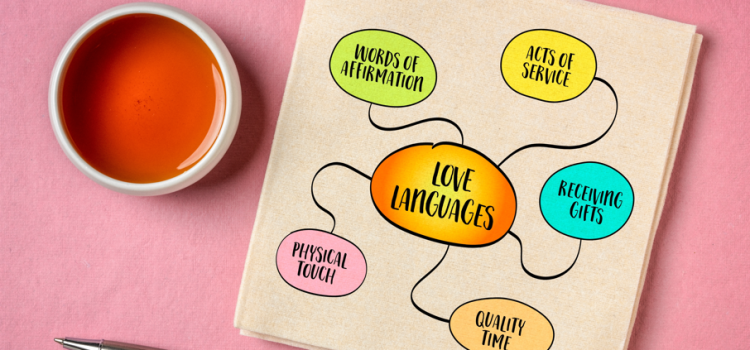
Ever wondered why your partner’s thoughtful gestures sometimes miss the mark? The key to identifying your love language—the way you give and receive love most naturally—is to reflect on three things: what makes you feel most loved, what makes you feel hurt or unloved, and how you typically show affection to others. In The 5 Love Languages, Gary Chapman developed the concept of five love languages: Words of Affirmation, Quality Time, Receiving Gifts, Acts of Service, and Physical Touch. Here’s how to discover which one speaks to you.

What Are the Five Love Languages? Simple Explanation + FAQ

A notebook depicting what the 5 love languages are

We know how deep our love is, but we often struggle to know how to express love. What are the best ways to truly demonstrate how much we care? What are the 5 Love Languages? Use the strategies developed by Gary Chapman and introduced in The 5 Love Languages: The Secret to Love that Lasts to learn how to express love and, in doing so, create a deeper emotional connection in your relationship.

Acts of Service Love Language: The Complete Guide

A man doing a load of laundry as an act of service

Want to show your partner love through actions, not just words? Learning to speak the Acts of Service love language means performing the right tasks. Whether it’s tackling the laundry they’ve been dreading or freeing up time for their hobbies, the key is matching your efforts to their actual needs, not just what you assume will help. In Gary Chapman’s The 5 Love Languages, Acts of Service emerge as one of five primary ways people give and receive love. The right acts fill their emotional tank; the wrong ones leave both partners frustrated and unappreciated. Keep reading for an in-depth

The Words of Affirmation Love Language & Its 4 Dialects

A cartoon of a boyfriend complimenting his girlfriend with words of affirmation

Can words make someone feel truly loved? For people whose primary love language is words of affirmation, verbal expressions of appreciation, encouragement, and kindness create emotional connection. In The 5 Love Languages, Gary Chapman identifies this as one of the key ways people give and receive love. Speaking words of affirmation effectively means understanding its various dialects: compliments that acknowledge effort and character, encouragement that inspires courage, kind language delivered with the right tone, and humble requests that show respect for your partner’s autonomy. Whether this comes naturally to you or requires conscious effort, learning to speak this love language

Quality Time Love Language: How to Spend Good Time Together

A couple spending quality time together walking in a park

Does your partner complain you’re always distracted or never really there? You may be neglecting the quality time love language—one of five love languages identified by Gary Chapman that emphasizes undivided attention over gifts, words, or physical touch. According to The 5 Love Languages, quality time means dedicating moments solely to being together without distractions like phones or TV. This guide explores why quality time matters, what happens when it’s missing, and how to practice its two main dialects: quality communication and focused activities.

Receiving Gifts Love Language: The Single Best Gift

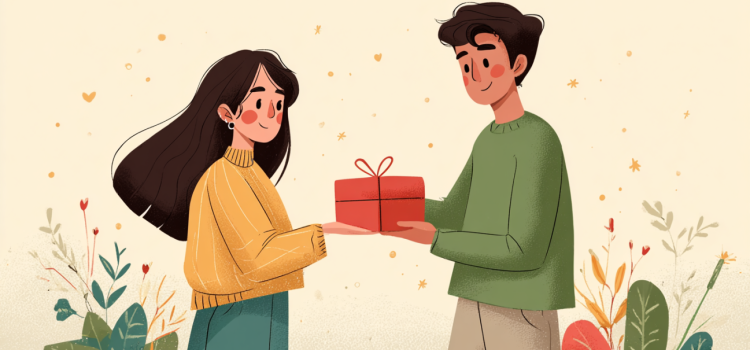
A cartoon of a couple exchanging gifts

How do you show love to someone whose primary love language is receiving gifts? According to Gary Chapman’s framework in The 5 Love Languages, giving thoughtful presents demonstrates that you’ve been thinking about your partner. The effort and intention behind the gift matter more than its monetary value. Your physical presence can also function as a gift. Showing up during a crisis, attending an important event, or simply being there when your partner needs you communicates love through availability and sacrifice. Continue reading to learn everything you need to know about the receiving gifts love language.

What Happens When You Fall in Love? (+ How Love Evolves)

A man and woman hugging and smiling because they're in love

Ever wonder why that intoxicating rush of new love eventually mellows into something quieter? The euphoria of falling in love typically lasts up to two years before reality intrudes with responsibilities, habits, and competing needs. Understanding how love changes over time helps you navigate the transition from romance to lasting partnership. This article explores the joys and inevitable evolution of new relationships, drawing on insights from relationship expert Gary Chapman’s book The 5 Love Languages. You’ll learn why the initial spark fades, what happens in your brain during different stages of love, and how to maintain connection when the honeymoon