 1
1The Autobiography of Malcolm X
In the searing pages of this classic autobiography, originally published in 1964, Malcolm X, the Muslim leader, firebrand, and anti-integrationist, tells the extraordinary story of his life and the growth of the Black Muslim movement to veteran writer and journalist Alex Haley . In a unique collaboration, Haley worked with Malcolm X for nearly two years, interviewing, listening to, and understanding the most controversial leader of his time.
Raised in Lansing, Michigan, Malcolm Little journeyed on a road to fame as astonishing as it was unpredictable. Drifting from childhood poverty to petty crime, Malcolm found himself in jail. It was there that he came into contact with the teachings of a little-known Black Muslim leader renamed Elijah Muhammad. The newly renamed Malcolm X devoted himself body and soul to the teachings of Elijah Muhammad and the world of Islam, becoming the Nation’s foremost spokesman. When his conscience forced him to break with Elijah Muhammad, Malcolm founded the Organization of Afro-American Unity to reach African Americans across the country with an inspiring message of pride, power, and self-determination.
Founder/368 Creative Space
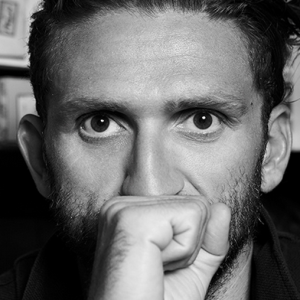
Aside from The Autobiography of Malcolm X, Casey's favorite book is The Second World War by John Keegan. [source]

Author
I forget who said it but I heard someone say that Catcher in the Rye was to young white boys what the Autobiography of Malcolm X was to young black boys. Personally, I prefer that latter over the former. I would much rather read about and emulate a man who is born into adversity and pain, struggles with criminality, does prison time, teaches himself to read through the dictionary, finds religion and then becomes an activist for Civil Rights before being gunned down by his former supporters when he tempers the hate and anger that had long defined parts of his message. [source]

His memoir describes that process of transformation from a common narrative of street hustler and limited opportunities, struggling in a racist society, to this radicalization in part through literacy, in part through literature and religion. [source]