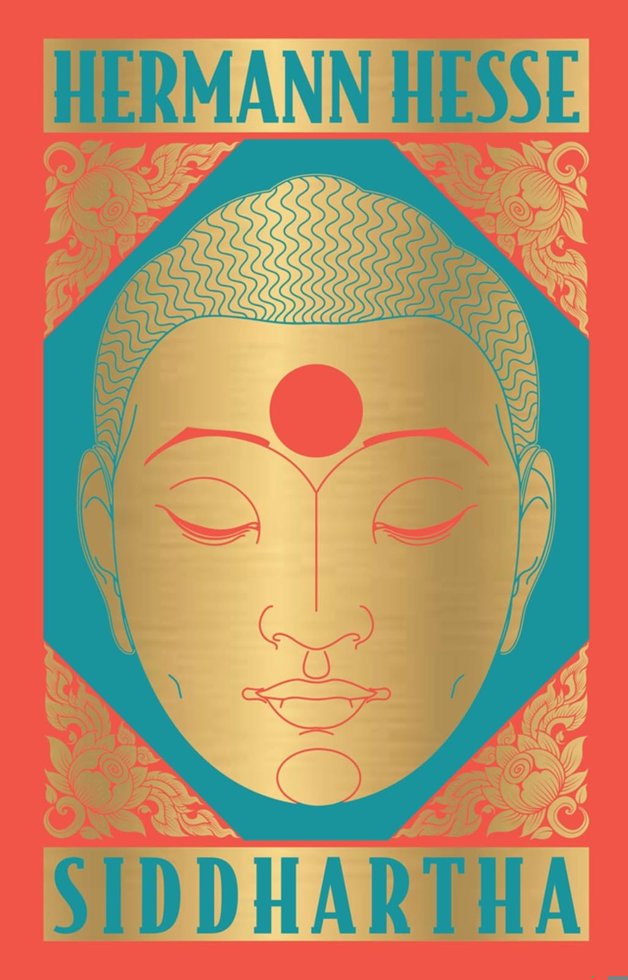
1Siddhartha
CEO & Co-Founder/AngelList
So good that it may as well be non-fiction. [source]
Love this book. [source]
He says, 'Love is stronger than hate. Soft is stronger than hard. Water is stronger than stone.' [source]
We've ranked the best german books using expert recommendations, sales data, and millions of reader ratings. At Shortform, we know books. Our book guides are the best in the world. Learn why.
1CEO & Co-Founder/AngelList
So good that it may as well be non-fiction. [source]
Love this book. [source]
He says, 'Love is stronger than hate. Soft is stronger than hard. Water is stronger than stone.' [source]
2
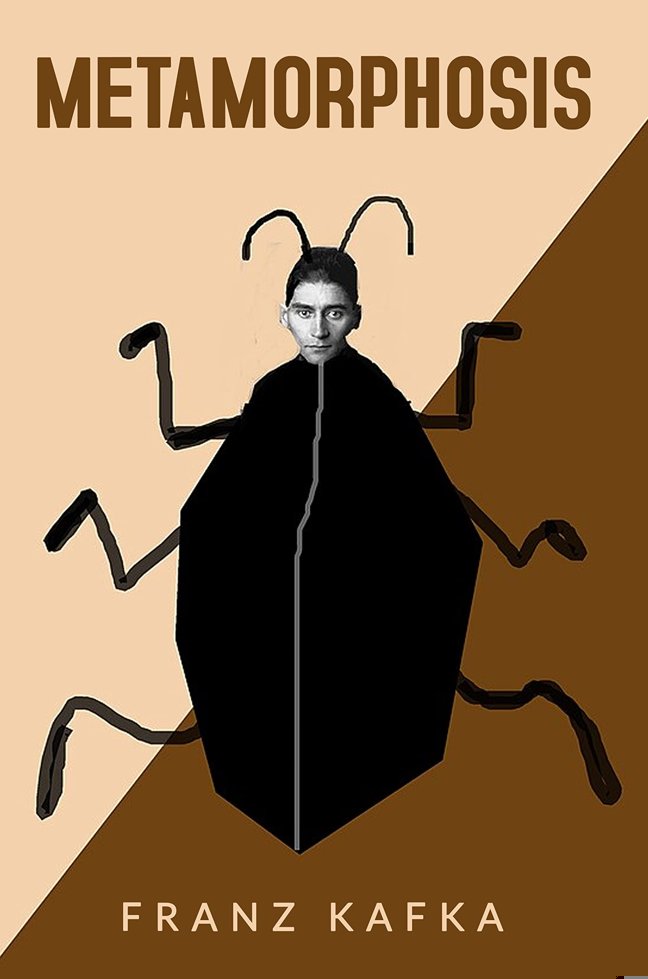
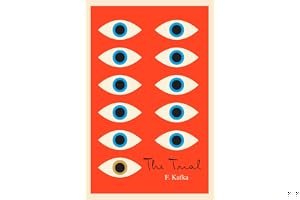
3It’s a fascinating writing style with a 3rd party observer that’s treated as an extension of the protagonists own sentiments and mind. It’s also just exquisitely written. And the concept of being on trial for charges unknown by a vast, impersonal, yet petty, bureaucracy pulls from a timeless well of societal anxieties. So far, so very good. About half way through. [source]
I read this before going to Nigeria but moving there made me think about it a lot. The idea that the system always wins. [source]
It’s a very lush, richly imagined book. It just bursts with sensuality and the smells of Paris in the 18th century. [source]
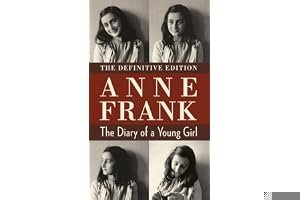
5I remember being a fourth grader and trying to check out this book and being told it was grossly inappropriate and going so far as to have my parents take it to the school board and petition for me to be allowed to read this book. [source]
I'm a huge fan of personal stories and biographies like this one. [source]
@Quixoticnance Good point, Nancy. The museum is a powerful experience, esp. when you've read her book. [source]
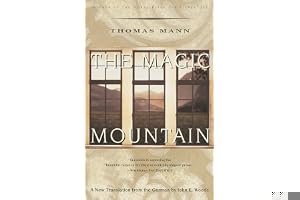
6It’s a story about young ambitious man who felt in a trap of his own mind in form of a chronic disease. He visited his brother in a clinic, situated in high mountains of Switzerland. Instead of retreating after a week, as was originally planned, he stayed there for seven years. There are several very bright characters with different ideas about liberalism, conservatism, hedonism and many other matters. All of them were living in a very comfortable reality with a set of rules. It’s very alike to any virtual society that could become a thing in upcoming years, and it’s easy to understand why the hero of the book decided to stay there. [source]
In the ever-repeating sameness of the Magic Mountain Resort, time accelerates because all novelty is lost. [source]
Has a fantastical realism that pierces to the bottom of the psyche. I've re-read and re-read this sucker every five years. [source]
Favourite non-business book would be Der Steppenwolf, by Hermann Hesse. It's a book that's often read by privileged people who feel misunderstood (usually teens), so everyone focuses on the first part about loneliness in the bourgeois world and forgets about the whole second part of the book that's about overcoming that and finding a sense of humour, a shift in perspective, and a bit of distance. Jack Kerouac even dismisses the book in the fashion of the precisely same intellectual hypocrisy this book talks about, which to me sounds like hipsters talking about how other people are hipsters and fake, because they themselves "have been listening the band before it was popular". Also, Steppenwolf is very relevant today - especially in the often lonely world of startup founders, where everyone talks about how great they're doing. So, the message still resonates with me. [source]
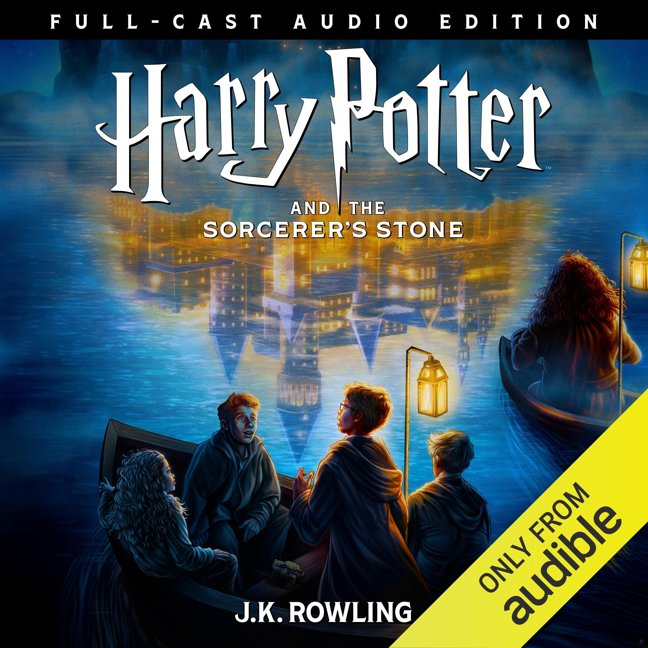
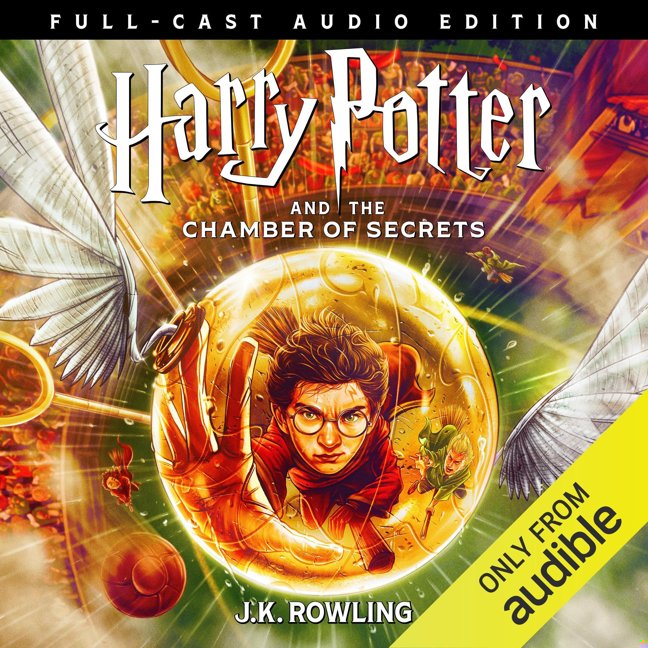
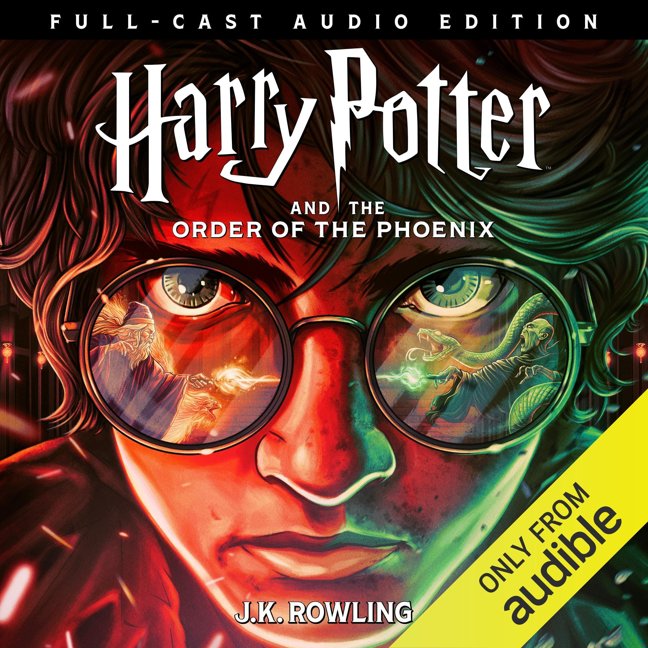
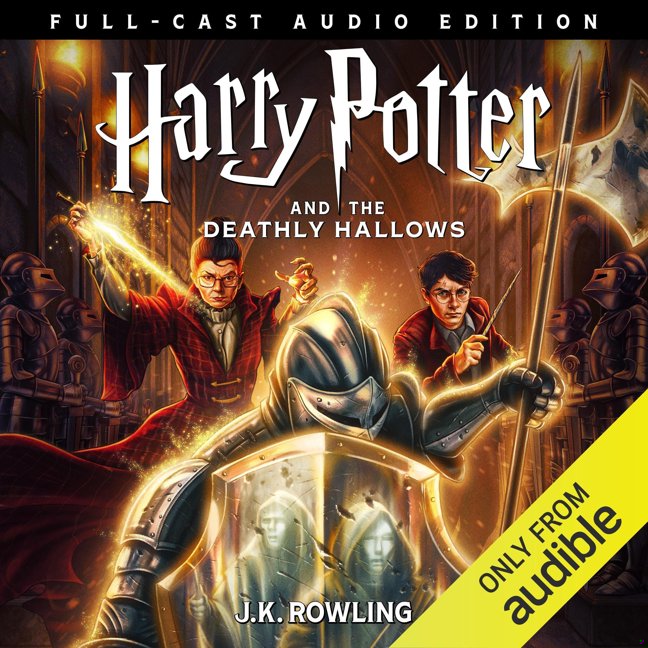
8guys i just read this book called harry potter well worth checking out it’s about a really interesting magic lad [source]
Author
I read The Sorrows of Young Werther by Goethe which looks at a different burning fire—that of young love—and how crazy it makes us. A beautifully written book that every person should read. [source]
Wonderful story of a young man who falls in love and it doesn't really work out so well. [source]
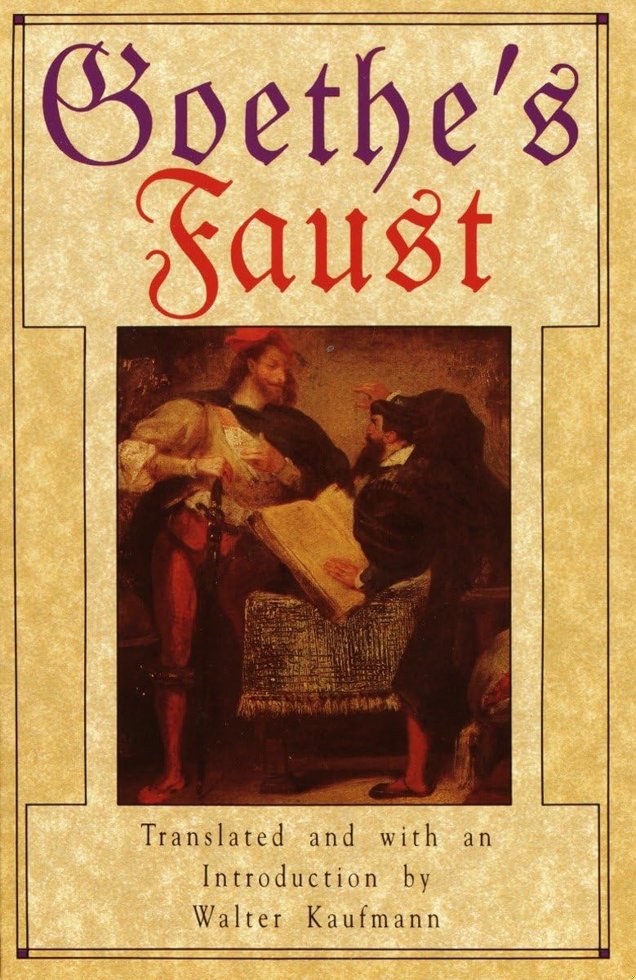
10A poetic exploration of good and evil from the towering figure of world literature in the best translation available.This edition of Faust provides the original German text and its English counterpart on facing pages. Walter Kaufmann's translation conveys the poetic beauty and rhythm of the play as well as the complex depth of Goethe's brilliant language in this singular work of German literature. The volume includes the entirety of Part One and selections from Part Two.
11
12Life Coach
Another book that I’ve read dozens of times. It taught me that if you change the meaning, you change everything. Meaning equals emotion, and emotion equals life. [source]
Co-founder/Facebook and Asana
Dustin Moskovitz recommended this book on Twitter. [source]
TV Host
I read it while spending ten days in the ICU of Bellevue hospital trying to reattach my finger from a ring avulsion accident in my kitchen. It talks about the meaning of life, and I believe you come out a better person from reading it. [source]
13@frigay13 Boys. My love is very deep for this book & film. This is a painting I have. https://t.co/x7crDkEuFu [source]
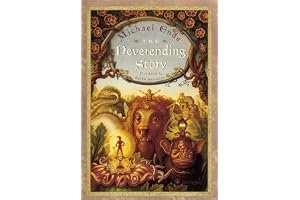
During the early days of my life, my mother read to me the classics, like “The Hobbit”, “The Lord of the Rings”, Enid Blyton, “The Land of the Faraway Tree”, “The Narnia Chronicles”, “The Neverending Story” . All these books were really important to me as a kid and they became just as important to me as an adult because I read through most of them again, for example (obviously) The Lord of the Rings and The Hobbit and also The Narnia Chronicles. Went through all of those again and got something powerful out of them because you don’t realise as a child what kind of maybe more spiritual or religious or conceptual or psychological or philosophical messages are hidden within the stories, that you just can’t see them as a child, so it was really great to see them as an adult and take away that extra layer from those kind of books. [source]
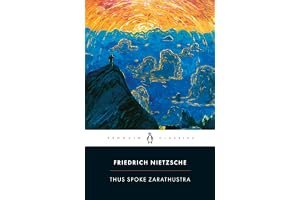
14My favorite book is “Thus spoke Zarathustra” by Friedrich Nietzsche. I do not think I have ever read a book that had more resonance for me. [source]
15
16Founder/Marginal Revolution University
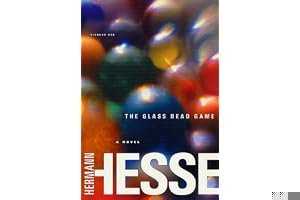
This is about the beauty of organised structures and how we play them in game-like fashion and how much they entrance us. [source]
The Glass Bead Game by Hermann Hesse played a pivotal role in helping me decide to become a teacher and in further pursuits afterwards. There are various interpretations of the text and many conclusions I could personally draw from, but the general theme entails following the life of a man in an institution of academic-like monks who study various subjects for the sake of knowledge itself - nothing done for money, “progress”, or technological advancement. In an age where academics is constantly pressured to lead students towards a job, I found that to be refreshing for me, especially as I had been living in Spain post-college trying to find some purpose beyond teaching English. Learning to learn is beautiful and meaningful by itself, and in terms of how that relates to Ridj-it, this attitude has helped me to engage with the company in finding it to be rewarding for what it is, not because it serves some other external purpose. Investors don’t want to hear that, nor does anyone else relying on your existence, but thinking as such helps defend against dwelling on future scenarios and thoughts that inherently have no reality because, quite honestly, they don’t exist. The consequence of this commitment to the “now” is focus on the task at hand and the inevitable quality that follows. I’m not sure if I could have personally gotten to that point if I hadn’t committed myself to education via Hesse’s book. [source]
Question: What five books would you recommend to young people interested in your career path & why? Answer: The Glass Bead Game by Herman Hesse Foucault's Pendulum by Umberto Eco The Antichrist by Friedrich Nietzsche The Castle by Franz Kafka 1984 by George Orwell and Brave New World by Aldous Huxley [source]
17Marx and Engels’s historical analysis is breathtakingly, brilliantly simple. I think it’s wrong but, again, you’ve just got to admire its genius. Obviously, without understanding the historical basis of Marx’s thought you can’t understand anything else in Marxism. [source]
Yes, it is. I chose The Communist Manifesto, rather than, say, Capital because it shows in a much easier-to-read, shorter work something that is central to Marx’s vision. Capital is much drier, and a lot of it is focused on economics, although there are some remarkable passages of Capital describing the conditions of industrial workers in England at the time. [source]
18
19Without a doubt, The Tin Drum by Gunter Grass is a classic of Western Literature. Sardonic in tone and exuberant in its condemnation of the late 20th century world and its values, The Tin Drum is a picture of a world in upheaval. Told through the eyes of dwarf, it was Grass's first novel and it catapulted him to fame.
The Tin Drum is a portrait of German society from the 1930s to the 1950s. The narrator of the story is Oskar Matzerath. He tells his story from the confines of an insane asylum where he is being held for a murder he did not commit. The fact that it is Oskar who is sane and the world that is mad is inconsequential because this is a world where values are inverted, the tragic is comic and the insane are sane. The narrative technique of the novel is based on the surrealistic style of the earlier German writer Franz Kafka and is closely related to the magic realism we find in the writings of Gabriel Garcia Marquez and Salman Rushdie. Unnatural occurrences, essentially metaphoric events, are written as natural occurrences.
Born in the free city of Danzig on the Baltic coast, it is on his third birthday that Oskar makes a momentous decision. By sheer force of will, he decides he is not going to grow any more. Already possessing the full mental faculties of an adult, Oskar is complete inside and out, free from the constraints and patterns of the rest of the world by being able to chose his own destiny. It is this assertion of Oskar's individuality over what the state or society expects him to be that makes The Tin Drum a modern classic andsucha strong statement against a German society that has in its history so blindly conformed to a state-sponsored notion of thought and decorum.
The later period of Oskar's life is crammed with absurdist details: the death of his mother from a diet of fish, a diet started after witnessing a horrible scene of eels being pulled from the head of a dead horse. Another, the death of Oskar's friend Herbert Truczinski as he attempts to make love to a wooden ship figurehead. Finally, there is the death of his father and he tries to hide his Nazi affiliation from the invading Russians by swallowing a pin that Oskar has forced into his hand: each event in this period being dramatically metaphoric. After the war, Oskar moves to Dusseldorf in West Germany. It is there that he is charged with he murder of Sister Dorothea Kongetter. Oskar submits to being found insane and atones for guilt not truly his.
The Tin Drum is a mock epic of Germany, through rise, fall, and rebirth; a chronicle of both Western Europe's, and the world's, madness as it convulses and becomes inverted, where tragedy and comedy live intertwined. It is a masterful world of surrealism, which will shock, amuse, and cause one to reflect.
— Larry Abuhoff

23Letters to a Young Poet - it is everything. … This line in Letters to a Young Poet “If your daily life seems poor, do not blame it; blame yourself, tell yourself that you are not poet enough to call forth its riches" is an important one to me. I constantly go back to this to evaluate if I have been living a full life. [source]
A book of mentorship for young artists. [source]
I think of this as a story about our genetic endowment at birth. We are all dealt out gifts of good genes and also some not so good ones. [source]
25Question: What five books would you recommend to young people interested in your career path & why? Answer: The Glass Bead Game by Herman Hesse Foucault's Pendulum by Umberto Eco The Antichrist by Friedrich Nietzsche The Castle by Franz Kafka 1984 by George Orwell and Brave New World by Aldous Huxley [source]
29There’s an extraordinary sense of plausibility in how Mann described these fictional compositions of Leverkühn. [source]
There’s an extraordinary sense of plausibility in how Mann described these fictional compositions of Leverkühn. [source]
I almost surprised myself when I included this. But it’s a book I love. Writing during World War Two, Mann reflects on modernism in the arts, the tragic history of modern Germany and the persistence of Nietzsche in the German imagination. It’s a work of extraordinary intellectual seriousness and ambition. [source]
30The [source]
31@GeekBomb Best use of time travel in a book or series to date [source]
32
33Author
Equally allegorical, I read The Little Prince for the first time which for some reason I’d never been exposed to before. If you’re in the same boat, read it. It’s short but great. [source]
Brandon Stanton recommended this book on the podcast "The Tim Ferriss Show". [source]
Phenomenal. [source]
34So I wanted to have political leadership, sporting leadership and a novel to demonstrate moral leadership: I have chosen a German novel variously translated as Alone in Berlin or Every Man Dies Alone, and it’s by Hans Fallada. [source]
This is an important novel for a range of reasons, because it was written so shortly after the Second World War by a novelist who lived through the Nazi regime. It is a very rare glimpse into what working-class life was like then. [source]
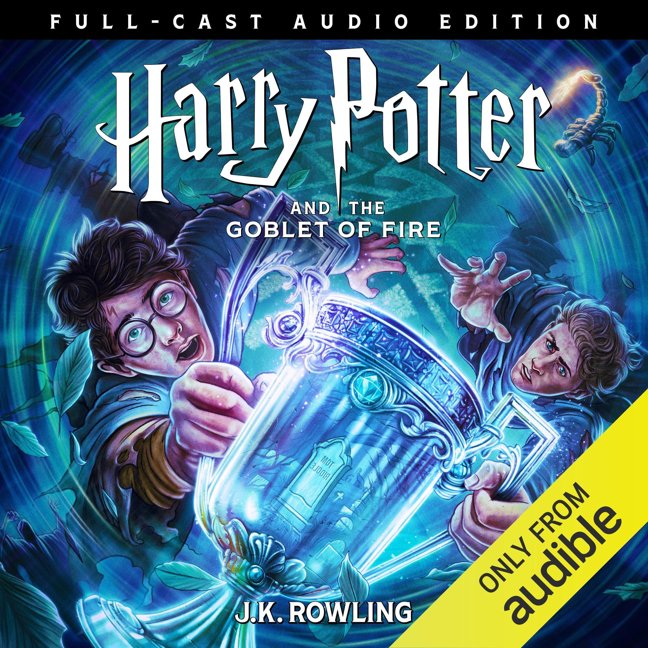
35@siriusclaw Azkaban ftw! Goblet is the worst of the series. Great book though. [source]
37Austerlitz is an incredibly beautiful book. Sebald was a really interesting German writer, and I think this is his masterpiece. He blows away genre. [source]
38It’s all about the War on Terror as far as I’m concerned. [source]
39
Death in Venice is a story of obsession. Gustave von Aschenbach is a successful but aging writer who travels to Venice for a holiday. One day, at dinner, Aschenbach notices an exceptionally beautiful young boy who is staying with his family in the same hotel. Soon his days begin to revolve around seeing this boy and he is too distracted to pay attention to the ominous rumors that have begun to circulate about disease spreading through the city. Available exclusively from Vintage Classics.
I’m really interested in novels that are deeply Platonic, and Death in Venice is deeply Platonic. [source]
49Sebald is interesting because he published all of his books with photographs in them, and this one is interesting because it’s kind a Wordsworthian walking trip. [source]
Of all those liberated by Chatwin’s trampling of fence-posts, none stands higher than W. G. Sebald. [source]
55Founder/Virgin Group
Today is World Book Day, a wonderful opportunity to address this #ChallengeRichard sent in by Mike Gonzalez of New Jersey: Make a list of your top 65 books to read in a lifetime. [source]
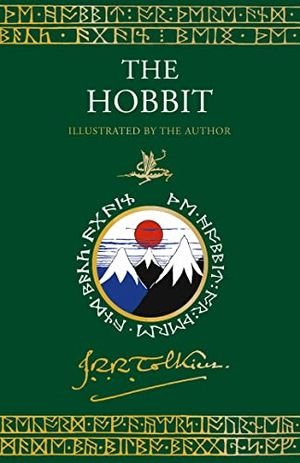
The Hobbit is such a richly imagined fantasy that, especially as a child, you can live in it. It is so completely immersive. [source]
First up, The Hobbit, or There and Back Again, by JRR Tolkien. But you knew I was going to say that. This one book, which was published in 1937, defined so many variables for the fantasy tradition that are still in place today. Tolkien’s extraordinary achievement was to recover the epic landscapes of Anglo-Saxon myth, bring them back to life, and then to take us through them on foot, so we could see the details up close, at human scale. The Hobbit is both mythic and relatable at the same time – The New Yorker writer Adam Gopnik recently called it “an arranged marriage between the Elder Edda and The Wind in the Willows”, and I think that’s entirely fair. Though I would give more credit to the bass register of Tolkien’s imagination, its abyssal depths. Mole never delved as deep as the Mines of Moria. [source]
56He celebrates how much more he’s been able to learn from his own life than his parents had been able to in theirs. It’s amazingly graceful and light. [source]
61
66I recently reread. [source]
68
74
76
80I owe this book to the children I worked with as a social worker. [source]
82
85This is the greatest philosophical book of all time. This is Kant’s masterpiece. [source]
I find reading Kant a bit like understanding cricket as a foreigner: hard to get at first, but once you get it, it’s very enjoyable. [source]
An illuminating way to think of the Critique is as a kind of prolonged wrestling match with Hume. [source]
86
90This book was recommended by Antonio when asked for titles he would recommend to young people interested in his career path. [source]
I don’t know I would single it out as the masterpiece, but it’s a fascinating book which follows on many of the themes of Beyond Good and Evil. It’s unusual because it’s less aphoristic, but rather three essays. The essays have more structure and extended argumentation than is typical in most of Nietzsche’s works. [source]
Of course, I read Nietzsche. On the Genealogy of Morality, etc, where the truths and the truisms are really cut and dried in a lot of ways. It's the equivalent of, I guess, intellectual red meat. [source]
It is an ethical story and a dark one: every good intention and social nicety leads him further from the truth and leads Edith further astray. [source]
100George Orwell was not only an extraordinary writer but he also hated any form of cant. Some of his most widely read works such as 1984 and Animal Farm are an assault on the nastier, narrow-minded, dictatorial tendencies of the left, although Orwell was himself on the left. [source]