The Way of the Samurai: Principles for Success

The Way of the Samurai: Principles for Success
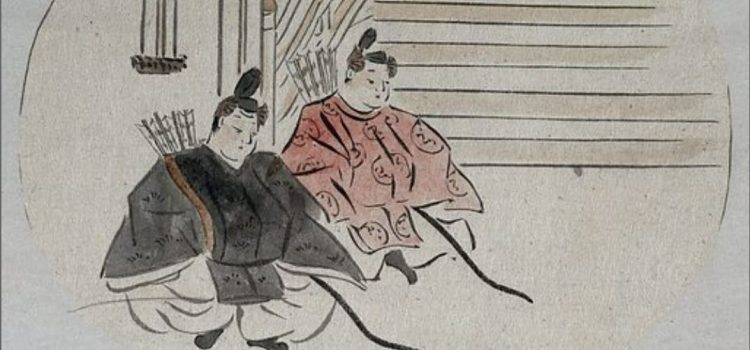
Who were the Samurai and what was their job? Do the Japanese Samurai still exist? The Samurai were the warriors of premodern Japan whose role was to defend territories and fight enemies of the authorities. While the Samurai have ceased to exist as an active force, samurai principles still apply to some modern martial arts contexts. In his book The Book of Five Rings (The Wind Book), Miyamoto Musashi highlights two such principles: know your competitor and use skill over strength. Here’s how the samurai principles apply to the modern-day.

Miyamoto Musashi’s Philosophy in The Ground Book

Miyamoto Musashi’s Philosophy in The Ground Book

What does legendary samurai Miyamoto Musashi write in The Ground Book in The Book of Five Rings? Why does Musashi put so much emphasis on the fundamentals? In The Book of Five Rings, Miyamoto Musashi’s philosophy is that in order to become a great samurai, one must first master the fundamentals. He believed in a student-centric approach to teaching, where the master is simply there to help guide the student on their own journey. Here are Musashi’s lessons from the Ground Book.

The Book of Five Rings: Review & Historical Context

The Book of Five Rings: Review & Historical Context

Are you looking for The Book of Five Rings review? What can you learn from reading Miyamoto Musashi’s book? Two years before his death, the famous Samurai Miyamoto Musashi (1584-1645) retired from dueling and retreated to a cave to write and reflect upon the true Way of the warrior. The resulting book, The Book of Five Rings, contains the key principles of Musashi’s philosophy. Here’s our review of The Book of Five Rings, including a discussion of its historical context and impact.

The Samurai Mindset: Think Like a Warrior

The Samurai Mindset: Think Like a Warrior

What is a samurai mindset? What are the key qualities of a samurai warrior? In his 1643 book The Book of Five Rings, Miyamoto Musashi says that you can’t become an expert swordsman if you don’t have the right mindset. He details important qualities that any aspiring samurai should cultivate such as honesty, perception, and purpose. Here’s how to cultivate a samurai mindset, according to Miyamoto Musashi.

The 3 Pillars of Samurai Sword Fighting

The 3 Pillars of Samurai Sword Fighting

What are the top three rules for samurai sword fighting? How can these lessons be applied in a modern context? In the historical work The Book of Five Rings, legendary samurai Miyamoto Musashi shares his top three rules for Japanese sword fighting: 1) know your environment, 2) think like your competitor, and 3) adapt your strategy to the circumstances. While these rules seem very specific to combat, they can be adapted and applied to modern life. Keep reading for Musashi’s rules of Japanese sword fighting and how they are relevant today.

The Book of the Void: The True Way of the Warrior

The Book of the Void: The True Way of the Warrior

What does Miyamoto Musashi mean by the “Void”? How can a samurai warrior discover the Void? The Book of Five Rings, written by legendary samurai Miyamoto Musashi, is split into five different chapters. The final chapter is called The Book of the Void where Musashi teaches how to reach the “Void”—a state of spiritual enlightenment. Here’s how to access the Void, according to Musashi.

Niten Ichi-ryū: Miyamoto Musashi’s Sword Style

Niten Ichi-ryū: Miyamoto Musashi’s Sword Style

What does Miyamoto Musashi teach in The Book of Water? In what ways should a samurai be like water? In The Book of Five Rings, legendary samurai Miyamoto Musashi says that a samurai must learn to be like water. He teaches three fundamental components that a warrior must master if he wants to learn his famous sword style Niten Ichi-ryū: 1) don’t memorize, absorb, 2) train both body and mind, and 3) master yourself first. Let’s take a look at each in detail.

The Book of Fire: Miyamoto Musashi’s Fighting Guide

The Book of Fire: Miyamoto Musashi’s Fighting Guide

What is Miyamoto Musashi’s Book of Fire chapter about? What advice does Musashi give to samurai warriors in training? In The Book of Five Rings by Miyamoto Musashi, the Book of Fire chapter teaches samurai warriors how to apply the teachings of the previous two chapters (the Ground Book and the Water Book). Specifically, Musashi teaches three key principles that are necessary for facing enemies in combat. Let’s take a look at how each of these principles works in practice.

The Book of Five Rings by Miyamoto Musashi: Overview

The Book of Five Rings by Miyamoto Musashi: Overview

What can you learn from reading Miyamoto Musashi’s The Book of Five Rings? Can any of the 17th-century lessons be useful in the modern-day? In The Book of Five Rings, Miyamoto Musashi divides the book into five chapters: Ground, Water, Fire, Wind, and the Void. Musashi’s lessons are meant to teach aspiring samurai warriors the Way. Additionally, Musashi’s lessons are so universal that they can still be applied today. Here’s a brief overview of the key themes.

Stephen Hawking on the Relativity of Space and Motion

Stephen Hawking on the Relativity of Space and Motion

Is space relative or absolute? What about motion? How are space and motion related to each other? In A Brief History of Time, physicist Stephen Hawking shares his insights on some of the major scientific discoveries of the twentieth century that deepened our knowledge of the universe. These insights include Hawking’s explanation of the relative nature of space and motion. He provides his analysis of ancient and modern theories. Continue reading to learn about Hawking’s insights on the relativity of space and motion.