The Self in Western and Eastern Thought (Chris Niebauer)
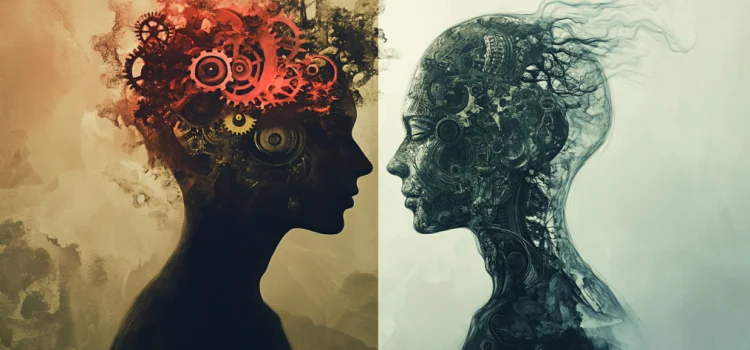
drawing of two heads—one with gears and one blending into the surroundings—illustrate the self in western and eastern thought

Is your sense of self real, or is it just an illusion? How does your cultural background shape your perception of who you are? In his book No Self, No Problem, Chris Niebauer explores the concept of the self in Western and Eastern thought. He compares the contrasting views of the self and their implications for our understanding of consciousness and identity. Keep reading to discover how different cultures approach the idea of self and what modern science has to say about it.

Neuroscience and the Self: Does Buddhism Get It Right?

a person's brain with a silhouette of the person inside it illustrates neuroscience and the self

Do you ever feel like you don’t have a consistent self? Have you considered that your sense of self might be an illusion created by your brain? Neuroscience is shedding new light on the nature of the self. In his book No Self, No Problem, Chris Niebauer explores how recent findings in neuroscience align with ancient Buddhist teachings about the illusory nature of the self. Read more to learn Niebauer’s fascinating findings about neuroscience and the self.

3 Strategies to Change the Way You See Yourself (Chris Niebauer)

a smiling young woman looking at herself in the mirror illustrates the way you see yourself

How do you perceive yourself? What if your sense of self was just an illusion created by your brain? In his book No Self, No Problem, Chris Niebauer explores questions such as these and offers practical strategies for shifting your perception. He helps readers understand that their thoughts and feelings don’t define them—and that letting go of a fixed identity can lead to a happier, more flexible life. Read on to discover how you can change the way you see yourself and experience more freedom and joy.

Why a Neuroscientist Recommends the Middle Way of Buddhism

a person standing on a path that splits into three paths ahead illustrates the middle way of Buddhism

What’s the true nature of your self? What if science could confirm ancient Buddhist wisdom about the illusion of identity? In his book No Self, No Problem, Chris Niebauer explores how neuroscience aligns with Buddhist teachings on the non-existence of the self. He presents three potential paths for navigating this revelation, focusing on the middle way of Buddhism as a balanced approach to life. Read on to discover how embracing this middle way could transform your perspective and bring more peace to your daily experiences.

The Shack: William Young’s Book on Grief & God (Overview)

a man sitting in the forest, leaning against a tree, and reading a book

Have you ever questioned the existence of divine benevolence in a world filled with suffering? How do you cope with the loss of a loved one and the intense grief that follows? In his novel, The Shack, William Young tells the story of Mack Phillips, a man overwhelmed with sorrow and disillusionment after his daughter Missy’s devastating death. Through a series of encounters with the divine Trinity, Mack embarks on a transformative spiritual journey that challenges his beliefs and helps him find forgiveness and healing. Keep reading to discover how The Shack by William Young explores the power of forgiveness,

Papa, Jesus, & Sarayu in The Shack: A New View of the Trinity

a shack in the woods illustrates the place Mack met Papa, Jesus, and Sarayu

Have you ever questioned the nature of God? What if the divine could be experienced in a deeply personal and unconventional way? In William P. Young’s thought-provoking novel, The Shack, Mack embarks on a transformative journey that challenges his understanding of spirituality. Through his encounters with Papa, Jesus, and Sarayu in the shack in the woods, Mack discovers a new perspective on the divine that defies traditional religious norms. Join us as we explore the profound insights and life-changing lessons Mack learns during his time with Papa, Jesus, and Sarayu.

The Shack: Missy’s Death Leads Mack on a Journey to Healing

the character of Missy in The Shack is depicted as a young woman in a misty forest

Have you ever experienced a loss so profound that it shook your faith to the core? How do you find healing and hope in the face of unimaginable tragedy? In William P. Young’s novel, the protagonist Mack faces these very questions after the devastating murder of his young daughter Missy. In The Shack, Missy becomes a catalyst for Mack’s transformative journey through grief, anger, and ultimately, spiritual renewal. Join us as we explore Mack’s story and the powerful lessons it offers for anyone struggling with loss and doubt.

Blaming God: The Shack Deals With the Problem of Evil

a man who’s blaming God angrily shakes his fist at the sky

Have you ever experienced a devastating loss that left you questioning your faith? How do you cope with the overwhelming grief and anger that follows? In William P. Young’s novel, The Shack, the protagonist Mack faces these very questions after the tragic murder of his daughter Missy. Through Mack’s journey, readers explore the complex emotions and spiritual struggles that arise when blaming God for life’s most painful moments. Join us as we delve into Mack’s story and discover how he navigates the depths of sorrow and betrayal in search of understanding and healing.

The Ending of The Shack: Mack Finds Transformation & Healing

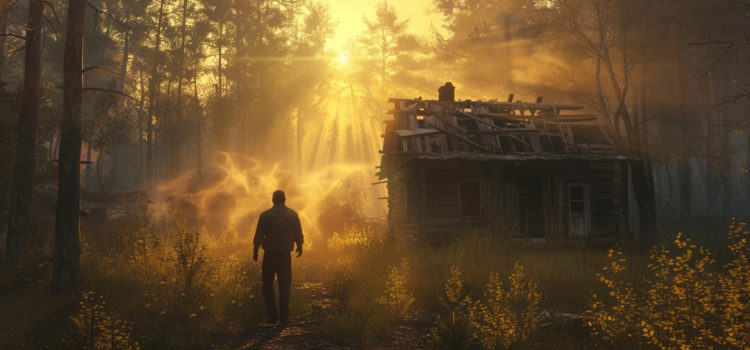
a man walking toward the rising sun and away from a shack in the woods

Have you ever wondered what it takes to heal from unimaginable grief? Can a person truly recover after experiencing a devastating loss? In his novel The Shack, William P. Young takes readers on a transformative journey through the eyes of his protagonist, Mack. The ending of The Shack beautifully illustrates Mack’s path to recovery and the profound changes he undergoes along the way. Keep reading to discover how Mack’s story ends and the powerful lessons he learns about love, forgiveness, and the resilience of the human spirit.