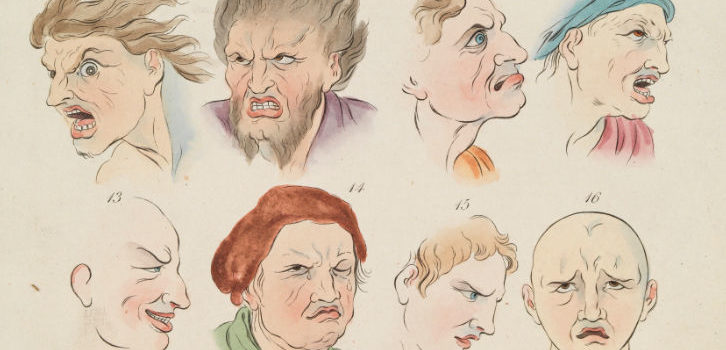
What is emotion? Why do we have them? What purpose do emotions have in our lives? What is the point of anger, sadness, jealousy, anxiety, and more?
What Are Emotions? Why Do We Have Them?

The World's Best Book Summaries

What is emotion? Why do we have them? What purpose do emotions have in our lives? What is the point of anger, sadness, jealousy, anxiety, and more?
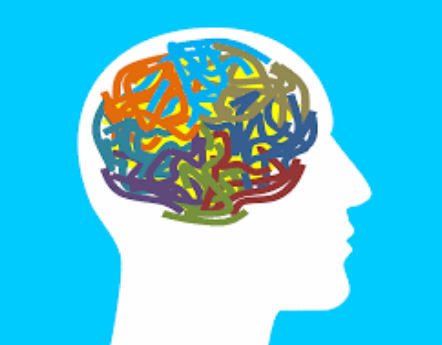
Many cultures, particularly Western ones, place a lot of emphasis on intelligence as a barometer of success. We’ve even developed tests to measure our intelligence, resulting in a score known as our intelligence quotient, or IQ. But data suggests that IQ only accounts for about 20% of success in life, with the remaining 80% being made up by other factors, emotional intelligence included. And much more research has been done on IQ vs EQ, emotions and emotional intelligence, despite the fact that emotions are hard-wired in the human brain and make us the species we are.

What is the Obliger tendency from Gretchen Rubin’s The Four Tendencies like? How do they behave, and what’s the Obliger Personality? Out of Gretchen Rubin’s four tendencies, the obliger tendency makes up the majority of people. Their flaw is that they are more focused on living up to the expectations of others, but don’t focus on their own goals. Their biggest strength is that others know they can rely on them, so they make great leaders and team members. Keep reading to learn more about the obliger tendency from The Four Tendencies.

Have too much stuff, and not sure how best to get rid of it? Marie Kondo is a world-renowned expert on tidying (you might have heard of her book or Netflix show), and her famous book teaches you how to get past the most common barriers preventing you from decluttering. Go through the Konmari method once, and you may find your relationship with things to be changed permanently.
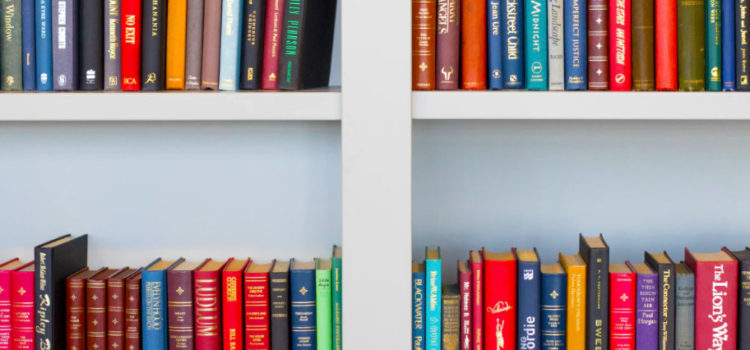
Have too many books? Can’t bear to get rid of them? Try the Marie Kondo method of cleaning to remove all the books that you no longer need and might never read.
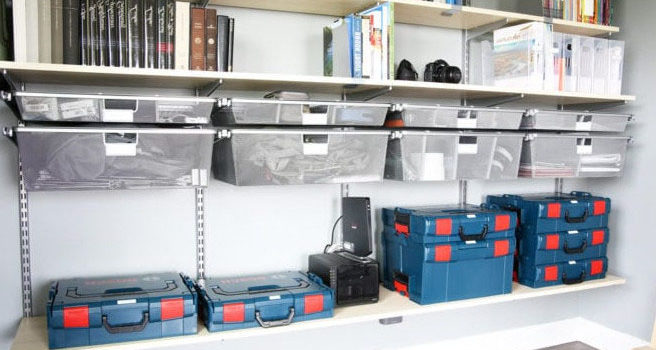
After you’ve gotten rid of stuff that doesn’t spark joy, how does Marie Kondo recommend organizing your storage in your home? Learn the top Konmari storage tips here, including how to use her famous boxes, vertical storage, and top things to avoid.
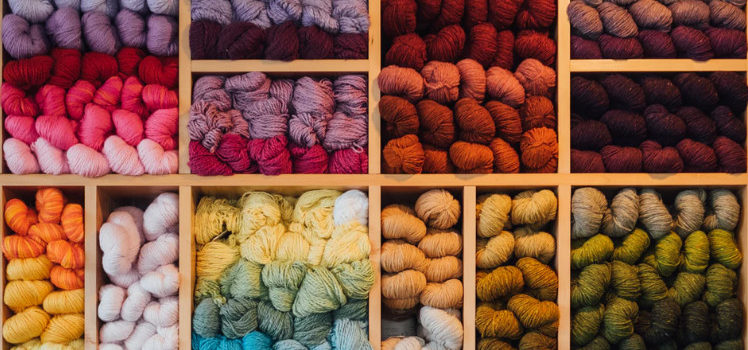
The basic process of the Konmari method is to discard first, then organize what’s left.
After you’ve discarded items in a certain category, then you can move on to organizing what’s left in that category. When you organize, keep your storage as simple as possible: use what your home already has, as opposed to buying a lot of complicated storage solutions that ultimately end up cluttering your space more.

The Marie Kondo method of cleaning asks one major question: “Does it spark joy?” But it’s not clear what this really means, and when it applies and doesn’t.
Learn how to tidy clothes using Marie Kondo’s famous method.
Step 1: Gather all your clothes from all over your home and put them in one place, on your bed or on your bedroom floor. When you think you’ve finished, ask yourself if there could be anything else hiding anywhere else…
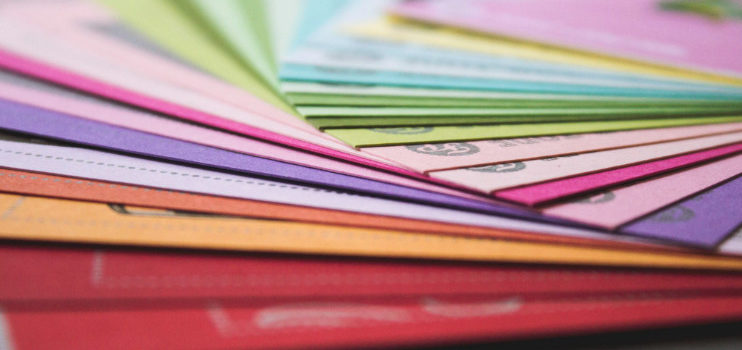
Papers are essentially any mail or documents that we receive, notes we take in school or outside classes, or manuals and instructions that come with appliances or electronics.
Remember, this category doesn’t include things like love letters or special cards–those are mementos, and go in the last category. And it doesn’t include any books or magazines, but it does include newspapers.