How the American Intellectual Class Fails in Its Duty

How the American Intellectual Class Fails in Its Duty
What’s the role of intellectuals in society? How has that role changed in America over the years? Sociologist C. Wright Mills says that America’s intellectual class used to run interference for the people, helping them understand what was going on and know how to stand up for their interests. All of that changed after World War II. Learn how the American intellectual class is now part of the problem.

The Centralization of Power: How the People Lost Control

The Centralization of Power: How the People Lost Control

Do you feel powerless to impact politics? Does it seem like the major decisions are made by powerful people far away? You’re not alone—and things haven’t always been this way. In The Power Elite, American sociologist C. Wright Mills discusses how a small group of corporate, military, and political leaders has taken over a vast majority of American political and economic decision-making. Continue reading for Mills’s exploration of how the centralization of power progressed in America at the expense of the people.

Richard Feynman at Los Alamos: Serious Business & a Bit of Fun

Richard Feynman at Los Alamos: Serious Business & a Bit of Fun

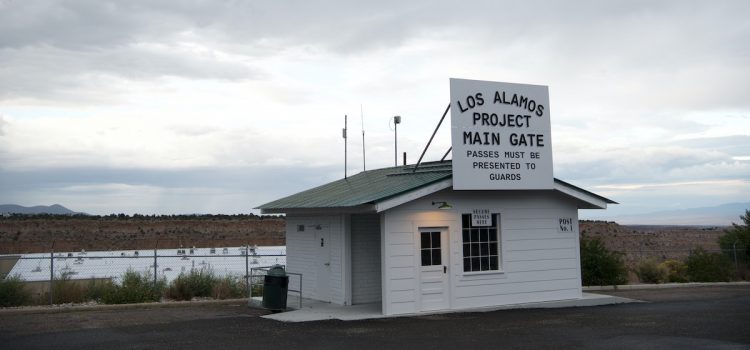
How did Richard Feynman irritate the folks in the Los Alamos mail room? Why did he consider it his patriotic duty to break into his colleagues’ file cabinets? Richard Feynman’s Los Alamos experience blended serious business with enjoyment. This first stop on his professional journey set the pattern for his career. In his memoir, he talks about some of the work he did on the Manhattan Project and shares some of the lighter moments. Keep reading to learn about Richard Feynman at Los Alamos.

Nelson Mandela’s Childhood: The Early Life of a “Troublemaker”

Nelson Mandela’s Childhood: The Early Life of a “Troublemaker”

How did Nelson Mandela’s birth name set the stage for his extraordinary life? How did he get the name “Nelson”? Long Walk to Freedom chronicles Nelson Mandela’s extraordinary life story, as told by the man himself. Mandela is known as one of history’s great peacemakers, but his own life wasn’t a peaceful one. Even his birth name reflects this. Continue reading to learn about Nelson Mandela’s childhood based on what he wrote in his autobiography.

Nelson Mandela and Apartheid: The Battle of a Lifetime

Nelson Mandela and Apartheid: The Battle of a Lifetime

What was apartheid? How did it impact people’s lives? When and how was it defeated? Long Walk to Freedom chronicles Nelson Mandela’s decades-long fight against the evil policy of apartheid in South Africa. He discusses the background of apartheid, the rise of policy, his efforts during his imprisonment, and the ultimate defeat of apartheid. Read more to learn the history of Nelson Mandela and apartheid.

Nelson Mandela’s Educational Background: Tenacity 101

Nelson Mandela’s Educational Background: Tenacity 101

What was Nelson Mandela’s educational background? Why did it take him so long to complete his education? Nelson Mandela’s formal education was over 40 years in the making. When he was a young Black man in segregated South Africa, he enjoyed the rare opportunity to attend university and law school. However, his journey got derailed a couple of times. Keep reading to learn about Nelson Mandela’s educational background.

Why Did Nelson Mandela Join the African National Congress?

Why Did Nelson Mandela Join the African National Congress?

Why did Nelson Mandela join the African National Congress? Why did he later help create the ANC Youth League? Nelson Mandela’s struggle against a culture of oppression and apartheid wasn’t just about securing legal rights for Blacks but also about fostering national and racial pride. That led him to join the ranks of the African National Congress (ANC) in the early 1940s. Continue reading to learn his motivations to join the ANC and his early efforts within the party.

Victor Verster Prison: Where Mandela Felt Deceptively “Free”

Victor Verster Prison: Where Mandela Felt Deceptively “Free”

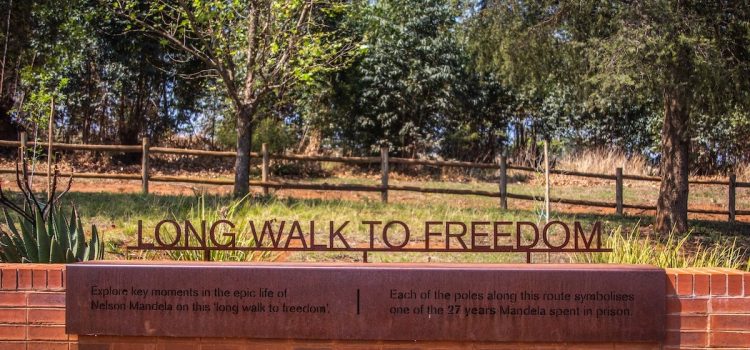
How was Victor Verster Prison better than the first two prisons where Mandela was held? When and why was he released? Nelson Mandela spent a total of 27 years in three prisons, enduring harsh conditions but never giving up the fight for racial equality and freedom. In his autobiography, Long Walk to Freedom, Mandela writes about the last of those prisons: Victor Verster. Continue reading to learn about Mandela’s time at Victor Verster Prison and his eventual release.