America Before Colonization: Dispelling Myths With Evidence

A sprout growing on the forest floor

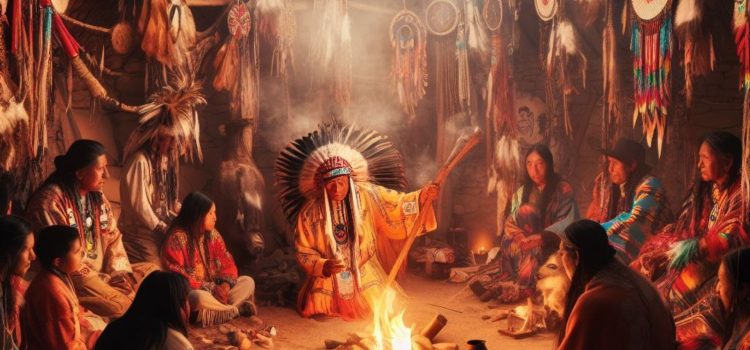
What was it like in America before colonization? How did Native Americans live? America, before colonization, was a collection of richly developed, sophisticated nations that cultivated the land and lived sustainably. When you look at evidence of how people lived, you can see how the idea that indigenous people were uncivilized is a myth. Keep reading to see how Native Americans lived and why it matters to have an accurate historical picture.

Jesus and John Wayne: Book Overview & Key Takeaways

A young man reading a book in a wheat field

Why was Donald Trump voted into the presidency? Does it have anything to do with a historical shift in Christianity? Following the 2016 US presidential election, pundits argued that the 81% of evangelical Christians who voted for Donald Trump over Hillary Clinton viewed him as the lesser of two evils. But, according to historian Kristin Du Mez, this explanation is misguided. Continue reading for our Jesus and John Wayne book overview.

A History of Christian Masculinity: From the Victorian Era to Trump

A man standing outside a church with a Christian cross.

How have Christians perceived masculinity over time? What influences have shaped these views? In Jesus and John Wayne, Kristin Du Mez argues that evangelicals endorsed Donald Trump in the 2016 presidential election because he was the paradigm of militant masculinity that became orthodox among evangelicals in the last century. She traces the history of Christian masculinity from the Victorian era on. Read more for Du Mez’s historical assessment of American Christian masculinity.

Why Did Settlers Come to America? The Colonial Mindset

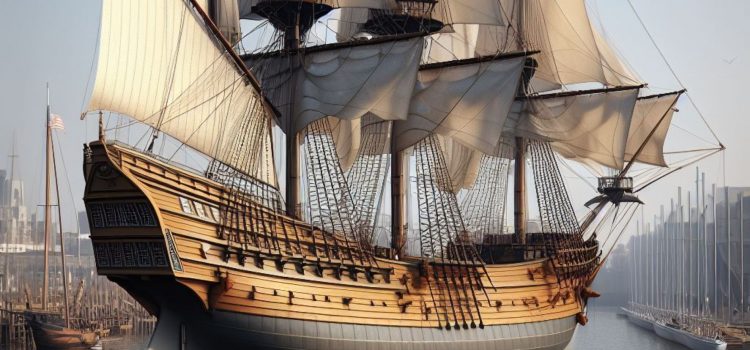
A wooden ship with sails representing the Mayflower

Why did settlers come to America? Where did the colonial mindset come from? Settlers came to America because they felt superior to Native Americans and wanted to secure their wealth for themselves. If you look at where European settlers came from, you can see how racism and poverty paired together to feed colonization. Keep reading for more on the reasons behind European colonization.

Genocide of Indigenous People in the American Colonies

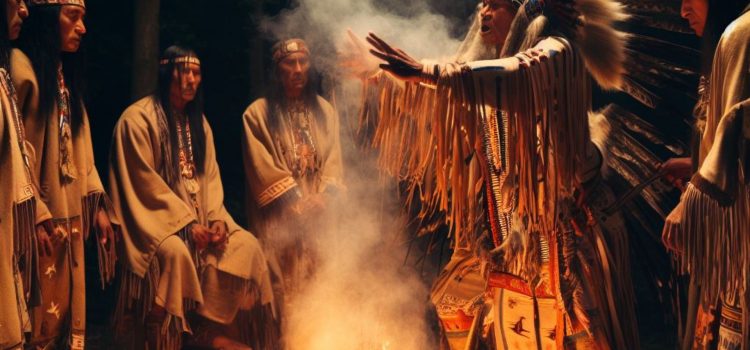
A Native American spiritual ritual by a fire

How did the genocide of indigenous people in America happen? What were the colonizers’ tactics? The genocide of indigenous people in America was accomplished through tactics of total war, a method of decimating a population to force submission. Europeans attacked women, children, and the elderly, and they took or destroyed resources. Here’s how and why European settlers committed genocide in the Americas.

Indigenous Resistance Against Colonization in America

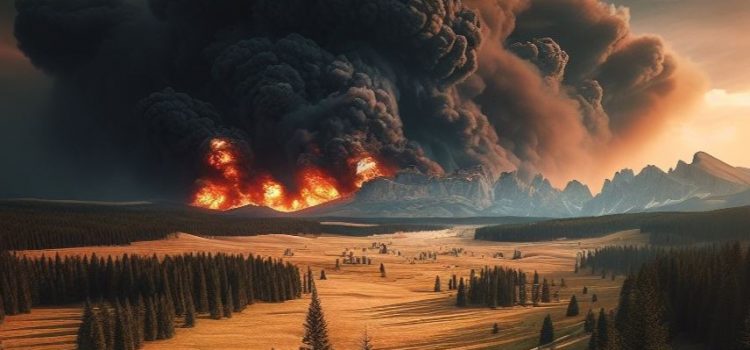
A fire burning in a field

What did indigenous resistance look like? How did Native Americans resist colonization? Indigenous resistance against colonizing forces included guerrilla warfare, which meant setting fire to settlements, taking hostages, and killing settlers. Others chose to assimilate with the Europeans instead of participating in warfare, but this did not always spare them from European violence. Here’s more on how indigenous people resisted colonization in the Americas.

Westward Expansion of the United States and Its Impacts

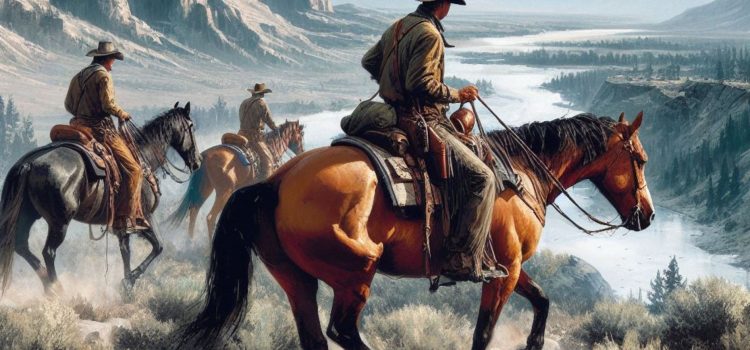
Cowboys riding horses on the frontier

What did the westward expansion of the United States look like? What were its impacts on Native Americans? The westward expansion of the United States relied on violence towards and removal of Native American nations. An example of this was the Trail of Tears, a forced migration of 16,000 Cherokees where only 50% of the people survived. Here’s what happened when Europeans moved westward in the Americas.

Forced Migration of Native Americans and Settler Violence

A historic European street town

Why did the forced migration of Native Americans happen? What violence forced them to move? The forced migration of Native Americans occurred as Europeans moved westward and demanded more territory. Migration was often deadly and meant leaving sacred, ancestral homes.  Read more to see how Native Americans resisted westward expansion and how they were ultimately forced out of their homes.

Native Americans During the Civil War: Anti-Indigenous Policies

A man with a stovepipe hat giving a speech

What was the role of Native Americans during the Civil War? How were they involved? During the Civil War, Native Americans were subject to many anti-indigenous policies and racism, and many responded by fighting to divide the United States. By joining in the war, Native Americans hoped to weaken European forces. Continue reading to learn how indigenous people were affected by and involved in the Civil War.