The 5 Sun Tzu “Art of War” Quotes You Should Know, Explained

The 5 Sun Tzu “Art of War” Quotes You Should Know, Explained
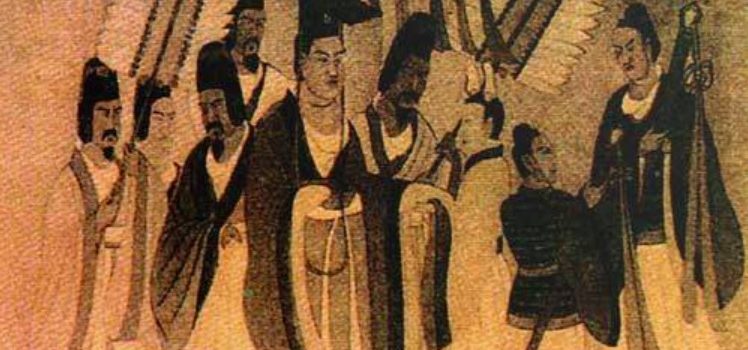
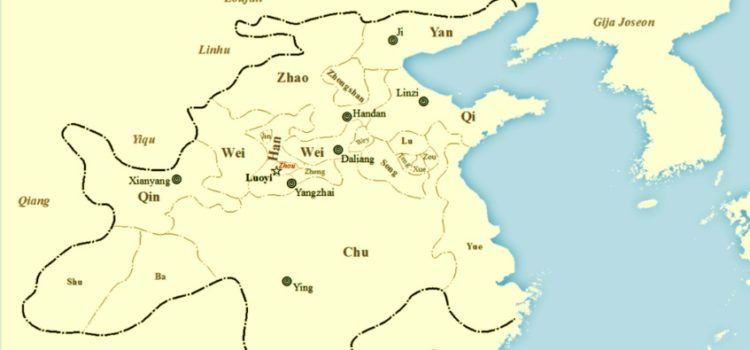
What are some of the most famous Sun Tzu Art of War quotes? What do they mean? The Art of War by Sun Tzu is a renowned guide for how to engage in conflict and be successful in battle. Written more than two thousand years ago, Sun Tzu, a Chinese warrior and philosopher, details the nature of competition and psychology of leadership and provides strategies for how to approach both. Although his teachings are geared toward actual military conflict, the principles can be useful in all arenas of conflict or competition, even at a personal level. We’ll cover some of

Christopher Columbus’s Voyages Showed the Value of Ignorance

Christopher Columbus’s Voyages Showed the Value of Ignorance

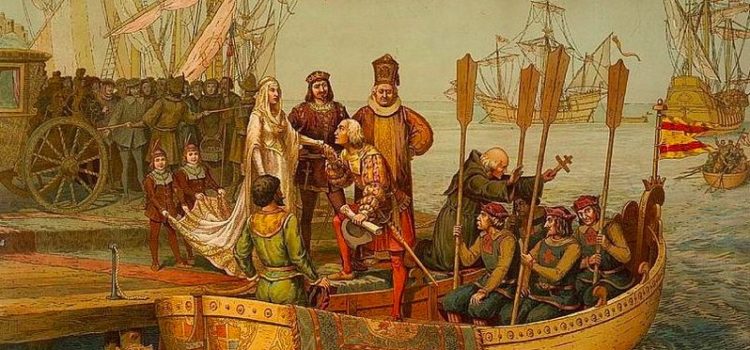
How did Christopher Columbus’s voyages to the new world revolutionize the world? How did it contribute to the rise of capitalism and our attitude toward our own ignorance? We’ll cover how Christopher Columbus’s first voyage and “discovery” of America forced people to confront their own ignorance. Then, we’ll look at how it spawned the marriage of capitalism and imperialism, forces that have defined our modern world.

History of Human Evolution: How Bad Genes Became Assets

History of Human Evolution: How Bad Genes Became Assets

In Sapiens, Yuval Noah Harari uses concepts from physics, chemistry, biology, and history to tell the story of us, Homo sapiens, and the history of human evolution. The history of early human evolution is punctuated by advances in language and technology, and the evolution has been both biological and social. Some social advantages started out as biological disadvantages. We’ll look at each revolution and how it dramatically redirected the course of human history. 

History of Racism in America: Its Roots May Not Be Racist

History of Racism in America: Its Roots May Not Be Racist

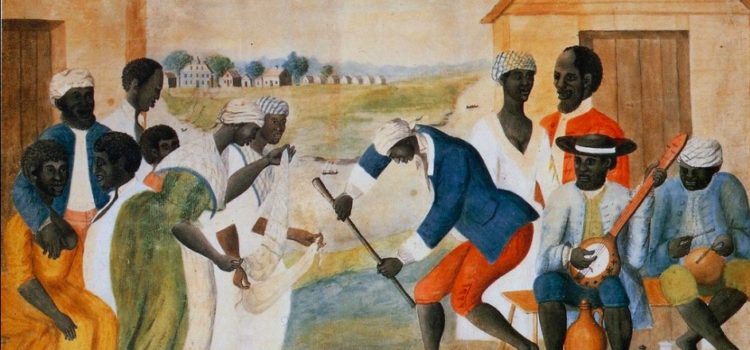
What is the history of racism in America? Where did it start? The history of racism in America starts with the European sugar plantations there. Europeans didn’t want to pay for labor since this would have made the sugar too expensive to buy back on the continent, and, by a historical accident, they went to Africa for their unpaid labor. We’ll look at the early history of racism in America, from the first sugar plantations to discrimination in the 1950s.

Surprising Benefits of Imperialism: Empires United the World

Surprising Benefits of Imperialism: Empires United the World

We tend to think that “imperialism” is a bad word, but were there any benefits of imperialism? What are the legacies of imperialism today? The benefits of imperialism included the shrinking of the world and the dissolution of cultural divides. Among the many tragedies of European empires, the Age of Imperialism also connected disparate nations and cultures. We’ll cover the surprising benefits of imperialism and how they’ve shaped our world today.