
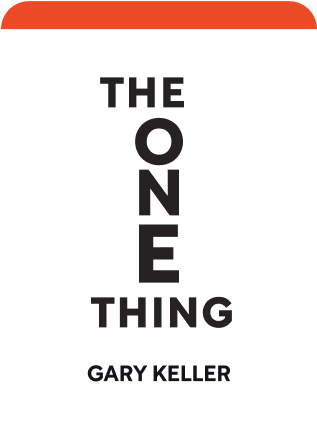
This article is an excerpt from the Shortform book guide to "The One Thing" by Gary Keller. Shortform has the world's best summaries and analyses of books you should be reading.
Like this article? Sign up for a free trial here .
Many people fail to reach their goals because they believe success requires a superhuman, never-ending level of willpower. In reality, the secret isn’t being a naturally disciplined person; it’s learning how to apply discipline strategically to the right habits. By using the focusing question to identify the one behavior that makes everything else easier or unnecessary, you can move away from the myth of the “disciplined life” and toward a system of automatic success.
Read on to discover why discipline is a short-term tool rather than a long-term personality trait and learn how to build sequential success one habit at a time.
Originally Published: August 10, 2021
Last Updated: January 2, 2026
The Power of Strategically-Applied Discipline
Many people believe that success is reserved for those with “superhuman” discipline—an unflagging effort to make the right choices every day across every area of their life. However, according to Gary Keller in The ONE Thing, this is a myth.
The truth is that success isn’t a result of ongoing discipline. It happens when you apply discipline just long enough for a new habit to stick and become automatic.
Almost everyone has sufficient discipline to achieve success; they just need to apply it more strategically. When you exercise discipline, you’re training yourself to act in a certain way. When you do it long enough, the new behavior becomes a routine that no longer requires a massive exertion of willpower.
What looks to most people like discipline is actually just habit. So-called “disciplined people” have simply used their limited daily willpower to form habits—repeated behaviors that run automatically with minimal effort. By using the focusing question to identify the right habit, you can channel your willpower into establishing one powerful behavior at a time.
(Shortform note: Some define discipline a bit differently from Keller. In Discipline Equals Freedom, for instance, former Navy SEAL Jocko Willink writes that discipline is a constant commitment to making good choices and improving yourself. He writes that it enables you to do what’s necessary to pursue your goals despite temptations to do otherwise. He recommends consistently exerting willpower throughout the day to incrementally improve yourself. However, Willink agrees with Keller that habits are crucial to a disciplined life, and he says that just a few basics—exercise, diet, and sleep—will give you a powerful foundation.)
The Michael Phelps Example
Olympic swimmer Michael Phelps is a prime example of succeeding through strategically-applied discipline. As a child with ADHD, he struggled with focus and disruptive behavior. However, from age 14, he applied his discipline to one specific area: swimming every day.
Phelps swam six hours a day, seven days a week. By focusing on his “sweet spot,” he made swimming a habit that changed his life, eventually becoming the most successful Olympian in history. Once that habit was established, his life became simpler because he didn’t have to be as disciplined about other things.
How to Form a Habit in 66 Days
Adopting better habits often feels hard and unpleasant, but habits are only difficult in the beginning. Forming a habit takes significantly more energy than sustaining one.
While many self-help advocates claim it takes 21 days to make a change, researchers at University College London determined that the average is actually 66 days. Depending on the complexity of the behavior, it may take a little more or less time.
To reach your goals, use the focusing question to decide on the right habit and use your discipline to give yourself enough time for it to become second nature. Remember:
- Success is sequential: Build new habits one at a time.
- Build on success: Use the momentum of one habit to fuel the next.
- Focus on the right thing: Don’t try to be disciplined at everything at once.
Once you understand that a “disciplined life” is a myth, you can stop trying to be superhuman and start being strategic in the way you apply discipline to your life.
———End of Preview———
Like what you just read? Read the rest of the world's best book summary and analysis of Gary Keller's "The One Thing" at Shortform .
Here's what you'll find in our full The One Thing summary :
- Why focusing daily on one thing, rather than many, is the key to success
- How success is like dominos
- The six common myths about success