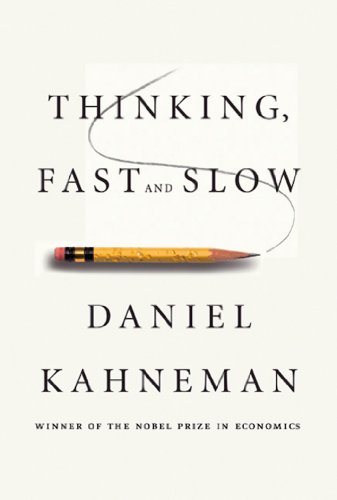
This article is an excerpt from the Shortform summary of "Thinking, Fast and Slow" by Daniel Kahneman. Shortform has the world's best summaries of books you should be reading.
Like this article? Sign up for a free trial here .
Why do we make decisions that cause us to suffer? The answer lies in the remembering self—the part of your mind that recalls past experiences and uses those memories to guide future choices. This mental system prioritizes memorable moments over actual lived experience, often distorting your judgment in ways you don’t realize.
This concept, explored in depth through Daniel Kahneman’s research in Thinking, Fast and Slow, explains three critical flaws: how we endure needless suffering for memorable endings, how our current focus warps our evaluation of overall happiness, and how we consistently misjudge what will make us happy in the future. Discover more below.
Originally Published: November 5, 2019
Last Updated: December 7, 2025
The Remembering Self Skews Our Judgement
Kahneman says that, because of its reliance on System 1 thinking, the remembering self distorts how we measure our own happiness, leading us to believe our lives are better or worse than they really are. Furthermore, because we make decisions by using our memories as reference points, we tend to heavily weigh decisions toward the remembering self and overlook the needs of the experiencing self.
Some key flaws in the remembering self’s reasoning include:
Needless suffering: People often make choices that cause the experiencing self to suffer, but end with rewards that the remembering self will enjoy (due to the peak-end rule). For example, boxers regularly suffer through harsh training and brutal fights just for the chance of a memorable victory. While this may seem reasonable if good memories will strongly outweigh bad ones, Kahneman argues that the experiencing self’s pain still negatively impacts your overall happiness, and it’s better to avoid such suffering whenever possible.
(Shortform note: Objectively speaking, your past experiences can definitely impact your current happiness and well-being—consider how a sprained ankle affects your happiness regardless of whether you know how you hurt it. To further illustrate Kahneman’s point, research shows that people who experienced childhood trauma can suffer from ongoing physical and mental PTSD symptoms, even if they don’t remember the traumatic experiences. Similarly, you might have aches and pains from old injuries you don’t remember getting, or certain situations might put you on edge for reasons you can’t explain.)
The Focusing Illusion: When trying to evaluate their overall happiness, people place too much emphasis on whatever’s currently on their mind—in other words, whatever the remembering self is thinking about at the moment. For example, suppose a couple is going through a rough patch; they might evaluate their entire marriage as a net negative because they’re only remembering the problems they’ve recently had, even though both partners are generally happy with each other. On the other hand, if someone specifically asks how good their marriage is when they’re not fighting, that would shift their focus and probably change their answer.
(Shortform note: One possible way to mitigate the focusing illusion is to consider the same issue while you’re in various different moods or frames of mind. Apocryphally, ancient Persians used to deliberate over important decisions twice: once while drunk and once while sober. They did this to shift their focus and consider different aspects of a situation. Supposedly, only a decision that seemed wise in both states (drunk and sober) was acceptable. While it may not be advisable to get drunk every time you have to evaluate a situation, there is value in reconsidering a decision later, especially one made in an emotional moment—you may find that you make a different choice once your feelings have settled and your focus has shifted.)
Inaccurate Predictions: Kahneman says that people consistently overestimate how much changes will affect their future happiness (positively or negatively) because their current remembering self overestimates how much their future experiencing self will think about those changes. In reality, people quickly adapt to new circumstances and stop thinking about them at all. For example, people commonly think they’d be happier if they had more money. However, once they achieve their financial goals, that level of wealth becomes their new normal and their happiness settles to the same level it was at previously, at their old normal.
(Shortform note: These inaccurate predictions about the future lead to a phenomenon that psychologists call the hedonic treadmill: People chase after something they think will make them happy, enjoy a moment of pleasure when they get it, but quickly return to their previous level of happiness. They then start chasing the next thing in order to recapture that feeling. It’s referred to as a treadmill because people constantly “run” after happiness, but always end up in the same place emotionally. The same is true of negative experiences—after a brief period of feeling upset or angry, people go back to feeling how they did before.)
———End of Preview———
Like what you just read? Read the rest of the world's best summary of "Thinking, Fast and Slow" at Shortform . Learn the book's critical concepts in 20 minutes or less .
Here's what you'll find in our full Thinking, Fast and Slow summary :
- Why we get easily fooled when we're stressed and preoccupied
- Why we tend to overestimate the likelihood of good things happening (like the lottery)
- How to protect yourself from making bad decisions and from scam artists