1100 Best Jazz Books of All Time
We've ranked the best jazz books using expert recommendations, sales data, and millions of reader ratings. At Shortform, we know books. Our book guides are the best in the world. Learn why.
1
2The Great Gatsby
Former USA President
When he got to high school, the president said, his tastes changed and he learned to enjoy classics like “Of Mice and Men” and “The Great Gatsby.” [source]
CEO/Microsoft
Melinda and I really like this book. When we were first dating, she had a green light that she would turn on when her office was empty and it made sense for me to come over. [source]
Partner/500 Startups
For Non-Business, I'd have to say Dune (Herbert), Emergency (Strauss), The Great Gatsby (Fitzgerald) or Flint (L'Amour). I re-read these books every year because they are just so well written & great stories that I get new perspective & details every time I read them. [source]
3Miles: The Autobiography
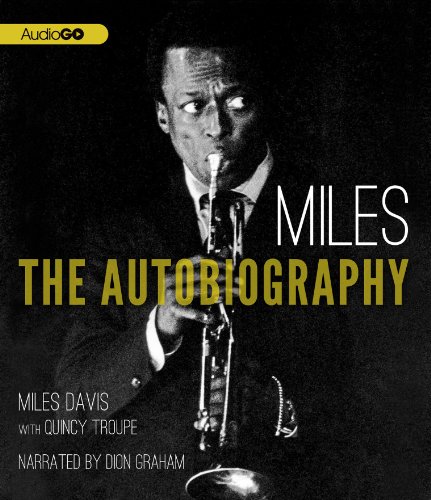
Miles: The Autobiography, like Miles himself, holds nothing back. For the first time Miles talks about his five-year silence. He speaks frankly and openly about his drug problem and how he overcame it. He condemns the racism he has encountered in the music business and in American society generally. And he discusses the women in his life. But above all, Miles talks about music and musicians, including the legends he has played with over the years: Bird, Dizzy, Monk, Trane, Mingus, and many others.
The man who has given us some of the most exciting music of the past few decades has now given us a compelling and fascinating autobiography, featuring a concise discography and thirty-two pages of photographs.
I am currently reading: Bruce Springsteen - Born to Run, Einstein's Puzzle Universe, Miles Davis with Quincy Troupe and I am Ozzy. (I’m going through a physics and biographies period) [source]
4Thelonious Monk: The Life and Times of an American Original
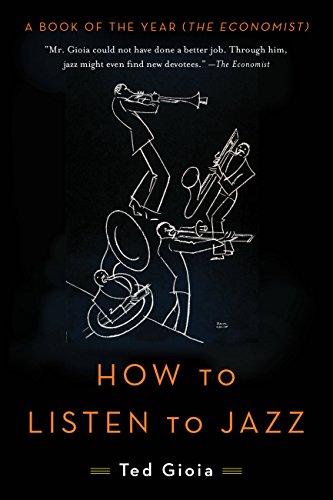
5How to Listen to Jazz
In How to Listen to Jazz, award-winning music scholar Ted Gioia presents a lively introduction to the art of listening to jazz. He tells us what to listen for in a performance and includes a guide to today's leading jazz musicians. From Louis Armstrong's innovative sounds to the jazz-rock fusion of Miles Davis, Gioia covers the music's history and reveals the building blocks of improvisation. A true love letter to jazz by a foremost expert, How to Listen to Jazz is a must-read for anyone who's ever wanted to understand America's greatest contribution to music.
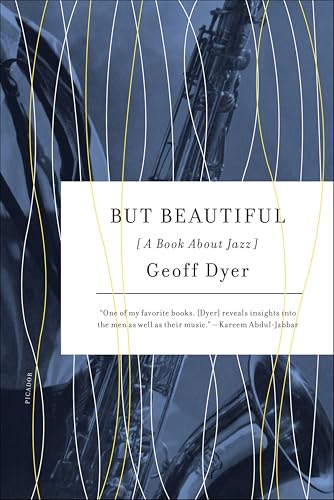
6But Beautiful: A Book About Jazz
In eight poetically charged vignettes, Geoff Dyer skillfully evokes the music and the men who shaped modern jazz. Drawing on photos, anecdotes, and, most important, the way he hears the music, Dyer imaginatively reconstructs scenes from the embattled lives of some of the world's greats: Lester Young fading away in a hotel room; Charles Mingus storming down the streets of New York on a too-small bicycle; Thelonius Monk creating his own private language on the piano. However, music is the driving force of But Beautiful, and Dyer brings it to life in luminescent and wildly metaphoric prose that mirrors the quirks, eccentricity, and brilliance of each musician’s style.
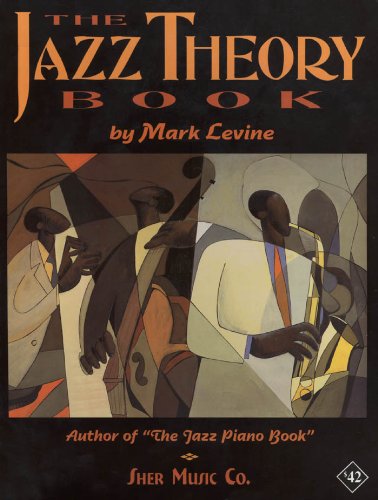
7The Jazz Theory Book
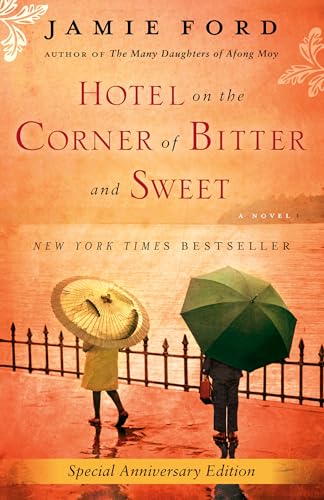
8Hotel on the Corner of Bitter and Sweet
9Jazz
The novel, formally, feels like a piece of jazz. [source]
10John Coltrane: His Life and Music
John Coltrane was a key figure in jazz, a pioneer in world music, and an intensely emotional force whose following continues to grow. This new biography, the first by a professional jazz scholar and performer, presents a huge amount of never-before-published material, including interviews with Coltrane, photos, genealogical documents, and innovative musical analysis that offers a fresh view of Coltrane's genius.
Compiled from scratch with the assistance of dozens of Coltrane's colleagues, friends, and family, John Coltrane: His Life and Music corrects numerous errors from previous biographies. The significant people in Coltrane's life were reinterviewed, yielding new insights; some were interviewed for the first time ever.
The musical analysis, which is accessible to the nonspecialist, makes its own revelations--for example, that some of Coltrane's well-known pieces are based on previously unrecognized sources. The Appendix is the most detailed chronology of Coltrane's performing career ever compiled, listing scores of previously unknown performances from the 1940s and early 1950s.
Coltrane has become a musical inspiration for thousands of fans and musicians and a personal inspiration to as many more. For all of these, Porter's book will become the definitive resource--a reliable guide to the events of Coltrane's life and an insightful look into his musical practices.
". . . well researched, musically knowledgeable, and enormously interesting to read. Porter is a jazz scholar with deep knowledge of the tradition he is studying, both conceptually and technically." --Richard Crawford, University of Michigan
"Lewis Porter is a meticulous person with love and respect for Afro-American classical music. I applaud this definitive study of my friend John Coltrane's life adn achievements." --Jimmy Heath, jazz saxophonist, composer, educator
Lewis Porter is Associate Professor of Music, Rutgers University in Newark. A leading jazz scholar, he is the author of Jazz Readings from a Century of Change and coauthor of Jazz: From Its Origins to the Present. He was a project consultant on The Complete Atlantic Recordings of John Coltrane, which was nominated for a Grammy Award for Best Historical Reissue, and an editor and assisting author of the definitive Coltrane discography by Y. Fujioka.

11Kind Of Blue: The Making Of The Miles Davis Masterpiece
12Beneath the Underdog
There are a couple of books that inspired me or gave ignition to a new thought process. In terms of biographies, I liked Charles Mingus - Beneath the Underdog. [source]
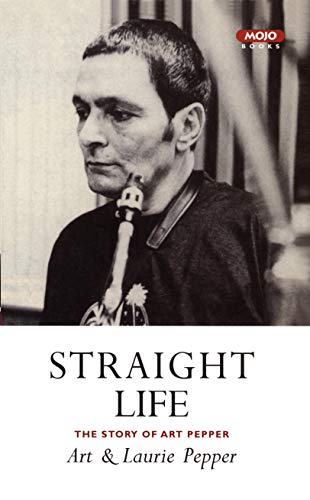
13Straight Life: The Story Of Art Pepper
14Space is the Place: The Lives and Times of Sun Ra
15Blues People: Negro Music in White America
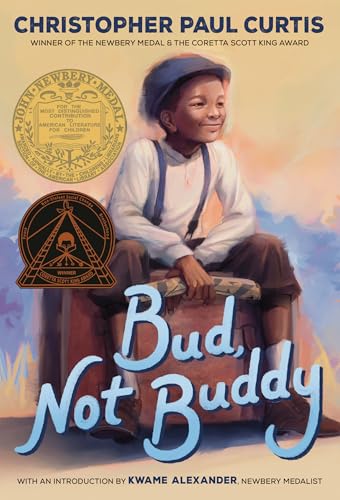
16Bud, Not Buddy
He has his own suitcase full of special things.
He's the author of Bud Caldwell's Rules and Things for Having a Funner Life and Making a Better Liar Out of Yourself.
His momma never told him who his father was, but she left a clue: flyers advertising Herman E. Calloway and his famous band, the Dusky Devastators of the Depression!!!!!!
Bud's got an idea that those flyers will lead him to his father. Once he decides to hit the road and find this mystery man, nothing can stop him--not hunger, not fear, not vampires, not even Herman E. Calloway himself.
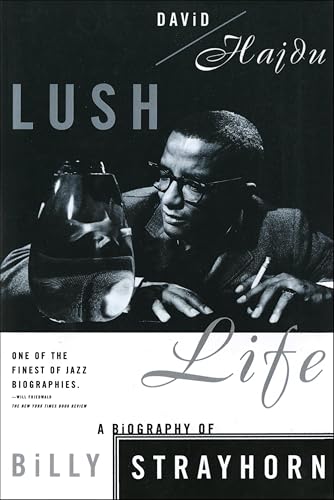
17Lush Life: A Biography of Billy Strayhorn
Billy Strayhorn (1915-67) was one of the greatest composers in the history of American music, the creator of a body of work that includes such standards as "Take the 'A' Train." Yet all his life Strayhorn was overshadowed by his friend and collaborator Duke Ellington, with whom he worked for three decades as the Ellington Orchestra's ace songwriter and arranger. A "definitive" corrective (USA Today) to decades of patchwork scholarship and journalism about this giant of jazz, David Hajdu's Lush Life is a vibrant and absorbing account of the "lush life" that Strayhorn and other jazz musicians led in Harlem and Paris. While composing some of the most gorgeous American music of the twentieth century, Strayhorn labored under a complex agreement whereby Ellington took the bows for his work. Until his life was tragically cut short by cancer and alcohol abuse, the small, shy composer carried himself with singular style and grace as one of the few jazzmen to be openly homosexual. Lush Life has sparked an enthusiastic revival of interest in Strayhorn's work and is already acknowledged as a jazz classic.
18The Jazz Standards: A Guide to the Repertoire
Many books recommend jazz CDs or discuss musicians and styles, but this is the first to tell the story of the songs themselves. The fan who wants to know more about a jazz song heard at the club or on the radio will find this book indispensable. Musicians who play these songs night after night now have a handy guide, outlining their history and significance and telling how they have been performed by different generations of jazz artists. Students learning about jazz standards now have a complete reference work for all of these cornerstones of the repertoire.
Author Ted Gioia, whose body of work includes the award-winning The History of Jazz and Delta Blues, is the perfect guide to lead readers through the classics of the genre. As a jazz pianist and recording artist, he has performed these songs for decades. As a music historian and critic, he has gained a reputation as a leading expert on jazz. Here he draws on his deep experience with this music in creating the ultimate work on the subject.
An introduction for new fans, a useful handbook for jazz enthusiasts and performers, and an important reference for students and educators, The Jazz Standards belongs on the shelf of every serious jazz lover or musician.
19Visions of Jazz: The First Century
20The Penguin Guide to Jazz Recordings
Music fans have been turning to this established reference through seven editions as a source of intelligent and insightful criticism. Fully updated to incorporate thousands of additional recordings, the eighth edition features artist biographies, detailed recording information with labels and catalog numbers, reliable and authoritative ratings, the authors' personal selection of the essential recordings for every collection, an index of artists, and more.
21A Love Supreme: The Story of John Coltrane's Signature Album
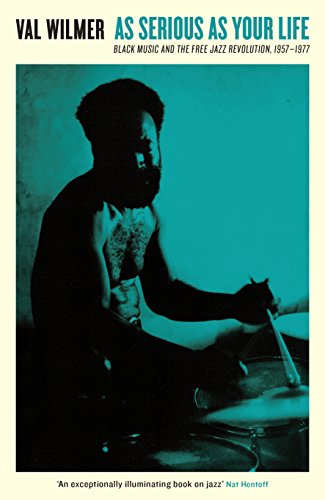
22As Serious As Your Life: Black Music and the Free Jazz Revolution, 1957–1977
Placing the achievements of African-American artists such as Albert Ayler, Ornette Coleman, John Coltrane and Sun Ra in their broader political and social context, Wilmer evokes an era of extraordinary innovation and experimentation that continues to inspire musicians today.
As vital now as when it was first published in 1977, As Serious As Your Life is the essential story of one of the most dynamic musical movements of the twentieth century.
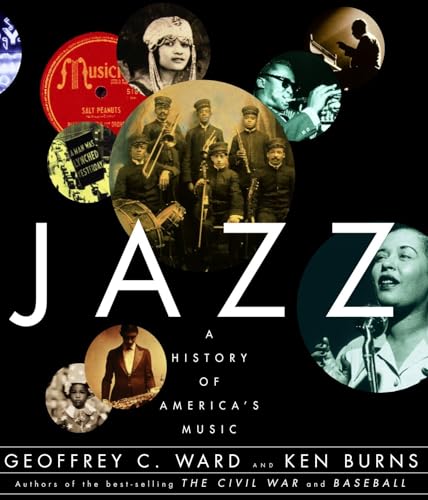
23Jazz: A History of America's Music
The Civil War and Baseball.
Continuing in the tradition of their critically acclaimed works, Geoffrey C. Ward and Ken Burns vividly bring to life the story of the quintessential American music—jazz. Born in the black community of turn-of-the-century New Orleans but played from the beginning by musicians of every color, jazz celebrates all Americans at their best.
Here are the stories of the extraordinary men and women who made the music: Louis Armstrong, the fatherless waif whose unrivaled genius helped turn jazz into a soloist's art and influenced every singer, every instrumentalist who came after him; Duke Ellington, the pampered son of middle-class parents who turned a whole orchestra into his personal instrument, wrote nearly two thousand pieces for it, and captured more of American life than any other composer. Bix Beiderbecke, the doomed cornet prodigy who showed white musicians that they too could make an important contribution to the music; Benny Goodman, the immigrants' son who learned the clarinet to help feed his family, but who grew up to teach a whole country how to dance; Billie Holiday, whose distinctive style routinely transformed mediocre music into great art; Charlie Parker, who helped lead a musical revolution, only to destroy himself at thirty-four; and Miles Davis, whose search for fresh ways to sound made him the most influential jazz musician of his generation, and then led him to abandon jazz altogether. Buddy Bolden, Jelly Roll Morton, Dizzy Gillespie, Art Tatum, Count Basie, Dave Brubeck, Artie Shaw, and Ella Fitzgerald are all here; so are Sidney Bechet, Coleman Hawkins, Lester Young, John Coltrane, Ornette Coleman, and a host of others.
But Jazz is more than mere biography. The history of the music echoes the history of twentieth-century America. Jazz provided the background for the giddy era that F. Scott Fitzgerald called the Jazz Age. The irresistible pulse of big-band swing lifted the spirits and boosted American morale during the Great Depression and World War II. The virtuosic, demanding style called bebop mirrored the stepped-up pace and dislocation that came with peace. During the Cold War era, jazz served as a propaganda weapon—and forged links with the burgeoning counterculture. The story of jazz encompasses the story of American courtship and show business; the epic growth of great cities—New Orleans and Chicago, Kansas City and New York—and the struggle for civil rights and simple justice that continues into the new millennium.
Visually stunning, with more than five hundred photographs, some never before published, this book, like the music it chronicles, is an exploration—and a celebration—of the American experiment.
From the Hardcover edition.
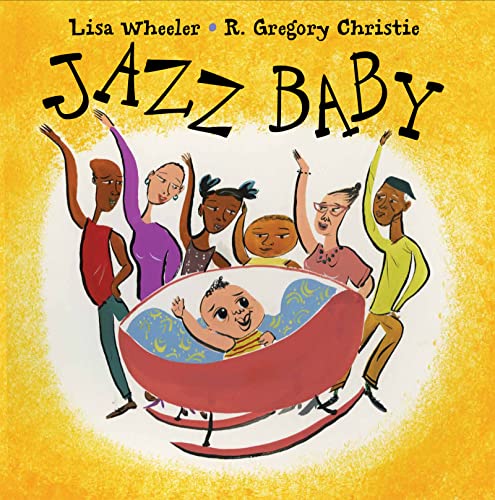
24Jazz Baby
Lisa Wheeler and R. Gregory Christie pair up for a celebration of music, imagination, and big families--but they know that even a jazz baby needs to snooze. Oh yeah.
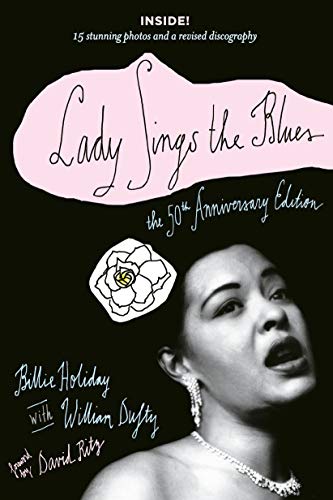
25Lady Sings the Blues
Originally released by Doubleday in 1956, Harlem Moon Classics celebrates the publication with the fiftieth-anniversary edition of Billie Holiday’s unforgettable and timeless memoir. Updated with an insightful introduction and a revised discography, both written by celebrated music writer David Ritz.
Lady Sings the Blues is the fiercely honest, no-holds-barred autobiography of Billie Holiday, the legendary jazz, swing, and standards singing sensation. Taking the reader on a fast-moving journey from Holiday’s rough-and-tumble Baltimore childhood (where she ran errands at a whorehouse in exchange for the chance to listen to Louis Armstrong and Bessie Smith albums), to her emergence on Harlem’s club scene, to sold-out performances with the Count Basie Orchestra and with Artie Shaw and his band, this revelatory memoir is notable for its trenchant observations on the racism that darkened Billie’s life and the heroin addiction that ended it too soon. We are with her during the mesmerizing debut of “Strange Fruit”; with her as she rubs shoulders with the biggest movie stars and musicians of the day (Bob Hope, Lana Turner, Clark Gable, Benny Goodman, Lester Young, Coleman Hawkins, and more); and with her through the scrapes with Jim Crow, spats with Sarah Vaughan, ignominious jailings, and tragic decline. All of this is told in Holiday’s tart, streetwise style and hip patois that makes it read as if it were written yesterday.
26Bird Lives!: The High Life & Hard Times of Charlie (Yardbird) Parker
"Inspired by great affection and dedication, Bird Lives! provides a vivid and accurate picture not only of the saxophonist-composer as artist and human being but of his zeitgeist and the musical/social setting that produced him. Parker was an immensely complex personality; saint and satyr, loving father and footloose vagabond, with a limitless appetite for sex, music, food, pills, heroin, liquor, life. A man of vast influence, the most admired and imitated creator of the mid-1940s bop revolution, he was forced to work in dives, reduced to bumming dollars when he should have been respected as a reigning virtuoso. . . . A sensitive, penetrating portrait."--Leonard Feather, Los Angeles Times
"One of the very few jazz books that deserve to be called literature . . . perhaps the finest writing on jazz to be found anywhere. . . . Those aware of Parker's genius cannot do without this book."--Grover Sales, Saturday Review
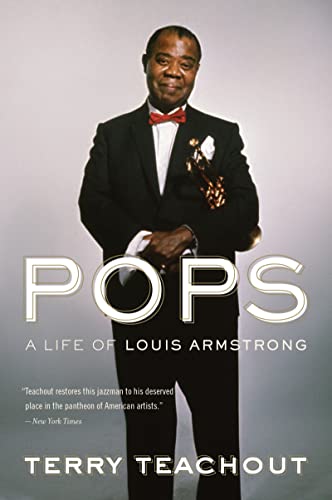
27Pops: A Life of Louis Armstrong
Louis Armstrong was the greatest jazz musician of the twentieth century and a giant of modern American culture. He knocked the Beatles off the top of the charts, wrote the finest of all jazz autobiographies--without a collaborator--and created collages that have been compared to the art of Romare Bearden. The ranks of his admirers included Johnny Cash, Jackson Pollock and Orson Welles. Offstage he was witty, introspective and unexpectedly complex, a beloved colleague with an explosive temper whose larger-than-life personality was tougher and more sharp-edged than his worshipping fans ever knew. Wall Street Journal arts columnist Terry Teachout has drawn on a cache of important new sources unavailable to previous Armstrong biographers, including hundreds of private recordings of backstage and after-hours conversations that Armstrong made throughout the second half of his life, to craft a sweeping new narrative biography of this towering figure that shares full, accurate versions of such storied events as Armstrong's decision to break up his big band and his quarrel with President Eisenhower for the first time. Certain to be the definitive word on Armstrong for our generation, Pops paints a gripping portrait of the man, his world and his music that will stand alongside Gary Giddins' Bing Crosby: A Pocketful of Dreams and Peter Guralnick's Last Train to Memphis: The Rise of Elvis Presley as a classic biography of a major American musician.
Amazon Exclusive: A Letter from Terry Teachout, Author of Pops: A Life of Louis Armstrong
Dear Amazon Readers:Pops: A Life of Louis Armstrong, my new book, is the story of a great artist who was also a good man. A genius who was born in the gutter--and became a celebrity known in every corner of the world. A beloved entertainer who was more complex--and much tougher--than his fans ever imagined. It's not the first Armstrong biography, but it's the first one to tell Satchmo's story accurately. I based it in part on hundreds of private, after-hours recordings made by Armstrong himself, candid tapes in which he tells the amazing tale of his ascent to stardom in blunt, plainspoken language. I'm the first biographer to have had access to those tapes. Read Pops and you'll learn the facts about his 1930 marijuana arrest, his life-threatening run-in with the gangsters of Chicago, his triumphant Broadway and Hollywood debuts, his complicated love life, and much, much more. You'll also come away understanding exactly what it was that made him the most influential jazz musician of the twentieth century, an entertainer so irresistibly magnetic that he knocked the Beatles off the top of the charts four decades after he cut his first record. If you've ever thrilled to the sounds of "West End Blues," "Mack the Knife," "Hello, Dolly!" or "What a Wonderful World," this is the book for you and yours. Give Pops a read and find out all about the man from New Orleans who changed the face of American music. Sincerely yours,Terry Teachout(Photo © Ken Howard)
Amazon Exclusive: Terry Teachout's Top 10 Louis Armstrong Recordings
In Pops: A Life of Louis Armstrong, I tell the story of a beloved giant of jazz whose greathearted, larger-than-life personality shone through every record he made. Here are ten of my special favorites:1. "I Gotta Right to Sing the Blues" (1933). Of all Louis Armstrong's records, this is the one I love best. Listen to how he floats atop the beat in the last chorus--he sounds just like a tenor going for a high C.2. "West End Blues" (1928). The most celebrated of all Armstrong recordings and the quintessence of swing."3. "Hotter Than That" (1927). “I just played the way I sang," Pops said. His wordless vocal on this Hot Seven track proves it.4. "Star Dust" (1931). Further proof: listen to how he rewrites the lyrics to this familiar Hoagy Carmichael ballad.5. "Darling Nelly Gray" (1937). Satchmo transforms an old slave song, backed up by the suavely swinging Mills Brothers.6. "Jeepers Creepers" (1939). A charming souvenir of Armstrong's film career--he introduced this Johnny Mercer song in "Going Places."7. "Struttin' with Some Barbecue" (1938). A boiling-hot big-band remake of a classic 1927 Hot Five side in which the trumpeter improves on perfection.8. "You Rascal, You" (1950). Louis meets Louis in this raucous romp through an Armstrong standard, accompanied to high-spirited effect by Louis Jordan's Tympany Five.9. "New Orleans Function" (1950). An old-time New Orleans jazz funeral recreated by the All Stars, with Earl Hines on piano and Jack Teagarden on trombone.10. "Sleepy Time Down South" (1941). Armstrong's theme song, an irreplaceable example of his rich and resplendent lyricism.
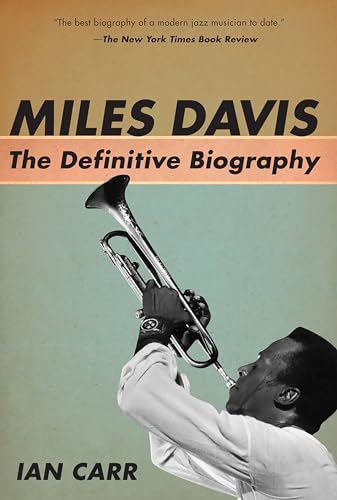
28Miles Davis: The Definitive Biography
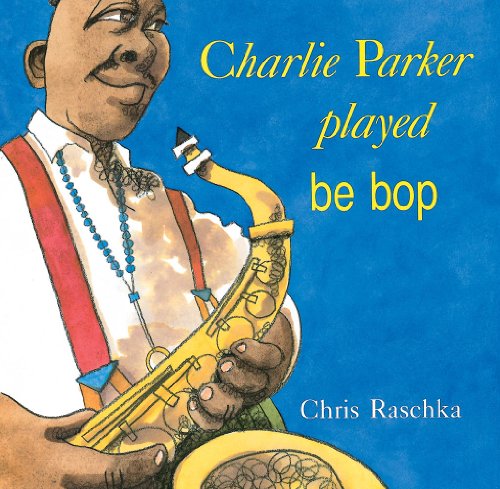
29Charlie Parker Played Be Bop
Ever hear of Charlie Parker? The great jazz saxophone player? If you have or if you haven't, it's okay. Look at this board book and you'll hear Charlie Parker; you'll hear music in your mind.
"Be bop. Fisk, fisk. Lollipop. Boomba, boomba."
Look. That's Charlie swinging and spinning all over the pages. And that's Charlie's cat, waiting, waiting for him to come home....
Downbeat: The Great Jazz Interviews: A 75th Anniversary Anthology
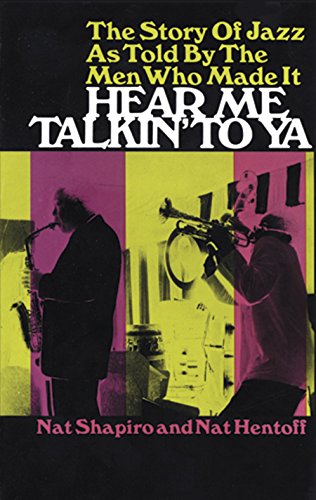
31Hear Me Talkin' To Ya
"What is jazz? The rhythm — the feeling." — Coleman Hawkins
"The best sound usually comes the first time you do something. If it's spontaneous, it's going to be rough, not clean, but it's going to have the spirit which is the essence of jazz." — Dave Brubeck
Here, in their own words, such famous jazz musicians as Louis Armstrong, King Oliver, Fletcher Henderson, Bunk Johnson, Duke Ellington, Fats Waller, Clarence Williams, Jo Jones, Jelly Roll Morton, Mezz Mezzrow, Billie Holiday, and many others recall the birth, growth, and changes in jazz over the years. From its beginnings at the turn of the twentieth century in the red-light district in New Orleans (or Storyville, as it came to be known), to Chicago's Downtown section and the Original Dixieland Jazz Band and Chicago's South Side to jam sessions in Kansas City to Harlem during the Depression years, the West Coast and modern developments, the story of jazz is vividly and colorfully documented in hundreds of personal interviews, letters, tape recorded and telephone conversations, and excerpts from previously printed articles that appeared in books and magazines.
There is no more fascinating and lively history of jazz than this firsthand telling by the men who made it. It should be read and re-read by all jazz enthusiasts, musicians, students of music and culture, students of American history, and other readers. "A lively book bearing the stamp of honesty and naturalness." — Library Journal. "A work of considerable substance." — The New Yorker. "Some of the quotations are a bit racy but they give the book a wonderful flavor." — San Francisco Chronicle.
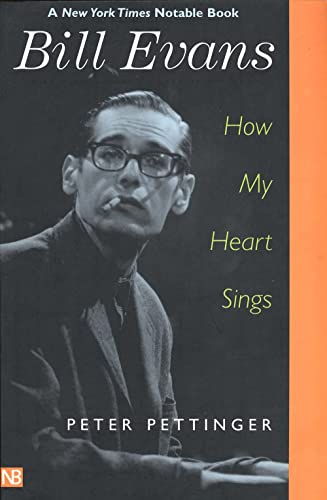
32Bill Evans: How My Heart Sings
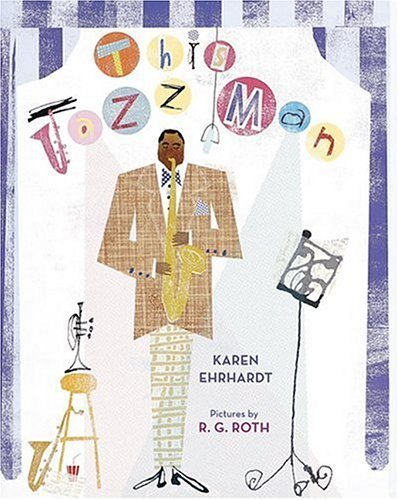
33This Jazz Man
Easy on the ear and the eye, this playful introduction to nine jazz giants will teach children to count--and will give them every reason to get up and dance!
Includes a brief biography of each musician.
34Jazz
Trombone Shorty
Along with esteemed illustrator Bryan Collier, Andrews has created a lively picture book autobiography about how he followed his dream of becoming a musician, despite the odds, until he reached international stardom. Trombone Shorty is a celebration of the rich cultural history of New Orleans and the power of music.
36Notes and Tones: Musician-to-Musician Interviews (Expanded Edition)
Notes and Tones is one of the most controversial, honest, and insightful books ever written about jazz. As a black musician himself, Arthur Taylor was able to ask his subjects hard questions about the role of black artists in a white society. Free to speak their minds, these musicians offer startling insights into their music, their lives, and the creative process itself. This expanded edition is supplemented with previously unpublished interviews with Dexter Gordon and Thelonious Monk, a new introduction by the author, and new photographs.Notes and Tones consists of twenty-nine no-holds-barred conversations which drummer Arthur Taylor held with the most influential jazz musicians of the ’60s and ’70s—including:
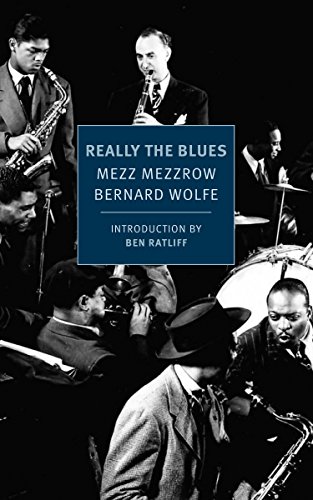
37Really the Blues
Film Director
The story, while probably just a lot of junk, was compelling for me because it was about many musicians whose work I knew and admired, and the in-and-outs of jazz joints that I knew about. [source]
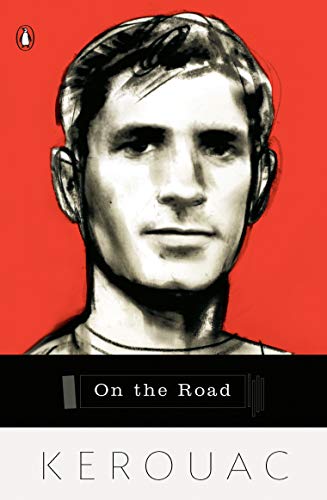
38On the Road
Influenced by Jack London and Thomas Wolfe, Kerouac always wanted to be a writer, but his true voice only emerged when he wrote about his own experiences in On the Road. Leaving a broken marriage behind him, Sal Paradise (Kerouac) joins Dean Moriarty (Cassady), a tearaway and former reform school boy, on a series of journeys that takes them from New York to San Francisco, then south to Mexico. Hitching rides and boarding buses, they enter a world of hobos and drifters, fruit-pickers and migrant families, small towns and wide horizons. Adrift from conventional society, they experience America in the raw: a place where living is hard, but ‘life is holy and every moment is precious’.
With its smoky, jazz-filled atmosphere and its restless, yearning spirit of adventure, On the Road left its mark on the culture of the late 20th century, influencing countless books, films and songs. Kerouac’s prose is remarkable both for its colloquial swing and for the pure lyricism inspired by the American landscape – ‘the backroads, the black-tar roads that curve among the mournful rivers like Susquehanna, Monongahela, old Potomac and Monocacy’. This Folio Society edition is illustrated with evocative photographs of Kerouac and the landscapes of 1950s America. Now acknowledged as a modern classic, On the Road remains a thrilling and poignant story of the road less travelled.
My favourite book is "On the road" by Jack Kerouac. Apart from being probably one of the best well written books in the world, I appreciate Kerouac's philosophy to dedicate himself entirely to what was important to him, something that I have applied in my life as much as possible. I've simplified my life in many ways, and stay focused on what I think it's really important. For Jack it was the experimentation of life with friends, drinks and jazz, and the dedication he put into it is simply transformative. For me it is a very different mix, though, but doing things your way will make your life meaningful and unique. Obviously, first of all you have to decide what is important for you, that's a process in itself. Also, I loved the "own less, live more" approach he took at life. I don't plan to be a bum, but even if someday I will own billions of dollars I don't want to worry about a yacht in some harbour, I find it meaningless. But I know that's also a trait of our generation, to pay for experience and not for ownership. [source]
39To Be, or Not...to Bop
You don’t have to know John Birks “Dizzy” Gillespie’s songs to feel his influence. The self-taught trumpet player rose from a poor but musically driven upbringing to become a jazz mastermind, founding the bebop movement and giving rise to Afro-Cuban music.
This extensive biography is intertwined with reflections from famous Gillespie associates Cab Calloway, Count Basie, Miles Davis, Thelonious Monk, Mary Lou Williams, Ella Fitzgerald, and many others. They provide numerous perspectives of Gillespie’s early start on the road to fame and the spirited times that would follow.
To Be, or Not . . . to Bop is a unique account serves as both a rollicking history lesson in American music and culture and a towering play-by-play of a life not to be forgotten.
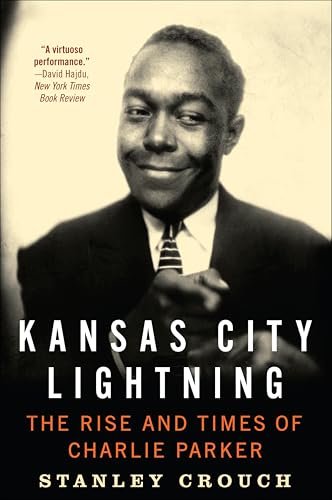
40Kansas City Lightning: The Rise and Times of Charlie Parker
Throughout his life, Charlie Parker personified the tortured American artist: a revolutionary performer who used his alto saxophone to create a new music known as bebop even as he wrestled with a drug addiction that would lead to his death at the age of thirty-four.
Drawing on interviews with peers, collaborators, and family members, Kansas City Lightning recreates Parker’s Depression-era childhood; his early days navigating the Kansas City nightlife, inspired by lions like Lester Young and Count Basie; and on to New York, where he began to transcend the music he had mastered. Crouch reveals an ambitious young man torn between music and drugs, between his domineering mother and his impressionable young wife, whose teenage romance with Charlie lies at the bittersweet heart of this story.
With the wisdom of a jazz scholar, the cultural insights of an acclaimed social critic, and the narrative skill of a literary novelist, Stanley Crouch illuminates this American master as never before.
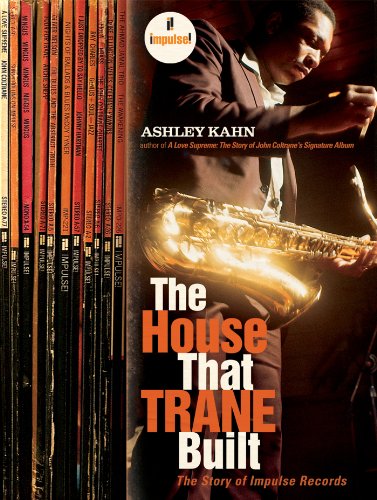
41The House That Trane Built: The Story of Impulse Records
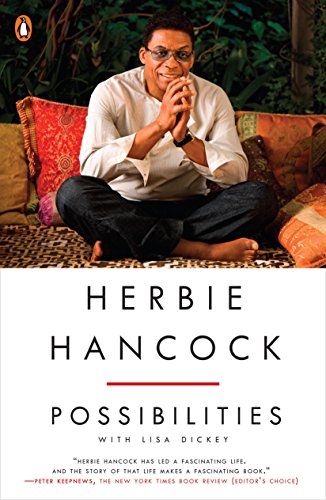
42Herbie Hancock: Possibilities
In Herbie Hancock the legendary jazz musician and composer reflects on a thriving career that has spanned seven decades. A true innovator, Hancock has had an enormous influence on both acoustic and electric jazz, R&B and hip-hop, with his ongoing exploration of different musical genres, winning fourteen Grammy awards along the way.
From his beginnings as a child prodigy to his work in Miles Davis’s second great quintet; from his innovations as the leader of his own groundbreaking sextet to his collaborations with everyone from Wayne Shorter to Joni Mitchell and Stevie Wonder; Herbie Hancock reveals the method behind Hancock’s undeniable musical genius.
Hancock shares his musical influences, colorful behind-the-scenes stories, his long and happy marriage, and how Buddhism inspires him creatively and personally. Honest, enlightening, and as electrifyingly vital as the man who wrote it, Herbie Hancock promises to be an invaluable contribution to jazz literature and a must-read for fans and music lovers.
Half Blood Blues
Fifty years later, Sid, Hiero's bandmate and the only witness that day, is going back to Berlin. Persuaded by his old friend Chip, Sid discovers there's more to the journey than he thought when Chip shares a mysterious letter, bringing to the surface secrets buried since Hiero's fate was settled.
In Half Blood Blues, Esi Edugyan weaves the horror of betrayal, the burden of loyalty and the possibility that, if you don't tell your story, someone else might tell it for you. And they just might tell it wrong ...
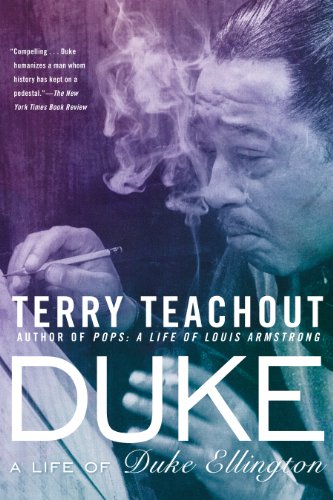
44Duke: A Life of Duke Ellington
Edward Kennedy "Duke" Ellington was the greatest jazz composer of the twentieth century—and an impenetrably enigmatic personality whom no one, not even his closest friends, claimed to understand. The grandson of a slave, he dropped out of high school to become one of the world’s most famous musicians, a showman of incomparable suavity who was as comfortable in Carnegie Hall as in the nightclubs where he honed his style. He wrote some fifteen hundred compositions, many of which, like "Mood Indigo" and "Sophisticated Lady," remain beloved standards, and he sought inspiration in an endless string of transient lovers, concealing his inner self behind a smiling mask of flowery language and ironic charm.
As the biographer of Louis Armstrong, Terry Teachout is uniquely qualified to tell the story of the public and private lives of Duke Ellington. Duke peels away countless layers of Ellington’s evasion and public deception to tell the unvarnished truth about the creative genius who inspired Miles Davis to say, "All the musicians should get together one certain day and get down on their knees and thank Duke."
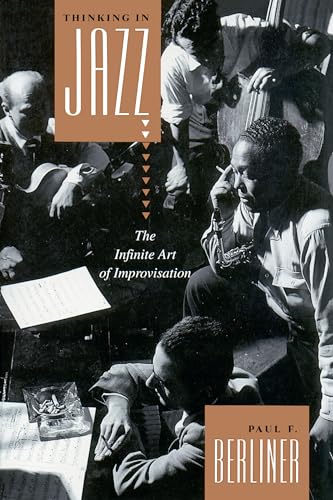
45Thinking in Jazz: The Infinite Art of Improvisation
The product of more than fifteen years of immersion in the jazz world, Thinking in Jazz combines participant observation with detailed musicological analysis, the author's experience as a jazz trumpeter, interpretations of published material by scholars and performers, and, above all, original data from interviews with more than fifty professional musicians: bassists George Duvivier and Rufus Reid; drummers Max Roach, Ronald Shannon Jackson, and Akira Tana; guitarist Emily Remler; pianists Tommy Flanagan and Barry Harris; saxophonists Lou Donaldson, Lee Konitz, and James Moody; trombonist Curtis Fuller; trumpeters Doc Cheatham, Art Farmer, Wynton Marsalis, and Red Rodney; vocalists Carmen Lundy and Vea Williams; and others. Together, the interviews provide insight into the production of jazz by great artists like Betty Carter, Miles Davis, Dizzy Gillespie, Coleman Hawkins, and Charlie Parker.
Thinking in Jazz overflows with musical examples from the 1920s to the present, including original transcriptions (keyed to commercial recordings) of collective improvisations by Miles Davis's and John Coltrane's groups. These transcriptions provide additional insight into the structure and creativity of jazz improvisation and represent a remarkable resource for jazz musicians as well as students and educators.
Berliner explores the alternative ways—aural, visual, kinetic, verbal, emotional, theoretical, associative—in which these performers conceptualize their music and describes the delicate interplay of soloist and ensemble in collective improvisation. Berliner's skillful integration of data concerning musical development, the rigorous practice and thought artists devote to jazz outside of performance, and the complexities of composing in the moment leads to a new understanding of jazz improvisation as a language, an aesthetic, and a tradition. This unprecedented journey to the heart of the jazz tradition will fascinate and enlighten musicians, musicologists, and jazz fans alike.
46The Jazz Book: From Ragtime to Fusion and Beyond
47Moving to Higher Ground: How Jazz Can Change Your Life
48Music is My Mistress
49The Real Book - Volume I - Sixth Edition: C Edition
Coming Through Slaughter
51Ascension: John Coltrane And His Quest
52Black Music
53Reading Jazz: A Gathering of Autobiography, Reportage, and Criticism from 1919 to Now
"Alluring. . . . Capture[s] much of the breadth of the music, as well as the passionate debates it has stirred, more vividly than any other jazz anthology to date."--Chicago Tribune
No musical idiom has inspired more fine writing than jazz, and nowhere has that writing been presented with greater comprehensiveness and taste than in this glorious collection. In Reading Jazz, editor Robert Gottlieb combs through eighty years of autobiography, reportage, and criticism by the music's greatest players, commentators, and fans to create what is at once a monumental tapestry of jazz history and testimony to the elegance, vigor, and variety of jazz writing.
Here are Jelly Roll Morton, recalling the whorehouse piano players of New Orleans in 1902; Whitney Balliett, profiling clarinetist Pee Wee Russell; poet Philip Larkin, with an eloquently dyspeptic jeremiad against bop. Here, too, are the voices of Billie Holiday and Charles Mingus, Albert Murray and Leonard Bernstein, Stanley Crouch and LeRoi Jones, reminiscing, analyzing, celebrating, and settling scores. For anyone who loves the music--or the music of great prose--Reading Jazz is indispensable.
"The ideal gift for jazzniks and boppers everywhere. . . . It gathers the best and most varied jazz writing of more than a century."--Sunday Times (London)
54Early Jazz: Its Roots and Musical Development
Early Jazz provides a musical tour of the early American jazz world. A classic study, it is both a splendid introduction for students and an insightful guide for scholars, musicians, and jazz aficionados.
55Playing Changes: Jazz for the New Century
"Playing changes," in jazz parlance, has long referred to an improviser's resourceful path through a chord progression. Playing Changes boldly expands on the idea, highlighting a host of significant changes--ideological, technological, theoretical, and practical--that jazz musicians have learned to navigate since the turn of the century. Nate Chinen, who has chronicled this evolution firsthand throughout his journalistic career, vividly sets the backdrop, charting the origins of jazz historicism and the rise of an institutional framework for the music. He traces the influence of commercialized jazz education and reflects on the implications of a globalized jazz ecology. He unpacks the synergies between jazz and postmillennial hip-hop and R&B, illuminating an emergent rhythm signature for the music. And he shows how a new generation of shape-shifting elders, including Wayne Shorter and Henry Threadgill, have moved the aesthetic center of the music.
Woven throughout the book is a vibrant cast of characters--from the saxophonists Steve Coleman and Kamasi Washington to the pianists Jason Moran and Vijay Iyer to the bassist and singer Esperanza Spalding--who have exerted an important influence on the scene. This is an adaptive new music for a complex new reality, and Playing Changes is the definitive guide.
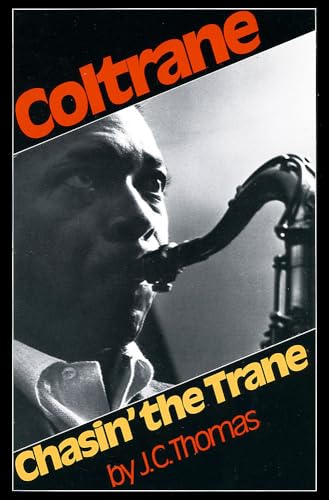
56Coltrane: Chasin' the Trane
57So What: The Life of Miles Davis
The shy son of a dentist from Illinois, Miles Dewey Davis III would go through several transformations before becoming the image of cool. Change, says Szwed, was the driving force in both Davis' life and music -- as quickly as he established a new direction in his music and a new identity, he would radically reinvent both. He seemed to thrive on close musical relationships -- playing with jazz greats from Charlie Parker to John Coltrane and working with Dizzy Gillespie, Sonny Rollins, Wayne Shorter, and composer Gil Evans, among others -- and yet the enduring image of Davis is of a lone figure, famously turning his back on the audience. He was at the peak of his career, having achieved star status, when he withdrew from the spotlight, spending years as a recluse. These seeming contradictions fueled the myths surrounding the man, but Szwed's insights into Davis' personality and artistic creativity shed new light on his life, from his turbulent relationships to his drug use and mysterious last days. Elegantly written and carefully researched, So What is the authoritative life of an artist who was always ahead of his time.
58Jazz Day: The Making of a Famous Photograph
When Esquire magazine planned an issue to salute the American jazz scene in 1958, graphic designer Art Kane pitched a crazy idea: how about gathering a group of beloved jazz musicians and photographing them? He didn’t own a good camera, didn’t know if any musicians would show up, and insisted on setting up the shoot in front of a Harlem brownstone. Could he pull it off? In a captivating collection of poems, Roxane Orgill steps into the frame of Harlem 1958, bringing to life the musicians’ mischief and quirks, their memorable style, and the vivacious atmosphere of a Harlem block full of kids on a hot summer’s day. Francis Vallejo’s vibrant, detailed, and wonderfully expressive paintings do loving justice to the larger-than-life quality of jazz musicians of the era. Includes bios of several of the fifty-seven musicians, an author’s note, sources, a bibliography, and a foldout of Art Kane’s famous photograph.
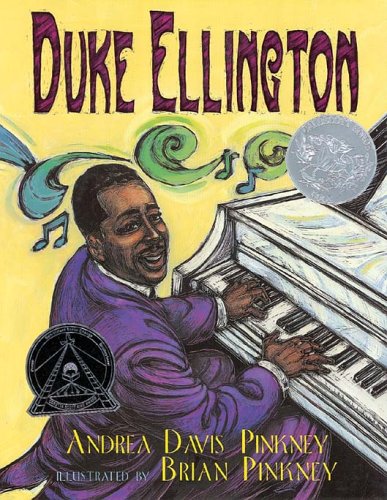
59Duke Ellington: The Piano Prince and His Orchestra
His name was Duke. Duke Ellington. As a child, he said piano made an umpy-dump sound that was headed nowhere worth following. But, years later, he heard the piano played a whole new way. People called the music "ragtime", and soon the sound had Duke's fingers riding the piano keys.
Duke began to compose his own melodies, which led him to form a band, The Washingtonians. Before long, the group was performing at the swankiest hangouts in Harlem, including The Cotton Club, but under a new name: Duke Ellington and His Orchestra. Soon the whole country swung to Duke's beat.
This is the story of one of the greatest composers of the twentieth century - the king of the keys - Duke Ellington.
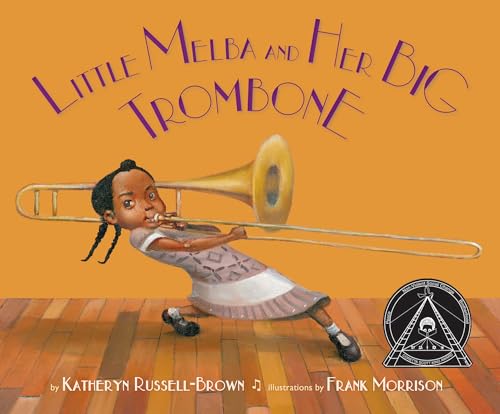
60Little Melba and Her Big Trombone
61Forces In Motion: The Music And Thoughts Of Anthony Braxton
Satchmo: My Life in New Orleans
63Strange Fruit: The Biography of a Song
Strange Fruit first performed by Billie Holiday in 1939, condemning American racism was the first time you had a really clear protest message in a song which was performed in nightclubs amid a set of songs which weren’t political. [source]
64Jazz
Fifteen poems, infused with the rhythm and wordplay of jazz music, are paired with bold, stylized illustrations of performers and dancers to convey the history and breadth of this unique musical style. From bebop to New Orleans, from ragtime to boogie, and every style in between, Jazz takes readers on a musical journey from jazz's beginnings to the present day.
Created by a celebrated father-son team, Jazz is a Coretta Scott King Honor Book and a Kirkus Best Children's Books Editor's Choice.
In addition to its colorful and lyrical celebration, the book includes a brief introductory essay about the history and form of jazz, as well as a timeline and glossary of jazz terms.
Coretta Scott King Award Honor for illustration
ALA Notable Children's Book
Lee Bennett Hopkins Poetry Award
Publishers Weekly's 100 Best Books of the Year
Kirkus Reviews Editor's Choice
Booklist Editor's Choice
Booklist Top Ten in Black History
Book Link's Best New Books for the Classroom
Golden Kite Award: Picture Book Text
65Modern Jazz Guitar Concepts: Cutting Edge Jazz Guitar Techniques With Virtuoso Jens Larsen (Play Jazz Guitar)
66Weather Bird: Jazz at the Dawn of Its Second Century
A radiant compendium by America's leading music critic, Weather Bird offers an unforgettable look at the modern jazz scene.
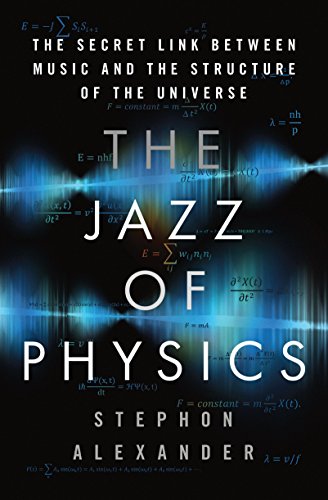
67The Jazz of Physics: The Secret Link Between Music and the Structure of the Universe
More than fifty years ago, John Coltrane drew the twelve musical notes in a circle and connected them by straight lines, forming a five-pointed star. Inspired by Einstein, Coltrane put physics and geometry at the core of his music.
Physicist and jazz musician Stephon Alexander follows suit, using jazz to answer physics' most vexing questions about the past and future of the universe. Following the great minds that first drew the links between music and physics-a list including Pythagoras, Kepler, Newton, Einstein, and Rakim-The Jazz of Physics reveals that the ancient poetic idea of the Music of the Spheres," taken seriously, clarifies confounding issues in physics.
The Jazz of Physics will fascinate and inspire anyone interested in the mysteries of our universe, music, and life itself.
Managing Director/Thiel Capital
Eric Weinstein recommended this book on Twitter. [source]
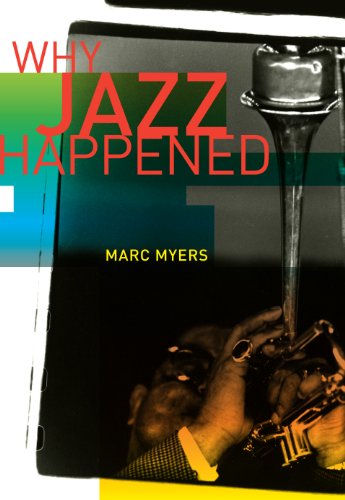
68Why Jazz Happened
In an absorbing narrative enlivened by the commentary of key personalities, Marc Myers describes the myriad of events and trends that affected the music's evolution, among them, the American Federation of Musicians strike in the early 1940s, changes in radio and concert-promotion, the introduction of the long-playing record, the suburbanization of Los Angeles, the Civil Rights movement, the "British invasion" and the rise of electronic instruments. This groundbreaking book deepens our appreciation of this music by identifying many of the developments outside of jazz itself that contributed most to its texture, complexity, and growth.
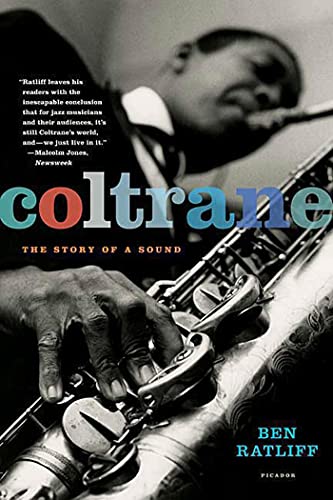
69Coltrane: The Story of a Sound
In this deftly written, riveting study, New York Times jazz critic Ben Ratliff answers these questions and examines the life of Coltrane, the acclaimed band leader and deeply spiritual man who changed the face of jazz music. Ratliff places jazz among other art forms and within the turbulence of American social history, and he places Coltrane not just among jazz musicians but among the greatest American artists.
Rules of Civility
Wooed in turn by a shy, principled multi-millionaire, and an irrepressible Upper East Side ne'er-do-well, befriended by a single-minded widow who is ahead of her time, and challenged by an imperious mentor, Katey experiences firsthand the poise secured by wealth and station and the failed aspirations that reside just below the surface. Even as she waits for circumstances to bring Tinker back into her life, she begins to realize how our most promising choices inevitably lay the groundwork for our regrets.
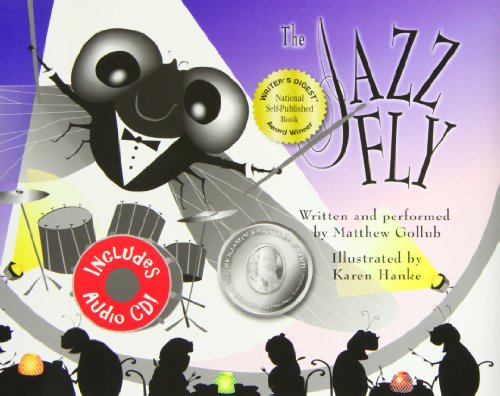
71The Jazz Fly
Writer's Digest National Self-Published Book Award America's #1
Recommended Children's Book—Children's Book Sense 76
Benjamin Franklin Award for children's book/audio book
Smithsonian's Notable Books for Children
California Department of Education Suggested Reading
San Francisco Chronicle Editors' Picks Featured on "West Coast Live" and major jazz radio stations
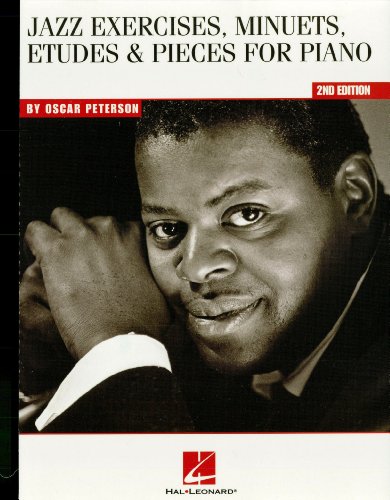
72Oscar Peterson - Jazz Exercises, Minuets, Etudes & Pieces for Piano
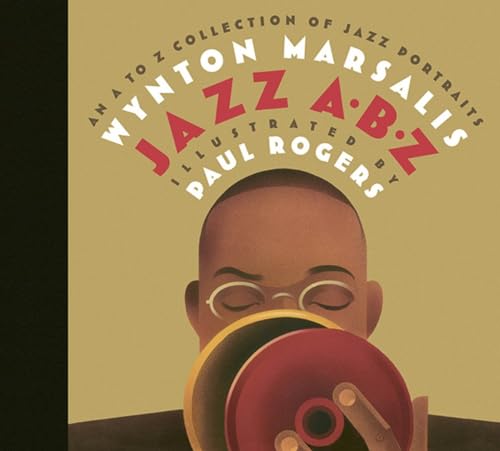
73Jazz ABZ: An A to Z Collection of Jazz Portraits
A is for "almighty" Louis Armstrong, whose amazing artistry unfolds in an accumulative poem shaped like the letter he stands for. As for sax master Sonny Rollins, whose "robust style radiates roundness," could there be a better tribute than a poetic rondeau? In an extraordinary feat, Pulitzer Prize-winning jazz composer Wynton Marsalis harmonizes his love and knowledge of jazz's most celebrated artists with an astounding diversity of poetic forms — from simple blues (Count Basie) to a complex pantoum (Charlie Parker), from a tender sonnet (Sarah Vaughan) to a performance poem snapping the rhythms of Art Blakey to life.
Matching Wynton Marsalis's musical cadences note for note is the bold, poster-style art of Paul Rogers, highlighted in two phenomenal foldout spreads. The art's vibrant nostalgic feel is echoed in an exquisite design, with its size simulating an old 78 LP and its endpapers die-cut to mimic a vintage record sleeve. Complete with a discography and brief biographies of the featured musicians as well as notes on the various poetic forms, this is truly an incomparable gift book — for older children learning about jazz, longtime jazz aficionados, lovers of poetry, and readers of all ages who appreciate the finest in book design.
74The Berklee Book of Jazz Harmony
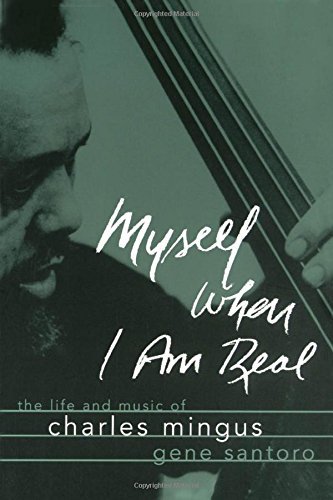
75Myself When I Am Real: The Life and Music of Charles Mingus
A pioneering bassist and composer, Mingus redefined jazz's terrain. He penned over 300 works spanning gutbucket gospel, Colombian cumbias, orchestral tone poems, multimedia performance, and chamber jazz. By the time he was 35, his growing body of music won increasing attention as it unfolded into one pioneering musical venture after another, from classical-meets-jazz extended pieces to spoken-word and dramatic performances and television and movie soundtracks. Though critics and musicians debated his musical merits and his personality, by the late 1950s he was widely recognized as a major jazz star, a bellwether whose combined grasp of tradition and feel for change poured his inventive creativity into new musical outlets.
But Mingus got headlines less for his art than for his volatile and often provocative behavior, which drew fans who wanted to watch his temper suddenly flare onstage. Impromptu outbursts and speeches formed an integral part of his long-running jazz workshop, modeled partly on dramatic models like Orson Welles' Mercury Theatre. Keeping up with the organized chaos of Mingus's art demanded gymnastic improvisational skills and openness from his musicians-which is why some of them called it "the Sweatshop." He hired and fired musicians on the bandstand, attacked a few musicians physically and many more verbally, twice threw Lionel Hampton's drummer off the stage, and routinely harangued chattering audiences, once chasing a table of inattentive patrons out of the FIVE SPOT with a meat cleaver. But the musical and mental challenges this volcanic man set his bands also nurtured deep loyalties. Key sidemen stayed with him for years and even decades.
In this biography, Santoro probes the sore spots in Mingus's easily wounded nature that helped make him so explosive: his bullying father, his interracial background, his vulnerability to women and distrust of men, his views of political and social issues, his overwhelming need for love and acceptance. Of black, white, and Asian descent, Mingus made race a central issue in his life as well as a crucial aspect of his music, becoming an outspoken (and often misunderstood) critic of racial injustice.
Santoro gives us a vivid portrait of Mingus's development, from the racially mixed Watts where he mingled with artists and writers as well as mobsters, union toughs, and pimps to the artistic ferment of postwar Greenwich Village, where he absorbed and extended the radical improvisation flowing through the work of Allen Ginsberg, Jackson Pollock, and Charlie Parker. Indeed, unlike Most jazz biographers, Santoro examines Mingus's extra-musical influences--from Orson Welles to Langston Hughes, Farwell Taylor, and Timothy Leary--and illuminates his achievement in the broader cultural context it demands.
Written in a lively, novelistic style, Myself When I Am Real draws on dozens of new interviews and previously untapped letters and archival materials to explore the intricate connections between this extraordinary man and the extraordinary music he made.
76Louis Armstrong, in His Own Words: Selected Writings
This unparalleled collection of Armstrong's candid writings reveals a side of the artist not widely known to his fans. With idiosyncratic language and punctuation that recalls his musical virtuosity, Armstrong presents his thoughts on his life and career--from abject poverty in New Orleans to playing in the famous cafes, cabarets, and saloons of Storyville; from his big break in 1922 with the King Oliver band to his storming of New York; from his breaking of color barriers in Hollywood to the infamous King of the Zulus incident in 1949; and finally, to his last days in Queens, New York.
Along the way, these writings reveal Armstrongs honest, and often controversial, opinions about racism, marijuana, bebop, and fellow jazz artists. Whether a devoted Armstrong fan or a jazz neophyte, everyone will find here an illuminating, unvarnished portrayal of this truly compelling man.
77A Power Stronger Than Itself: The AACM and American Experimental Music
Moving from Chicago to New York to Paris, and from founding member Steve McCall’s kitchen table to Carnegie Hall, A Power Stronger Than Itself uncovers a vibrant, multicultural universe and brings to light a major piece of the history of avant-garde music and art.
78Jazz, Rags & Blues, Bk 1: 10 Original Pieces for the Late Elementary to Early Intermediate Pianist
79The Swing Era: The Development of Jazz, 1930-1945 (History of Jazz)
The Swing Era focuses on that extraordinary period in American musical history--1933 to 1945--when jazz was synonymous with America's popular music, its social dances and musical entertainment. The book's thorough scholarship, critical perceptions, and great love and respect for jazz puts this well-remembered era of American music into new and revealing perspective. It examines how the arrangements of Fletcher Henderson and Eddie Sauter--whom Schuller equates with Richard Strauss as "a master of harmonic modulation"--contributed to Benny Goodman's finest work...how Duke Ellington used the highly individualistic trombone trio of Joe "Tricky Sam" Nanton, Juan Tizol, and Lawrence Brown to enrich his elegant compositions...how Billie Holiday developed her horn-like instrumental approach to singing...and how the seminal compositions and arrangements of the long-forgotten John Nesbitt helped shape Swing Era styles through their influence on Gene Gifford and the famous Casa Loma Orchestra. Schuller also provides serious reappraisals of such often neglected jazz figures as Cab Calloway, Henry "Red" Allen, Horace Henderson, Pee Wee Russell, and Joe Mooney.
Much of the book's focus is on the famous swing bands of the time, which were the essence of the Swing Era. There are the great black bands--Duke Ellington, Count Basie, Jimmie Lunceford, Earl Hines, Andy Kirk, and the often superb but little known "territory bands"--and popular white bands like Benny Goodman, Tommy Dorsie, Artie Shaw, and Woody Herman, plus the first serious critical assessment of that most famous of Swing Era bandleaders, Glenn Miller. There are incisive portraits of the great musical soloists--such as Art Tatum, Teddy Wilson, Coleman Hawkins, Lester Young, Bunny Berigan, and Jack Teagarden--and such singers as Billie Holiday, Frank Sinatra, Peggy Lee, and Helen Forest.
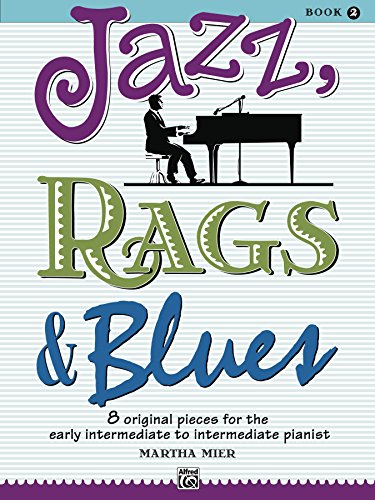
80Jazz, Rags & Blues, Bk 2: 8 Original Pieces for the Early Intermediate to Intermediate Pianist
Josephine: The Dazzling Life of Josephine Baker
The illustrated story of Josephine Baker, a ground-breaking dancer, singer and comedienne of the 1920’s. [source]
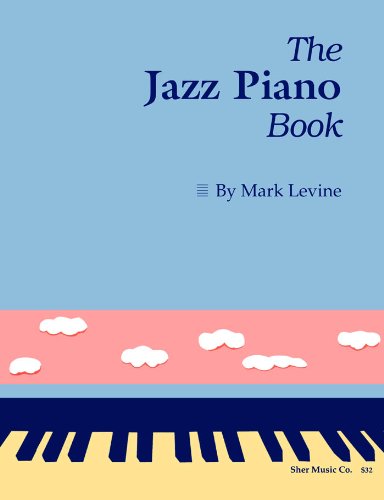
82The Jazz Piano Book
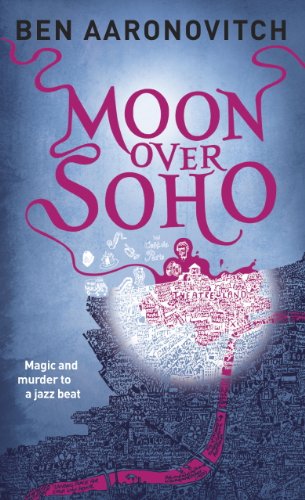
83Moon Over Soho (Peter Grant, #2)
Body and soul. They’re also what Peter will risk as he investigates a pattern of similar deaths in and around Soho. With the help of his superior officer, Detective Chief Inspector Thomas Nightingale, the last registered wizard in England, and the assistance of beautiful jazz aficionado Simone Fitzwilliam, Peter will uncover a deadly magical menace—one that leads right to his own doorstep and to the squandered promise of a young jazz musician: a talented trumpet player named Richard “Lord” Grant—otherwise known as Peter’s dear old dad.
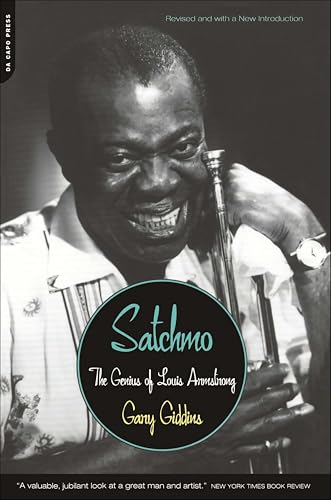
84Satchmo: The Genius of Louis Armstrong
Booze & Vinyl: A Spirited Guide to Great Music and Mixed Drinks
From modern craft cocktails to old standbys, prepare to shake, stir, and just plain pour your way through some of the best wax ever pressed. Wickedly designed and featuring photography throughout, Booze & Vinyl is organized by mood, from Rock to Chill, Dance, and Seduce. Each entry has liner notes that underscore the album's musical highlights and accompanying "Side A" and "Side B" cocktail recipes that complement the music's mood, imagery in the lyrics, or connect the drink to the artist. This is your guide to a rich listening session for one, two, or more.
Among the 70 featured albums are: Sgt. Pepper's Lonely Hearts Club, Purple Rain, Sticky Fingers, Born To Run, License to Ill, Appetite for Destruction, Thriller, Like a Virgin, Low End Theory, The Rise and Fall of Ziggy Stardust, Hotel California, Buena Vista Social Club, Back to Black, Pet Sounds, Vampire Weekend, and many more
86The Story of Jazz
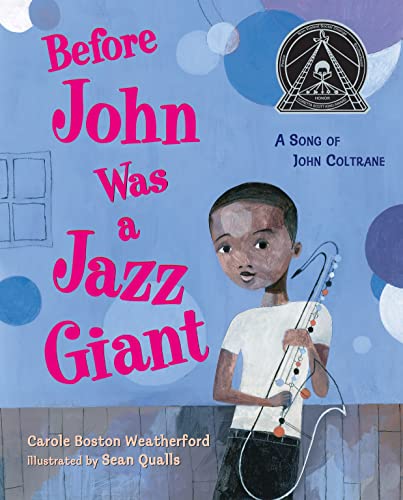
87Before John Was a Jazz Giant: A Song of John Coltrane
Before John Was a Jazz Giant is a 2009 Coretta Scott King Illustrator Honor Book and a 2009 Bank Street - Best Children's Book of the Year.
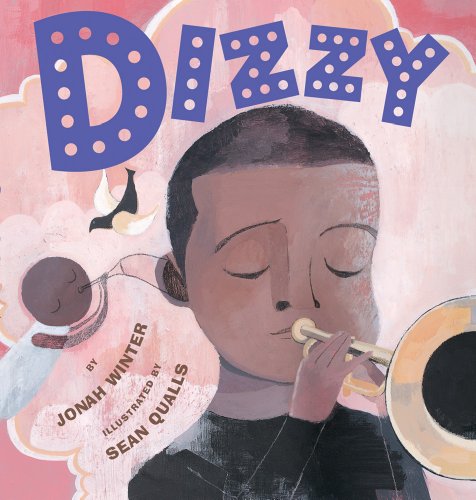
88Dizzy
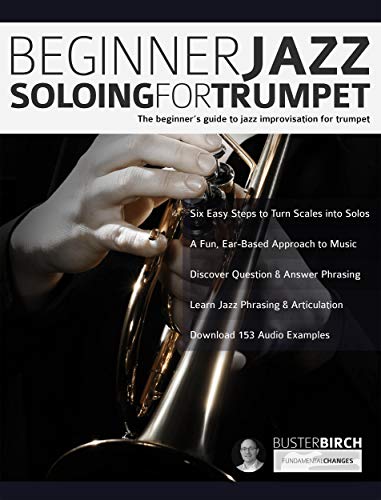
89Beginner Jazz Soloing for Trumpet: The beginner’s guide to jazz improvisation for brass instruments (Beginner Jazz Trumpet Soloing)
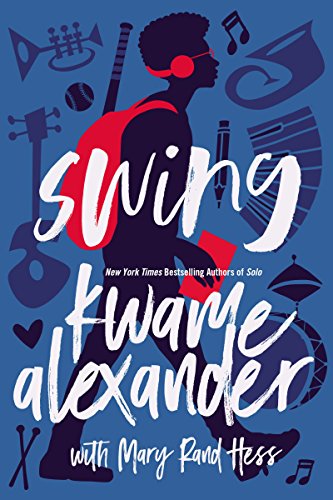
90Swing
To go from lovelorn to ladies’ men, Walt introduces Noah to a relationship guru—his Dairy Queen-employed cousin, Floyd—and the always informative Woohoo Woman Podcast. Noah is reluctant, but decides fate may be intervening when he discovers more than just his mom’s birthday gift at the thrift shop. Inside the vintage Keepall is a gold mine of love letters from the 1960s. Walt is sure these letters and the podcasts are just what Noah needs to communicate his true feelings to Sam. To Noah, the letters are more: an initiation to the curious rhythms of love and jazz, as well as a way for him and Walt to embrace their own kind of cool. While Walt is hitting balls out of the park and catching the eye of the baseball coach, Noah composes anonymous love letters to Sam in an attempt to write his way into her heart. But as things are looking up for Noah and Walt, a chain of events alters everything Noah knows to be true about love, friendship, sacrifice, and fate.
In Swing, bestselling authors Kwame Alexander and Mary Rand Hess (Solo) present a free-verse poetic story that will speak to anyone who’s struggled to find their voice and take a swing at life.
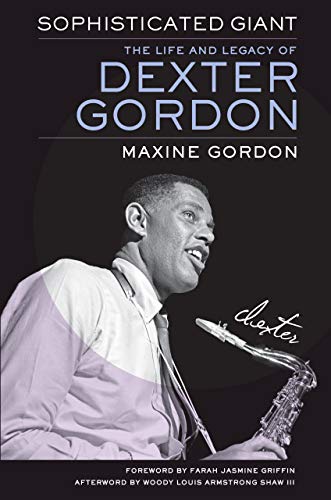
91Sophisticated Giant: The Life and Legacy of Dexter Gordon
Dexter Gordon the icon is the Dexter beloved and celebrated on albums, on film, and in jazz lore--even in a street named for him in Copenhagen. But this image of the cool jazzman fails to come to terms with the multidimensional man full of humor and wisdom, a figure who struggled to reconcile being both a creative outsider who broke the rules and a comforting insider who was a son, father, husband, and world citizen. This essential book is an attempt to fill in the gaps created by our misperceptions as well as the gaps left by Dexter himself.
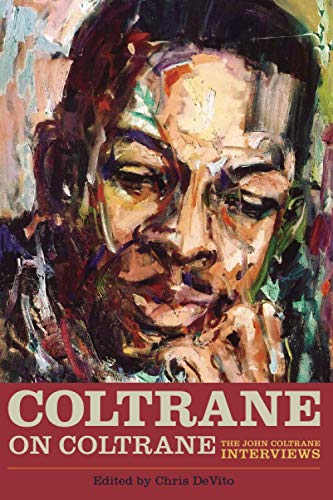
92Coltrane on Coltrane: Interviews and Encounters with John Coltrane
Spanning a body of work that stands with the greatest of the 20th century, this autobiographical perspective of John Coltrane reveals the quiet man behind the fiery music through interviews, liner notes, personal correspondence, and more. As complete a record as possible, this book includes every known Coltrane interview—many in new and more accurate transcriptions and several previously unpublished—as well as articles, reminiscences, liner notes, and personal correspondence with fans and journalists. A truly intimate portrait of a dedicated musician, this compilation of his wise words on improvisation, music, and life shows why the man and his music continue to inspire devotion, adoration, and joy nearly 50 years after his death.
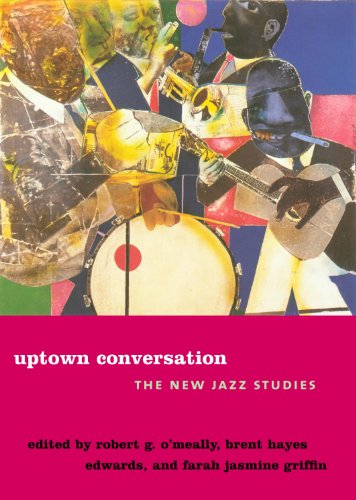
93Uptown Conversation: The New Jazz Studies
Jackson Pollock dancing to the music as he painted; Romare Bearden's stage and costume designs for Alvin Ailey and Dianne McIntyre; Stanley Crouch stirring his high-powered essays in a room where a drumkit stands at the center: from the perspective of the new jazz studies, jazz is not only a music to define -- it is a culture. Considering musicians and filmmakers, painters and poets, the intellectual improvisations in Uptown Conversation reevaluate, reimagine, and riff on the music that has for more than a century initiated a call and response across art forms, geographies, and cultures.
Building on Robert G. O'Meally's acclaimed Jazz Cadence of American Culture, these original essays offer new insights in jazz historiography, highlighting the political stakes in telling the story of the music and evaluating its cultural import in the United States and worldwide. Articles contemplating the music's experimental wing -- such as Salim Washington's meditation on Charles Mingus and the avant-garde or George Lipsitz's polemical juxtaposition of Ken Burns's documentary Jazz and Horace Tapscott's autobiography Songs of the Unsung -- share the stage with revisionary takes on familiar figures in the canon: Thelonious Monk, Miles Davis, Duke Ellington, and Louis Armstrong.
94Milestones: The Music And Times Of Miles Davis
95Jazz Is
96Bird & Diz
When sax player Charlie "Bird" Parker and trumpeter John "Dizzy" Gillespie make music together, they toss notes back and forth like a game of tag and chase each other with sounds. As Dizzy’s cheeks puff out like a frog with glasses, the two friends beep and bop and push each other to create a new kind of music—a thrilling fast jazz full of surprises. Blending a playful, rhythmic narration with expressive illustrations as fluid and dynamic as their subjects, this tribute to the masters of bebop by acclaimed biographer Gary Golio and beloved artist Ed Young will have readers hankering to listen for themselves.
97Heroes of Blues, Jazz, and Country
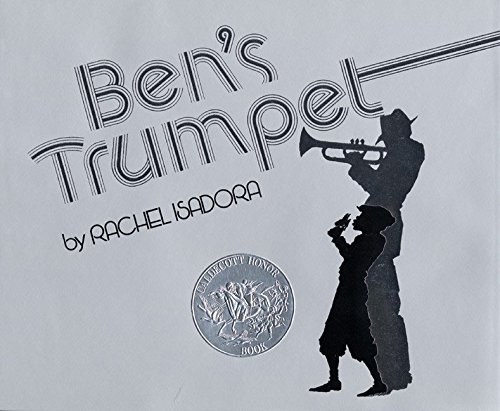
98Ben's Trumpet
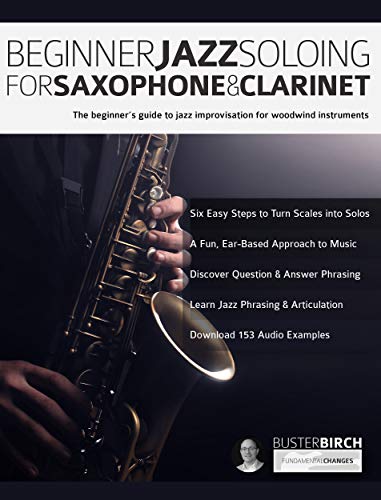
99Beginner Jazz Soloing for Saxophone & Clarinet: The beginner’s guide to jazz improvisation for woodwind instruments (Beginner Jazz Woodwind Soloing)
100Effortless Mastery: Liberating the Master Musician Within, Book & CD
"Effortless Mastery is a book that the world really needs. It was not written by a philosopher or an academic. Kenny Werner, is one of my favorite pianists I've ever had the pleasure of working with, and in my opinion one of the best pianists living on the planet. Kenny teaches that 'The joy of practicing is concentration. The joy of playing is liberation.' Effortless Mastery teaches the seeker how to achieve both at the highest levels. It also shows how to practice effectively, promoting real growth and how to play and perform free from fear and self-judgment. I highly recommend this book." ---Quincy Jones