
Millennium Challenge 2002: What Did We Actually Learn?
Millennium Challenge 2002: What Did We Actually Learn?
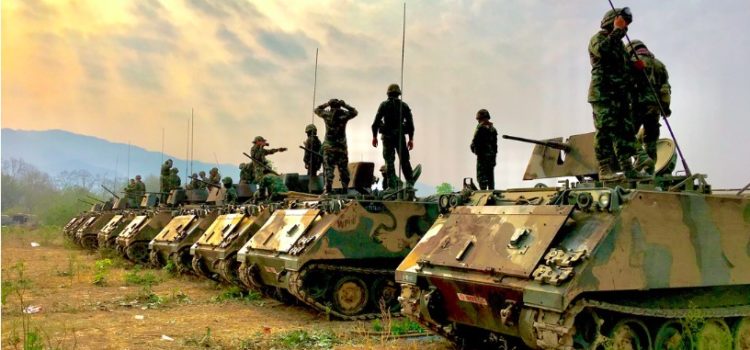
What was Millennium Challenge 2002? What can we learn from the war game about balancing structure and spontaneity to make excellent snap decisions? Millennium Challenge 2002 was a war game planned by the military’s Joint Forces Command (JFCOM). During this battle, Paul Van Riper proved that snap decisions, if made in a structured environment, can be far more effective than deliberation. Read on to learn how you can apply these lessons, too.

Sensation Transference: Why Coke Tastes Better in a Can

Sensation Transference: Why Coke Tastes Better in a Can

What is sensation transference? As a seller, how can I create a product that takes advantage of sensation transference? As a buyer, how can I be more aware of how sensation transference affects my buying choices? When the way a product looks influences the way we experience it, we’re experiencing sensation transference. If you create products, learn how to make yours one everyone wants to buy. If you’re a consumer, learn how to avoid falling into the trap of sensation transference.

Implicit Racism: 80% of Us Are Guilty – Here’s How to Fight It

Implicit Racism: 80% of Us Are Guilty – Here’s How to Fight It

Could you be harboring implicit biases about people based on their race? It’s disheartening to learn that implicit racism is far more prevalent than we like to think. And as much as you believe in racial equality and treating everyone with compassion and respect, you may be judging others based on racial stereotypes without even being aware of it. Learn to become aware of and address signs of implicit racism.

The 2 Types of Decisions: How to Make Successful Decisions in Any Situation

The 2 Types of Decisions: How to Make Successful Decisions in Any Situation

Do you spend a lot of time making decisions? Do you ever wonder if there’s an easier way to make a choice? There are many types of decisions, and the best decision-making strategy in one situation may not be successful in another. We’ll look at the two basic types of decisions and discover why sometimes the best type of decision is the one that takes the least amount of conscious thought.

Verbal Overshadowing: How Words Confuse Your Brain

Verbal Overshadowing: How Words Confuse Your Brain

What do you do when you want to remember something you see? Do you write it down? Describe it to someone else? Both these tactics can lead to verbal overshadowing…and that’s a problem. Verbal overshadowing is the tendency of language to diminish your memory of visual information. It’s a phenomenon where explaining your thought processes make you worse at whatever you’re trying to explain. Learn why verbal overshadowing is bad and what you can do instead to remember visual information.

Thin Slicing: How to Make Smart Decisions, Fast

Thin Slicing: How to Make Smart Decisions, Fast

Do you ever get overwhelmed when trying to make a decision? Do you find that the more information you have, the harder the decision-making process becomes? How does thin-slicing help you make better decisions in the blink of an eye? In thin-slicing, your brain trusts your gut, and this may be the smartest thing you can do when making tough decisions. Learn how to use the concept of “thin-slicing” to make the smartest decision, big or small.