The Four Mechanisms of Evolution (On the Origin of Species)
The Four Mechanisms of Evolution (On the Origin of Species)
How much did Charles Darwin understand genetics? Where did the term “survival of the fittest” come from? A foundational work in the field of biology, On the Origin of Species revolutionized the way we look at life on Earth. Published in 1859 by the naturalist Charles Darwin, this work explains and argues for his theory of evolution. Keep reading to learn about the four mechanisms of evolution that Darwin believes are at work.

Darwin’s Theory of Adaptation: How Evolution Shapes Life

Darwin’s Theory of Adaptation: How Evolution Shapes Life

What would happen if you moved an animal from one environment to another? Why and how do ecosystems entail the interdependence of organisms? In On the Origin of Species, Charles Darwin argues that a process of evolution has shaped the natural world around us. He explains how evolution shapes organisms by adapting them to their environments and ecosystems. Read more to learn about these two aspects of Darwin’s theory of adaptation.

Brain Huddle: Jill Bolte Taylor’s Solution to a Cluttered Mind

Brain Huddle: Jill Bolte Taylor’s Solution to a Cluttered Mind

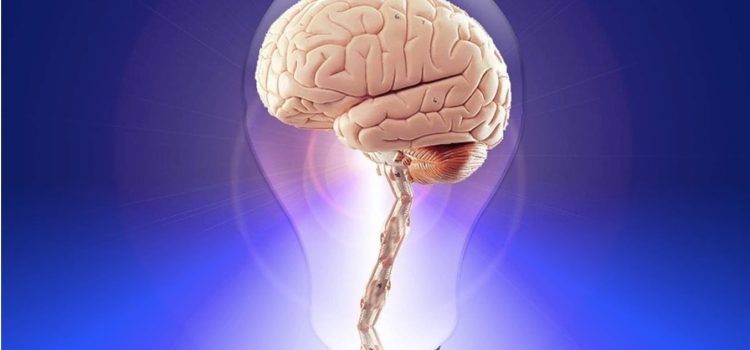
Do you want to get mentally stronger? What is the Brain Huddle technique? Coined by Jill Bolte Taylor, the Brain Huddle is a tool that helps keep the four characters in your brain in check. After using this technique, you’ll walk away feeling at your best because the parts of your brain are working as a team. Continue reading to learn how to take full advantage of the Brain Huddle tool and an alternative process called the RAIN technique.

Convergent Evolution and Divergent Evolution: Darwin Explains

Convergent Evolution and Divergent Evolution: Darwin Explains

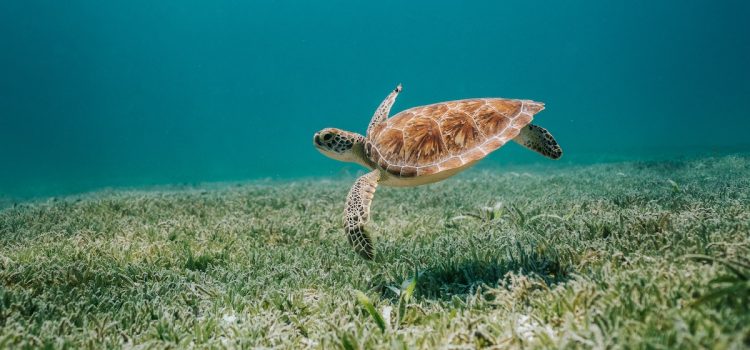
Why do some creatures have fins and others don’t? Why might the members of some species eventually all be the same color? In his classic work On the Origin of Species, Charles Darwin posits that species gradually develop through a natural process called evolution. He explains that evolutionary pressures shape adaptive traits through convergent evolution and divergent evolution. Read more to learn how Darwin believes the process of evolution shapes the natural world.

Collective Healing: How to Secure Humanity’s Future

Collective Healing: How to Secure Humanity’s Future

Are you worried about humanity’s future? How can you participate in collective healing? With climate change and hatred infecting the world, it may feel like humanity is doomed. But The Biology of Belief by Bruce Lipton feels the opposite way. This is because humanity has the capability to cooperate and survive as one. Check out why collective healing is the key to our survival.

Charles Darwin: Common Descent Is Evidenced in 4 Ways

Charles Darwin: Common Descent Is Evidenced in 4 Ways

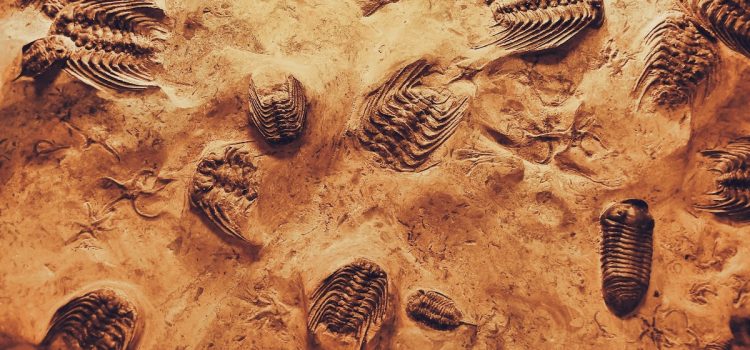
Why are domestically-grown berries larger than wild berries? Why are lemurs only in Madagascar? Is there evidence of transitional species? Charles Darwin’s theory of evolution maintains that our current species descended from older, less developed species. According to Darwin, common descent is evidenced by changes in domesticated species, leftover characteristics, intermediate species found in the fossil record, and the role of natural barriers. Read more to learn why Darwin believes that species have descended from earlier species.

Charles Darwin’s Tree of Life: Evidence of Common Ancestry

Charles Darwin’s Tree of Life: Evidence of Common Ancestry

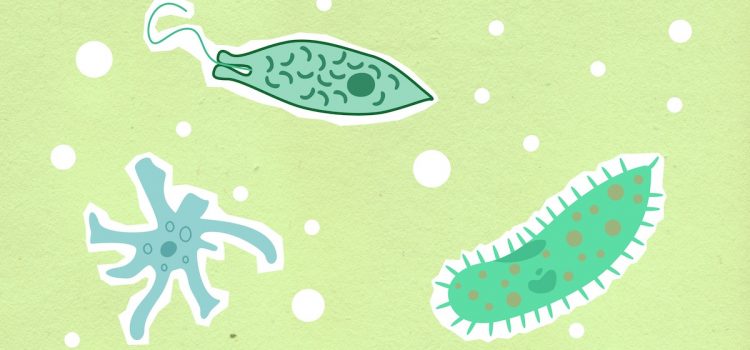
Are all species related to each other way back? Do we have a common ancestor? In On the Origin of Species, Charles Darwin argues that modern species are related through shared ancestry. He provides two pieces of evidence for this theory: the similarity of traits between related organisms and the breeding characteristics of hybrids. Let’s take a look at the evidence for Charles Darwin’s “tree of life.”

Why Do Simple Organisms Still Exist? Charles Darwin Explains

Why Do Simple Organisms Still Exist? Charles Darwin Explains

Does natural selection have anything to do with the simplicity or complexity of an organism? Does the process of evolution ever end? Charles Darwin’s theory of evolution was controversial in its time, even among scientists. In the final edition of On the Origin of Species, released in 1872, Darwin responds to objections raised by skeptics. One of these is that simple organisms continue to exist even after some evolved into complex ones. Read more to learn Darwin’s rebuttals in defense of his theory.

The Evolution of Complexity: Charles Darwin Responds to Critics

The Evolution of Complexity: Charles Darwin Responds to Critics

How could something as complex as the human brain have evolved from a simpler structure? Does evolution naturally produce complexity? When Charles Darwin published On the Origin of Species, some scientists brought up a challenge to his theory of evolution: Complex features are difficult (if not impossible) to create through small increments as Darwin had suggested. In the last edition of his book, Darwin responded. Keep reading to learn about the evolution of complexity.

Why Aren’t There More Transitional Species? Darwin Explains

Why Aren’t There More Transitional Species? Darwin Explains

Why aren’t there more transitional species? If Darwinian evolution is correct, wouldn’t we see it in progress? Charles Darwin’s theory of evolution has always stirred up controversy. He took the opportunity in the final edition of On the Origin of Species, published in 1872, to respond to some of the objections raised by skeptics. One of these is that we should see transitional species. Continue reading to learn how Darwin responded to this challenge.