We've ranked the best neurosurgery books using expert recommendations, sales data, and millions of reader ratings. At Shortform, we know books. Our book guides are the best in the world. Learn why.
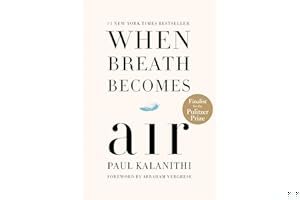
At the age of thirty-six, on the verge of completing a decade’s worth of training as a neurosurgeon, Paul Kalanithi was diagnosed with stage IV lung cancer. One day he was a doctor treating the dying, and the next he was a patient struggling to live. And just like that, the future he and his wife had imagined evaporated. When Breath Becomes Air chronicles Kalanithi’s transformation from a naïve medical student “possessed,” as he wrote, “by the question of what, given that all organisms die, makes a virtuous and meaningful life” into a neurosurgeon at Stanford working in the brain, the most critical place for human identity, and finally into a patient and new father confronting his own mortality.
What makes life worth living in the face of death? What do you do when the future, no longer a ladder toward your goals in life, flattens out into a perpetual present? What does it mean to have a child, to nurture a new life as another fades away? These are some of the questions Kalanithi wrestles with in this profoundly moving, exquisitely observed memoir.

I don’t know how Kalanithi found the physical strength to write this book while he was so debilitated by the disease and then potent chemotherapy. But I’m so glad he did. He spent his whole brief life searching for meaning in one way or another -- through books, writing, medicine, surgery, and science. I’m grateful that, by reading this book, I got to witness a small part of that journey. I just wish the journey hadn’t been cut so short [source]

Despite its popularity, When Breath Becomes Air is actually underrated. It’s make-you-cry good. [source]
Bethany S. Mandel
More Shabbat reading recommendations: This book was breathtaking and such a powerful advertisement for the joy of parenthood. https://t.co/V8BH97eiL9 [source]

A highly infectious, deadly virus from the central African rain forest suddenly appears in the suburbs of Washington, D.C. There is no cure. In a few days 90 percent of its victims are dead. A secret military SWAT team of soldiers and scientists is mobilized to stop the outbreak of this exotic "hot" virus. The Hot Zone tells this dramatic story, giving a hair-raising account of the appearance of rare and lethal viruses and their "crashes" into the human race. Shocking, frightening, and impossible to ignore, The Hot Zone proves that truth really is scarier than fiction.
…
Recommended by Jon Najarian and Pierre Haski.
Jon Najarian
I believe both the corona virus and ebola have a bat connection. Scary, but great book on ebola: Hot Zone by Richard Preston https://t.co/jGEjbrB7pZ [source]
Pierre Haski
@ChuBailiang The hot zone, it made my days during SARS in Beijing, a great book! https://t.co/8E8AYgIhp7 [source]

Cover unavailable
3
The Man Who Mistook His Wife for a Hat and Other Clinical Tales
If a man has lost a leg or an eye, he knows he has lost a leg or an eye; but if he has lost a self—himself—he cannot know it, because he is no longer there to know it. Dr. Oliver Sacks recounts the stories of patients struggling to adapt to often bizarre worlds of neurological disorder. Here are people who can no longer recognize everyday objects or those they love; who are stricken with violent tics or shout involuntary obscenities; who have been dismissed as autistic or retarded, yet are gifted with uncanny artistic or mathematical talents. If inconceivably strange, these brilliant tales illuminate what it means to be human.
…
Recommended by Bradley Voytek, Suzanne O'Sullivan, and Tanya Byron.
Bradley Voytek
I can’t imagine one day waking up and not knowing who my wife is, or seeing my wife and thinking that she was replaced by some sort of clone or robot. But that could happen to any of us. [source]
Suzanne O'Sullivan
I didn’t choose neurology because of it but the way Oliver Sacks writes about neurology is very compelling. [source]
Tanya Byron
This is a seminal book that anyone who wants to work in mental health should read. It is a charming and gentle and also an honest exposé of what can happen to us when our mental health is compromised for whatever reason. [source]

Cover unavailable
4
When the Air Hits Your Brain: Tales of Neurosurgery
Frank T Vertosick Jr. MD, Kirby Heyborne, et al
4.7
"This book should be read by every medical student, doctor and present or potential patient. In other words, by all of us." --Dr. Bernie Siegel, author of Love, Medicine and Miracles
Rule One for the neurologist in residence: "You ain't never the same when the air hits your brain." In this fascinating book, Dr. Frank Vertosick brings that fact to life through intimate portraits of patients and unsparing yet gripping descriptions of brain surgery.
With insight, humor, and poignancy, Dr. Vertosick chronicles his remarkable evolution from naive young intern to world-class neurosurgeon, where he faced, among other challenges, a six week-old infant with a tumor in her brain, a young man struck down in his prime by paraplegia, and a minister with a .22 caliber bullet lodged in his skull. In candid detail, WHEN THE AIR HITS YOUR BRAIN illuminates both the mysteries of the mind and the realities of the operating room.
"Riveting." --Publishers Weekly
…
Cover unavailable
5
Do No Harm: Stories of Life, Death and Brain Surgery
Henry Marsh
4.7
What is it like to be a brain surgeon? How does it feel to hold someone's life in your hands, to cut into the stuff that creates thought, feeling, and reason? How do you live with the consequences of performing a potentially lifesaving operation when it all goes wrong?
In neurosurgery, more than in any other branch of medicine, the doctor's oath to "do no harm" holds a bitter irony. Operations on the brain carry grave risks. Every day, leading neurosurgeon Henry Marsh must make agonizing decisions, often in the face of great urgency and uncertainty.
If you believe that brain surgery is a precise and exquisite craft, practiced by calm and detached doctors, this gripping, brutally honest account will make you think again. With astonishing compassion and candor, Marsh reveals the fierce joy of operating, the profoundly moving triumphs, the harrowing disasters, the haunting regrets, and the moments of black humor that characterize a brain surgeon's life.
Do No Harm provides unforgettable insight into the countless human dramas that take place in a busy modern hospital. Above all, it is a lesson in the need for hope when faced with life's most difficult decisions.
…
Cover unavailable
6
Gifted Hands: The Ben Carson Story
Ben Carson M.D.
4.6
Gifted Hands by and about Ben Carson, M.D., is the inspiring story of an inner-city kid with poor grades and little motivation, who, at age thirty-three, became director of pediatric neurosurgery at Johns Hopkins University Hospital. Gifted Hands will transplace you into the operating room to witness surgeries that made headlines around the world, and into the private mind of a compassionate, God-fearing physician who lives to help others. In 1987, Dr. Carson gained worldwide recognition for his part in the first successful separation of Siamese twins joined at the back of the head -- an extremely complex and delicate operation that was five months of planning and twenty-two hours of actual surgery, involving a surgical plan that Carson helped initiate. Gifted Hands reveals a man with humility, decency, compassion, courage, and sensitivity who serves as a role model for young people (and everyone else) in need of encouragement to attempt the seemingly impossible and to excel in whatever they attempt. Dr. Carson also describes the key role that his highly intelligent though relatively uneducated mother played in his metamorphosis from an unmotivated ghetto youngster into one of the most respected neurosurgeons in the world.
…
Cover unavailable
7
Handbook of Neurosurgery
Mark S. Greenberg
4.5
The quintessential neurosurgical handbook for day-to-day practice!
Now in an updated ninth edition, Handbook of Neurosurgery by Mark Greenberg is synonymous with the most classic neurosurgical handbook published to-date. It has enjoyed legendary status as the go-to manual for legions of neurosurgeons for more than a quarter century. The comprehensive and conveniently compact book brings together a wide range of clinical practice guidelines from disparate sources into an amazing one-stop resource.
Renowned for its depth and breadth, the updated text with nearly 1,800 pages encompasses the entire spectrum of neurosurgery including anatomy, physiology, differential diagnosis, and current principles of nonsurgical and surgical management. The text covers a huge scope of inherited, developmental, and acquired neurological disorders impacting pediatric to geriatric patients. The easy-to-navigate print and electronic formats provide an intuitive foundation for studying the field of neurosurgery.
Key Features:
Boxed summaries, key concepts, tables, practice guidelines, signs/symptoms, and "booking the case" highlight and clarify salient points Thousands of well-organized cross references, index entries, and literature citations provide additional study sources Significant revisions to the tumor section reflect a wealth of up-to-date information including treatments, guidelines, sources, and more The addition of new figures enhances understanding of diseases As with prior editions, this must-have daily reference book does a magnificent job making essential neurosurgical information, current trends, breakthrough research, and reviews readily accessible to all neurosurgeons and allied health practitioners.
This book includes complimentary access to a digital copy on https://medone.thieme.com.
…
Cover unavailable
8
Better: A Surgeon's Notes on Performance
Atul Gawande
4.5
The struggle to perform well is universal: each one of us faces fatigue, limited resources, and imperfect abilities in whatever we do. But nowhere is this drive to do better more important than in medicine, where lives are on the line with every decision. In his new book, Atul Gawande explores how doctors strive to close the gap between best intentions and best performance in the face of obstacles that sometimes seem insurmountable. Gawande's gripping stories of diligence, ingenuity, and what it means to do right by people take us to battlefield surgical tents in Iraq, to labor and delivery rooms in Boston, to a polio outbreak in India, and to malpractice courtrooms around the country. He discusses the ethical dilemmas of doctors participation in lethal injections, examines the influence of money on modern medicine, and recounts the astoundingly contentious history of hand washing. And as in all his writing, Gawande gives us an inside look at his own life as a practicing surgeon, offering a searingly honest firsthand account of work in a field where mistakes are both unavoidable and unthinkable. At once unflinching and compassionate, Better is an exhilarating journey narrated by arguably the best nonfiction doctor-writer around (Salon). Gawande's investigation into medical professionals and how they progress from merely good to great provides rare insight into the elements of success, illuminating every area of human endeavor.
…
Recommended by Christina Reynolds and Elad Yom-Tov.
Christina Reynolds
Interesting book on medicine with broader applications for all of us. https://t.co/KUeHOPWMom [source]

Elad Yom-Tov
He has a way of explaining the medical world in a manner that is both compassionate but also very much data driven. [source]
Cover unavailable
9
Into the Magic Shop: A Neurosurgeon's Quest to Discover the Mysteries of the Brain and the Secrets of the Heart
James R. Doty MD
4.4
Growing up in the high desert of California, Jim Doty was poor, with an alcoholic father and a mother chronically depressed and paralyzed by a stroke. Today he is the director of the Center for Compassion and Altruism Research and Education (CCARE) at Stanford University, of which the Dalai Lama is a founding benefactor. But back then his life was at a dead end until at twelve he wandered into a magic shop looking for a plastic thumb. Instead he met Ruth, a woman who taught him a series of exercises to ease his own suffering and manifest his greatest desires. Her final mandate was that he keep his heart open and teach these techniques to others. She gave him his first glimpse of the unique relationship between the brain and the heart.
Doty would go on to put Ruth’s practices to work with extraordinary results—power and wealth that he could only imagine as a twelve-year-old, riding his orange Sting-Ray bike. But he neglects Ruth’s most important lesson, to keep his heart open, with disastrous results—until he has the opportunity to make a spectacular charitable contribution that will virtually ruin him. Part memoir, part science, part inspiration, and part practical instruction, Into the Magic Shop shows us how we can fundamentally change our lives by first changing our brains and our hearts.
I think you’ll gain great value—and reading joy—from this book. Have an excellent Saturday. Love, Robin https://t.co/8e5D4Y2LLp [source]

Roxana Bitoleanu
One of the books recommends to young people interested in her career path. [source]
Cover unavailable
10
Becoming Dr. Q: My Journey from Migrant Farm Worker to Brain Surgeon
Alfredo Quiñones-Hinojosa, Mim Eichler Rivas
4.4
Today he is known as Dr. Q, an internationally renowned neurosurgeon and neuroscientist who leads cutting-edge research to cure brain cancer. But not too long ago, he was Freddy, a nineteen-year-old undocumented migrant worker toiling in the tomato fields of central California. In this gripping memoir, Alfredo Quiñones-Hinojosa tells his amazing life story—from his impoverished childhood in the tiny village of Palaco, Mexico, to his harrowing border crossing and his transformation from illegal immigrant to American citizen and gifted student at the University of California at Berkeley and at Harvard Medical School. Packed with adventure and adversity—including a few terrifying brushes with death—Becoming Dr. Q is a testament to persistence, hard work, the power of hope and imagination, and the pursuit of excellence. It’s also a story about the importance of family, of mentors, and of giving people a chance.
…
Cover unavailable
11
The Neuroicu Book, Second Edition
Kiwon Lee
4.4
Publisher's Note: Products purchased from Third Party sellers are not guaranteed by the publisher for quality, authenticity, or access to any online entitlements included with the product.
The acclaimed protocol-based guide to neurocritical care - essential for daily practice and the boards
An immediate classic, this groundbreaking text is based on the premise that neurointensivists must be trained to handle not only the brain, but the entire body. The NeuroICU Book, Second Edition does not limit coverage to the brain and spine - it spans all organ insufficiencies and failures - along with neurologic illnesses.
Thoroughly updated to keep pace with all the advances in this emerging field, the Second Edition of The NeuroICU Book combines the latest clinical perspectives in critical care medicine, neurology, and neurosurgery. This practical, evidence-based text standardizes neurocritical care and takes you through the rationale for those standards. Filled with detailed case studies and enhanced by a question-and-answer format, the book not only builds competency in recognizing acute changes in neurological function, but also addresses all organ insufficiencies and failures, reflecting the real-life challenges in the modern neuro-ICU.
FEATURES
- Strong emphasis on clinical practicality - Evidence-basedapproach leverages the scientific and controlled research that supports the key treatment methods outlined in the book - Practical tools include algorithms, tables, illustrations, photographs, detailed references, and critical take home points - Balanced coverage of neurologic and critical care and neurosurgery offers outstanding preparation for the neurocritical care board certification exam as well as an indispensable primer for daily clinical work - Second Edition includes new chapters covering CNS infection, paroxysmal sympathetic hyperactivity, acute liver failure, encephalopathy and delirium, spine trauma, pediatric neurosurgery, and carotid endarterectomy and extracranial-intracranial bypass
The NeuroICU Book is also available separately for iOS on the App Store, and Android on the Play Store. For more information, go to http: //bit.ly/NeuroICUBookApp
…
Cover unavailable
12
Brain Surgeon: A Doctor's Inspiring Encounters with Mortality and Miracles
Keith Black MD
4.3
Welcome to tiger country: the treacherous territory where a single wrong move by a brain surgeon can devastate-or end-a patient's life.
This is the terrain world-renowned neurosurgeon Keith Black, MD, enters every day to produce virtual medical miracles. Now, in Brain Surgeon, Dr. Black invites readers to shadow his breathtaking journeys into the brain as he battles some of the deadliest and most feared tumors known to medical science. Along the way, he shares his unique insights about the inner workings of the brain, his unwavering optimism for the future of medicine, and the extraordinary stories of his patients-from ministers and rock stars to wealthy entrepreneurs and uninsured students-whom he celebrates as the real heroes.
Brain Surgeon offers a window into one man's remarkable mind, revealing the anatomy of the unflinching confidence of this master surgeon, whose personal journey brought him from life as a young African-American boy growing up in the civil rights era South to the elite world of neurosurgery. Through Dr. Black's white-knuckle descriptions of some of the most astonishing medical procedures performed today, he reveals the beauty and marvel of the human brain and the strength and heroism of his patients who refuse to see themselves as victims. Ultimately, Brain Surgeon is an inspiring story of the struggle to overcome odds-whether as a man, a doctor, or a patient.
Praise for Brain Surgeon "An inspirational book about true heroes - readers will marvel at Keith Black's achievements both as a doctor and as a man, and will be in awe of his patients' courage and will to survive." -- Denzel Washington
"A rare, behind-the-curtain look at the life of one of the most pre-eminent neurosurgeons in the world." -- Sanjay Gupta, MD, Chief Medical Correspondent, CNN
…
Cover unavailable
13
Gray Matter: A Neurosurgeon Discovers the Power of Prayer... One Patient at a Time
David Levy
4.3
A perfect blend of medical drama and spiritual insight, Gray Matter is a fascinating account of Dr. David Levy's decision to begin asking his patients if he could pray for them before surgery. Some are thrilled. Some are skeptical. Some are hostile, and some are quite literally transformed by the request. Each chapter focuses on a specific case, opening with a detailed description of the patient's diagnosis and the procedure that will need to be performed, followed by the prayer "request." From there, readers get to look over Dr. Levy's shoulder as he performs the operation, and then we wait--right alongside Dr. Levy, the patients, and their families--to see the final results. Dr. Levy's musings on what successful and unsuccessful surgical results imply about God, faith, and the power of prayer are honest and insightful. As we watch him come to his ultimate conclusion that no matter what the results of the procedure are, "God is good," we cannot help but be truly moved and inspired.
…
Cover unavailable
14
Principles of Neural Science
Eric R. Kandel, James H. Schwartz, Thomas M. Jessell
4.3
This text studies the brain, its structure, function and development. It discusses neuroanatomy, cell and molecular mechanisms and signaling through a cognitive approach to behaviour. It features an expanded treatment of the nervous system, neurological and psychiatric diseases and perception.
Cover unavailable
15
Complications: A Surgeon's Notes on an Imperfect Science
Atul Gawande
4.3
In gripping accounts of true cases, surgeon Atul Gawande explores the power and the limits of medicine, offering an unflinching view from the scalpel's edge. Complications lays bare a science not in its idealized form but as it actually is--uncertain, perplexing, and profoundly human.
Complications is a 2002 National Book Award Finalist for Nonfiction.
Cover unavailable
16
Comprehensive Neurosurgery Board Review
Jonathan S. Citow, R. Loch Macdonald, et al.
4.3
A new edition of the successful single-volume resource for board preparation
The second edition of Comprehensive Neurosurgery Board Review contains all the information you need to prepare for the American Board of Neurological Surgery (ABNS) written examination. Authored by a team of expert clinicians and neurosurgery trainees who earned top scores on their exams, this edition distills the current knowledge of the neurosciences and essential information for clinical practice. Six chapters provide comprehensive coverage of core concepts in anatomy, physiology, pathology, radiology, neurology, neurosurgery, and critical care.
Features of the second edition:
Concise descriptions aid rapid review of key concepts Bullet-point format enhances ease of use and facilitates comprehension Up-to-date coverage of classic symptoms and signs of common neurosurgical diseases Current information related to the genetic basis of neurosurgical conditions 450 high-quality illustrations and images typical of those appearing on exams This superb review is an indispensable resource for neurosurgical residents preparing for the ABNS certification exam. It is also ideal for clinicians seeking a refresher or for those preparing for recertification exams.
…
Cover unavailable
17
Textbook of Epilepsy Surgery
Hans O. Luders
4.3
Textbook of Epilepsy Surgerycovers all of the latest advances in the surgical management of epilepsy. The book provides a thorough understanding of epileptogenic mechanisms in etiologically different types of epilepsy and explains neuronavigation systems. It discusses new neuroimaging techniques, new surgical strategies, and more aggressive surgical approaches in cases with catastrophic epilepsies. The contributors also analyze the improved statistics of surgical outcome in different epilepsy types.
The book follows a systematic approach to the diagnostic evaluation of patients who are candidates for epilepsy surgery. It first discusses the general principles of surgery, and then describes the presurgical evaluation according to the six zones (symptomatogenic, irritative, ictal onset, epileptic lesion, functional deficit, and epileptogenic zone). This series of chapters concludes with the description of the Epilepsy Surgery Management Meeting, an essential and indispensable part of the surgical evaluation.
The book next incorporates detailed discussions of the cortical mapping techniques and the numerous surgical techniques. This is followed by the post-surgical medical management and a discussion of the surgical outcome. Finally, selected case studies are presented, along with protocols for the storage and processing of brain tissue for molecular studies. This definitive textbook is an invaluable reference for neurologists, neurosurgeons, epilepsy specialists, and those interested in epilepsy and its surgical treatment.
…
Cover unavailable
18
Seven Aneurysms: Tenets and Techniques for Clipping
Michael T. Lawton
4.3
The art of aneurysm microsurgery in a beautifully illustrated, step-by-step volume
Finalist in 2012 IBPA Benjamin Franklin Awards
Seven Aneurysms: Tenets and Techniques for Clipping combines the instructive nature of a textbook with the visual aspects of an atlas to guide readers through the surgical principles, approaches, and techniques they need to dissect and clip cerebral aneurysms.
Comprised of three concise sections, the book distills the distinguished author's vast experience into a series of easily accessible tutorials presented through clear, systematic descriptions and stunning, full-color illustrations. The first section explains the critical concepts and basic tenets of aneurysm microsurgery followed by a section on the various craniotomies and exposures necessary for successful clipping. The final section covers microsurgical anatomy, dissection strategies, and clipping techniques for each of the seven most common aneurysm types that are the focus of this book.
Features:
Strategies for handling the seven aneurysms most often seen by neurosurgeons: PCoA, MCA, ACoA, OphA, PcaA, basilar bifurcation, and PICA 383 full-color surgical photographs demonstrate operative techniques; 77 high-quality drawings display anatomy and spatial relationships Succinct text facilitates quick reading and easy reference Clipping remains an essential treatment method for the most frequently encountered aneurysms. This must-have guide will enable neurosurgery residents, fellows, or practicing neurosurgeons to handle the majority of the aneurysms they will encounter with confidence and poise.
…
Cover unavailable
19
Neurosurgery: Principles and Practice
Anne J. Moore, David W. Newell
4.2
2 3 4 5 6 7 8 9 1011 1 2 3 4111 This book provides coverage of a broad range of topics in the ?eld of neurosurgery, 5 for residents and registrars in training and for recent graduates of training programs. 6 As neurosurgical training incorporates expertise from centers worldwide, there is a 7 need to have input from specialists in neurosurgery from various countries. This text 8 is a compilation by expert authors in the USA and the UK to provide information on 9 the basic knowledge and clinical management required for optimal care of neuro- 2011 surgical patients. 1 The text is an up-to-date synopsis of the ?eld of neurosurgery from American and 2 British perspectives, which covers the most common clinical conditions encountered 3 by neurosurgeons. The chapters are organized under broad topics, including inves- 4 tigative studies, perioperative care, the role of newer techniques and the management 5 of tumors, vascular and traumatic lesions. Additional topics are then covered, includ- 6 ing pediatrics, spine and peripheral nerve lesions, as well as functional neurosurgery 7 and infections. We anticipate that trainees will ?nd this information useful for certi?- 8 cation examinations and recent graduates of neurosurgical training programs can 9 utilize this text as an update of the most important neurosurgical topics.
…
Cover unavailable
20
Another Day in the Frontal Lobe: A Brain Surgeon Exposes Life on the Inside
Katrina Firlik
4.2
Katrina Firlik is a neurosurgeon, one of only two hundred or so women among the alpha males who dominate this high-pressure, high-prestige medical specialty. She is also a superbly gifted writer–witty, insightful, at once deeply humane and refreshingly wry. In Another Day in the Frontal Lobe, Dr. Firlik draws on this rare combination to create a neurosurgeon’s Kitchen Confidential–a unique insider’s memoir of a fascinating profession.
Neurosurgeons are renowned for their big egos and aggressive self-confidence, and Dr. Firlik confirms that timidity is indeed rare in the field. “They’re the kids who never lost at musical chairs,” she writes. A brain surgeon is not only a highly trained scientist and clinician but also a mechanic who of necessity develops an intimate, hands-on familiarity with the gray matter inside our skulls. It’s the balance between cutting-edge medical technology and manual dexterity, between instinct and expertise, that Firlik finds so appealing–and so difficult to master.
Firlik recounts how her background as a surgeon’s daughter with a strong stomach and a keen interest in the brain led her to this rarefied specialty, and she describes her challenging, atypical trek from medical student to fully qualified surgeon. Among Firlik’s more memorable cases: a young roofer who walked into the hospital with a three-inch-long barbed nail driven into his forehead, the result of an accident with his partner’s nail gun, and a sweet little seven-year-old boy whose untreated earache had become a raging, potentially fatal infection of the brain lining.
From OR theatrics to thorny ethical questions, from the surprisingly primitive tools in a neurosurgeon’s kit to glimpses of future techniques like the “brain lift,” Firlik cracks open medicine’s most prestigious and secretive specialty. Candid, smart, clear-eyed, and unfailingly engaging, Another Day in the Frontal Lobe is a mesmerizing behind-the-scenes glimpse into a world of incredible competition and incalculable rewards.
From the Hardcover edition.
…
Cover unavailable
21
Principles and Practice of Neuro-Oncology
David Schiff
4.2
Cover unavailable
22
Campbell's Operative Orthopaedics: 4-Volume Set with DVD
S. Terry Canale and James H. Beaty
4.2
Cover unavailable
23
Brain and Heart: The Triumphs and Struggles of a Pediatric Neurosurgeon
David I. Sandberg and Arianna Huffington
4.2
Cover unavailable
24
Brain Tumors: An Encyclopedic Approach, Expert Consult - Online and Print
Andrew H. Kaye MB BS MD FRACS, Edward R. Laws Jr MD FACS
4.2
Meet the increasing need for effective brain tumor management with the highly anticipated revision of Brain Tumors by Drs. Andrew H. Kaye and Edward R. Laws. Over the past decade, enormous advances have been made in both the diagnosis and the surgical and radiotherapeutic management of brain tumors. This new edition guides you through the latest developments in the field, including hot topics like malignant gliomas, functional brain mapping, neurogenetics and the molecular biology of brain tumors, and biologic and gene therapy. You'll also have easy access to the complete contents online, with links to PubMed and a downloadable image library, at www.expertconsult.com.
Benefit from the knowledge and experience of Drs. Andrew H. Kaye and Edward R. Laws, globally recognized experts in the field of neurosurgery, as well as many other world authorities. Access the complete searchable contents online at www.expertconsult.com, with links to PubMed and a downloadable image library.
Stay up to date with the latest developments in the field, including management of malignant gliomas; functional brain mapping; neurogenetics and the molecular biology of brain tumors; biologic and gene therapies; and much more.
Apply the expert's best practices with their key points .
The expert guidance of Drs. Kaye and Laws allows you to effectively deal with the increasing incidence of brain tumors, from diagnosis to surgical and radiotherapeutic management.
…
Cover unavailable
25
Never Underestimate a Woman Who Survived Brain Surgery Word Search Puzzle Book: Brain Surgery Recovery Gifts for Women (100 Puzzles) After ... (8.5 x 11) Get Well Soon Gift for Patients
Tough Brain Publishing
4.2
This Book Includes:100 Word Search Puzzles with Randomized WordsGlossy Cover Finish8.5 x 11 Size with Solutions in the BackThis Word Search Puzzle Book contains 100 Puzzles featuring a Diverse Selection of Assorted Vocabulary Words Arranged in Random Order.This Puzzle Book makes a Perfect After Surgery Gift for Teens and Adults! It’s a Unique and Thoughtful “Get Well Soon” Alternative to include in a Care Package for Patients to have as they Recover from their Brain Surgery Procedure. This Activity Book will help pass the time while your Friend or Loved One recovers from a Cancer Tumor, Aneurysm, Hemorrhage, Skull Fracture or any other Brain related Surgery.It's a Perfect Gift idea for a Friend, Coworker, or Family Member you want to Send Warm Wishes and Encouragement to!
…
Cover unavailable
26
Anesthesiologist's Manual of Surgical Procedures
Richard A. Jaffe MD PhD
4.2
Completely updated, and now in full color, this practical reference is a comprehensive guide to the anesthetic and perioperative management of patients during all procedures performed by general and subspecialist surgeons. The book explains each procedure from both the surgeon's and the anesthesiologist's perspective, presents details on anesthetic technique, and guides the anesthesiologist and surgeon through the decisions that must be made before, during, and after surgery. Emphasis is on factors that impact the anesthesiologist, including patient positioning, duration of surgery, and complications. The Fourth Edition covers almost 40 new surgical procedures, with an increased focus on laparoscopic and endovascular procedures.
A companion Website will offer the fully searchable text and an image bank.
…
Cover unavailable
27
Gray Matters: A Biography of Brain Surgery
Theodore H. Schwartz
4.2
Cover unavailable
28
Neurology and Neurosurgery Illustrated
Kenneth W. Lindsay PhDFRCS, Ian Bone FRCP FACP, et al.
4.2
New edition of a highly successful illustrated guide to neurology and neurosurgery for medical students and junior doctors.
. Comprehensive guide to neurology and neurosurgery for medical students and junior doctors - competing books do not cover both areas. . Graphic approach to the subject - concise text is arranged around clear and memorable line diagrams. Readers find this approach accessible and easy to learn form. . Clarifies a subject area which students tend to find difficult and forbidding.Updated and revised in all areas where there have been developments in understanding of neurological disease and in neurological and neurosurgical management. This revision has also incorporated current guidelines, particularly recommendations from National Institute for Health and Clinical Excellence (NICE).
…
Cover unavailable
29
Neuroanatomy Through Clinical Cases
Hal Blumenfeld
4.2
Neuroanatomy through Clinical Cases brings a pioneering, interactive approach to the teaching of neuroanatomy. In addition to original, full-color illustrations of normal human neuroanatomy, the book features over 100 actual clinical cases and over 250 high-quality radiological images to bring the subject to life. This approach allows students to appreciate the clinical relevance of structural details as they are being learned, and to integrate knowledge of disparate functional systems, since a single lesion may affect several different neural structures and pathways.An affiliated website (www.neuroexam.com), correlated with the text, features video clips demonstrating the neurologic exam. Over time, additional clinical cases will be added to the site. The video clips of the neurologic exam are also available on a VHS tape (The NeuroExam Video) that can be used in classroom settings.
…
Cover unavailable
30
Neurosurgery Fundamentals
Nitin Agarwal
4.2
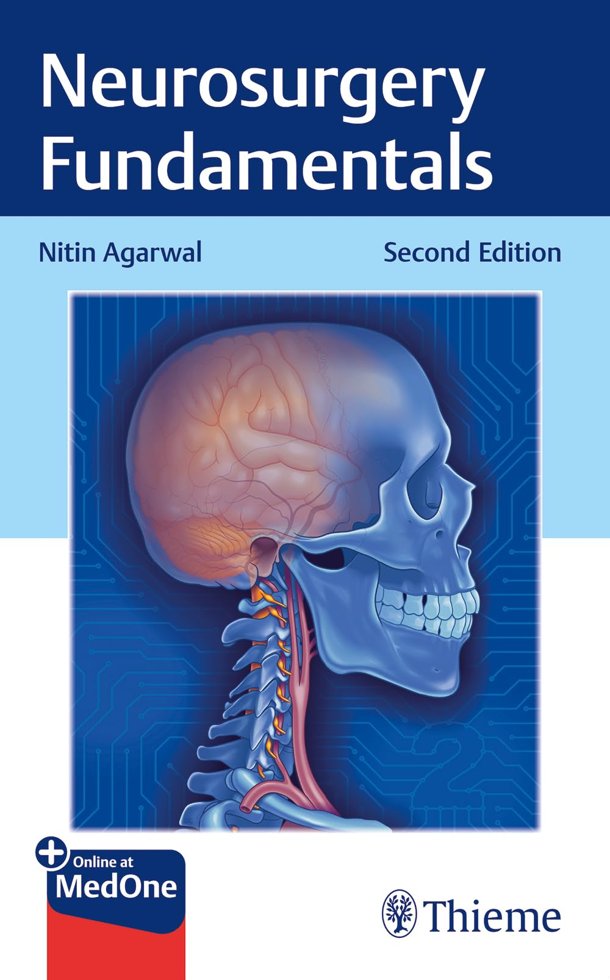
The quintessential guide providing a one-stop roadmap to a neurosurgical career!
Neurological surgery is a complex, highly selective specialty. For medical students and residents, navigating a huge array of neurosurgical information can be overwhelming. Neurosurgery Fundamentals by Nitin Agarwal is a portable reference enabling swift assimilation of neurosurgical care essentials. The book starts with a roadmap to a career in neurosurgery. It concludes with Advice from the Masters, featuring invaluable resources and insights from prominent neurosurgeons.
Comprehensive technical overviews are provided on the neurological exam, neuroanatomy, neuroradiology, neurocritical care, traumatic brain and spinal cord injury, degenerative and deformity spine, neurovascular surgery, neurosurgical oncology, pediatric neurosurgery, functional neurosurgery, stereotactic radiosurgery, neurological infectious diseases, and interdisciplinary care. Socioeconomic topics include training, licensure, credentialing, and advocacy.
Key Features
Fundamental diseases, tests, and operative approaches are summarized. Top Hits feature the most salient questions, aiding in retention of knowledge. High-yield resources are highlighted to augment reader identification. Neurosurgical Pearls offer advice from the masters relevant to each chapter. High-quality illustrations, photographs, and radiographs enrich understanding. Aspiring neurosurgical providers will benefit from the easy-to-digest wealth of information in this concise, yet comprehensive guide.
…
Cover unavailable
31
Hot Lights, Cold Steel: Life, Death and Sleepless Nights in a Surgeon's First Years
Michael J. Collins
4.2
When Michael Collins decides to become a surgeon, he is totally unprepared for the chaotic life of a resident at a major hospital. A natural overachiever, Collins' success, in college and medical school led to a surgical residency at one of the most respected medical centers in the world, the famed Mayo Clinic. But compared to his fellow residents Collins feels inadequate and unprepared. All too soon, the euphoria of beginning his career as an orthopedic resident gives way to the feeling he is a counterfeit, an imposter who has infiltrated a society of brilliant surgeons.
This story of Collins' four-year surgical residency traces his rise from an eager but clueless first-year resident to accomplished Chief Resident in his final year. With unparalleled humor, he recounts the disparity between people's perceptions of a doctor's glamorous life and the real thing: a succession of run down cars that are towed to the junk yard, long weekends moonlighting at rural hospitals, a family that grows larger every year, and a laughable income.
Collins' good nature helps him over some of the rough spots but cannot spare him the harsh reality of a doctor's life. Every day he is confronted with decisions that will change people's lives-or end them-forever. A young boy's leg is mangled by a tractor: risk the boy's life to save his leg, or amputate immediately? A woman diagnosed with bone cancer injures her hip: go through a painful hip operation even though she has only months to live? Like a jolt to the system, he is faced with the reality of suffering and death as he struggles to reconcile his idealism and aspiration to heal with the recognition of his own limitations and imperfections.
Unflinching and deeply engaging, Hot Lights, Cold Steel is a humane and passionate reminder that doctors are people too. This is a gripping memoir, at times devastating, others triumphant, but always compulsively readable.
…
Cover unavailable
32
Clinical Surgery in General
R. M. Kirk MS FRCS, William J. Ribbans
4.2
This book does not attempt to rival major surgical textbooks, but draws together a collection of basic information in a convenient format. It provides a transition in knowledge between the basic sciences and clinical practice. Emphasis is placed on the general principles of surgery rather than on management of specific conditions and thus this title complements the standard clinical surgical textbooks. Applies basic science to practical clinical settings Clear succinct chapters Provides a core of knowledge with which surgeons should be familiar Recommended by the RCS Written by the RCS STEP course tutors Ensures a transition of knowledge between the basic sciences and clinical practice Helps MRCS candidates revise for exams Aids decision-making for inexperienced surgeons
New chapter on Tissue and Bone response to trauma and surgery New chapter on Clinical Governance New editor joins the book, Mr. William Ribbans
…
Cover unavailable
33
Medical Terminology: The Best and Most Effective Way to Memorize, Pronounce and Understand Medical Terms: Second Edition
David Andersson, M. Mastenbjörk M.D., et al.
4.2
Medical Terminology Let's be very clear about this, if you want to feel proud of yourself and do a great job in the health care field, you need to learn and understand medical terminology! It is a fundamental part of the future of your career. Our medical terminology book is a must-have study guide and workbook for students looking to broaden or refreshen their skills of understanding medical terms. It is perfect for anyone who wishes to enter the medical field, and is a great complementary tool to have when preparing for the NCLEX or MCAT! Many students are also ordering this book as a complement to their Anatomy and Physiology book! With this book you will learn and understand the basic concepts of medical terminology and how it is being used in everyday life among healthcare personnel. Becoming familiarised with medical terminology is a fundamental part of any medical career. With that many medical books to choose from, it can be hard to decide which one to buy. This book focuses on the readability apsect, which allows for an easy training guide and review. It is divided into chapters, and since the addition of multiple choice questions, the reader now has the possibility to practice and test what they have learned from previous chapters. The answers to these questions can be found at the very end of the book. By focusing on the important word parts - common prefixes, suffixes, and root words - the book goes to great lengths in simplifying the process of memorizing the medical language. With this book you will:
..Be able to interpret medical terminology ..Learn and understand the basic fundamentals ..Be able to test your knowledge with multiple choice questions
Go to the top-right of the page and click "Add to Cart"
…
Cover unavailable
34
Spine Surgery, 2-Volume Set: Techniques, Complication Avoidance and Management (Expert Consult - Online and Print)
Edward C. Benzel MD
4.2
Make the best use of the latest techniques with step-by-step guidance from Spine Surgery. Edited by Edward C. Benzel, this best-selling neurosurgery reference explores the full spectrum of surgical techniques used in spine surgery and delivers the comprehensive, cutting-edge guidance you need to achieve successful outcomes.
Glean essential, up-to-date information in one comprehensive reference that explores the full spectrum of techniques used in spine surgery.
Hone your surgical skills and technique with intraoperative videos and more than 800 outstanding illustrations demonstrating each technique step by step.
Grasp and apply the latest knowledge from more than 25 brand-new chapters, as well as extensive revisions or total rewrites to the majority of existing chapters to present all of the most up-to-date information available on every aspect of spine surgery including motion preservation technologies, endovascular management, back pain and psychosocial interactions, biomechanics, and more.
Consult with the best. Renowned neurosurgery authority Edward C. Benzel leads an international team of accomplished neurosurgeons and orthopedic surgeons - many new to this edition - who provide dependable guidance and share innovative approaches to surgical techniques and complications management.
Equip yourself to addressincreasing occurrences of pain among aging and physically active patients. Access the information you need, where you need it on your laptop or mobile device via www.expertconsult.com, with fully searchable text, 30 additional online-only chapters, a wealth of procedural videos, online updates from the experts, downloadable image gallery and links to PubMed.
Achieve successful outcomes and minimize risk in your daily practice with multimedia guidance from neurosurgery expert Dr. Edward Benzel.
…
Cover unavailable
35
The House of God
Samuel Shem, John Updike
4.2
The hilarious novel of the healing arts that reveals everything your doctor never wanted you to know.
Six eager interns—they saw themselves as modern saviors-to-be. They came from the top of their medical school class to the bottom of the hospital staff to serve a year in the time-honored tradition, racing to answer the flash of on-duty call lights and nubile nurses.
But only the Fat Man—the Clam, all-knowing resident—could sustain them in their struggle to survive, to stay sane, to love and even to be doctors when their harrowing year was done.
…
Cover unavailable
36
All That Moves Us: A Pediatric Neurosurgeon, His Young Patients, and Their Stories of Grace and Resilience
Jay Wellons
4.2
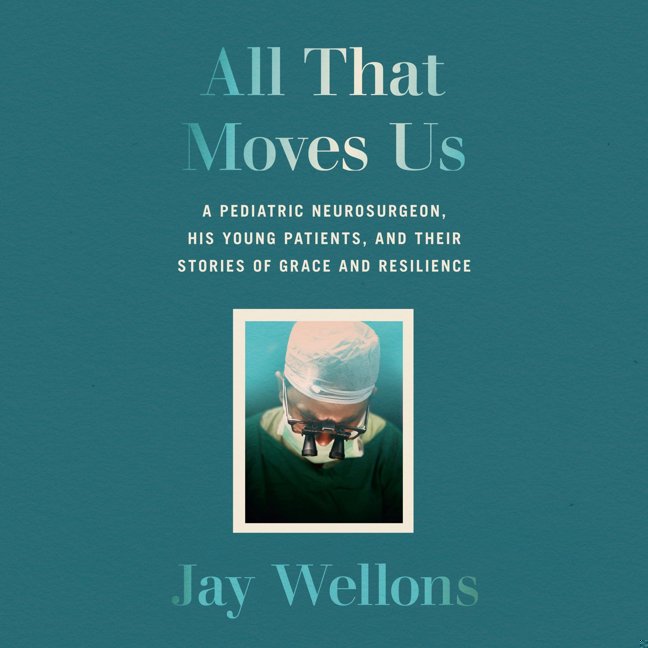
NATIONAL BESTSELLER “A powerful and moving account of the intense joys and sorrows of being a pediatric neurosurgeon.”—Henry Marsh, author of Do No Harm: Stories of Life, Death, and Brain Surgery“The surgical interventions in these pages are dizzying, but the fact that Jay Wellons can write as well as he can operate provides a whole other level of amazement.”—Ann PatchettONE OF THE BEST BOOKS OF THE YEAR: The New Yorker, Publishers WeeklyTumors, injuries, ruptured vascular malformations—there is almost no such thing as a non-urgent brain surgery when it comes to kids. For a pediatric neurosurgeon working in the medical minefield of the brain—in which a single millimeter in every direction governs something that makes us essentially human—every day presents the challenge, and the opportunity, to give a new lease on life to a child for whom nothing is yet fully determined and all possibilities still exist. In All That Moves Us, Dr. Jay Wellons pulls back the curtain to reveal the profoundly moving triumphs, haunting complications, and harrowing close calls that characterize the life of a pediatric neurosurgeon, bringing the high-stakes drama of the operating room to life with astonishing candor and honest compassion. Reflecting on lessons learned over twenty-five years and thousands of operations completed on some of the most vulnerable and precious among us, Wellons recounts in gripping detail the moments that have shaped him as a doctor, as a parent, and as the only hope for countless patients whose young lives are in his hands.Wellons shares scenes of his early days as the son of a military pilot, the years of grueling surgical training, and true stories of what it’s like to treat the brave children he meets on the threshold between life and death. From the little boy who arrived at the hospital near death from a gunshot wound to the head, to the eight-year-old whose shredded nerves were repaired using suture as fine as human hair, to the brave mother-to-be undergoing fetal spinal cord surgery, All That Moves Us is an unforgettable portrait of the countless human dramas that take place in a busy modern children’s hospital—and a meditation on the marvel of life as seen from under the white-hot lights of the operating room.
…
Cover unavailable
37
Principles of Neurosurgery
Setti Rengachary, Richard Ellenbogen
4.2
This new edition provides a broad overview of neurosurgery to house officers in the clinical neurosciences. The chapters cover all core areas within neurosurgery and the coverage is comprehensive without being encyclopedic. Numerous colour illustrations including tables, algorithms, photographs and flow charts elucidate the text. Covers pre- and post- operative patient care - neuroradiology - pediatric neurosurgery - neurovascular surgery - trauma surgery - spine surgery - oncology - pituitary adenomas - cranial base neurosurgery - image-guided neurosurgery - treatment of pain - epilepsy surgery - and much more. Delivers over 1,220 outstanding illustrations-610 in full color-including many superb clinical and operative photographs, surgical line drawings, and at-a-glance tables. Describes all of the latest neuroimaging techniques. Presents the newest developments in minimally invasive surgery. Provides sweeping updates in its coverage of epilepsy surgery. Delivers greatly expanded coverage of pediatric neurosurgery. Offers a thoroughly revised artwork program, including more than 350 brand-new full-color surgical line drawings. New imaging techniques New developments in minimally invasive surgical techniquesComplete overhaul of surgery for epilepsy sectionThoroughly revised artwork programExtra coverage of pediatric neurosurgery
…
Cover unavailable
38
Neurointerventional Techniques: Tricks of the Trade
Fernando Gonzalez
4.2
Neurointerventional Techniques: Tricks of the Trade is a practical reference that includes core procedures used in the growing neurointerventional subspecialty. The step-by-step, concise presentation of procedures along with original line drawings and high-quality images concisely distill a wealth of information, making it easy for both novice and expert neurointerventionists to review how procedures are performed. The book includes over 50 specific procedures as well as important chapters on access points, physiological testing, and pharmacology in the endovascular suite.
Key Features:
Written by leading experts in neurointerventional practice Strong emphasis on complication avoidance throughout the text Covers both basic and more complex neuroendovascular procedures Appendices are rich with information on catheters, presented in an easy-to-access tabular format, as well as important guidance on intraoperative neurophysiologic monitoring as it applies to neurointerventional procedures Neurosurgeons and neurointerventionists at all levels, from residents learning procedures to experienced practitioners needing a quick refresher, will find this book to be an invaluable resource that they will consult frequently in clinical practice.
…
Cover unavailable
39
Diagnostic Imaging Brain
Anne Osborn, Susan Blaser, Karen Salzman
4.2
Authored and edited by one of the world's most prominent neuroradiologists, this innovative text is certain to become the new standard among diagnostic brain imaging references. The second volume in the new Diagnostic Imaging Series from Amirsys and Saunders, it features a templated full-color format that makes finding information much easier. Each chapter presents all of the information readers need to pinpoint a diagnosis. Coverage of each entity addresses Clinical Presentation ? Pathologic Features ? Imaging Findings for the appropriate modalities ? and Differential Diagnosis lists. In addition, chapters have detailed anatomic drawings in full color, an extensive image case gallery, and a visual "thumbnail" differential diagnosis. Numerous surgical, gross and histologic pathology photographs are included. No other neuro imaging text is as comprehensive and user-friendly. The unique bulleted format provides efficient reading, with the same information in the same place-every time! It's as if an expert has done the highlighting for you!
…
Cover unavailable
40
Examination of Peripheral Nerve Injuries: An Anatomical Approach
Stephen Russell
4.2
Examination of Peripheral Nerve Injuries, Second Edition, is an updated version of an anatomically based guide that teaches neurosurgeons how to properly examine a patient with a suspected focal neuropathy. This new edition contains unique, full-color illustrations that, along with high-quality photographs, help readers master the details of performing specific procedures and examinations on patients with peripheral nerve injuries.
Key Features:
More than 80 new full-color illustrations guide the reader through each technique Photographs illustrate muscular examination techniques Anatomical relationships are emphasized throughout the book Focuses on the most common anatomical variations, using both schematic figures and simplified text descriptions to facilitate learning Neurosurgeons and neurologists, as well as residents in these specialties, will read this book cover to cover and refer to it whenever they are preparing to examine patients with complex peripheral nerve injuries.
…
Cover unavailable
41
Neurosurgery Rounds: Questions and Answers
Mark Shaya, Cristian Gragnaniello, et al.
4.2
Neurosurgery Rounds: Questions and Answers, Second Edition by Mark Shaya and an impressive cadre of coauthors and contributors, thoroughly prepares medical students and residents for common yet challenging questions frequently encountered during neurosurgery rounds. The convenient, easy-to-follow format provides diverse coverage of multiple disciplines intertwined in the understanding, care, and treatment of neurosurgical patients.
Bringing the state of the art in neurosurgery up to date, nine revised and expanded chapters cover a full range of congenital, degenerative, traumatic, neoplastic, infectious, vascular, and inflammatory conditions impacting the brain, spine and peripheral nerves. Short answers and explanations appear directly below the questions, enabling quick reference during busy hospital shifts.
Key Features
More than 1,600 questions and answers test readers on a wide range of basic neuroscience, brain, spine, and peripheral nerve topics 30 featured cases provide invaluable clinical pearls and insightful discussions More than 175 high-quality radiographs and anatomical illustrations enhance the text This concise review is an essential lab coat companion for all medical students pursuing neurosurgical clerkships or sub-internships and junior residents on rounds.
…
Cover unavailable
42
Greenberg’s Handbook of Neurosurgery
Mark S. Greenberg
4.2
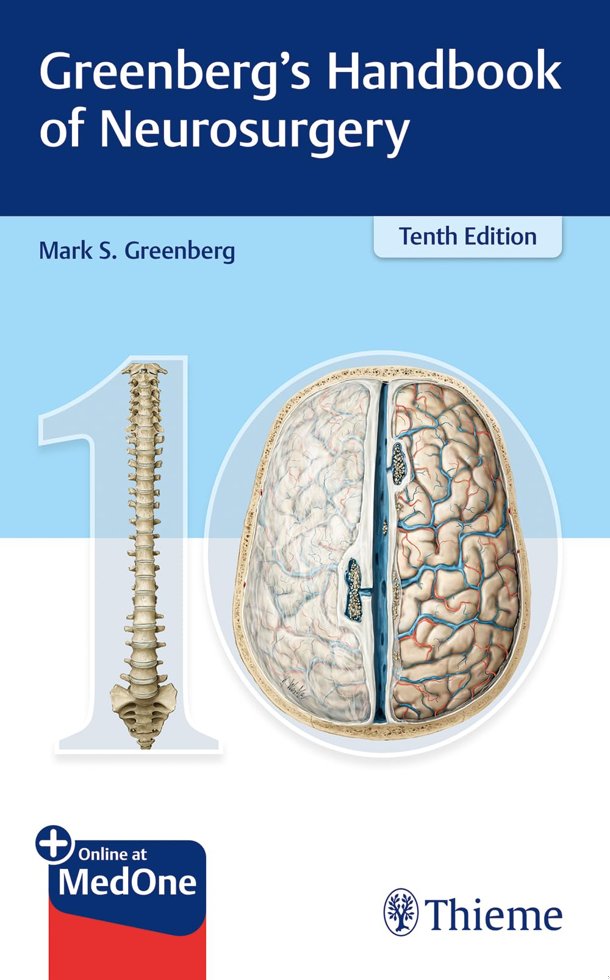
The fundamental, one-stop global resource for neurosurgical practice in updated 10th editionUnlike traditional medical textbooks, the origins of the now legendary Handbook of Neurosurgery by Mark Greenberg took root in the late 1980's in the notes the author kept while taking care of his patients, from his weekly grand rounds presentations, and in the literature he read. Now in its 10th edition, the book that is often referred to as the "bible for neurosurgeons" has grown organically over the years to include more topics of importance to those who provide healthcare to patients with neurologic ailments, and to reflect advances in the understanding and management of the underlying conditions and diseases.Throughout 23 sections and 116 chapters, the generously illustrated text covers information ranging from pediatrics to geriatrics. The comprehensive, conveniently compact book provides detailed, high-value, and actionable information that can be quickly accessed to enhance patient management, thereby eliminating the need to wade through superfluous material. It is also a perfect study companion for board examination and preparation for the maintenance of certification.Key Features:Updated classification and diagnostic criteria of central and peripheral nervous system tumors, based on the most recent WHO classificationsReworking of numerous sections (including current concepts in pseudotumor cerebri, seizure classification...)Addition of new chapters (including idiopathic scoliosis, LOVA and tuberculosis of the CNS)Current principles of nonsurgical and surgical management, including risk factors, indications, diagnostics, prognoses, contraindications, and differential diagnosesNearly 500 figures, including new summary flow charts, illustrations, and simplified diagrams for early learners, enhance understanding of material discussed in the textAnd, as always, thousands of references!This unique book encompasses a wide breadth of neurosurgical topics in an easy digestible format, making it an indispensable daily reference for all neurosurgical residents, fellows, neurosurgeons, and allied health practitioners.This print book includes a scratch off code to access a complimentary digital copy on MedOne.Publisher's Note: Products purchased from Third Party sellers are not guaranteed by the publisher for quality, authenticity, or access to any online entitlements included with the product.
…
Cover unavailable
43
Osborn's Brain: Imaging, Pathology, and Anatomy
Anne G. Osborn MD FACR
4.2
Osborn’s Brain: Imaging, Pathology, and Anatomy is the much-pleaded-for successor to Anne G. Osborn’s 1993 award winning book Diagnostic Neuroradiology (a.k.a. “The Red Book”), which became one of the all-time bestselling neuroradiology texts.
In this highly anticipated 1,200-page volume, Anne Osborn applies her special touch to make complex topics visually appealing and easy to understand. It wraps the “must know” aspects of brain imaging together with spectacular pathology examples, relevant anatomy, and the most up-to-date techniques in brain imaging. Osborn’s Brain is organized for curriculum-based learning. Osborn begins with emergent topics, such as trauma, to help the reader learn in the order that is most practical for a resident or practicing radiologist. Indeed, this volume helps readers learn how to think about diagnoses, types of diagnoses, and the various pathologies that can affect the brain. Even as Osborn “takes readers by the hand” to introduce them to the world of brain imaging, she includes new concepts and diagnoses that will intrigue the most sophisticated neuroradiologist. The format of this book departs significantly from Osborn’s most recent publications. Rather than using bulleted text, she returns to detailed prose paragraphs designed to be a comprehensive learning resource. Summary boxes highlight the most important points from each section, enhancing functionality and ease of use. This detail rich content is augmented with over 3,300 stunning, high resolution radiologic images and medical illustrations, all of which are annotated to describe the most clinically significant features. Osborn’s Brain is easy to read, a visual delight, and a feast of concise, clear information. This impressive volume gives every radiologist and clinical neuroscientist exactly what he or she needs to know, while offering a fascinating journey into Osborn’s brain!
…
Cover unavailable
44
Core Text of Neuroanatomy
Malcolm B. Carpenter
4.2
Cover unavailable
45
Schmidek and Sweet: Operative Neurosurgical Techniques 2-Volume Set: Indications, Methods and Results (Expert Consult - Online and Print)
Alfredo Quinones-Hinojosa MD…
4.2
Wherever, whenever, or however you need it, unmatched procedural guidance is at your fingertips with the new edition of Schmidek & Sweet: Operative Neurosurgical Techniques! Completely revised under the auspices of new editor-chief Dr. Alfredo Qui�ones-Hinojosa, this comprehensive medical reference examines indications, operative techniques, complications, and results for nearly every neurosurgical procedure. Full-color illustrations, 21 new chapters, internationally-acclaimed contributors, surgical videos, and online access make it a must have for today's practitioner.
Hone your skills for virtually every routine and specialized procedure for brain, spinal, and peripheral nerve problems in adult patients.
Review clinical information on image-guided technologies and infections.
Easily understand and apply techniques with guidance from more than 1,600 full-color illustrations. Rely on the knowledge and experience of new editor-in-chief Dr. Alfredo Qui�ones-Hinojosa and leading international authorities, who offer multiple perspectives on neurosurgical challenges, from tried-and-true methods to the most current techniques.
See exactly how to proceed with online surgical videos that guide you through each technique and procedure to ensure the best possible outcomes and results.
Apply the latest techniques and knowledge in deep brain stimulation for epilepsy, movement disorders, dystonia, and psychiatric disorders; surgical management of blast injuries; invasive electrophysiology in functional neurosurgery; and interventional management of cerebral aneurysms and arterio-venous malformations.
Take it with you anywhere! Access the full text, downloadable image library, video clips, and more at www.expertconsult.com. With 337 additional expert contributors.Get procedural guidance on the latest neurosurgical operative techniques from Schmidek & Sweet on your shelf, laptop and mobile device.
…
Cover unavailable
46
Basic Surgical Techniques
R. M. Kirk MS FRCS
4.2
The 5th Edition of this text gives clear, concise guidance on all aspects of acquiring surgical skills to ensure operative success. The full range of surgical procedures is comprehensively reviewed in a clear how-to-do-it style. Thoroughly updated and modernized throughout, this latest edition includes new information on laparoscopic procedures and minimal access surgery. Each chapter is now introduced with a summary box, outlining the key issues that are covered. The book also includes nearly 100 completely new illustrations.
. This comprehensive text provides guidance on the full range of surgical procedures and goes into more depth than competing publications and course information. . New, modern design, and the use of key points boxes to introduce each chapter ensures this book is even easier to find your way around. . With new information on current techniques, such as minimal access surgery.
. 75 brand new illustrations . More information on modern procedures, such as laparoscopy. . Key points boxes introduce every chapter . Book is printed and designed in two colours
…
Cover unavailable
47
Niedermeyer's Electroencephalography: Basic Principles, Clinical Applications, and Related Fields
Donald L. Schomer
4.2
Niedermeyer's Electroencephalography: Basic Principles, Clinical Applications, and Related Fields, Seventh Edition keeps the clinical neurophysiologist on the forefront of medical advancements. This authoritative text covers basic neurophysiology, neuroanatomy, and neuroimaging to provide a better understanding of clinical neurophysiological findings. This edition further delves into current state-of-the-art recording EEG activity both in the normal clinical environment and unique situations such as the intensive care unit, operating rooms, and epilepsy monitoring suites. As computer technology evolves, so does the integration of analytical methods that significantly affect the reader's interpretations of waveforms and trends that are occurring on long-term monitoring sessions.
Compiled and edited by Donald L. Schomer and Fernando H. Lopes da Silva, along with a global team of experts, they collectively bring insight to crucial sections including basic principles of EEG and MEG, normal EEG, EEG in a clinical setting, clinical EEG in seizures and epilepsy, complementary and special techniques, event-related EEG phenomena, and shed light on the future of EEG and clinical neurophysiology. Akin to an encyclopedia of everything EEG, this comprehensive work is perfect for neurophysiology fellows, as well as neurology, neurosurgery, and general medical residents, and for the interns and medical students, and is a one-stop-shop for anyone training in EEG or preparing for neurophysiology or epilepsy board exams.
…
Cover unavailable
48
My Lobotomy: A Memoir
Howard Dully, Charles Fleming
4.2
At twelve, Howard Dully was guilty of the same crimes as other boys his age: he was moody and messy, rambunctious with his brothers, contrary just to prove a point, and perpetually at odds with his parents. Yet somehow, this normal boy became one of the youngest people on whom Dr. Walter Freeman performed his barbaric transorbital—or ice pick—lobotomy.
Abandoned by his family within a year of the surgery, Howard spent his teen years in mental institutions, his twenties in jail, and his thirties in a bottle. It wasn’t until he was in his forties that Howard began to pull his life together. But even as he began to live the “normal” life he had been denied, Howard struggled with one question: Why?
“October 8, 1960. I gather that Mrs. Dully is perpetually talking, admonishing, correcting, and getting worked up into a spasm, whereas her husband is impatient, explosive, rather brutal, won’t let the boy speak for himself, and calls him numbskull, dimwit, and other uncomplimentary names.”
There were only three people who would know the truth: Freeman, the man who performed the procedure; Lou, his cold and demanding stepmother who brought Howard to the doctor’s attention; and his father, Rodney. Of the three, only Rodney, the man who hadn’t intervened on his son’s behalf, was still living. Time was running out. Stable and happy for the first time in decades, Howard began to search for answers.
“December 3, 1960. Mr. and Mrs. Dully have apparently decided to have Howard operated on. I suggested [they] not tell Howard anything about it.”
Through his research, Howard met other lobotomy patients and their families, talked with one of Freeman’s sons about his father’s controversial life’s work, and confronted Rodney about his complicity. And, in the archive where the doctor’s files are stored, he finally came face to face with the truth.
Revealing what happened to a child no one—not his father, not the medical community, not the state—was willing to protect, My Lobotomy exposes a shameful chapter in the history of the treatment of mental illness. Yet, ultimately, this is a powerful and moving chronicle of the life of one man. Without reticence, Howard Dully shares the story of a painfully dysfunctional childhood, a misspent youth, his struggle to claim the life that was taken from him, and his redemption.
…
Cover unavailable
49
The Textbook of Spinal Surgery
Keith H. Bridwell MD
4.2
Recognized as one of the leading references on the spine, this comprehensive two-volume text brings together experts from around the world to discuss the full scope of spinal surgery. This edition has many new contributors, including both neurosurgeons and orthopaedic surgeons, and presents a broad survey of all aspects of spinal surgery, including degenerative disorders, deformities, tumors, fractures, infections, and more.Chapters describe current surgical techniques in detail and discuss indications, preoperative and postoperative care, and possible complications. More than 3,500 illustrations complement the text, and bulleted points, tables, and algorithms are used extensively throughout.A companion Website with the fully searchable text and procedural video is included with the two-volume text.
…
Cover unavailable
50
Case-Based Interventional Neuroradiology
Timo Krings
4.2
A practical case-based approach to state-of-the-art neurointerventional techniques
Featuring comprehensive coverage of the latest developments and technology in the field, Case-Based Interventional Neuroradiology provides a thorough review of commonly encountered neurovascular diseases, as well as detailed background information on the rationale for each treatment choice. Cases center on "real life" scenarios with high-quality images, and offer readers a concise, practical, and up-to-date approach to the diseases neurointerventionalists face. A separate section in each case contains alternate treatment options -- including medical, surgical, or radiosurgical treatment options -- in order to broaden the reader's understanding of the benefits and disadvantages of treatments provided by related disciplines. Clinicians can rapidly refresh their knowledge on the success and complications rates of the different treatment options using the up-to-date literature review featuring the latest references.
Features:
72 clinical cases enhanced by over 750 high-quality radiographs cover the full range of vascular and nonvascular neurointerventional diseases Interpretations of clinical and imaging findings help readers to fully understand the reasons for the treatment choice and the specific goals to be achieved Presents tips on how to avoid complications, as well as how to recognize and manage complications Examples of both successful and unsuccessful cases offer a well-rounded perspective Readers are brought up to speed quickly with practical information on imaging findings, the physical exam, epidemiology, differential diagnoses, treatment modalities, the risks of alternate treatments, and current studies This cutting-edge compendium is an essential resource for both the beginning interventionalist and the seasoned practitioner in radiology, interventional radiology, neuroradiology, and vascular neurosurgery. Residents will find the succinct presentation of cases an invaluable learning tool.
…
Cover unavailable
51
The Cervical Spine
Edward C Benzel MD
4.2
The Cervical Spine is the most comprehensive, current, and authoritative reference on the cervical spine. Prepared by internationally recognized members of The Cervical Spine Research Society Editorial Committee, the Fifth Edition presents new information, new technologies, and advances in clinical decision making. The text provides state-of-the-art coverage of basic and clinical research, diagnostic methods, and medical and surgical treatments, bringing together the latest thinking of the foremost orthopaedic surgeons, neurosurgeons, neurologists, rheumatologists, radiologists, anatomists, and bioengineers. Chapters cover anatomy, physiology, biomechanics, neurologic and functional evaluation, and radiographic evaluation and address the full range of pediatric problems, fractures, spinal cord injuries, tumors, infections, inflammatory conditions, degenerative disorders, and complications. Accompanying the text is a website with the fully searchable text plus a color image bank.
…
Cover unavailable
52
Operative Neurosurgery: 2-Volume Set
Peter Black
4.2
This is a major gold standard international reference work on operative neurosurgery. All aspects of operative neurosurgery are discussed from an international perspective and exhaustively referenced.
Cover unavailable
53
No Place to Hide: A Brain Surgeon’s Long Journey Home from the Iraq War
W. Lee Warren
4.2
Cover unavailable
54
Life on a Knife’s Edge: A Brain Surgeon’s Reflections on Life, Loss and Survival
Dr Rahul Jandial
4.2
Brought to you by Penguin.As one of the world's leading brain surgeons, Dr Jandial is the last hope for many patients who have extreme forms of cancer - patients who can't be saved, but deserve more time. Life on a Knife's Edge is his account of the resilience, courage and belief he has witnessed in his patients, and the lessons he has learned from them. Both an unflinching account of extreme surgeries and a profound, moving and introspective memoir, this book reveals the depths of a surgeon's psyche who is pushed to his limits, day in, day out. From keeping a gun victim's heart pumping with his own hand to saving a woman from paralysis and performing brain surgery while time is running out on a haemorrhaging patient, we see how making life and death decisions and facing unimaginable pressure has shaped one man's life. Now, he shares the many truths about human nature that he has learned along the way: from how we deal with trauma, loss and threat to our innate belief and sense of self. From a life spent balancing on the line between life and death, above all else, he reveals what it really means to survive.
…
Cover unavailable
55
A History of Neurosurgery: In its Scientific and Professional Contexts
Samuel Greenblatt, T. Dagi, Mel Epstein
4.1
A History of Neurosurgery is the first thorough book on the history of neurosurgery published since 1951. The book is organized around a specific historiographic framework that traces the advancement of the specialty. Included are chapters on ancient trepanation, Macewen's first use of the combined technologies of anesthesia, antisepsis and cortical localization in 1879 to plan and perform craniotomies, the emergence of Harvey Cushing's leadership, the evolution of modern neurosurgical techniques and technology and much more.
…
Cover unavailable
56
The Clinical Practice of Neurological and Neurosurgical Nursing
Joanne V. Hickey PhD RN APRN…
4.1
The new Sixth Edition of this award-winning classic prepares its users for delivering expert care in this most challenging nursing specialty. It addresses neuroanatomy, assessment, diagnostic evaluation, and management of the complete range of neurological disorders for which nurses provide patient care, including trauma, stroke, tumors, seizures, headache, aneurysms, infections, degenerative disorders, and peripheral neuropathies.
This edition has been thoroughly revised to reflect standards of care based on evidence-based practice. It now includes case studies, community nursing sections throughout, and increased coverage of normal pressure hydrocephalus, inflammatory demyelinating polyneuropathy, and Creutzfeld-Jacob disease.
…
Cover unavailable
57
Bonica's Management of Pain
Scott M. Fishman MD
4.1
Now in its Fourth Edition, with a brand-new editorial team, Bonica's Management of Pain will be the leading textbook and clinical reference in the field of pain medicine. An international group of the foremost experts provides comprehensive, current, clinically oriented coverage of the entire field. The contributors describe contemporary clinical practice and summarize the evidence that guides clinical practice.
The first section covers basic considerations, including mechanisms of nociception, functional neuroanatomy and musculoskeletal anatomy, psychological aspects of pain, cultural and environmental aspects of pain, and clinical trials. The second section addresses economic, political, legal, and ethical considerations in pain management. The third section describes current methods for evaluation of the patient with pain. The fourth section provides in-depth coverage of specific painful conditions—neuropathic pain syndromes, psychological contributions to pain, vascular, cutaneous, and musculoskeletal pains, pain due to cancer, acute pain, pain in special populations, visceral pain, regional pain, and low back pain. The fifth section describes the full range of methods for symptomatic control, including pharmacologic therapies, psychological techniques, physical and other noninterventional therapies, implanted electrical stimulators, interventional pain management, and surgical approaches. The book concludes with discussions of the provision of pain treatment in a variety of clinical settings, including pain clinics, spine clinics, the primary care setting, the emergency department, the intensive care unit, and end-of-life care.
…
Cover unavailable
58
Principles and Practice of Pediatric Neurosurgery
A. Leland Albright, Ian F. Pollack, P. David Adelson
4.1
This book presents the latest management techniques for pediatric neurosurgical disorders frequently encountered in clinical practice. In this edition, chapters are organized into separate sections including cerebral disorders, spinal disorders, neoplasms, trauma, cerebrovascular disease, functional disorders, and infectious disorders. Each chapter describes the diagnostic studies, pathology and pathobiology, indications for surgery, treatment alternatives, prognostic factors and outcomes.
Features of the second edition:
Commentaries at the end of each chapter provide insights from the senior editors Pearls identify critical steps in management More than 850 high-quality images demonstrate disease pathology and surgical approaches and techniques Easy-to-read tables synthesize key clinical concepts New chapters cover ethical issues in pediatric neurosurgery, pediatric neurosurgery in developing countries, and in utero neurosurgery This comprehensive book is a must-have reference for all neurosurgeons, and specialists and residents in pediatric neurosurgery and pediatric neurology.
…
Cover unavailable
59
Harvey Cushing: A Life in Surgery
Michael Bliss
4.1
Here is the first biography to appear in fifty years of Harvey Cushing, a giant of American medicine and without doubt the greatest figure in the history of brain surgery. Drawing on new collections of intimate personal and family papers, diaries and patient records, Michael Bliss captures Cushing's professional and his personal life in remarkable detail. Bliss paints an engaging portrait of a man of ambition, boundless, driving energy, a fanatical work ethic, a penchant for self-promotion and ruthlessness, more than a touch of egotism and meanness, and an enormous appetite for life. Equally important, Bliss traces the rise of American surgery as seen through the eyes of one of its pioneers. The book describes how Cushing, working in the early years of the 20th century, developed remarkable new techniques that let surgeons open the skull, expose the brain, and attack tumors--all with a much higher rate of success than previously known. Indeed, Cushing made the miraculous in surgery an everyday event, as he and his team compiled an astonishing record of treating more than two thousand tumors. This is the definite Cushing biography, an epic narrative of high surgical adventure, capturing the highs and lows of an extraordinary life.
…
Cover unavailable
60
A Surgeon in the Village: An American Doctor Teaches Brain Surgery in Africa
Tony Bartelme
4.1
Cover unavailable
61
Demyer's the Neurologic Examination: A Programmed Text
Jose Biller, Gregory Gruener, Paul Brazis
4.1
Publisher's Note: Products purchased from Third Party sellers are not guaranteed by the publisher for quality, authenticity, or access to any online entitlements included with the product. The single-best guide to learning how to perform the diagnostic neurologic examination - enhanced by more than 80 online videosPresented in full color, DeMyer's provides neurologists and psychiatrists in training with a proven, didactic way to learn the complicated technique of using the physical examination to diagnose neurologic illness. This trusted classic also reviews the anatomy and physiology necessary to interpret the examination, and it details the laboratory tests and neuroimaging best suited for a particular clinical problem. You will also find complete, up-to-date coverage of the latest imaging modalities for assessing disease.Utilizing a learn at your own pace teaching approach, DeMyer's The Neurologic Examination features valuable learning aids such as: - Full-color illustrations that clearly explain neuroanatomy and physiology- Detailed tables and mnemonics to help you remember important steps and signs to look for during the examination- Learning Objectives to help you organize and retain important takeaways from each chapter- Questions and answers within the text to reinforce key points
…
Cover unavailable
62
Clinical examinations in neurology,
Mayo Clinic
4.1
This is the classic reference to the clinical neurological examination -- the foundation of clinical neurology. Now in its seventh edition, it continues to present material that is absolutely essential for the clinical neurologist to know. In one concise text, the reader will find a complete introduction to the clinical neurological examination of adults and children, including neuroimaging and laboratory procedures.
…
Cover unavailable
63
Neurosurgery Oral Board Review
Jonathan Citow, Robert Spinner, et al.
4.1
The first work ever published on this topic, this book summarizes everything you need to know to prepare for the neurosurgery oral examinations. It was designed as a quick and easily accessible reference for residents, with sections on medical management, surgical techniques, and insights of how to study for the test.
Cover unavailable
64
Neuroscience
Dale Purves
4.1
Created primarily for medical and premedical students, 'Neuroscience' emphasizes the structure of the nervous system, the correlation of structure and function, and the structure/function relationships particularly pertinent to the practice of medicine.
Cover unavailable
65
Head Cases: Stories of Brain Injury and Its Aftermath
Michael Paul Mason
4.1
Head Cases takes us into the dark side of the brain in an astonishing sequence of stories, at once true and strange, from the world of brain damage. Michael Paul Mason is one of an elite group of experts who coordinate care in the complicated aftermath of tragic injuries that can last a lifetime. On the road with Mason, we encounter survivors of brain injuries as they struggle to map and make sense of the new worlds they inhabit.
Underlying each of these survivors’ stories is an exploration of the brain and its mysteries. When injured, the brain must figure out how to heal itself, reorganizing its physiology in order to do the job. Mason gives us a series of vivid glimpses into brain science, the last frontier of medicine, and we come away in awe of the miracles of the brain’s workings and astonished at the fragility of the brain and the sense of self, life, and order that resides there. Head Cases “[achieves] through sympathy and curiosity insight like that which pulses through genuine literature” (The New York Sun); it is at once illuminating and deeply affecting.
…
Cover unavailable
66
Neuropsychological Assessment
Muriel D. Lezak, Diane B. Howieson, David W. Loring, H. Julia Hannay, Jill S. Fischer
4.1
Well-known as the "bible" in its field, this text/reference has been thoroughly revised and updated by a team of internationally recognized and clinically experienced neuropsychologists. Drawing on their diverse interests, they provide authoritative, broad-based, and in-depth coverage of current research and clinical practice in neuropsychology. They have not, however, changed the book's overall organization. The first eight chapters present the knowledge base for understanding the principles and practice of patient-oriented, hypothesis-testing neuropsychological assessment. The last 12 chapters review nearly all tests and assessment techniques discussed in previous editions plus many new ones and recent revisions of older tests. The extent of the updating is apparent from the fact that approximately half of the more than 7,000 references cited appeared since the last edition was published. Many new topics relevant to current assessment practices have been added to the 4th edition. The chapter on examination procedures, for example, now contains sections on cognitive functioning in pain and PTSD patients. The chapter on brain disorders includes new material on electrical/lighting injuries, migraine, Alzheimer's disease and other dementing disorders, and both medical and psychological treatments. The discussion of assessment procedures has been updated throughout to cover recently published test batteries used in general neuropsychological assessment (e.g., mental abilities, memory), newly developed batteries for specific issues (e.g., frontal lobe evaluation), and recent research on older neuropsychological assessment batteries. The fully revised chapter on assessing response bias describes and evaluates more than 60 tests, test combinations, and other measures for detecting questionable effort within the context of forensic neuropsychological assessment.
…
Cover unavailable
67
Dogmeat: A Memoir of Love and Neurosurgery in San Francisco
Moris Senego
4.1
Cover unavailable
68
Neurological Differential Diagnosis
John P. Patten
4.1
The majority of doctors are ill at ease when confronted by a patient with a neurological problem. Candidates for qualifying examinations and higher diplomas dread that they will be allocated a neurological 'Iong case'. This is a serious reflection on the adequacy of training in neurology. It is still possible in some medical schools for a student to go through the entire clinical course without an attachment to the neurological unit. Increasing competition for teaching time has led to the situation where in most US medical schools, and at least one new medical school in the UK, a two-week c1inical attachment to the neurology service is considered adequate. Those fortunate enough to attend a postgraduate course find a minimum of 3 months' intensive training is necessary before any confidence in tackling a neurological problem is achieved. Unfortunately, neurological textbooks seldom seem to recognize the intensely practical nature of the subject. There are many short texts that achieve brevity by the exclusion of explanatory material; these are difficult to read and digest. At the opposite extreme are the neurological compendia, often unbalanced by excessive coverage of rare diseases and all based on the assumption that patients announce on arrival that they have a demyelinating, heredofamilial, neoplastic etc. disorder. These texts are useful only to those who already have a good working knowledge of neurological diseases.
…
Cover unavailable
69
Patient H.M.: A Story of Memory, Madness, and Family Secrets
Luke Dittrich, George Newbern
4.1
For readers of The Immortal Life of Henrietta Lacks and The Hare with Amber Eyes comes a propulsive, haunting journey into the secret history of brain science by Luke Dittrich, whose grandfather performed the surgery that created the most studied human research subject of all time: the amnesic known as Patient H.M.
In the late 1930s, in asylums and hospitals across America, a group of renowned neurosurgeons embarked on a campaign to develop and refine a new class of brain operation—the lobotomy—that they hoped would eradicate everything from schizophrenia to homosexuality. These “psychosurgeons,” as they called themselves, occupied a gray zone between medical research and medical practice, and ended up subjecting untold numbers of people to the types of surgical experiments once limited to chimpanzees.
The most important test subject to emerge from this largely untold chapter in American history was a twenty-seven-year-old factory worker named Henry Molaison. In 1953, Henry—who suffered from severe epilepsy—received a radical new version of the lobotomy, one that targeted the most mysterious structures in the brain. The operation failed to eliminate Henry’s seizures, but it did have an unintended effect: Henry left the operating room profoundly amnesic, unable to create new long-term memories. Over the next sixty years, Patient H.M., as Henry was known, became the most studied individual in the history of neuroscience, a human guinea pig who would teach us much of what we know about memory today.
Luke Dittrich uses the case of Patient H.M. as a starting point for a kaleidoscopic journey, one that moves from the first recorded brain surgeries in ancient Egypt to the cutting-edge laboratories of MIT. He takes readers inside the old asylums and operating theaters where psychosurgeons conducted their human experiments, and behind the scenes of a bitter custody battle over the ownership of the most important brain in the world. Throughout, Dittrich delves into the enduring mysteries of the mind while exposing troubling stories of just how far we’ve gone in our pursuit of knowledge.
It is also, at times, a deeply personal journey. Dittrich’s grandfather was the brilliant, morally complex surgeon who operated on Molaison—and thousands of other patients. The author’s investigation into the dark roots of modern memory science ultimately forces him to confront unsettling secrets in his own family history, and to reveal the tragedy that fueled his grandfather’s relentless experimentation—experimentation that would revolutionize our understanding of ourselves.
Patient H.M. combines the best of biography, memoir, and science journalism to create a haunting, endlessly fascinating story, one that reveals the wondrous and devastating things that can happen when hubris, ambition, and human imperfection collide.
…
Cover unavailable
70
Functional Neurosurgery
Phillip A. Starr, Nicholas M. Barbaro, Paul S. Larson
4.1
Part of the second edition of the classic Neurosurgical Operative Atlas series, Functional Neurosurgery provides step-by-step guidance on the innovative and established techniques for managing epilepsy, pain, and movement disorders. This atlas covers the current surgical procedures, providing concise descriptions of indications and surgical approaches, as well as recommendations for how to avoid and manage postoperative complications. The authors describe the underlying physiological principles and state-of-the art recording techniques that are used for brain localization. This edition addresses topics that are rarely covered in other texts, including motor cortex stimulation for neuropathic pain, novel technical approaches for insertion of deep brain stimulator electrodes, and radiosurgery for movement disorders.
Highlights:
New chapters on the evolving indications for deep brain stimulation, frameless neuronavigation techniques, and interventional MRI-guided treatments
More than 650 high-quality images demonstrating anatomy and surgical steps
Consistent format in all chapters to enhance ease of use
Ideal for neurosurgeons and residents, this operative atlas is a practical surgical guide that will serve as both a reference and a refresher prior to performing a specific procedure.
Series description
The American Association of Neurological Surgeons and Thieme have collaborated to produce the second edition of the acclaimed Neurosurgical Operative Atlas series. Edited by leading experts in the field, the series covers the entire spectrum of neurosurgery in five volumes. In addition to Functional Neurosurgery, the series also features:
Neuro-Oncology, edited by Behnam Badie
Spine and Peripheral Nerves, edited by Christopher Wolfla and Daniel K. Resnick
Pediatric Neurosurgery, edited by James Tait Goodrich
Vascular Neurosurgery, edited by R. Loch Macdonald
…
Cover unavailable
71
Working in a Very Small Place: The Making of a Neurosurgeon
Mark Shelton
4.1
The little-known world of neurosurgery is dramatically revealed through the story of Dr. Peter Jannetta, who invented a simple yet miraculous cure to an excruciatingly painful brain disorder.
Cover unavailable
72
A Journey Round My Skull
Karinthy, Frigyes
4.1
The distinguished Hungarian writer Frigyes Karinthy was sitting in a Budapest café, wondering whether to write a long-planned monograph on modern man or a new play, when he was disturbed by the roaring—so loud as to drown out all other noises—of a passing train. Soon it was gone, only to be succeeded by another. And another. Strange, Karinthy thought, it had been years since Budapest had streetcars. Only then did he realize he was suffering from an auditory hallucination of extraordinary intensity.
What in fact Karinthy was suffering from was a brain tumor, not cancerous but hardly benign, though it was only much later—after spells of giddiness, fainting fits, friends remarking that his handwriting had altered, and books going blank before his eyes—that he consulted a doctor and embarked on a series of examinations that would lead to brain surgery. Karinthy’s description of his descent into illness and his observations of his symptoms, thoughts, and feelings, as well as of his friends’ and doctors’ varied responses to his predicament, are exact and engrossing and entirely free of self-pity. A Journey Round My Skull is not only an extraordinary piece of medical testimony, but a powerful work of literature—one that dances brilliantly on the edge of extinction.
…
Cover unavailable
73
Peripheral Nerve Entrapments: Clinical Diagnosis and Management
Andrea M Trescot MD ABIPP FIPP
4.1
Cover unavailable
74
The Treatment of Epilepsy: Principles and Practice
Thoroughly updated, the Fourth Edition of The Treatment of Epilepsy: Principles and Practice remains the most comprehensive single-volume clinical reference on the epilepsies. In one convenient source, the book provides a broad, detailed, and cohesive overview of seizure disorders and contemporary treatment options, bringing together the most vital work in the neurosciences, genetics, electroencephalography, pediatric and adult neurology, neuropharmacology, neurosurgery, and psychiatry.
This edition includes a new chapter on the pharmacogenetics of antiepileptic medications, complete information on new drugs, and current guidelines for use of older drugs. Other chapters present fresh new material on epilepsy surgery and neuroimaging.
…
Cover unavailable
75
Admissions: Life as a Brain Surgeon
Henry Marsh
4.1
Henry Marsh has spent a lifetime operating on the surgical front line. There have been exhilarating highs and devastating lows, but his love for the practice of neurosurgery has never wavered.
Following the publication of his celebrated New York Times bestseller Do No Harm, Marsh retired from his full-time job in England to work pro bono in Ukraine and Nepal. In Admissions, he describes the difficulties of working in these troubled, impoverished countries and the further insights it has given him into the practice of medicine.
Marsh also faces up to the burden of responsibility that can come with trying to reduce human suffering. Unearthing memories of his early days as a medical student and the experiences that shaped him as a young surgeon, he explores the difficulties of a profession that deals in probabilities rather than certainties and where the overwhelming urge to prolong life can come at a tragic cost for patients and those who love them.
Reflecting on what forty years of handling the human brain has taught him, Marsh finds a different purpose in life as he approaches the end of his professional career and a fresh understanding of what matters to us all in the end.
…
Cover unavailable
76
Practical Neuroangiography
P. Pearse Morris MB BCh
4.1
Building upon the success of prior editions, Practical Neuroangiography, Third Edition , provides a detailed and richly illustrated guide to diagnostic and interventional neuroangiography and its role in the management of neurovascular disease. The Third Edition provides the new fellow with the background knowledge needed to understand these procedures, the unusual variant anatomy that can affect treatment and outcomes, and the field’s current limitations. Organized for ease of use, the book's four sections address techniques and safety; normal anatomy & pathology correlated with angiographic images; angiographic findings of neurovascular diseases; and an introduction to interventional techniques and emergency procedures. Actual patient cases provide practical stepwise coverage of each procedure, tips for accurate diagnosis, and guidance in clinical decision-making. NEW to the Third Edition… • CT and MR perfusion studies address the therapeutic challenges of vessel occlusion and damage to cranial tissue. • More detailed techniques and concise patient cases combine to create a hands-on guide to successful outcomes. • Strong emphasis on radiation risk & safety put the patient’s well-being first during therapeutic decision-making. • Emphasis on the angiographic anatomy of the cerebrovascular system details key pathologic features that affect therapeutic approaches. • Companion website with text/image search and additional cases is cross-referenced to specific chapters in the text for easy access to critical information.
…
Cover unavailable
77
Neurotology
Robert K. Jackler MD, Derald Brackmann MD
4.1
This represents the definitive textbook in the field of neurotology. (Doody's) This unique volume bridges the gap between medical neurology, neurosurgery, and otolaryngology. For this must-have reference, 121 leading experts synthesize the current body of knowledge in the rapidly growing field of neurotology, providing state-of-the-art guidelines for clinical diagnosis and management. The New Edition has been completely revised and updated to reflect all of the very latest developments in research and practice. Explores otologic manifestations of neurological disease. Describes the electrophysiological diagnosis of neurotologic disorders. Presents step-by-step guidance on surgical management, including procedures for treating tumors of the cerebellopontine angle and skull base. Presents hundreds of skillful medical illustrations that depict complex neurotologic concepts and procedures with great clarity.
Delivers new chapters covering recent advances in areas such as molecular genetics, brain plasticity, neuroscience, microsurgery, and surgical navigation. Offers greatly enhanced coverage of MR Imaging, a modality that has enabled earlier and more accurate diagnosis of many otologic syndromes. Explores otologic manifestations of neurological disease. Describes the electrophysical diagnosis of neurotologic disorders. Presents step-by-step guidance on surgical management, including procedures for treating tumors of the cerebellopontine angle and skull base. Presents hundreds of skillful medical illustrations that depict complex neurotologic concepts and procedures with great clarity.
…
Cover unavailable
78
The Comprehensive Neurosurgery Board Preparation Book: Illustrated Questions and Answers
Paul V. Birinyi, Najib El Tecle, et al.
4.1
Board certification by the American Board of Neurological Surgery is considered the gold standard for neurosurgeons practicing in the U.S. The ABNS primary examination requires many months of preparation, and passing it is both a significant accomplishment and integral component in becoming board certified. Contributions from current neurosurgical residents and seasoned practitioners infuse this book with a well-rounded perspective. Having been there and done that, the authors incorporated what they felt was missing from board review books when they sat for the exam - resulting in a "bucket list" study guide.
The review is organized by neurosurgical topic with 20 chapters equally divided among questions followed by answers. Starting with physiology and anatomy, each chapter methodically covers core topics including radiology, neurology, pathology/histology, ophthalmology, and more. The authors provide brief explanations and pearls that accompany each question, which provide a solid springboard for delving deeper into any given topic. The easy-to-follow format enables residents to partake in long study sessions or tackle just a question or two in the midst of a busy day of neurosurgical service.
Key Highlights
More than 1,300 questions reflect key concepts in the ABNS primary exam Enhanced with more than 350 images, most in color, which reflect the computerized, image-rich format of the current exam A full-length practice test at the end of the book mirrors the cadence and time constraints of the actual exam Explanations of correct and incorrect answers facilitate learning and retaining vast amounts of material This comprehensive board review book will help neurosurgical residents of all levels prepare thoroughly for the March exam. It is a one-stop self-assessment tool for any neurosurgeon who endeavors to attain and maintain ABNS certification.
…
Cover unavailable
79
Spinal Cord Medicine
Steven Kirshblum MD
4.1
In this comprehensive, clinically directed, reference for the diagnosis and treatment of persons with spinal cord injury and related disorders, editors of the two leading texts on spinal cord injury (SCI) medicine have joined together to develop a singular premier resource for professionals in the field. Spinal Cord Medicine, Third Edition draws on the expertise of seasoned editors and experienced chapter authors to produce one collaborative volume with the most up-to-date medical, clinical, and rehabilitative knowledge in spinal cord injury management across the spectrum of care.
This jointly configured third edition builds on the foundation of both prior texts to reflect the breadth and depth of the specialty. Containing 60 state-of-the-art chapters, the book is divided into sections covering introduction and assessment, acute injury management and surgical considerations, medical management, neurological and musculoskeletal care, rehabilitation, recent research advances, system-based practice, and special topics. New and expanded content focuses on the significant changes in the epidemiology of traumatic injury, the classification of SCI, and the latest medical treatments of multiple medical complications. In addition, chapters discuss new surgical considerations in acute and chronic SCI and the many advances in technology that impact rehabilitation and patients' overall quality of life.
With chapters authored by respected leaders in spinal cord medicine, including those experienced in spinal cord injury medicine, physical medicine and rehabilitation, neurology, neurosurgery, therapists, and researchers, this third edition goes beyond either of the prior volumes to combine the best of both and create a new unified reference that defines the current standard of care for the field.
Key Features:
Covers all aspects of spinal cord injury and disease with updates on epidemiology of spinal cord injury, the classification of spinal cord injury, newer methods of surgical intervention post-injury, updates to medications, advances in rehabilitation, and changes in technology Brings together two leading references to create a singular evidence-based resource that defines the current standard of care for spinal cord medicine Presents the most current medical, clinical, and rehabilitation intelligence Chapters written by experts across the spectrum of specialists involved in the care of persons with spinal cord injury Includes access to the downloadable ebook
…
Cover unavailable
80
Manter and Gatz's Essentials of Clinical Neuroanatomy and Neurophysiology
Sid Gilman, Sarah Winans Newman
4.0
Considerable material on neuroanatomy, neurophysiology, and neuropharmacology Descriptions of the basal ganglia, limbic systems, and cerebral cortex reflect advances in the understanding of cortical networks Expanded clinical information, including MRIs Case studies present clinical examples of localization of disease process, types of pathology causing symptoms, and patient management Consolidated discussion on the structure and function of the brain stem and thalamus
…
Cover unavailable
81
Neurosurgical Infectious Disease: Surgical and Nonsurgical Management
Walter A. Hall, Peter D. Kim
4.0
Rapid diagnosis and treatment are crucial to successful outcomes in infections involving the central nervous system, which can cause significant neurological morbidity and mortality. Neurosurgical Infectious Disease: Surgical and Nonsurgical Management is a comprehensive guide that gives surgeons the core knowledge they need to diagnose, treat, and prevent infectious diseases of the central nervous system.
Key Features:
Emphasizes newer surgical techniques, including: endoscopy, neuronavigation, and intraoperative guidance Covers contemporary radiologic diagnostic techniques and provides excellent imaging examples Includes chapters on antibiotic prophylaxis, intracranial infection, and the infection of implanted devices This excellent neurosurgical reference will be an essential part of the armamentarium used by neurosurgeons and infectious disease specialists in their daily practice.
…
Cover unavailable
82
Medical Neurobiology
Peggy Mason PhD
4.0
This single-author text introduces the student to the fundamentals of the nervous system as it relates to the practice of medicine and human health. The workings of the nervous system are communicated in easy to understand language. The text emphasizes the contribution of the nervous system to diverse and common medical disorders, some of which are primarily neurological in nature (stroke, Parkinson's disease, hearing loss) and many of which are the domain of non-neurological specialities such as ophthalmology, ear-nose-throat, cardiology, medicine and the like (myopia, hearing loss, hypertension, sleep apnea, and asthma). The writing style is simple, clear and literary. Chapters can be read in a single sitting. Important concepts are presented both clearly and thoroughly, rendering this textbook appropriate for both the student who is learning about the nervous system for the first time and the student with previous knowledge of neurobiology. Medical Neurobiology is wholly concentrated on the human nervous system. Subjects without clinical relevance such as invertebrate neurobiology, cat or leech locomotion, or sound localization are not covered. On the other hand, subjects with significant clinical relevance such as walking, making facial expressions, cranial nerve functions, breathing, hearing and seeing are covered in depth. In essence, rather than teach either basic neurobiology or neurology, this book aims to communicate the relevance of the nervous system to the practice of every medical specialty from cardiology to dermatology, neonatology, pediatrics, geriatrics, pulmonology, ophthalmology, and so on. Thus, Medical Neurobiology teaches, explains and clarifies neurobiological concepts that will impact every health professional.
…
Cover unavailable
83
Clinical Neuroanatomy Made Ridiculously Simple
Stephen Goldberg M.D
4.0
This now-classic text presents the most relevant points in clinical neuroanatomy with mnemonics, humor and case presentations. For neuroanatomy courses and Board review. Includes attached CD-ROM on Neurologic Localization with 3D animated rotations of the brain. Neuroanatomy laboratory tutorial with photographs of brain specimens. Tutorial on how to localize neurologic injuries; Interactive quiz of classic neurologic cases; Windows/Macintosh CD + book. The new edition adds a chapter on neurotransmitters.
…
Cover unavailable
84
Cranial Nerves: Anatomy, Pathology, Imaging
Devin K. Binder, D. Christian Sonne, et al.
4.0
A single-volume resource for detailed coverage of the anatomy, function, and pathology of the cranial nerves with CT and MRI correlation
This beautifully illustrated book combines a detailed exposition of the anatomy and function of the cranial nerves with practical coverage of clinical concepts for the assessment and differential diagnosis of cranial nerve dysfunction. An introductory chapter provides a brief overview of cranial nerve anatomy and function, skull base anatomy, classification of pathologies, and imaging approaches. Each of the twelve chapters that follow is devoted to in-depth coverage of a different cranial nerve. These chapters open with detailed discussion of the various functions of each nerve and normal anatomy. The authors then describe common lesions and present a series of cases that are complemented by CT images and MRIs to illustrate disease entities that result in cranial nerve dysfunction.
Features
Concise descriptions in a bulleted outline format enable rapid reading and review Tables synthesize key information related to anatomy, function, pathology, and imaging More than 300 high-quality illustrations and state-of-the-art CT and MR images demonstrate important anatomic concepts and pathologic findings Pearls emphasize clinical information and key imaging findings for diagnosis and treatment Appendices include detailed information on brainstem anatomy, pupil and eye movement control, parasympathetic ganglia, and cranial nerve reflexes This book is an indispensable reference for practicing physicians and trainees in neurosurgery, neurology, neuroradiology, radiology, and otolaryngology-head and neck surgery. It will also serve as a valuable resource for students seeking to gain a solid understanding of the anatomy, function, and pathology of the cranial nerves.
…
Cover unavailable
85
Welcome to Your Brain: Why You Lose Your Car Keys But Never Forget How To Drive and Other Puzzles of Everyday Behavior
Sandra Aamodt, Sam Wang
4.0
You: The Owner's Manual for the brain: an expert, comprehensive, and lively guide that makes sense of all the latest scientific findings about how your brain really works.
We are using our brains at practically every moment of our lives, and yet few of us have the first idea how they work. Much of what we think we know comes from folklore: that we only use 10 percent of our brain, or that drinking kills brain cells. These and other brain myths are wrong, as demonstrated by the work of neuroscientists who have spent decades studying this complex organ. However, most of what scientists have learned is not known to the world outside their laboratories.
In this readable, lively book, Sandra Aamodt and Sam Wang dispel common myths about the brain and provide a comprehensive, useful overview of how it really works. In its pages, you'll discover how to cope with jet lag, how your brain affects your religion, and how men's and women's brains differ. With witty, accessible prose decorated by charts, trivia, quizzes, and illustrations, this book is great for quick reference or extended reading.
Both practical and fun, Welcome to Your Brain is perfect whether you want to impress your friends or simply use your brain better.
…
Cover unavailable
86
DeJong's The Neurologic Examination
William W. Campbell MD
4.0
This 7th edition of Dejong’s The Neurological Examination offers practitioners and residents of Neurology an in-depth discussion of neurologic exams that will not be found anywhere else.
Without abandoning classic concepts and science, this definitive source on neurologic examination techniques has been streamlined and updated. The text integrates details of neuroanatomy and clinical diagnosis in an easy-to-read format. Anatomical and exam illustrations help ensure proper technique. Plus, illustrative cases and tables summarize differentials and list clinical findings. With this book as their guide, readers will truly understand the anatomical underpinnings of examination techniques.
FEATURES • Four-color design • Updated figures and references • Text is supplemented by helpful boxes that highlight key points • When available, evidence-based medical insights are incorporated in assessing the value of specific tests
…
Cover unavailable
87
Merritt's Neurology
Lewis P. Rowland MD, Timothy A. Pedley MD
4.0
The thoroughly updated Twelfth Edition of this classic retains the organization, practicality, and readability that makes Merritt's Neurology one of the most popular texts among neurologists, primary care physicians, and residents reviewing for psychiatry or neurology boards. In 183 short chapters, the book provides the essentials clinicians need on symptoms/signs, diagnostic tests, and neurologic disorders of all etiologies.
For this edition, Timothy A. Pedley, MD, Chair of the Department of Neurology at Columbia University, joins Dr. Rowland as co-editor. Coverage includes separate chapters on autism, autosomal recessive ataxias, and autosomal dominant ataxias, and new chapters on endovascular neuroradiology, parkinsonian syndromes, Lewy body dementias, frontotemporal dementia, vanishing white matter, vasculitis, normal pressure hydrocephalus, neuromyelitis optica, Kennedy disease, spinal muscular atrophy, complex regional pain syndrome, disorders of DNA translation, the immune restoration inflammatory syndrome (IRIS), and Hashimoto encephalopathy. Most chapters have been updated to reflect advances in molecular genetics.
A companion Website will offer the fully searchable text and an image bank.
…
Cover unavailable
88
Diagnostic Cerebral Angiography
Anne G. Osborn MD
4.0
Since 1980, Dr. Osborn's An Introduction to Cerebral Angiography has been the definitive text on this imaging modality. Now, this classic work has been completely revised, reorganized, and updated and expanded from an introductory book into a comprehensive, state-of-the-art reference on cerebral angiography. Diagnostic Cerebral Angiography, Second Edition, is organized into three major parts. Part 1 covers techniques and technical aspects of cerebral angiography. Part 2 is a detailed description of normal anatomy, anatomic variations, and congenital anomalies. Part 3 focuses on pathological entities, including trauma, aneurysms, stroke, vascular malformations, atherosclerosis, and vasculitis.Coverage includes new information on vascular territories, film subtraction, and magnetic resonance angiography. The text is thoroughly illustrated with 1,200 radiographs and line drawings, all of them new to this volume. Another new feature of this Second Edition is the use of boxed summaries throughout the text to highlight key points.
…
Cover unavailable
89
Definitive Neurological Surgery Board Review
Shawn Moore, Thomas Psarros
4.0
The Definitive Neurological Surgery Board Review provides a single source for content typically encountered on the neurosurgery boards, eliminating lengthy searching by combining all the information necessary to pass the ABNS written examination into one succinct resource.
An essential review for residents across neurological disciplines, this book offers concise yet comprehensive coverage of neurosurgery, neuroanatomy, neuropathology, neuroradiology, clinical neurology, neurobiology, and critical care.
The key to successful board preparation, this book is the perfect timesaving solution for busy neurosurgery residents, and an essential companion throughout residency.
Be thoroughly prepared with The Definitive Neurological Surgery Board Review .
…
Cover unavailable
90
Diagnostic Imaging: Spine
Jeff Ross, Michael Brant-Zawadzki, Mark Chen, Kevin Moore, Karen Salzman
4.0
Authored by two of the world's preeminent authorities in its field, this new book represents today's best single source of guidance on spinal diagnostic imaging! It presents more details for each diagnosis, more representative images, case data, and more current references than any other reference tool. At the same time, its user-friendly format lets readers access all of this information remarkably quickly! Covers the top diagnoses in spine imaging, including both common and uncommon entities. Provides exquisitely reproduced imaging examples for every diagnosis-plus concise, bulleted summaries of terminology - imaging findings - key facts - differential diagnosis - pathology - clinical issues - a diagnostic checklist - and selected references. Includes an extensive image gallery for each diagnosis, depicting common and variant cases. Offers a vivid, full-color design with more than 125 full-color anatomy and pathology drawings. Displays a thumbnail visual differential diagnosis for each entity.
…
Cover unavailable
91
Diagnostic Neuroradiology: A Text/Atlas
Anne G. Osborn MD
4.0
Spanish version also available, ISBN: 84-8174-119-1
Cover unavailable
92
Neurological Examination Made Easy
Geraint Fuller MD FRCP
4.0
A concise and highly illustrated guide to the clinical examination of the nervous system for medical students, rsidents and junior doctors. A concise and lucid explanation of how to examine the nervous system. Copiously illustrated with clear line diagrams and flow charts. Instructions are clear and systematic - what to do, what you will find, and what it means.
Strengthening of recommendations on the order of sensory testing. Addition of Halmagyi's head thrust test. Updating of the cases in the section on passing clinical exams.
…
Cover unavailable
93
Differential Diagnosis in Neurology and Neurosurgery: A Clinician's Pocket Guide
Sotirios A. Tsementzis
4.0
Cover unavailable
94
Atlas of EEG Patterns
John M. Stern MD
4.0
Atlas of EEG Patterns , Second Edition
The electroencephalogram (EEG) is essential to the accurate diagnosis of many neurologic disorders. The Second Edition of Atlas of EEG Patterns sharpens readers’ interpretation skills with an even larger array of both normal and abnormal EEG pattern figures and text designed to optimize recognition of telltale findings. Trainees will benefit from hundreds of EEG figures, helping them spot abnormalities and identify the pattern name. Experienced neurologists will find the book excellent as a quick reference and when trying to distinguish a finding from similarly appearing patterns. Organized by EEG pattern, the Atlas orients you to the basics of EEG, helps the reader identify the characteristic EEG wave features and leads you to the EEG diagnosis through a table that organizes all of the EEG patterns according to their wave features. The Atlas includes the full range of EEG patterns from the common rhythms to the rare findings, and it also includes numerous examples of artifacts.
NEW in the Second Edition… • Solution Site with full text and image bank. • An extensive table guides you from EEG wave features to a list of EEG patterns that have the features, then to detailed descriptions and examples of each pattern. • Over 150 new EEG figures from an established EEG laboratory sharpen your interpretation skills using real-world examples.
…
Cover unavailable
95
Spine Essentials Handbook: A Bulleted Review of Anatomy, Evaluation, Imaging, Tests, and Procedures
Kern Singh
4.0
Cover unavailable
96
Neurosurgery Knowledge Update: A Comprehensive Review
Robert Harbaugh
4.0
A contemporary board review guide and MOC prep text all in one!
Certification from the American Board of Neurological Surgeons (ABNS) is the gold standard for certification of neurosurgeons practicing in the U.S. This text is the most up-to-date board review guide for neurosurgeons. It features actual cases, over 300 high-quality illustrations and images, clinical overviews, and a Q and A that mimics the ABNS exam format.
Uniquely qualified as esteemed experts in organized neurosurgery as well as past or present Directors of the ABNS, the editors have compiled a book of remarkable depth and scope. With contributions from top neurosurgeons in each subspecialty, this text will prepare neurosurgeons for the rigorous ABNS exams.
This indispensable book will help neurosurgeons and neurosurgical residents prepare thoroughly for written and oral board examinations, and benefit board-certified neurosurgeons who need to fulfill MOC requirements.
…
Cover unavailable
97
Neuroradiology: Key Differential Diagnoses and Clinical Questions: Expert Consult - Online and Print
Juan E. Small MD MSc, Pamela W. Schaefer MD
4.0
Neuroradiology: Key Differential Diagnoses and Clinical Questions equips you to make efficient, accurate diagnoses and prepare for imaging exams with hundreds of high-quality, unknown cases in neuroradiology. Drs. Juan Small and Pamela Schaefer draw upon Massachusetts General Hospital's vast case collectionto help you master the skills you need for interpreting imaging of the head, neck, brain, and spine.
Apply systematic pattern analysis techniques to distinguish similar-looking pathological entities from one another. Avoid diagnostic pitfalls by recognizing significant variations in the clinical presentation of various diseases.
See how diagnostic ambiguities are resolved by viewing corresponding gross pathologic and histologic images.
Benefit from the volume and exceptional quality of Massachusetts General Hospital's patient case load.
Access the full text and images online, perform rapid searches, and more at expertconsult.com.
…
Cover unavailable
98
Emergency War Surgery
Borden Institute, Walter Reed Medical Center, U.S. Department of the Army
4.0
This is the official, comprehensive and widely used United States Army "Emergency War Surgery" handbook. Addresses the appropriate medical management of both battle and nonbattle injuries. Written by by subspecialty experts, this latest revision (2004) has been much updated and enhanced from experiences gained in Iraq and Afghanistan. A collaborative effort of the Borden Institute and the Walter Reed Army Medical Center, this handbook is an essential tool for the management of forward combat trauma. Chapters include: Weapons Effects and Parachute Injuries; Levels of Medical Care; Triage; Aeromedical Evacuation; Airway/Breathing; Haemorrhage Control; Shock and Resuscitation; Vascular Access; Anesthesia; Infections; Critical Care; Damage Control Surgery; Face and Neck Injuries; Ocular Injuries; Head Injuries; Thoracic Injuries; Abdominal Injuries; Genitourinary Tract Injuries; Gynecologic Trauma and Emergencies; Wounds and Injuries of the Spinal Column and Cord; Pelvic Injuries; Soft-Tissue Injuries; Extremity Fractures; Open-Joint Injuries; Amputations; Injuries to the Hands and Feet; Vascular Injuries; Burns; Environmental Injuries; Radiological Injuries; Biological Warfare; Chemical Injuries; Pediatric Care; Care of Enemy Prisoners of War and Internee. 478 pages. Profusely illustrated throughout.
…
Cover unavailable
99
The Lobotomist: A Maverick Medical Genius and His Tragic Quest to Rid the World of Mental Illness
Jack El-Hai
4.0
The Lobotomist explores one of the darkest chapters of American medicine: the desperate attempt to treat the hundreds of thousands of psychiatric patients in need of help during the middle decades of the twentieth century. Into this crisis stepped Walter Freeman, M.D., who saw a solution in lobotomy, a brain operation intended to reduce the severity of psychotic symptoms. Drawing on Freeman’s documents and interviews with Freeman's family, Jack El-Hai takes a penetrating look at the life and work of this complex scientific genius.
The Lobotomist explores one of the darkest chapters of American medicine: the desperate attempt to treat the hundreds of thousands of psychiatric patients in need of help during the middle decades of the twentieth century. Into this crisis stepped Walter Freeman, M.D., who saw a solution in lobotomy, a brain operation intended to reduce the severity of psychotic symptoms. Although many patients did not benefit from the thousands of lobotomies Freeman performed, others believed their lobotomies changed them for the better. Drawing on a rich collection of documents Freeman left behind and interviews with Freeman's family, Jack El-Hai takes a penetrating look into the life of this complex scientific genius and traces the physician's fascinating life and work.
…
Cover unavailable
100
Surgery at a Glance
Pierce A. Grace, Neil R. Borley
4.0
Following the familiar, easy-to-use at a Glance format, and now in full-colour, Surgeryat a Glance is an accessible introduction and revision text for medical students. Fully revised and updated, this at a Glance provides a user-friendly overview of surgery to encapsulate all that the student needs to know. This new edition of Surgeryat a Glance
Is presented in full colour format for ease of use Focuses on the core principles and the important diseases appropriate to the current curriculum Features extended coverage of anaesthesia and paediatric surgery Divides the 'Paediatric surgery' chapter into two new chapters to feature infantile pyloric stenosis, intussusception and malrotation of the gut Reflects the latest practice, e.g. new therapies for varicose veins resection Includes more practical information in the Presentations section on specifically ward-based topics Surgery at a Glance is an invaluable resource for all clinical medical students, junior doctors, and surgical nurses.
Reviews of the previous edition
"'This book is ideal for finals as diagrams help the revision numbed mind to retain information. It is extremely quick and easy to read and the list-based information is an ideal basis for short-answer questions." Barts and the London Chronicle
"Delightful book... the quality of the diagrams is such that for the majority of topics the text is almost superfluous." British Journal of Surgery