We've ranked the best figure drawing books using expert recommendations, sales data, and millions of reader ratings. At Shortform, we know books. Our book guides are the best in the world. Learn why.
Cover unavailable
1
Figure Drawing: Design and Invention
Michael Hampton
5.0
Figure Drawing: Design and Invention is an instructional figure drawing book geared towards the novice and experienced artist alike. This book emphasizes a simplified understanding of surface anatomy, in order to clarify the mechanics of the figure, facilitate invention, and ultimately create a skill-set that can be successfully applied to other media. In addition, this book focuses very strongly on practical usage, making sure the artist is able to assimilate the steps presented here into a cohesive working process. (Fourth printing, September 2011)
…
Cover unavailable
2
Drawing the Head and Figure
Jack Hamm
4.8
A how-to handbook that makes drawing easy. Offers simplified techniques and scores of brand-new hints and helps. Step by step procedures. Hundreds of illustrations.
Cover unavailable
3
The Artist's Complete Guide to Figure Drawing: A Contemporary Master Reveals the Secrets of Drawing the Human Form
Anthony Ryder
4.6
Many of us want to learn "how to draw." But as artist Anthony Ryder explains, it's much more important to learn what to draw. In other words, to observe and draw what we actually see, rather than what we think we see. When it comes to drawing the human figure, this means letting go of learned ideas and expectation of what the figure should look like. It means carefully observing the interplay of form and light, shape and line, that combine to create the actual appearance of human form. In The Artist's Complete Guide to Figure Drawing, amateur and experienced artists alike are guided toward this new way of seeing and drawing the figure with a three-step drawing method.
The book's progressive course starts with the block-in, an exercise in seeing and establishing the figure's shape. It then build to the contour, a refined line drawing that represents the figure's silhouette. The last step is tonal work on the inside of the contour, when light and shadow are shaped to create the illusion of form. Separate chapters explore topics critical to the method: gesture, which expresses a sense of living energy to the figure; light, which largely determines how we see the model; and form, which conveys the figure's volume and mass. Examples, step-by-steps, and special "tips" offer helpful hints and practical guidance throughout.
Lavishly illustrated with the author's stunning artwork, The Artist's Complete Guide to Figure Drawing combines solid instruction with thoughtful meditations on the art of drawing, to both instruct and inspire artists of all levels.
…
Cover unavailable
4
You Can Draw in 30 Days: The Fun, Easy Way to Learn to Draw in One Month or Less
Mark Kistler
4.6
Pick up your pencil, embrace your inner artist, and learn how to draw in thirty days with this approachable step-by-step guide from an Emmy award-winning PBS host. Drawing is an acquired skill, not a talent -- anyone can learn to draw! All you need is a pencil, a piece of paper, and the willingness to tap into your hidden artistic abilities. With Emmy award-winning, longtime PBS host Mark Kistler as your guide, you'll learn the secrets of sophisticated three-dimensional renderings, and have fun along the way -- in just twenty minutes a day for a month. Inside you'll find: Quick and easy step-by-step instructions for drawing everything from simple spheres to apples, trees, buildings, and the human hand and face More than 500 line drawings, illustrating each step Time-tested tips, techniques, and tutorials for drawing in 3-D The 9 Fundamental Laws of Drawing to create the illusion of depth in any drawing 75 student examples to encourage you in the process
…
Cover unavailable
5
The New Drawing on the Right Side of the Brain
Betty Edwards
4.6
When Drawing on the Right Side of the Brain was first published in 1979, it hit the New York Times bestseller list within two weeks and stayed there for more than a year. In 1989, when Dr. Betty Edwards revised the book, it went straight to the Times list again. Now Dr. Edwards celebrates the twentieth anniversary of her classic book with a second revised edition.Over the last decade, Dr. Edwards has refined her material through teaching hundreds of workshops and seminars. Truly The New Drawing on the Right Side of the Brain, this edition includes:
the very latest developments in brain research new material on using drawing techniques in the corporate world and in education instruction on self-expression through drawing an updated section on using color detailed information on using the five basic skills of drawing for problem solving
…
Recommended by Adam Robinson and Adam Robinson.
Adam Robinson
One of five books that confirm there is far, far more in our unconscious mind than is dreamt of in our philosophy. [source]
Adam Robinson
One of five books that confirm there is far, far more in our unconscious mind than is dreamt of in our philosophy. [source]
Cover unavailable
6
Figure It Out!: The Beginner's Guide to Drawing People
Christopher Hart
4.5
Chris Hart has a head for figures — human figures, that is. Not only does he draw them with incredible style and flair, he also has a friendly, accessible teaching style that makes his how-to books super-sellers. In this unique figure-drawing course, Chris avoids the usual anatomy lessons that intimidate aspiring artists and gets right down to the basics young illustrators need to get started. Starting with heads and facial expressions, he moves on to full figures, male and female, ideal and average, some in fashion poses and others in dynamic action. On every page, his practical advice and clear examples will help readers achieve terrific results — and have fun every step of the way.
…
Cover unavailable
7
Dynamic Figure Drawing
Burne Hogarth
4.5
This powerful book offers a systematic approach to rendering action figures that seem to leap off the page.
Cover unavailable
8
The Animator's Survival Kit: A Manual of Methods, Principles and Formulas for Classical, Computer, Games, Stop Motion and Internet Animators
Richard Williams
4.5
The definitive book on animation, from the Academy Award-winning animator behind Who Framed Roger Rabbit?
Animation is one of the hottest areas of filmmaking today--and the master animator who bridges the old generation and the new is Richard Williams. During his fifty years in the business, Williams has been one of the true innovators, winning three Academy Awards and serving as the link between Disney's golden age of animation by hand and the new computer animation exemplified by Toy Story.
Perhaps even more important, though, has been his dedication in passing along his knowledge to a new generation of animators so that they in turn could push the medium in new directions. In this book, based on his sold-out master classes in the United States and across Europe, Williams provides the underlying principles of animation that every animator--from beginner to expert, classic animator to computer animation whiz --needs. Urging his readers to "invent but be believable," he illustrates his points with hundreds of drawings, distilling the secrets of the masters into a working system in order to create a book that will become the standard work on all forms of animation for professionals, students, and fans.
…
Cover unavailable
9
Figure Drawing for All It's Worth (How to draw and paint)
Andrew Loomis
4.5
The illustrator Andrew Loomis (1892-1959) is revered among artists - including comics superstar Alex Ross - for his mastery of figure drawing and clean, Realist style.
His hugely influential series of art instruction books have never been bettered, and Figure Drawing is the first in Titan's programme of facsimile editions, returning these classic titles to print for the first time in decades.
Cover unavailable
10
Force: Dynamic Life Drawing for Animators
Mike Mattesi
4.5
Force: Dynamic Life Drawing for AnimatorsCapture the force in your life drawing subjects with this practical guide to dynamic drawing techniques - packed with superb, powerfully drawn examples that show you how to: • Bring your work to life with rhythmic drawing techniques • Create appealing and dynamic poses in your drawings* Experience the figure's energy in three dimensional space* Use the asymmetry of straight and curved lines to clarify the direction of force in the body* Build on your foundational anatomy and figure drawing skills to animate your drawings *Apply the theory of force to your on-location and animal drawing observationsWhether you are an animator, comic book artist, illustrator or fine arts' student you'll learn to use rhythm, shape, and line to bring out the life in any subject while Mike Mattesi's infectious enthusiasm will have you reaching for your pencils!Mike Mattesi is the owner and founder of Entertainment Art Academy (www.enterartacad.com) based in Southern California. He has been a professional production artist and instructor for the last fifteen years with clients including Disney, Marvel Comics, Hasbro Toys, ABC, Microsoft, Electronic Arts, DreamWorks and Nickelodeon.Audience level: Intermediate to advanced
…
Cover unavailable
11
Complete Guide to Life Drawing
Gottfried Bammes
4.5
Cover unavailable
12
Drawing the Head and Hands
Andrew Loomis
4.5
Cover unavailable
13
Figure It Out! Human Proportions: Draw the Head and Figure Right Every Time
Christopher Hart
4.4
When the proportions are right, the drawing looks right! Most artists whose work features the human head and figure don't have the time or opportunity to draw directly from models, so it's essential that they acquire the skills and tools to draw them accurately without using direct reference. Now, thanks to Chris Hart's foolproof method, even beginners can quick-check the proportions of their head and figure drawings, identify errors, and swiftly fix mistakes. Richly illustrated with drawings from various angles, this follow-up to Hart's bestselling Figure It Out! includes step-by-step demonstrations and lessons that lead readers through the process.
…
Cover unavailable
14
The Julia Rothman Collection: Farm Anatomy, Nature Anatomy, and Food Anatomy
Julia Rothman
4.4
This handsome box set provides hours of enlightening entertainment for those curious about the natural world, farm life, and food. Best-selling author and illustrator Julia Rothman presents Farm Anatomy, Nature Anatomy, and Food Anatomy in a specially designed slipcase with 10 framable prints. Rothman’s popular line drawings offer a whimsical and educational guide to life on a farm, nature’s hidden wonders, and delectable tidbits from kitchens and pantries around the globe.
…
Cover unavailable
15
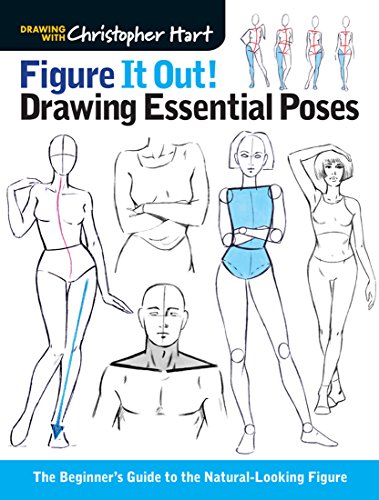
Figure It Out! Drawing Essential Poses: The Beginner's Guide to the Natural-Looking Figure
Christopher Hart
4.4
Bestselling how-to-draw author Christopher Hart helps artists fine-tune their skills with the fundamentals of drawing natural-looking figures. Eschewing the esoteric “art poses” and wooden mannequins commonly found in art books, he portrays everyday, real-life gestures on human-looking foundation figures: standing, sitting, kneeling, and reclining, with arms folded, ankles crossed, hands on hips, and more, all shown from various angles. Hart also explores deeper concepts such as perspective, illusion of depth, casting shadows, and foreshortening, and provides step-by-step tutorials that take artists through complete, naturally posed figure drawings from start to finish.
…
Cover unavailable
16
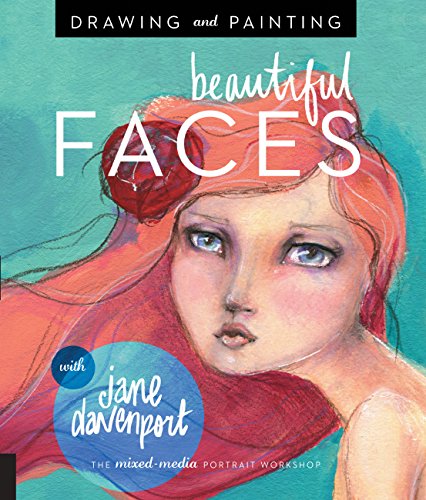
Drawing and Painting Beautiful Faces: A Mixed-Media Portrait Workshop
Jane Davenport
4.4
Perfect for aspiring designers, Drawing and Painting Beautiful Faces is an inspiring, mixed-media workbook on how to draw and paint beautiful, fashion illustration–style faces.
Author Jane Davenport is a beloved artist and international workshop instructor known by her thousands of students and fans for her over-the-top, enthusiastic, happy, and encouraging style. In Drawing and Painting Beautiful Faces, Davenport guides you, step by step, through the foundations of drawing a face, developing successful features, creating skin tones, playing with bright colors, shading, highlighting, and much more as you learn to create amazing mixed-media portraits.
With this elegantly designed guidebook, you will quickly master a variety of techniques in a variety ofmediums, including:
Drawing and Painting Beautiful Faces will have you dancing your way through the exercises. In no time at all, you will have a selection of beautifully faced portraits ready to view, display, or even sell to a fashion designer.
…
Cover unavailable
17
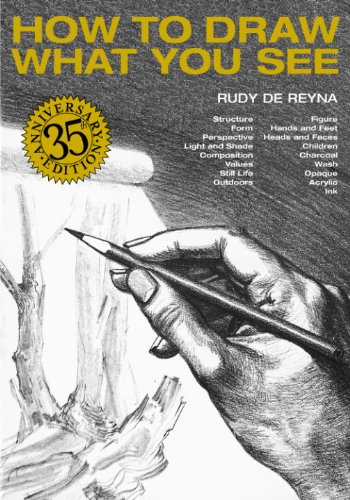
How to Draw What You See
Rudy De Reyna
4.3
The 35th anniversary edition of the classic how-to book that has helped millions of artists learn to draw.
When it was originally published in 1970, How to Draw What You See zoomed to the top of Watson-Guptill's best-seller list--and it has remained there ever since. "I believe that you must be able to draw things as you see them--realistically," wrote Rudy de Reyna in his introduction.
Today, generations of artists have learned to draw what they see, to truly capture the world around them, using de Reyna's methods. How to Draw What You See shows artists how to recognize the basic shape of an object--cube, cylinder, cone, or sphere--and use that shape to draw the object, no matter how much detail it contains.
…
Cover unavailable
18
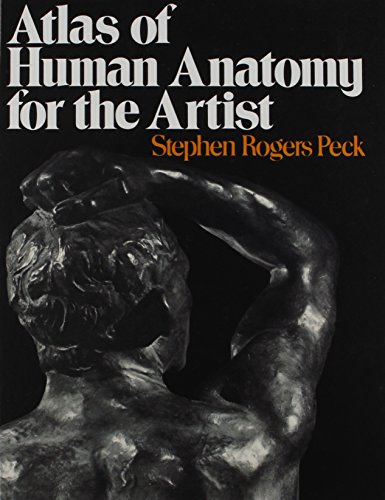
Atlas of Human Anatomy for the Artist
Stephen Rogers Peck
4.3
Stephen Rogers Peck's Atlas of Human Anatomy for the Artist remains unsurpassed as a manual for students. It includes sections on bones, muscles, surface anatomy, proportion, equilibrium, and locomotion. Other unique features are sections on the types of human physique, anatomy from birth to old age, an orientation on racial anatomy, and an analysis of facial expressions. The wealth of information offered by the Atlas ensures its place as a classic for the study of the human form.
…
Cover unavailable
19
Morpho: Simplified Forms: Anatomy for Artists
Michel Lauricella
4.3
Cover unavailable
20
Color and Light: A Guide for the Realist Painter
James Gurney
4.3
From New York Times best-selling author of the Dinotopia series, James Gurney, comes a carefully crafted and researched study on color and light in paintings. This art instruction book will accompany the acclaimed Imaginative Realism: How to Paint What Doesn't Exist.
James Gurney, New York Times best-selling author and artist of the Dinotopia series, follows Imaginative Realism with his second art-instruction book, Color and Light: A Guide for the Realist Painter. A researched study on two of art's most fundamental themes, Color and Light bridges the gap between abstract theory and practical knowledge. Beginning with a survey of underappreciated masters who perfected the use of color and light, the book examines how light reveals form, the properties of color and pigments, and the wide variety of atmospheric effects. Gurney cuts though the confusing and contradictory dogma about color, testing it in the light of science and observation. A glossary, pigment index, and bibliography complete what will ultimately become an indispensable tool for any artist.
This book is the second in a series based on his blog, gurneyjourney.com. His first in the series, Imaginative Realism, was widely acclaimed in the fantastical art world, and was ranked the #1 Bestseller on the Amazon list for art instruction.
"James Gurney's new book, Color and Light, cleverly bridges the gap between artistic observation and scientific explanation. Not only does he eloquently describe all the effects of color and light an artist might encounter, but he thrills us with his striking paintings in the process." --Armand Cabrera, Artist
…
Cover unavailable
21
Figure Drawing for Artists: Making Every Mark Count
Steve Huston
4.3
Figure Drawing for Artists: Making Every Mark Count is not a typical drawing instruction book; it explains the two-step process behind juggernauts like DreamWorks, WB and Disney.
Though there are many books on drawing the human figure, none teach how to draw a figure from the first few marks of the quick sketch to the last virtuosic stroke of the finished masterpiece, let alone through a convincing, easy-to-understand method.
That changes now!
In Figure Drawing for Artists: Making Every Mark Count, award-winning fine artist Steve Huston shows beginners and pros alike the two foundational concepts behind the greatest masterpieces in art and how to use them as the basis for their own success.
Embark on a drawing journey and discover how these twin pillars of support are behind everything from the Venus De Milo, to Michelangelo's Sibyl, to George Bellow's Stag at Sharkey's, and how they're the fundamental tools for animation studios around the world. Not to mention how the best comic book artists since the beginnings of the art form use them whether they know it or not.
Figure Drawing for Artists: Making Every Mark Count sketches out the same two-step method taught to the artists of DreamWorks, Warner Brothers, and Disney Animation, so pick up a pencil and get drawing.
The For Artists series expertly guides and instructs artists at all skill levels who want to develop their classical drawing and painting skills and create realistic and representational art.
…
Cover unavailable
22
How to Draw Comics the Marvel Way
Stan Lee and John Buscema
4.3
One of the first and still one of the best, Stan Lee’s How to Draw Comics the Marvel Way has been the primary resource for any and all who want to master the art of illustrating comic books and graphic novels.
Stan Lee, the Mighty Man from Marvel, and John Buscema, active and adventuresome artist behind the Silver Surfer, Conan the Barbarian, the Mighty Thor and Spider-Man, have collaborated on this comics compendium: an encyclopedia of information for creating your own superhero comic strips. Using artwork from Marvel comics as primary examples, Buscema graphically illustrates the hitherto mysterious methods of comic art. Stan Lee’s pithy prose gives able assistance and advice to the apprentice artist. Bursting with Buscema’s magnificent illustrations and Lee’s laudable word-magic, How to Draw Comics the Marvel Way belongs in the library of everyone who has ever wanted to illustrate his or her own comic strip.
…
Cover unavailable
23
Figure Drawing for Kids: A Step-By-Step Guide to Drawing People
Angela Rizza
4.3
Draw inspiration from everywhere and everyone--a beginner's guide to drawing people for kids.
Grab a pencil and an eraser--it's time to explore the world around you and illustrate the people in it! Featuring a simple, step-by-step format for budding artists, Figure Drawing for Kids is a great way to start sketching friends and family, pop culture icons, and epic superheroes--one easy-to-draw exercise at a time.
Along the way, you'll learn helpful terms and essential drawing concepts like proportion, negative space, point of view, composition, crosshatch, and more. Figure Drawing for Kids is an action-packed activity book that will surprise and delight kids at all skill levels. Drawing for kids has never been so awesome!
All you need to know is in this drawing for kids' guide:
Practice makes perfect--From sketching basic shapes and shading to advanced skills like perspective drawing, you'll master 13 figure-drawing activities at your own pace.
Draw diversity--Get inspired by a wide range of human sizes, shapes, skin tones, and abilities.
Photo fun--Discover how to draw from a photograph, how to set up a model station, and even how to draw the world around you! Dive in and let the doodling fun begin with this great beginner's guide to drawing people for kids.
…
Cover unavailable
24
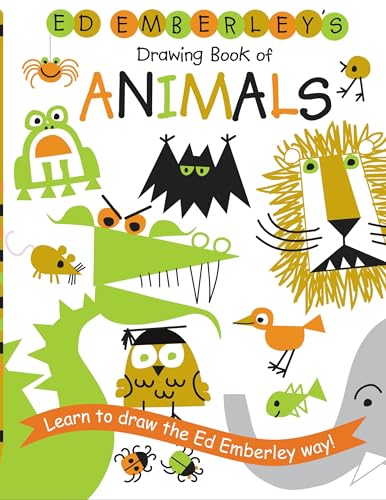
Ed Emberley's Drawing Book of Animals
Ed Emberley
4.3
Using simple shapes, Ed Emberley shows would-be artists how to draw a variety of animals, including lions, frogs, mice, birds, dragons, and more! This classic book is packed with cool things that kids-and not a few adults-really want to draw. Easy and fun, the book provides hours of art-full entertainment.
Cover unavailable
25
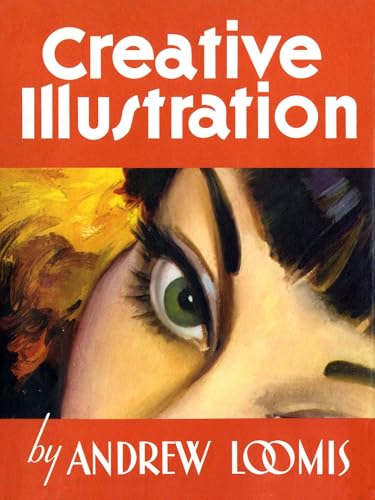
Creative Illustration
Andrew Loomis
4.3
During his career as one of America's most sought-after illustrators, Andrew Loomis (1889-1959) taught at the American Academy of Art in Chicago, and in 1939 he codified his lessons in his first manual, Fun with a Pencil. Four years later it had already been through six printings, and he followed up over the next two decades with a series of even more successful how-to books that remain the gold standard for artists to this day.
Creative Illustration is considered Loomis's magnum opus, which was aimed primarily at the professional-level illustrator. Divided into seven sections: Line, Tone, Color, Telling the Story, Creating Ideas, Fields of Illustration, and Experimenting and Studies, this book is filled with instructions, tips, insider experiences, and incredible illustrations.
…
Cover unavailable
26
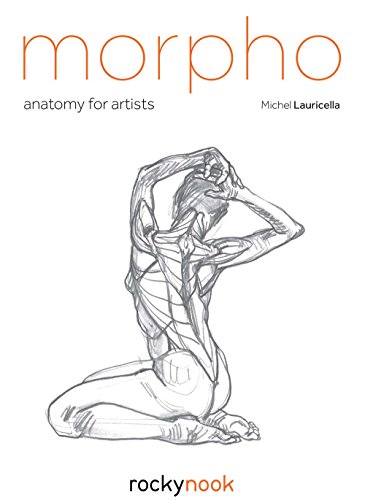
Morpho
Michel Lauricella
4.3
Cover unavailable
27
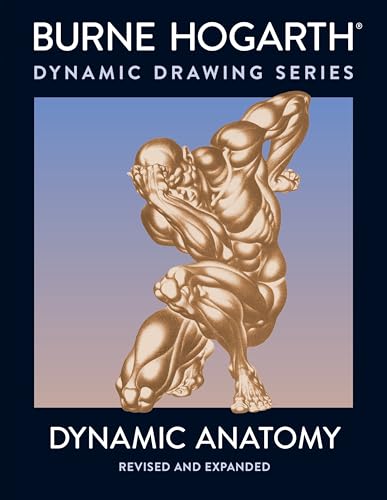
Dynamic Anatomy
Burne Hogarth
4.2
Praised by critics and teachers alike for more than 40 years, Burne Hogarth's Dynamic Anatomy is recognized worldwide as the classic, indispensable text on artistic anatomy. Now revised, expanded, and completely redesigned with 75 never-before-published drawings from the Hogarth archives and 24 pages of new material, this award-winning reference explores the expressive structure of the human form from the artist's point of view.
The 400 remarkable illustrations explain the anatomical details of male and female figures in motion and at rest, always stressing the human form in space. Meticulous diagrams and fascinating action studies examine the rhythmic relationship of muscles and their effect upon surface forms. The captivating text is further enhanced by the magnificent figure drawings of such masters as Michelangelo, Rembrandt, Rodin, Picasso, and other great artists.
Dynamic Anatomy presents a comprehensive, detailed study of the human figure as artistic anatomy. This time-honored book goes far beyond the factual elements of anatomy, providing generations of new artists with the tools they need to make the human figure come alive on paper.
…
Cover unavailable
28
Anatomy for the Artist
Sarah Simblet, John Davis
4.2
Unlock your inner artist and learn how to draw the human body in this beautifully illustrated art book by celebrated artist and teacher Sarah Simblet.
This visually striking guide takes a fresh approach to drawing the human body. A combination of innovative photography and drawings, practical life-drawing lessons, and in-depth explorations of the body's surface and underlying structure are used to reveal and celebrate the human form.
Combining specially-commissioned photographs of models with historical and contemporary works of art and her own dynamic life drawing, Sarah leads us inside the human body to map its skeleton, muscle groups, and body systems. Detailed line drawings superimposed over photographs reveal the links between the body's appearance and its construction. Six drawing classes show how to observe different parts of the body and give expert guidance on how to draw them. Inspirational master classes on famous works, ranging from a Michelangelo study to a Degas painting, show how artists have depicted the human body over the centuries. Each master class includes a photograph of a model holding the same pose as in the painting, to highlight details of anatomy and show how the artist has interpreted them.
Understanding anatomy is the key to drawing the human body successfully. As well as being the perfect reference, Anatomy for the Artist will inspire you to find a model, reach for your pencil, and start drawing.
…
Cover unavailable
29
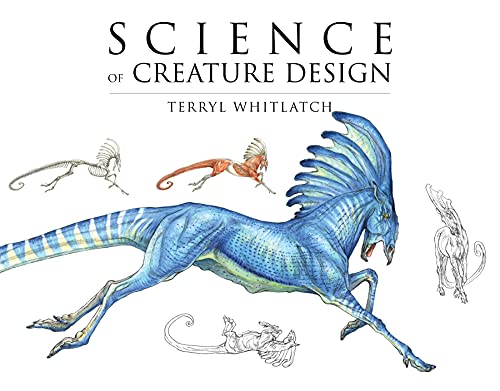
Principles of Creature Design: From the Actual to the Amazing
Terryl Whitlatch, Gilbert Banducci
4.2
A follow up to her bestselling book, Animals Real and Imagined, Terryl Whitlatch will share the science and principles behind her captivating creature designs. Taking lessons from her online courses offered on www.talesofamalthea.com, she will lead the readers on a visual instructional journey to creating amazing creatures from one’s imagination. This title will feature 25 new images from Star Wars creature designs for Lucasfilms.
…
Cover unavailable
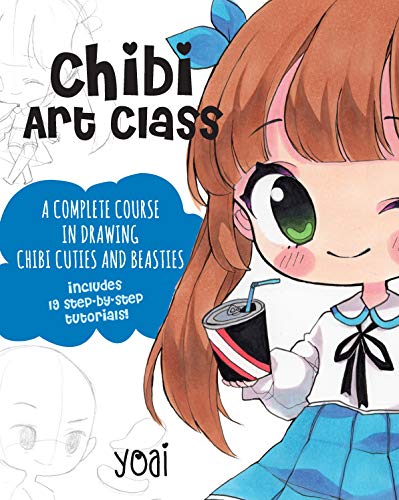
30
Chibi Art Class: A Complete Course in Drawing Chibi Cuties and Beasties - Includes 19 step-by-step tutorials!
Yoai
4.2
In Chibi Art Class, renowned anime artist Yoaihime teaches you the art of chibi, step by adorable step.
Anime artist Yoai has captivated a huge audience with her adorable chibi drawings, and now she's ready to share her secrets with you! Chibi is Japanese slang for "short," and that's an appropriate description for these tiny doll-like creatures.
In this book, you'll find tutorials on recreating their signature features and props, including dreamy eyes, mini-skirts, vibrant hair, colorful bows, and boba cups! You'll also practice drawing, coloring, and shading fully-formed versions of these vertically challenged, baby-faced characters and their kawaii little companions.
As a bonus, several pages at the back of the book will allow you to create your own original characters and add your own color and shading to several colorless cuties.
With Yoai's expertise and step-by-step guidance, you'll learn the art and technique of cuteness in no time!
…
Cover unavailable
31
Drawing the Human Head
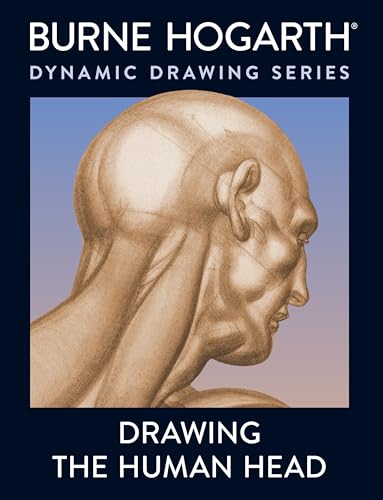
Burne Hogarth
4.2
In 300 extraordinary drawings, Hogarth shows how to draw the head from every angle, age the face from infancy to old age, and delineate every feature and wrinkle.
Cover unavailable
32
Ed Emberley's Drawing Book: Make a World
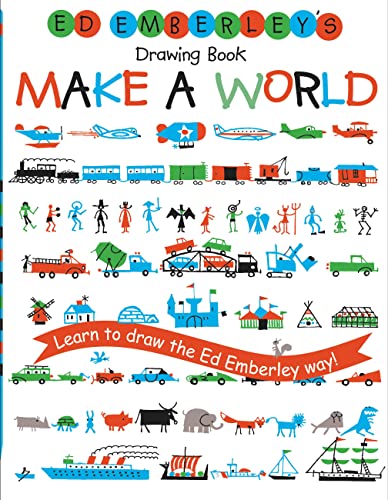
Ed Emberley
4.2
Using simple shapes, Ed Emberley shows would-be artists how to draw over 400 things, such as an airplane, anteater, submarine, train, kangaroo, gondola, and much much more! This classic book is packed with cool things that kids-and not a few adults-really want to draw. Easy and fun, the book provides hours of art-full entertainment.
I only came to Ed Emberley’s Ed Emberley’s Drawing Book: Make A World last year, but it’s quickly become the #1 book I recommend to people I meet who say, “I can’t draw.” In it, Ed Emberley shows you how to “make a world” with just a few simple shapes, step-by-step. I love the emphasis on simplicity: if you can draw a triangle, a square, a circle, and a line, you’re good to go. [source]
Cover unavailable
33
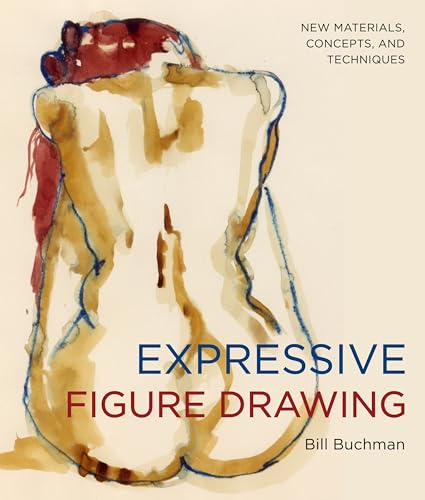
Expressive Figure Drawing: New Materials, Concepts, and Techniques
Bill Buchman
4.2
Throughout the history of art, figure drawing has been regarded as the very foundation of an artist's education and the center of the art-making process. Bill Buchman's Expressive Figure Drawing presents the classic fundamentals of this genre, but with a distinctly contemporary twist--celebrating freedom, expressiveness, and creativity. This unique method incorporates more than 30 essential exercises, empowering you to draw the figure dramatically and with confidence, no matter your current level of skill. Filled with step-by-step demonstrations, inspiring images, and insightful text revealing a wide range of techniques and concepts, this book presents new ways to think about the figure and use your materials to free the artist within.
…
Cover unavailable
34
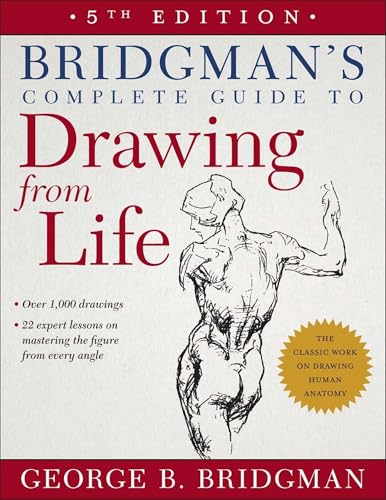
Bridgman's Complete Guide to Drawing From Life: Over 1,000 Illustrations
George B. Bridgman
4.2
“An indispensable volume...published for the first time in paperback....More than 200 illustrations of hands and hundreds of images of arms, shoulders, heads, torsos, legs, knees, and feet.” —Library Journal. “It will...meet a deeply felt need to draw the human figure from a vantage point of understanding and visual acuity.”—Arts & Activities.
Cover unavailable
35
Successful Drawing
Andrew Loomis
4.2
The illustrator Andrew Loomis is revered amongst artists for his mastery of drawing technique and his clean, realist style. His hugely influential series of art instruction books have never been bettered and Successful Drawing, the third in Titan's programme of facsimile editions, returns this classic title to print for the first time in decades.
For over 60 years Successful Drawing has provided a superb resource covering all the techniques needed to master three-dimensional drawing. From the fundamentals of proportion, placement, perspective, planes and pattern, through a detailed examination of scale and the effects and capture of light, to the mastery of conception, construction, contour, character and consistency, Successful Drawing is filled with step-by-step instruction, professional tips and beautiful illustration.
Engaging, witty, and wonderfully executed, this is a masterclass for amateur artists and professional illustrators alike.
…
Cover unavailable
36
Sketch book for kids: Blank Paper for Drawing - 110 Pages ( 8.5"x11" )Blank Paper for Drawing, Doodling or Sketching (Sketchbooks For Kids)
Amy Sunday
4.2
Cover unavailable
37
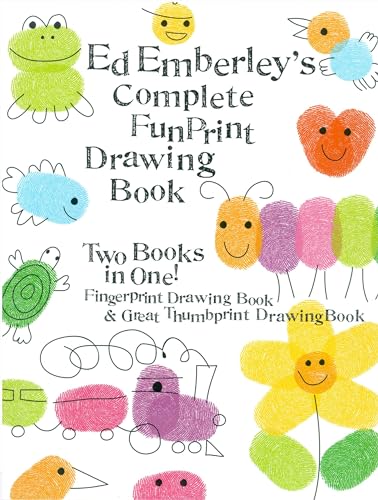
Ed Emberley's Complete Funprint Drawing Book
Ed Emberley
4.2
Using just fingerprints and a few letters, Ed Emberley shows would-be artists how to create owls, pigs, fish, and basketball players! This colorful step-by-step book is easy and crafty, and provides hours of art-full fun.
Cover unavailable
38
Imaginative Realism: How to Paint What Doesn't Exist
James Gurney
4.2
From the award-winning artist, learn to see and shape the world in a way you never before imagined.
An award-winning fantasy artist and the creator of Dinotopia, James Gurney instructs and inspires in Imaginative Realism: How to Paint What Doesn't Exist. Renowned for his uncanny ability to incorporate amazing detail and imagination into stunningly realistic fantasy settings, James Gurney teaches budding artists and fans of fantasy art step-by-step the techniques that won him worldwide critical acclaim. This groundbreaking work examines the practical methods for creating believable pictures of imaginary subjects, such as dinosaurs, ancient Romans, alien creatures, and distant worlds.
Beginning with a survey of imaginative paintings from the Renaissance to the golden Age of American illustration, the book then goes on to explain not just techniques like sketching and composition, but also the fundamentals of believable world building including archaeology, architecture, anatomy for creatures and aliens, and fantastic engineering. It concludes with details and valuable advice on careers in fantasy illustration, including video game and film concept art and toy design.
More than an instruction book, this is the ultimate reference for fans of science fiction and fantasy illustration.
"Gurney's Imaginative Realism is a gold mine for artists who want to create images that sing with authority and delight the viewer with rich otherworldly visuals." --Erik Tiemens, concept artist, Star Wars: Episodes II and III
"Imaginative Realism is an indispensable, flawless reference for vision makers in any discipline to create their own imaginative realms." --Frank M. Costantino, ASAI, SI, FSAI, JARA, cofounder, American Society of Architectural Illustrators
…
Cover unavailable
39
The Sketchbook of Loish: Art in Progress
Lois van Baarle
4.2
The Sketchbook of Loish offers readers a unique look into Loish’s creative processes and idea generation, providing an insight into the role her sketches play in her extremely popular work. Peek inside Loish’s sketchbook and discover how she explores gesture, stylization, and sketching for animation. Learn the different techniques she uses when sketching with traditional and digital tools, and follow the book’s two detailed tutorials on character construction and sketching digitally to improve your own processes. The book also features handy quick tips for capturing movement, using different line weights, shading, and using textured brushes. Including an insight into Loish’s character sketching, development sketches, landscape, and reference studies this book will show you how Loish captures the spirit of her finished artworks in her exquisite preliminary work.
In addition to showcasing a comprehensive collection of Loish’s sketches, this book features exclusive artwork, and a special chapter exploring Loish’s personal concepts to give an in-depth look at how her initial ideas evolve through sketches to culminate in her accomplished concept designs. A truly inspiring and informative book with a high-quality finish and slipcase, The Sketchbook of Loish will have you itching to get sketching!
…
Cover unavailable
40
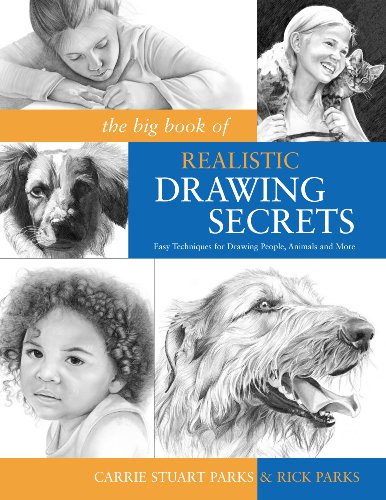
The Big Book of Realistic Drawing Secrets: Easy Techniques for Drawing People, Animals and More
Carrie Stuart Parks and Rick Parks
4.2
This is the book that can teach anyone to draw (yes, even you!)
If you're not getting the kind of true-to-life results you want in your drawings (or if you can't even draw a straight line), Carrie and Rick Parks can help. As award-winning teachers, they have a proven game plan for helping artists of all levels overcome common problems and see immediate improvement in their work. As professional composite artists, they know the tricks and tools for achieving incredibly lifelike results. In this friendly, foolproof guide to drawing, they share it all:
Easy-to-master techniques for achieving a convincing sense of depth How to draw challenging textures like metal and fur Putting personality into your portraits 40+ step-by-step demonstrations featuring a variety of people, animals and nature Easy enough so that beginners can jump right in, and comprehensive enough to help more accomplished artists refine their skills. This book covers all the essentials, teaching you the secrets of realistic drawing one step at a time, building the skills you need to tackle any subject convincingly--even those you've always thought were beyond your reach. Before you know it, you'll be turning out picturesque landscapes, stellar portraits--any subject that inspires you to put pencil to paper!
…
Cover unavailable
41
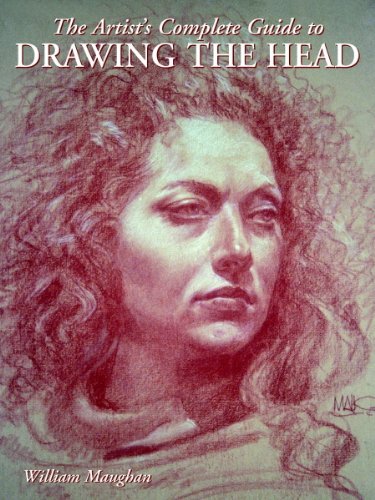
The Artist's Complete Guide to Drawing the Head
William Maughan
4.2
In this innovative guide, master art instructor William Maughan demonstrates how to create a realistic human likeness by using the classic and highly accurate modeling technique of chiaroscuro (Italian for “light and dark”) developed by Leonardo da Vinci during the High Renaissance.
Maughan first introduces readers to the basics of this centuries-old technique, showing how to analyze form, light, and shadow; use dark pencil, white pencil, and toned paper to create a full range of values; use the elements of design to enhance a likeness; and capture a sitter’s gestures and proportions. He then demonstrates, step by step, how to draw each facial feature, develop visual awareness, and render the head in color with soft pastels.
…
Cover unavailable
42
Anatomy for the Artist
Jenö Barcsay, Jeno Barcsay
4.2
It’s the classic in its field—a reference work of unparalleled importance for all professionals and students of art.
This superb art manual is the best guide available on a subject that has fascinated artists for centuries: the human body. Jenö Barcsay, a professor who taught applied anatomy at the Budapest Academy of Fine Arts, offers a detailed portrayal of the body for the fine artist in 142 full-page plates. From the entire skeleton and the joints in and out of motion to all the muscles and even facial characteristics, every body part appears in close-up and from varying perspectives. Accompanying the images are brief discussions of male and female anatomical construction, explaining precisely the articulations and movement of the foot, the arm, the trunk, the spinal column, and the skull. In many cases, two sketches appear side by side: one just lightly traced in, and marked with letters to show how proportions and perspective were figured, and another fully finished drawing. Without the indispensable information contained on these illuminating pages, painters cannot observe with understanding all the attitudes, positions, and movements of which the body is capable—and produce a truly magnificent work of art.
Features a new concealed spiral that keeps the book open as you work!
…
Cover unavailable
43
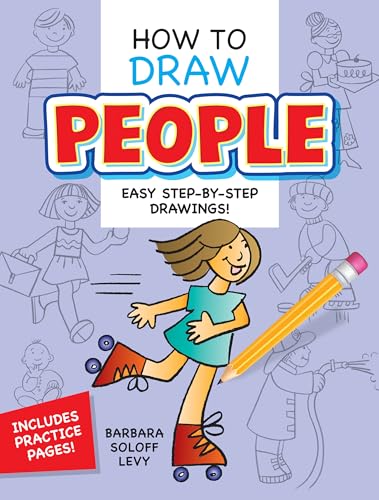
How to Draw People
Barbara Soloff Levy
4.2
Step-by-step diagrams make it easy to draw people of all shapes and sizes, engaged in a variety of activities. By joining circles, ovals, rectangles, and other shapes, beginning artists can create a boy on a swing, a fireman, drummer, mailman, cowboy, and 25 other subjects. Includes blank practice pages.
Cover unavailable
44
Anatomy Lessons From the Great Masters
Robert Beverly Hale, Terence Coyle
4.2
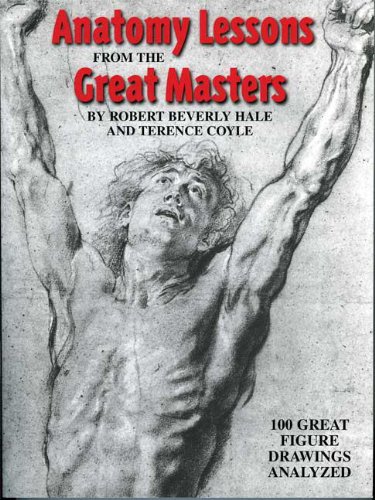
This classic book, whose foremost author was one of the great artistic anatomy teachers of the twentieth century, is an invaluable instructor and reference guide for any professional, amateur, or student artist who depicts the human form.
Revealing the drawing principles behind one hundred inspiring masterpieces, the book presents work by Leonardo, Michelangelo, Rubens, Raphael, Titian, Rembrandt, and other greats. These superb portrayers of figures knew that the secret of drawing them was seeing how underlying bone and muscle structures mold the body’s surface forms. Readers are shown how to learn from these great examples as the authors guide them through all the steps they would take in a life class or studio working with live models.
…
Cover unavailable
45
Drawing Lessons from the Great Masters: 100 Great Drawings Analyzed, Figure Drawing Fundamentals Defined
Robert Beverly Hale, Jacob Collins
4.2
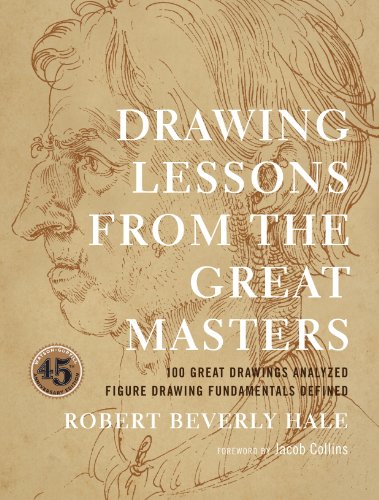
A book whose sales have not diminished but rather increased dramatically since its publication 45 years ago, this bestselling classic is the ultimate manual of drawing taught by the late Robert Beverly Hale, who’s famed lectures and classes at New York City’s Art Student League captivated artists and art educators from around the world.
Faithfully producing and methodically analyzing 100 master drawings—including works of Michelangelo, Leonardo da Vinci, Rodin, Goya, and Rembrandt among others—Hale shows how these artists tackled basic problems such as line, light and planes, mass, position and thrust, and anatomy. With detailed analytical captions and diagrams, every lesson is clearly delineated and illustrated. Throughout, also, is commentary that sheds light on the creative process of drawing and offers deep insight into the unsurpassed achievements of the masters.
…
Cover unavailable
46
Henry Yan's Figure Drawing (Techniques and Tips)
Henry Yan
4.2
Cover unavailable
47
Learn to Draw Cartoons: The World's Easiest Cartooning Book Ever!
Christopher Hart
4.2
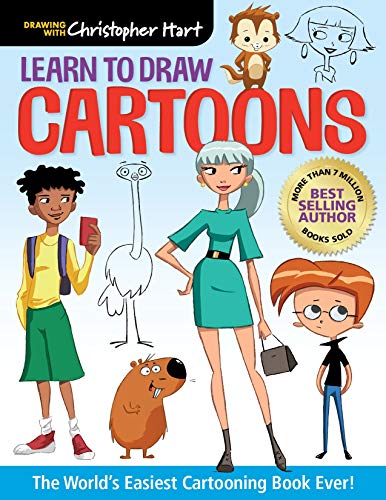
With bestselling author Christopher Hart as your guide, learning to draw cartoons has never been easier!
Thanks to Christopher Hart’s simplified process, anyone can start creating dynamic cartoon characters right away. He has developed the easiest-ever approach to drawing the basics like heads, bodies, and those super-important cartoon expressions. Hart then helps beginners apply these fundamentals to a variety of fun types and settings such as animals, under-the-sea locales, famous stock characters, and popular backgrounds. Each lesson is laid out in accessible steps and accompanied by Chris’s personable, quick instruction.
…
Cover unavailable
48
Perspective Made Easy
Ernest R. Norling
4.2
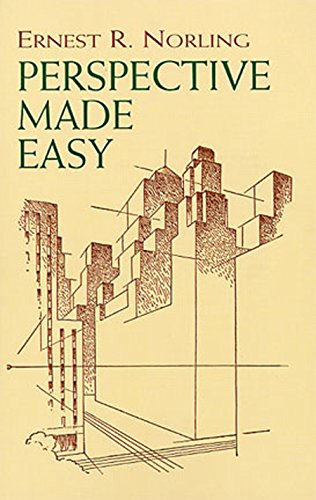
Perspective, the author tells us, is easy; yet surprisingly few artists are aware of the simple rules that make it so. This easy-to-follow book — the first devoted entirely to clarifying the laws of perspective — remedies the situation. In it, the author uses over 250 simple line drawings to illustrate the concepts involved. Beginning with clear, concise, immediately applicable discussions of the horizon, vanishing point, and the crucial relationship of eye level to perspective drawing, you'll learn how to place figures and objects in a drawing, depict interiors, create shade and shadows, and achieve all the other elements necessary for a successful perspective drawing. By repeatedly stressing important points, Mr. Norling teaches you to make them second-nature. Moreover, his approach is so simple and direct that no matter how little raw talent or experience you have, you will soon be able to apply these techniques almost instinctively. Mastery of perspective is a basic skill every artist must have. This simple, nontechnical guide will enable you to master its essentials in a relatively short time. Clear and concise, this book is an essential addition to any artist's bookshelf.
…
Cover unavailable
49
The Joy of Botanical Drawing: A Step-By-Step Guide to Drawing and Painting Flowers, Leaves, Fruit, and More
Wendy Hollender
4.2
A gorgeous, easy-to-follow, and inspiring guide to stunningly realistic botanical drawing that covers everything you need to draw our natural world.
Achieve amazingly realistic and vibrant botanical illustrations, from flowers so dazzling you feel as if you might be able to smell them, to tomatoes that look as if they've just been picked from the garden. Wendy Hollender is known for her vivid, detailed, and inspiring illustrations and in The Joy of Botanical Drawing, she helps you take your art to the next level by sharing her perfected techniques through short lessons that start simple, then build on the basics with easy-to-use and clear step-by-step illustrations. Using colored pencils and watercolor pencils, Hollender shows you how to accomplish scientifically accurate botanical portraits of a spiraling pine cone, a spiky chestnut, a fuchsia-tined radish, a graceful morning glory, and many more.
From colorful leaves to delicate petals to textured bark and slender stems, The Joy of Botanical Drawing will give you the skills to complete lifelike drawings while also enjoying nature and the mindfulness of a regular drawing practice.
…
Cover unavailable
50
Albinus on Anatomy
Robert Beverly Hale, Terence Coyle
4.2
This beautiful, enthralling book represents the rarest of human achievements: a work of great scientific merit that is a magnificent work of art as well. Bernard Siegfried Albinus was the greatest descriptive anatomist of the eighteenth century. Over a period of twenty years, he produced two volumes of drawings, Tables of the Skeleton and Muscles of the Human Body and Tables of the Human Bones, that have long been revered for their beauty, skill, artistry, and anatomical accuracy. This finely made edition makes them available to the general public at an easily affordable price for the first time since their publication in 1747. All 80 of the original copperplate engravings, containing over 230 individual illustrations, have been painstakingly reproduced for this edition. The muscles and bones of the human body are rendered individually and in related groups from varying perspectives, enabling art students to compare the forms; to analyze their size, shape, direction, and attachments; and to observe with absolute clarity the shape and position of bodily forms. Eighty modern diagrams matching each plate identify each bone and muscle in the most common medical terms. The eminent medical historian Charles Singer praised Albinus' brilliant accomplishment: "He introduced a new standard of accuracy into practical anatomy and of accuracy and beauty into anatomical illustrations." Singer adds: "These illustrations, with their finely wrought ornamental backgrounds, were intended for artists as well as for physicians, and no finer work of their type has ever been executed." Introductory essays by the well-known artist and art educator Terence Coyle — including a new introduction to the Dover edition — engagingly explore Albinus' life and work. Following these, Robert Beverly Hale, one of America's best-known teachers of figure drawing and anatomy, brilliantly appraises Albinus' technique and demonstrates how artists today can use his anatomical studies to draw from life, a special feature that makes this magnificent book truly indispensable for artists and art students at every level.
…
Cover unavailable
51
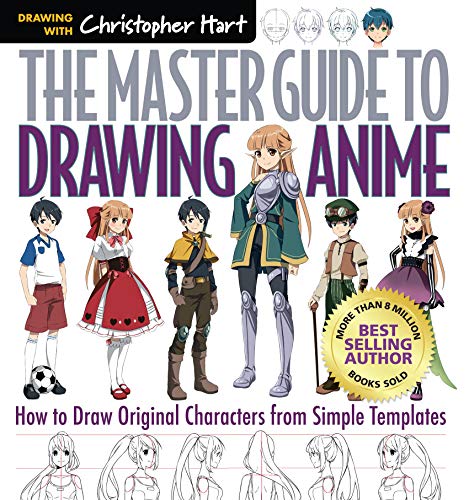
The Master Guide to Drawing Anime: How to Create and Customize Original Characters of Japanese Animation
Christopher Hart
4.2
Nothing brings anime artists more satisfaction than creating original characters to use in a comic strip or graphic novel. Bestselling how-to-draw author Christopher Hart helps them reach this goal by providing insight into the six most popular anime types: schoolgirls, schoolboys, preteens, vengeful bad guys, humorous personalities, and fantasy figures. He supplies templates for each; an extensive array of “menus” of head and body types, outfits, and accessories; and detailed, accessible, step-by-step demonstrations and drawing exercises. Plus, Hart showcases some of the best anime artists in the world for this title—including Inma R., Tabby Kink, Ayame Shiroi, Euro Pinku, and Tina Francisco. It's the guide every would-be anime artist has been looking for!
…
Cover unavailable
52
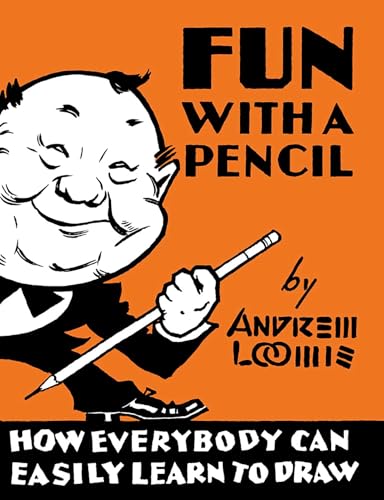
Fun with a Pencil
Andrew Loomis
4.2
Andrew Loomis (1892-1959) is revered amongst artists - including comics superstar Alex Ross - for his mastery of drawing. His first book, Fun With a Pencil, published in 1939 is a wonderfully crafted and engaging introduction to drawing, cartooning, and capturing the essence of a subject all while having fun. With delightful step-by-step instruction from Professor Blook, Loomis's charming alter ego on the page.
…
Cover unavailable
53
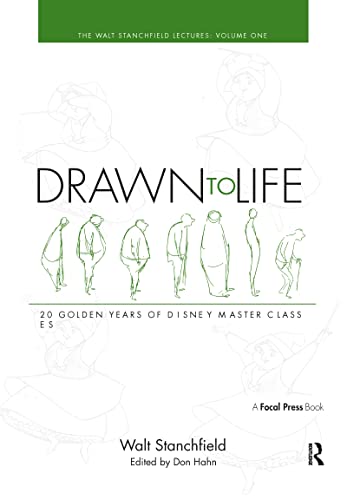
Drawn to Life: 20 Golden Years of Disney Master Classes: Volume 1: The Walt Stanchfield Lectures
Walt Stanchfield, Don Hahn
4.2
Discover the lessons that helped bring about a new golden age of Disney animation!Published for the first time ever, Drawn to Life is a two volume collection of the legendary lectures from long-time Disney animator Walt Stanchfield. For over twenty years, Walt helped breathe life into the new golden age of animation with these teachings at the Walt Disney Animation Studios and influenced such talented artists as Tim Burton, Brad Bird, Glen Keane, and John Lasseter. These writings represent the quintessential refresher for fine artists and film professionals, and it is a vital tutorial for students who are now poised to be part of another new generation in the art form.Written by Walt Stanchfield (1919-2000), who began work for the Walt Disney Studios in the 1950s. His work can be seen in films like Sleeping Beauty, The Jungle Book, 101 Dalmatians, and Peter Pan.Edited by Academy Award(R)-nominated producer Don Hahn, who has prduced such classic Disney films as Beauty and the Beast and The Lion King.
…
Cover unavailable
54
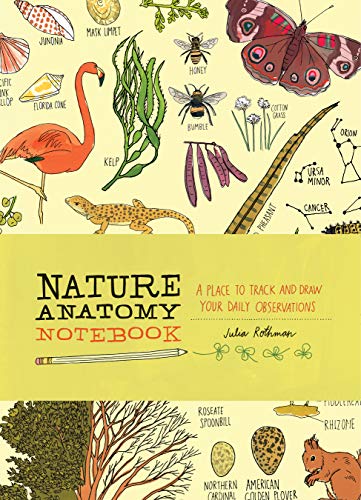
Nature Anatomy Notebook: A Place to Track and Draw Your Daily Observations
Julia Rothman
4.2
Adults and children are irresistibly drawn to Julia Rothman’s best-selling illustrated guide to the natural world, Nature Anatomy, with its colorful drawings that awaken curiosity — and invite imitation.
With this companion volume, Rothman leads fans deeper into nature observation with her specially designed record pages for tracking daily nature sightings throughout the seasons. Her step-by-step technique tutorials for drawing a flower, a dragonfly, a robin, and much more, along with blank sketchbook pages, will inspire nature lovers and art enthusiasts of all ages to take up their own colored pencils or favorite pens and create their own unique Nature Anatomy Notebook. Also available in Julia Rothman's Anatomy series: Ocean Anatomy, Farm Anatomy, and Food Anatomy.
…
Cover unavailable
55
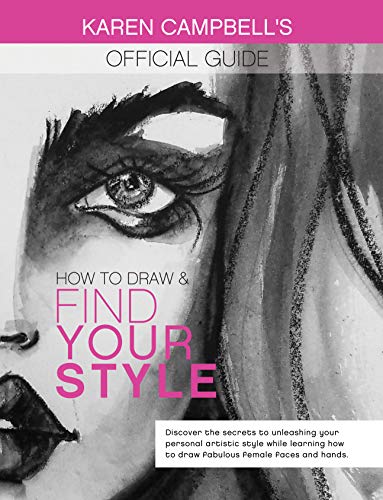
How to Draw and Find Your Style!: Discover the Secret to Unleashing Your Personal Artistic Style While Learning How to Draw Fabulous Female Faces and Hands! ... Campbell's Official Drawing Guide Book 1)
Karen Campbell
4.2
Cover unavailable
56
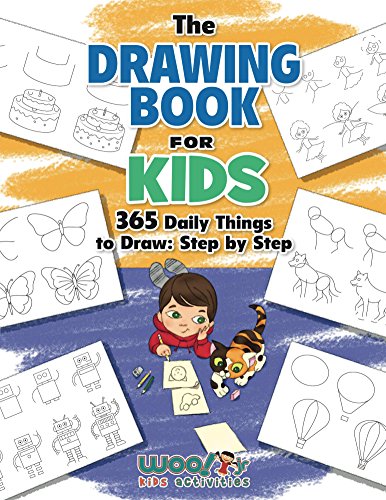
The Drawing Book for Kids: 365 Daily Things to Draw, Step by Step (Woo! Jr. Kids Activities Books)
Woo! Jr. Kids Activities
4.2
The most comprehensive how to draw book for kids! This children's drawing book gives you 365 things to draw every day for an entire year - animals, objects, food, plants, vehicles, sports, holidays and more. Every mini drawing lesson is broken down into easy to follow step by step instructions, so that all budding artists can create a masterpiece. This book is perfect for kids 9-12 +, but kids age 6-8 with a high interest in art will be able to follow our diagrams easily as well. The Drawing Book for Kids is the only book you'll need to turn your kids' creativity into artistic confidence!
…
Cover unavailable
57
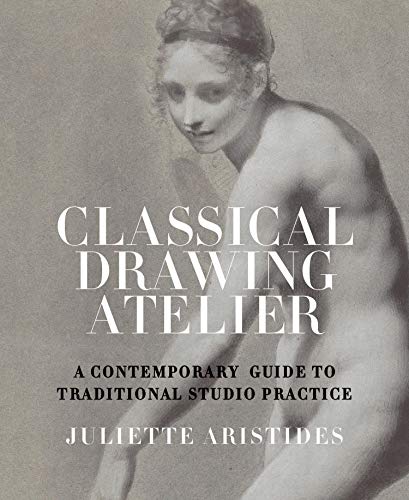
Classical Drawing Atelier: A Contemporary Guide to Traditional Studio Practice
Juliette Aristides
4.1
Ateliers have produced the greatest artists of all time—and now that educational model is experiencing a renaissance. These studios, a return to classical art training, are based on the nineteenth-century model of teaching artists by pairing them with a master artist over a period of years. Students begin by copying masterworks, then gradually progress to painting as their skills develop. Classical Drawing Atelier is an atelier in a book—and the master is Juliette Aristides, a classically trained artist. On every page, Aristides uses the works of works of Old Masters and today’s most respected realist artists to demonstrate and teach the principles of realist drawing and painting, taking students step by step through the learning curve yet allowing them to work at their own pace. Unique and inspiring, Classical Drawing Atelier is a serious art course for serious art students.
…
Cover unavailable
58
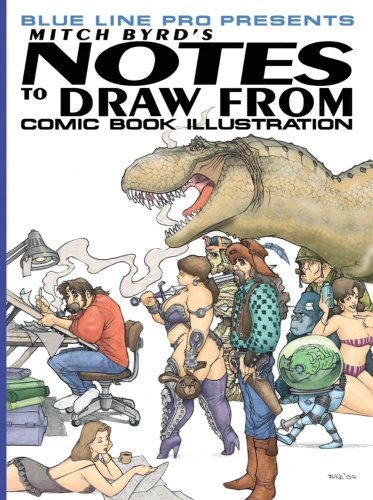
Notes to Draw from: Comic Book Illustration
Mich Byrd
4.1
Mitch Byrd's incredible charming artwork comes to life with this ultimate handbook on illustrating comic concepts. Notes to Draw From displays the processes of illustrating important ideas central to comics such as character mood, page layout, perspective, and much more. All this is achieved with the incredible charming artwork of Mitch Byrd, making for a pleasurable reading experience. Byrd's narratives of step by step visuals create an environment ideal for learning new techniques and ideas.
…
Cover unavailable
59
Anatomy: A Complete Guide for Artists
Joseph Sheppard
4.1
In this superb guidebook, a skilled practitioner of figure drawing demonstrates how to achieve mastery of anatomy through careful, knowledgeable articulation of the muscles and bones lying beneath the skin. Joseph Sheppard's concise instructions have been carefully integrated with over 250 halftone illustrations and over 180 line drawings to lead artists one step at a time through the techniques required in rendering human anatomy convincingly. The opening chapter of the book presents the special techniques involved in mastering human proportion.The chapters that follow each deal with a separate part of the body: the arm, hand, leg, foot, torso, head, and neck (with special coverage of facial features and expressions) and the complete figure. Each of these chapters follows a basic format that combines drawings of the featured body portion from many different angles, coverage of the specific bones and muscles involved, a table of muscle origins and insertions, and coverage of surface anatomy and depictions of the body part in a variety of positions.
…
Cover unavailable
60
The Natural Way to Draw
Kimon Nicolaides
4.1
Great for the beginner and the expert, this book offers readers exercises to improve their work.
Cover unavailable
61
Drawing with Sports Illustrated Kids
Anthony Wacholtz, Erwin Haya, et al.
4.1
Blast a mammoth home run, slam a monster dunk, or sprint for a touchdown. Capture the action and excitement of the sports world by drawing yourself into the scene!
Cover unavailable
62
Art Forms in Nature
Ernst Haeckel, Olaf Breidbach, Richard Hartmann, Irenaeus Eibl-Eibesfeldt
4.1
The geometric shapes and natural forms, captured with exceptional precision in Ernst Haeckel's prints, still influence artists and designers to this day. This volume highlights the research and findings of this natural scientist. Powerful modern microscopes have confirmed the accuracy of Haeckel's prints, which even in their day, became world famous. Haeckel's portfolio, first published between 1899 and 1904 in separate installments, is described in the opening essays. The plates illustrate Haeckel's fundamental monistic notion of the -unity of all living things- and the wide variety of forms are executed with utmost delicacy. Incipient microscopic organisms are juxtaposed with highly developed plants and animals. The pages, ordered according to geometric and -constructive- aspects, document the oness of the world in its most diversified forms. This collection of plates was not only well-received by scientists, but by artists and architects as well. Rene Binet, a pioneer of glass and iron constructions, Emile Galle, a renowned Art Nouveau designer, and the photographer Karl Blossfeld all make explicit reference to Haeckel in their work.
…
Cover unavailable
63
Anatomy for Sculptors, Understanding the Human Figure
Uldis Zarins with Sandis Kondrats;
4.1
226 page most easy-to-use human anatomy guide for artists, explaining the human body in a simple manner. The book contains keys to figuring out construction in a direct, easy-to-follow, and highly visual manner. Art students, 3D sculptors and illustrators alike will find this manual a practical foundation upon which to build their knowledge of anatomy - an essential background for anyone wishing to draw or sculpt easily and with confidence! In this book you will find the most the important muscles, functions and actions of the human body. Over 500 drawings illustrate the range from simple anatomy studies to more complex tutorials. More than 250 photos have been drawn over, revealing the muscles.
…
Cover unavailable
64
The Fashion Sketchpad: 420 Figure Templates for Designing Looks and Building Your Portfolio (Drawing Books, Fashion Books, Fashion Design Books, Fashion Sketchbooks)
Tamar Daniel
4.1
You can be a fashion designer and create the wardrobe of your dream with The Fashion Sketchpad.
Spend less time struggling to draw proportional figures and more time designing gorgeous looks:The Fashion Sketchpad is the ultimate fashion sketchbook for the aspiring designers who love to sketch clothes but don't have the skills (or the patience!) to draw proportional figures. This fashion design book is more than just a sketchpad. It has many additional features, including:
• 420 figure templates in 20 fashion-forward poses to inspire and motivate your creativity • Templates are printed on heavy-stock pages with perforated edges for easy removal • An extensive illustrated garment glossary showing the distinguishing details between a caftan, a sheath, a maxi and so on. • A handy recommended reading section offering professional guidance
Best of all, the templates disappear when scanned or photocopied, so you'll never need to fuss with a light box or tracing paper!
Croquis—it rhymes with "hokey." A croquis is every fashion design specialist's secret weapon, and it can be yours with The Fashion Sketchpad. Designers, both aspiring and established, sketch over croquis figures to ensure their creations are proportional on the first try. Working with croquis provides a rapid-fire way to present your ideas to fashion design colleagues, admissions committees, or potential employers in a polished, professional format.
If you're a fan of The Curated Closet or Aimee Song's Capture Your Style, you'll love The Fashion Sketchpad.
• Makes an inspiring gift for any expert or beginner fashion designer of any age • An essential tool for building a professional fashion portfolio that focuses on your striking designs
…
Cover unavailable
65
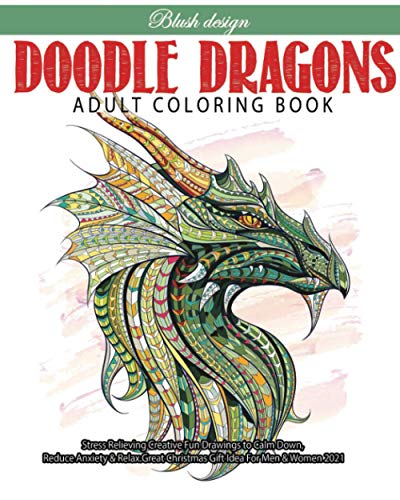
Doodle Dragons: Adult Coloring Book (Great New Christmas Gift Idea 2019 - 2020, Stress Relieving Creative Fun Drawings For Grownups & Teens to Reduce Anxiety & Relax)
Blush Design
4.1
I don't trust words, I even question actions, but I never doubt patterns.
Put good vibes and motivation back into your day with this coloring book for adults. It also includes a variety of pretty patterns to make your life more relaxed and enjoyable.
You don't need any special skills. Even if you haven't drawn anything, ever, you will enjoy coloring in this booklet.
Let your inner artist out.
Guaranteed hours of pleasure, relaxation and relief from stress.
Each drawing is on a separate page, so you can share.
This coloring book is the perfect gift for friends, family, and anyone else you love. Join us in this special journey! It will inspire you and introduce you to the hidden artist found in all of us.
…
Cover unavailable
66
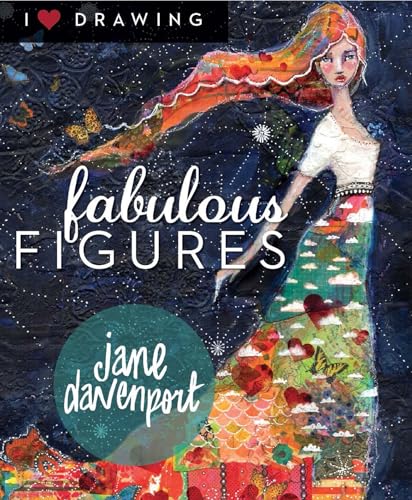
Fabulous Figures
Jane Davenport
4.1
Start with a heart shape . . . and end with a beautiful finished piece of art!You’ll love Jane Davenport’s fabulous, fun, and amazingly easy technique for drawing figures.
For aspiring artists, drawing people can be intimidating—but it doesn’t have to be. Over years working as a fashion illustrator, Jane Davenport devised her own method of creating in-proportion figures. Her clever core technique involves using equal-size hearts to build the body’s structure. And Jane’s results have been astounding: her students go from “I can’t draw a stick figure” to producing gorgeous, well-proportioned illustrations. After laying out the basics, her imaginative guide walks you through working with different mediums; drawing the head, face, clothing, hair, and features; and constructing figures inspired by fashion, fantasy, life drawing, and more.
…
Cover unavailable
67
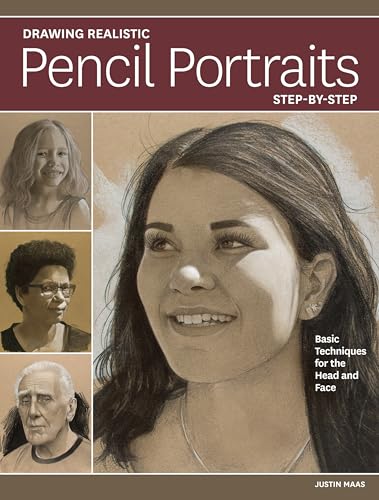
Drawing Realistic Pencil Portraits Step by Step: Basic Techniques for the Head and Face
Justin Maas
4.1
"As long as humans have been alive, we have drawn." Justin Maas
Drawing is the most essential of all visual arts. Everyone, from sculptors to painters, draws in one form or another. It is also the simplest and most affordable form of artistic expression. All you need is a pencil and paper to make something magical.
But to create a successful portrait, one must understand how to capture a person's likeness--their spirit--and portray it in graphite.
In Drawing Realistic Pencil Portraits, artist and teacher Justin Maas provides a step-by-step guide for both novice and experience portraitists looking to enhance their skillsets. His tried-and-true techniques for mastering the basics and accurately rendering proportion, placement and nuance when drawing the head and face will help you add energy and life to your drawings and create recognizable and moving portraits.
In this book:
- Lessons in drawing basics, including value, line, shadow, light and anatomy - How to work from both reference photographs and live models, plus tips for selecting your subjects - Step-by-step demos to create crucial features, such as eyes, ears, and hair - Methods for building successful portraits, including the grid method, the tracing method and the author's own Maas method - 15 detailed step-by-step portrait-drawing demos with subjects of different ages, genders and ethnicities - A gallery of additional portrait examples in both black-and-white and full color
…
Cover unavailable
68
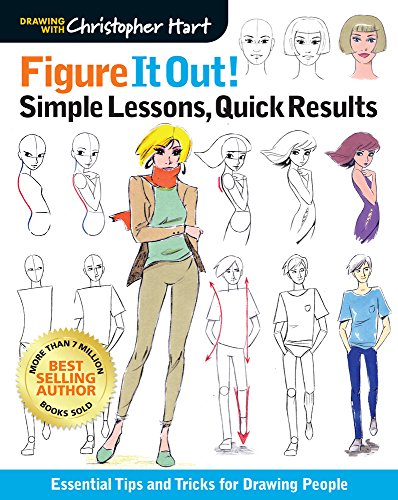
Figure It Out! Simple Lessons, Quick Results: Essential Tips and Tricks for Drawing People
Christopher Hart
4.1
The addition to bestselling author Christopher Hart’s Figure It Out! series offers essential tips and tricks that simplify the basics of drawing people.
This is the easy way to learn how to draw people! Chris Hart offers straightforward instruction designed to solve common figure-drawing problems that aspiring artists encounter. His accessible, practical techniques include focusing on the body’s natural curves, as opposed to drawing muscles, and breaking the torso down into three distinct, understandable areas. With this book, anyone can immediately grasp the basics—and create the art to prove it!
…
Cover unavailable
69
Fashion Sketchbook
Bina Abling
4.1
With new and revised illustrations and instructions, this edition of 'Fashion Sketchbook' continues to provide students with a comprehensive course on sketching the fashion figure, fabric shapes, and garment details.
Cover unavailable
70
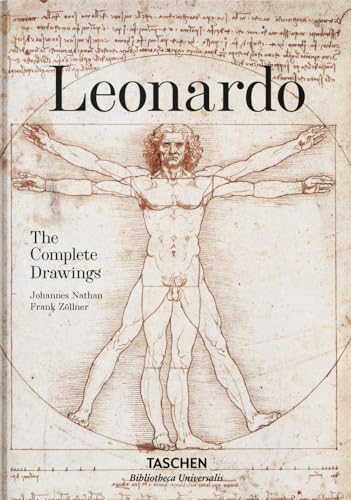
Leonardo Da Vinci. the Graphic Work
Frank Zöllner
4.1
Cover unavailable
71
Ben's Trumpet
Rachel Isadora
4.1
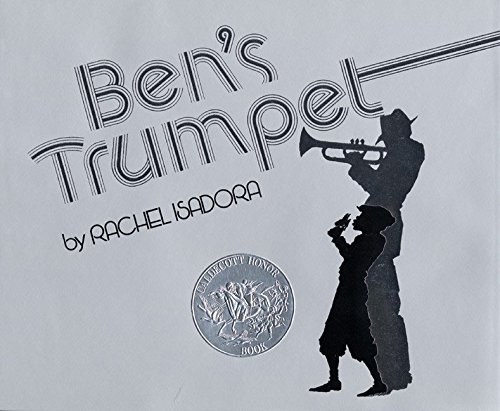
The story of Ben is fiction, but it could be the story of more than one jazz musician who grew up in the twenties. Using the art-deco style of the period, Rachel Isadora not only captures the poignancy and yearning of a youthful talent, but in page after page of striking art seems to convey the very sound of music.
Cover unavailable
72
Vilppu Drawing Manual
Glenn Vilppu
4.1
Cover unavailable
73
Pyrography Workbook: A Complete Guide to the Art of Woodburning
Sue Walters
4.1
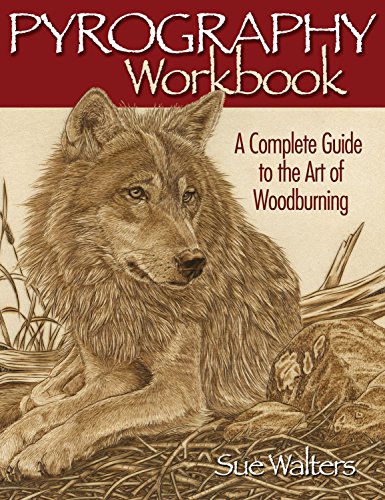
Woodworkers interested in woodburning will build their skill level through these three step-by-step projects for beginner, intermediate, and advanced burners. They will learn how to prepare wood surfaces before burning, how to transfer a design or pattern, and how to select materials for burning, coloring, and finishing a project. Methods for burning onto wood, leather, paper, bark, and antlers are detailed alongside ample pictures of pyrography on the various materials that will inspire novice woodburners. Numerous techniques are also discussed, including solar, negative, relief, engraving, torch, and hot wire. The most difficult area for burners--how to realistically create animal fur, feathers, and eyes--is addressed.
Looking to level-up your art and impress your clients and peers?
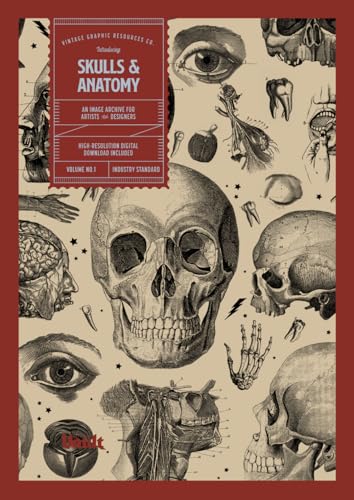
Skulls & Anatomy, Copyright Free Vintage Illustrations for Artists & Designers is a collection of 180 high quality, digitised, anatomical drawings for use in personal or commercial creative projects. This is an essential resource to take your art and design to the next level and give you a competitive advantage over your peers.
Vault Editions' team of professional designers and illustrators have spent a lifetime hunting and restoring vintage woodcuts and engravings from around the world to create amazing artwork with. Now, we are opening the vault of our archives to the public.
Within this collection, you will find rare, high-quality images carefully curated by our team of professional artists and designers who have used this imagery to create projects from gig-posters to identity design. We have carefully restored the artwork and provided a download link within the publication where you will locate high-resolution files in JPEG format as well as TIFF files with backgrounds removed to speed up your workflow.
By collaging multiple images together, you can create impressive and dynamic designs in minutes that will impress both your clients and peers, no matter what your skill level is.
We hope we can provide a useful resource for you and your creative practice. If you have any feedback about our collection, we would love to hear from you. You can contact us via info@vaulteditions.com
…
Cover unavailable
75
Morpho: Fat and Skin Folds: Anatomy for Artists
Michel Lauricella
4.1
Cover unavailable
76
Modelling and Sculpting the Human Figure
Edouard Lanteri
4.1
Is there art after modernism? Many of today's art students and professionals are finding the answer — "yes" — lies in the long-neglected field of figurative sculpture, a demanding form of expression that requires extremely rigorous technical training. Most modern schools, however, are simply not equipped to provide the necessary technical background. The republication of this highly valuable text by Edouard Lanteri, renowned teacher, sculptor, and intimate friend of Rodin (Rodin called him "my dear master, my dear friend"), makes it possible for serious students to gain the requisite skills and bridge the gap between artistic concept and figurative realization. Representing at least three thousand years of studio lore, this readily understandable, authoritative guide is a goldmine of technical information, easily comprising a four-year sculpture curriculum unavailable elsewhere. Beginning with a detailed study of modelling a head from a cast model, Lanteri gives meticulous descriptions of the anatomical features that comprise the head. Next, there are instructions for sculpting a bust from a live model: how to place the model, use the clay, take measurements, set up the all-important framework, put on hair, etc. The author also covers modelling the figure from nature, including such factors as the scale of proportions, posing the model, the chief line, contrasts of line, building up the figure, and more. Part III covers sculpting in relief (poses, fixing the background, tools, superposition of planes, color, change of light, etc.); drapery (arrangement of folds, principles of radiation, flying drapery, etc.); and medals (proportion, working the mold, inscriptions, etc.). Also discussed are principles of composition, both in relief and in the round. Profusely illustrated with hundreds of photographs, drawings, and diagrams, this work is the kind of comprehensive resource that should be a lifelong studio companion to the figure sculptor. 107 full-page photographic plates, 27 other photographs, 175 drawings and diagrams.
…
Cover unavailable
77
Figure Drawing: A Complete Guide
Giovanni Civardi
4.1
Cover unavailable
78
Figure Drawing Studio: Drawing and Painting the Nude Figure from Pose Photos
Butch Krieger, LLC Live Model Books
4.1
Welcome to your very own Figure Drawing Studio, where artist Butch Krieger guides you through the fundamentals of learning to draw and paint the human form using photographs taken of live art models posing as they would for an art class. Innovative step-by-step exercises based on these images, from the popular Art Models series, will boost your skills and prepare you to draw from life. A companion disk features more than 1,500 high-resolution full-color photos to work with.
…
Cover unavailable
79
Morpho: Joint Forms and Muscular Functions: Anatomy for Artists
Michel Lauricella
4.1
Cover unavailable
80
How to Draw People: Step-By-Step Lessons for Figures and Poses
Jeff Mellem
4.1
The Ultimate Beginner's Guide to Drawing Figures!
To draw an anatomical figure, you don't need a stack of weighty anatomy books. Just take it step by step!
In How to Draw People, author Jeff Mellem teaches beginning artists how to draw the human figure, from stick figure to anatomically accurate person, in clear, easy-to-follow lessons. More than just a reference, this book provides the step-by-step instruction to teach you to draw the human figure and the anatomical knowledge to draw it realistically.
In each chapter, called "levels," you'll learn core concepts for drawing the human figure. Each new chapter builds on the previous one to give you the skills you need to add complexity to your drawing. By the end of each chapter, you will be able to draw the figure with greater detail. By the end of Level 5, you will be able to draw an expressive figure with defined muscle groups in a variety of poses both real and imagined.
- Clear goals to progress from stick figure to anatomically correct - Exercises and assignments to practice new skills - Level-Up Checklists in each chapter to assess your skills before moving on
With clear step-by-step demonstrations and check-ins along the way, How to Draw People is the beginner's guide to drawing realistic figures.
…
Cover unavailable
81
Figure It Out! Workbook
Christopher Hart
4.1
This essential companion to the popular Figure It Out series—created by bestselling author Christopher Hart—is perfect for artists on the go!
As both an introduction to figure-drawing concepts and a refresher for more seasoned artists, The Figure It Out Workbook is an engaging resource for anyone eager to pick up a pencil and start drawing. Combining content from Hart’s three previous Figure It Out titles, this handy, travel-sized workbook offers artists step-by-step tutorials plus blank pages for practice. It begins with the basics of drawing the head and facial features, and then moves on to the body, keeping in mind proper proportions, movement, and true-to-life poses. The workbook’s top-spiral binding makes it easy to follow each lesson as you draw. A guide to drawing correct body proportions on the inside cover serves as a quick reference.
…
Cover unavailable
82
Manga Art for Beginners: How to Create Your Own Manga Drawings
Danica Davidson and Melanie Westin
4.0
Designed for how people learn—makes drawing manga easy The ideal manga drawing book for beginners—eyes, hands, feet, body shapes, and more Includes ideas for how to draw your own graphic novel
Have you spent years admiring manga drawing and wondering how to draw cool stuff, but you haven’t known how to draw it on your own? This book by Danica Davidson and illustrated by the amazing Melanie Westin will guide you to drawing your own manga. These two help you find your way and include how to draw for adult beginners in this book. They also include how to draw anime for beginners, how to draw cartoon comic strips, how to draw tigers, how to draw characters, and more, including:
Teen boy Teen girl Hands, feet, and hair Butler Maid Woman in kimono Male and female ninja Bishonen Chibi Hero and heroine Kissing and hugging
This cartoon drawing guide will be especially useful for the beginner cartoon artist. This belongs on any anime bookshelf and can help readers create a book. Learn more about the art of manga with Danica Davidson and Melanie Westin in Manga Art for Beginners: How to Create Your Own Manga Drawings.
…
Cover unavailable
83
Cours de Dessin
Charles Bargue
4.0
The Charles Bargue and Jean-L�on G�r�me drawing course was originally published by Goupil & Cie between 1866-1871 and consisted of 187 individual lithographs meant for copying by students at atelier art schools. Many famous artists copied from these plates as part of their art studies including Picasso, Van Gogh, and John Singer Sargent. This books contains 130 illustrations from parts I and III of the drawing course.
…
Cover unavailable
84
How To Draw Animals For Kids: A Fun and Simple Step-by-Step Drawing and Activity Book for Kids to Learn to Draw
Modern Kid Press
4.0
Cover unavailable
85
Drawing Basics and Video Game Art: Classic to Cutting-Edge Art Techniques for Winning Video Game Design
Chris Solarski
4.0
"This book supports my own 30-year crusade to demonstrate that games are an art form that undeniably rivals traditional arts. It gives detailed explanations of game art techniques and their importance, while also highlighting their dependence on artistic aspects of game design and programming.”
— John Romero, co-founder of id Software and CEO of Loot Drop, Inc.
"Solarski’s methodology here is to show us the artistic techniques that every artist should know, and then he transposes them to the realm of video games to show how they should be used to create a far more artful gaming experience ... if I were an artist planning to do video game work, I’d have a copy of this on my shelf."
— Marc Mason, Comics Waiting Room
Video games are not a revolution in art history, but an evolution. Whether the medium is paper or canvas—or a computer screen—the artist’s challenge is to make something without depth seem like a window into a living, breathing world. Video game art is no different.
Drawing Basics and Video Game Art is first to examine the connections between classical art and video games, enabling developers to create more expressive and varied emotional experiences in games. Artist game designer Chris Solarski gives readers a comprehensive introduction to basic and advanced drawing and design skills—light, value, color, anatomy, concept development—as well as detailed instruction for using these methods to design complex characters, worlds, and gameplay experiences. Artwork by the likes of Michelangelo, Titian, and Rubens are studied alongside AAA games like BioShock,Journey, the Mario series, and Portal2, to demonstrate perpetual theories of depth, composition, movement, artistic anatomy, and expression.
Although Drawing Basics and Video Game Art is primarily a practical reference for artists and designers working in the video games industry, it’s equally accessible for those interested to learn about gaming’s future, and potential as an artistic medium.
Also available as an eBook
…
Cover unavailable
86
Boston's Apollo: John Singer Sargent and Thomas McKeller
Nathaniel Silver
4.0
Cover unavailable
87
Secrets to Drawing Realistic Faces
Carrie Stuart Parks
4.0
Draw amazingly accurate portraits starting today!
Even if you're an absolute beginner, you can render strikingly realistic faces and self-portraits! Instructor and FBI-trained artist Carrie Stuart Parks makes it simple with foolproof step-by-step instructions that are fun and easy to follow. You'll quickly begin to:
- Master proportions and map facial features accurately - Study shapes within a composition and draw them realistically - Use value, light and shading to add life and depth to any portrait - Render tricky details, including eyes, noses, mouths and hair
Proven, hands-on exercises and before-and-after examples from Parks' students ensure instant success! It's all the guidance and inspiration you need to draw realistic faces with precision, confidence and style!
…
Cover unavailable
88
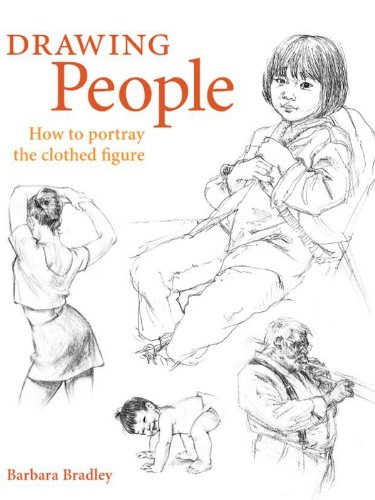
Drawing People: How to Portray the Clothed Figure
Barbara Bradley
4.0
Draw Natural and Believable Clothed Figures
In Drawing People, award-winning illustrator and instructor Barbara Bradley provides all the information you need to render clothed human figures with energy, detail and control.
Bradley begins by teaching the basics of any drawing, including proportion, perspective and value. Next, you'll learn how to overcome the special challenges posed by clothing, including fabric folds and draping effects. Bradley illustrates how they're constructed and how to draw them in different situations--on male and female figures that are active or at rest.
These reliable, proven drawing techniques will add a natural feel to your art, resulting in figures that look as if they could walk, run or dance right off the page.
…
Cover unavailable
89
Pop Manga: How to Draw the Coolest, Cutest Characters, Animals, Mascots, and More
Camilla d'Errico, Stephen W. Martin
4.0
Renowned manga artist and comics creator Camilla D'Errico's beginner's guide to drawing her signature Japanese-style characters.
From comics to video games to contemporary fine art, the beautiful, wide-eyed-girl look of shoujo manga has infiltrated pop culture, and no artist's work today better exemplifies this trend than Camilla D'Errico's. In her first instructional guide, D'Errico reveals techniques for creating her emotive yet playful manga characters, with lessons on drawing basic body construction, capturing action, and creating animals, chibis, and mascots.
Plus, she gives readers a behind-the-scenes look at her character design process, pointers on creating their own comics, and prompts for finishing her drawings. Pop Manga is both a celebration of creativity and an indispensible guide that is sure to appeal to manga diehards and aspiring artists alike.
…
Cover unavailable
90
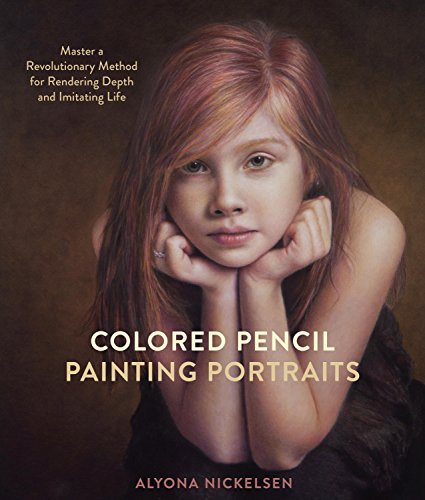
Colored Pencil Painting Portraits: Master a Revolutionary Method for Rendering Depth and Imitating Life
Alyona Nickelsen
4.0
Colored pencil painter Alyona Nickelsen reveals how to use the medium to push the limits of realistic portraiture.
Colored Pencil Painting Portraits provides straightforward solutions to the problems that artists face in creating lifelike images, and will prime readers on the intricacies of color, texture, shadow, and light as they interplay with the human form. In this truly comprehensive guide packed with step-by-step demonstrations, Nickelsen considers working from photo references versus live models; provides guidance on posing and lighting, as well as planning and composing a work; discusses tools, materials, and revolutionary layering techniques; and offers lessons on capturing gesture and expression and on rendering facial and body features of people of all age groups and skin tones.
…
Cover unavailable
91
The Age of Feminine Drawing
All Rights Reserved
4.0
The ascendance of feminine illustration in the arts & design is a development that has had an enormous effect on today's visual landscape, not only influencing but often driving contemporary aesthetic practices and trends in all disciplines. Highlighting the prevalence and importance of the female hand in our modern culture, The Age of Feminine Drawing showcases works from some of the most talented male & female artists in the world whose work underscores this influence and is certain to leave a lasting imprint on their respective fields. Participating artists include Ai Yamaguchi, Ed Tsuwaki, Hal Ikeda, Alexandra Compain-Tissier, Annabelle Verhoye, Bella Pallar, Container, Nathalie Lete, Rebecca Wetzler, Sarah Mower, Tina Berning, Jeffrey A. Fulvimar, Stina Persson, Johan van Seijen, Pierre-Louis Mascia, Stephane Manel, Hiroshi Tanabe, Jumpei Kawamura, Ryuji Otani, Mari Kubota, Masaki Ryo, Masayuki Ogisu, Miyuki Ohashi, Naho Ogawa, QueenTermite, Kunie Kanbara, Shinjuko, Yuko Sugimoto, Naita Yamada, OHGUSHI, Saeko Takagi, Maki Kahori, Shinko Okuhara, Keiko Itakura.
…
Cover unavailable
92
Draw People in 15 Minutes
Jake Spicer
4.0
Yes, you can draw! And Draw People in 15 Minutes will show you how. By the time you finish this book you'll have all the skills and the confidence you need to sketch people on the move or on the couch.
Professional art instructor Jake Spicer takes you through every aspect of drawing from life, from sketching bodies in a busy public space to drawing a model from real life or a photograph. Carefully crafted exercises break down the drawing process into easily digestible parts, while step-by-step tutorials demonstrate how you can create a full-length portrait in just 15 minutes. With advice on everything from materials to use to how to get a person's proportions right, including how to draw hands, feet, and fabric, this is the complete course for anyone who's ever wanted to draw people.
…
Cover unavailable
93
Life Drawing: How to Portray the Figure with Accuracy and Expression
Robert Barrett
4.0
Master the art of drawing the figure
Drawing from life has been an important source of expression and satisfaction for artists through the ages. Robert Barrett, master fine artist, instructor and university professor, re-creates his studio class on the pages of this book. Inside, you'll find a complete introduction to life drawing. You'll learn not only how to accurately portray the figure, but also how to bring life and personality to your drawing subjects.
Detailed lessons, including step-by-step demonstrations, cover the fundamentals of drawing and design. You'll learn:
how to capture your subject's character the basics of figure anatomy, proportion and design how to use light and shadow to create form how to draw drapery and backgrounds Barrett shows you how to achieve superb figure drawings - clothed and unclothed, male and female - filled with beauty and depth of expression. Find out what artists have always known - magnificent art comes from the life all around you!
…
Cover unavailable
94
An Atlas of Animal Anatomy for Artists
W. Ellenberger, H. Baum, H. Dittrich, Lewis S. Brown
4.0
"Highly recommended as one of the very few books on the subject worthy of being used an an authoritative guide." — Design "Illustrators, sculptors, and taxidermists who draw or model animals will welcome this new revised edition." — Natural History
Here are 288 remarkably lifelike drawings of animals, furnishing artists and students with an easy-to-follow method of instruction in the drawing of horses, dogs, lions, cows and bulls, stags, and goats. So detailed and so accurate are these drawings that this book has long been a classic work of its kind. The animals are shown in three ways: external full views and dozens of details (paws, head, eyes, legs, etc.); beneath-the-skin drawings of musculature and of the positions and insertions of each muscle; and skeleton drawings of the bone structures that support and determine surface contours and configurations. In addition, special cross-sections dissect those portions of the animal — such as the head and limbs — that are most important to the artist. For this edition, Lewis S. Born of the American Museum of Natural History collected 25 plates from George Stubbs's Anatomy of the Horse, long unavailable; Straus-Durckheim's Anatomie Descriptive et Comparative du Chat; and Cuvier and Laurrillard's Anatomie Comparée. These plates, as fully annotated as the plates that make up the original book, supplement Ellenberger, Baum and Dittrich with anatomical drawings of the monkey, the bat, the flying squirrel, the rat kangaroo, the seal, and the hare. Mr. Lewis also provided a new preface and added to the annotated bibliography, which now contains 66 items.
…
Cover unavailable
95
Peggy Dean's Guide to Nature Drawing and Watercolor: Learn to Sketch, Ink, and Paint Flowers, Plants, Trees, and Animals
Peggy Dean
4.0
This fun and easy-to-use nature drawing and watercolor guide is perfect for anyone inspired by nature to draw, doodle, ink, and paint colorful flora and fauna.
Artist, author, and popular art instructor Peggy Dean presents this nature drawing guide that teaches you how to master drawing and watercolor techniques from sketching and shading to washes and blending. With Peggy's easy and energetic lessons, absolutely anyone--regardless of ability--can learn to draw the natural world. Beginning with delicate cherry blossoms, wildflowers, and lacy ferns, lessons build to composing stunning bouquets of flowers and majestic landscapes. You'll also discover how to draw animals such as colorful fish and birds in flight, as well as mammals like stoic camels and the mighty polar bear. Through the lessons on technique combined with clear, detailed instructions, you'll gain the expertise and confidence that will allow you to quickly build your skills, discover your own personal style, and achieve beautiful botanical and animal illustrations.
…
Cover unavailable
96
Berger on Drawing
John Berger, Jim Savage
4.0
Berger on Drawing is a new anthology of essays in which John Berger explores that most primary and most primal of all art activities: drawing.
The 16 texts are gathered from nearly half a century of the author’s engagement with the activity of drawing, both as a writer and as a practitioner. They are published together in one volume for the first time, accompanied by newly commissioned pieces : including a major collaborative essay by John Berger and his son, the painter Yves Berger; and an exchange of letters on drawing between John Berger and the American art historian James Elkins (author of, amongst other books: What Painting Is, The Object Stares Back, Stories of Art and Pictures and Tears).
As we have come to expect from Berger, the book offers many fascinating and unexpected insights into this intriguing subject, ranging from his account of a journey deep into the Chauvet Caves to see some of the earliest drawings ever made, right up to present day encounters with the contemporary drawn image.
…
Cover unavailable
97
Realistic Portraits in Colored Pencil: Learn to draw lifelike portraits in vibrant colored pencil
Karen Hull
4.0
Named Art Book of the Year by Colored Pencil Magazine
Rendering artwork that leaves viewers contemplating whether they might actually be looking at a photograph is no easy task. Introducing Realistic Portraits in Colored Pencil—a comprehensive guidebook that shows artists the secrets and steps to drawing lifelike portraits in this dynamic medium.
This engaging resource is perfect for artists who want to improve upon their existing skills and learn how to render realistic portraits utilizing a wide range of techniques. After details about the essential tools and materials, readers will learn to employ a variety of colored-pencil techniques, such as: hatching crosshatching shading blending layering burnishing and much more! Colored-pencil artists will also discover more complex techniques relative to creating realistic portraits, including how to render various textures, from hair and skin to clothing and facial features. Also included is valuable information for collecting all of the elements for polished and professional results.
Packed with clear, easy-to-follow instructions, plenty of helpful artist tips, and beautiful artwork that's sure to inspire, Realistic Portraits in Colored Pencil is the perfect resource for any colored-pencil artist ready to take their skills to the next level. Find more techniques for drawing realistically in colored pencil in Realistic Still Life in Colored Pencil (July 2020).
…
Cover unavailable
98
The Human Figure
John H. Vanderpoel
4.0
This great classic is still unrivalled for its clear, detailed presentation of thousands of fundamental features of the human figure. Every element of the body (such as the overhang of the upper lip; the puckering at the corners of the mouth; the characteristic proportions of the head, trunk, limbs, etc.; the tension between connected portions of the body; etc.) is carefully and concisely pointed out in the text. Even more helpful are the 430 pencil and charcoal drawings that illustrate each feature so that you are, in effect, shown what to look for by a master teacher. The result is the only art instruction book which not only illustrates details of the body but directs your attention at every stage to a host of subtle points of shading, curvature, proportion, foreshortening, muscular tension, variations due to extreme age or youth, and both major and minor differences in the structure and representation of the male and female figure. Comprehensive discussions and drawings cover the eyes; nose, mouth and chin; ear; head, trunk, back and hips; neck, throat, and shoulder; shoulder and arm; hand and wrist; leg; foot; the complete figure; and other interdependent groups of structures. This is the human figure as the artist, art student, and art teacher must know it in order to avoid many deceptive errors unfortunately common in much modern portraiture, painting, and illustrative art.
…
Cover unavailable
99
Beginning Drawing Atelier: An Instructional Sketchbook
Juliette Aristides
4.0
Written by a well-known artist and best-selling art-instruction author with almost rock-star popularity in the contemporary world of representational art, Beginning Drawing Atelier, with its unique workbook/sketchbook approach, and high-quality paper, offers a comprehensive and contemporary twist on traditional Atelier art instruction practices.
Atelier education is centered on the belief that working in a studio, not sitting in the lecture hall, is the best place to learn about art. Every artist needs to learn basic drawing skills.
In this elegant and inspiring workbook, master contemporary artist and best selling author Juliette Aristides breaks down the drawing process into small, manageable lessons; presents them progressively; introduces time-tested principles and techniques in the Atelier tradition that are easily accessible; and shares the language and context necessary to understand the artistic process and create superior, well-crafted drawings. What makes this approach unique is the fact that it includes blank pages for copying and practicing within each lesson, facilitating traditional Atelier methods.
Ateliers have produced the greatest artists of all time--and now that educational model is experiencing a renaissance. These studios, in a return to classical art training, are based on the nineteenth-century model of teaching artists by pairing them with a master artist over a period of years. Students begin by copying masterworks, then gradually progress to painting as their skills develop. Beginning Drawing Atelier is like having an atelier in a book--and the master is Juliette Aristides, a classically trained artist. On every page, Aristides uses the works of Old Masters and today's most respected realist artists to demonstrate and teach the principles of realist drawing and painting, taking students step by step through the learning curve yet allowing them to work at their own pace. Unique and inspiring, the approach in this new book offers serious art courses for serious art students.
…
Cover unavailable
100
Manga for the Beginner Kawaii: How to Draw the Supercute Characters of Japanese Comics


 1
1