

Heal Your Trauma or Stay at War With Yourself | Robin Sharma
In this episode of The School of Greatness, Robin Sharma discusses how to move beyond self-sabotage and victimhood by healing emotional wounds and transforming daily habits. Sharma explains how limiting beliefs formed in childhood create internal narratives that restrict achievement, and he provides strategies for breaking these patterns through emotional awareness, deliberate language shifts, and action-oriented practices.
Sharma also covers his framework for elite performance, including his "5 AM Club" morning routine, deep work practices, and continuous learning habits. He introduces the concept of eight forms of wealth beyond money—encompassing self-mastery, health, relationships, craft, and service—and addresses the challenges of sustaining excellence over time. Throughout the conversation, Sharma emphasizes that true fulfillment comes from serving others and contributing to the world while maintaining the discipline and humility required for long-term greatness.


This is a preview of the Shortform summary of the Oct 23, 2026 episode of the The School of Greatness
Sign up for Shortform to access the whole episode summary along with additional materials like counterarguments and context.
1-Page Summary
From Victim to Hero: Transforming Through Healing and Action
Robin Sharma explores how to move from self-sabotage and victimhood toward heroic living, emphasizing that healing emotional wounds, shifting daily habits and language, and curating a supportive environment are essential to unlocking personal power.
Understanding Self-Sabotage and Limiting Stories
Sharma explains that from birth, our environment—caregivers, family, teachers, and peers—imprints limiting beliefs and emotional patterns onto us. Traumas, both large and small, create stories of unworthiness that we rehearse until our self-image becomes hypnotized into victimhood. Because daily behavior always aligns with our deepest self-beliefs, those convinced they can't succeed won't take the necessary first steps. Sharma emphasizes that external achievements never exceed the boundaries of these internal stories.
Healing Emotional Wounds to Access Power
Sharma describes the accumulation of unprocessed pain as the "field of hurt," which blocks creativity, productivity, and happiness. Healing requires emotional awareness and tools like meditation, therapy, and asking "What was activated within me?" when triggered. When people don't process their pain, they become disconnected from their hearts and turn into mind-driven "machines." True strength often flows from having endured and transmuted suffering into growth.
Taking Action and Shifting Language
Transformation starts with action—making a call, reading a book, or taking that first step—not with permission or elaborate planning. Sharma stresses that language is fundamental to this shift, as words shape our reality. Victim language filled with "can't" and excuses hypnotizes people into believing their limitations are real. To accelerate change, one must consciously replace self-sabotaging language with empowering statements that affirm identity and possibilities.
Sustaining Change Through Practice and Environment
Sharma outlines that it's easier to behave one's way into new thinking than to think one's way into new behaviors. Regular practice creates automaticity and new neural pathways. The ecosystem surrounding a person—relationships, media, physical environment—either supports transformation or sabotages it. Sharma urges removing "energy vampires" and replacing them with uplifting influences while continuing the ongoing work of emotional healing.
World-Class Habits and Elite Productivity
Robin Sharma outlines a blueprint for elite performance centered on transformative habits, deep work, and continuous learning.
Morning Routines and Early Rising
Sharma advocates for the "5 Am Club," beginning the day at 5 a.m. with exercise, supplementation, journaling, prayer, and meditation. This routine primes body and mind for productivity. Research shows it takes about 66 days to install a new habit until it becomes automatic. The early hours are sacred, ideal for undisturbed personal growth before the world's demands intrude.
Optimizing Flow and Deep Work
Sharma introduces the "Five-Hour Rule"—structuring the day for five to six hours of distraction-free, intense work. Great geniuses spent long periods alone in deep contemplation. To achieve this flow state, he recommends deliberately minimizing distractions: silencing notifications, removing devices, and establishing boundaries. After this intense period, one is free to enjoy rest, recreation, or family time.
Discipline as a Trainable Muscle
Sharma describes discipline as a muscle strengthened through repetitive practice. Each commitment builds neural pathways until routines become "superhighways" of automaticity. He reveals that billionaires face setbacks and lose investments but attain greatness through resilience and bold decisions. Embracing hardship and discomfort fosters growth far more valuable than unchallenging safety.
Continuous Learning for Excellence
Sharma distinguishes leaders from followers by their commitment to learning. He champions the "sixty-minute student" principle: at least one hour daily devoted to books, podcasts, or courses. High achievers maintain impressive libraries and habitually engage in study. Education—not entertainment—enables real leadership and prepares individuals to thrive amid disruption.
Eight Forms of Wealth Beyond Money
Robin Sharma proposes that prosperity extends far beyond financial assets, encompassing eight distinct forms including self-mastery, relationships, health, craft, connection, and service.
Self-Mastery and the Limits of Financial Wealth
Sharma insists self-mastery—knowing one's true powers, creativity, strengths, wounds, and desires—is essential wealth. Drawing on ancient wisdom like "know thyself," he calls this journey "the main aim of life." He acknowledges society equates wealth with financial success, but even ultra-rich individuals he mentors confess to frustration and stress despite their assets. Chasing wealth without self-awareness can cost one's soul, health, relationships, and purpose.
Family, Health, and Craft as Prosperity
Sharma identifies family as fundamental wealth, recounting how his partner's grandmother declared "family" as her greatest life lesson at age 90. Health is "the crown on the well person's head that only the ill person can see," with many wealthy individuals only appreciating its value once lost. Mastering one's craft—refining work and pushing talents to their edge—yields immense satisfaction and allows one to express and expand abilities.
Connection and Service as True Wealth
Sharma points to the "circle of genius"—relationships with people who understand and challenge you—as worth "all the gold in the world." Service to others is a final, often overlooked form of wealth, creating meaning and fulfillment that personal achievement alone cannot provide. Ultimately, Sharma's vision encompasses freedom, health, relationships, skills, and the opportunities these provide for serving others and making a positive difference.
Sustaining Excellence and Avoiding Decline
Robin Sharma and Lewis Howes discuss the challenge of not just reaching world-class status but sustaining it over years. The true distinction lies in the ability to remain exceptional for the long haul.
Arrogance and Loss of Beginner's Mind
The first stage of decline is arrogance. After reaching the apex, successful people often believe their own hype, craving validation and comfort rather than maintaining the humility and work ethic that propelled them to greatness. Protecting the white belt, or beginner's mindset, is essential. Sharma cites Michael Jordan, who trained at 5 a.m. the day after losing the NBA finals rather than resting. This obsessive determination to keep improving, even after victory, separates legends from one-hit wonders.
Recognizing Mediocrity Creep
Decline is rarely sudden; it's the slow erosion of standards—"mediocrity creep." Small compromises accumulate until they degrade excellence. Leaders stop checking details or seeking exceptional experiences. The drive that created excellence fades, and routines become lax. The source is abandoning the practices of success: early rising, hard training, deep study, and constant refinement.
Irrelevance and Authentic Creation
Persistent neglect leads to obsolescence—no longer part of the cultural dialogue or customer consideration. The antidote is authentic creation from inner truth and integrity rather than chasing trends. Sharma draws on van Gogh, who barely sold a painting in his lifetime but stayed true to his work. Every visionary faces ridicule before reverence. Those who shine brightest attract both adoration and criticism. Real creators persist with integrity regardless of how the world responds, sustaining excellence through unwavering discipline, humility, and commitment to something greater than ego.
Greatness Through Serving Others
Lewis Howes and Robin Sharma discuss how true greatness and fulfillment are rooted in serving others, covering the transformative power of contribution and the balance between private and public service.
Fulfillment From Contributing to Others
Sharma emphasizes that life's real rewards are internal: growth of character and the quiet contentment found in giving. He states "JPF is always more valuable than FFA"—joy, peace, and freedom outweigh fame, fortune, and applause. Serving others is inherent to human nature, and ignoring this call leads to isolation and eroded happiness. At life's end, people regret choosing comfort over contribution and mourn unfulfilled potential.
Service Begins With Small Acts
Sharma demonstrates that service need not be grand to be significant. He tells of Pau Gasol, who wisely remarked, "It takes so little to make someone happy." Simple gestures of genuine kindness can transform someone's day and ripple outward, influencing how others interact with the world. These humble acts uplift both giver and receiver.
Balancing Anonymous and Public Contribution
Howes believes that while anonymous giving is noble, public generosity—when motivated by a desire to inspire—has its place. Sharing stories of impact can encourage others to be more generous. Sharma agrees that the "root intention" is what matters most. If public giving expands generosity among others, it transcends ego and serves a higher purpose.
Service as the Ultimate Measure
In the final reckoning, service stands as the ultimate measure of a well-lived life. Sharma shares Nelson Mandela's example as a "humble servant," contrasting it with the pursuit of celebrity or wealth. What matters most is growth of character and the number of people uplifted. The paradox is that when a person commits to serving others, they foster dignity in the world while also finding multiplied success and impact for themselves.
1-Page Summary
Additional Materials
Clarifications
- Self-sabotage occurs when individuals unconsciously act in ways that hinder their own success or well-being. It often stems from deep-seated fears, low self-esteem, or internalized negative beliefs formed early in life. Common behaviors include procrastination, negative self-talk, and avoiding opportunities. These actions reinforce limiting beliefs, creating a cycle that blocks progress.
- Limiting beliefs are deeply held convictions formed early in life that restrict a person's potential by creating negative self-perceptions. Emotional patterns are habitual responses to feelings shaped by early experiences, influencing behavior and decision-making unconsciously. These imprints often arise from repeated messages or reactions from caregivers and environment, shaping how one interprets the world. Overcoming them requires conscious awareness and intentional effort to reframe and replace these internal narratives.
- The "field of hurt" metaphor describes how unhealed emotional pain accumulates like a dense, invisible landscape within a person. This buildup creates barriers that hinder emotional clarity and personal growth. It suggests that unresolved pain affects multiple areas of life simultaneously, much like a field spreads over a wide area. Healing involves consciously addressing and processing these hidden wounds to clear this internal "field."
- "Transmuting suffering into growth" means using painful experiences as catalysts for personal development. It involves consciously reflecting on hardships to gain insight, resilience, and emotional strength. This process transforms negative emotions into motivation and wisdom. Ultimately, it fosters a deeper understanding of oneself and life.
- Language influences how we interpret experiences by framing thoughts and emotions, which shapes our perception of reality. Changing language alters neural pathways, reinforcing new beliefs and behaviors over time. Positive, empowering words can break cycles of negativity and self-doubt, enabling a shift in mindset. This process helps rewire the brain to support growth and resilience.
- Habit formation involves the brain creating and strengthening neural pathways through repeated behavior, making actions more efficient and requiring less conscious effort. This process, called neuroplasticity, allows the brain to reorganize itself by forming new connections between neurons. Automaticity occurs when these pathways become so well-established that the behavior happens with little or no conscious thought. The basal ganglia, a brain region involved in routine behaviors, plays a key role in this shift from deliberate action to automatic habit.
- "Energy vampires" are people or situations that drain your emotional or mental energy, leaving you feeling exhausted or stressed. They often exhibit negative behaviors like constant complaining, criticism, or manipulation. Avoiding or limiting contact with them helps preserve your focus and positivity. Replacing them with supportive influences fosters personal growth and well-being.
- The "5 Am Club" is a concept popularized by Robin Sharma promoting waking up at 5 a.m. to maximize focus and calm before daily distractions begin. Early rising aligns with productivity because it leverages the brain's natural peak alertness in the morning and provides uninterrupted time for intentional activities. This quiet period enhances mental clarity, creativity, and discipline, setting a positive tone for the entire day. Consistent early rising also helps regulate circadian rhythms, improving overall energy and cognitive function.
- The "Five-Hour Rule" is a concept popularized by successful individuals who dedicate at least five hours per week to deliberate learning and focused work. It involves setting aside uninterrupted time to engage deeply with challenging tasks or study, enhancing skills and creativity. Practically, this means scheduling daily blocks of 1 hour or longer for distraction-free work or learning activities. This consistent practice builds expertise and fosters innovation over time.
- Discipline as a "trainable muscle" means it can be strengthened through consistent effort, like exercising a physical muscle. Each time you practice self-control, your ability to maintain discipline improves. Over time, disciplined actions become easier and more automatic. This concept is supported by neuroscience, showing repeated behaviors create stronger neural pathways.
- The "sixty-minute student" principle encourages dedicating at least one hour daily to focused learning activities like reading, listening to podcasts, or taking courses. This consistent habit builds knowledge and skills over time, fostering personal and professional growth. It contrasts with passive entertainment by prioritizing education and self-improvement. The principle is rooted in the idea that small, regular investments in learning compound into significant expertise.
- The eight forms of wealth extend beyond financial assets to include personal growth and fulfillment areas. They encompass self-mastery (understanding and managing oneself), meaningful relationships, physical and mental health, mastery of a craft or skill, deep connection with others, and purposeful service to the community. These forms represent holistic prosperity, emphasizing inner well-being and contribution over material gain. Recognizing these helps balance life priorities and fosters lasting happiness.
- Self-mastery is the process of gaining control over your thoughts, emotions, and actions to live intentionally. It involves recognizing and harnessing your unique strengths and creative abilities. It also requires acknowledging and healing emotional wounds that influence behavior. Understanding your true desires helps align your actions with your authentic self.
- The "circle of genius" refers to a close-knit group of trusted individuals who deeply understand your strengths and challenges. These relationships provide honest feedback, inspiration, and accountability. They help you grow by challenging your limits and supporting your goals. This network is essential for sustained personal and professional development.
- The "white belt" mindset comes from martial arts, symbolizing a beginner open to learning. It means staying humble, curious, and eager to improve regardless of past success. This mindset prevents arrogance and complacency that can cause decline. Maintaining it helps sustain long-term excellence by fostering continuous growth.
- "Mediocrity creep" refers to the slow, often unnoticed decline in quality or standards over time. It happens when small compromises accumulate, reducing excellence incrementally. This process erodes discipline, attention to detail, and the drive for improvement. Without conscious effort, mediocrity becomes the new norm.
- Authentic creation involves producing work that reflects one's true values, vision, and unique voice, regardless of popular opinion. Chasing trends means copying what is currently popular to gain quick approval or success, often sacrificing originality. Authentic creators prioritize integrity and long-term impact over immediate recognition. This approach fosters lasting relevance, while trend-following often leads to fleeting attention.
- The "root intention" refers to the fundamental motivation or reason behind an action. In acts of service, it distinguishes whether the act is done selflessly or for personal gain, like recognition. Genuine service arises from a desire to help others without expecting rewards. This intention shapes the true impact and authenticity of the service.
- "JPF" stands for joy, peace, and freedom, representing internal, lasting states of well-being and contentment. "FFA" stands for fame, fortune, and applause, symbolizing external, often temporary, markers of success and recognition. Robin Sharma contrasts these to highlight that true fulfillment comes from inner qualities rather than external validation. This distinction encourages prioritizing personal growth and happiness over societal approval.
Counterarguments
- The emphasis on individual responsibility for transformation may overlook the significant impact of systemic, structural, or socioeconomic barriers that cannot be addressed solely through personal development or mindset shifts.
- The idea that language alone can reshape reality may underestimate the complexity of deeply ingrained psychological issues or trauma, which often require more than positive self-talk or affirmations to heal.
- The assertion that external achievements never exceed internal beliefs may not account for cases where people succeed despite self-doubt or limiting beliefs, due to external support, luck, or opportunity.
- The focus on early rising and specific routines (e.g., the "5 AM Club") may not be universally effective or practical, as individual chronotypes, family responsibilities, or work schedules vary widely.
- The claim that it is easier to behave one's way into new thinking than to think one's way into new behaviors is debated in psychology; for some, cognitive shifts precede behavioral change.
- The notion that removing "energy vampires" from one's environment is always beneficial may ignore the complexities of relationships, such as family obligations or the need for compassion and support for those struggling.
- The portrayal of discipline as a muscle that always strengthens with use may not consider the risk of burnout or the need for rest and self-compassion.
- The idea that continuous learning distinguishes leaders from followers may undervalue practical experience, emotional intelligence, or other forms of wisdom not gained through formal study.
- The assertion that service to others is the ultimate measure of a well-lived life is a value judgment and may not resonate with all philosophical or cultural perspectives.
- The focus on self-mastery and individual growth may be seen as self-centered or neglectful of collective or community-oriented approaches to well-being.
- The suggestion that decline is primarily due to arrogance or loss of humility may oversimplify the many factors (e.g., market changes, health issues, external events) that can impact sustained excellence.
- The idea that authentic creation always leads to eventual recognition or fulfillment may not hold true for everyone, as many creators face persistent obscurity or lack of external validation.

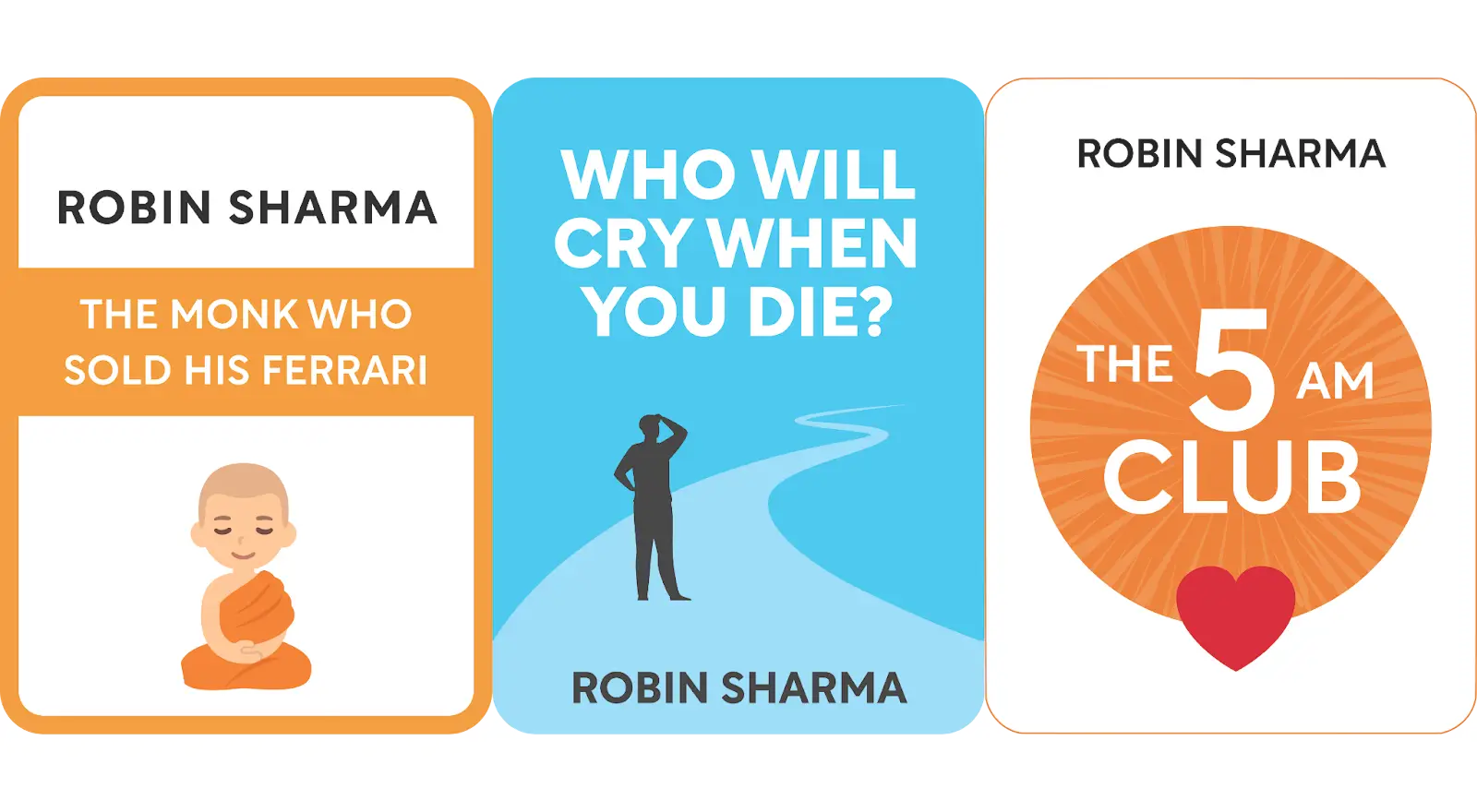

Get access to the context and additional materials
Emotional Healing & Mindset Shift: From Victim to Hero
Robin Sharma explores the journey from self-sabotage and victimhood toward heroic living, emphasizing that healing emotional wounds, shifting daily habits and language, and curating a supportive environment are key to unlocking personal power and fulfilling potential.
Understanding Self-Sabotage Through Forgotten Identity and Limiting Stories
From birth, the environment—especially early caregivers, family, teachers, and friends—imprint their beliefs, fears, and emotional patterns onto us. Sharma describes how well-intentioned caregivers transmit their scarcity and limiting beliefs, while societal and personal traumas further layer on wounds. Incidents as simple as not being invited to a party or being laughed at for sharing a dream become formative scars. Repeated rejections and ridicule create stories of unworthiness and undeservability, leading people to internalize that dreams like becoming a billionaire, astronaut, or leader are out of reach.
People rehearse these limiting stories intellectually, emotionally, physically, and spiritually, until their self-image is hypnotized into victimhood. Because daily behavior always aligns with the deepest self-beliefs, those convinced they can't find love won't ask for a date; those believing they can't lead or succeed won't take the first steps toward their ambitions. This process results in an identity of apathy and blaming circumstances, rather than exercising agency.
"Self-Identity Aligns With Daily Habits, Income, Relationships, and Impact; Outcomes Can't Surpass Self-Belief"—Sharma underlines that external achievements and happiness never exceed the boundaries of internal stories. To become a hero instead of a victim, one must break these cycles and rewrite their narratives.
Healing Emotional Wounds to Access Your Power
Sharma calls the accumulation of pain and suppressed emotions the "field of hurt." Micro and macro traumas, swallowed and unprocessed, build layers of shame, guilt, anger, sorrow, and belief in inadequacy, obscuring a person's natural genius and heroic potential. This emotional baggage creates blocks to intimacy with one's authentic self, sabotaging creativity, productivity, and happiness.
Healing these wounds requires emotional awareness and proactive tools. Sharma describes modalities such as the Afra tool, meditation, prayer, sweat lodges, acupuncture, and therapy. These help locate emotional activation points—moments where intense, old feelings surface in response to present scenarios. Instead of blaming others for triggers, healing involves asking, "What was activated within me?" and using the discomfort as an opportunity for self-discovery and transformation.
When people do not process their pain, they become disconnected from their hearts, turning into mind-driven "machines." This detachment leads to selfishness, lack of empathy, and a suppressed truth, which blocks access to creativity, productivity, and decency. True strength, joy, and wisdom—reflected in the lives of icons like Mandela—often flow from having endured and transmuted suffering into growth. Suffering is the teacher that reveals a person’s deeper power and capacity for love.
From Victim to Hero: Actions and Language Shifts
The leap from victim to hero does not begin with permission, intellect, or elaborate planning—but with action. Sharma insists transformation starts with the first gesture: making a call, reading a meaningful book, asking someone out, or going for a jog. Action precedes belief and conviction, creating momentum and altering self-perception.
Eliminating Victim Language to Reprogram Self-Identity
Language is fundamental to this shift. Words have power; what one repeatedly says forms the frequency of their world. Sharma recounts a story about a man repeatedly saying “I know it’s impossible” about his dreams. Such victim speak—filled with “can’t,” excuses, and self-doubt—is evidence of internalized limitations. Excuses become the lies fears have sold, and repetition hypnotizes people into ...
Here’s what you’ll find in our full summary
Emotional Healing & Mindset Shift: From Victim to Hero
Additional Materials
Clarifications
- Self-sabotage occurs when a person unconsciously acts in ways that hinder their own success or happiness. It often stems from fear, low self-esteem, or internalized negative beliefs, leading to behaviors like procrastination, avoidance, or self-criticism. These actions create obstacles that prevent achieving goals, reinforcing feelings of failure. Recognizing these patterns is the first step toward changing them.
- The "field of hurt" refers to the accumulated emotional pain and trauma stored within a person over time. It acts like an invisible barrier that blocks access to one's true potential and authentic self. This concept highlights how unprocessed emotions can influence behavior and mental health negatively. Healing the "field of hurt" is essential for emotional freedom and personal growth.
- Emotional activation points are specific moments or triggers that cause intense emotional reactions linked to past unresolved experiences. They often arise unexpectedly during current situations that resemble or remind the mind of old wounds. Identifying them involves noticing strong feelings like anger, sadness, or anxiety that seem disproportionate to the present event. Recognizing these points allows one to explore underlying past emotions and begin healing.
- Transmuting suffering into growth means using painful experiences as catalysts for personal development. It involves reflecting on hardships to gain insight, resilience, and empathy. This process transforms negative emotions into motivation and wisdom. Ultimately, it helps individuals emerge stronger and more capable.
- "Energy vampires" are people who drain your emotional or mental energy through negativity, criticism, or constant complaining. "Dream stealers" are individuals who discourage or belittle your goals and ambitions, causing self-doubt. Both types of influences can undermine motivation and confidence. Avoiding them helps preserve your focus and positive mindset.
- Behaving one’s way into new thinking leverages neuroplasticity, where repeated actions strengthen neural pathways, making new habits automatic. Thinking alone often lacks the sensory and motor engagement needed to rewire the brain effectively. Physical behavior activates multiple brain regions, reinforcing learning through experience rather than abstract reflection. This embodied practice creates lasting change by embedding new patterns in the brain’s structure.
- The phrase "frequency of their world" refers to the idea that the words and thoughts a person repeatedly uses create a mental and emotional environment that shapes their experiences. Language influences brain patterns and emotional states, reinforcing certain beliefs and behaviors. This repetition acts ...
Counterarguments
- The emphasis on individual agency and mindset may underplay the significant impact of systemic barriers, structural inequalities, and external circumstances that can limit opportunities regardless of mindset or self-belief.
- The idea that all emotional wounds can be healed through personal effort and specific modalities may not account for the complexity of mental health conditions, which sometimes require medical intervention or may not be fully resolvable.
- Suggesting that language and self-talk alone can reprogram identity may oversimplify the deeply ingrained nature of trauma and the multifaceted process of psychological change.
- The focus on removing "negative influences" could risk encouraging social isolation or avoidance rather than fostering resilience and healthy boundary-setting within challenging relationships.
- The assertion that suffering is always a source of growth may not acknowledge that trauma can also have lasting negative effects that are no ...
Get access to the context and additional materials
World-Class Habits & Productivity (5 Am Club, Flow State, Discipline)
Robin Sharma outlines a blueprint for elite performance centered on transformative habits, deep work, and continuous learning, emphasizing how these can lead to sustained excellence both personally and professionally.
Elite Performance Architecture: Morning Routines & Early Rising
Sharma highlights the power of the “5 Am Club,” advocating for waking up at 5 a.m. and beginning the day with a specific routine. This morning protocol includes exercise, supplementation, journaling, prayer, and meditation. The intent is to prime body and mind for a highly productive day, generating positive neurochemistry and momentum.
He compares the initial challenge of this discipline to learning chemistry or a new language: intimidating at first, but it becomes easier and automatic with time. According to research by University College London, Sharma notes that it takes about 66 days to install a new habit so that it becomes automatic—what behavioral researchers term “automaticity.” The early hours are considered sacred, ideal for spiritual and intellectual development, allowing focused, undisturbed personal growth before the world’s demands intrude.
Optimizing Flow & Deep Work via Ecosystem & Device Management
Sharma introduces the “Five-Hour Rule,” which involves structuring the day for five to six hours of distraction-free, intense work—what he calls “flow.” He emphasizes that most high performers struggle to accumulate these hours due to frequent interruptions and lack of a conducive environment. Sharma stresses that great geniuses, from scientists to artists, spent long periods alone in deep contemplation, which allowed them to solve significant problems.
To achieve this, he recommends deliberately setting up a workspace that minimizes distractions: silencing notifications, removing unnecessary devices, and establishing clear boundaries. The objective is to focus exclusively on real work rather than busywork, achieving deep work through “transient hypofrontality,” a state where the prefrontal cortex activity reduces, allowing immersion and heightened creativity. After this intense period, one is free to enjoy the rest of the day, prioritizing rest, recreation, or family time.
Discipline as a Trainable Muscle Through Practice and Resilience
Sharma describes discipline as a muscle strengthened by small, repetitive commitments. The more consistently one practices discipline—such as turning off phones or focusing for five hours—the easier it becomes to sustain. He uses a metaphor: at first, the act is like walking across a pristine mountain meadow, but as the behavior is repeated day after day, the “meadow becomes a trail, then a road, then a highway, and finally a superhighway.” This process not only builds consistent routines but also establishes robust neural pathways, wrapped in myelin, which some neuroscientists believe is the key to exceptional talent and genius, as seen in figures like Wayne Gretzky and Steve Jobs.
Sharma insists that setbacks, failures, and betrayals are inevitable in life and business. Drawing from his work wi ...
Here’s what you’ll find in our full summary
World-Class Habits & Productivity (5 Am Club, Flow State, Discipline)
Additional Materials
Counterarguments
- The effectiveness of waking up at 5 a.m. for productivity is not universally supported; individual chronotypes mean some people perform better later in the day, and forcing early rising can harm sleep quality and well-being for night owls.
- The claim that it takes exactly 66 days to form a habit is an average from one study and does not account for individual differences; habit formation can vary widely depending on the person and the complexity of the habit.
- The “Five-Hour Rule” of deep, distraction-free work may not be feasible for people with caregiving responsibilities, shift work, or jobs that require frequent collaboration or responsiveness.
- The assertion that early morning hours are “sacred” for spiritual and intellectual development is subjective and may not align with everyone’s cultural, religious, or personal beliefs.
- The focus on individual discipline and routine may overlook systemic barriers to productivity, such as socioeconomic status, workplace demands, or mental health challenges.
- The idea that great geniuses spent long periods alone in contemplation may romanticize isolation and ignore the importance of collaboration, mentorship, and social interaction in creative and scientific breakthroughs.
- The emphasis on minimizing all distractions may not be practical or desirable for people whose work benefits from serendipitous interactions, teamwork, ...
Actionables
- you can create a personal “distraction audit” by tracking every interruption or urge to multitask for one week, then use the data to design a custom set of rules for your workspace (like a “focus playlist” or a visible “do not disturb” sign) that directly addresses your most common distractions and helps you protect deep work time.
- a practical way to strengthen discipline is to set a micro-challenge for yourself each morning—such as making your bed perfectly, drinking a glass of water before coffee, or writing a single sentence in a journal—and then gradually increase the complexity or duration of these challenges every week to build consistency and reinforce the habit muscle.
- you can sch ...

Get access to the context and additional materials
Redefining Wealth: Eight Forms Beyond Financial Success
Robin Sharma proposes a redefinition of wealth, arguing that prosperity can be measured in eight distinct forms far beyond financial assets. He emphasizes that the pursuit of money alone often leaves individuals unfulfilled, while a richer, more holistic life emerges when one considers wealth in terms of self-mastery, relationships, health, craft, connection, and service.
Expanding Prosperity to Include Self-Knowledge and Personal Mastery
Self-Mastery: Knowing True Powers, Creativity, Strengths, Wounds, and Desires
Sharma insists that self-mastery is an essential form of wealth. Drawing on ancient wisdom, such as the Temple of Delphi's "know thyself," he describes self-knowledge and mastery as "incredible" and the "secret of joy." For Sharma, the real rewards of life and times of growth—both in hardship and triumph—are the self-awareness and clarity gained about one's own strengths, creativity, true powers, and vulnerabilities. He calls the journey of self-discovery and refinement “the main aim of life,” arguing that working to discover who you truly are holds more lasting value than fame or applause.
Money as one Wealth Dimension: Society's Financial Obsession Leaves Individuals Unfulfilled
Sharma acknowledges that society equates wealth with financial success. He remarks on the common tendency to introduce guests as billionaires and shares that even the ultra-rich he mentors often confess to frustration, complexity, and stress despite their assets. He posits that material wealth alone is insufficient for genuine fulfillment.
Chasing Wealth Without Self-Awareness Can Cost One's Soul, Health, Relationships, and Purpose
Sharma warns of the cost of pursuing wealth without self-awareness or balance. He has witnessed clients become ill from the stress of wealth accumulation, ultimately realizing that money means little when health and purpose are lost. He cautions that such “success” can come at the expense of one's soul, relationships, and sense of meaning.
Family, Health, and Craft Over Wealth
Family Embodies Wealth: The Joy of Shared Moments, Meals, and Connections Offers Rewards Beyond Monetary Value
Sharma identifies family as a fundamental form of wealth. He recounts conversations with loved ones that highlight the lasting value of family, such as his partner’s grandmother declaring “family” as her greatest life lesson at age 90. Sharma emphasizes serving family and cherishing shared moments, like preparing a meal and savoring silence while loved ones enjoy it. He stresses that no worldly success is meaningful if it leads to the loss of family.
Health: A Crown Visible Only to the Ill; Vitality Precedes Wealth
Health, Sharma says, is “the crown on the well person’s head that only the ill person can see.” He shares that many wealthy individuals he has mentored only appreciate the value of health once it is lost and then devote themselves to regaining it above all else. He underscores that good health is a prerequisite for enjoying any other form of wealth.
Craft: Mastering, Refining, and Loving Work Brings Satisfaction From Pushing One's Talents To Their Edge and Enhancing Skill and Artistry
Sharma defines mastery of one’s craft as another vital form of wealth. He expresses the deep joy he finds in pursuing excellence, iterating on his books, refining his methodologies, and continually learning. For Sharma, loving and perfecting one's craft—whatever it may be—yields immense satisfaction ...
Here’s what you’ll find in our full summary
Redefining Wealth: Eight Forms Beyond Financial Success
Additional Materials
Counterarguments
- While non-financial forms of wealth are valuable, financial security is often a prerequisite for pursuing self-mastery, health, craft, and service, especially for those in poverty or with limited resources.
- The emphasis on self-mastery and personal growth may reflect a privileged perspective, as many people must prioritize survival and basic needs over self-actualization.
- Family relationships are not universally positive or fulfilling; for some, family can be a source of trauma or conflict, making the idea of family as fundamental wealth less universally applicable.
- The notion that service to others is inherently fulfilling may not resonate with everyone, as fulfillment is subjective and some may find meaning in personal achievement or solitary pursuits.
- The idea that material wealth alone is insufficient for fulfillment may overlook cultural or individual differences in values, where financial success is deeply meaningful or necessary for well-being.
- Not all individuals have access to a “circle of genius” or supportive commun ...
Actionables
- you can create a weekly wealth map by drawing eight circles on a page, labeling each with a different form of wealth (like self-mastery, relationships, health, craft, connection, service, etc.), and jotting down one small action you’ll take in each area that week—such as calling a family member, learning a new skill, or volunteering for a neighbor—then check them off as you go to ensure balanced growth.
- a practical way to deepen self-mastery is to set a daily five-minute timer to write down one thing you learned about yourself that day, whether it’s a reaction, a desire, or a strength, and then reflect on how you might use that insight to make tomorrow m ...


Get access to the context and additional materials
Sustaining Excellence and Avoiding Decline (how People and Companies Lose Edge)
Robin Sharma and Lewis Howes discuss the challenge of not just reaching world-class status but sustaining it over years or decades. The true distinction lies not in rare, singular hits or temporary fame but in the ability to remain exceptional for the long haul. Most individuals and companies falter not because they lack talent but because they lose the mindset and practices that first led them to the top.
Decline Stages: Arrogance and Loss of Beginner's Mind
The first stage of decline is contamination by arrogance. Sharma explains that after reaching the apex, successful people often start believing their own hype, craving external validation, and seeking comfort rather than the humility, curiosity, and relentless work ethic that propelled them to greatness. This hubris is seductive—a person starts to believe the praise from the media, receiving accolades, the best tables at restaurants, and social adulation, and gradually internalizes the narrative of their own infallibility. Companies experience the same erosion as cultures shift toward complacency, resting on past laurels and ceasing to "wow" customers or innovate.
Protecting the white belt, or beginner’s mindset, is essential. Masters never see themselves as masters—they maintain humility, a hunger to learn, and a mentality that mastery is a never-ending journey. Sharma cites Michael Jordan as the embodiment of the anti-retirement mindset. After losing the NBA finals, Jordan was training again at 5 a.m. the next day rather than resting. This obsessive determination to keep getting better, even after apparent victory, is what separates legends from one-hit wonders. Champions like Jordan and Tyson sustained early mornings, extreme training, and rigorous study for years, refusing to stop doing what first brought them success.
Recognizing Decline: Mediocrity Creep and Loss of Excellence
Decline is rarely sudden; it’s the slow erosion of standards—what Sharma calls "mediocrity creep." Like broken window syndrome, small compromises accumulate until they degrade an entire organization or person. Leaders stop "walking the floor," checking details, greeting guests, or seeking exceptional customer experiences. The drive that once created excellence fades, and routines become lax.
The source of mediocrity creep is abandoning the practices of success: early rising, hard training, deep study, and constant refinement. Sharma notes you can see this in restaurants or brands that were once iconic: the food isn’t as fresh, attention to detail slips, and the staff no longer treat you with enthusiasm. Individuals stop attending seminars or engaging in learning—they believe they’ve “arrived” and lose the obsessive attention to detail and commitment to excellence that was their foundation.
Understanding the Final Stage: Irrelevance and Obsolescence
Eventually, persistent neglect and arrogance lead to self-generated obsolescence. Sharma and Howes discuss how easily someone or a company becomes irrelevant—no longer part of the cultural dialogue or customer consideration. Creators don’t just fear failure; they fear obsolescence—becoming so out of touch that their work is ignored. This comes from disconnecting from audience needs, missing market trends, and ceasing to innovate. Being forgotten is "the kiss of death" for a creator or a brand.
Sustaining excellence requires continuous innovation, acute market awareness, and customer focus, all while keeping core principle ...
Here’s what you’ll find in our full summary
Sustaining Excellence and Avoiding Decline (how People and Companies Lose Edge)
Additional Materials
Clarifications
- The "beginner’s mindset" or "white belt" mentality comes from martial arts, where a white belt signifies a novice open to learning. It means approaching every situation with curiosity, humility, and openness, regardless of experience level. This mindset helps prevent complacency and encourages continuous growth and improvement. Maintaining it allows experts to stay adaptable and receptive to new ideas.
- Michael Jordan’s "anti-retirement mindset" refers to his refusal to become complacent after success, continually pushing himself to improve. Despite winning championships, he maintained intense training habits and a relentless work ethic. This mindset exemplifies how true mastery requires ongoing effort, not resting on past achievements. It highlights the importance of persistence and humility in sustaining excellence.
- "Mediocrity creep" describes the gradual decline in quality and standards through small, unnoticed compromises. The "broken window syndrome" analogy comes from criminology, where visible signs of disorder (like broken windows) encourage further neglect and crime. Similarly, minor lapses in excellence signal that lower standards are acceptable, leading to widespread decline. This process is often subtle and cumulative, making it hard to detect until significant damage occurs.
- "Walking the floor" is a leadership practice where managers or leaders regularly move around their workplace to observe operations firsthand. It helps leaders connect with employees, understand daily challenges, and identify opportunities for improvement. This presence fosters open communication, boosts morale, and demonstrates commitment to quality. It contrasts with staying isolated in offices, ensuring leaders remain engaged with the frontline realities.
- "Monuments of mastery" refers to the lasting achievements or works that showcase a person's highest skill and dedication. These are created through persistent effort despite criticism or obstacles. They symbolize the tangible results of mastery and resilience. Such monuments inspire others and stand as proof of enduring excellence.
- The metaphor compares a person's brilliance or success ("light") to a source of attraction. "Angels" represent positive influences or supporters drawn to that success. "Moths" symbolize critics or detractors who are also irresistibly drawn but may cause harm. It highlights that visibility and excellence inevitably attract both admiration and opposition.
- "Degenerate dreamers" refers to individuals who have unfulfilled ambitions or creative potential but fail to realize them. Their frustration can lead to jealousy or criticism of those who succeed. This term highlights how some people react negatively to others' achievements out of their own insecurities. It underscores the idea that true creators must withstand such negativity to maintain their path.
- Vincent van Gogh was largely unrecognized and criticized during his life but is now celebrated as a master painter. J.K. Rowling faced rejection and s ...
Counterarguments
- The emphasis on mindset and discipline as the primary factors in sustaining excellence may underplay the significant roles of external factors such as market changes, technological disruption, or shifts in consumer preferences, which can impact even the most diligent individuals or companies.
- Not all decline is due to arrogance or complacency; sometimes, resource constraints, leadership changes, or unforeseen crises can erode performance despite continued effort and humility.
- The narrative that continuous improvement and relentless work are always sustainable may overlook the risks of burnout, diminishing returns, or the need for rest and renewal in long-term success.
- The idea that true creators should ignore commercial reward or external validation may not be practical for those who rely on their work for financial stability or who operate in highly competitive industries.
- The portrayal of criticism as primarily stemming from others’ unfulfilled potential may oversimplify the motivations of critics, some of whom may offer valuable, constructive feedback.
- The focus on individual discipline and mindset may underappreciate the importance of collaboration, team dynam ...

Get access to the context and additional materials
Greatness Through Serving Others
Lewis Howes and Robin Sharma discuss the concept that true greatness, fulfillment, and even lasting success are rooted in dedicating oneself to the service of others. Their conversation covers the joys and deep meaning that arise from contribution, the transformative power of small acts, and the tension between private and public service in inspiring change.
Fulfillment and Wealth Come From Contributing To Others
True joy, peace, and freedom far outweigh the fleeting satisfaction of fame, fortune, and applause. Robin Sharma emphasizes that life’s real rewards are internal: the growth of our strength and character, the realization of our unique promise, and the quiet contentment found in giving. Sharma states, "JPF is always more valuable than FFA," explaining that joy, peace, and freedom are always more important than fame, fortune, and applause—a sentiment he says any celebrity or wealthy individual would agree with if asked what they'd trade for true inner well-being.
Serving others is inherent to human nature, and the ability to give selflessly connects people in deep and transformative ways. Howes reflects that if not for moments of suffering, he might have become more self-centered, but the desire to help others shifted his life's purpose. Sharma insists that ignoring this call to serve leads to isolation and selfishness, eroding true happiness. At life’s end, he argues, people regret choosing comfort over contribution and mourn the unfulfilled potential and missed opportunities to help others. Ultimately, a life measured only by external success leaves one unsatisfied, while the true metrics—personal growth and the number of lives touched—emerge in the final hour.
Service Begins With Small Acts of Kindness
Robin Sharma demonstrates that service need not be grand to be significant. He tells of Pau Gasol, who, with endless patience and a smile, signed autographs and took pictures with everyone who approached him. Gasol wisely remarked, "It takes so little to make someone happy." Most people rush through life, overlooking the power of such small gestures.
Engaging with genuine interest and kindness can transform not only the recipient's day but can also ripple outward, influencing how others choose to interact with the world. Sharma shares a quote: "I will only pass this way once. Therefore, if I have the opportunity to make someone's life better, may I do it because I may not have the opportunity again." Living with this awareness creates a habit of humble service—acts that, though simple, have the potential to uplift both giver and receiver, and to foster a more compassionate world.
Balancing Anonymity and Public Contribution For Impact
Service can take many forms: some acts are anonymous, others visible. Lewis Howes believes that while anonymous giving is noble, public generosity—when motivated by a desire to inspire—has its place. Sharing stories of impact can encourage others to be more generous and push them out of their comfort zones. Howes consciously balances building his own platform for reach with keeping the focus on service, seeking to use his influence to ignite a culture of giving.
Robin Sharma agrees that the intention behind service—what he calls the "root intention"—is what matters most. If public giving is done not for self-aggrandizement, but to expand generosity among others, i ...
Here’s what you’ll find in our full summary
Greatness Through Serving Others
Additional Materials
Clarifications
- JPF stands for Joy, Peace, and Freedom, representing internal, lasting well-being. FFA stands for Fame, Fortune, and Applause, symbolizing external, temporary rewards. Robin Sharma uses these acronyms to contrast deep fulfillment with superficial success. The message is that inner happiness outweighs external recognition.
- Lewis Howes is a former professional athlete turned lifestyle entrepreneur and podcast host known for interviewing successful people about personal development. Robin Sharma is a leadership expert and author famous for books like "The Monk Who Sold His Ferrari," focusing on self-mastery and service. Both are influential voices in the personal growth and leadership space. Their relevance lies in their shared emphasis on serving others as a path to true success.
- Pau Gasol is a retired professional basketball player known for his humility and kindness despite his fame. His example shows that even small, simple acts like signing autographs and smiling can have a big positive impact. This highlights that service doesn't require grand gestures but consistent, genuine kindness. Gasol’s behavior models how public figures can inspire through everyday generosity.
- "Root intention" refers to the fundamental motivation behind an action. In service, it means the genuine purpose driving the act, such as selflessness rather than seeking praise. It determines whether the service is authentic or ego-driven. This concept highlights that true impact comes from pure, altruistic motives.
- The podcast name "The School of Greatness" emphasizes learning and growth rather than focusing on a single person. It suggests that greatness is a collective journey involving many contributors. By not naming it after himself, Lewis Howes shifts attention from personal fame to the shared mission of inspiring and serving others. This aligns with the idea that true impact comes from uplifting others, not self-promotion.
- Nelson Mandela was imprisoned for 27 years during apartheid in South Africa. Despite harsh conditions, he treated fellow prisoners and guards with respect and humility. His leadership focused on reconciliation and service rather than revenge. This earned him the reputation of a "humble servant" among those who knew him in prison.
- Balancing anonymity and public contribution means choosing when to give quietly versus when to share your actions openly. Anonymous service avoids personal recognition, focusing purely on the act of helping. Public contribution can inspire others by showing generosity ...
Counterarguments
- The pursuit of personal fulfillment and happiness can be achieved through means other than service to others, such as creative expression, intellectual achievement, or personal mastery.
- Not all individuals find serving others inherently fulfilling; some may feel drained or overwhelmed by constant giving, especially if boundaries are not maintained.
- The idea that service is "inherent to human nature" is debated; evolutionary psychology suggests both altruism and self-interest are natural human tendencies.
- Focusing primarily on service can sometimes lead to neglect of self-care or personal needs, resulting in burnout or resentment.
- Measuring a life by the number of people helped or touched can be problematic, as it may undervalue private, internal, or less visible forms of personal growth and satisfaction.
- Some people may regret not pursuing personal ambitions or comfort, rather than missed opportunities to serve, depending on individual values and life experiences.
- Public acts of service, even with good intentions, can sometimes be perceived as self-promotional or virtue signaling, potentially undermining their inspirational value.
- The emphasis on service as the ...
Get access to the context and additional materials

 1-Page Summary
- Emotional Healing & Mindset Shift: From Victim to Hero
- World-Class Habits & Productivity (5 Am Club, Flow State, Discipline)
- Redefining Wealth: Eight Forms Beyond Financial Success
- Sustaining Excellence and Avoiding Decline (how People and Companies Lose Edge)
- Greatness Through Serving Others
Create Summaries for anything on the web
Download the Shortform Chrome extension for your browser
