

How Jesse Cole Turned Baseball Into a Billion Dollar Show
In this episode of The School of Greatness, Jesse Cole discusses how he built the Savannah Bananas into a billion-dollar brand by prioritizing fan experience over revenue maximization. Cole explains his "Fans First" philosophy, which includes keeping ticket prices accessible despite massive demand, refusing outside investment to maintain family control, and measuring success by emotional connection rather than financial metrics.
Cole shares how the Bananas transform live sports entertainment by treating each game as a weekly production, drawing inspiration from Saturday Night Live and Walt Disney's approach to theme parks. He discusses building a diverse team of performers, implementing systematic creative processes, and establishing governance structures to protect the company's values beyond his lifetime. The conversation also explores Cole's personal leadership journey, his commitment to balancing business growth with family life, and his vision for creating a brand that serves billions of fans over the next century.
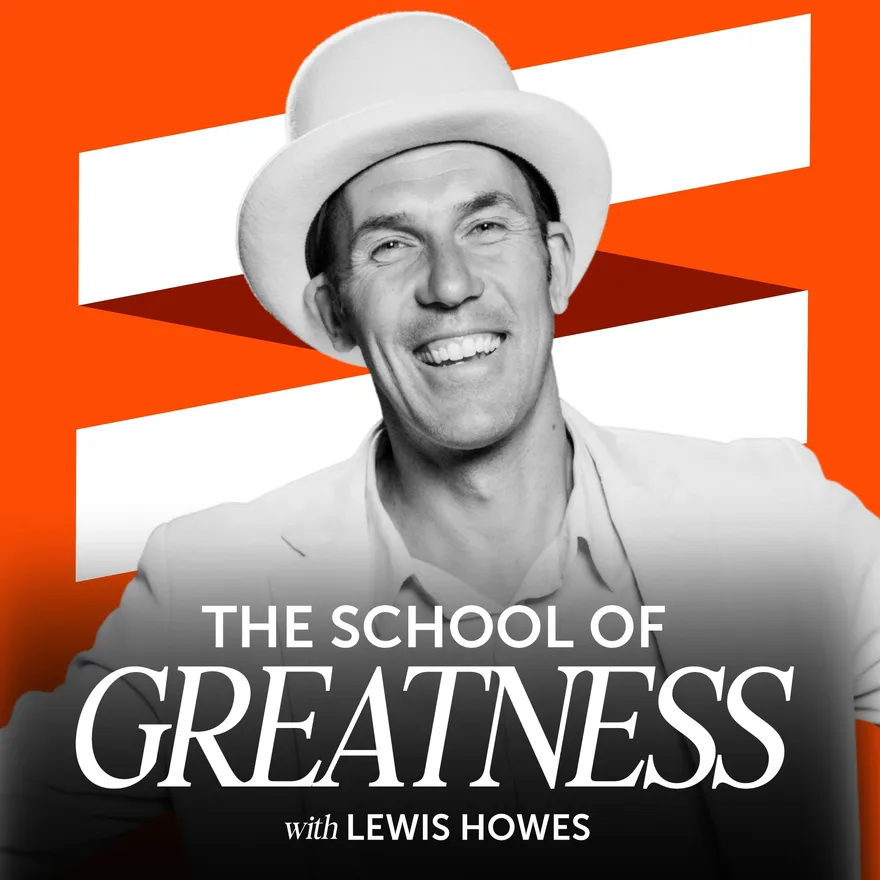

This is a preview of the Shortform summary of the Aug 5, 2026 episode of the The School of Greatness
Sign up for Shortform to access the whole episode summary along with additional materials like counterarguments and context.
1-Page Summary
The "Fans First" Business Philosophy
Jesse Cole's business approach centers on a radical "Fans First" philosophy that prioritizes fan experience over revenue maximization, even with explosive growth and a five million person waitlist.
Rejecting Traditional Revenue Extraction For Fan-centric Pricing
Cole maintains ticket prices at $40–$60 with no hidden fees, despite having the demand to charge far more. He originally offered all-inclusive tickets at $15 with unlimited food and drinks, creating immediate excitement and sellouts. Cole resists pressure to monetize the waitlist or raise prices according to demand, empathizing with fans who have waited years for tickets. While premium VIP experiences are available, base ticket prices remain accessible to keep the core experience inclusive.
Cole has declined TV deals, premium sponsorships, and aggressive pricing to maintain focus on fan joy rather than shareholder returns. "My point is every other league…they've got to extract value from the fans. What we've got to figure out is how to serve more fans, and how to do it."
Sustainable Business Model Without Investors or Markets
Having grown from a $3–4 million operation to a billion-dollar brand, Cole has deliberately avoided outside investment or going public. He insists on family control, believing investors would force decisions that prioritize money over fans. Profitability comes through merchandise, brand partnerships, and loyal fans, not financial engineering. Cole hopes to keep the venture under family stewardship with governance safeguards ensuring future leaders cannot deviate from the "Fans First" ethos, no matter how lucrative a buyout might be.
Prioritizing Emotional Connection Over Financial Metrics
Cole measures success by emotional and experiential terms, not financial metrics. "How are you growing fans?" drives every decision. He tracks fans served—from 100,000 in the early days to 3.4 million already sold for 2026—with the aim of reaching "billions of fans over a century."
Leadership focuses on engineering memorable, joyful moments: high-fives, thank you notes, and pre-game meet-and-greets take precedence over transactions. Game days begin hours before the first pitch with "activation stations" where staff greet fans, organize sing-offs, and throw out t-shirts. Cole personally spends several innings in the upper deck each game to ensure everyone feels valued, staying hours after games to thank fans until the last person leaves. This emotional investment brings personal fulfillment as fans routinely express gratitude and share stories of joy, which Cole views as the ultimate reward and strongest assurance the business will endure.
Entertainment Innovation and Production Excellence
The Savannah Bananas redefine live sports entertainment by combining rigorous production standards, creative constraints, and diverse talent, all orchestrated around a systematic, show-driven approach.
Systematic Approach to Weekly Show Inspired by SNL
Cole draws inspiration from "Saturday Night Live," treating each game as an evolving live production. Every week is a creative sprint: Tuesdays begin with idea sessions, followed by script writing, blocking, choreography, and rehearsals on a dedicated field in Savannah. Each game features 10 to 15 entirely new sequences, meaning a six-game weekend involves creating nearly 100 distinct segments. This relentless pace demands vast creativity and continuous revision, with teams traveling to different stadiums and adapting routines to each venue's specific setup.
Obsessive Attention to Detail and Constraint-Based Creativity
Cole channels Walt Disney's philosophy of "plussing the show," obsessively refining every aspect. He studies audience behavior to identify what delights or bores, which led him to rethink traditional baseball's slow pace. Cole and his team identified the dullest aspects of standard games and instituted a policy of doing the "exact opposite"—redefining rules, collapsing downtime, and pushing boundaries.
Constraints drive creativity, whether performing on cruise ships, in massive football stadiums, or developing new entertainment formats. Production is managed in-house for total control and flexibility. Cole takes cues from Steve Jobs and Apple: say no to diversions, concentrate on refining the main event, and maintain alignment with core values.
Building a Cohesive Unit With Diverse Talent
The Bananas employ 160 players, 150 cast members, and more than 200 traveling staff across six teams, all offered year-round pay and benefits. The cast includes Broadway-caliber singers who also pitch, breakdancers, professional jugglers, acrobats, and contortionists—each integrated as a core part of the baseball-plus-entertainment ethos. Innovation becomes contagious within the team, with players like Ziggy elevating standards with behind-the-back catches and D.R. Meadows performing backflips and barehanded grabs. This culture of continuous improvement keeps performances fresh for audiences while inspiring the company itself.
Personal Leadership Journey and Family Integration
Jesse Cole's leadership is deeply intertwined with his commitment to family, illustrating how entrepreneurial growth and meaningful relationships can coexist.
Balancing Business Expansion With Family and Parental Commitment
Cole refuses to let business overtake his role as father and husband, often missing games to be with his children so they know they come first. When touring, the Cole family stays together in a single hotel room. Cole maximizes moments with his children, choosing impromptu games or jumping fully dressed into the pool over answering work demands. His leadership style is built on delegation and trust, accepting that perfection isn't possible but being present for his family matters most.
Marriage Based On Shared Values and Roles
Emily Cole has been integral to the Bananas' story. After marrying Jesse in 2015, they inherited a financially floundering team, went into deep debt, and sold their house at Emily's suggestion to fund the operation. The couple practices "roses and buds"—celebrating wins and sharing hopes for the future—choosing to focus on positivity rather than negativity.
Emily spearheaded the Bananas Foster initiative after realizing 400,000 children in the U.S. lack permanent homes. The Coles have adopted two children and continue to foster, demonstrating how business goals and family expansion can coexist. Jesse recognizes Emily's ability to lead with heart and courage, driving both family and business forward.
Emotional Drivers Rooted In Early Family Experiences
Cole's drive stems from a lonely childhood as an only child with few friends and a deep fear of irrelevance. His quest for attention manifested as humor and disruption, earning 26 detentions in seventh grade. He realized that feeling seen and loved made him feel alive—a realization that fuels his mission to ensure every fan and team member experiences visibility and affection.
His family history further shaped his approach. Cole's father never verbalized love and his birth mother was absent after a divorce. Baseball became the cornerstone of his relationship with his father, cementing the belief that authentic connection is built through shared presence. Cole now prioritizes expressing love to his own children daily, striving to give them the joy and affirmation he once lacked.
Long-Term Vision for an Enduring Brand
Jesse Cole exemplifies a commitment to building a lasting brand, focusing on sustainable growth, a safeguarded mission, and success defined by genuine impact rather than financial milestones.
Committing To Century-Scale Growth Over Short-Term Expansion
Cole resists rapid, large-scale growth in favor of building something enduring. He refuses to sell ten million tickets by 2028, explaining that such accelerated expansion would "dilute your product." Cole outlines a vision to impact one billion fans over a hundred years, not with a quick sprint but through incremental and sustainable progress.
He draws lessons from Boston Market and Quiznos, highlighting the pitfalls of rapid expansion which led to decreased quality. Cole contrasts this with businesses like Costco and Chick-fil-A that strategically grew while maintaining core values, observing that obsessing over fans and prioritizing excellence over scale creates enduring organizations.
Implementing Governance to Protect Values Beyond Jesse's Lifetime
Cole is establishing structural safeguards to ensure the "Fans First" philosophy survives beyond his tenure. He envisions legal and organizational mechanisms that permanently enshrine priorities such as fair ticket prices, equitable player compensation, and commitment to fan experience. Cole is adamant that every decision must answer "What's best for fans?"—never "How do we maximize revenue?"
Measuring Success by Impact Rather Than Financial Valuation
Cole measures achievements by impact, not balance sheets. He's proud to have played in front of 3.4 million fans this year, but his focus remains on spreading joy to billions worldwide. The company tracks qualitative markers: a five million person waitlist, 40 million social media followers, and fan testimonials. Cole purposely distances himself from financial valuation, centering instead on the brand's purpose and enduring legacy, envisioning a company that delivers joy for centuries.
Walt Disney's Influence
Jesse Cole reflects on how Walt Disney's philosophies have shaped the Bananas' model for engaging fans through continuous innovation, authentic connection, and creative control.
Adopting Disney's Philosophy of Continuous Innovation and "Plussing"
Cole embraces Disney's belief that creative projects are never finished, internalizing the mindset of always asking, "What's wrong with this?" Disney's philosophy of "plussing"—endlessly enhancing the guest experience—directly informs Cole's leadership. The Bananas commit to reinvention at every level, running experimental events and rejecting the idea of resting on past success. Cole feels stagnation and complacency, not outside competition, are the true threats to continued achievement.
Prioritizing Fan Connection Over Financial Metrics
Disney's legacy influences Cole's philosophy toward fan relationships. Cole notes that Disney's first shareholder call focused predominantly on creating devoted fans, not just transactions. Disney's passion for "walking the parks every day, shaking people's hands and asking what's missing" guides Cole's approach. He recognizes the difference between transactional customers and Disney-like fans, noting that Bananas supporters exhibit loyalty on a Disney scale.
Applying Disney's Obsessive Creative Control To Modern Entertainment
Cole adopts Disney's hands-on, obsessive approach to maintain consistent vision and high quality across every event. Like Disney, Cole seeks to innovate beyond budget constraints, prioritizing fan experience even when the numbers don't obviously add up. He references Disney's insistence on putting on a Christmas parade at Disneyland despite being at capacity, arguing, "We got to give them a reason to want to come back."
1-Page Summary
Additional Materials
Clarifications
- Jesse Cole is an entrepreneur and sports team owner known for revolutionizing baseball entertainment. The Savannah Bananas are a collegiate summer baseball team he owns, famous for their unique, fan-focused, and theatrical approach to games. They blend traditional baseball with high-energy performances, attracting large, diverse audiences. This model has gained national attention for redefining live sports experiences.
- A "five million person waitlist" means that many people have signed up to get tickets but haven't yet received them. It functions as a queue, where fans are given tickets as they become available, often based on their position on the list. This system helps manage high demand without immediately raising prices or selling out. It also builds anticipation and loyalty among fans waiting patiently.
- "Plussing the show" is a creative process Walt Disney pioneered that means continuously improving and adding new elements to an experience, even after it is considered complete. It encourages never settling for "good enough" and always seeking ways to enhance guest enjoyment. This approach fosters innovation by embracing feedback and experimentation. It helps maintain excitement and freshness in entertainment offerings over time.
- "Saturday Night Live" (SNL) is a live TV show known for producing a new, scripted episode every week. Jesse Cole uses this model to treat each baseball game as a fresh live performance requiring new creative content. This approach demands rapid idea generation, rehearsals, and precise execution under tight deadlines. It ensures games remain dynamic and entertaining, similar to a weekly variety show.
- "Activation stations" are interactive areas set up before games to engage fans with activities like games, contests, or performances. They create a lively atmosphere that builds excitement and community among attendees. These stations encourage fan participation, making the event feel more immersive and personal. This approach helps transform a traditional sports event into a broader entertainment experience.
- The "baseball-plus-entertainment ethos" combines traditional baseball gameplay with theatrical performances, music, and comedy to create a lively, interactive experience. Unlike conventional baseball, it emphasizes continuous fan engagement and showmanship throughout the event. This approach breaks typical baseball's slower pace by integrating scripted entertainment and audience participation. It transforms games into dynamic live productions rather than just sports contests.
- "Financial engineering" refers to using complex financial instruments and strategies to improve a company's financial performance or structure, often involving debt, derivatives, or accounting tactics rather than core business growth. "Going public" means a private company offers its shares for sale to the general public through a stock market listing, allowing outside investors to buy ownership stakes. This process raises capital but also subjects the company to regulatory requirements and shareholder pressures. Companies may avoid going public to retain control and focus on long-term goals without external investor demands.
- Governance safeguards in family-run businesses are formal rules and structures designed to preserve the company’s core values and mission across generations. They often include legal agreements, boards, or trusts that limit decision-making power to ensure continuity. These mechanisms prevent future leaders from making changes that could harm the business’s original purpose. This helps maintain stability and protects the business from conflicts or shifts away from founding principles.
- "Roses and buds" is a communication technique used to balance positive feedback ("roses") with constructive suggestions or hopes for improvement ("buds"). It encourages focusing on strengths while openly discussing growth opportunities. This practice fosters a positive, forward-looking dialogue that builds trust and motivation. It is often used in relationships and teams to maintain optimism and continuous development.
- Boston Market and Quiznos rapidly expanded their restaurant chains in the early 2000s. This growth outpaced their operational capacity, leading to inconsistent quality and customer dissatisfaction. Both companies faced financial struggles and store closures as a result. Their experiences serve as cautionary tales about the risks of expanding too quickly without maintaining standards.
- Costco and Chick-fil-A are known for growing steadily while maintaining high product and service quality. They focus on customer satisfaction and operational excellence rather than rapid expansion. This approach helps preserve brand reputation and long-term loyalty. Their success contrasts with companies that expand too quickly and lose quality control.
- "Transactional customers" are people who engage with a business primarily for a single purchase or service, focusing on the exchange of money for goods without deeper emotional involvement. "Disney-like fans" are deeply loyal supporters who form an emotional connection with the brand, often returning repeatedly and advocating for it. These fans value the experience and relationship beyond just the product or service. This distinction highlights the difference between one-time buyers and lifelong brand enthusiasts.
- Premium VIP experiences provide additional revenue streams without raising base ticket prices, helping sustain the business financially. They offer enhanced amenities and exclusivity for fans willing to pay more, creating a tiered pricing structure. This approach balances inclusivity with profitability by keeping general admission affordable while monetizing premium demand. VIP offerings also enhance overall fan engagement and brand prestige.
- "Rejecting traditional revenue extraction" means avoiding common business tactics that prioritize maximizing immediate profits from customers. Traditional methods include dynamic pricing (raising ticket prices based on demand), hidden fees, aggressive upselling, and monetizing waitlists or exclusive access. These approaches often focus on extracting as much money as possible from each fan rather than ensuring affordability and accessibility. Jesse Cole's model instead emphasizes fair pricing and long-term fan loyalty over short-term financial gain.
- Measuring success by emotional and experiential impact focuses on how deeply fans connect and feel joy, creating lasting loyalty. This approach values meaningful relationships and memorable moments over short-term profits. It builds a sustainable fan base that supports long-term growth and brand resilience. Financial metrics alone can miss these intangible but crucial drivers of enduring success.
Counterarguments
- Maintaining artificially low ticket prices despite high demand may unintentionally create exclusivity, as the long waitlist prevents many fans from ever attending a game.
- Refusing to monetize the waitlist or raise prices could be seen as leaving significant revenue on the table, which might otherwise be used to improve facilities, pay staff more, or expand access.
- Declining TV deals and premium sponsorships limits the reach and exposure of the brand, potentially excluding fans who cannot attend in person or afford travel.
- The focus on family control and avoidance of outside investment may restrict the organization's ability to scale or innovate at the pace of competitors with more resources.
- Measuring success primarily by emotional impact and fan engagement, rather than financial metrics, could make it difficult to assess the long-term sustainability and health of the business.
- The relentless pace of creative production and constant innovation may lead to staff burnout or diminish quality over time.
- Prioritizing in-person fan experiences may overlook the needs and desires of remote or international fans who cannot attend games.
- The emphasis on a single leadership vision (Jesse Cole's) and family stewardship could limit diversity of thought and adaptability in the long run.
- Relying heavily on merchandise and brand partnerships for profitability may expose the business to risk if trends or consumer preferences shift.
- The "Fans First" philosophy, while admirable, may not be easily replicable or scalable for other organizations with different market conditions or less charismatic leadership.

Get access to the context and additional materials
The "Fans First" Business Philosophy
Jesse Cole’s approach to business revolves around a radical “Fans First” philosophy that prioritizes fan experience above all else, even in the face of explosive growth and immense demand.
Rejecting Traditional Revenue Extraction For Fan-centric Pricing
Cole rejects standard industry practices aimed at maximizing revenue from fans. Even with a five million person waitlist and the ability to charge far more, ticket prices remain firmly at $40–$60, with no added ticket, convenience, or service fees. Early on, Cole made every ticket all-inclusive, offering admission with unlimited burgers, hot dogs, chicken sandwiches, drinks, popcorn, and dessert for a flat $15. This pricing model created immediate excitement and rapid sellouts. Cole insists on simplicity and transparency—no hidden charges, no shipping or tax add-ons—because it’s what’s best for fans, not just what the industry expects.
Despite ongoing pressure to monetize the waitlist or increase prices according to supply and demand, Cole resists. He empathizes with fans—including single mothers and families who have waited for tickets—and refuses to raise prices simply because demand has exploded. While small adjustments are sometimes necessary due to rising costs or the need to take care of players, he maintains that minimal, accessible pricing remains a guiding principle. Premium experiences such as VIP backstage tickets and packages are available to meet specific fan demand, but base ticket prices stay affordable so that the core experience remains inclusive.
Cole further avoids saturating the team’s ecosystem with sponsorships or TV rights deals that prioritize third-party revenue over the fan experience. Offers for TV network deals, premium sponsorships, and aggressive pricing have all been declined to maintain focus on joy and value for fans, rather than chasing quarterly returns for shareholders. “My point is every other league…they’ve got to extract value from the fans. What we’ve got to figure out is how to serve more fans, and how to do it.”
Sustainable Business Model Without Investors or Markets
Having grown from a $3–4 million “wooden bat league” to a billion-dollar brand, Cole has deliberately avoided outside investment, venture capital, or going public. He insists on family and team control, believing that introducing outside investors would mean surrendering the company’s core mission to make decisions solely for fans. Jesse rejects any possibility of selling or taking a minority investor, stating, "Never. There's nothing. And again, I know that's crazy...they're playing a different game. They're playing for money."
Profitability is sustained through merchandise, brand partnerships, and fiercely loyal fans, not through financial engineering or speculative growth tactics. Cole’s vision is to ensure business health without sacrificing what makes the enterprise unique. He hopes to keep the venture under long-term family stewardship, with governance safeguards ensuring that future leaders cannot deviate from the “Fans First” ethos, no matter how lucrative a buyout or new investor opportunity might be. “No matter what you do, you have to do it for the fans.”
Prioritizing Emotional Connection Over Financial Metrics
Cole measures success in emotional and experiential terms—not by financial metrics. “How are you growing fans?” is the question that drives every decision. Ticket sales are a point of pride only as a measure of fans served: from 100,000 in the early days, to 500,000 a year later, one million in 2024, 2.2 million in 2025, and 3.4 million already sold for 2026. The aim is not a finite number but “billions of fans over a century.”
Leadership and staff dedicate themselves to engineering memorable, joyful moments for fans: high-fives, thank you notes, and pre-game me ...
Here’s what you’ll find in our full summary
The "Fans First" Business Philosophy
Additional Materials
Clarifications
- Jesse Cole is an entrepreneur and sports team owner known for innovative fan engagement strategies. He founded the Savannah Bananas, a baseball team famous for its entertainment-focused approach. Cole emphasizes creating joyful, memorable experiences over traditional sports business models. His work has gained attention for disrupting conventional sports marketing and management.
- Jesse Cole operates a baseball league known as a "wooden bat league," which is a type of amateur or semi-professional baseball league where players use wooden bats instead of metal ones. These leagues often serve as developmental platforms for players aiming to reach higher levels of professional baseball. The focus is on community engagement and fan experience rather than major league commercialism. This approach contrasts with traditional professional sports leagues that prioritize revenue and large-scale media deals.
- A "wooden bat league" refers to a baseball league where players use traditional wooden bats instead of metal or composite ones. Wooden bats are standard in professional baseball and affect the game's dynamics, such as ball speed and hitting style. Many amateur or youth leagues use metal bats for durability and performance, so a wooden bat league often emphasizes a more traditional, professional-level experience. This distinction can influence player development and the league's reputation.
- A "five million person waitlist" indicates extremely high demand and popularity for tickets, far exceeding current supply. It reflects a large, eager audience willing to wait for access, highlighting the brand's strong fan base. This scale of demand is rare and signals significant market interest without resorting to price hikes. Maintaining affordable prices despite this waitlist emphasizes the commitment to accessibility and fan loyalty.
- Activation stations are designated areas within the stadium designed to engage fans through interactive activities. They often feature games, contests, or entertainment that encourage participation and social interaction. Staff and cast members facilitate these experiences to create a lively, welcoming atmosphere. These stations help deepen fan connection by making the event more immersive and memorable.
- TV rights deals provide sports leagues with significant revenue by selling broadcast permissions to networks, expanding audience reach and visibility. Sponsorships involve companies paying to associate their brand with teams or events, generating income and marketing opportunities. Both are major financial pillars for traditional sports, often influencing scheduling, advertising, and league priorities. However, they can shift focus from fan experience to maximizing commercial returns.
- Financial engineering involves using complex financial instruments and strategies to manipulate a company’s financial statements or structure to appear more profitable or reduce risk artificially. Speculative growth tactics focus on rapid expansion driven by high-risk investments or market hype rather than sustainable business fundamentals. These approaches often prioritize short-term gains over long-term stability. Jesse Cole avoids these to maintain genuine, fan-focused business health.
- Merchandise sales generate profit by offering fans branded products like apparel and souvenirs, creating a steady revenue stream beyond ticket sales. Brand partnerships involve collaborations with companies that pay to associate their products or services with the team, providing financial support and marketing benefits. These partnerships often include co-branded promotions or exclusive offers that enhance fan engagement while funding operations. Together, merchandise and partnerships diversify income, reducing reliance on ticket revenue.
- Typical industry practices for ticket pricing often involve dynamic pricing, where prices fluctuate based on demand, maximizing revenue. Additional fees such as service charges, convenience fees, and taxes are commonly added on top of the base ticket price. Many organizations also use tiered pricing, charging more for premium seats or experiences. These methods prioritize maximizing profit over simplicity or affordability for fans.
- Avoiding outside investment means the company relies on its own profits and resources, maintaining full control without external influence. Venture capital often demands rapid growth and high returns, which can pressure companies to prioritize profits over mission. Going public involves selling shares on the stock market, subjecting the company to shareholder demands and regulatory scr ...
Counterarguments
- Maintaining low ticket prices despite high demand may limit access for many fans due to scarcity, as tickets sell out quickly and a large waitlist persists.
- The refusal to raise prices or monetize the waitlist could be seen as leaving significant revenue on the table, which might otherwise be used to further improve the fan experience, facilities, or community programs.
- Avoiding outside investment and sponsorships may restrict the organization’s ability to scale, innovate, or weather financial downturns compared to competitors with more diversified revenue streams.
- The focus on emotional connection and experiential metrics over financial metrics could make it harder to measure long-term business health or identify areas needing operational improvement.
- The all-inclusive pricing model, while attractive, may not be sustainable if costs rise significantly, potentially forcing future price increases or reductions in included offerings.
- By declining TV deals and sponsorships, the organization may mis ...


Get access to the context and additional materials
Entertainment Innovation and Production Excellence
The Savannah Bananas redefine live sports entertainment by combining rigorous production standards, creative constraints, and a uniquely diverse ensemble of talent, all orchestrated around a systematic, show-driven approach pioneered by Jesse Cole.
Systematic Approach to Weekly Show Inspired by SNL
Jesse Cole draws inspiration from "Saturday Night Live," treating each Bananas game as an evolving live production rather than a repetition of the same show. Every week is designed as a creative sprint: Tuesdays begin with idea sessions, followed by script writing, blocking, choreography, and host meetings. The cast and crew rehearse on a dedicated field in Savannah, mastering hundreds of new elements before traveling to a different stadium, where further rehearsals adapt the routines to different video boards, acoustics, and spatial configurations.
Each Show Adds 10-15 New Elements Nightly, Creating ~100 Sequences Over a Six-game Weekend, Needing Vast Creativity and Continuous Revisions
Each game night features 10 to 15 entirely new sequences, meaning a six-game weekend involves creating and executing nearly 100 distinct segments. This relentless pace demands vast creativity, continuous innovation, and ongoing revision, pushing performers and production teams to deliver a fresh and unpredictable experience for fans at every event.
The process is meticulous, requiring precise teamwork: days start as early as 9 a.m., with players and cast sharing rehearsal space and often improvising with new choreography or promotional stunts. In addition to core rehearsals in Savannah, travel to new stadiums drives further adaptation as the team synchronizes the show's flow with each venue's specific setup, culminating in an intense effort to deliver a seamless performance regardless of conditions.
Obsessive Attention to Detail and Constraint-Based Creativity
Jesse Cole channels Walt Disney’s philosophy of "plussing the show," obsessively refining every aspect for fan enjoyment. Like Disney, Cole studies audience behavior to identify what delights or bores, even capturing attendance patterns at 30-minute intervals. This ongoing analysis led him to rethink the hot dog analogy—the hot dog (baseball game) must be as appealing as the condiments (entertainment).
Cole recognized that fans often left standard games early due to slow pace or boredom, prompting a systematic redesign. He and his team identified the dullest aspects of traditional baseball, wrote copious lists of potential fixes, and instituted a policy of doing the "exact opposite" of what’s normal—redefining rules, collapsing downtime, and pushing boundaries with new and sometimes misunderstood ideas.
Constraints drive creativity: when limited by rules, venue, or tradition, the Bananas innovate, whether performing on cruise ships, hosting games in massive football stadiums, or developing new five-day entertainment formats. Production values are managed in-house, from merchandising to event setup, giving total control and flexibility to continually iterate and improve.
Attending to small details—such as ensuring microphones are always ready—reflects the team’s commitment to seamless, immersive experiences. Control and focus are valued, with Cole taking cues from Steve Jobs and Apple: say no to diversions, concentrate effort on refining the main event, and maintain alignment with core values.
Building a Cohesive Unit With Diverse Talent
The Bananas bring together a vast and varied ensemble to enrich their ...
Here’s what you’ll find in our full summary
Entertainment Innovation and Production Excellence
Additional Materials
Clarifications
- Jesse Cole is the founder and CEO of the Savannah Bananas. He revolutionized the team by blending entertainment with baseball, creating a unique fan experience. Cole's leadership emphasizes innovation, creativity, and high production values. His approach transforms games into dynamic live shows rather than traditional sports events.
- "Saturday Night Live" (SNL) is a long-running American live television sketch comedy and variety show. It produces a new episode every week, featuring original sketches, musical performances, and guest hosts. The show's production involves intense weekly rehearsals and creative collaboration to deliver fresh content. This model inspires the Bananas' approach to treating each game as a unique, evolving live performance.
- "Plussing the show" is a term from Walt Disney's creative philosophy meaning to continually improve and add value to an experience beyond its original concept. It involves making incremental enhancements that surprise and delight the audience. Disney used this approach to refine attractions and entertainment, ensuring they remained fresh and engaging. The goal is to never settle but always seek ways to elevate the quality and impact.
- The "hot dog analogy" compares a baseball game to a hot dog, with the entertainment as the condiments that enhance it. Traditionally, the game itself (the hot dog) was the main attraction, but slow pace made fans lose interest. Jesse Cole’s approach treats the entertainment (condiments) as equally important to keep fans engaged. This shifts focus from just the sport to a full entertainment experience.
- Steve Jobs and Apple are known for their focus on simplicity, quality, and prioritizing core products over distractions. Their philosophy emphasizes saying "no" to many ideas to concentrate resources on perfecting a few key innovations. Jesse Cole applies this by focusing intensely on refining the main entertainment experience rather than diluting efforts with unrelated activities. This approach helps maintain high standards and a clear vision for the Savannah Bananas' shows.
- Integrating Broadway-caliber performers and circus artists into a baseball game transforms the event into a multidisciplinary live show, blending athletic competition with theatrical and acrobatic entertainment. This approach enhances fan engagement by adding visually spectacular and emotionally compelling elements beyond traditional sports. It requires performers to adapt their specialized skills to the baseball environment, creating unique, seamless experiences that surprise and delight audiences. This fusion redefines the game as a dynamic entertainment spectacle rather than just a sporting event.
- The Savannah Bananas redefine traditional baseball rules by speeding up the game, such as shortening innings and limiting pitching time. They implement unconventional policies like allowing batters to steal first base or using two balls instead of four for a walk. These changes aim to reduce downtime and increase fan engagement by making the game faster and more unpredictable. This "exact opposite" approach challenges standard baseball norms to create a more entertaining experience.
- Creative constraints are specific limits or rules that restrict how something can be done, such as time, space, or traditional norms. These limits force teams to think differently and find novel solutions within boundaries. In the Savannah Bananas' case, constraints like venue size or baseball rules push them to invent unique entertainment elements. This focused challenge often sparks greater creativity than having unlimited freedom.
- Different stadiums vary in size, layout, and technology, affecting how visuals and sound are experienced. Video boards differ in resolution, size, and placement, requiring tailored content and timing for clear visibility. Acoustics change with architecture and materials, influencing sound clarity and volume, so audio cues must be adjusted. Spatial configurations impact performer movement and staging, necessitating choreography modifications to fit each venue safely and effectively.
- Saquon Barkley is a professional American football player known for his exceptional athleticism and explosive leaping ability. His leaps are notable because they combine power, agility, and body control, often allowing him to evade defenders or make spectacular catches. Referencing Barkley highlights the extraordinary physical feats performed by the Bananas' players, emphasizing their high level of skill and showmanship. This comparison helps illustrate the innovative and dynamic nature of their baseball performances.
- Th ...
Counterarguments
- The emphasis on entertainment and constant innovation may overshadow the traditional aspects of baseball, potentially alienating purist fans who value the sport’s heritage and competitive integrity.
- The relentless pace of introducing new sequences and segments could lead to performer burnout or diminish the quality of individual routines due to limited rehearsal time.
- Managing all production values in-house may limit opportunities for external creative input or collaboration, potentially resulting in creative echo chambers or missed innovations from outside perspectives.
- The focus on spectacle and non-baseball entertainment elements might detract from the athletic achievements of the players, making it harder for talented athletes to be recognized for their sporting skills alone.
- The policy of doing the "exact opposite" of traditional practices could risk discarding valuable aspects of the baseball experience that fans appreciate, rather than selective ...
Get access to the context and additional materials
Personal Leadership Journey and Family Integration
Jesse Cole’s leadership path is deeply intertwined with his commitment to family, illustrating how entrepreneurial growth and meaningful relationships can coexist. The Cole family’s journey is defined by intentional choices that prioritize presence, love, and shared moments, even amid business challenges.
Balancing Business Expansion With Family and Parental Commitment
Jesse Cole is at the helm of Banana Ball’s explosive growth, yet he refuses to let business overtake his role as a father and husband. Cole often balances the rigors of Banana Ball travel with family time, at times missing games to be with his children or planning surprise trips to prioritize quality time. Despite leading six teams and orchestrating new shows in different cities, Cole explains he will miss professional obligations so his kids know they come first. He fears the day his arrival does not elicit their excited greeting—a reminder to remain present and engaged.
When touring, the Cole family stays together in a single hotel room, emphasizing togetherness in non-traditional circumstances. Mornings begin with rehearsals and meetings, and nights end with shows. Emily handles family logistics, ensuring their children receive love despite the packed schedule. These arrangements are challenging; Cole admits he isn't always as available as he wants to be but insists on maximizing moments with his children—choosing impromptu games or jumping fully dressed into the pool over answering work demands.
Cole’s leadership style at Banana Ball is built upon delegation and trust. He leans on a team refined over the years to keep the operation running, accepting that perfection isn’t possible but being present for his family matters most. He aims for his children to remember adventures, spontaneity, and shared joy, keeping foundational human connection central both at home and in business.
Marriage Based On Shared Values and Roles
Emily Cole has been integral to the Savanna Bananas and Banana Ball’s story. After marrying Jesse in 2015, the couple inherited a financially floundering team. They went into deep debt, sold their house at Emily’s suggestion, and slept on an air mattress in an old garage to fund the operation. Emily’s commitment meant leaving her own close-knit family and plunging into uncertainty with Jesse, emblematic of their partnership’s trust and resilience.
Daily life as a couple includes the ritual of exchanging “roses and buds”—celebrating wins and sharing hopes for the future. Even when separated by time zones, they send these reflections via text, choosing to focus conversation on positivity, growth, and anticipation rather than negativity or resentment. This focus strengthens their connection despite the stressors of business and travel.
Emily’s empathy and drive for service guided the couple’s next chapter in purpose: She spearheaded the Bananas Foster initiative after realizing 400,000 children in the U.S. lack permanent homes. During the pandemic, after extensive research on foster care, Emily convinced Jesse to open their home to fostering children. The Coles have since adopted two children and continue to foster, demonstrating how business goals and family expansion can coexist. Emily’s upbringing in a deeply connected family instilled in her the importance of stability and love for every child, and she brought this vision into their expanding household. Jesse recognizes and admires Emily’s ability to lead with heart and courage, driving both the family and the business forward.
Emotional Drivers Rooted In Early Family Experiences
Jesse Cole’s dri ...
Here’s what you’ll find in our full summary
Personal Leadership Journey and Family Integration
Additional Materials
Counterarguments
- While Jesse Cole prioritizes family, the demands of leading a rapidly expanding business like Banana Ball may still result in significant time away from home, potentially impacting family relationships despite best intentions.
- The narrative emphasizes presence and togetherness, but frequent travel and unconventional living arrangements (such as sharing one hotel room) could be stressful or disruptive for children, especially over long periods.
- Delegating business responsibilities to maintain family time may not be feasible for all entrepreneurs, particularly those without a strong or established support team.
- The portrayal of balancing business and family may set unrealistic expectations for other business leaders who lack similar resources, flexibility, or support systems.
- The focus on maximizing quality moments with children may not fully compensate for the cumulative effects of ongoing parental absence due to work obligations.
- The story highlights overcoming financial hardship, but not all families in similar situations have the safety nets or opportunities that enabled the Coles to succeed.
- The emphasis on positivity and avoiding negativity in communication (s ...
Actionables
- you can set up a weekly family adventure jar to encourage spontaneous, shared experiences that fit any schedule or budget; each family member writes down simple activities (like a backyard picnic, a living room dance party, or a neighborhood walk at sunset) and you draw one together each week, making togetherness a fun, regular priority even during busy times.
- a practical way to reinforce presence and connection is to create a “welcome home” ritual where, whenever someone returns after being away (even just from work or errands), everyone pauses what they’re doing for a few minutes to greet, hug, and share a quick story or highlight from their day, making arrivals feel special and seen.
- you can use a “connecti ...
Get access to the context and additional materials
Long-Term Vision for an Enduring Brand
Jesse Cole and his organization exemplify a commitment to building a lasting, impactful brand, focusing on sustainable growth, a safeguarded mission, and success defined by genuine impact rather than financial milestones.
Committing To Century-Scale Growth Over Short-Term Expansion
Jesse Cole resists the temptation of rapid, large-scale growth in favor of building something enduring. When asked about selling ten million tickets by 2028 without raising prices, he flatly refuses, explaining that such accelerated expansion would “dilute your product” and sacrifice quality. Cole’s organization currently consists of six teams, all successful and filling stadiums, but he is mindful that rapid proliferation would undermine the standard and distinctive experience established over years. He outlines a vision to eventually impact one billion fans—not with a quick sprint, but over the course of a hundred years. Cole prefers incremental and sustainable progress, focusing on ensuring a great show and experience for every fan, year after year, rather than chasing ticket sales records.
Cole draws lessons from the failures of companies like Boston Market and Quiznos, highlighting the pitfalls of rapid, unfocused expansion which led to decreased quality and loss of what originally made them special. He observes that many failed sports leagues—despite superior talent—fell apart because they prioritized sponsors and TV rights over unique fan experiences, seeking quick commercial success at the expense of building something meaningful. Cole contrasts this with businesses like Costco and Chick-fil-A that strategically grew while maintaining their core values and customer focus. For him, history shows that obsessing over fans and prioritizing excellence over scale creates enduring organizations.
Implementing Governance to Protect Values Beyond Jesse's Lifetime
Cole is focused on establishing structural safeguards to ensure that the company’s “Fans First” philosophy survives beyond his tenure. Rather than building succession plans geared toward profit extraction, he envisions legal and organizational mechanisms that will permanently enshrine priorities such as fair ticket prices, equitable player compensation, and a relentless commitment to the fan experience. Cole rejects pressures to introduce hidden fees, excessive sponsorships, or TV rights purely for increased revenue. He is adamant that every creative, hiring, or strategic decision must answer the question, “What’s best for fans?”—never “How do we maximize revenue?”
This mission to put fans first is embedded deeply within the company culture, and Cole cautions that even a single departure—such as prioritizing profit over fans—can erode the essence that brought people together from the earliest days, when they sold just two tickets. He references examples in the business world where companies, after being sold to private equity or going public, lost their soul, mission, and employee enthusiasm—transforming inspiring workplaces into institutions focused ...
Here’s what you’ll find in our full summary
Long-Term Vision for an Enduring Brand
Additional Materials
Clarifications
- Jesse Cole is an entrepreneur known for founding the Savannah Bananas, a popular and unconventional baseball team. His organization revolutionizes minor league baseball by focusing on fan engagement and entertainment rather than traditional sports metrics. The Savannah Bananas have gained a large following due to their unique, fun approach to the game. Cole's leadership emphasizes creating memorable experiences and building a lasting brand in sports entertainment.
- Banana Ball is a unique baseball league founded by Jesse Cole that emphasizes fan engagement and entertainment over traditional sports business models. It combines baseball with interactive experiences, aiming to create a fun, inclusive atmosphere for fans. The league's significance lies in its innovative approach to sports, prioritizing joy and community rather than maximizing profits. Its billion-dollar valuation projection highlights its potential impact and growth within the sports entertainment industry.
- Jesse Cole is known for creating unique baseball experiences through his team, the Savannah Bananas. The product is an entertaining, fan-focused baseball show that combines sport with humor, music, and interactive elements. It emphasizes fun and engagement rather than traditional competitive sports. This approach transforms games into memorable events that appeal to a broad audience beyond typical baseball fans.
- Selling ten million tickets by 2028 is rapid growth because it requires scaling operations and audience size exponentially in a short time. Such fast expansion can strain resources, reduce quality control, and dilute the unique fan experience. Maintaining consistent service and atmosphere becomes difficult when growth outpaces organizational capacity. This often leads to loss of brand identity and customer loyalty.
- Boston Market and Quiznos both expanded rapidly through franchising, which led to inconsistent quality and brand dilution. Their aggressive growth strategies prioritized quick market capture over maintaining customer experience. This caused many franchise locations to fail, damaging the overall brand reputation. Their struggles illustrate the risks of sacrificing quality for fast expansion.
- Several sports leagues have failed because they prioritized securing sponsors and lucrative TV deals over creating a unique and engaging fan experience. This focus often led to over-commercialization, alienating core fans and diluting the league's identity. Without a strong, loyal fan base, these leagues struggled to maintain attendance and viewership. Ultimately, financial pressures and lack of genuine fan connection caused many such leagues to collapse.
- Costco operates on a membership model, focusing on low prices, limited product selection, and high volume sales to maintain quality and customer loyalty. Chick-fil-A emphasizes exceptional customer service, consistent food quality, and a strong company culture rooted in core values. Both companies grow steadily by prioritizing customer experience and operational excellence over rapid expansion. This contrasts with failed expansions that sacrificed quality and brand identity for quick growth.
- The "Fans First" philosophy means prioritizing the needs and experience of fans above all business interests. It involves fair ticket pricing, avoiding hidden fees, and creating an enjoyable, authentic event atmosphere. Decisions are made based on what benefits fans, not just what increases revenue. This approach builds long-term loyalty and trust with the audience.
- Succession plans focused on profit extraction prioritize maximizing financial returns for new owners or investors, often leading to cost-cutting and short-term gains. In contrast, succession plans protecting values embed the company’s core mission and culture into legal and organizational structures to preserve its purpose over time. These value-driven plans limit decisions that could harm the brand’s identity, such as raising prices excessively or compromising quality. T ...
Counterarguments
- Prioritizing slow, sustainable growth over rapid expansion may limit opportunities to reach and positively impact more fans in the short term, potentially missing out on momentum and cultural relevance.
- Avoiding financial milestones and revenue-focused strategies could restrict the organization’s ability to reinvest in innovation, facilities, or talent, possibly hindering long-term competitiveness.
- Strict adherence to “Fans First” principles may make it difficult to adapt to changing market conditions or economic downturns, potentially putting the organization at financial risk.
- Rejecting sponsorships, TV rights, or other revenue streams could limit the brand’s exposure and accessibility, making it harder for new fans to discover and engage with the product.
- Governance structures designed to enshrine specific values may reduce flexibility for future leaders to respond to unforeseen challenges or opportunities.
- Comparing the organization to companies like Costco and Chick-fil-A may overl ...

Get access to the context and additional materials
Walt Disney's Influence
Jesse Cole, founder of the Savannah Bananas, reflects on how Walt Disney’s philosophies have shaped his own innovative leadership and the Bananas’ model for engaging fans. Through embracing Disney’s ideas of continuous innovation, focusing on authentic fan connection, and maintaining creative control to ensure quality, Cole creates a unique and ever-evolving baseball experience.
Adopting Disney's Philosophy of Continuous Innovation and "Plussing"
Jesse Cole embraces Walt Disney’s belief that creative projects are never finished. He learned from Disney’s approach to Disneyland—as an ever-evolving creation—by internalizing the mindset of always asking, “What’s wrong with this?” to find opportunities for constant improvement. Disney’s philosophy of “plussing,” or endlessly enhancing the guest experience, directly informs Cole’s leadership. Cole explains, “You’re always thinking about plusing,” inspired by Disney’s notion that Disneyland is a “living, breathing thing” and will “never be complete.” Disney called every aspect of his projects “the show,” and Cole applies this thinking not only to the games but to every part of the fan journey.
The Bananas’ plussing methodology extends to analyzing every aspect of their games and fan experience, redesigning and testing everything from the rules of Banana Ball to pre-game shows, dance routines, and post-game engagement. Cole recounts running experimental events such as “grandma beauty pageants,” “flatulence fun nights,” and encouraging dancing players, all aimed at drawing fans’ attention and joy in the spirit of fun. The organization commits to reinvention at every level—game rules, pre-show experience, in-game inventions, and ongoing post-game fan engagement—rejecting the idea of resting on past success. Cole feels stagnation and complacency, not outside competition, are the true threats to continued achievement.
Cole credits his “failure every step of the way” as essential, noting his decade-long effort to win over fans for a minor league team before the Bananas. He observes that, like Disney, the team’s obsession with constant reinvention is “in our DNA,” keeping excitement alive and helping the Bananas go from humble beginnings to sold-out games. Cole’s “fear of boredom” and settling for the status quo pushes him and his team to always seek new ways to entertain.
Prioritizing Fan Connection Over Financial Metrics
Walt Disney’s legacy also influences Cole’s philosophy toward fan relationships. Cole notes that Disney’s first shareholder call focused predominantly on creating devoted fans, not just increasing transactions or pleasing customers. Disney’s passion for understanding the experience “walking the parks every day, shaking people’s hands and asking what’s missing,” guides Cole’s approach to Banana Ball. He adopts the same devotion, noticing, “Everyone’s chasing customers. Customers are transaction. But fans never leave.” Cole recognizes the difference between transactional customers and Disney-like fans, with Bananas supporters exhibiting loyalty on a Disney fan scale—some even tattooing every team on their bodies.
Cole believes in breaking down barriers and cultivating authentic, accessible connections with fans through transparency, openness, and storytelling. The Bananas make themselves extremely accessible to fans, believing that genuine connection and joy can on ...
Here’s what you’ll find in our full summary
Walt Disney's Influence
Additional Materials
Clarifications
- “Plussing” is a creative technique developed by Walt Disney and his team to continuously improve ideas by adding enhancements rather than criticizing. It encourages collaboration by building on suggestions with positive contributions, fostering innovation. The term comes from the idea of adding a “plus” to an idea to make it better. This approach helps maintain momentum and creativity in projects like Disneyland’s ongoing development.
- Banana Ball is a fast-paced, fan-friendly variation of baseball created by Jesse Cole. It features unique rules like a 30-second pitch clock, no walks (batters must swing), and automatic outs for certain plays to speed up the game. The game emphasizes entertainment, with interactive fan experiences and unconventional events integrated into the play. These changes make Banana Ball more engaging and accessible compared to traditional baseball.
- The “grandma beauty pageants” and “flatulence fun nights” are examples of unconventional, humorous events designed to entertain and engage fans uniquely. These quirky promotions break traditional sports norms to create memorable, lighthearted experiences. They reflect Jesse Cole’s strategy of constant innovation and fun to keep fans excited and involved. Such events help build a distinctive team culture and deepen fan loyalty through shared joy and surprise.
- The “Disney fan scale” refers to the intensity and loyalty of Disney enthusiasts who deeply connect with the brand beyond casual enjoyment. Disney-level fan devotion often includes extensive knowledge of Disney history, frequent visits to parks, collecting merchandise, and expressing fandom through tattoos or cosplay. These fans actively participate in the Disney community and emotionally invest in the brand’s stories and experiences. This scale highlights a level of commitment that transforms customers into lifelong, passionate supporters.
- Walt Disney’s first shareholder call emphasized building a loyal fan base rather than focusing solely on immediate profits. This approach prioritized long-term relationships and emotional connections with audiences. Disney believed that devoted fans would sustain the business through ongoing support and advocacy. This strategy contrasts with typical business calls that often highlight short-term financial results.
- Walt Disney referred to every element of his theme parks and projects as “the show” to emphasize that every detail contributes to the overall guest experience. This means that not just the main attraction, but also the environment, staff behavior, and small touches are carefully designed to entertain and engage visitors. Jesse Cole applies this by treating every part of a Bananas game—rules, entertainment, fan interactions—as integral parts of a continuous performance. This holistic approach ensures fans feel immersed and valued throughout their entire experience.
- Walt Disney prioritized guest experience over immediate financial concerns, believing memorable events build long-term loyalty. The Christmas parade created emotional connections that encouraged repeat visits despite full capacity. This decision reflected Disney’s focus on quality and magic rather than short-term profit. It exemplified his comm ...
Counterarguments
- Continuous innovation and constant change can risk alienating fans who value tradition or consistency in their entertainment experiences.
- The relentless pursuit of novelty may lead to burnout among staff or dilute the core identity of the team and its events.
- Prioritizing fan experience over financial metrics could jeopardize the long-term sustainability of the organization if costs consistently outweigh revenues.
- Emphasizing creative control and hands-on management may stifle input from other team members or limit collaborative innovation.
- The focus on cultivating “lifelong fans” may overlook the importance of attracting new audiences or casual attendees who contribute to growth.
- Drawing inspiration from Disney’s m ...

Get access to the context and additional materials


Create Summaries for anything on the web
Download the Shortform Chrome extension for your browser
