

How to Design a Life That Runs Without You | Rob Dyrdek
In this episode of The School of Greatness, Rob Dyrdek shares his comprehensive approach to designing a life built on discipline, systems, and intentional planning. Dyrdek explains how he tracks every aspect of his life—from health and work to relationships and fulfillment—using daily measurements and data-driven feedback loops. He discusses his entrepreneurial framework, the "Machine Method," which has guided him through six successful business exits totaling $450 million in value.
Beyond business strategy, Dyrdek outlines his philosophy on energy management, automation, and organizational structure, revealing how he maintains a flat organization of ten divisions while preserving personal capacity. The conversation covers his practices in meditation and manifestation, his approach to building generational wealth through secure financial systems, and his vision for passing down values and life philosophies to future generations. Dyrdek presents a blueprint for constructing a life that operates efficiently while remaining aligned with personal values and long-term legacy goals.
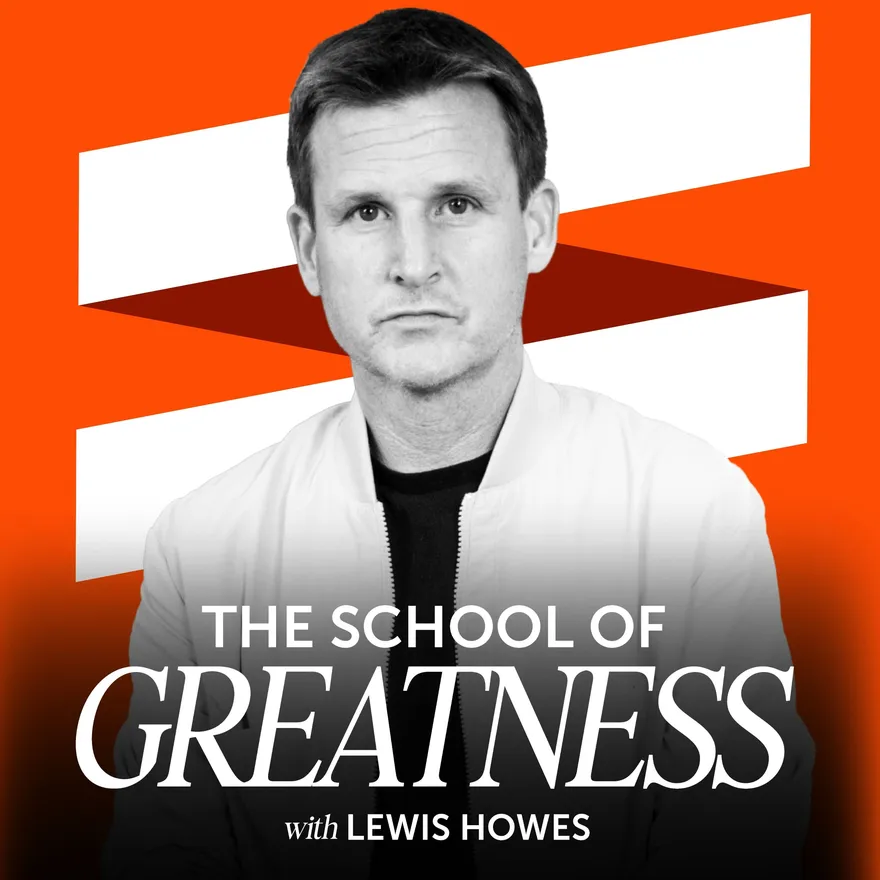

This is a preview of the Shortform summary of the Jul 31, 2026 episode of the The School of Greatness
Sign up for Shortform to access the whole episode summary along with additional materials like counterarguments and context.
1-Page Summary
Daily Discipline, Habits, and Personal Optimization
Rob Dyrdek emphasizes that personal optimization requires discipline and consistency, rejecting shortcuts in favor of energy, discipline, and clarity. He notes that progress builds belief, creating compounding improvements to happiness and success.
Tracking and Measuring Life Creates Clarity and Accountability
Rob tracks his life daily across work, health, relationships, and fulfillment using a zero-to-ten scale. By correlating qualitative data with quantitative actions, he creates a feedback loop he calls the "Rhythm of Existence" that reduces decision fatigue and maintains alignment. He monitors daily habits—waking at five, brain training, meditation, exercise, clean diet, avoiding alcohol—and has gamified this discipline through measurable scores and dashboards. Rob reviews these metrics morning and night, adjusting annually for continual growth. This tracking system, refined since 2015, became most effective in 2020 when he maintained a full year of data.
Meditation and Manifestation: Foundations For Success and Belief Building
Rob credits meditation with building belief and reinforcing goals, maintaining 97% yearly consistency. He meditates daily in a [restricted term] dome, practicing guided manifestation for 20 minutes. He also watches manifestation content like "The Secret" before bed, priming his mindset as the last input at night. This cycle of evening manifestation and morning meditation keeps his vision fresh and strengthens self-belief.
Nutrition and Physical Health: Foundations For Life Improvements
Rob states that a clean diet is core to his happiness and execution. His dietary foundation is simple but rigid: chicken, vegetables, and intermittent fasting, eating only twice daily and avoiding refined carbs and processed snacks. This strict baseline keeps his energy stable, boosts body composition, and fuels self-belief. He gamifies dietary discipline to avoid rationalizing cheat days, recognizing that consistent nutrition compounds momentum while brief lapses level off progress without undoing it.
Biomechanical Optimization: Evolution of Mastery Beyond Traditional Fitness
Rob's health pursuit extends beyond traditional workouts to a six-year commitment correcting athletic imbalances. With a doctor visiting five days weekly, he's developed intimate understanding of his body's systems, deploying integrated muscle testing and correction. He views the body as deeply interconnected, where dysfunction cascades and requires tracing pain to true origins rather than treating symptoms. This biomechanical work has gradually unwound years of compensations. Simultaneously, Rob monitors blood tests, observing direct improvements in inflammation and gut health as biomechanics improve, creating a foundation for lifelong, testable physical wellbeing.
Building and Scaling Businesses Systematically
Rob Dyrdek's entrepreneurial journey reveals a shift from intuition to methodical process. Through trial and iteration, he crafts "the Machine Method"—a system enabling him to systematically take ventures from ideation to acquisition across diverse industries.
Machine Method Provides Framework From Concept to Acquisition
Rob confronts uncertainty by investing years developing a comprehensive process guiding businesses from initial idea through validation, roadmap-building, product launch, and scaling. This framework begins with discovery (ideation), followed by diligence (feasibility and fit), then building a detailed plan. After launch comes the "valley of death"—the difficult period before product-market fit—which must be navigated before scaling.
Rob describes launching ten businesses rapidly, each experiencing early chaos. This brings clarity that chaos is a natural lifecycle stage, not failure. By version 2.0 of his method, he recognizes patterns and integrates learnings like capital staging and growth milestones. Version 3.0 systematically merges art (creativity), science (business fundamentals), and magic (timing and intangibles). Rob helps founders see challenges as normal phases, not flaws, which is crucial to persistence.
Business Fundamentals Enhance Decision-Making and Founder Selection
As Rob scales, his criteria for partnering evolve. While he once sought "do or die" passion, he learns that longevity lies in understanding fundamental business components. Rob emphasizes that the best founders maintain general competency across seven core areas—brand, product, media, marketing, sales, operations, and finance. This broad vision allows them to spot holes and hire specialists while maintaining strategic oversight. He shifted from seeking raw persistence to prioritizing sharp business sense and unit economics, as exemplified by Jolie Skincare's founder who deeply understood market gaps and business models.
Negotiating Unit Economics, Owning Production Creates Leverage, Scale
Rob's acumen shines with "Ridiculousness." He negotiates economics directly with network executives, bypassing standard talent fees. By owning the production company, he has operational insight to propose solutions meeting both creative and budgetary requirements. Most celebrity producers accept standard, suboptimal deals, but Rob creates leverage by understanding all production elements. Ownership enables him to offer reduced pricing contingent on supersized episode orders, securing one of cable's largest episode orders and greatly multiplying the production company's value. He sells after three years, timed perfectly as content demand peaks during the pandemic, creating unprecedented value and an outsized earn-out.
Six Exits Created $450 Million in Value Through Timing and Execution
Rob's process-driven system results in six successful exits—Made by Science, Chemistry Holdings, Super Jacket, Street League, Wear 2, and Momentous—generating $450 million in value across numerous sectors. The Super Jacket acquisition is especially meaningful: the buyers are the same group that once offered Rob a restrictive 360 deal, finding him uninvestable due to lack of business sophistication. Years later, Rob sells them two companies, securing both financial and narrative closure. His journey emphasizes aligning company positioning with buyer needs, building scarcity, timing exits carefully, and understanding that market timing can dramatically amplify outcomes.
Life Design Philosophy and Energy Management
Rob Dyrdek exemplifies disciplined, structured life design, advocating for intentional planning, energy management, systemization, and strategic hiring. His philosophy centers on planning every component to create enduring fulfillment and sustainable performance.
Intentional Life Design Prevents Misdirection and Waste
Dyrdek argues that one must decide on a vision for existence and craft systems around it. He designs his lifestyle first, then builds business, financial structures, and relationships to support that vision. Rob breaks down his time deliberately: 30% family, 30% sleep, 30% work ("Ridiculousness" consuming just 12% of that), and 10% health. This segmentation is future-proofed in planning documents projecting his evolving roles as children grow and he transitions to less work. He emphasizes designing life around passions, values, and relationships rather than being driven solely by work, noting that extraordinary life stems from harmonizing work, finances, interests, relationships, and emotional wellbeing.
Energy Over Time: Key to Performance and Sustainability
Rob maintains that mastery requires clarity on what you want to master, cautioning against unaligned effort. Core to his philosophy is understanding the interplay of time, energy, and capacity. He identifies "stuck stress"—from unresolved conflicts, unclear priorities, and draining activities—as a principal thief of capacity. By systematically eliminating sources and putting protective systems in place, Rob regains mental bandwidth. Dyrdek evaluates every decision for energy impact. If an activity is draining, he learns it deeply to reduce effort, automates it, or delegates it.
Automation, Systematization, and Outsourcing: Paths to Ease and Exponential Output
Rob's life and business are run according to an 80-page "Rhythm of Existence" document managed by his chief of staff. This system governs everything: food delivery, housekeeping, travel, scheduling, family agendas, and more. By automating or outsourcing routine elements, he achieves operational flow and capacity for strategic thought. He optimized "Ridiculousness" production from chaos to shooting six episodes daily, representing just 4% of his annual time. This relentless optimization, whether personal or professional, results in both effortlessness and exponential output.
Flat Organization With Defined Division Heads Boosts Capacity yet Maintains Control
Dyrdek leads a flat organization of ten divisions: venture, media, product, community, philanthropy, founder support, brand, operations, finance, and marketing. Each division leader receives clear KPIs aligned with overall performance. Every Monday at 4:30 a.m., Rob reviews integrated "hot sheets" aggregating personal, family, health, and division priorities, then holds focused meetings with each division. Rob calculates that empowering each division head adds the equivalent of fifty more productive hours, preserving overarching control while delivering massive capacity without traditional management drag.
Hiring the Right People Boosts Organizational Effectiveness
Rob describes hiring as the most challenging element, noting that past failures stemmed from unclear job definitions. By focusing on clarity in roles, he now specializes hiring for each distinct function. He took years to fill the chief of staff role, refusing to compromise until finding someone with exceptional organization and proven capacity. Once the right person was in place, the 80-page Rhythm of Existence was fully realized. This careful, selective hiring, especially for cornerstone roles, sustains elite execution across his entire operation.
Law of Attraction and Manifestation
Rob Dyrdek's journey with the law of attraction blends self-belief, subconscious reprogramming, and disciplined visualization through hypnosis, meditation, and intentional emotional practice.
Hypnosis and Subconscious Reprogramming Bolstered Rob's Success Beliefs
As a teenager, Rob draws self-portraits depicting himself with matching hats and shoes, a skateboard, an easel, and stacks of money, intuitively grasping the law of attraction. At twenty-five, feeling lost, Rob seeks clinical hypnotist Dr. George Pratt, who discovers Rob's subconscious doubts his success. Dr. Pratt uses hypnosis to reinforce at the subconscious level that Rob is meant to be successful, reawakening childhood confidence. Dr. Pratt continues guiding Rob during important moments, even presiding over his vow renewal, reassuring Rob about future goals including billionaire status.
Manifestation Meditation Turns Hope Into Emotional Outcome Visualization
In 2018, when "Ridiculousness" faces uncertainty, Rob shifts his manifestation practice. Refusing to merely hope for another season, he visualizes introducing season thirty, leveraging the law of attraction by envisioning abundance. Rob internalizes Dr. Joe Dispenza's advice: "don't try to think it, try to feel it." He focuses on fully inhabiting the emotional and sensory experience of achieving outcomes. Rob spends mornings and evenings in a [restricted term] dome meditation pod, visualizing with intense emotion and vivid sensory detail, tracking practice nearly every day.
Quantum Field Responds To Clarity, Consistency, and Belief, Not Desperation
Rob practices manifestation based on Dr. Dispenza's teaching that the quantum field responds to emotional coherence and belief, not constant or desperate thinking. Feeling the outcome as present reality becomes central to Rob's approach. Daily visualization and emotional engagement build neural pathways aligning mind and body with goals. Rob points to outcomes that feel "too perfect" as evidence of a responsive universe, reinforcing confidence that intentional practice, not luck, drives results.
Magic Emerges From Planning, Intention, and Trust
Rob describes life's "magic" as balancing vision, execution, and surrender. He contrasts tension of obsessive outcome-focus with expansive possibility created by trust and disciplined planning. Citing the example of a rejected group later acquiring his company, Rob exemplifies how execution, intention, and trust lead to "magic" outcomes. Rob fuses art, science, and magic—creativity and planning meeting proven fundamentals and trust in the unexplainable. He believes this discipline allows him to "control reality and create magic."
Generational Wealth and Legacy Building
Rob Dyrdek's approach to wealth moves beyond personal success to constructing a values-driven legacy through peer learning, sophisticated financial systems, and intentional family stewardship.
From Personal to Generational Wealth: Expand Your Time Horizon
Rob's understanding transformed after joining Tiger 21, a high-net-worth peer group requiring a "portfolio defense" and "100-year plan." This shifted Rob's focus from short-term gains to generational preservation, asking what it means to be a Dyrdek for the next century or even 500 years. This long view changed how he perceived businesses and investments: instead of building to sell, Rob started treating entities like The Dyrdek Machine as family businesses for generational stewardship. Expanding his time horizon led Rob to prioritize developing systems and philosophies to guide generations rather than simply extracting value.
Creating Secure, Sophisticated Systems to Protect and Grow Capital
Rob's financial strategy centers on secure systems protecting and multiplying capital across generations. At the heart is his "Freedom Fund"—25 real estate buildings providing considerable passive income ensuring family expenses are always covered. Additionally, Rob maintains cash reserves sufficient for ten years of living expenses, a decision validated during the 2020 pandemic. While some view holding significant cash as inefficient, Rob sees it as critical peace of mind. His methodical approach places security first: cover core expenses with passive income, maintain ample reserves, and only then scale higher-risk ventures.
Family Legacy Encompasses Values, Philosophy, Example Over Finances
For Rob, generational wealth isn't limited to assets—legacy should transmit values, philosophies, and purposeful living. Rob is intentional in designing his estate, envisioning a property serving as a gathering place for Dyrdeks a century from now. He develops systems for passing on values, building a family legacy "book" defining what it means to be a Dyrdek and how to live an extraordinary life, including a family bank system allowing descendants to pursue entrepreneurship. Rob equips his children with the belief that life is a system they can design, optimize, and master through discipline. Rob intends to record about 500 inspirational messages for descendants and plans creative legacy elements like treasure hunts on the estate. His goal is providing guidance, tools, and inspiration so each generation can design a meaningful, joyful life.
Ideal Legacy Balances Material Security With Life Philosophy and Self-Belief Transmission
Rob's vision balances material security with transmission of empowering philosophies. He wants legacy defined by intentional living, mastery in chosen fields, and happiness born from aligning values and actions. Rob models a life of discipline, intentional design, and joy, encouraging future family members to do the same. Generational wealth, in Rob's system, is about expanding human potential—enabling each Dyrdek to pursue ambitions and design their best life with security, resources, and philosophical guidance to support unique paths.
1-Page Summary
Additional Materials
Counterarguments
- The intense focus on discipline, measurement, and optimization may not be suitable or sustainable for everyone, potentially leading to burnout or anxiety for some individuals.
- Gamifying habits and strict routines can reduce flexibility and spontaneity, which some research suggests are important for creativity and overall well-being.
- The effectiveness of manifestation, hypnosis, and the law of attraction lacks robust scientific support, and relying on these practices may lead some to neglect practical action or evidence-based strategies.
- The zero-to-ten daily tracking system is subjective and may not accurately capture complex emotional or relational states.
- Prioritizing operational efficiency and systematization in personal life may diminish the value of unstructured time, rest, and organic relationship-building.
- The approach assumes a high level of resources (e.g., access to a chief of staff, daily doctor visits, financial security) that are not accessible to most people, limiting generalizability.
- Emphasizing generational wealth and legacy may inadvertently place pressure on descendants to conform to predefined family philosophies or expectations.
- The focus on continual self-improvement and optimization may overlook the importance of acceptance, contentment, and embracing imperfection.
- Flat organizational structures, while empowering, can sometimes lead to unclear authority or decision-making bottlenecks if not managed carefully.
- Strict dietary regimens and avoidance of all processed foods may not be necessary for everyone and could contribute to disordered eating patterns in some cases.
Actionables
- you can create a weekly “energy audit” by color-coding your calendar events (green for energizing, yellow for neutral, red for draining) and then set a recurring 10-minute Sunday review to swap out or delegate at least one red activity for a green one, helping you systematically reduce stuck stress and boost clarity.
- a practical way to reinforce belief in your progress is to record a 30-second daily voice memo describing one small win or improvement, then listen to a random selection of these memos each week to notice compounding growth and strengthen your self-belief loop.
- you can design a family legacy “values capsule” by writing a short letter each year that explains a key lesson, philosophy, or story from your life, then storing these letters in a digital folder to be shared with future generations, ensuring your values and mindset are preserved alongside material assets.
Get access to the context and additional materials
Daily Discipline, Habits, and Personal Optimization
Rob Dyrdek emphasizes that true personal optimization requires discipline and consistency. He rejects the notion of a shortcut or silver bullet to a better life and insists that energy, discipline, and clarity are foundational. Progress, he notes, builds belief; moving toward a goal sustains motivation and confidence, resulting in compounding improvements to happiness, fulfillment, and success.
Tracking and Measuring Life Creates Clarity and Accountability
Rob tracks and measures his life across multiple domains—work, health, relationships, and fulfillment—using a zero-to-ten scale each day. By correlating this qualitative data with his quantitative actions and lifestyle decisions, he creates a feedback loop that brings unparalleled clarity. He refers to this system as the "Rhythm of Existence," a structure that helps him reduce decision fatigue and stay aligned with his intentions.
Each day, he monitors whether he wakes at five, completes brain training, meditates, exercises, maintains a clean diet, and avoids drinking. These habits are tracked daily, weekly, and yearly, transforming abstract ambitions into tangible, measurable targets. Rob has gamified his discipline, driving consistency and making the journey enjoyable through measurable scores and dashboards. He reviews these data points every morning and night, analyzing his progress in real time and adjusting his approach annually based on the results, striving for continual growth in both his qualitative experience and quantitative habits. This obsessive tracking, which he’s refined since 2015, became powerfully effective in 2020 when he maintained a full year of data, setting even more ambitious targets for the years that followed.
Meditation and Manifestation: Foundations For Success and Belief Building
Rob credits meditation as a key driver in building belief and reinforcing his goals. Practicing daily with a remarkable 97% yearly consistency, he meditates in a [restricted term] dome, listening to guided manifestation meditations with headphones. For Rob, meditation is not simply about breathing and calm—it is an active rehearsal of the life he wants, reinforcing ambition and visualizing outcomes for 20 minutes each session.
He further prepares his mind for growth by watching manifestation content, such as "The Secret," before bed, using this material to prime his mindset as the last input he receives at night. This cycle of evening manifestation and morning meditation keeps his vision fresh, energizing his actions daily and strengthening his self-belief.
Nutrition and Physical Health: Foundations For Life Improvements
Rob states unequivocally that a clean diet is the core of his happiness, execution, and life quality. His dietary foundation is simple but rigid: chicken, vegetables, and intermittent fasting, avoiding rice, bread, refined carbs, and processed snacks. He eats only twice daily around midday and afternoon and allows for occasional indulgences on social occasions, but he always returns to this baseline.
Maintaining this strict baseline keeps his energy stable, boosts body composition, preserves mental clarity, and fuels self-belief. Rob admits he has to "gamify" dietary discipline to protect himself from rationalizing cheat days, recognizing the ongoing battle between his disciplined and indulgent sides. He finds that consistent nutrition discipline compounds his momentum, while brief p ...
Here’s what you’ll find in our full summary
Daily Discipline, Habits, and Personal Optimization
Additional Materials
Counterarguments
- The level of obsessive tracking and daily measurement Rob advocates may not be practical or psychologically healthy for everyone; for some, it could lead to anxiety, perfectionism, or burnout.
- The effectiveness of gamifying discipline and using dashboards to drive consistency may not translate to individuals who are not motivated by data or competition.
- The claim that a clean diet is the "core" of happiness and life quality is subjective; happiness and fulfillment are influenced by many factors beyond nutrition, including social connection, purpose, and mental health.
- The strict dietary regimen Rob follows may not be suitable or necessary for everyone, and such rigidity could foster unhealthy relationships with food for some individuals.
- The emphasis on manifestation and visualization techniques, such as those promoted in "The Secret," is controversial; there is limited scientific evidence supporting the efficacy of manifestation as a driver of real-world outcomes.
- Rob’s ability to have a doctor visit five days a week and access to advanced biomechanical testing is a privilege not available to most people, making his approach less accessible or realistic for the general population.
- The focus on constant se ...
Actionables
- you can create a weekly “energy audit” by rating your energy levels at different times of day and noting what activities, foods, or interactions preceded high or low points, then use this data to adjust your schedule and habits for better daily consistency and clarity.
- a practical way to reinforce belief in your progress is to write a short “progress postcard” to your future self every Sunday, summarizing one thing you improved and one thing you want to build on, then read last week’s card before setting new intentions.
- you can design a simple “body map” by sketching a stick fi ...
Get access to the context and additional materials
Building and Scaling Businesses Systematically
Rob Dyrdek's entrepreneurial journey reveals a shift from intuition-driven launching to a methodical, process-led approach. Through trial, iteration, and critical learning, he crafts a system—"the Machine Method"—that enables him to systematically take ventures from ideation to acquisition, driving multiple successful exits across diverse industries.
Machine Method Provides Framework From Concept to Acquisition
Rob begins by confronting uncertainty—believing he can achieve outsized goals like launching 100 brands or building a billion-dollar business, even without prior exits. His answer is to just do it once, but with a plan in place. He invests years developing a comprehensive process to guide businesses from initial idea through validation, roadmap-building, product launch, and scaling for growth. This systematic framework, which he names the machine method, is rooted in a discovery phase (ideation), followed by diligence (is this the right opportunity and do I want to build it), then building a detailed plan.
Rob Developed a Process Guiding Businesses From Ideation, Validating Viability, and Building the Roadmap, To Launching Products and Achieving Growth
The process begins by coming up with the idea and doing the diligence to determine feasibility and fit. Once the plan is built, excitement sets in before reality hits at launch—where plans meet the market and the "valley of death" emerges: the difficult period before product-market fit is proven. Only by navigating this can a founder move forward to scaling, as the process emphasizes that experience is the only real teacher for what’s needed to truly accomplish growth.
Challenges and Learning In Launch Phase
Rob describes launching ten businesses rapidly, each experiencing chaos in early stages. This recurring chaos brings clarity: it's not a failure of vision but a natural business lifecycle stage. By version 2.0 of his method, he recognizes patterns and common points of chaos and integrates learnings—such as capital staging and milestones for growth—into new iterations. The 3.0 version systematically merges art (creativity), science (business fundamentals), and magic (timing and intangible advantages), acknowledging that while you plan direction, the journey always unfolds in unpredictable ways.
Rob Helps Founders See Challenges as Normal Business Lifecycle Phases, Not Flaws
Through his method, Rob helps founders frame early-stage challenges as normative, not personal or fatal flaws of the business or team. This perspective is crucial to persistence and strategic adjustment.
Business Fundamentals Enhance Decision-Making and Founder Selection
As Rob scales, his criteria for partnering with founders change. While he once sought "do or die" passion and spirit, he learns that true business longevity lies in understanding and orchestrating fundamental business components and unit economics.
Seven Core Business Capabilities—Brand, Product, Media, Marketing, Sales, Operations, and Finance—Must Work In Harmony; Top Founders Have General Knowledge Across These Areas to Hire Excellent Specialists and Maintain Strategic Oversight
Rob emphasizes that the best founders maintain general competency across the seven core business areas—brand, product, media, marketing, sales, operations, and finance. This broad vision allows them to spot holes in their business and hire exceptional specialists while staying strategically atop the business “engine.” Rob can quickly evaluate an idea’s strengths and weaknesses in conversation and prefers founders who can articulate business mechanics, analyze opportunities, and plan for an eventual exit or cashflow goals.
Rob Shifted From Seeking Entrepreneurs With a "Do or Die" Spirit to Founders Who Grasp Business Mechanics, Articulate Unit Economics, and Plan For Acquisition or Profitability
He recounts how he stopped seeking only raw persistence and started prioritizing sharp business sense and unit economics. The Jolie Skincare business, for instance, impressed him because the founder deeply understood market gaps, business models, consumers, and economics at both a granular and strategic level, which was validated through rigorous market immersion.
Launching ten Companies Quickly, Rob Hit Chaos and Needed Clearer Filters For Opportunities, Leading To Version 2.0 and 3.0 of His Process Fusing Art, Science, and Magic
The rapid sequence of launches led to chaos, highlighting the need for even clearer filters and process improvement. By the time he reached version 3.0 of his system, he focused on systematically combining creativity, proven business fundamentals, and an embrace of unpredictability, making his process repeatable and resilient to adversity.
Negotiating Unit Economics, Owning Production Creates Leverage, Scale
Rob’s business acumen shines in his work on the show "Ridiculousness." Uniquely, he negotiates economics directly with network executives, bypassing standard talent and production fees. By owning the production company, he has operational insight to propose solutions that meet both creative and budgetary requirements.
Rob Negotiated "Ridiculousness" Economics Directly With Network Executives, Bypassing Standard Fees and Finding That Most Producers and Celebrities Lack Such Business Sophistication, Often Accepting Suboptimal Terms
Most celebrity producers accept the standard, suboptimal deal structures. Rob creates leverage by understanding all elements of the production and owning the process.
Owning the Production Company, Rob Proposed Solutions to Operational Inefficiencies, Securing Enormous Episode Orders and Transforming the Show's Value
Ownership enables him to offer t ...
Here’s what you’ll find in our full summary
Building and Scaling Businesses Systematically
Additional Materials
Counterarguments
- A highly systematic, process-driven approach may stifle creativity or discourage risk-taking, which can be essential for breakthrough innovation.
- The Machine Method’s emphasis on frameworks and process may not translate well to all industries, especially those with rapidly changing consumer preferences or highly unpredictable markets.
- Not all founders have access to the resources, networks, or capital that Rob Dyrdek leveraged, making systematic scaling less feasible for many entrepreneurs.
- The narrative downplays the role of luck and timing, which can be significant factors in business success regardless of process or planning.
- Focusing on general competency across seven business areas may lead to founders spreading themselves too thin, rather than developing deep expertise in a critical area.
- The approach assumes that business challenges are always normal lifecycle phases, which may overlook genuine flaws in product, market fit, or team dynamics that require more than persistence or process adjustment.
- Prioritizing founders who can articulate business mechanics and plan for acquisition may undervalue unconventional thinkers or visionaries who drive disruptive change without traditional business acumen ...
Actionables
- you can create a personal business readiness checklist that covers the seven core business capabilities (brand, product, media, marketing, sales, operations, finance) and use it to evaluate any new business idea or side project before committing time or money, helping you spot gaps and plan for hiring or learning as needed.
- a practical way to build process discipline is to set up a simple weekly review where you document what went wrong, what worked, and what you learned during any project or venture, then use these notes to adjust your approach for the following week, treating chaos as a normal phase rather than a setback.
- you can practice timing and opportunity ...

Get access to the context and additional materials
Life Design Philosophy and Energy Management
Rob Dyrdek exemplifies a disciplined, structured approach to building an extraordinary life, advocating for intentional life design, energy management, systemization, and strategic hiring. His philosophy centers around planning every component of life to create enduring fulfillment, balance, and sustainable high performance.
Intentional Life Design Prevents Misdirection and Waste
Dyrdek argues that instead of letting life simply happen, one must decide on a vision for one’s existence and craft systems around it. He prioritizes designing his lifestyle first, then builds the business, financial structures, and relationships to support that vision. This approach guards against drifting or wasting effort, offering clarity even when encountering failure. Rob insists it's better to fail with intention and understanding than due to a lack of direction—rejection of misaligned paths yields valuable, actionable feedback.
Rob breaks down his time deliberately: 30% for family, 30% for sleep, 30% for work (with "Ridiculousness" consuming just 12% of that), and 10% for health. This rigorous segmentation is future-proofed in his planning documents, which project his evolving roles as his children grow and as he transitions to less work and more creative "one-off" projects later in life.
He emphasizes the importance of designing one’s life around passions, values, and relationships, rather than being driven solely by work or external ambitions. If passion is not yet profitable, he advises stabilizing other life areas with minimal effort to maximize time for personal fulfillment. For Rob, extraordinary life and happiness stem from harmonizing work, finances, interests, relationships, and emotional well-being through precise coordination and integration.
Energy Over Time: Key to Performance and Sustainability
Rob maintains that mastery requires clarity on what you want to master, cautioning against unaligned effort across too many pursuits. Core to his philosophy is understanding the interplay of time, energy, and capacity. He credits his progress to relentless reflection and optimization of these resources.
He identifies stress—especially "stuck stress" from unresolved conflicts, unclear priorities, and draining activities—as a principal thief of capacity and energy. By systematically eliminating sources of stuck stress and putting protective systems in place, Rob has regained mental bandwidth previously lost to worry. Mastery of this process involves pursuing experiences, people, and work that generate energy instead of sapping it.
Dyrdek evaluates every decision for its energy impact. If an activity is draining, he learns it deeply to reduce effort, automates it, or delegates it. This relentless pursuit of energizing activities, and avoidance or reallocation of draining tasks, underpins his sustained fulfillment and performance.
Automation, Systematization, and Outsourcing: Paths to Ease and Exponential Output
Rob’s life and business are run according to an 80-page "Rhythm of Existence" document, managed by his chief of staff. This comprehensive system governs everything: food delivery, housekeeping, travel, scheduling, family agendas, repairs, and more. With codified processes for meetings and follow-ups, Rob’s mental energy is freed from logistics, allowing him to focus on innovation and growth.
By automating or outsourcing routine and energy-draining elements, he achieves a state of operational flow and capacity for strategic thought. For example, he optimized the production of "Ridiculousness" from energy-consuming chaos to a highly standardized process—shooting six episodes a day, representing just 4% of his annual time. This principle of relentless optimization, whether in personal or professional systems, results in both effortlessness and exponential output.
With all managers and systems synced through detailed dashboards and regularly optimized protocols, Rob’s approach exemplifies how automation and systematization enable both high achievement and a balanced, enjoyable life.
Flat Organization With Defined Division Heads Boosts Capacity yet Maintains Control
Dyrdek leads a flat organization consisting of ten distinct divisions: venture, media, product, community, philanthropy, founder support, brand, operations, finance, and marketing. Each division is led by a specialized head reporting directly to him.
Each division leader receives clear KPIs, all structured to align with the overall performance and health of the organization. Every Monday, Rob begins at 4:30 a.m., reviewing integrated "h ...
Here’s what you’ll find in our full summary
Life Design Philosophy and Energy Management
Additional Materials
Counterarguments
- The level of systemization and control Rob Dyrdek advocates may not be feasible or desirable for everyone, as it requires significant resources, support staff, and a personality suited to high structure.
- Over-optimization and rigid scheduling can reduce spontaneity, creativity, and the ability to adapt to unexpected opportunities or challenges.
- Not all individuals have the financial means or career flexibility to outsource, automate, or delegate routine and energy-draining tasks to the extent described.
- The focus on maximizing productivity and efficiency may inadvertently prioritize output over personal relationships, leisure, or unstructured time, which are also important for well-being.
- The flat organizational structure with direct reports may not scale well in larger or more complex organizations, where additional management layers can be necessary for effective oversight and communication.
- The emphasis on hiring only highly specialized or "perfect fit" candidates can lead to long vacancies, missed opportunities, or lack of diversity in skills and perspect ...
Actionables
- you can create a weekly personal energy audit by tracking which daily activities leave you feeling energized or drained, then color-code your calendar to visually spot and reduce energy drains while increasing energizing tasks; for example, mark meetings that sap your focus in red and walks that boost your mood in green, then adjust your schedule to favor more green.
- a practical way to clarify your life direction is to write a one-page "future snapshot" describing your ideal day five years from now, including details about your work, relationships, health, and interests, then use this as a filter for making decisions and setting boundaries—if a new commitment doesn’t fit your snapshot, consider saying no. ...
Get access to the context and additional materials
Law of Attraction and Manifestation
Rob Dyrdek’s journey with the law of attraction blends self-belief, subconscious reprogramming, and disciplined visualization. He works with hypnosis, meditation, and intentional emotional practice to both manifest and sustain success across his career.
Hypnosis and Subconscious Reprogramming Bolstered Rob's Success Beliefs
Rob's Teen Self-Portraits: Clothes, Skateboard, Easel, Money — Visualizing the Law of Attraction
As a teenager, Rob Dyrdek draws self-portraits that depict himself with matching hats and shoes, a skateboard, an art easel, and stacks of money. Even at fourteen, he intuitively grasps the law of attraction, picturing success in vivid, material detail.
Rob Sought a Clinical Hypnotist Who Discovered His Subconscious Mind Doubted His Success; a Hypnosis Session Aimed to Change That Belief
At age twenty-five, feeling lost and in need of direction, Rob seeks the help of Dr. George Pratt, a clinical hypnotist he finds through the Yellow Pages. Dr. Pratt, affiliated with Scripps La Jolla Hospital, quickly determines through testing that Rob subconsciously does not believe he is meant to be successful. Rob expects help focusing on skateboarding and contest wins, but Dr. Pratt targets Rob’s self-belief at its root, using hypnosis to reinforce at the subconscious level that Rob is meant to be successful. This reawakens Rob’s childhood confidence, which fueled his early achievements as a professional athlete at sixteen but had faded over time. Dr. Pratt continues to guide Rob, reaffirming his belief during important moments and even presiding over Rob’s vow renewal ceremony. Rob relies on Dr. Pratt to help verify his future goals, including billionaire status, with Pratt reassuringly telling him, “stop it, you know that’s gonna happen.”
Manifestation Meditation Turns Hope Into Emotional Outcome Visualization
Rob Shifted In 2018 To Practicing the Law of Attraction By Spending Time In Meditation Pods Each Morning and Evening, Visualizing Specific Outcomes With Emotional Intensity and Sensory Detail
In 2018, when the future of his show “Ridiculousness” is uncertain, Rob shifts his manifestation practice. Refusing to merely hope for a thirteenth season, he visualizes himself walking onstage introducing season thirty, leveraging the law of attraction by envisioning abundance and long-term success.
Engaging Emotions and Sensations, Not Just Intellect, Rob Harnessed His Nervous System and Subconscious to Attract the Outcome Of Introducing Season 30
Rob internalizes advice from Dr. Joe Dispenza: “don’t try to think it, try to feel it.” He focuses not on obsessively thinking about outcomes but fully inhabiting the emotional and sensory experience of achieving them. In his daily routine, Rob spends mornings and evenings in a [restricted term] dome meditation pod, visualizing with intense emotion and vivid sensory detail what he wants to manifest, tracking his practice nearly every day of the year.
Heading: To Combat "Ridiculousness" Ending, Rob Introduced Season 30—Choosing Abundance and Faith Over Scarcity and Incremental Thinking
Instead of manifesting a minimal next step, Rob aims to leap forward, using vision and faith to attract a much larger success. This leap connects the law of attraction not just to thoughts, but to feelings and neural patterns.
Quantum Field Responds To Clarity, Consistency, and Belief, Not Desperation
Manifestation Works By Feeling the Outcome, Not Obsessive Thinking, Says Joe Dispenza
Rob practices manifestation based on Dr. Dispenza’s teaching that the quantum field responds to emotional coherence and belief, not to constant or desperate thinking. Feeling the outcome as a present reality—rather than obsessing over it—becomes central to Rob’s approach.
Manifestation Practice Built Neural Pathway ...
Here’s what you’ll find in our full summary
Law of Attraction and Manifestation
Additional Materials
Counterarguments
- The law of attraction and manifestation practices, such as visualization and hypnosis, lack robust scientific evidence demonstrating a causal relationship between these techniques and actual material success.
- Success stories like Rob Dyrdek’s may be influenced by survivorship bias, where only the successful outcomes are highlighted, while similar efforts by others who did not achieve success are overlooked.
- Many factors contribute to career success, including privilege, opportunity, timing, talent, and hard work, which may play a larger role than manifestation or subconscious reprogramming.
- The interpretation of “too perfect” outcomes as evidence of a responsive universe is subjective and may be attributed to confirmation bias or selective memory.
- Clinical hypnosis and meditation can have psychological benefits, but their effectiveness in directly causing external success or wealth is not universally supported by empirical research.
- Emphasizing manifestation and belief as primary drivers ...
Actionables
- You can create a daily “future memory” journal where you write a short, vivid story from the perspective of your future self who has already achieved a specific goal, focusing on describing the emotions, physical sensations, and environment in detail to train your mind and body to expect success.
- A practical way to reinforce self-belief is to record short voice memos of yourself affirming your capabilities and describing your vision, then listen to them during routine activities like commuting or exercising to subconsciously reinforce your confidence and goals.
- You can ...
Get access to the context and additional materials
Generational Wealth and Legacy Building
Rob Dyrdek’s approach to wealth moves beyond personal financial success to the construction of a robust, values-driven legacy. He draws on peer learning, sophisticated financial systems, and intentional family stewardship to reshape what generational wealth means for his family and future descendants.
From Personal to Generational Wealth: Expand Your Time Horizon
Rob’s understanding of wealth and legacy was transformed after joining Tiger 21, a high-net-worth peer group where participants must present a “portfolio defense” and articulate a “100-year plan.” This experience shifted Rob’s focus from short-term gains and self-preservation to generational preservation. He began asking himself what it means to be a Dyrdek not just for his children, but for the next century or even 500 years into the future. This long view fundamentally changed how he perceived his businesses and investments: instead of building assets to sell, Rob started treating entities like The Dyrdek Machine and his real estate holdings as family businesses set up for generational stewardship.
By expanding his time horizon, Rob came to understand that generational wealth is less about maximizing financial returns and more about long-term stability, the cultivation of family values, and the enduring impact a family can have through its businesses and example. This new mindset led him to prioritize developing systems and philosophies that could guide generations of Dyrdeks, rather than simply extracting value from ventures or properties.
Creating Secure, Sophisticated Systems to Protect and Grow Capital
Rob’s financial strategy centers on creating secure systems that protect and multiply capital across generations. At the heart of this is what he calls his “Freedom Fund,” now comprising 25 real estate buildings that provide considerable passive income. This reliable stream of income ensures that his family’s core living expenses are always covered, creating security independent of the risks associated with entrepreneurial ventures.
Additionally, Rob maintains cash reserves sufficient to cover ten years of living expenses—a decision that proved prescient during the 2020 pandemic. While some may view holding significant cash as inefficient, Rob sees it as critical peace of mind. The pandemic affirmed the system’s effectiveness, as passive income and reserves provided a buffer that allowed Rob to focus on strategy and optimization without fear or financial pressure.
Rob’s methodical approach places security first: cover core expenses with passive income, maintain ample cash reserves, and only then scale higher-risk, high-reward ventures. He avoids large indulgences or lifestyle inflation, ensuring that any expenditure—such as building “Forever Estates”—comes without burden or risk.
Family Legacy Encompasses Values, Philosophy, Example Over Finances
For Rob, generational wealth isn’t limited to assets. He believes legacy should transmit values, philosophies, and a sense of purposeful living. Rob is intentional in how he designs his estate, envisioning a property that can serve as a gathering place for Dyrdeks a century from now—imagining family meetings with 200 relatives—ensuring the physical environment supports ongoing connection and legacy.
He also develops systems for passing on values. Rob is building a family legacy “book” to define what it means to be a Dyrdek and how to live an extraordinary life, which includes a family bank system to allow descendants to pursue entrepren ...
Here’s what you’ll find in our full summary
Generational Wealth and Legacy Building
Additional Materials
Counterarguments
- Focusing on long-term generational wealth and legacy may unintentionally limit the autonomy or individual aspirations of future descendants, who may feel pressure to conform to established family systems or philosophies.
- Prioritizing financial security and stability over maximizing returns could result in missed opportunities for greater wealth creation or innovation.
- The emphasis on real estate and passive income as the foundation for generational wealth may not be universally applicable, as market conditions and property values can fluctuate over time.
- Creating extensive systems, rules, and legacy materials (such as a family book or hundreds of recorded messages) may feel prescriptive or overwhelming to some family members, potentially stifling organic family culture or evolution.
- The approach assumes that future generations will share the same values and priorities, which may not hold true as societal norms and i ...
Actionables
- you can create a simple family values card deck by writing core values, life philosophies, and meaningful traditions on index cards, then use these cards during family meals or gatherings to spark conversations and reinforce shared principles across generations.
- a practical way to foster long-term family connection is to set up a recurring “legacy day” each year where your family reviews shared goals, updates a family time capsule with letters or small mementos, and discusses how current decisions support future generations.
- you can build a basic “future fund” by setting up a separate savings ...
Get access to the context and additional materials


Create Summaries for anything on the web
Download the Shortform Chrome extension for your browser
