

The Sleep Doctor's 5 Rules for Your Best Night Ever | Dr. Michael Breus
In this episode of The School of Greatness, Dr. Michael Breus explains how understanding your genetically programmed chronotype—whether you're a lion, bear, wolf, or dolphin—can transform your sleep quality, productivity, and relationships. Rather than forcing yourself into incompatible schedules, Breus emphasizes aligning your daily activities with your body's natural rhythms and hormone patterns. He introduces a practical five-step daily protocol for optimizing sleep, covering wake times, caffeine limits, alcohol consumption, exercise timing, and morning routines.
The conversation also addresses common sleep disorders like sleep apnea and insomnia, debunks popular sleep myths including mouth taping and the 5 AM Club, and explores the connection between sleep and mental health. Breus explains how sleep deprivation affects emotional regulation and presence, arguing that adequate rest serves as the foundation for greatness in any area of life. You'll come away with practical strategies for better sleep and a deeper understanding of how your sleep patterns influence every aspect of your well-being.


This is a preview of the Shortform summary of the May 20, 2026 episode of the The School of Greatness
Sign up for Shortform to access the whole episode summary along with additional materials like counterarguments and context.
1-Page Summary
Circadian Rhythms and Chronotypes: Understanding Your Sleep Type
Understanding your genetically programmed chronotype—rather than forcing yourself into an incompatible sleep schedule—can dramatically improve sleep quality, productivity, relationships, and overall health.
Chronotype Is Genetic; Align Activities With It Instead of Fighting It
Dr. Michael Breus explains that chronotype is determined by genetic markers like the Per3 gene, which can be identified through genome sequencing services. The chronotype model describes four distinct types named after animals: lions (15%, early risers), bears (50%, solar sleepers), wolves (15%, night owls), and dolphins (10%, light sleepers with unihemispheric sleep patterns). Each type has distinct hormone profiles and optimal performance windows. Lions wake energized at 5 a.m. and thrive on morning routines, while wolves experience peak creativity and productivity in late afternoon and evening. Bears follow the sun's schedule naturally, making them compatible with standard 9-to-5 work rhythms. Dolphins tend to have insomnia and irregular schedules, often alternating brain hemisphere activity like actual dolphins.
Chronotypes shift throughout life due to age, stress, and hormonal changes. Children typically start as lions, transition to bears in middle school, become wolves during adolescence, and settle as bears or wolves in adulthood. Older adults often revert to lion-like patterns, and hormonal shifts during menopause can temporarily create dolphin-like sleep patterns.
Melatonin and Cortisol Patterns Differ By Chronotype
The timing of melatonin and cortisol release differs significantly across chronotypes. Lions' melatonin shuts down by 4:30 a.m., making them naturally morning-oriented and suited for early tasks. Wolves' melatonin fades around 7 a.m.—about 90 minutes later than lions—explaining their slow starts and nighttime creative bursts. Bears' hormones rise and fall in sync with daylight, making their rhythms ideal for standard schedules while still benefiting from understanding optimal performance windows.
Scheduling Meetings and Creative Sessions Based On Team Chronotypes Boosts Productivity
Recognizing group chronotypes can lead to significant productivity gains. Dr. Breus advises scheduling brainstorming sessions for creative professionals, many of whom are wolves, around 4 p.m. rather than early morning when their brains are disengaged. He cites research showing businesses lose $3,200 per employee annually to presenteeism—being physically present but mentally disengaged due to mismatched schedules. One entrepreneur had her entire company chronotyped and began scheduling meetings according to everyone's optimal time, resulting in higher focus and better work quality.
Chronotype Compatibility: Aligning Relationships Through Optimal Hormone Activation
Chronotypes significantly affect partnerships. Dr. Breus explains that optimal intimacy requires elevated estrogen, progesterone, [restricted term], adrenaline, and cortisol, with low melatonin—conditions typically occurring in the morning. Men experience natural morning erections, making this biologically optimal for intimacy, while women often report stronger emotional connection at this time. For mismatched chronotype partners, Breus has developed timing matrices to help identify ideal windows for intimacy based on personal hormone patterns rather than evening convenience or tradition.
Practical Sleep Optimization: The 5-Step Daily Protocol
Michael Breus outlines a five-step, evidence-based daily protocol to optimize sleep by regulating circadian rhythm and supporting sleep drive.
Wake Time Sets Melatonin Schedule 14 Hours Later
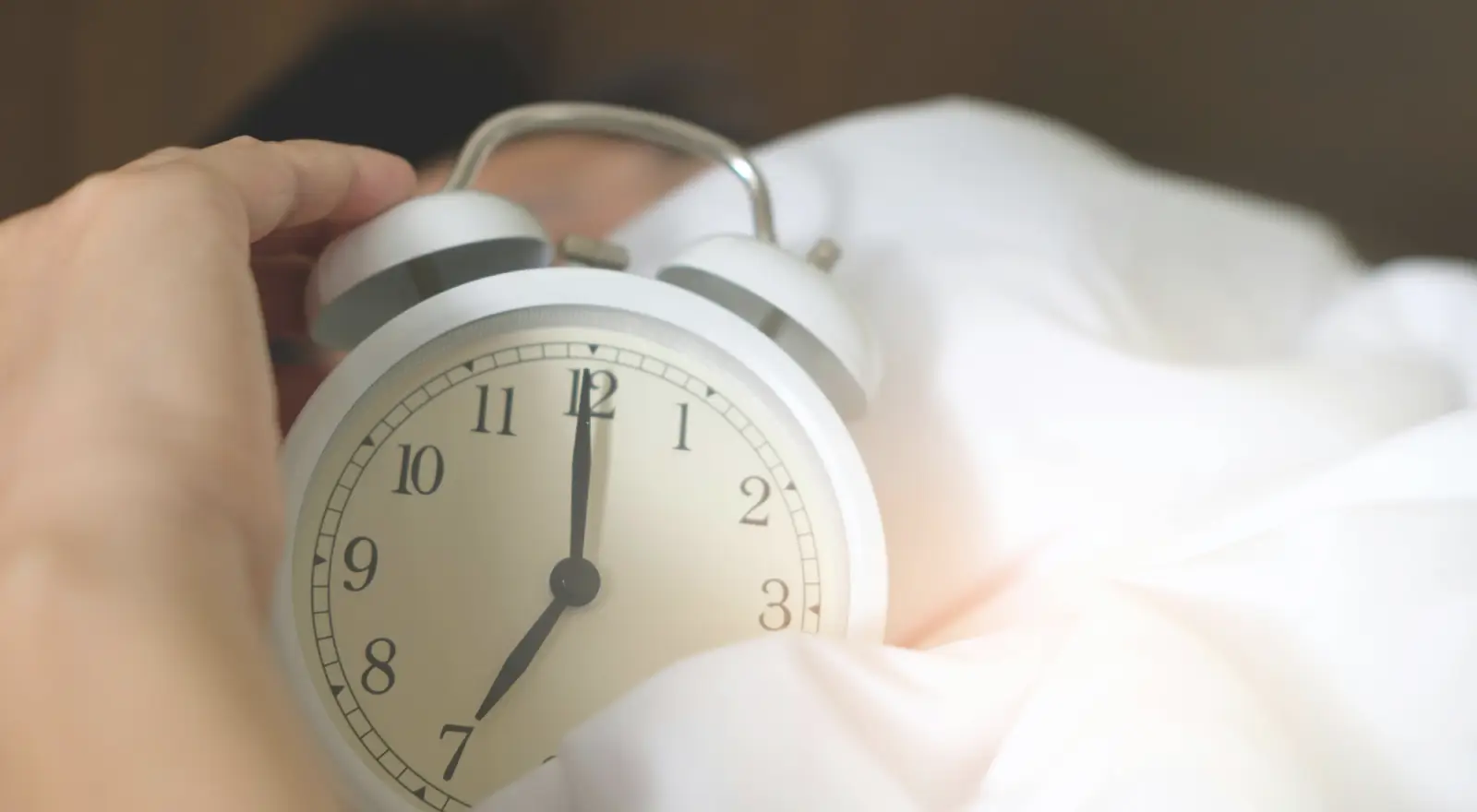
Morning sunlight hitting the eye activates melanopsin cells, turning off melatonin and setting a timer for its next release about 14 hours later. A fixed wake-up time every day is essential because the body builds sleep pressure during waking hours, making it nearly impossible to stay up late if you consistently rise early. Breus recommends this as the most foundational habit for resolving sleep problems, as consistency in wake time—rather than bedtime—truly regulates circadian rhythm.
Eliminating Caffeine After 2 Pm Is Critical
Caffeine blocks adenosine receptors, suppressing sleepiness for up to four hours with a half-life of six to eight hours. Those who can fall asleep after consuming caffeine at dinner are actually severely sleep-deprived, not resilient—they're falling asleep due to exhaustion but not getting deep, restful sleep. For temporary alertness after poor sleep, Breus recommends the "Napa Latte": drink cooled black coffee quickly, then nap for 25 minutes. The nap reduces adenosine while caffeine takes effect upon waking, providing four hours of energy—but this should be used no more than once monthly.
Limit Alcohol: Two Drinks & Stop Three Hours Before Bedtime
Alcohol acts as a sedative, not a sleep aid, anesthetizing rather than nurturing natural sleep. It disrupts sleep architecture, increases snoring, and causes nasal or respiratory congestion. Breus recommends no more than two alcoholic beverages per day, alternating each with water, and stopping at least three hours before sleep. Patients participating in abstinence periods like Dry January commonly report significantly improved sleep quality.
Exercise Before Bedtime Reduces Sleep Interference
Exercising too close to bedtime elevates core body temperature, which must drop for melatonin release and sleep onset. Strenuous exercise should end at least four hours before bedtime. However, gentle post-dinner walks aid digestion and support better sleep quality without overly raising body temperature. Evening hot baths or saunas, taken 90–120 minutes before bed, can help simulate a natural temperature drop essential for good sleep.
Sunlight, Hydration, and Deep Breathing
Morning sunlight exposure halts melatonin production, cures brain fog, and supports consistent sleep-wake cycles. Because sleep naturally dehydrates the body, consuming water before caffeine is essential. Breus recommends sitting outside upon waking for 15 minutes to absorb sunlight, taking 15 deep breaths to activate the lungs, and drinking water between breaths—a combination that supports physical and mental readiness for the day.
Sleep Disorders and Medical Solutions: Diagnosis and Treatment
Sleep Apnea Often Undiagnosed; Home Testing Available
Breus shares his personal experience with sleep apnea, emphasizing that the condition frequently goes undiagnosed even in fit individuals. He was found to have moderate sleep apnea—24 breathing interruptions per hour, each lasting 30 to 90 seconds—which starves the brain and organs of oxygen. Undetected sleep apnea dramatically raises the risk of diabetes, atrial fibrillation, heart failure, and cognitive decline. Modern wrist-worn home sleep tests cost under $200, eliminate excuses for skipping lab-based studies, and provide doctor consultations within 24 hours.
Beyond CPAP machines, alternative therapies include oral appliances that advance the jaw, weight loss (increasingly achieved with GLP-1 medications), and pharmaceutical interventions in development. In severe cases, surgical options exist. Breus insists that the dangers of untreated sleep apnea far outweigh any treatment discomfort.
Insomnia and Waking Between 1-3 Am
Breus identifies sudden waking between 1 and 3 a.m. as the most reported sleep complaint, caused by the body's lowest temperature dip, which can trigger natural awakenings. For those who can't fall back asleep, he recommends the 4-7-8 breathing technique—inhaling for four counts, holding for seven, and exhaling for eight—which lowers heart rate below 60 bpm, a sweet spot for sleep. Tips for handling night awakenings include avoiding looking at the clock, keeping phones out of reach, and understanding that calm relaxation (non-sleep deep rest) still delivers restorative benefits even without sleep.
Dreams and REM Sleep Serve Emotional Functions
REM sleep plays a vital role in moving information from short-term to long-term memory. Trauma and PTSD often disrupt this process, with recurring nightmares preventing memories from being properly stored. Breus sees a major gap in traditional sleep medicine for addressing nightmare-related disturbance and is training to become a dream therapist—a field focused on helping people emotionally process traumatic events through specialized techniques rather than simple sleep advice.
Sleep Myths and Trends: Separating Fact From Fiction
Michael Breus examines popular sleep trends, explaining their risks and realities.
Mouth Taping Is Dangerous
Breus strongly warns against mouth taping, sharing a meta-analysis of 20 studies that documented deaths related to the practice. It's especially dangerous for those with undiagnosed sleep apnea or nasal congestion, as blocking the mouth can prevent breathing and prove fatal. Instead, he recommends addressing nasal congestion directly using saline sprays, Flonase, Neti pots, or the Navage device. Internal nasal dilators like "Mute" can also open nasal passages without obstructing natural airway defenses.
Wearables Overstate Sleep Tracker Accuracy
Most wearable sleep trackers estimate sleep stages using proxies like heart rate and temperature, but accurate measurement requires brainwave monitoring with FDA-approved medical devices. Consumers often obsess over inaccurate data, creating "nocebo" effects that cause unnecessary anxiety. Breus recommends looking for consistency or changes over time rather than focusing on exact numbers.
5 Am Club Ignores Chronotype
The "5 AM Club" concept fails 85% of people because only 15% (lions) are genetically wired to thrive at such early hours. This one-size-fits-all approach ignores that wolves have melatonin active until 7 a.m., making early rising particularly harmful. Labeling people as lazy for not waking early ignores genetic reality.
Melatonin Is Inappropriate for Most and Dangerous for Children
Breus stresses that melatonin is a hormone affecting every body system and should be considered as carefully as [restricted term] or estrogen. It interacts with birth control, antidepressants, diabetes, and heart medications. The standard dose for adults should be 0.5 to 1.5 mg, and melatonin should never be used for general sleep problems in children as it can disrupt circadian rhythms and cause dependency.
Difference Between Sleep Experts and Doctors
Breus distinguishes between sleep researchers who base recommendations on ideal, controlled studies and sleep doctors who adapt findings to real-life contexts. He explains that emotional attachment to environmental factors—like the sound of a pet or partner—can outweigh theoretical disruptions, and that comfort and feeling safe are crucial to actual sleep quality.
Sleep's Impact on Mental Health, Performance, and Greatness
Sleep profoundly influences mental well-being, emotional regulation, performance, and the ability to achieve greatness.
Sleep Deprivation Boosts Negative Thinking
Breus emphasizes that sleep deprivation makes internal monologue increasingly negative, while adequate sleep fosters positivity and self-confidence. He explains that depression and sleep issues create a feedback loop, and improving sleep frequently addresses depression more effectively than cognitive interventions alone, as neurological exhaustion makes positive thinking nearly impossible.
Emotional Safety and Nervous System Regulation as Foundations
Breus details that the sympathetic nervous system keeps people alert, while the parasympathetic mode enables restful sleep. Psychological state can override even powerful sleep medications—a cancer diagnosis can instantly negate [restricted term]'s effectiveness. Many sleep problems are rooted in fear and anxiety, often originating in emotionally unsafe childhoods. Breus highlights that the "monkey mind"—racing thoughts about daily concerns—stimulates the sympathetic nervous system, mimicking the physiological effects of trauma and interfering with sleep. Emotional healing via therapy, journaling, or spiritual engagement can significantly improve sleep, often more so than efforts focused solely on sleep hygiene.
Purpose and Belief Systems Improve Sleep
While research on faith or purpose and sleep is limited, Breus and Lewis Howes agree that having faith, purpose, or spiritual orientation correlates with better sleep. From clinical experience, Breus observes that people struggling with insomnia often lack a strong sense of purpose. Purpose anchors psychological well-being and reinforces the grounding necessary for quality sleep.
Presence and True Greatness Depend On Adequate Sleep
Breus likens sleep to the "volume knob for greatness," explaining that proper rest is essential to being present in relationships, work, family, and any arena of responsibility. It is impossible to be a present and effective partner, parent, or leader while suffering from sleep deprivation. Presence is a prerequisite for greatness in any realm, and presence can only be sustained through adequate rest.
Cultural Shifts Worsen Sleep Quality
Before widespread electricity, people went to bed at sunset and often experienced biphasic sleep, waking halfway through the night before returning to sleep. The light bulb disrupted this natural rhythm, contributing to modern sleep difficulties. Today, smartphones, screens, and late-night social media cause constant psychological stimulation and blue light exposure, making it harder to sleep. The cultural shift toward 24/7 connectivity is a major barrier to sleep health in the modern era.
1-Page Summary
Additional Materials
Counterarguments
- While chronotype has a genetic component, environmental factors such as light exposure, work schedules, and social obligations can significantly influence sleep patterns, sometimes overriding genetic predispositions.
- The four-animal chronotype model is a simplification; sleep research recognizes a spectrum of chronotypes rather than discrete categories, and not all experts agree on the animal-based typology.
- Genome sequencing for chronotype identification is not widely used in clinical practice, and the predictive value of specific genes like Per3 for individual sleep patterns is still under investigation.
- The evidence supporting the scheduling of work or meetings strictly by chronotype is limited; practical constraints in workplaces often make such accommodations unfeasible.
- The assertion that optimal intimacy windows are primarily determined by hormone cycles and chronotype may overlook the importance of emotional, relational, and cultural factors in relationship satisfaction.
- The recommendation to eliminate caffeine after 2 p.m. may not apply universally, as caffeine metabolism varies widely among individuals due to genetic differences.
- The "Napa Latte" technique is not widely endorsed in sleep medicine literature and may not be suitable for everyone, especially those sensitive to caffeine or with certain health conditions.
- While home sleep apnea tests are more accessible, they may not detect all forms of sleep-disordered breathing, and false negatives can occur; in-lab polysomnography remains the gold standard for diagnosis.
- The claim that sleep deprivation is more effectively addressed by improving sleep than by cognitive interventions alone may not account for cases where underlying mental health disorders require integrated or primary psychological treatment.
- The dangers of mouth taping are real, but some small studies suggest it may have benefits for select populations under medical supervision; blanket statements may not reflect nuanced clinical practice.
- The critique of wearable sleep trackers is valid, but some research shows that these devices can help users develop better sleep habits through increased awareness, even if stage data is imprecise.
- The "5 AM Club" criticism is supported by chronobiology, but some individuals can successfully adapt to earlier schedules through gradual behavioral changes, even if not genetically predisposed.
- The recommendation against melatonin use in children is supported by many experts, but some pediatric sleep specialists prescribe it for specific conditions (e.g., autism spectrum disorder) under careful supervision.
- The link between purpose, faith, and sleep quality is supported by some observational studies, but causality is not established, and benefits may be confounded by other factors such as social support or mental health.
- The negative impact of cultural shifts on sleep is well-documented, but modern technology also enables flexible work and social connections that can benefit some individuals' sleep and well-being.
Actionables
- you can create a personal chronotype map by tracking your energy, mood, and focus levels in a simple notebook or phone note every hour for a week, then use this data to schedule your most demanding tasks during your natural peak times and restful activities during your natural dips; for example, if you notice you’re most alert between 10 a.m. and noon, reserve that window for important work or learning.
- a practical way to improve relationship intimacy and sleep harmony is to share your daily energy and sleep patterns with your partner for a week, then collaboratively design a shared evening routine that respects both of your chronotypes, such as agreeing on a wind-down activity or intimacy window that fits both your natural rhythms.
- you can experiment with a purpose-driven bedtime reflection by writing down one meaningful goal or value you want to focus on the next day right before sleep, which can anchor your sense of purpose and help calm racing thoughts, making it easier to fall asleep and wake up with intention.


Get access to the context and additional materials
Circadian Rhythms and Chronotypes: Understanding Your Sleep Type
Discovering and aligning with your genetic chronotype offers a powerful way to improve sleep quality, productivity, relationships, and even medical outcomes. Rather than attempting to force yourself into a sleep schedule that doesn't fit your biology, understanding and leveraging your unique internal timing can dramatically change your life.
Chronotype Is Genetic; Align Activities With It Instead of Fighting It
Chronotype is a genetically programmed trait. Dr. Michael Breus explains that markers like the Per3 gene, identifiable through genome sequencing (as with 23andme or ancestry.com), help determine whether someone is predisposed to be an early riser or a night owl. While many have heard the terms "early bird" or "night owl," the chronotype model extends further, describing four distinct types named after animals—lions, bears, wolves, and dolphins.
Chronotypes Are Controlled by Per3 Genetic Markers, Determining if You're a Lion, Bear, Wolf, or Dolphin
The Per3 region, among about 30 others, orchestrates our circadian preferences. If the gene variant flips a certain way, you may be a lion (early riser); if flipped differently, a wolf (night owl); and the non-flipped version previously known as a hummingbird is now called a bear, for those whose patterns lie between the extremes. The fourth type, dolphin, was identified when Dr. Breus encountered people with sleep-wake patterns that didn’t fit any of the three classic categories.
Chronotypes: Lions (15%, Early Risers), Bears (50%, Solar Sleepers), Wolves (15%, Night Owls), Dolphins (10%, Unihemispheric Light Sleepers)—distinct Hormone Profiles, Optimal Performance Windows
- Lions (15%): Early risers, awake and energized as early as 5 a.m., thrive on routine and structured schedules, and tend to be most productive in the morning. They embody the “5 a.m. club” mentality.
- Bears (50%): Solar sleepers, naturally following the sun’s schedule—bed by 10 p.m., up by 7 a.m.. Society’s standard 9-to-5 rhythm fits them perfectly.
- Wolves (15%): Night owls, creative and energetic at night, typically sluggish in the morning. Their optimal productivity emerges later in the day.
- Dolphins (10%): Light, often restless sleepers whose brain hemispheres alternate activity, similar to actual dolphins. Dolphins tend to have insomnia and unusual, irregular schedules.
Chronotypes Shift With Age, Stress, and Hormones, Meaning You May Experience Different Ones in Childhood, Adolescence, Adulthood, Later Years, or Temporarily During Menopause
Chronotypes evolve over a lifespan. Children start as lions, transition to bears in middle school, become wolves during adolescence (preferring late nights and late mornings), and generally settle as bears or wolves by adulthood. With age, the pattern can reverse; older adults often revert to lion-like rhythms, preferring to wake and sleep early. Hormonal shifts (such as menopause or andropause) and stress can temporarily shift someone’s chronotype, and dolphins can sometimes develop due to circumstance rather than genetics—women in menopause often experience dolphin-like patterns.
Melatonin and Cortisol Patterns Differ By Chronotype; Lions Activate Earlier and Wolves Later, Determining Alertness or Tiredness
Chronotypes are governed by the ebb and flow of melatonin (the sleep regulator) and cortisol (the wakefulness hormone).
Lions' Melatonin Shuts Down by 4:30 Am, Making Them Naturally Morning-Oriented, Thriving With Early Tasks and Structured Schedules
For lions, melatonin production stops by 4:30 a.m. and cortisol rises early, so they feel alert before dawn. Early morning tasks and routine work best for them; they perform best at first light.
Wolves' Melatonin Shuts Off at 7 Am, 90 Minutes After Lions, Making Them Creative at Night and Needing Later Work Starts to Function Best
Wolves’ melatonin fades around 7 a.m.—about 90 minutes later than lions—explaining their slow morning starts and nighttime bursts of creativity and productivity. Demanding morning schedules (like an 8 a.m. college class) lead wolves to underperform and feel labeled as lazy. Their creative energies and focus peak in the late afternoon and evening.
Bears Follow a Solar Sleep Cycle Aligned With 9-To-5 Schedules, Making Them Compatible With Society but Benefiting From Understanding Optimal Performance Windows
Bears’ melatonin and cortisol rise and fall in sync with daylight, making their rhythms ideal for work and social schedules but still leaving room to optimize performance by understanding their midday dips and highs.
Scheduling Meetings and Creative Sessions Based On Team Chronotypes Boosts Productivity, Presence, and Engagement Compared To One-size-Fits-All Schedules
Recognizing group chronotypes can lead to huge productivity and quality-of-work gains for teams and businesses. Dr. Breus recounts a case in which he convinced an employer to let a “wolf” employee shift her schedule later, resulting in dramatically improved work output and engagement.
Schedule Late-Afternoon or Evening Brainstorming for Creative Professionals, Often Wolves, to Avoid Early Monday Morning Neurological Slumps
For creative professionals, many of whom are wolves, early-morning meetings waste potential. Dr. Breus advises holding brainstorming sessions around 4 p.m. on Thursdays, complete with snacks, as wolves’ brains are far more engaged at that time.
Employers Lose $3,200 per Employee Annually To Presenteeism, Reducible by Schedu ...
Here’s what you’ll find in our full summary
Circadian Rhythms and Chronotypes: Understanding Your Sleep Type
Additional Materials
Clarifications
- Genes are segments of DNA that carry instructions for how our bodies develop and function. Genome sequencing is a process that reads the entire DNA sequence to identify specific gene variations. The Per3 gene influences our internal biological clock by affecting sleep-wake patterns. Variations in this gene help determine whether someone is naturally an early riser or a night owl.
- "Unihemispheric light sleepers" refers to the brain's ability to keep one hemisphere awake while the other sleeps. This phenomenon is common in some marine mammals like dolphins, allowing them to rest while remaining alert to danger. In humans, "dolphin" chronotypes exhibit light, restless sleep with frequent awakenings, resembling this pattern. Their brains may not fully "shut down," causing difficulty in achieving deep, continuous sleep.
- Melatonin is a hormone produced by the pineal gland that signals the body to prepare for sleep by lowering alertness and body temperature. Cortisol, produced by the adrenal glands, promotes wakefulness and helps the body respond to stress by increasing blood sugar and energy availability. Their levels fluctuate in a daily cycle, with melatonin rising in the evening to induce sleep and cortisol peaking in the morning to promote alertness. This hormonal interplay helps synchronize the body's internal clock with the external day-night cycle.
- Presenteeism occurs when employees are physically at work but not fully productive due to health or other issues. It contrasts with absenteeism, where employees are completely absent from work. Presenteeism can reduce work quality and efficiency without being as visible as absenteeism. It often leads to hidden costs for employers because the employee is present but not functioning optimally.
- Dolphin sleep involves unihemispheric slow-wave sleep, where one brain hemisphere sleeps while the other remains awake. This allows dolphins to maintain basic bodily functions like surfacing for air and staying alert to predators. Humans typically experience bihemispheric sleep, with both hemispheres resting simultaneously. Dolphins' alternating brain activity is rare in mammals but essential for their aquatic lifestyle.
- Successful morning intimacy depends on a balance of hormones that enhance physical and emotional readiness. Estrogen and progesterone regulate female sexual desire and mood, while [restricted term] boosts libido and arousal in both sexes. Adrenaline and cortisol increase alertness and energy, preparing the body for activity. Low melatonin reduces sleepiness, allowing for heightened responsiveness.
- Timing matrices for intimacy are tools that map out the best times for partners to connect based on their individual hormone cycles and chronotypes. They consider factors like peak energy, hormone levels, and alertness to suggest optimal windows for intimacy. Practically, couples use these matrices to schedule intimate moments when both partners are naturally most receptive and energized, improving satisfaction and connection. This approach replaces relying on traditional or convenient times that may not align with biological rhythms.
- Hormonal changes during menopause and andropause alter levels of estrogen, ...
Counterarguments
- While genetics, including the Per3 gene, play a role in chronotype, environmental factors such as light exposure, social obligations, and lifestyle choices can significantly influence sleep patterns and may override genetic predispositions.
- The four-animal chronotype model is a popular framework but is not universally accepted in sleep science; many researchers still use the simpler morningness-eveningness continuum or other models.
- The evidence linking specific gene variants (like Per3) to chronotype is still evolving, and not all individuals fit neatly into the four categories described.
- Chronotype assessments based on self-report or questionnaires may be influenced by current habits, work schedules, or cultural expectations, potentially confounding genetic predisposition with learned behavior.
- The claim that aligning work schedules strictly to chronotype will always improve productivity may not account for practical constraints in many workplaces, such as shift requirements, team coordination, or customer-facing roles.
- The financial estimates of presenteeism losses attributed solely to chronotype mismatch may be overstated, as presenteeism can result from a variety of factors including health issues, job dissatisfaction, or organizational culture.
- The assertion that morning intimacy is universally optimal due to hormonal patterns may not apply to al ...
Get access to the context and additional materials
Practical Sleep Optimization: The 5-Step Daily Protocol
Michael Breus outlines a five-step, evidence-based daily protocol to optimize sleep by regulating circadian rhythm, supporting sleep drive, and removing key obstacles to restorative sleep. Each step focuses on a foundational habit that, together, form a comprehensive strategy for better rest.
Wake Time Sets Melatonin Schedule 14 Hours Later
Melatonin Timing: Consistent Wake-Up Triggers Onset
Morning sunlight hitting the eye activates melanopsin cells, turning off melatonin and setting a timer for its next release about 14 hours later. For example, waking at 6 a.m. means melatonin begins turning on around 8 p.m., with sleepiness following about 90 minutes later. A later wake time, such as 8 a.m., delays melatonin onset to approximately 10 p.m., shifting the entire sleep cycle.
Consistent Wake Times Naturally Regulate Bedtime As Sleep Drive Builds and Exhaustion Enforces Your Sleep Window
A single, fixed wake-up time every day of the week is essential. The body builds sleep pressure, or sleep drive, during waking hours, making it almost impossible to stay up late if you always rise early. Consistency in wake time, rather than bedtime, is what truly regulates circadian rhythm and sleep quality. Even without an exact bedtime, exhaustion will naturally guide you to sleep at the right window if you maintain regular wake-up times.
Foundational Habit For Resolving Sleep Issues
If only one habit can be adopted, Breus recommends this as the most foundational for resolving sleep problems. Adhering to a regular wake time aligns all other aspects of the sleep-wake cycle.
Eliminating Caffeine After 2 Pm Is Critical due to Its Half-Life Impact on Sleep Quality
Caffeine Blocks Adenosine Receptors, Preventing Sleepiness
Caffeine works by blocking adenosine receptors in the brain, the very chemical responsible for building sleepiness (sleep drive). Because caffeine’s molecular structure closely resembles adenosine, it can occupy those receptors, suppressing sleepiness for up to four hours at a time, with a half-life of six to eight hours.
Coffee Drinkers Sleeping Immediately: Sleep-Deprived, With Compromised Depth and Quality
Some report being able to fall asleep after drinking caffeine at dinner. Breus explains this is a sign of severe sleep deprivation—not resilience—since they’re falling asleep due to exhaustion but are not getting deep, restful sleep as measured by brain electrodes.
Napa Latte Technique: Drink Cold Black Coffee and Nap 25 Minutes to Combat Inadequate Sleep Before Important Events; Avoid Daily Use to Prevent Sleep Drive Depletion
For those in need of a temporary alertness boost after a poor night’s sleep and before high-stakes events, Breus recommends the "Napa Latte": quickly drink a cup of cooled black coffee (to get caffeine into the system fast), then nap for 25 minutes. The nap reduces existing adenosine, and the caffeine takes effect just as you wake. This combo provides four hours of energy and clarity, but should be used no more than once a month to avoid eroding total sleep drive.
Limit Alcohol: Two Drinks & Stop Three Hours Before Bedtime
Alcohol Causes Nasal and Respiratory Inflammation, Leading To Congestion and Snoring, Which Worsens Sleep in Heavy Drinkers Despite Feeling Unconscious
Alcohol acts as a sedative, not a sleep aid. It anesthetizes rather than nurtures natural sleep, leading to disrupted sleep architecture, increased snoring, and nasal or respiratory congestion. Heavy drinking makes these issues worse, and while someone may feel unconscious, the quality of their sleep is poor.
"Safe Alcohol Consumption: One Drink, one Water, Twice, Then Stop"
To minimize the impact on sleep, drink no more than two alcoholic beverages per day, alternating each drink with a glass of water. Completely stop drinking at least three hours before your intended sleep time to allow for sufficient metabolism and minimize alcohol’s disruptive effects on rest.
During Abstinence Like Dry January, Patients Report Better Sleep as Alcohol No Longer Degrades Sleep Architecture Nightly
Patients who participate in abstinence periods, such as Dry January, commonly report significantly improved sleep quality and increased energy, underlining how much routine alcohol consumption can disrupt sleep.
Exercise Before Bedtime Reduces Sleep Interference; Gentle Post-Dinner Walks Aid Digestion and Sleep
Exercise Causes Sweating, Increasing Core Body Temperature, Which Must Drop For Melatonin to Release and Sleep to Begin, Making Evening Workouts Incompatible With Good Sleep
Exercising too close to bedtime elevates core body temperature through sweating. For melatonin release and effective sleep onset, the body needs its temperature to drop. Therefore, strenuous exercise should end at least four hours before bedtime.
Post-Dinner Walking Aids Digestion and Sleep ...
Here’s what you’ll find in our full summary
Practical Sleep Optimization: The 5-Step Daily Protocol
Additional Materials
Counterarguments
- While morning sunlight exposure is beneficial for circadian rhythm, individuals living in high-latitude regions or those with limited access to natural light may find it impractical or insufficient, and artificial light therapy may be necessary.
- The emphasis on a fixed wake-up time may not be feasible for shift workers, parents of young children, or individuals with irregular schedules, limiting the universal applicability of this recommendation.
- Some research suggests that both consistent wake and bedtimes contribute to sleep quality, and irregular bedtimes can also negatively impact circadian rhythm and health.
- The impact of caffeine on sleep varies significantly among individuals due to genetic differences in caffeine metabolism, meaning some people may tolerate afternoon caffeine without noticeable sleep disruption.
- The assertion that falling asleep immediately after caffeine always indicates severe sleep deprivation may not account for individual variability in sensitivity or tolerance.
- The "Napa Latte" technique, while potentially effective for some, may not be suitable for individuals sensitive to caffeine or those with certain medical conditions, such as anxiety or heart issues.
- Recommendations to limit alcohol to two drinks per day may not align with guidelines from some health organizations, which suggest lower or zero alcohol consumption for optimal health.
- The negative effects of alcohol on sleep can vary based on individual tolerance, drinking patterns, and genetic factors.
- The recommendation to avoid strenuous exercise within four hours of bedtime may not apply to everyone; some studies and anecdotal reports indicate that evening exercise does not disrupt sleep for all individuals and may even improve sleep quality for s ...
Actionables
- You can set a recurring “morning light walk” alarm on your phone that not only wakes you up at the same time daily but also prompts you to step outside for a short walk, combining consistent wake time, sunlight exposure, and gentle movement to reinforce your sleep-wake cycle.
- A practical way to manage caffeine and alcohol intake is to use a simple color-coded sticker system on your mugs and glasses—green for morning drinks, yellow for early afternoon, and red for evening—so you visually cue yourself to avoid caffeine and alcohol at times that could disrupt your sleep.
- You can keep a smal ...


Get access to the context and additional materials
Sleep Disorders and Medical Solutions: Diagnosis and Treatment
Sleep Apnea Often Undiagnosed; Home Testing Available. Treatment Crucial to Prevent Diabetes, Atrial Fibrillation, Heart Failure, Cognitive Decline
Michael Breus shares his personal and professional experience with sleep apnea, underscoring that the condition frequently goes undiagnosed, even in seemingly fit individuals. He describes how his own declining energy and physical performance led his physician to recommend a sleep study. Contrary to the stereotype that sleep apnea only affects heavier people, Breus, who weighs 160 pounds, was found to have moderate sleep apnea—characterized by 24 interruptions in breathing per hour, each lasting 30 to 90 seconds. This repeated oxygen deprivation starves the brain and vital organs, preventing the body from reaching restorative stages of sleep.
He stresses the importance of diagnosis because undetected sleep apnea dramatically raises the risk of serious health conditions such as diabetes, atrial fibrillation, congestive heart failure, and cognitive decline. Breus highlights that a modern solution has made testing much more accessible: wrist-worn home sleep tests cost under $200, are delivered directly to a patient's home, and involve simply sleeping with a wrist device and a finger sensor. Data is uploaded via an app, and a doctor consults with the patient online within 24 hours, eliminating excuses for skipping a lab-based study and lowering the barrier to diagnosis for everyone.
Don't Fear CPAP and Other Treatments; Untreated Sleep Apnea Is Riskier Than Treatment Inconveniences, With Mask-Free Options Available
Breus emphasizes that the inconvenience or discomfort of CPAP therapy should not deter people from seeking treatment, as the risks of untreated sleep apnea far outweigh the hassles. CPAP (Continuous Positive Airway Pressure) is described as a machine with a hose and mask that maintains airway pressure, keeps airways open, and restores normal sleep architecture by preventing airway collapse.
Beyond CPAP, there are alternative therapies: oral appliances or mouth guards that advance the jaw to open the oropharynx, mask- and hose-free, and thus much less intrusive. Weight loss, increasingly achieved with GLP-1 medications, can also be effective. Pharmaceutical interventions are in development and may be available within 18 to 24 months. In severe cases that don’t respond to other therapies, surgical options exist to remove obstructions in the airway. Breus insists that the dangers of untreated sleep apnea—ranging from cardiovascular disease to cognitive decline—are much more severe than any discomfort associated with treatment.
Insomnia and Waking Between 1-3 Am, When Body Temperature Dips, Is the Most Reported Biologically-Caused Sleep Problem With Solutions
Breus identifies insomnia—especially sudden waking between 1 and 3 a.m.—as the most reported, biologically-based sleep complaint. He explains the root in circadian biology: core body temperature rises throughout the day, triggering melatonin release and sleep onset as it drops at night. The lowest drop occurs between 1 and 3 a.m., risking hypothermia if the temperature falls too far; this triggers natural awakenings. Most people simply roll over and return to sleep, but for some, the nervous system remains activated, making it hard to fall back asleep.
For these people, Breus recommends the 4-7-8 breathing technique, which is clinically proven to lower heart rate below 60 bpm—a sweet spot for sleep. This technique involves inhaling through the nose for four counts, holding for seven, and exhaling for eight, repeated about 20 times. Customizations such as the 4-5-6 variant can be used for beginners. Breus stresses that mental focus can prevent anxiety, and using hand cues or visualizing numbers can keep attention away from stressors.
Tips for handling night awakenings include:
- Delaying unnecessary trips to the bathroom to avoid activating the heart and brain (but going if needed, with minimal lighting).
- Not looking at the clock, as doing so prompts anxiety-inducing mental calculations.
- Keeping the phone out of reach to minimize stimulation and temptation to check notifications or social media.
Non-sleep Deep Rest Offers Restorative Benefits; Not Falling Back Asleep Isn't Failure
Breus clarifies that if you wake up and can’t get back to sleep, calm rela ...
Here’s what you’ll find in our full summary
Sleep Disorders and Medical Solutions: Diagnosis and Treatment
Additional Materials
Counterarguments
- While home sleep tests are more accessible and affordable, they may not detect all forms of sleep apnea or other sleep disorders as accurately as in-lab polysomnography, potentially leading to underdiagnosis or misdiagnosis in some cases.
- CPAP therapy, though effective for many, has a significant rate of non-adherence due to discomfort, inconvenience, or side effects, and some patients may not tolerate it despite education and support.
- Oral appliances and other alternative treatments for sleep apnea are not universally effective and may be less suitable for individuals with severe sleep apnea or certain anatomical features.
- Weight loss, including that achieved with GLP-1 medications, may not resolve sleep apnea in all patients, especially those with anatomical airway obstructions or central sleep apnea.
- The 4-7-8 breathing technique and similar relaxation methods, while helpful for some, lack robust, large-scale clinical evidence for efficacy in treating insomnia or night awakenings across diverse populations.
- Non-sleep deep rest (NSDR) and yoga nidra may provide some restorative benefits, but these are not equivalent to the physiological and cognitive benefits of actual sleep, particularly over the long term.
- The assertion that waking between 1 and 3 a.m. is primarily due to core body temperature dips may oversimplify ...
Actionables
- you can create a personal sleep symptom tracker to log subtle signs like morning headaches, dry mouth, or daytime fatigue, then review patterns every two weeks to spot potential sleep apnea or insomnia triggers that might otherwise go unnoticed
- By jotting down even minor symptoms and sleep disruptions, you can identify trends that suggest underlying issues, even if you don’t fit the typical profile for sleep disorders. For example, if you notice frequent grogginess despite regular exercise and a healthy weight, this could prompt you to seek further evaluation.
- a practical way to reduce nighttime awakenings is to set your bedroom temperature to gradually decrease after bedtime and then slightly rise around 2 a.m. using a programmable thermostat or smart plug
- This approach helps your body avoid hitting its lowest core temperature at the most vulnerable time, potentially minimizing awakenings caused by temperature drops. For instance, set your thermostat to drop to your preferred sleep temperature at bedtime, then program it to rise by 1-2 degrees between 1 and 3 a.m.
- you can experiment wi ...

Get access to the context and additional materials
Sleep Myths and Trends: Separating Fact From Fiction
Michael Breus, a leading sleep doctor, examines several popular sleep trends and myths, explaining their risks, realities, and the necessity of adapting advice to practical life.
Mouth Taping Is Dangerous, Especially for Undiagnosed Sleep Apnea, as It Blocks Natural Airway Protection
Meta-Analysis of 20 Studies Shows Deaths From Mouth Taping, a Dangerous Trend due to Undiagnosed Sleep Apnea and Social Media Promotion
Breus strongly warns against mouth taping, calling it "stupid" and sharing a meta-analysis of 20 studies that documented deaths related to the practice. Mouth taping is especially dangerous for individuals with undiagnosed sleep apnea or nasal congestion, as blocking the mouth can prevent breathing during sleep and prove fatal. The risk is heightened by the trend’s popularity on social media, where harmful advice spreads widely.
Solution For Mouth Breathing: Fix Nasal Congestion With Saline Sprays, Flonase, Neti Pots, or Navage, Not Dangerous Taping Methods
Breus clarifies that mouth breathing is often caused by nasal congestion, and taping the mouth does not address this root problem. Instead, he recommends addressing nasal congestion directly—using saline sprays, over-the-counter Flonase, Neti pots, or the Navage device—to reduce inflammation and promote nasal breathing naturally. The mouth should close on its own; forcing it shut with tape is unsafe.
Safe Nasal Dilators: "Mute" Relieves Alcohol-Induced Congestion
He also mentions internal nasal dilators, such as "Mute," which can open nasal passages, particularly helpful if alcohol causes nasal congestion and snoring. These devices improve airflow without obstructing natural airway defenses.
Wearables Overstate Sleep Tracker Accuracy due to Indirect Measurements
Wearables Estimate Sleep Stages Using Heart Rate, Blood Pressure, and Temperature, but Actual Measurement Requires FDA-approved Brain Wave Monitoring
Breus notes that many wearable sleep trackers on the market estimate sleep stages using proxies like heart rate, temperature, and blood pressure. However, accurate measurement of sleep depth and stages requires brainwave monitoring with FDA-approved medical devices, such as those used in clinical sleep studies. Some emerging earbuds, like Next Sense, utilize EEGs for more precise data, but most consumer trackers "guess" sleep stages.
Inaccurate Tracker Obsession Provokes Nocebo Effects
Consumers often obsess over inaccurate data from these trackers, letting low sleep scores dictate their mood and performance for the entire day. Breus warns that this "nocebo" effect can become a self-fulfilling prophecy, causing unnecessary anxiety and poor quality of life.
Evaluate Trackers For Consistency Over Accuracy
Breus recommends that instead of focusing on the exact numbers, users should look for consistency or changes in their tracker’s reports over time. If readings are consistently inaccurate but stable, trends and deltas (unusual variations) still provide useful guidance.
5 Am Club Ignores Chronotype, Failing 85% With Unsuitable Schedule
Only 15% Naturally Thrive Waking At 5 Am; 85% Are Genetically Incompatible and Will Struggle Despite Willpower
The "5 AM Club," which claims anyone can be productive by waking at 5 AM, is called "the second stupidest idea" by Breus. Only 15% of people (based on genetic chronotypes) are wired to do well at such early hours; for the remaining 85%, it is biologically unsustainable, and most will inevitably struggle.
5 AM Club Applies Sleep Expert Theory Universally; Sleep Doctors Align Schedules To Individual Chronotypes
This trend applies a one-size-fits-all sleep expert theory, disregarding individual needs. Breus explains that sleep doctors customize recommendations based on a person’s chronotype—their natural genetic sleep preference.
Labeling People Lazy For Not Waking At 5 Am Ignores That Wolves (15% of the Population) Have Melatonin Active Until 7 Am, Making Early Wake Times Harmful
Labeling people as lazy for not waking up early ignores genetic reality. For "wolves" (about 15% of the population), melatonin remains active until 7 AM, making early rising particularly harmful and counterproductive.
Melatonin Is Inappropriate for Most and Dangerous for Children, With Uses Limited To Jet Lag, Shift Work, and Melatonin Deficiency
Melatonin Impacts all Body Systems and Should Be Medically Supervised Like [restricted term] or Estrogen
Breus stresses that melatonin is a hormone affecting every system in the body and should be considered as carefully as [restricted term] or estrogen. Melatonin in ...
Here’s what you’ll find in our full summary
Sleep Myths and Trends: Separating Fact From Fiction
Additional Materials
Counterarguments
- While mouth taping can be dangerous for individuals with undiagnosed sleep apnea or significant nasal obstruction, some small studies and anecdotal reports suggest that, under medical supervision and with proper screening, mouth taping may help reduce snoring and improve sleep quality in select populations without underlying risk factors.
- The prevalence of deaths directly attributable to mouth taping is not well established in large-scale epidemiological studies; most documented cases involve individuals with pre-existing, undiagnosed conditions.
- Some individuals report that mouth taping, when done with breathable or hypoallergenic tape and after addressing nasal patency, can help train themselves to breathe nasally, though this should not replace medical evaluation.
- Not all wearable sleep trackers are equally inaccurate; some devices have shown moderate correlation with polysomnography for certain sleep parameters, such as total sleep time and sleep onset latency.
- For some users, wearable sleep trackers can promote positive behavioral changes (e.g., increased sleep duration or improved sleep hygiene) even if the data is not perfectly accurate.
- The "5 AM Club" may be beneficial for individuals whose work or family obligations require early rising, and some people can adapt to earlier schedules over time, even if not genetically predisposed.
- While chronotype is largely genetic, environmental and behavioral interventions (such as light exposure and consistent routines) ...
Actionables
- you can create a simple airflow self-check routine before bed to spot nasal congestion early and avoid risky sleep hacks; for example, gently close your mouth and try breathing through your nose for a minute—if you struggle, focus on clearing your nasal passages with safe, over-the-counter methods before sleep.
- a practical way to personalize your sleep schedule is to track your natural sleep and wake times for two weeks without alarms, then adjust your bedtime in 15-minute increments to find the most restful window, rather than forcing yourself into a one-size-fits-all routine.
- you ...

Get access to the context and additional materials
Sleep's Impact on Mental Health, Performance, and Greatness
Sleep is a foundational element that influences mental well-being, self-perception, emotional regulation, performance, and the ability to achieve greatness. Experts Michael Breus and Lewis Howes share scientific insights, real-world observations, and personal experiences highlighting sleep’s bidirectional impact on lives.
Sleep Deprivation Boosts Negative Thinking, While Adequate Sleep Enhances Positivity, Showing Sleep's Bidirectional Impact on Mental Health
Sleep Deprivation Turns Brain Tapes Negative; Adequate Sleep Encourages Positive Self-Talk
Michael Breus emphasizes that the more sleep deprived someone is, the more likely their internal monologue—the “tapes in your head”—will become negative. Adequate sleep flips this narrative, fostering positivity and self-confidence.
Insufficient Sleep Leads To Negative Self-Beliefs, While Improved Sleep Enhances Self-Perception
Breus points to extensive data linking sleep deprivation to a negative self-image, with insufficient rest compounding negative thought patterns. Conversely, getting better sleep correlates with more positive self-beliefs and improved mood, which both Breus and Howes observe in everyday and family life.
Improving Sleep Resolves Depression Faster Than Direct Thought Intervention Due to Neurological Exhaustion
Breus explains that depression and sleep issues often go hand in hand, creating a feedback loop. Depressed individuals may either struggle not to sleep or oversleep, hiding from the world. Undiagnosed sleep disorders exacerbate negative thinking, making sleep studies crucial for those struggling with persistent negative moods. Breus strongly suggests that improving sleep frequently addresses depression more effectively than cognitive interventions alone, as neurological exhaustion makes positive thinking almost impossible.
Emotional Safety and Nervous System Regulation as Foundations Over Sleep Condition Optimization
Sympathetic System Prevents Sleep; Parasympathetic Activates It
Breus details the role of the autonomic nervous system: the sympathetic (“fight or flight”) mode keeps people alert and awake, while the parasympathetic (“rest and digest”) mode enables restful sleep. In order to sleep well, shifting from sympathetic to parasympathetic dominance before bed is essential.
Psychological State Overrides [restricted term]'s Effectiveness in Cancer Diagnosis
Breus illustrates the overriding power of psychological state with the example that a cancer diagnosis can instantly negate the benefits of powerful sleep medications like [restricted term], underlining the role of mental and emotional conditions in sleep regulation.
Childhood Emotional or Relational Uncertainty Causes Fear-Based Sleep Disruption Lasting Into Adulthood
Howes recounts his struggles to fall asleep in a stressful home environment, marked by parental conflict. Breus argues that many sleep problems are rooted in fear and anxiety, often originating in emotionally unsafe childhoods, which continue to disrupt sleep in adulthood.
Trauma From Major Events or Stress Hinders Arousal and Sleep
Trauma Survivors Face Hypervigilance, Preventing Rest and Worsening Sleep Deprivation
Breus acknowledges that traumatic events lead to hypervigilance, making it difficult for survivors to rest, relax, or get restorative sleep. Elevated heart rates and anxiety are central symptoms, causing a persistent state of physiological arousal that interrupts sleep.
Daily Worries and "Monkey Mind" Cause Similar Physiological Arousal as Major Trauma, Activating the Sympathetic Nervous System and Hindering Parasympathetic Activation Needed For Sleep
Breus highlights the “monkey mind”—racing thoughts about daily concerns—as a common barrier to sleep. Even ordinary worries can stimulate the sympathetic nervous system, mimicking the physiological effects of trauma and interfering with the restful states necessary for sleep.
Healing Trauma for Better Sleep: Therapy, Journaling, and Spiritual Practice Over Sleep Optimization
Breus underlines that emotional healing—via therapy, journaling, spiritual engagement, or supportive communities—can significantly improve sleep, often more so than efforts focused solely on sleep hygiene.
Purpose and Belief Systems Improve Sleep By Reducing Anxiety and Creating Safety
Purpose or Faith Improves Sleep Quality, Despite Limited Research
While Lewis Howes notes limited scientific research specifically on faith or purpose and sleep, Breus and Howes agree that having faith, a higher purpose, or spiritual orientation correlates with better sleep. According to Breus, those more thoughtful in areas of purpose often experience superior sleep quality.
Lacking Purpose Worsens Anxiety, Disrupts the Nervous System, and Impairs Sleep
From clinical experience, Breus observes that people struggling with insomnia or fragmented sleep often lack a strong sense of purpose. Purpose anchors psychological well-being; its absence heightens anxiety, dysregulates the nervous system, and impairs the ability to rest.
Purpose Improves Sleep, Offering Meaning for Psychological Grounding
Breus suggests that discovering or pursuing purpose, in any form, reinforces the grounding necessary for both quality sleep and the pursuit of greatness. Without sleep, even spiritual or purpose-driven activities lose their meaning as fatigue undermines the ability to engage.
Presence and True Greatness Depend On Adequate Sleep
Presence Needs Attention, Emotional Regulation, and Engagement, Impaired by Sleep Deprivation, Making Greatness Impossible While Sleep-Deprived
B ...
Here’s what you’ll find in our full summary
Sleep's Impact on Mental Health, Performance, and Greatness
Additional Materials
Clarifications
- The autonomic nervous system controls involuntary body functions like heart rate and digestion. It has two main branches: the sympathetic system, which prepares the body for action by increasing alertness and energy, and the parasympathetic system, which promotes relaxation and recovery. For sleep, the parasympathetic system must activate to slow the heart rate and calm the body, enabling rest. If the sympathetic system remains dominant, it keeps the body alert, making it hard to fall or stay asleep.
- "Bidirectional impact" means that sleep and mental health influence each other in both directions. Poor sleep can worsen mental health, while mental health issues can disrupt sleep. This creates a cycle where each affects the other continuously. Understanding this helps explain why improving one often benefits the other.
- Neurological exhaustion refers to the brain's reduced capacity to regulate mood and cognitive functions due to prolonged stress or depression. This state impairs the prefrontal cortex, which controls positive thinking and emotional regulation. As a result, the brain struggles to generate optimistic thoughts or break negative cycles. Improving sleep helps restore brain function, making positive thinking more achievable.
- Hypervigilance is a heightened state of sensory sensitivity and increased alertness to potential threats. It often develops after trauma as the brain remains on constant guard to prevent harm. This persistent alertness disrupts the ability to relax and enter restful sleep stages. As a result, people with hypervigilance experience difficulty falling or staying asleep.
- The term "monkey mind" originates from Buddhist meditation and describes a restless, unsettled state of mind that jumps from one thought to another. This mental chatter can increase stress hormones, making it harder to relax and fall asleep. It often involves repetitive worries or unresolved concerns that keep the brain active when it should be winding down. Managing "monkey mind" through mindfulness or relaxation techniques can improve sleep quality.
- Biphasic sleep refers to a natural sleep pattern where people sleep in two distinct segments, typically separated by a period of wakefulness during the night. Historically, this pattern aligned with human circadian rhythms before artificial lighting extended waking hours. Modern sleep patterns favor monophasic sleep, a single continuous sleep period, often due to social and work schedules. Misinterpreting biphasic sleep as insomnia can lead to unnecessary concern about normal waking periods at night.
- Psychological states influence brain chemistry and neural pathways that regulate sleep, which can counteract the calming effects of medications like [restricted term]. Stress, anxiety, or trauma activate the sympathetic nervous system, increasing alertness despite drug intake. This heightened arousal reduces the medication’s ability to induce sleep. Therefore, mental and emotional conditions can diminish or negate pharmacological sleep aids.
- Having a sense of purpose or faith can reduce stress and anxiety by providing meaning and hope, which calms the nervous system. Spiritual practices often include routines like meditation or prayer that promote relaxation and prepare the body for sleep. Belief systems can foster community support, which enhances emotional safety and reduces feelings of isolation linked to poor sleep. This psychological grounding helps regulate emotions, making it easier to fall and stay asleep.
- Anxiety triggers the sympathetic nervous system, releasing stress hormones like cortisol and adrenaline that increase heart rate and alertness. This heightened arousal prevents the body from entering the ...
Counterarguments
- While sleep is important, some individuals function well with less sleep due to genetic differences (e.g., short sleepers), suggesting that the relationship between sleep and performance or well-being is not universally fixed.
- The claim that improving sleep resolves depression more effectively than cognitive interventions is not universally supported; for many, a combination of therapies (including medication and cognitive-behavioral therapy) is more effective than sleep improvement alone.
- The bidirectional relationship between sleep and mental health means that mental health issues can also cause sleep problems, not just the other way around.
- Some people with chronic insomnia or sleep disorders do not experience significant improvements in mood or performance even after sleep interventions, indicating that sleep is not a cure-all.
- The assertion that it is "impossible" to be present or achieve greatness without sufficient sleep is overstated; history includes examples of high achievers who reportedly slept little.
- The impact of purpose, faith, or spiritual orientation on sleep quality is not strongly established in scientific literature; correlations may be influenced by other factors such as social support or overal ...
Get access to the context and additional materials

 1-Page Summary
- Circadian Rhythms and Chronotypes: Understanding Your Sleep Type
- Practical Sleep Optimization: The 5-Step Daily Protocol
- Sleep Disorders and Medical Solutions: Diagnosis and Treatment
- Sleep Myths and Trends: Separating Fact From Fiction
- Sleep's Impact on Mental Health, Performance, and Greatness
Create Summaries for anything on the web
Download the Shortform Chrome extension for your browser
