

#1 Hormone Doctor: The Ultimate Guide to Perimenopause, Fertility, Birth Control, PCOS, & Menopause
In this episode of The Mel Robbins Podcast, Dr. Sharon Malone and Mel Robbins cover a wide range of women's reproductive health topics, from birth control and fertility to perimenopause and menopause. Dr. Malone addresses common misconceptions about birth control pills, explains conditions like PCOS and endometriosis, and discusses how fertility changes with age. She emphasizes the importance of understanding family medical history and having open conversations across generations about reproductive health.
The conversation also addresses the significant health impacts of menopause, including rapid bone and muscle loss, cardiovascular risks, and the role of hormone replacement therapy. Dr. Malone challenges outdated guidelines and explains how early intervention can protect long-term health. Throughout the episode, both speakers stress the importance of informed decision-making and weighing the risks of untreated symptoms against available treatments, empowering women to take control of their health at every life stage.


This is a preview of the Shortform summary of the Jul 23, 2026 episode of the The Mel Robbins Podcast
Sign up for Shortform to access the whole episode summary along with additional materials like counterarguments and context.
1-Page Summary
Birth Control Myths, Safety, and Options For Women
Dr. Sharon Malone and Mel Robbins discuss comprehensive reproductive health topics, emphasizing the importance of informed decision-making and dispelling common myths.
Birth Control Pills: Empowerment Despite Misinformation
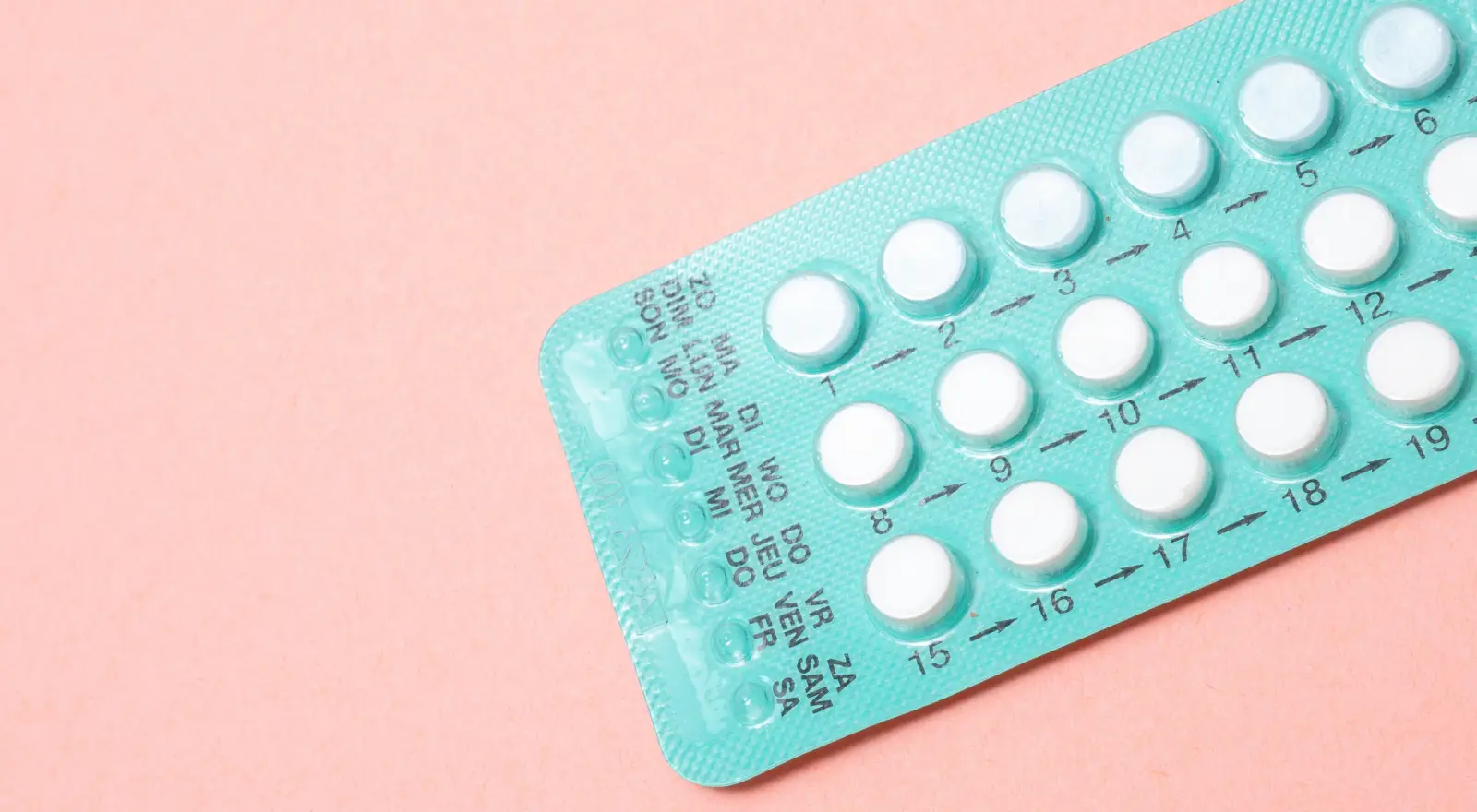
Dr. Malone describes birth control pills as one of the greatest modern inventions for women, fundamentally changing reproductive autonomy since the 1970s. Robbins notes how this innovation directly correlates with dramatic increases in women's educational and professional advancement. Dr. Malone cautions against misinformation, explaining that while birth control pills may increase blood clot risk by two to three times, pregnancy increases that risk sixfold—making pills relatively safer for healthy young women. She notes that around 20 pill formulations exist with different progestins and lower doses, encouraging women to find the right fit rather than giving up after one negative experience.
Barrier methods like diaphragms and condoms offer about 80% effectiveness individually, with improved protection when combined. Dr. Malone emphasizes that condoms remain essential for preventing sexually transmitted infections. Long-acting reversible contraception (LARCs), including hormonal and copper IUDs, injectable contraceptives, and implants, have become popular for their effectiveness by eliminating user error.
Natural Birth Control Methods Are Unreliable
Dr. Malone stresses that "natural" birth control methods—including rhythm methods, temperature tracking, and ovulation sticks—are unreliable compared to medical options. These methods only work for women with extremely regular cycles, which are rare. She explains that sperm can survive up to 72 hours before ovulation, making the fertile window unpredictable. Robbins notes that if a woman is using natural methods to avoid pregnancy, she should instead use reliable contraception.
Dr. Malone urges women to base contraceptive choices on honest assessment of their circumstances rather than unfounded safety fears. She clarifies that birth control pills don't cause infertility or accelerate ovarian aging—fertility typically returns within one or two months after stopping the pill. Contraceptive decisions should primarily consider the potential impact of an unplanned pregnancy on education, finances, and life goals.
Reproductive Health and Fertility: PCOS/PMOS, Endometriosis, Infertility Across Ages
PCOS Renamed PMOS: A Complex Hormonal Condition
Dr. Malone explains that PCOS, increasingly called polyindocrine metabolic syndrome (PMOS), is characterized by chronic anovulation where no dominant egg emerges and ovulation becomes irregular or absent. The hallmark is irregular cycles, often occurring only every few months. The condition involves androgen excess, causing increased facial hair, acne, and sometimes hair loss. There's also a significant metabolic component involving [restricted term] resistance, contributing to weight gain and increased risk for type 2 diabetes.
Endometriosis: A Leading Cause of Pain and Infertility
Affecting one in ten women, endometriosis occurs when uterine tissue grows outside the uterus, typically on the ovaries, abdominal lining, bladder, or bowel. This misplaced tissue bleeds internally during hormonal cycles, causing chronic inflammation, scarring, painful intercourse, and reduced fertility. Diagnosis is often delayed 7 to 9 years due to misattributed symptoms. Treatments include hormonal therapies and laparoscopic surgery.
Fertility Declines With Age
Peak fertility occurs in late teens through the 20s, with steady decline into early 30s. Between 35 and 36, fertility decline accelerates significantly. Both egg quantity and quality decrease with age. Dr. Malone explains that egg freezing works best in the 20s, though the ideal window is late 20s to early 30s when women are more likely to use frozen eggs. Embryo freezing offers better pregnancy outcomes since the fertilized egg is already viable. Family history—knowing when mothers or grandmothers experienced menopause or reproductive challenges—provides important information for making proactive decisions.
Women with PCOS face additional challenges since reduced ovulation limits monthly conception opportunities. Dr. Malone notes that infertility is often wrongly attributed solely to women, though up to half of all cases involve male infertility. Treatments like intracytoplasmic sperm injection (ICSI) can help overcome male factor issues.
Perimenopause & Menopause: Symptoms, HRT, Misconceptions
Menopause: A Prolonged Life Stage
Sharon Malone emphasizes that women will spend 30 to 40% of their lives after menopause—often more time than the reproductive years themselves. The common label "postmenopausal" is misleading, as the long-term effects of estrogen depletion persist for the remainder of a woman's life, affecting bones, skin, brain, and hair.
Hot Flashes Signal Deeper Health Risks
Hot flashes indicate increased cardiovascular and metabolic risks, especially when severe, frequent, or prolonged. Black women experience more intense and longer-lasting symptoms that tend to start earlier, with perimenopause sometimes lasting nearly a decade. Approximately 20% of women continue experiencing hot flashes into their 60s and 70s. Night sweats and hot flashes disrupt sleep, and chronic sleep loss raises risks of hypertension, diabetes, cardiovascular disease, and Alzheimer's. Malone notes that chronic stress, particularly high in Black women due to systemic racism and daily discrimination, exacerbates symptom severity. Black women have twice the risk of dementia compared to white women.
Hormone Therapy: Effective FDA-Approved Treatment
The most effective FDA-approved treatment for menopausal vasomotor symptoms is systemic estrogen therapy. Malone stresses that outdated guidelines about taking the lowest dose for the shortest time no longer apply—hormone therapy can begin when symptoms start and continue as long as medically appropriate. Early initiation, particularly between ages 35 and 45, provides long-term benefits in cardiovascular health, metabolism, sleep, and weight management. Many patients report significant improvements within five weeks of beginning therapy.
Multiple forms exist: transdermal options (patches, sprays, gels) bypass the liver, and oral hormone therapy has proven safe over decades. Vaginal estrogen therapy treats localized symptoms like dryness, painful intercourse, and UTIs through topical application, increasing hydration and boosting collagen in vaginal tissues. However, it doesn't treat systemic symptoms like hot flashes.
Assess Therapy By Balancing Benefits With Risks of Untreated Symptoms
Malone argues that women should weigh not only therapy risks but also consequences of leaving symptoms unaddressed. Uncontrolled symptoms can degrade quality of life and exacerbate long-term health risks including cardiovascular disease, osteoporosis, weight gain, and cognitive decline. Women deserve to feel better and have agency in navigating menopause with every medical tool available.
Estrogen Depletion: Bone Health, Muscle Loss, and Health Consequences
Menopause Triggers Rapid Bone and Muscle Loss
The most rapid phase of bone loss occurs within the first five years after menopause due to estrogen depletion. By age 65, when bone density scans are typically first performed, women may have already lost up to 15 years of irreplaceable bone density. Estrogen affects skin, muscle, and bone—triggering muscle loss and fat redistribution to the abdomen. Malone stresses that estrogen is the only FDA-approved medication proven to prevent osteoporosis in at-risk women.
A woman's baseline bone density depends on genetics, childhood activity level, and adequate calcium and vitamin D intake as a child. Malone emphasizes that weight-bearing and resistance training are essential for bone health—bones strengthen in response to load-bearing stress. Weight training is more effective than cardio alone for preserving muscle and slowing bone loss.
Baseline Bone Density Assessment Enables Early Intervention
Malone insists it makes more sense to assess bone density at menopause, not age 65. Knowing baseline bone health at menopause allows for early intervention when bone density is below optimal. If initial scans are borderline, repeating every 18 months to two years can identify quick declines, providing evidence for intervention before deficits become permanent. Once bone is lost, only a fraction can be regained.
Muscle Mass Protects Against Falls and Fractures
Declining muscle mass and bone density increase fall and fracture risk, especially of the spine, hip, and wrist. Weak muscles mean diminished balance and less cushioning if a fall occurs. As Malone explains, "if you are not careful and mindful of your muscle mass, now you're weaker...less muscle, less bone. What happens if you trip and fall? You're weak, you've got no cushioning, you go down like a tree and you break things." Core strength matters for balance and fall prevention, while sufficient upper body strength is necessary for everyday tasks. Maintaining functional muscle enables independence in older age and serves as vital defense against osteoporosis consequences.
Significance of Health Talks Across Generations and Family Medical History
Understanding and communicating family medical history, especially around reproductive health, is crucial for managing well-being throughout life. Malone and Robbins emphasize the importance of these conversations and risks posed by generational silence.
Discuss Health History With Mothers
Malone advises women to ask their mothers about menstrual cramps, as severe pain can indicate endometriosis risk. Daughters of women with endometriosis have higher likelihood of developing the condition themselves. Knowing when mothers or grandmothers experienced menopause is vital—if a mother entered menopause early, the daughter may begin perimenopause in her early 30s, shortening her fertility window. This generational knowledge enables women to identify symptoms early and not delay medical consultations.
Health Communication Gaps Perpetuate Medical Ignorance
Lack of conversation means many women are unaware of their family reproductive history, resulting in delayed diagnosis. Early sharing of family medical history empowers women to identify risks sooner and pursue earlier interventions. These silences are rooted in shame and insufficient education regarding bodily functions. Malone notes that most women barely receive a "period talk," and when they do, it's limited to basic mechanics rather than addressing symptoms. This leaves women unprepared for menopause and perimenopause onset. Breaking the cycle requires intergenerational dialogue where mothers, daughters, and healthcare providers openly discuss reproductive experiences.
1-Page Summary
Additional Materials
Counterarguments
- While birth control pills have contributed to women's autonomy, access and acceptance have not been universal; cultural, religious, and socioeconomic barriers still limit their use and benefits in many communities.
- The relative safety of birth control pills compared to pregnancy does not negate the fact that some women have contraindications or experience significant side effects, making non-hormonal or non-pharmacological options preferable for them.
- The existence of multiple pill formulations does not guarantee that every woman will find a suitable option, as some may experience adverse effects with all hormonal contraceptives.
- Barrier methods, while less effective than some other forms, are non-hormonal and may be preferred by those who wish to avoid systemic medications or have medical contraindications to hormonal methods.
- LARCs, though highly effective, require medical procedures for insertion and removal, which may not be accessible or acceptable to all women due to cost, provider availability, or personal preference.
- Some women successfully use natural family planning methods, especially when highly motivated and well-educated about their cycles, and may prefer these for religious or personal reasons despite lower average effectiveness.
- The assertion that birth control pills do not cause infertility is generally true, but rare cases of delayed return to fertility or underlying conditions unmasked by discontinuation can occur.
- Emphasizing the impact of unplanned pregnancy on education and finances may overlook the needs and values of women who prioritize other factors, such as religious beliefs or health concerns, in their contraceptive choices.
- The renaming of PCOS to PMOS is not universally accepted in the medical community, and some experts argue that the new terminology may cause confusion.
- Not all women with PCOS/PMOS experience the same symptoms or severity, and some may manage the condition without medication or with lifestyle changes alone.
- Endometriosis treatments, such as hormonal therapy and surgery, may not be effective or appropriate for all patients, and some may experience persistent symptoms despite intervention.
- The recommendation for egg or embryo freezing as a proactive fertility measure may not be financially or logistically feasible for many women, and success rates are not guaranteed.
- While male factor infertility is significant, access to advanced treatments like ICSI may be limited by cost or availability.
- The recommendation for early hormone therapy initiation is not universally endorsed; some guidelines advise caution due to potential risks, especially in women with certain health histories.
- Hormone therapy is not suitable for all women, particularly those with a history of hormone-sensitive cancers, blood clots, or certain cardiovascular conditions.
- The claim that estrogen is the only FDA-approved medication proven to prevent osteoporosis in at-risk women overlooks other approved treatments, such as bisphosphonates and selective estrogen receptor modulators (SERMs).
- Weight-bearing and resistance training, while beneficial, may not be possible for all women due to physical limitations or disabilities.
- The recommendation for bone density assessment at menopause rather than age 65 is not universally adopted in clinical guidelines, which may prioritize resource allocation and cost-effectiveness.
- Family medical history is not always available or accurate, especially for women who are adopted or estranged from biological relatives.
- Open intergenerational dialogue about reproductive health, while ideal, may not be possible in all families due to cultural taboos, trauma, or lack of knowledge.
Actionables
- You can create a personal reproductive health timeline by mapping out your menstrual history, contraceptive use, major symptoms, and any family reproductive milestones to spot patterns and anticipate future needs. For example, note when you started menstruating, any irregularities, contraceptive changes, pregnancies, and when your mother or grandmother experienced menopause or reproductive health issues.
- A practical way to prepare for future health decisions is to set a recurring calendar reminder every two years to schedule bone density and reproductive health check-ins, ensuring you track changes and catch issues early. For instance, use your phone or planner to remind yourself to book these appointments and jot down any new symptoms or questions for your healthcare provider.
- You can start a monthly self-check-in routine where you briefly assess your sleep quality, muscle strength (like how easily you can carry groceries or climb stairs), and any new symptoms such as hot flashes or cycle changes, then record these in a simple notebook or app. This helps you notice trends over time and bring specific concerns to your doctor before they become bigger problems.
Get access to the context and additional materials
Birth Control Myths, Safety, and Options For Women
Birth Control Pills: Essential for Women's Reproductive Autonomy Despite Misinformation
Dr. Sharon Malone describes birth control pills as one of the greatest modern inventions for women, fundamentally changing women’s ability to reliably control when and whether to have children. She emphasizes that this innovation, available since the 1970s, allowed women to delay childbirth, resulting in dramatic increases in women entering and completing college, law school, and medical school. Mel Robbins refers to stark data showing a significant spike in women’s educational and professional advancement following the widespread accessibility of safe birth control, directly linking reproductive autonomy to expanded life opportunities.
Dr. Malone cautions against misinformation, highlighting how birth control pill risks—especially for young women—are small and should be weighed against the much higher risks associated with pregnancy. She explains that while birth control pills may increase the risk of blood clots by two to three times, pregnancy increases clot risk sixfold. Thus, relatively, birth control pills are safer for healthy young women than pregnancy.
For women who experienced negative reactions to a birth control pill in the past, Dr. Malone notes that there are around 20 pill options available, with different types of progestin and lower doses than earlier formulations. She advises patience in finding a formulation that works for each individual, reaffirming that a single bad experience doesn’t mean all pills will be problematic. This personalized approach helps women find the most suitable and tolerable option.
Contraceptive Alternatives Beyond Pills: Barrier and Long-Acting Reversible Methods
Barrier methods, including diaphragms and condoms, are about 80% effective when used individually, and offer better protection when combined. Dr. Malone points out that condoms, even as other options gain popularity, remain essential for preventing sexually transmitted infections and should always be incorporated into birth control regimens, especially for younger women.
Long-acting reversible contraception (LARCs) has become very popular for its effectiveness. LARCs include hormonal IUDs, copper IUDs, injectable contraceptives like [restricted term], and implants. These methods reduce the likelihood of unintended pregnancy because they eliminate user error—unlike daily pills which require consistent use. Dr. Malone underscores that IUDs and implants are ideal for those seeking long-term pregnancy prevention, while those considering pregnancy in the near future might prefer birth control pills for their immediacy and flexibility.
Natural Birth Control Methods Are Unreliable Compared To Medical Contraception
Recent trends show some women turning to "natural" birth control, including modified rhythm methods, temperature tracking, ovulation sticks, and withdrawal. Dr. Malone stresses that these methods are unreliable compared to medical options. She explains that natural methods tend to work only for those with extremely regular cycles, which are rare. Variations in cycle length or ovulation timing make natural methods risky. Sperm can survive up to 72 hours before ovulation, so the fertile window is unpredictable, increasing the chance of unintended pregnancy.
Temperature tracking and ovulation sticks, while useful for confirming ovulation in retrospect ...
Here’s what you’ll find in our full summary
Birth Control Myths, Safety, and Options For Women
Additional Materials
Counterarguments
- While birth control pills have enabled greater reproductive autonomy, some critics argue that their widespread use may contribute to the medicalization of women’s bodies and place the burden of contraception disproportionately on women rather than promoting shared responsibility.
- Some women experience significant side effects from hormonal contraception (e.g., mood changes, decreased libido, migraines), and for these individuals, the risks or discomfort may outweigh the benefits, even if statistically rare.
- There is evidence that certain populations (e.g., women with specific genetic clotting disorders, smokers over 35) face higher risks from hormonal contraceptives, and these risks may be underemphasized in broad safety discussions.
- The effectiveness rates of barrier methods like condoms are often lower in real-world use than in clinical studies, and some critics argue that overemphasizing their effectiveness may lead to unintended pregnancies.
- Some individuals and cultures prefer natural family planning methods for religious, ethical, or personal reasons, and may view the dismissal of these methods as disrespectful or culturally insensitive.
- The assertion that natural methods are “regressive” overlooks improvements in fertility awareness-based methods, which, when practiced correctly and with modern technology, can approach the effectiveness of some medical contraceptives for highly motivated users.
- Concerns about long-term hormonal exposure, environmental impact of synthetic hormones, and lack of long-term studies on newer contraceptive formulations are sometimes raised by ...
Actionables
- You can create a personal contraception decision chart that lists your current life goals, educational or career plans, and potential consequences of an unplanned pregnancy, then match these with different contraceptive options to clarify which method best aligns with your priorities and risk tolerance.
- A practical way to track your experiences with different contraceptive methods is to keep a private journal or digital log where you note side effects, mood changes, and overall satisfaction for each method you try, helping you identify patterns and make more informed choices if you need to switch ...
Get access to the context and additional materials
Reproductive Health and Fertility: Pcos/Pmos, Endometriosis, Infertility Across Ages
Pcos Renamed Pmos: A Hormonal Condition Affecting Ovulation, Androgens, and [restricted term]
Dr. Sharon Malone explains that PCOS, now increasingly called polyindocrine metabolic syndrome (PMOS), has undergone several name changes, but the diagnostic criteria have remained stable for two decades. PCOS/PMOS is characterized by chronic anovulation: in a normal menstrual cycle, several eggs begin to mature but one becomes dominant and is ovulated. In PCOS, none of the maturing eggs dominates, ovulation is irregular or absent, and estrogen is continuously produced without a subsequent luteal phase progesterone surge, leading to highly irregular menstrual cycles. These cycles may occur only every few months or once a year. The hallmark is irregularity, and while many believe “polycystic” means seeing a specific cyst on ultrasound, in PCOS there are usually multiple small follicles—typically around 20—not just one large cyst.
This hormonal disruption is accompanied by androgen excess. The ovaries produce too much [restricted term] when regular ovulation does not occur. Signs of high [restricted term] include increased facial and chin hair, hair around the nipples, acne, and sometimes hair loss or male pattern hair growth.
Beyond reproductive hormones, there is a significant metabolic component. PCOS/PMOS is associated with overproduction of [restricted term] and resultant [restricted term] resistance. This causes the body to produce more [restricted term] than needed, contributing to weight gain, persistent acne, and an increased risk for type 2 diabetes, even in the absence of obvious ovulatory dysfunction.
Endometriosis Affects 1 In 10 Women, Causing Uterine Tissue Growth Outside the Uterus, Leading To Chronic Bleeding, Inflammation, Severe Pain, and Infertility
Endometriosis affects one in ten women and is a leading cause of pain and infertility. In endometriosis, the same tissue that lines the uterine cavity—the endometrium—appears outside the uterus, typically on the ovaries, abdominal lining, bladder, bowel, or other structures. Unlike menstrual blood, this misplaced tissue has no exit path, so when it responds to monthly hormonal changes, it bleeds internally, causing chronic inflammation.
Inflammation from these internal bleeds leads to scarring and adhesions, which can make intercourse painful (dyspareunia) and reduce the ability to conceive by both blocking the eggs’ passage and compromising egg quality. Diagnosis is often delayed by 7 to 9 years due to misattribution of symptoms. Treatments focus on hormonal therapies to suppress the endometrial tissue’s activity and laparoscopic surgery to remove implants and scar tissue.
Fertility Peaks in 20s-early 30s, Declines Post-35 Due to Irreversible Egg Quantity/Quality Decrease
Peak fertility occurs in late teens through the 20s, with a steady but not dramatic decline into the early 30s. Between 35 and 36, the decline in fertility accelerates, and by the early 40s, the chance of conception is significantly lower than at 20. Both the number of eggs and their quality decrease with age—each egg has its own “expiration date,” determined by a mix of genetics and environmental factors.
Egg freezing works best in the 20s for quantity and quality, but younger women are less likely to ever use their frozen eggs, as life events may make conception with a partner preferable later on. Thus, the ideal window for egg freezing is late 20s to early 30s. Freezing doesn’t pause egg aging, and embryo freezing—IVF with known sperm—offers better pregnancy outcomes since the fertilized egg is already viable. Regardless, neither technique can guarantee pregnancy; these options only increase the chances.
Family history is a key predictor for reproductive hurdles. Knowing when your mother or grandmother experienced menopaus ...
Here’s what you’ll find in our full summary
Reproductive Health and Fertility: Pcos/Pmos, Endometriosis, Infertility Across Ages
Additional Materials
Clarifications
- Chronic anovulation means the ovaries do not release an egg regularly or at all. Without ovulation, fertilization and pregnancy cannot occur naturally. It also disrupts normal hormone cycles, affecting menstrual regularity and uterine lining preparation. This condition is a common cause of infertility in women.
- Androgens are hormones typically considered male hormones but are also naturally present in females in smaller amounts. They play a role in developing and maintaining female reproductive tissues and influence libido and bone health. Excess androgens in women can disrupt normal hormonal balance, leading to symptoms like excess hair growth and acne. Proper androgen levels are essential for overall hormonal health and reproductive function.
- [restricted term] resistance means the body's cells do not respond well to [restricted term], causing the pancreas to produce more [restricted term] to keep blood sugar normal. High [restricted term] levels can increase androgen production in the ovaries, worsening hormonal imbalances in PCOS/PMOS. This contributes to symptoms like irregular ovulation and weight gain. Managing [restricted term] resistance through diet, exercise, or medication can improve PCOS/PMOS symptoms.
- The luteal phase progesterone surge is a rise in the hormone progesterone after ovulation, produced by the corpus luteum. It prepares the uterine lining for a potential pregnancy by making it thick and nutrient-rich. Without this surge, the lining may not support embryo implantation, leading to irregular or absent periods. This surge signals that ovulation has occurred and the cycle is progressing normally.
- Follicles are small fluid-filled sacs in the ovaries that contain immature eggs and develop each menstrual cycle. Cysts are larger, abnormal sacs that can form when follicles fail to release an egg or fill with excess fluid. Follicles are a normal part of ovulation, while cysts may cause pain or other symptoms if they grow large or rupture. In PCOS/PMOS, many small follicles accumulate but do not mature into dominant follicles, which is different from having cysts.
- Male pattern hair loss, also called androgenic alopecia, is a common form of hair thinning caused by sensitivity to androgens (male hormones) in hair follicles. In women with PCOS/PMOS, excess [restricted term] can trigger this pattern, leading to thinning hair primarily on the top and crown of the scalp. Unlike typical female hair loss, which is usually diffuse, male pattern hair loss follows a recognizable pattern of receding hairline and balding areas. This symptom reflects hormonal imbalance rather than genetic male traits alone.
- When endometrial tissue grows outside the uterus, it responds to hormonal signals by breaking down and bleeding like normal uterine lining. This blood has no way to exit the body, so it accumulates in surrounding tissues. The trapped blood irritates nearby cells, triggering the immune system to cause inflammation. This inflammation leads to swelling, pain, and the formation of scar tissue.
- Laparoscopic surgery for endometriosis is a minimally invasive procedure using small incisions and a camera to view the pelvic organs. Surgeons remove or destroy endometrial implants and scar tissue to reduce pain and improve fertility. Recovery is usually quicker and less painful than open surgery. This procedure can help diagnose the extent of endometriosis and provide symptom relief but may not cure the condition completely.
- Egg quality refers to the health and genetic normality of an egg, affecting its ability to fertilize and develop into a healthy embryo. Egg quantity means the total number of eggs remaining in the ovaries, which naturally declines with age. Poor egg quality increases the risk of miscarriage and chromosomal abnormalities. Both factors together determine the likelihood of successful conception and healthy pregnancy.
- Egg freezing involves preserving unfertilized eggs for future use, allowing women to delay fertilization until they choose a partner or are ready. Embryo freezing preserves fertilized eggs (embryos), which have a higher chance of successful implantation because fertilization is already confirmed. Embryo freezing requires sperm at the time of freezing, while egg freezing does not. Embryo freezing generally offers better pregnancy success rates than egg freezing alone.
- Perimenopause is the transitional phase before menopause when hormone levels fluctuate and menstrual cycles become irregular. Menopause is defined as the point when a woman has not had a menstrual period for 12 consecutive months, marking the end of reproductive ability. During perimenopause, symptoms like hot flashes and mood changes may begin but are usually less intense than after menopause. This phase can last several years, vary ...
Counterarguments
- The renaming of PCOS to PMOS is not universally accepted in the medical community; most clinical guidelines and research literature still use "PCOS," and the new terminology may cause confusion among patients and providers.
- The diagnostic criteria for PCOS/PMOS are still debated, with some experts arguing that current definitions may overdiagnose or underdiagnose the condition, especially in adolescents and women of different ethnic backgrounds.
- While [restricted term] resistance is common in PCOS, not all individuals with PCOS/PMOS exhibit metabolic dysfunction, and lean PCOS phenotypes exist without significant [restricted term] resistance or weight gain.
- The prevalence of endometriosis is difficult to determine accurately, as many cases remain undiagnosed or asymptomatic; the "1 in 10" statistic is an estimate and may not reflect all populations.
- The assertion that endometriosis always causes severe pain or infertility is not universally true; some women with endometriosis have mild symptoms or remain fertile.
- The effectiveness and accessibility of egg freezing and embryo freezing are limited by high costs, variable insurance coverage, and disparities in access to fertility preservation services.
- Family history is only one of many factors influencing reproductive health; environmental exposures, lifestyle, and random genetic variation also play significant roles.
- The focus on female reproduc ...
Get access to the context and additional materials
Perimenopause & Menopause: Symptoms, Hrt, Misconceptions
Menopause: Women Spend 30-40% of Life With Long-Term Effects From Estrogen Depletion
Sharon Malone emphasizes that menopause is not an isolated event but a significant stage of a woman's life. From puberty through the reproductive years to perimenopause and menopause, hormonal changes continuously affect a woman's health. Importantly, menopause constitutes a prolonged phase: women will spend 30 to 40% of their lives after menopause, which is often more time than the reproductive years themselves. The common label “postmenopausal” is misleading, as it implies an endpoint. In reality, the long-term effects of estrogen depletion—from bones to skin, brain, and hair—persist for the remainder of a woman’s life. Concluding that menopause is "over" just because hot flashes subside ignores the ongoing systemic consequences of hormone loss.
Hot Flashes Indicate Cardiovascular and Metabolic Risks, Especially in Women With Severe, Frequent, or Prolonged Symptoms
Hot flashes are more than just a discomfort; they often signal deeper health issues. Severe, frequent, and prolonged hot flashes can indicate increased cardiac risk. Black women are particularly at risk, experiencing more intense and longer-lasting symptoms that tend to start earlier, sometimes making perimenopause—a stage that usually lasts four to ten years—closer to a decade for African-American women. Approximately 20% of women continue to experience hot flashes into their 60s and 70s, extending the window of increased cardiovascular and metabolic vulnerability.
Night sweats and hot flashes disrupt sleep, and chronic sleep loss raises the risk of hypertension, diabetes, cardiovascular disease, and even Alzheimer's disease. Sharon Malone notes the link between disrupted sleep and increased risks: chronic fatigue leads to reduced physical activity, compounding long-term cardiovascular danger. Furthermore, chronic stress, which is especially high in Black women due to systemic racism, microaggressions, and daily discrimination, exacerbates the severity and duration of menopausal symptoms. Black women have twice the risk of dementia compared to white women, with these disparities escalating from midlife onward.
Systemic Estrogen: Effective Fda-approved Treatment for Menopausal Vasomotor Symptoms When Needed
The most effective FDA-approved treatment for menopausal vasomotor symptoms such as hot flashes is systemic estrogen therapy. Despite this, many women avoid hormone therapy due to lingering fears from outdated research, particularly the belief they should take the lowest dose for the shortest possible time. Malone stresses that these guidelines no longer apply: hormone therapy can be started when symptoms begin and continued as long as it remains medically appropriate. Early initiation of hormone replacement, particularly between ages 35 and 45, provides long-term benefits in cardiovascular health, metabolism, sleep, and weight management. Many patients report significant improvements in energy and well-being as soon as five weeks after beginning therapy, prompting frustration that they didn’t start sooner.
Hormone Therapy Options Beyond Patches: Oral, Sprays, Gels Ensure Access
In light of recent shortages of estrogen patches, Sharon Malone reassures women that effective alternatives exist. There are multiple forms of systemic estrogen: transdermal options (patches, sprays, gels) deliver medication through the skin and bypass the liver, providing trusted and safe options. Oral hormone therapy has also proven safe and effective over decades of research. If a particular patch is unavailable, women can turn to sprays, gels, or explore varying patch dosages without panic.
Vaginal Estrogen Therapy Treats Menopause Symptoms Like Dryness, Painful Intercourse, and Utis Through Topical Application
Vaginal estrogen therapy is a localized, topical treatment aimed at combating genital urinary syndrome of menopause (GSM). ...
Here’s what you’ll find in our full summary
Perimenopause & Menopause: Symptoms, Hrt, Misconceptions
Additional Materials
Clarifications
- Estrogen depletion refers to the significant drop in estrogen hormone levels that occurs during and after menopause. Estrogen regulates many body functions, including bone density, skin elasticity, brain function, and cardiovascular health. Its decline leads to increased risks of osteoporosis, cognitive changes, and heart disease. These widespread effects explain why menopause impacts overall health, not just reproductive symptoms.
- Perimenopause is the transitional phase before menopause when hormone levels fluctuate, causing irregular periods and symptoms like hot flashes. Menopause is defined as the point when a woman has not had a menstrual period for 12 consecutive months, marking the end of reproductive years. Perimenopause can last several years, while menopause is a single event followed by postmenopause, the lifelong phase after menstruation stops. Hormone changes during perimenopause are variable, but after menopause, estrogen levels remain consistently low.
- Vasomotor symptoms are physical reactions caused by changes in blood vessel dilation and constriction. In menopause, they primarily include hot flashes and night sweats due to fluctuating estrogen levels affecting the body's temperature regulation. These symptoms result from the brain's hypothalamus misinterpreting body temperature signals. They are common and can vary in intensity and duration among women.
- Systemic estrogen therapy replaces estrogen throughout the body to compensate for the hormone decline during menopause. It helps regulate bodily functions influenced by estrogen, such as bone density, heart health, and brain function. This therapy can reduce symptoms like hot flashes and prevent long-term complications linked to estrogen loss. It is administered via various methods that allow estrogen to enter the bloodstream and affect multiple organs.
- Systemic estrogen therapy delivers hormones throughout the entire body via the bloodstream, affecting multiple organs and systems. Vaginal estrogen therapy is applied locally to the vaginal area, targeting symptoms in that specific region without significant absorption into the bloodstream. Systemic therapy is used for widespread menopausal symptoms like hot flashes and sleep issues, while vaginal therapy treats localized issues such as dryness and urinary discomfort. The choice depends on symptom type and treatment goals.
- Transdermal hormone delivery means the medication is absorbed through the skin directly into the bloodstream. This method avoids the digestive system and first-pass metabolism in the liver, which can alter hormone levels and increase certain risks. By bypassing the liver, transdermal delivery reduces the chance of blood clotting and liver-related side effects. It provides more stable hormone levels compared to oral intake.
- Hormone therapy guidelines changed after large studies like the Women's Health Initiative initially linked hormone use to increased risks of breast cancer and heart disease. Later analyses showed risks vary by age, timing, and individual health, with younger women benefiting more and facing fewer risks. Current recommendations emphasize personalized treatment, starting hormone therapy near menopause onset and continuing as needed. This shift reflects improved understanding of hormone effects and safer, tailored approaches.
- Hot flashes reflect dysfunction in the body's temperature regulation linked to blood vessel changes. These vascular changes can indicate underlying endothelial dysfunction, a precursor to heart disease. Hormonal fluctuations during menopause also affect metabolism, increasing [restricted term] resistance and fat accumulation. Together, these factors raise the risk of cardiovascular and metabolic disorders.
- Chronic stress triggers the body's prolonged release of stress hormones, which can worsen menopausal symptoms like hot flashes and sleep disturbances. Systemic racism causes ongoing psychological and physiological stress through discrimination and social inequities, intensifying these effects in Black women. This heightened stress response can increase inflammation and disrupt hormone balance, leading to more severe and longer-lasting symptoms. Additionally, chronic stress contributes to higher risks of cardiovascular disease and cognitive decline, compounding health disparities.
- Genital urinary syndrome of menopause (GSM) refers to a collection of symptoms caused by decreased estrogen levels affecting the vulva, vagina, and lower urinary tract. It includes vaginal dryness, irritation, itching, and urinary problems like urgency and infections. GSM results from thinning, inflammation, and reduced elasticity of vaginal and urethral tissues. Treatment often involves localized estrogen therapy to restore tissue health and relieve symptoms.
- Vaginal estrogen binds to estrogen receptors in vaginal tissues, stimulating cells to produce more glycosaminoglycans, which attract and retain water, increasing hydration. It also promotes fibroblast activity, which synthesizes ...
Counterarguments
- While menopause does represent a significant life stage, not all women experience severe or long-term symptoms; some transition with minimal discomfort and may not require medical intervention.
- The risks associated with hormone replacement therapy (HRT), such as increased risk of certain cancers, blood clots, and stroke, remain a concern for some women, especially those with specific risk factors, and should not be dismissed.
- The benefits of early initiation of HRT (ages 35-45) are still debated, as most guidelines recommend starting HRT around the time of menopause onset, not before, due to insufficient evidence for pre-menopausal use.
- Non-hormonal treatments and lifestyle modifications (such as diet, exercise, and cognitive behavioral therapy) can also effectively manage menopausal symptoms for many women and may be preferable for those who cannot or do not wish to use hormones.
- The assertion that hormone therapy can be continued indefinitely as long as it is "medically appropriate" is not universally accepted; many guidelines recommend periodic reevaluation and the lowest effective dose for the shortest duration necessary.
- The relationship between hot flashes and cardiovascular risk is correlational, and causation has not been definitively established; hot flashes may be a marker rather than a direct cause of increased risk.
- While Black women may experience more sev ...
Get access to the context and additional materials
Estrogen Depletion: Bone Health, Muscle Loss, and Health Consequences
Menopause Estrogen Loss Triggers Rapid Bone and Muscle Depletion, Increasing Fracture Risk
Sharon Malone emphasizes that the most rapid phase of bone loss for women occurs within the first five years after menopause due to steep estrogen depletion. By the time a woman typically receives a bone density scan at age 65, according to current guidelines, she may have already lost up to 15 years of irreplaceable bone density. Estrogen affects skin, muscle, and most notably, bone—triggering bone and muscle loss, and redistribution of fat to the abdomen. Even when weight remains stable, menopausal women experience loss of muscle, bone density, and a shift of fat toward the waist, resulting in the classic “spare tire.” Regardless of starting point, bone loss accelerates sharply after menopause, raising the risk of osteoporosis and disabling fractures.
Estrogen: The Sole FDA-approved Osteoporosis Prevention Medication for At-risk Women
Malone stresses that estrogen—or hormone replacement therapy containing estrogen—is the only FDA-approved medication proven to prevent osteoporosis in at-risk women. No other drug currently matches its efficacy in maintaining bone density after menopause.
Bone Density Factors: Genetics, Childhood Activity, Calcium, Vitamin D, and Exercise Influence Menopausal Bone Strength
A woman’s baseline bone density as she approaches menopause largely depends on genetics, activity level in youth, and whether she received adequate calcium and vitamin D as a child. Malone attributes her own strong bone density to a combination of genetics and being active while growing up, supported by proper nutrition ("Were you a milk drinker as a kid?"). Bone is constantly remodeled, and having a large “bone bank” before menopause influences fracture risk later in life.
Exercise-Bone Health Link: Weight-Bearing/Resistance More Effective Than Cardio
Exercise plays a critical role in shaping lifelong bone health. Malone underlines that not just cardiovascular fitness but especially weight-bearing and resistance training (e.g., lifting weights, bodyweight exercises) are essential. Bones adapt by strengthening in response to load-bearing; the more resistance and stress bones encounter, the better they remain over time. Weight training is more effective than cardio alone for preserving muscle and slowing bone loss.
Baseline Bone Density at Menopause Empowers Informed Hormone Therapy Decisions and Early Decline Detection; Delaying Until 65 Misses Intervention Window
Malone insists it makes far more sense to assess bone density at menopause, not age 65. Knowing a woman's baseline at the onset of menopause allows for an early snapshot of bone health: if bone density is below optimal, more proactive treatments—such as hormone therapy—may be indicated to slow or prevent further loss. If the initial scan is borderline, repeating the scan every 18 months to two years can identify quick declines, giving women and their physicians tangible evidence for intervention before deficits become permanent and the opportunity is missed. Once bone is lost, only a fraction can be regained; interventions after age 65 may come too late to be fully effective.
Resistance Training and Weight-Bearing Exercise Slow Bone Density Loss in Women
Regular participation in resistance and weight-bearing exercises helps retain existing bone mass at menopause and beyond. While lost bone is difficult to recover ...
Here’s what you’ll find in our full summary
Estrogen Depletion: Bone Health, Muscle Loss, and Health Consequences
Additional Materials
Clarifications
- Estrogen regulates bone remodeling by promoting bone formation and inhibiting bone resorption, helping maintain bone density. It supports muscle strength by influencing muscle repair and growth. Estrogen also affects skin elasticity and fat distribution by modulating collagen production and fat storage patterns. Additionally, it impacts cardiovascular health by helping maintain healthy blood vessels and cholesterol levels.
- Bone density refers to the amount of mineral matter per square centimeter of bones, indicating their strength and solidity. It is commonly measured using a test called dual-energy X-ray absorptiometry (DEXA or DXA), which uses low-dose X-rays to assess bone mineral content. The results help diagnose osteoporosis and fracture risk by comparing bone density to that of a healthy young adult. Higher bone density generally means stronger bones less prone to fractures.
- Bone remodeling is a continuous process where old bone tissue is broken down by cells called osteoclasts and new bone tissue is formed by osteoblasts. This cycle helps repair micro-damage and maintain bone strength. A “bone bank” refers to the total amount of bone mass accumulated over time, especially during youth, which serves as a reserve to draw from later in life. The larger the bone bank, the more bone mass a person has to lose before developing osteoporosis.
- Bone loss accelerates after menopause because estrogen levels drop sharply, and estrogen normally helps protect bone by slowing the activity of cells that break down bone tissue. Without enough estrogen, bone resorption outpaces bone formation, leading to rapid bone density loss. This imbalance causes bones to become weaker and more fragile. The first few years post-menopause are when this effect is most pronounced.
- Weight-bearing exercises require your body to work against gravity while standing or moving, such as walking, jogging, or dancing. Resistance exercises involve working against an external force, like lifting weights or using resistance bands, to strengthen muscles. Cardiovascular exercises primarily focus on increasing heart rate and endurance, such as running or cycling, and may not provide enough mechanical stress to bones. Weight-bearing and resistance exercises stimulate bone remodeling by applying stress that encourages bone strengthening, unlike most cardio activities.
- Hormone replacement therapy (HRT) works by supplementing the body with estrogen, which declines sharply after menopause and is crucial for maintaining bone density. Estrogen helps regulate the balance between bone breakdown and formation, slowing bone loss and reducing fracture risk. The FDA approves HRT for osteoporosis prevention because clinical trials have demonstrated its effectiveness in preserving bone mass and lowering fracture incidence in at-risk women. However, HRT is prescribed carefully due to potential risks and is typically recommended for women with significant menopausal symptoms or high fracture risk.
- Calcium is a vital mineral that forms the structural component of bones, providing strength and density. Vitamin D helps the body absorb calcium efficiently from the diet and supports bone remodeling. Without enough vitamin D, calcium absorption decreases, leading to weaker bones and higher fracture risk. Together, they are essential for building and maintaining a strong bone "bank" throughout life.
- Muscle mass provides the strength needed to control body movements and maintain balance. Core strength stabilizes the trunk, improving posture and coordination during activities. Together, they reduce the likelihood of tripping or losing balance, which are common causes of falls. Strong muscles also help absorb impact, lessening injury severity if a fall occurs.
- During menopause, estrogen levels drop sharply, which alters how the body stores fat. Lower estrogen shifts fat storage from hips and thighs to the abdominal area. This change happens even if overall body weight remains the same. Abdominal fat is more metabolically active and linked to higher health risks.
- Menopause typically occurs between ages 45 and 55, with the average age around 51. It marks the end of menstrual cycles, diagnosed after 12 consecutiv ...
Counterarguments
- While estrogen is effective for osteoporosis prevention, other FDA-approved medications (such as bisphosphonates, denosumab, and selective estrogen receptor modulators) are also used to prevent and treat osteoporosis, though their mechanisms and indications differ.
- Not all women are suitable candidates for hormone replacement therapy (HRT) due to potential risks, such as increased risk of breast cancer, blood clots, and stroke; individualized risk assessment is necessary.
- Some women maintain adequate bone density and muscle mass after menopause through lifestyle factors alone, such as diet and exercise, without the need for HRT.
- The timing and frequency of bone density scans are debated; some guidelines recommend earlier screening only for women with additional risk factors, rather than universally at menopause.
- Cardiovascular exercise, while less effective than resistance training for bone density, still provides significant health benefits, including cardiovascular health, weight management, and mood improvement.
- Genetics play a major role in bone density, and some women may experience less bone loss or lower fracture risk regardless of interventions.
- The “spare tire” or abdominal fat gain during men ...
Get access to the context and additional materials
Significance of Health Talks Across Generations and Family Medical History
Understanding and communicating about family medical history, especially around reproductive health, is crucial for women to better manage their well-being throughout their lives. Sharon Malone and Mel Robbins emphasize the importance of these conversations and the risks posed by generational silence.
Discuss Health History With Mothers to Understand Inherited Risks for Reproductive Conditions, Fertility, and Menopause
Malone advises women to ask their mothers about their experiences with menstrual cramps, as severe, painful periods can indicate a risk of endometriosis. Since daughters of women with endometriosis have a higher likelihood of developing the condition themselves, this knowledge allows for vigilance and early intervention.
Knowing when mothers or grandmothers experienced menopause is also vital. If a mother entered menopause early, for example at 42, the daughter may begin perimenopause in her early 30s, unknowingly shortening her fertility window. This generational timeline matters because it’s easy to overlook early perimenopause when assuming that fertility will last as long as average statistics suggest.
Documenting and discussing these histories make daughters more alert to symptoms and encourage them not to delay medical consultations. Malone points out that knowing a mother’s history of endometriosis, for instance, helps daughters and their doctors reach a diagnosis more quickly, whereas ignorance can result in years of delay.
Health Communication Gaps Across Generations Perpetuate Medical Ignorance and Delay Diagnosis as Women Overlook Inherited Reproductive Condition Symptoms
Malone stresses that lack of conversation about these topics means many women are unaware of their family reproductive history. This often results in delayed diagnosis, as women may assume their painful or irregular periods are normal and not linked to hereditary conditions. Early sharing of family medical history empowers women to identify risks sooner and pursue earlier interventions, improving outcomes through informed health management.
Women Are Taught Bodily Functions Are Shameful, Fostering Silence Around Menstruation, Reproduction, and Menopause Across Generations
These silences are rooted in shame and insufficient education regarding bodily functions. Malone notes that most women barely receive a “period talk,” and when they do, ...
Here’s what you’ll find in our full summary
Significance of Health Talks Across Generations and Family Medical History
Additional Materials
Counterarguments
- Not all reproductive health conditions are strictly hereditary; environmental, lifestyle, and random factors also play significant roles, so focusing primarily on family history may overlook other important contributors to health.
- Some women may not have access to their family medical history due to adoption, estrangement, or loss, making this approach less universally applicable.
- Emphasizing intergenerational dialogue may inadvertently place responsibility on women to educate themselves and others, rather than addressing systemic gaps in healthcare education and provider training.
- Cultural norms and privacy concerns may make open discussions about reproductive health uncomfortable or inappropriate in some families, and pressuring such conversations could be counterproductive.
- Medical advancements and improved diagnostic tools mean that even without detailed family history, many reproductiv ...
Actionables
- you can create a simple, private timeline chart for your family’s reproductive milestones (like age at first period, menopause, or diagnosis of conditions) using a notebook or spreadsheet, then update it as you learn more from relatives, so you have a clear visual reference for your own health planning and doctor visits.
- a practical way to encourage open conversation is to set aside a regular, relaxed time (such as a monthly tea or phone call) with your mother, grandmother, or daughters specifically to share stories and questions about reproductive experiences, making it a normal and ongoing part of your relationship rather than a one-time, awkward talk.
- you can w ...
Get access to the context and additional materials

 1-Page Summary
- Birth Control Myths, Safety, and Options For Women
- Reproductive Health and Fertility: Pcos/Pmos, Endometriosis, Infertility Across Ages
- Perimenopause & Menopause: Symptoms, Hrt, Misconceptions
- Estrogen Depletion: Bone Health, Muscle Loss, and Health Consequences
- Significance of Health Talks Across Generations and Family Medical History
Create Summaries for anything on the web
Download the Shortform Chrome extension for your browser
