

The Hidden Reason You Feel Exhausted & How to Feel Better Now
In this episode of The Mel Robbins Podcast, Dr. Brennan Spiegel, a gastroenterologist, presents gravity intolerance as a framework for understanding common health issues like fatigue, back pain, digestive problems, anxiety, and depression. He explains how modern sedentary lifestyles weaken the body's ability to manage Earth's gravitational force, resulting in symptoms across multiple body systems. Rather than viewing these struggles as personal failings, Spiegel frames them as physics problems that can be addressed through practical interventions.
The conversation covers how the body manages gravity through interconnected systems—including the gut microbiome, serotonin production, posture, and cellular structures—and offers specific exercises and lifestyle adjustments to strengthen gravitational resilience. Spiegel introduces the Stack10 diet framework, discusses the importance of hydration and sleep, and explains how grip strength and balance serve as indicators of overall health. You'll come away with a new perspective on fatigue and physical discomfort, along with actionable strategies for building strength against gravity's constant pull.


This is a preview of the Shortform summary of the Jun 8, 2026 episode of the The Mel Robbins Podcast
Sign up for Shortform to access the whole episode summary along with additional materials like counterarguments and context.
1-Page Summary
Gravity Intolerance: A New Framework for Modern Health Challenges
Dr. Brennan Spiegel, a gastroenterologist, introduces gravity intolerance as a unifying framework for understanding common health problems like IBS, back pain, anxiety, depression, and fatigue. He explains that many seemingly unrelated symptoms share a single root cause: the body's failure to harmonize with Earth's gravitational force. Every cell is designed to withstand gravity's compressing force through tiny structures that prevent collapse. When this gravitational management fails, symptoms emerge throughout the body—from the gut to the spine to the brain.
Spiegel notes that modern sedentary lifestyles weaken our resistance to gravity. Prolonged sitting or lying down, coupled with weight gain, muscle weakness, and poor diet, undermines the body's natural ability to counteract gravity. He recounts how his mother-in-law developed digestive issues and depression after becoming bedbound, not from dietary changes but because lying flat meant "giving in" to gravity.
Rather than viewing these struggles as personal failings, Spiegel encourages a shift in perspective: these are physics problems, not character flaws. Understanding health challenges through the gravity lens removes blame and creates space for empowering solutions, helping people see themselves as organisms challenged by a powerful force rather than as fundamentally broken.
Body Systems Managing Gravity: Gut, Serotonin, Posture, and Cellular Structures
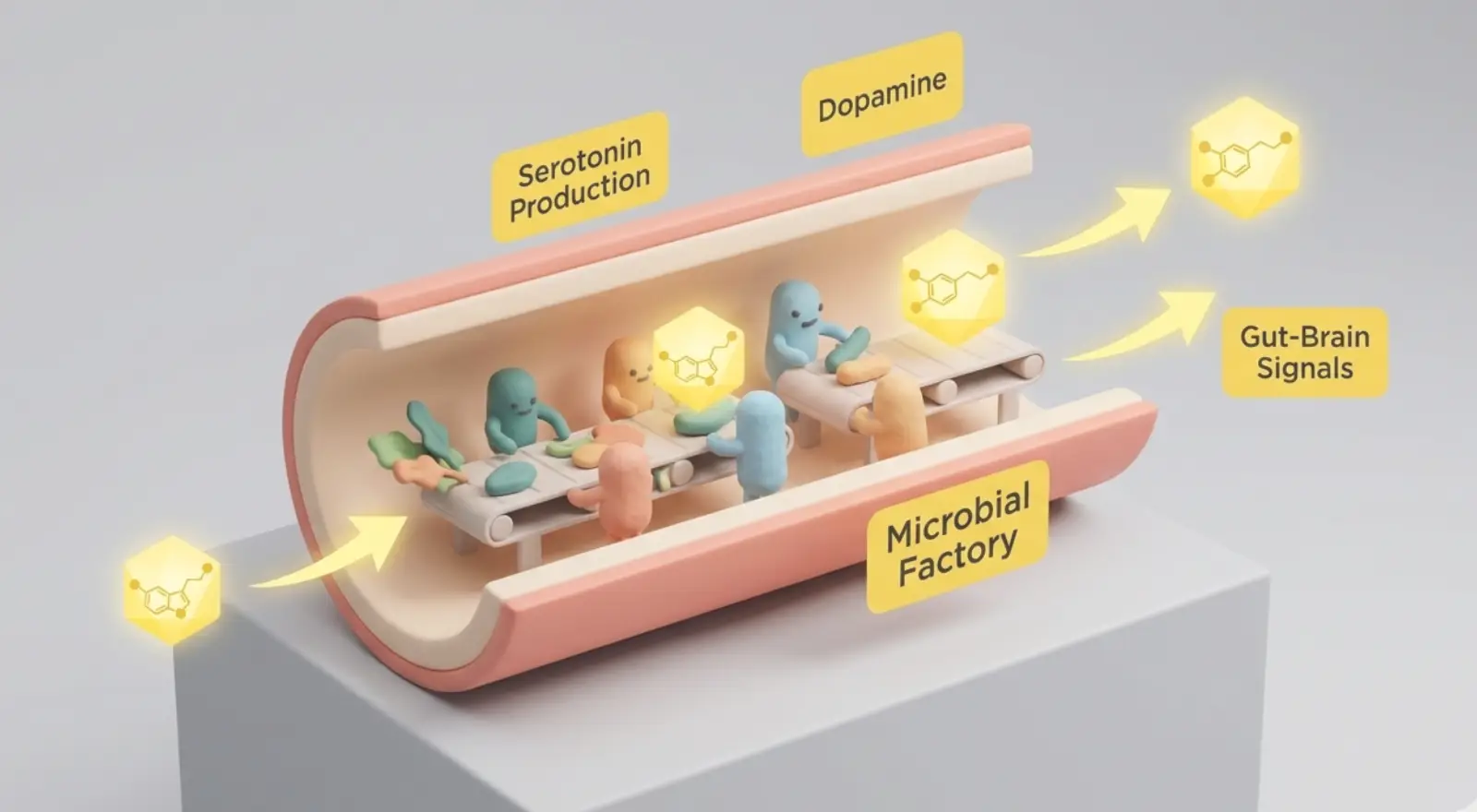
The body manages gravity through interconnected systems. Spiegel explains that 95% of the body's serotonin is produced in the gut through the microbiome's conversion of tryptophan. This serotonin powers muscles, circulatory pumps, and neural signaling necessary for staying upright. The microbiome partnership dates back to our ancestors' transition from ocean to land, when helpful microorganisms provided serotonin in exchange for a hospitable environment.
Posture directly affects spinal alignment and organ function. Slouching compresses the abdomen and "kinks the garden hose" of the digestive tract, while upright posture with an open chest supports healthy organ function. At the cellular level, microtubules—tiny scaffolding structures—maintain cell shape and prevent collapse through tensegrity, allowing the body to bend without breaking.
The vagus nerve links brain states to digestion and cardiovascular function. Slow, intentional breathing activates this nerve, shifting the body from fight-or-flight to rest-and-digest mode. Anxiety and depression often manifest as "gut feelings" because the vagus nerve transmits emotional states from brain to digestive tract, creating sensations similar to the "butterflies" people experience on roller coasters.
Practical Exercises for Strengthening Gravity Management
Spiegel recommends several exercises to build gravitational resilience. Dead hangs decompress the spine—just 30 seconds can make you nearly half an inch taller—while strengthening grip, shoulders, and upper back. The world record is over an hour, but starting small and building up is key. Standing on one leg for at least 10 seconds is both a diagnostic tool and training exercise; research shows this ability correlates with greater longevity in older adults.
Wearing a weighted vest (12–20 pounds) trains the body to manage increased gravity, making normal gravity feel lighter when the vest is removed. Ankle weights enable passive leg strengthening during sedentary activities like desk work. Inverted yoga poses like downward dog temporarily reverse gravity, relieving compression and resetting the body's relationship with gravitational pull while stimulating lymphatic drainage and improving cognitive function.
Stack10 Diet and Lifestyle: Supporting Serotonin and Gravity Management
Spiegel introduces the Stack10 framework, featuring ten tryptophan-rich foods: salmon, turkey, avocado, chicken, chickpeas, kidney beans, tempeh, tofu, eggs, and nuts. These foods provide the raw material for serotonin production, which he calls "gravity management substance." By fueling the microbiome with these foods, the body supports natural serotonin production that enhances resilience against gravity's effects.
Hydration is crucial because the body's pumping systems need fluid volume to circulate blood and lymph against gravity. Spiegel recommends 10 to 13 glasses of water daily to maintain optimal circulatory and nervous system function. Without adequate hydration, symptoms like brain fog and lightheadedness emerge as forms of gravity intolerance.
Sleep provides essential relief by removing the need to pump blood upward against gravity. Lying down allows enhanced blood flow to the brain, facilitating removal of metabolic waste like amyloid proteins. Sunlight boosts serotonin via photoreceptors, further aiding gravity management. Diaphragmatic breathing activates the vagus nerve, shifting the body to rest mode. Spiegel even suggests reframing gravity itself: physicists describe it as Earth's upward acceleration, which transforms movement from feeling weighed down to springing upward like on a trampoline.
Health Markers: Grip Strength, Balance, and Longevity
Grip strength is a comprehensive health marker reflecting bone density, muscle mass, cardiovascular fitness, and gravitational resilience. Research-backed standards suggest men should achieve over 35 pounds and women 20-25 pounds for good health trajectory. Spiegel connects this to evolution: our ancestors' survival depended on hanging from trees, making grip strength a proxy for overall resilience and life expectancy.
For digestive health, Spiegel notes that exercise outperforms pharmaceutical and dietary interventions for IBS in randomized controlled trials. Activities like Tai Chi, yoga, strength training, swimming, and running show superior outcomes by reinforcing the body's gravity management systems. Swimming particularly benefits those with joint hypermobility, as the horizontal posture avoids gravitational compression while building core strength.
Signs of declining gravity tolerance include back pain, poor posture, swollen ankles, dizziness, chronic pain, exhaustion, and emotional heaviness. These symptoms signal the body is yielding to rather than resisting gravity. Conversely, markers of improved gravity tolerance include reduced pain, better posture, increased energy, stronger grip, and enhanced confidence. As physical resilience grows, so does mental and emotional well-being, creating a positive feedback loop that reinforces commitment to gravity-strengthening practices.
1-Page Summary
Additional Materials
Clarifications
- Gravity intolerance refers to the body's reduced ability to cope with the constant force of Earth's gravity, leading to physical and physiological strain. This strain disrupts cellular structures, muscle function, and nervous system signaling, causing symptoms across multiple systems. It links diverse conditions by highlighting how gravity-related stress impairs bodily resilience rather than isolated organ dysfunction. The concept reframes chronic health issues as biomechanical challenges rather than purely biochemical or psychological problems.
- Cells use microtubules, which are rigid protein filaments, to maintain their shape and resist compression. These microtubules form a supportive network inside the cell, distributing mechanical forces evenly. This network operates on the principle of tensegrity, balancing tension and compression to keep cells stable. Without this structure, cells would collapse under gravitational pressure.
- Microtubules are tiny, tube-like structures inside cells that act as a skeleton, providing shape and support. Tensegrity is a design principle where structures maintain stability through a balance of tension and compression forces. In cells, microtubules work with other components like actin filaments to distribute mechanical stress evenly. This balance allows cells to be flexible yet strong, preventing collapse under pressure.
- The microbiome consists of trillions of bacteria in the gut that help digest food and produce chemicals. Tryptophan is an essential amino acid obtained from diet, which these bacteria convert into serotonin. Serotonin acts as a neurotransmitter influencing mood, digestion, and muscle function. Most serotonin in the body is made in the gut, not the brain, highlighting the gut-brain connection.
- When vertebrates moved from ocean to land about 400 million years ago, they faced new challenges like gravity and air breathing. This shift required adaptations in their nervous and digestive systems to regulate mood, movement, and gut function. Serotonin production in the gut increased as a key mechanism to support muscle function and stress responses on land. Symbiotic gut microbes evolved alongside hosts to enhance serotonin synthesis, aiding terrestrial survival.
- The vagus nerve is a major part of the parasympathetic nervous system, controlling involuntary functions like heart rate and digestion. It sends signals from the brain to organs, regulating processes such as slowing the heart and stimulating digestive secretions. It also carries sensory information from the gut back to the brain, influencing mood and stress responses. This bidirectional communication helps coordinate physical and emotional states.
- Slow, intentional breathing stimulates the parasympathetic nervous system by increasing vagal tone. This occurs because deep breaths activate stretch receptors in the lungs, sending signals via the vagus nerve to the brainstem. The brainstem then promotes relaxation responses, lowering heart rate and blood pressure. This process shifts the body from stress (fight-or-flight) to calm (rest-and-digest) states.
- Dead hangs decompress the spine by gently stretching the vertebrae, reducing pressure on discs and nerves, which can alleviate back pain and improve posture. They also engage and strengthen the muscles of the shoulders, arms, and upper back, enhancing grip strength and upper body stability. Standing on one leg challenges balance by activating core and stabilizing muscles, improving proprioception and coordination. This exercise strengthens ankle and leg muscles, reducing fall risk and supporting joint health.
- Weighted vests and ankle weights add extra load to the body, increasing the force muscles must counteract to maintain posture and movement. This additional resistance stimulates muscle strengthening and improves bone density by mimicking the effects of higher gravity. Over time, the body adapts by becoming more efficient and resilient in supporting itself against gravitational pull. This adaptation makes normal gravity feel easier to manage when the weights are removed.
- Inverted yoga poses use gravity to encourage lymph fluid to flow toward lymph nodes, aiding detoxification and immune function. This improved lymphatic drainage reduces swelling and supports waste removal from tissues. Enhanced circulation from inversion also increases oxygen and nutrient delivery to the brain, boosting alertness and mental clarity. Additionally, these poses stimulate the parasympathetic nervous system, promoting relaxation and cognitive focus.
- Tryptophan is an essential amino acid that the body uses to produce serotonin, a neurotransmitter important for mood and bodily functions. Serotonin influences muscle contractions, blood flow, and nerve signaling, all crucial for maintaining posture and resisting gravity. The Stack10 diet emphasizes tryptophan-rich foods to ensure sufficient serotonin production through the gut microbiome. This supports the body's ability to manage gravitational forces effectively.
- Hydration maintains blood volume, which is essential for the heart to pump blood effectively throughout the body. Proper fluid levels ensure lymphatic fluid can circulate, removing waste and supporting immune function. Without enough water, blood becomes thicker, making it harder to move upward against gravity. This strain can cause symptoms like dizziness and fatigue due to reduced oxygen and nutrient delivery.
- During sleep, the brain's glymphatic system becomes more active, clearing out waste products. This system uses cerebrospinal fluid to flush out toxins like amyloid proteins. Amyloid buildup is linked to neurodegenerative diseases such as Alzheimer's. Efficient waste removal during sleep helps maintain brain health and function.
- Sunlight stimulates specialized cells in the retina called photoreceptors, which send signals to the brain's pineal gland. This signaling reduces melatonin production and increases serotonin synthesis. Serotonin is a neurotransmitter that regulates mood and energy. Thus, exposure to natural light helps elevate serotonin levels.
- The idea that gravity is Earth's upward acceleration comes from the equivalence principle in physics, which states that gravitational force and acceleration are indistinguishable locally. Instead of Earth pulling objects down, Earth accelerates upward to meet them, creating the sensation of weight. This perspective helps explain why standing feels like being pushed up rather than pulled down. It shifts the experience of gravity from a force of attraction to a continuous upward push.
- Grip strength reflects overall muscle function because strong muscles support bones and improve circulation. It correlates with bone density since muscles exert force on bones, stimulating bone maintenance and growth. Cardiovascular fitness links to grip strength as better heart health enhances blood flow to muscles, improving strength. Studies show higher grip strength predicts lower risk of mortality, making it a simple indicator of longevity.
- Early primates evolved strong grip strength to navigate arboreal environments safely, allowing them to cling to branches and avoid falls. This ability enhanced access to food and escape from predators, increasing survival chances. Over time, grip strength became a key physical trait linked to overall fitness and resilience. Thus, it remains a useful indicator of health and longevity in humans.
- Exercise improves IBS by enhancing gut motility, reducing stress, and balancing the nervous system. Physical activity modulates the gut-brain axis, which pharmaceutical and dietary treatments may not fully address. Studies show exercise reduces IBS symptoms more consistently than medications or diet changes alone. This holistic effect supports long-term symptom management and overall well-being.
- Swimming provides low-impact exercise that reduces stress on loose or unstable joints common in joint hypermobility. The buoyancy of water supports body weight, preventing joint overextension and injury. Water resistance strengthens muscles evenly, improving joint stability without harsh impact. This combination helps maintain mobility and reduces pain for people with hypermobile joints.
- Swollen ankles occur when gravity causes fluid to pool in the lower legs due to poor circulation or weakened veins. Dizziness can result from insufficient blood flow to the brain when the body struggles to pump blood upward against gravity. Declining gravity tolerance means the body's systems that support circulation and posture are less effective. This leads to symptoms as the body "gives in" to gravity rather than resisting it.
- A positive feedback loop means that improvements in one area cause improvements in another, which then further enhance the first area. In this case, as physical resilience (like strength and posture) improves, it boosts mental and emotional well-being by reducing stress and increasing confidence. Better mental health then motivates continued physical activity, further strengthening the body. This cycle repeats, creating ongoing mutual benefits.
Counterarguments
- The concept of "gravity intolerance" as a unifying explanation for diverse health problems like IBS, anxiety, and depression is not widely recognized or supported in mainstream medical literature; these conditions have multifactorial causes, including genetics, environment, and psychosocial factors.
- While sedentary lifestyles are linked to various health issues, attributing them primarily to a failure to "manage gravity" is a novel framing that lacks robust empirical evidence compared to established risk factors such as physical inactivity, poor diet, and stress.
- The claim that 95% of serotonin is produced in the gut is accurate, but most of this serotonin does not cross the blood-brain barrier and thus does not directly affect mood or central nervous system function.
- The evolutionary narrative connecting the microbiome-serotonin partnership to gravity management is speculative and not a consensus view in evolutionary biology.
- The assertion that exercise outperforms pharmaceutical and dietary interventions for IBS is context-dependent; while exercise is beneficial, some patients require medication or dietary changes for symptom control.
- The idea that posture and gravity management are primary drivers of digestive and mental health oversimplifies complex physiological and psychological processes.
- Recommendations such as wearing weighted vests or ankle weights may not be appropriate or safe for all individuals, especially those with certain medical conditions or mobility limitations.
- The suggestion that hydration needs are universally 10 to 13 glasses of water daily does not account for individual variation in fluid requirements based on age, activity level, climate, and health status.
- The framing of gravity as Earth's upward acceleration is a physics perspective that may not have direct relevance to practical health interventions.
- While grip strength is a useful health marker, it is only one of many indicators of overall health and should not be overemphasized as a proxy for longevity or resilience.
Get access to the context and additional materials
Gravity Intolerance Theory: How Inability to Manage Gravity Underlies Ibs, Back Pain, Anxiety, Depression, Fatigue
Dr. Brennan Spiegel, a gastroenterologist, introduces a new perspective on a host of modern health challenges—suggesting that difficulty managing gravity, not just isolated diseases or personal weaknesses, underlies common problems like IBS, back pain, anxiety, depression, fatigue, and others.
Health Conditions Arise From Body's Disharmony With Gravity
Dr. Spiegel explains that many issues people experience—pain, anxiety, depression, dizziness, exhaustion, swelling, digestive complaints—share a single root cause: gravity intolerance, a breakdown in the body's ability to harmonize with Earth’s gravitational force. He describes gravity intolerance as a new framework, rarely discussed in medical training, that connects these symptoms. Every cell in the body is built to withstand gravity’s compressing force, using tiny structures to prevent collapse. When this gravitational management fails, symptoms emerge everywhere from the gut to the spine to the brain.
Gravity intolerance helps explain why conditions such as IBS, constipation, anxiety, and depression often respond poorly to single, isolated treatments. Spiegel notes that doctors typically classify symptoms as distinct diseases, yet when considered through the gravity lens, these disparate symptoms reflect the body’s struggle to maintain upright function against constant planetary pull.
He gives examples of common experiences—dizziness upon standing, low back pain, mental exhaustion, “gut feelings” of anxiety, feelings of sadness or heaviness—as signs that the body is surrendering to gravity, not managing its force. Spiegel recounts how his mother-in-law, after becoming bedbound, developed digestive issues and depression, even without changes to her diet or medication. Lying flat, she “gave in” to gravity, which impaired her physical and mental health.
Sedentary Lifestyles Weaken Resistance To Gravity
Spiegel explains that gravity intolerance is a modern epidemic, closely tied to lifestyle changes. Today’s sedentary existence—sitting or lying down for prolonged periods, coupled with weight gain, muscle weakness, emotional stress, and consumption of ultra-processed foods—undermines the body’s natural resistance to gravity. He emphasizes that the body evolved to be upright and active, its systems designed to interact dynamically with gravity.
When people spend hours in chairs or beds, their posture collapses, spines curve, and core muscles weaken, making it harder to counteract gravity. Spiegel equates the modern experience to living on a planet with too much pull: you’re weighed down, lethargic, and even emotionally “down,” struggling to be curious or energetic. He emphasizes how connective tissue, bones, muscles, and even gut motility all respond to the pressures of gravity, and when people “give in” rather than resist, a cascade of physical and mental symptoms can result.
He recounts again that lying down all day, as happened with his mother-in-law, triggers slow digestion, stomach pain, and depression—not b ...
Here’s what you’ll find in our full summary
Gravity Intolerance Theory: How Inability to Manage Gravity Underlies Ibs, Back Pain, Anxiety, Depression, Fatigue
Additional Materials
Clarifications
- Gravity intolerance refers to the body's reduced ability to maintain structural and functional stability against Earth's gravitational pull. This can lead to symptoms like dizziness, muscle weakness, and impaired organ function because tissues and systems struggle to support themselves upright. It involves failure in cellular and connective tissue mechanisms that normally resist gravity's compressive forces. Manifestations include physical symptoms (e.g., back pain, digestive issues) and mental symptoms (e.g., fatigue, anxiety) due to disrupted bodily equilibrium.
- Cells use the cytoskeleton, a network of protein fibers, to maintain shape and resist mechanical stress. Microtubules, actin filaments, and intermediate filaments provide structural support and distribute forces evenly. These structures anchor organelles and help cells adapt to physical pressure, including gravity. This internal framework enables cells to stay intact and function properly under compression.
- The body’s cells and tissues rely on structural proteins and the cytoskeleton to maintain shape against gravity’s pull. Poor gravity management weakens spinal alignment and muscle tone, causing nerve compression and disrupted signaling. In the gut, impaired posture and reduced movement slow digestion and alter nervous system regulation. Brain function is affected by reduced blood flow and stress responses triggered by physical strain and discomfort.
- Isolated treatments often fail because they target symptoms rather than the underlying systemic issue of gravity intolerance. Gravity intolerance affects multiple body systems simultaneously, so addressing only one symptom leaves others unresolved. Effective treatment requires holistic approaches that improve overall physical resilience and posture. This systemic focus helps restore the body's ability to manage gravity, reducing diverse symptoms together.
- The spine’s natural curves act like shock absorbers, distributing gravitational forces evenly. Poor posture flattens or exaggerates these curves, increasing strain on muscles and ligaments. This strain weakens the body’s ability to maintain upright stability against gravity. Over time, weakened support structures reduce overall gravity resistance, leading to pain and fatigue.
- Connective tissue provides structural support and elasticity, helping the body maintain shape against gravity. Bones act as a rigid framework that bears weight and resists gravitational compression. Muscles generate force to stabilize posture and enable movement, counteracting gravitational pull. Gut motility relies on muscle contractions that move food through the digestive tract, which can slow if gravity’s assistance in downward movement is reduced.
- Lying down reduces the natural gravitational pull that aids movement of food through the digestive tract, slowing gut motility. Prolonged inactivity weakens core muscles and decreases blood circulation, impairing digestive efficiency. Reduced physical activity also lowers production of mood-regulating neurotransmitters like serotonin, contributing to depression. Additionally, lack of sunlight and social interaction during extended bed rest can worsen depressive symptoms.
- Re ...
Counterarguments
- The concept of "gravity intolerance" is not widely recognized or established in mainstream medical science; most common health conditions like IBS, back pain, anxiety, and depression have multifactorial causes supported by extensive research, including genetics, environment, psychological factors, and lifestyle.
- There is limited empirical evidence directly linking gravity management failure as a primary or unifying cause for diverse conditions such as IBS, depression, and fatigue.
- Many people with sedentary lifestyles do not develop the full spectrum of symptoms described, suggesting that other factors play significant roles in these health issues.
- The assertion that every cell is primarily built to withstand gravity oversimplifies cellular biology; cells have evolved to manage a variety of physical and chemical stresses, not just gravity.
- Medical professionals classify symptoms as distinct diseases based on well-established diagnostic criteria and pathophysiological mechanisms, which have been validated through decades of research.
- The improvement of symptoms with increased activity or better posture can be explained by well-understood mechanisms such as impr ...

Get access to the context and additional materials
Body Systems Managing Gravitational Forces: Gut, Microbiome, Serotonin, Circulation, Posture
The human body copes with gravity not just through bones and muscles, but through a dynamic network including the gut, microbiome, serotonin, circulation, posture, and intricate cellular structures. These systems work together to help us stay upright, maintain organ function, and regulate emotional as well as physical stability.
Gut Microbiome Produces 95% of Serotonin, Enabling Upright Posture
Brennan Spiegal explains that about 95% of the body's serotonin is produced in the gut, not the brain. This production relies on the microbiome—the community of microorganisms in our digestive system. When we eat foods containing tryptophan, the gut converts it into serotonin. This serotonin then circulates through the body, playing a critical role in activating muscles, powering circulatory pumps like those in the lymphatic system, and maintaining neural signaling necessary to stay upright. Without sufficient serotonin, the body cannot resist gravity; newborns, who lack a fully established gut microbiome, have low serotonin and thus weaker postural support.
The microbiome's partnership with humans dates back to the evolutionary leap from ocean to land. Ancestors brought along helpful microorganisms, which, in return for a hospitable environment, provided vital serotonin, giving us the ability to manage gravity effectively. If the body is deficient in serotonin, it loses the gravity resistance signal, leading to collapse and dysfunction.
Posture Affects Spinal Alignment and Organ Compression
Posture directly impacts spinal alignment and the condition of internal organs. Slouching or rounding the shoulders forward, common with frequent phone use or poor sitting habits, causes the upper back to move forward, the thorax and diaphragm to kink downward, and the abdomen to compress. This constriction can be felt as a pinching or squishing sensation in the midsection, reducing digestive efficiency. Poor posture "kinks the garden hose" of the digestive tract, impeding movement and function.
Conversely, an upright posture with an open chest and engaged core supports healthy organ function, much like an uncoiled garden hose. Standing or sitting straight lifts the abdominal organs, opens the diaphragm, and allows for better movement within the belly and more effective operation of internal "pumps and tubes." Good posture preserves space for organs, whereas slouching squishes them, leading to long-term health issues.
Cells Resist Gravity With Microtubules
At the cellular level, the human body combats the force of gravity with microtubules—tiny scaffolding structures that maintain cell shape and prevent collapsing. The entire human body operates on the principle of tensegrity, or tensile integrity, which allows for bending and stretching without breaking, similar to how trees sway in the wind.
These microtubules coordinate with muscles, the back, gut, heart, and brain to help manage gravity on a broad scale. Spiegal notes that when treating gut issues, he often explores back pain as well, since these systems are interconnected at multiple "seams" within the body. Diseases may arise more from dysfunction at these connection points rather than in isolated systems.
Vagus Nerve Links Brain States To Digestion and Cardiovascular Function Through Gravitational Management
The vagus nerve, the longest in the body, forms a crucial link among the brain, gut, and heart, f ...
Here’s what you’ll find in our full summary
Body Systems Managing Gravitational Forces: Gut, Microbiome, Serotonin, Circulation, Posture
Additional Materials
Clarifications
- Serotonin acts as a signaling molecule that influences muscle contraction and blood vessel function, aiding circulation and posture. It also modulates neural pathways involved in motor control and sensory processing beyond mood. In the gut, serotonin regulates digestion by controlling intestinal movements and secretions. Thus, serotonin integrates physical and physiological functions essential for maintaining balance and stability.
- The gut microbiome influences serotonin production by metabolizing dietary tryptophan, an essential amino acid. Tryptophan is converted into 5-hydroxytryptophan (5-HTP) by the enzyme tryptophan hydroxylase, then into serotonin (5-hydroxytryptamine). Certain gut bacteria can modulate this pathway by producing metabolites that affect enzyme activity or tryptophan availability. This serotonin primarily acts locally in the gut but also signals through the nervous system to impact bodily functions.
- Tensegrity is a structural principle where components under tension and compression balance each other to create a stable yet flexible form. Microtubules are rigid, tube-like proteins inside cells that act as compression elements within this tensegrity framework. They work with tension-bearing elements like actin filaments to maintain cell shape and resist deformation from forces like gravity. This balance allows cells to absorb stress without collapsing, supporting overall body structure.
- The transition from ocean to land required organisms to develop new ways to manage gravity and maintain bodily functions without buoyant water support. Microorganisms in the gut evolved alongside hosts to aid in nutrient absorption and produce key chemicals like serotonin, which help regulate muscle and nerve function. This symbiotic relationship enhanced the host's ability to maintain posture and organ function against gravity. Thus, the microbiome was crucial for adapting to terrestrial life by supporting physiological systems that counteract gravitational forces.
- Serotonin acts as a neurotransmitter that binds to receptors on muscle cells, triggering contraction by increasing calcium ion flow inside the cells. In circulatory pumps like the lymphatic vessels, serotonin modulates smooth muscle tone, enhancing rhythmic contractions that propel fluid. It also influences the autonomic nervous system to regulate heart rate and blood vessel dilation, optimizing blood flow against gravity. This coordinated action helps maintain muscle tone and circulation necessary for upright posture.
- Poor posture, such as slouching, causes the spine to curve unnaturally, which compresses the spaces between vertebrae and strains muscles and ligaments. This misalignment reduces the space available for organs, leading to their compression and impaired function. The phrase "kinking the garden hose" illustrates how bending or compressing the digestive tract restricts the flow of food and digestive juices, similar to how a kinked hose blocks water flow. Maintaining proper posture keeps the spine aligned and organs uncompressed, allowing optimal physiological function.
- The vagus nerve is a major part of the parasympathetic nervous system, controlling involuntary functions like heart rate and digestion. It sends sensory information from the gut and heart to the brain, helping regulate bodily responses. This nerve also influences inflammation and immune responses, linking physical health to emotional states. Its activity supports ...
Counterarguments
- While the gut produces the majority of the body's serotonin, most of this serotonin does not cross the blood-brain barrier and primarily affects local gut function rather than directly influencing muscle activation or posture.
- The claim that serotonin from the gut microbiome is essential for upright posture is not widely supported in mainstream physiology; muscle tone and postural control are primarily regulated by the nervous system and musculoskeletal structures.
- The evolutionary narrative that microorganisms provided serotonin to enable gravity management is speculative and not established in evolutionary biology literature.
- There is limited scientific evidence directly linking serotonin deficiency to an inability to resist gravity or causing bodily collapse in humans.
- The assertion that newborns have weaker postural support solely due to low serotonin from an underdeveloped microbiome overlooks the primary role of neuromuscular development and myelination in infants.
- The tensegrity model is a useful metaphor for cellular and anatomical structure, but its application to systemic gravity management in humans is debated and not universally accepted in biomedical science.
- While posture affects organ positioning an ...
Get access to the context and additional materials
Exercises to Strengthen Relationship With Gravity: Dead Hangs, One-leg Stands, Weighted Vests, Posture Correction
A strong, adaptive relationship with gravity is essential for overall health, mobility, and longevity. Several practical exercises and lifestyle adaptations can help us master and benefit from Earth's gravitational pull.
Dead Hang Benefits: Spinal Decompression and Gravitational Tolerance
Dead hangs are a foundational exercise for decompression of the spine and building gravitational resilience. Using a sturdy pull-up bar, you lift your feet off the ground and hang by your hands, letting your bodyweight gently lengthen your spine. Just 30 seconds of hanging can make you nearly half an inch taller by reversing compression from gravity. Practicing and gradually increasing hang time strengthens grip, shoulder stability, and upper back muscles—all critical for posture and functional movement. Successfully performing a dead hang for a minute marks you as a "gravity master." The world record, set by Kenta Adachi of Japan, is an astonishing one hour, 20 minutes, and 14 seconds. Starting small and working up is key; compare only to your own progress. Regular dead hangs not only decompress the spine but also enhance shoulder and grip strength, both vital for postural integrity and everyday gravitational challenges.
Single-Leg Balance: A Diagnostic and Training Tool Integrating Inner Ear, Proprioception, and Strength
Standing on one leg for at least 10 seconds is a simple, revealing test of gravitational adaptation. Research shows that the ability to balance on one leg for at least 10 seconds correlates with greater longevity, especially in older adults. If maintaining a single-leg stance for 10 seconds is difficult, it signals an opportunity for training. You can improve with balance exercises, yoga, and targeted strength and vestibular system workouts. Balance training stimulates the inner ear (vestibular system), enhances proprioception (the sense of your body in space), and strengthens bones, tendons, and coordinated muscular control—all integral to efficiently managing the constant pull of gravity.
Wearing a Weighted Vest Trains the Body to Manage Increased Gravity, Creating a "Training Effect" Making Normal Gravity Feel Lighter
Wearing a weighted vest (typically 12–20 pounds) challenges your posture and core while going about your daily routine. The added weight mimics life on a planet with stronger gravity, forcing your postural muscles—especially between the shoulder blades—to engage more actively, aiding spinal alignment and diaphragmatic movement. Over time, adaptation to the extra weight makes ordinary gravity feel easier, much like how baseball players swing weighted bats before stepping up to the plate. This form of training reflects human evolution: those exposed to greater gravitational stress developed stronger musculoskeletal systems and resilience. Removing the vest often leaves you feeling lighter and more mobile.
Ankle Weights Enable Passive Leg Strengthening During Seated Work Without Dedicated Exercise Time
Ankle weights allow for constant, low-level leg activity even during sedentary activities like office work or Zoom calls. Weights (sometimes up to 20 pounds per leg) facilitate sea ...
Here’s what you’ll find in our full summary
Exercises to Strengthen Relationship With Gravity: Dead Hangs, One-leg Stands, Weighted Vests, Posture Correction
Additional Materials
Counterarguments
- The claim that dead hangs can make you "nearly half an inch taller" is only a temporary effect due to spinal decompression; it does not result in permanent height increase.
- While dead hangs can benefit grip and shoulder strength, they may not be suitable for individuals with shoulder injuries or certain joint conditions, and could potentially exacerbate these issues.
- The assertion that a one-minute dead hang marks someone as a "gravity master" is subjective and not a medically recognized standard of health or fitness.
- The correlation between single-leg balance and longevity, while supported by some studies, does not establish causation; other factors may contribute to both balance ability and lifespan.
- Wearing weighted vests may increase the risk of joint strain or injury, particularly in individuals with pre-existing musculoskeletal issues or poor posture.
- The evolutionary argument that humans developed stronger musculoskeletal systems due to greater gravitational stress is speculative and not universally accepted in anthropological research.
- Ankle weights, if used improperly or for extended periods, can place undue stress on the knees and hips, potential ...
Actionables
- you can set a daily reminder to change your body position every hour, such as standing up, stretching, or shifting your weight from one foot to the other, to keep your body actively adapting to gravity throughout the day; for example, stand on tiptoes while waiting for your coffee or shift your weight side to side while brushing your teeth.
- a practical way to boost balance and gravitational adaptation is to walk along a straight line on the floor (like a hallway seam or a strip of tape) with your eyes closed for a few steps, which challenges your proprioception and vestibular system in a safe, co ...

Get access to the context and additional materials
Stack10 Diet and Lifestyle: Boost Serotonin and Manage Gravity With Hydration, Sleep, Sunlight, and Breathing
The Stack10 approach combines diet, hydration, sleep, sunlight, and conscious movement to enhance physical and mental resilience by managing gravity and maximizing serotonin.
The Stack10 Framework Identifies 10 Tryptophan-Rich Foods Supporting Gravitational Management Capacity
Stack10 Foods Providing Tryptophan For Serotonin Conversion
Brennan Spiegel introduces the Stack10 framework, which features ten specific foods chosen for their high tryptophan content—the amino acid essential for serotonin production. The foods are salmon, turkey, avocado, chicken, chickpeas, kidney beans, tempeh, tofu, eggs, and nuts. Incorporating a variety of these foods into the diet provides the raw material necessary to convert tryptophan into serotonin, a neurotransmitter that facilitates both emotional wellbeing and physical “gravity management.”
Tryptophan-Rich Foods Support the Microbiome's Serotonin Production for Gravitational Resistance
Spiegel describes serotonin as “gravity management substance.” By fueling the microbiome with tryptophan-rich foods from the Stack10 list, the body supports natural serotonin production in the gut, which in turn enhances resilience against the daily effects of gravity.
Diet as Serotonin Fuel: A Nutritional Strategy for Gravitational Management
Spiegel’s strategy is to stack these tryptophan-rich foods throughout the week, viewing dietary choices as intentional serotonin fuel. This emphasis transforms diet into a tool not just for general wellness, but specifically for enhancing the body’s ability to “stand up to the force of gravity.”
Hydration Is Crucial Because the Pumping Systems Need Fluid Volume to Circulate Blood and Lymph Against Gravity
Body Fluid Requirement
Approximately 60% of human body weight is fluid, and the body relies on a network of pumps and tubes to move blood and lymph against gravity’s pull. Spiegel likens hydration to maintaining “the salt water flowing” within us, a necessary carryover from our oceanic evolutionary roots.
Inadequate Hydration Leads To Brain Fog, Exhaustion, and Lightheadedness as Fluid Volume Drops and Pumps Struggle to Push Fluid Upward Against Gravity
Without sufficient fluid intake, these pumps struggle, leading to symptoms such as brain fog, exhaustion, and lightheadedness. Spiegel emphasizes that such states are often forms of “gravity intolerance,” when the body lacks enough fluid volume for effective upward movement of blood and lymph.
Baseline Target: 10-13 Daily Glasses of Water Ensure Optimal Circulatory, Lymphatic, Nervous System Functioning For Gravitational Management
Spiegel recommends a baseline of 10 to 13 glasses of water per day as optimal for maintaining circulatory and lymphatic system function, supporting nervous system health, and counteracting the challenges of gravity. This level of hydration helps both mental clarity and physical stability.
Sleep Relieves By Removing the Need to Pump Blood and Fluid Against Gravity, Letting the Brain Flush Out Waste
At Night, Lying Down Aids Blood Flow to the Brain and Cleanses Amyloid Proteins
During sleep, the body is horizontal, so gravity no longer forces the heart and circulation to work as hard to move blood upward. This position allows for enhanced blood flow to the brain, facilitating the removal of metabolic waste, including amyloid proteins implicated in cognitive decline.
"Falling Asleep" Signifies Yielding To Gravity, Allowing the Nervous System to Switch To Parasympathetic Mode and the Brain to Undergo Essential Maintenance
The phrase “falling asleep” is literal in this context: lying down yields to gravity, relieving the pumps and tubes, and allowing the nervous system to shift into a reparative, parasympathetic state. This nightly “gravity break” is essential for recharging both body and brain.
Adequate Sleep Reduces Cognitive Decline and Alzheimer's Risk By Clearing Brain Debris and Restoring Function
Spiegel connects sleep with reduced risk of cognitive decline and Alzheimer’s disease, arguing that proper hydration, sleep quality, and other lifestyle factors are each associated with healthy brain maintenance and resilience against degeneration.
Sunlight Boosts Serotonin via Photoreceptors For Gravity Management
Sunlight Boosts Serotonin, Aiding Gravitational Management With Tryptophan and Microbiome
Natural sunlight exposure is a key pillar of serotonin production. Time spent outdoors activates photoreceptors, triggering biochemical processes that boost serotonin, thereby aiding in both mood regulation and physical gravity management.
Outdoor Time Improves Resistance to Gravitational Forces
Spending time outdoors further strengthens the body's resistance to gravitational stress, complementing the effects of a serotonin-boosting diet.
Breathing Practices: Diaphragmatic Breathing Activates Vagus Nerve for Nervous System Stability
Deep Breathing With Abdominal Expansion and Chest Rising Uses the Diaphragm and Intercostal Muscles for Optimal Organ Function
Spiegel guides the practice of slow, d ...
Here’s what you’ll find in our full summary
Stack10 Diet and Lifestyle: Boost Serotonin and Manage Gravity With Hydration, Sleep, Sunlight, and Breathing
Additional Materials
Counterarguments
- The concept of "gravity management" as described is not a recognized medical or physiological term, and its scientific basis is unclear.
- While tryptophan is a precursor to serotonin, dietary intake of tryptophan does not directly or reliably increase brain serotonin levels due to the blood-brain barrier and competition with other amino acids.
- The majority of serotonin produced in the gut does not cross into the brain and primarily affects gut function rather than mood or cognitive resilience.
- The recommended daily water intake of 10 to 13 glasses may not be necessary or appropriate for everyone; hydration needs vary based on individual factors such as age, activity level, climate, and health status.
- There is limited evidence that hydration specifically improves "gravity management" or directly prevents symptoms like brain fog or lightheadedness in healthy individuals.
- The framing of sleep as "yielding to gravity" is metaphorical and not a standard explanation in sleep science.
- While sleep is important for brain health, the direct link between sleep posture and amyloid clearance is still under investigation and not fully established.
- Sunlight exposure does boost mood and supports circadian rhythms, but its direct effect on serotonin levels and "gravity management" is not conclusively proven.
- The idea that reframing gr ...
Actionables
- you can create a daily gravity resilience log to track your hydration, sleep, sunlight, and movement habits alongside notes on how light or energized you feel, helping you spot patterns and make small adjustments for better physical and mental resilience
- Keep a simple notebook or digital note where you jot down how many glasses of water you drank, hours slept, time spent outdoors, and any conscious movement or breathing you practiced. Add a quick note about your mood, energy, or sense of lightness each day. Over a week or two, look for connections—like feeling more alert after more sunlight or less brain fog with better hydration—and use these insights to tweak your routine.
- a practical way to reinforce the upward acceleration mindset is to set a recurring reminder to pause and imagine the ground or your chair gently lifting you upward, especially during moments of fatigue or slouching
- When you get a notification, take a few seconds to picture the floor or seat supporting and pushing you up, then subtly adjust your posture to match that sensation. This can help you build a habit of engaging your muscles and feeling lighter throughout the day, especially during long periods of sitting or standing.
- you can design a weekly meal ro ...
Get access to the context and additional materials
Health Markers and Longevity: Grip Strength, Balance, and One-leg Stand as Health, Gravity Tolerance, and Life Expectancy Indicators
The interplay between movement, muscular strength, and gravity shapes health and longevity in profound ways. Grip strength, balance, and the ability to stand on one leg are not just isolated abilities—they reflect deeper physiological resilience, adaptability, and the capacity to thrive across years.
Grip Strength Predicts Cardiovascular Health, Overall Strength, and Life Expectancy Across Ages
Research Links Grip Strength With Bone Density, Muscle Mass, Neurological Function, Cardiovascular Fitness, and Gravitational Management
Brennan Spiegal explains that grip strength is a comprehensive marker of underlying health. It goes beyond measuring hand or forearm strength; it provides insight into overall body strength, cardiovascular fitness, bone density, muscle mass, neurological function, and, crucially, a person’s ability to manage gravity. The body's ability to resist gravity and maintain physical autonomy is rooted in our evolutionary history, where hanging from branches ensured survival. Today, this translates to physical resilience and longevity.
Grip Strength Standards: Men Above 35 Lbs, Women 20-25 Lbs Indicating Good Health Trajectory
Using a dynamometer to measure grip force, Spiegal cites validated research-backed standards: men who can achieve over 35 pounds and women between 20 and 25 pounds demonstrate a healthy trajectory. Surpassing these thresholds suggests not only robust musculoskeletal strength but potentially cardiovascular fitness and better outcomes in aging.
Grip Strength's Link to Survival: A Measure of Gravitational Resilience From Our Tree-Hanging Past
Spiegal ties this to evolution: our ancestors’ survival depended on resisting gravity by holding onto trees. Modern grip strength thus remains a proxy for overall gravitational resilience, intertwining physical capacity with life expectancy.
Exercise and Digestive Health: Movement Therapy For IBS
Rcts: Tai Chi, Yoga, Osteopathy, Strength Training, Swimming, Running Outperform Pharmaceutical/Dietary Interventions For IBS
Spiegal highlights that exercise is “the most effective therapy we have for IBS, by far,” outstripping medication and dietary changes in randomized controlled trials. Modalities such as Tai Chi, yoga, osteopathic interventions, strength training, swimming, and running show superior outcomes for irritable bowel syndrome (IBS) and digestive health.
Superior Effectiveness of Exercise Through the Gravity Framework
The effectiveness of exercise, in this context, is rooted in its impact on gravity management. Engaging the musculoskeletal system helps sustain upright posture, improves circulation, and enhances digestive function by resisting gravitational collapse. Robust movement reinforces the body’s suspension systems, buffering against digestive issues.
Swimming Boosts Joint Flexibility and Core Stability
Swimming stands out for those with joint hypermobility or “stretchiness.” The horizontal posture in water avoids compression from gravity, boosting core and back strength to support internal organs and digestion, and preserving joint flexibility with minimal impact.
Joint Hypermobility Predicts Increased Digestive Issues Due to Excessive Internal Stretchiness
Hypermobile Joints May Cause Organ Prolapse Due to Stretchy Tissues
Testing joint flexibility with maneuvers like pulling the pinky back to 90 degrees or touching the thumb to the forearm reveals hypermobility. Spiegal notes that those “stretchy on the outside” are likely “stretchy on the inside,” meaning that internal ligaments and connective tissues are also lax. This increases the risk of organ “prolapse,” where organs shift due to loose internal suspension systems.
Internal Stretchiness Causes Bacterial Overgrowth, Gas, and Digestive Dysfunction Due to the Kinked-Hose Effect From Untensioned Suspension Cables
Gravity, acting on these overly stretchy tissues, compresses the organs. The intestines—likened to a “sack of potatoes on strings”—can collapse inward, causing kinks like in a garden hose. This leads to bacterial overgrowth, problematic gas, and digestive dysfunction as food and waste flow are impeded.
Swimming and Core Exercises Benefit Hypermobility By Supporting Lax Connective Tissue
For hypermobility, swimming and targeted core exercises build supporting musculature, offsetting the effect of lax connective tissue, reopening the abdominal cavity, and improving digestion. While connective tissue stretchiness is fixed, its impact can be mitigated with strategic movement and strength-building.
Signs of Declining Gravity Tolerance: Back Pain, Postural Decline, Swollen Ankles, Dizziness, Chronic Pain, Exhaustion, Emotional Heaviness
Symptoms Suggest the Body Is Yielding To Gravity Rather Than Resisting, an Early Warning For Intervention
A constellation of symptoms signals waning gravity tolerance: back pain, po ...
Here’s what you’ll find in our full summary
Health Markers and Longevity: Grip Strength, Balance, and One-leg Stand as Health, Gravity Tolerance, and Life Expectancy Indicators
Additional Materials
Clarifications
- Gravity tolerance refers to the body's ability to withstand and function effectively under the constant force of gravity. It involves maintaining posture, balance, and organ positioning without strain or dysfunction. Poor gravity tolerance can lead to symptoms like pain, fatigue, and organ prolapse due to weakened musculoskeletal and connective tissue support. Enhancing gravity tolerance through strength and movement improves overall health and longevity by preserving physical resilience.
- Early humans and primates relied on strong grip strength to hang from tree branches for safety, food gathering, and movement. This ability required well-developed muscles, bones, and nervous system coordination to resist gravity. Over time, these traits became fundamental to overall physical resilience and survival. Modern grip strength reflects this inherited capacity to manage gravitational forces effectively.
- Grip strength thresholds are based on population studies linking specific force levels to lower risks of health problems and mortality. These cutoffs help identify individuals with sufficient muscular and cardiovascular health for their age and sex. Falling below these values often signals increased vulnerability to frailty, disability, and chronic disease. Clinicians use these benchmarks to guide interventions and monitor aging-related decline.
- Gravitational resilience refers to the body's ability to maintain strength, balance, and function while counteracting the constant pull of gravity. It involves muscular strength, joint stability, and neurological control to keep posture and movement efficient. Practically, higher gravitational resilience means less risk of falls, pain, and mobility issues as one ages. It also supports organ positioning and overall physical autonomy.
- Exercise enhances digestive health by strengthening core muscles that support internal organs, preventing them from sagging under gravity. Improved posture from exercise ensures proper alignment, reducing pressure and kinks in the digestive tract. Enhanced circulation from movement promotes efficient nutrient absorption and waste elimination. Together, these effects maintain organ function and reduce digestive symptoms.
- Joint hypermobility is a condition where joints move beyond the normal range expected for a particular joint. It is often caused by genetic differences in connective tissue, making ligaments more flexible or loose. Testing typically involves simple physical maneuvers, such as bending the thumb to touch the forearm or extending the pinky finger backward beyond 90 degrees. While often harmless, hypermobility can increase the risk of joint pain, injury, and related issues like organ prolapse due to lax connective tissues.
- Organ prolapse occurs when weakened or stretched ligaments and connective tissues fail to hold organs in their proper position. This causes organs, such as the bladder, uterus, or intestines, to shift downward or bulge into adjacent areas. The condition can lead to discomfort, pressure, and impaired organ function. It is more common in people with connective tissue disorders or after childbirth.
- The "kinked-hose effect" describes how lax internal tissues cause the intestines to bend or collapse, similar to a garden hose that is pinched and blocks water flow. This bending disrupts normal movement of food and waste through the digestive tract. It creates areas where bacteria can accumulate, leading to overgrowth and gas. The result is impaired digestion and discomfort.
- Swimming provides buoyancy that reduces joint stress by supporting body weight in water. It allows full range of motion without impact, preventing injury common in hypermobile joints. The water’s resistance gently strengthens muscles, improving joint stability. This combination helps protect lax connective tissues while enhancing core support.
- The body constantly works against gravity to maintain posture and organ position. When muscles and connective tissues weaken, gravity causes strain, leading to symptoms like back pain and swollen ankles. Poor circulation and nerve compression from this strain can cause dizziness and chronic pain. Emotional heaviness may result from physical discomfort and reduced mobility linked to this gravitational stress.
- Li ...
Counterarguments
- While grip strength is correlated with overall health and longevity, it is not a definitive predictor; many factors such as genetics, chronic diseases, and socioeconomic status also play significant roles in life expectancy and health outcomes.
- The evolutionary argument linking modern grip strength to ancestral tree-hanging behavior is speculative and not universally accepted among anthropologists or evolutionary biologists.
- Grip strength standards may not account for individual differences due to age, disability, or underlying medical conditions, and thus may not be universally applicable as health markers.
- Exercise is beneficial for IBS, but not all patients respond equally, and some may require pharmaceutical or dietary interventions for effective symptom management.
- The superiority of exercise over pharmaceutical and dietary interventions for IBS is not absolute; some studies show mixed results, and individual responses vary.
- The concept of "gravity management" as a central framework for understanding health is not widely recognized in mainstream medical literature.
- Swimming may not be accessible or suitable for all individuals with joint hypermobility due to factors such as cost, access to facilities, or personal preference.
- The link between joint hypermobility and digestive dysfunction is still being r ...
Get access to the context and additional materials

 1-Page Summary
- Gravity Intolerance Theory: How Inability to Manage Gravity Underlies Ibs, Back Pain, Anxiety, Depression, Fatigue
- Body Systems Managing Gravitational Forces: Gut, Microbiome, Serotonin, Circulation, Posture
- Exercises to Strengthen Relationship With Gravity: Dead Hangs, One-leg Stands, Weighted Vests, Posture Correction
- Stack10 Diet and Lifestyle: Boost Serotonin and Manage Gravity With Hydration, Sleep, Sunlight, and Breathing
- Health Markers and Longevity: Grip Strength, Balance, and One-leg Stand as Health, Gravity Tolerance, and Life Expectancy Indicators
Create Summaries for anything on the web
Download the Shortform Chrome extension for your browser
