

6 Words to Tell Yourself Every Morning
In this episode of The Mel Robbins Podcast, Mel Robbins and stylist Erin Walsh explore how intentional dressing can transform daily life by shifting focus from "How do I want to look?" to "How do I want to feel?" They discuss using clothing as a practical tool for self-expression and empowerment, with wardrobes supporting the multiple roles women navigate throughout their day. The conversation addresses common challenges women face, including negative self-talk during dressing, closets filled with outdated identities, and body changes through life stages like postpartum and menopause.
Walsh and Robbins offer practical strategies for making intentional clothing choices, including morning rituals centered on choosing three feeling-words, conducting regular closet audits, and using structure and texture to enhance mood. Team members share personal stories of using intentional dressing during difficult transitions, demonstrating how small choices—from bold boots to lipstick during chemotherapy—can shift energy and cultivate confidence throughout various life challenges.


This is a preview of the Shortform summary of the Apr 2, 2026 episode of the The Mel Robbins Podcast
Sign up for Shortform to access the whole episode summary along with additional materials like counterarguments and context.
1-Page Summary
Intentional Dressing: Cultivating Mood, Energy, and Self Through Clothing
Intentional dressing transforms how we approach our wardrobes by focusing on feeling rather than appearance. With insights from stylist Erin Walsh and host Mel Robbins, this practice uses clothing as a tool for self-expression, empowerment, and healing.
Clothing to Embody and Project one's Ideal Self
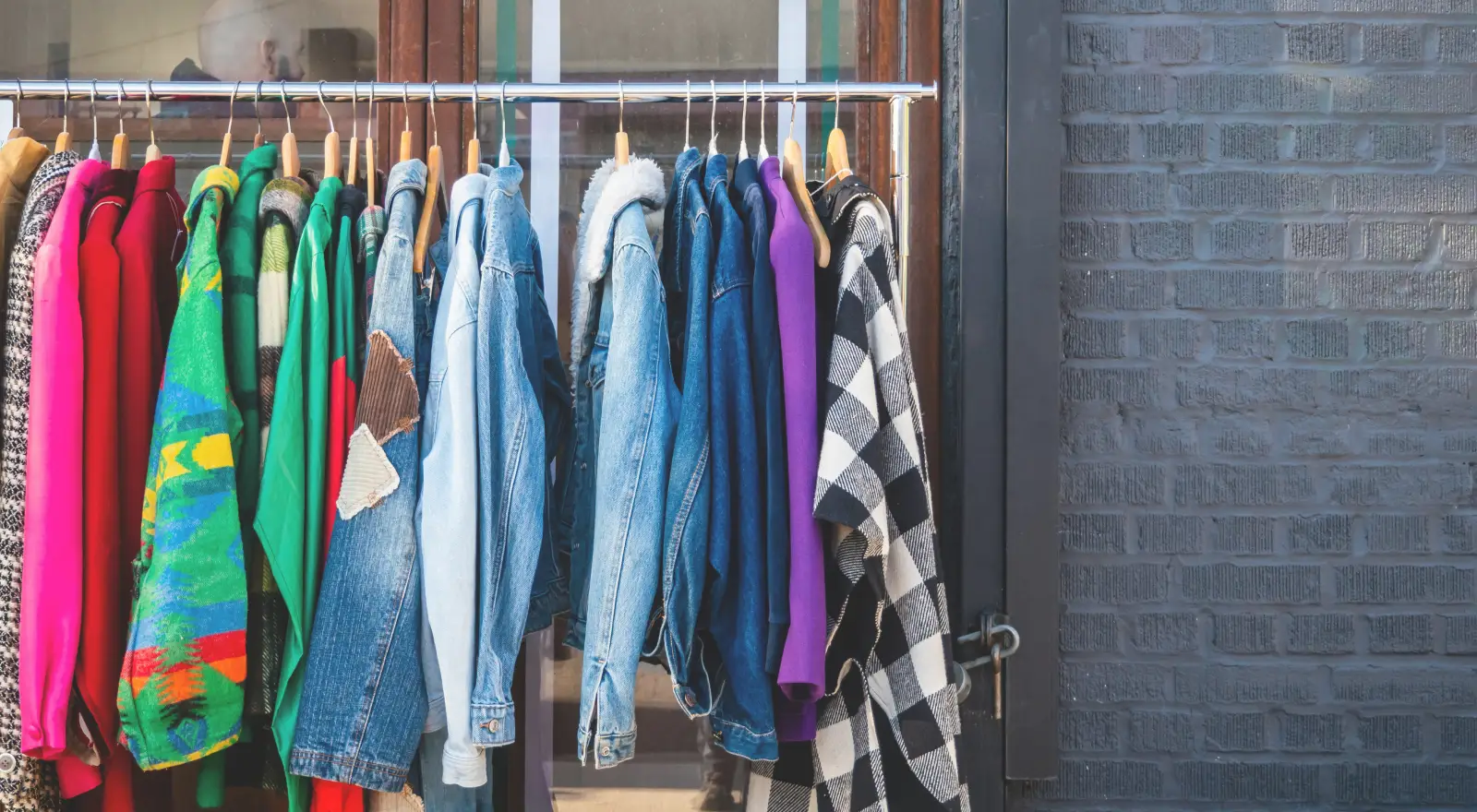
Instead of asking "How do I want to look?" intentional dressing begins with "How do I want to feel today?" Walsh and Robbins stress that clothing is a practical tool everyone uses daily, making it an opportunity to purposefully embody your best self. Walsh explains that wardrobes should support the multiple roles women play throughout the day, with clothes becoming energetic allies that help you feel confident, powerful, or serene depending on your intentions.
Walsh emphasizes, "You become the change that you see as possible in yourself. You learn to wear the change you want to see in the world." Fashion becomes about owning your story through texture, color, proportion, and silhouette. Robbins shares that her bold knee-high boots made her feel invincible, while soft sweatpants offered comfort and protection—each choice changing her energy and mood. Team members Jessie and Cindy echo this shift, with Cindy using intentional dressing, including always wearing lipstick during chemotherapy, to maintain boldness and normalcy.
Closets as a Portal to Self-Discovery and Self-Expression
Closets can become portals of possibility when viewed with intention. Walsh explains most closets are filled with nostalgia or past identities rather than supporting who you are now or want to become. Intentional dressing invites regular closet audits: try on every piece, let go of what doesn't align with your desired feelings, and keep only what supports your present or future self.
This process is clarifying and freeing. With every piece, ask if it helps you feel bold, serene, empowered, or whatever matters to you. Even choosing intentional underwear becomes a ritual of honoring your potential and self-worth, setting an energetic foundation for your day.
Intentional Dressing as a Life-Changing Habit
When daily attire choices become intentional acts, the effects ripple through every aspect of life. Walsh calls it a game changer: making small, intentional choices about color, texture, or silhouette helps you embody the mood and energy you want. Robbins marvels at how asking "How do I want to feel?" and picking three words to guide dressing flips getting dressed from a chore to an opportunity for empowerment.
Walsh reiterates, "That's where the joy is because the joy comes when you are in alignment, when your insides align with your outsides. That's like the key to happiness and possibility." With every act of getting dressed, you choose to honor yourself and embody the limitless possibility of who you can become.
Psychology and Emotions of Dressing and Closets
The Closet: A Vulnerable Space Reflecting Identity and Self-Perception
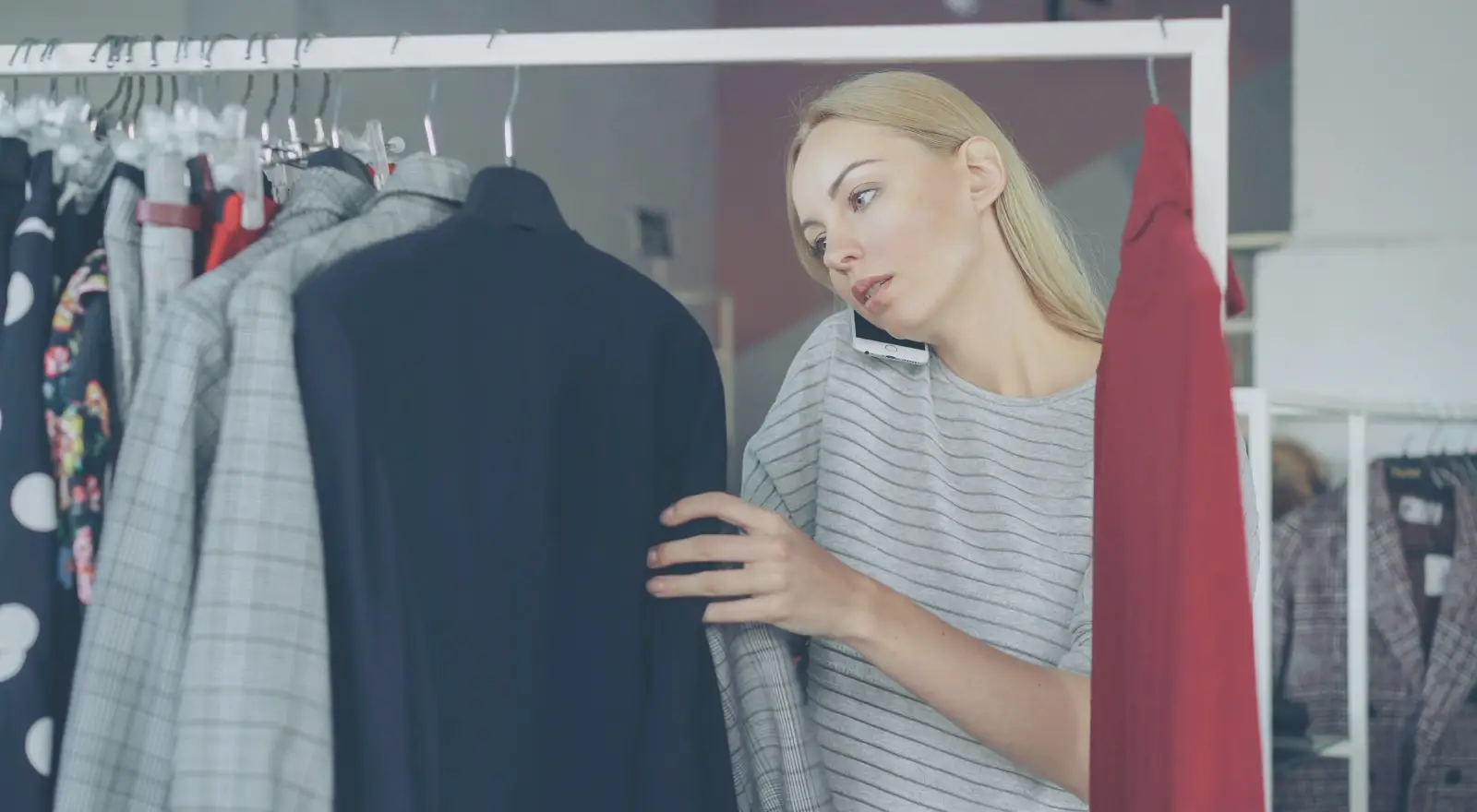
Closets act as mirrors for our evolving identities and emotional states. Walsh describes the closet as a metaphorically naked, vulnerable space, saying most people's closets reflect who they used to be rather than who they are or want to become. This emotional weight compounds as people hold onto clothes that no longer fit or represent past versions of themselves.
Robbins shares her experience of feeling overwhelmed by clothes that no longer fit or belonged to an outdated version of herself, creating a sense of "wreckage." Jessie recounts postpartum closet purging, discarding beloved but ill-fitting jeans and realizing that oversized "safe" pieces may offer comfort but can signal hiding and disconnection from one's current self.
Negative Self-Talk and Low Self-Worth Spiral When Dressing
The dressing process can initiate negative self-talk and diminished self-worth. Walsh notes that many people ask "What should I wear?" or "What fits?" rather than how they want to feel, leading to dressing for perceived external expectations rather than personal needs. Amy describes her discomfort with the question "How do I want to feel today?" as it triggers negative thoughts about body image and fit.
Robbins describes the internalized habit of dressing either to match her present negative feelings or to impress others, without reflecting on her own desires. Walsh elaborates that prioritizing how others perceive you leads to discomfort and inauthenticity. The influence of this cycle can extend generationally, with Robbins reflecting on how her daughters observed and mirrored her negative body talk.
Cultivating Self-Compassion and Celebrating One's Changing Body
Walsh and the group emphasize self-compassion as a powerful tool in breaking negative cycles. Walsh recommends trying on everything in the closet and paying attention to how pieces feel physically and emotionally, letting go of clothes harboring negative associations. Jessie shares her journey to accepting her new body as a mother, recognizing that sizes don't define worth. Amy embraces viewing body and style changes as natural growth rather than loss.
Walsh encourages viewing the closet as a living, evolving space and practicing intentionality even with basics. The consensus is that soft self-compassion serves as both self-therapy and daily affirmation of ongoing personal evolution.
Practical Tips and Strategies for Intentional Dressing
Morning Ritual: "How Do I Want to Feel?"
Walsh and Robbins emphasize the impact of pausing each morning before getting dressed. Walsh encourages asking yourself, "How do I want to feel?"—six words that function as a compass for intentional dressing. Both suggest choosing three words that capture the mood, energy, or traits you want to embody that day. Once identified, these three words guide clothing selection, with Walsh and Robbins proposing finding three items in your closet that reflect your chosen words and experimenting with them during the week.
Closet Audit: Making Intentional Keep or Let-go Choices
Walsh advises regularly trying on every item and honestly evaluating how each piece makes you feel. If something doesn't fit or no longer resonates with your current self-image, it's time to let it go. Establishing a "greatest hits" section—composed of items that consistently make you feel confident—offers a ready set of choices for busy mornings. Walsh recommends quarterly closet audits and ensuring your wardrobe serves all your roles.
Enhancing Mood With Structure, Texture, and Layering
Walsh highlights the transformative power of structure and tailoring in garments. Structural pieces—like a crisp white shirt or tailored blazer—offer polish, protection, and empowerment. Layering adds dimension and comfort while allowing flexibility. Accessories play a crucial role in completing and personalizing an outfit, with Walsh encouraging go-to pieces like bold sunglasses, statement shoes, or favorite jewelry. Small touches matter—Cindy shares that even during chemotherapy, she wore lipstick and hats to maintain her spirit and confidence.
Dressing Intentionally: Benefits For Women in Various Life Stages
Intentional dressing offers powerful tools for women navigating changing bodies, shifting identities, and healing journeys.
Mothers Navigating Postpartum Body and Identity Shifts
Jessie, a new mom, describes the emotional challenges of dressing a postpartum body, sometimes relying on baggy clothes to feel safe. However, she acknowledges the need to choose clothes that cultivate confidence. On a difficult day managing her household alone, she consciously chose an outfit to feel practical, calm, and confident, emphasizing that regaining confidence starts with how you dress.
Walsh encourages mothers not to default exclusively to soft, loose pieces, advocating for structure like waist-centered clothing or meaningful jewelry. Both Walsh and Robbins stress the role-modeling effect: dressing with intention demonstrates to children how clothing functions as a tool for confidence.
Menopausal and Post-Menopausal Women Reclaiming Power and Beauty
Women in perimenopause and beyond face body changes and identity transitions. Cindy, a breast cancer survivor and grandmother, found joy in getting dressed by incorporating bright colors and playful pieces. Walsh highlights the empowering effect of intentional, expressive details at any age, encouraging menopausal and post-menopausal women to embody bold self-expression through their attire.
Women Healing: Reconnecting With Body and Identity
Cindy shares how during chemotherapy and hair loss, she found strength through small acts of adornment: always wearing lipstick and colorful hats. Walsh notes that in body transitions due to motherhood, surgery, aging, or health challenges, structure in clothing provides a stabilizing effect. She recommends elevating even at-home wear with intentional, beautiful matching sets, supporting women in feeling beautiful and empowered in every role and environment.
1-Page Summary
Additional Materials
Counterarguments
- The emphasis on intentional dressing may place undue importance on clothing, potentially reinforcing materialism or consumerism rather than promoting self-acceptance independent of appearance.
- Not everyone has the financial means, time, or physical ability to regularly audit their wardrobe or purchase new clothing that aligns with their desired feelings, making the practice less accessible or inclusive.
- The focus on clothing as a tool for empowerment and healing may overlook or minimize deeper psychological, social, or economic factors that contribute to self-worth and confidence.
- For some individuals, prioritizing how they want to feel through clothing may not be meaningful or effective, as personal empowerment and mood can be influenced by factors unrelated to attire.
- The idea that alignment between internal feelings and external appearance is "the key to happiness and possibility" may oversimplify the complexities of mental health and well-being.
- Encouraging regular closet purges could contribute to unnecessary waste and environmental concerns if discarded clothing is not responsibly recycled or donated.
- The approach may unintentionally reinforce gender stereotypes by focusing primarily on women and their appearance, rather than promoting broader conversations about self-expression and confidence for all genders.
- Some people may find comfort and authenticity in nostalgic or "outdated" clothing, and letting go of such items may not always be beneficial for everyone.
- The practice of intentional dressing may not resonate with cultural or religious dress codes, which can dictate clothing choices independently of personal mood or intention.
Actionables
- you can create a daily mood-to-outfit journal by jotting down how you want to feel each morning and then noting which clothing choices helped you achieve that feeling, helping you spot patterns and refine your wardrobe to better support your intentions over time.
- a practical way to align your wardrobe with your evolving identity is to set a monthly calendar reminder to swap out one item that no longer fits your current self for something that feels more authentic, even if it’s just a scarf or accessory.
- you can use a color and texture mood board on your phone or wall, updating it with images of fabrics, colors, and silhouettes that evoke your desired feelings, then referencing it before shopping or getting dressed to keep your choices intentional and energizing.

Get access to the context and additional materials
Intentional Dressing: Cultivating Mood, Energy, and Self Through Clothing
Intentional dressing is a practice that transforms the way we approach our wardrobes and ourselves. With insights from stylist Erin Walsh and host Mel Robbins, this philosophy emphasizes dressing for how you want to feel, honoring all the versions of yourself you carry throughout your day, and using your closet as a tool for self-expression, empowerment, and even healing.
Clothing to Embody and Project one's Ideal Self
Instead of asking, "How do I want to look?" intentional dressing begins with the question, "How do I want to feel today?" This shift is profound. Erin Walsh and Mel Robbins stress that clothing is a tool, not a frivolous luxury; everyone must get dressed each day, and this daily ritual is an opportunity to purposefully embody your best self.
Walsh explains that your wardrobe should be able to support you in all the roles you play—many women are not just one person in the course of a day and may shift between numerous roles. Clothes, then, become energetic allies, helping you feel confident, powerful, protected, serene, or bold, depending on your intentions for the day. The act of dressing is thus elevated: it becomes a morning ritual akin to a mindset practice, allowing you to step into your day as your most authentic and empowered self.
Robbins and Walsh discuss how the simple act of asking, "How do I want to feel?" before choosing what to wear is life-changing. When you dress from a place of self-worth and intention, you broadcast to the world that you matter—and, more importantly, you begin to believe it yourself. Walsh emphasizes, “You become the change that you see as possible in yourself. You learn to wear the change you want to see in the world.” Fashion, then, is about owning your story and using texture, color, proportion, and silhouette to align your outside with your inside.
For many, this is a mindset shift. Robbins shares that she used to select outfits based on what looked okay or what she thought others would approve of, rather than based on how she wanted to feel—powerful, beautiful, confident, or serene. The day she put on bold knee-high boots, she felt invincible. Another day, seeking comfort and protection, she reached for soft sweatpants and flannel. Each choice changed her energy, her mood, and even her memory of the day.
Jessie and Cindy, team members featured in this approach, echo how focusing on feelings rather than appearance or practicality has shifted their experience with clothing. Jessie never considered the emotion of her outfits beyond discomfort or fit, but now selects pieces that embody confidence and calm. Cindy, undergoing chemotherapy, speaks about using intentional dressing—such as always wearing lipstick—to feel bold and maintain a sense of normalcy and pride, even on hard days.
Closets as a Portal to Self-Discovery and Self-Expression
Far from being just storage spaces, closets can become portals of possibility when viewed with intention. Robbins describes the "wreckage" of her closet—items that no longer fit, that represent previous versions of herself, or were bought for a self she never became. Walsh explains most people's closets are filled with nostalgia or past identities, rather than the present or future self they wish to embody.
Intentional dressing invites you to regularly audit your closet: try on every piece, let go of what doesn't fit or align with your desired feelings, and keep only what supports who you are or want to become. Emotional significance remains important—Walsh suggests keeping beloved items like a mother's or grandmother's sweater, as these hold personal history and can be set aside in a special place.
This process is clarifying and freeing. With every piece, ask: does this help me feel bold, serene, empowered, fun, or whatever matters to you right now? As Mel Robbins and her team members observe, you may realize how much of your closet doesn't align with your current or desired energy, making it easier to release what no longer serves you.
The act of putting on clothes that align with your chosen feelings becomes a small, daily act of self-honor. Walsh shares that even choosing intentional underwear can be a ritual of honoring your potential and self-worth, setting an energetic foundation for your day.
Intentional Dressing as a Life-C ...
Here’s what you’ll find in our full summary
Intentional Dressing: Cultivating Mood, Energy, and Self Through Clothing
Additional Materials
Counterarguments
- The emphasis on intentional dressing may not resonate with individuals who view clothing primarily as functional or utilitarian, rather than as a tool for self-expression or emotional alignment.
- For people with limited financial resources, the idea of curating a wardrobe that supports multiple roles and moods may be impractical or inaccessible.
- Some individuals may find the focus on feelings and self-expression through clothing to be unnecessary or even burdensome, preferring simplicity or uniformity in their daily attire.
- The process of regularly auditing and updating one's closet can be time-consuming and may not be a priority for those with busy schedules or other pressing concerns.
- Cultural, religious, or workplace dress codes may limit the extent to which individuals can use clothing for self-expression or emotional alignment.
- The concept of intentional dressing may inadvertently reinforce the importance of appearance, even if the stated focus is on feelings, potentially perpetuating societal pressure ...
Actionables
- You can create a daily feelings-to-fabrics chart by listing how you want to feel each morning and matching those feelings to specific textures, colors, or clothing details, then use this chart as a quick reference when getting dressed to reinforce your intentions.
- A practical way to reinforce intentional dressing is to set a weekly wardrobe rotation where you pre-select outfits for each day based on the roles or moods you anticipate, helping you consciously support your different daily identities and emotional needs.
- You can start a voice memo journa ...
Get access to the context and additional materials
Psychology and Emotions of Dressing and Closets
The Closet: A Vulnerable Space Reflecting Identity and Self-Perception
The discussions reveal how closets are much more than storage spaces—they act as mirrors for our evolving identities and emotional states. Jessie organizes her closet by color to help clear her mind and gives herself space to consider how she wants to feel when choosing what to wear. Erin Walsh describes the closet as a metaphorically naked, vulnerable space, linking it to self-exposure and identity. She likens most closets to a minefield, filled with previous selves, and says most people’s closets do not reflect who they are or want to become, but rather who they used to be. This emotional weight is compounded as people hold onto clothes that no longer fit or represent their present selves, clinging to expensive items or clothing with tags, or pieces associated with a person they wanted to become but never did.
Mel Robbins relays her own experience, noting that opening her closet often made her feel overwhelmed or discouraged, faced with clothes that no longer fit or belonged to an outdated version of herself. This leads to a sense of “wreckage” or even a “mausoleum” filled with memories of past bodies and identities. As Walsh observes, the closet contains reminders of body changes—jeans from one's twenties or pre-baby wardrobes—making it a minefield for negative emotions.
Cindy shares her struggle to make her closet less boring and how mixing and matching, even with a smaller wardrobe, helped her find more joy. Jessie recounts the experience of postpartum closet purging, discarding beloved but ill-fitting jeans, and embracing honesty about her changing body. She realized that buying and wearing clothes two sizes too big to hide herself also did not serve her well: oversized “safe” pieces may offer comfort but can signal hiding and disconnectedness from one’s current self.
Negative Self-Talk and Low Self-Worth Spiral When Dressing
The process of dressing can initiate a spiral of negative self-talk and diminished self-worth. Walsh notes that many people open their closets and immediately ask, “What should I wear?” or “What fits?” rather than asking how they want to feel. This focus often leads to dressing from a place of meeting perceived external expectations rather than personal needs or desires, fostering a sense of not being “enough” for either themselves or the world.
Amy describes her discomfort with the question “How do I want to feel today?”, explaining that it can trigger negative thoughts about body image and clothing fit. Walsh affirms that such visceral reactions are common, as dressing can force recognition of bodily changes that bring up shame or discomfort.
Mel Robbins describes the internalized habit of dressing either to match her present (possibly negative) feelings or to impress others, without pausing to reflect on her own desires. Walsh elaborates that prioritizing how one wants to be perceived by others leads to discomfort and a sense of inauthenticity. This disconnection may cause people to cling to “safe” clothing at the expense of self-expression and growth. Jessie recognizes that her reliance on oversized sweaters makes her feel invisible rather than confident.
The influence of this cycle can extend generationally; Robbins reflects on how her daughters observed her negative body talk and mirrored th ...
Here’s what you’ll find in our full summary
Psychology and Emotions of Dressing and Closets
Additional Materials
Counterarguments
- For some individuals, closets and clothing may not carry significant emotional or psychological weight and are viewed purely as functional or utilitarian.
- The emphasis on self-compassion and intentionality in dressing may not resonate with people who have limited resources or time, making practicality and affordability higher priorities than emotional reflection.
- Not everyone experiences negative self-talk or diminished self-worth related to clothing; some may feel indifferent or even empowered by their wardrobe regardless of fit or style.
- The idea that holding onto old clothes is inherently negative overlooks cultural, sentimental, or practical reasons for keeping certain garments, such as family heirlooms or items for special occasions.
- The focus on evolving identity through clothing may not apply universally, as some people prefer consistency and stability in their wardrobe as a reflection of their enduring values or identity.
- Dressing to meet external expectations is not alwa ...
Actionables
- you can create a weekly closet check-in ritual where you stand in front of your open closet, take a deep breath, and ask yourself how you want to feel that week, then select and set aside a few outfits that match those feelings, helping you intentionally align your clothing choices with your current emotional state and identity.
- a practical way to foster self-compassion and disrupt negative self-talk is to keep a small notepad or sticky notes in your closet and write down one positive thing you notice about yourself or your clothing each time you get dressed, gradually building a visible collection of affirming reminders.
- you can experiment with a “futu ...

Get access to the context and additional materials
Practical Tips and Strategies for Intentional Dressing
Morning Ritual: "how Do I Want to Feel?"
Erin Walsh and Mel Robbins emphasize the profound impact of taking a pause each morning before getting dressed. Walsh encourages starting the day by asking yourself, "How do I want to feel?"—six words that function as a compass for intentional dressing. Robbins underscores this ritual, advocating for a deliberate moment before opening the closet, which many overlook in the daily rush.
To clarify and harness this daily intention, both suggest choosing three words that capture the mood, energy, or traits you want to embody or attract that day. For example, Amy selected "creative, empowered, and fun." Jessie’s words were "practical, calm, and confident" to manage her many roles as a mother and professional, later considering "powerful, beautiful, and confident" for self-focused days. Mel Robbins shares examples like "invincible, unstoppable, and confident" for periods demanding strong personal leadership.
Once identified, these three words guide clothing selection. Walsh and Robbins propose finding three items in your closet that reflect your chosen words and experimenting with them as a uniform during the week to see how your feelings and energy shift. This approach invites self-exploration, creativity, and even the willingness to evolve those words as life chapters change, such as Amy shifting from "fun" to "magical" for a more spiritually aligned focus.
Closet Audit: Making Intentional Keep or Let-go Choices
Walsh insists that after determining how you want to feel, it's essential to know which pieces in your closet support these feelings. She advises regularly trying on every item and honestly evaluating how each piece makes you feel in your body. If something doesn’t fit or no longer resonates with your current self-image, it's time to let it go. This process can be empowering, shifting your daily "script" and creating space for clothing that affirms your desired energy.
Establishing a "greatest hits" section in your closet—composed of items that consistently make you feel confident and grounded—offers a ready set of choices for busy or uncertain mornings. Walsh recommends quarterly closet audits: try on, assess, and photograph favorite outfits for easy reference. Donating or exchanging clothing with friends can keep your wardrobe fresh and intentional without excessive shopping.
The audit also considers lifestyle needs: assess your calendar and routine, and ensure your wardrobe serves all your roles, whether for work, travel, or downtime. Jessie shares how the clarity from choosing her morning feelings revealed the need to eliminate pieces that clashed with her desired energy, saying, "it's just not the vibe… not who I want to be with those words."
Enhancing Mood With Structure, Texture, and Layering
Erin Walsh highlights the transformative power of structure and tailoring in garments. Structural pieces—like a crisp white shirt, an excellent pair of jeans, or a tailored black blazer—offer polish, protection, and a sense of empowerment. Structure means clothes that honor your body’s proportions, offer support, or add confidence, whether through a sharply tailored shoulder or supportive undergarments. Walsh reminds listeners that tailoring can be ...
Here’s what you’ll find in our full summary
Practical Tips and Strategies for Intentional Dressing
Additional Materials
Counterarguments
- The process of intentional dressing, including daily self-reflection and closet audits, may be time-consuming or impractical for individuals with busy schedules or caregiving responsibilities.
- Not everyone finds personal meaning or emotional impact in clothing choices; for some, dressing is a functional or utilitarian task rather than a form of self-expression.
- The emphasis on regularly updating and auditing wardrobes could contribute to consumerism or pressure to acquire new items, even if the intention is to be intentional and reduce excess.
- The approach assumes access to a variety of clothing options and the financial means to tailor or replace garments, which may not be feasible for everyone.
- Cultural, workplace, or school dress codes may limit the ability to fully express personal i ...
Actionables
- you can set a weekly mood board on your phone or wall using images, colors, and textures that match how you want to feel, then use it as a visual guide when picking outfits each morning to reinforce your intentions and keep your style fresh.
- a practical way to deepen self-awareness is to keep a simple daily log where you jot down what you wore, how it made you feel, and any compliments or feedback you received, helping you spot patterns and refine your wardrobe to better support your desired energy.
- you can create a “swap box” at home where you ...
Get access to the context and additional materials
Dressing Intentionally: Benefits For Women in Various Life Stages
Intentional dressing offers powerful tools for women to navigate changing bodies, shifting identities, and healing journeys. Through self-expression and considered choices, women at every life stage—whether new mothers, postmenopausal, or in recovery—can embody confidence, comfort, beauty, and power.
Mothers Navigating Postpartum Body and Identity Shifts
Jessie, a new mom, describes the emotional and practical challenges of dressing a body that has changed since pregnancy. She shares the experience of seeing jeans from her twenties and not relating to her postpartum body, relying on hand-me-downs and waiting for changes that do not come as quickly as expected after breastfeeding. The difficulty of postpartum, on top of figuring out what to wear, results in dressing for comfort—sometimes opting for baggy clothes (“the Adam Sandler vibe”) to feel safe. However, she also acknowledges the need to stop hiding and to choose clothes that cultivate confidence and a sense of being put-together, even with a different body and size.
Jessie highlights the importance of self-care through clothing, selecting outfits with intention. On a difficult day managing her household alone with a baby, she consciously chose an outfit to feel practical, calm, and confident: high-waisted black bootcut jeans, black boots, a denim button-down, and jewelry to accentuate her waist. She emphasizes that after experiencing powerlessness and overwhelm postpartum, it’s critical to first ask how she wants to feel—as herself—before defining herself by the roles of mom or partner. Regaining confidence, she says, starts with how you dress.
Erin Walsh encourages mothers not to default exclusively to soft, loose pieces, as this can unintentionally make one feel more lost. She advocates for structure—waist-centered clothing for those ready, or at least embracing features like a collar, a shoulder, or meaningful jewelry. Walsh also reframes the “discombobulated disconnection” mothers feel as a beautiful and vital stage in becoming a new version of oneself.
Both Walsh and Mel Robbins stress the role-modeling effect: dressing with intention demonstrates to children, especially daughters, how clothing functions as a tool for self-becoming and confidence.
Menopausal and Post-Menopausal Women Reclaiming Power and Beauty
Women in perimenopause and beyond face their own body changes and identity transitions. Mel Robbins discusses these shifts with Amy, who has been navigating menopause, family care, and professional stresses. The intentional dressing method becomes an invitation to use attire to tell new stories about themselves and to discover the “magic” inherent in every next chapter.
Cindy, a grandmother, breast cancer survivor, and recent knee replacement patient, represents postmenopausal women. She recounts how a year of retirement and physical changes upended her wardrobe, leading her to seek outfits that work for her new routines. She now lives mostly in leggings, jeans, and sweaters but has found fun in getting dressed by incorporating bright colors and playful pieces, like her once-seasonal pink vest now incorporated year-round. Color brings joy and boldness, and as Walsh remarks, Cindy’s “vibrant, shocking, electric, delicious pink fuchsia” vest paired with matching lipstick signals a creative embrace of individuality.
Walsh also highlights the empowering effect of intentional, expressive details at any age—including underwear choices and playful layeri ...
Here’s what you’ll find in our full summary
Dressing Intentionally: Benefits For Women in Various Life Stages
Additional Materials
Counterarguments
- The emphasis on intentional dressing as a tool for empowerment may overlook socioeconomic barriers; not all women have the financial means or time to curate wardrobes that reflect their evolving identities.
- The focus on clothing as a primary means of self-care and confidence may inadvertently reinforce societal pressures on women to prioritize appearance over other forms of self-worth or achievement.
- Some women may find comfort and authenticity in loose or practical clothing and may not resonate with the idea that structure or intentionality in dress is necessary for confidence or self-expression.
- The narrative centers on a largely Western, consumer-oriented perspective on fashion and self-expression, which may not be universally applicable or relevant across different cultures or personal values.
- The idea that mothers should avoid exclusively soft, loose clothing could be seen as prescriptive and may not account for individual preferences, sensory needs, or physical comfort, especially during recovery or h ...
Actionables
- you can create a weekly mood-to-outfit journal by jotting down how you want to feel each morning and snapping a quick photo of your outfit, then reviewing at the end of the week to notice which clothing choices best supported your desired feelings and confidence.
- a practical way to reconnect with your evolving body is to set aside 15 minutes to try on different clothing combinations you already own, focusing on mixing unexpected pieces (like pairing a structured blazer with soft loungewear) to discover new ways your wardrobe can reflect both comfort and empowerment.
- you can design a personal color and texture palette by collect ...
Get access to the context and additional materials


Create Summaries for anything on the web
Download the Shortform Chrome extension for your browser
