

The Gut Health Episode: Harvard Doctor Reveals What’s Normal (and What’s Not)
In this episode of The Mel Robbins Podcast, Dr. Trisha Pasricha explores the intricate relationship between gut health and overall well-being. She explains how the gut functions as more than just a digestive system—it contains millions of nerve cells, houses most of our immune cells, and maintains constant communication with our brain through the vagus nerve. This gut-brain connection helps explain why emotional states can trigger physical responses in our digestive system.
Dr. Pasricha addresses the links between gut health, mental health, and disease, noting concerning trends in colorectal cancer among young people. She clarifies common misconceptions about gut health, including claims about leaky gut and probiotic supplements, while providing guidance on interpreting digestive symptoms and bowel movements. The discussion covers how diet choices and stress levels influence gut function, and why seemingly normal digestive issues shouldn't be dismissed.


This is a preview of the Shortform summary of the Mar 30, 2026 episode of the The Mel Robbins Podcast
Sign up for Shortform to access the whole episode summary along with additional materials like counterarguments and context.
1-Page Summary
Gut Anatomy and Function, Including the Gut-brain Connection
Trisha Pasricha explains that the gut is far more than just a digestive tube running from mouth to anus. Beyond processing food, it contains millions of nerve cells—more than the entire spinal cord—and houses its own "enteric nervous system." The gut and brain maintain constant two-way communication via the vagus nerve, with 80% of signals actually traveling from gut to brain. This connection explains why emotional states can trigger physical responses in the gut, like "butterflies in the stomach."
The gut also serves as the body's largest immune organ, with about 70% of immune cells residing there. It performs multiple crucial functions: absorbing nutrients, eliminating waste, producing hormones that regulate blood sugar, and influencing mood through its ongoing dialogue with the brain.
Gut Health, Mental Health, Stress, and Disease Link
According to Pasricha, the gut-brain axis enables gut dysfunction to strongly influence anxiety and depression. When stressed, the brain's amygdala releases corticotrophin-releasing hormone (CRH), which affects gut function by slowing the stomach and speeding up the colon. This creates a cycle where gut symptoms can worsen anxiety, while anxiety intensifies gut distress.
The gut's influence extends beyond mental health. Pasricha notes a troubling increase in young people being diagnosed with colorectal cancer, which research links to rising consumption of ultra-processed foods and sugar-sweetened beverages. She emphasizes that early gut health can have long-reaching effects on immunity, inflammation, and disease risk.
Gut Issues and How to Interpret Bowel Movements
Many people normalize gut-related symptoms like bloating, constipation, and pain, but Pasricha warns against dismissing these signs. She explains that bowel movements serve as a "report card" for health, with their appearance, consistency, and frequency potentially indicating various issues from hemorrhoids to cancer. While normal frequency can range from three times daily to once every three days, significant changes from one's typical pattern warrant attention.
Myths and Misconceptions Around Gut Health
Pasricha addresses common misconceptions about gut health, particularly regarding "leaky gut" and probiotics. While increased intestinal permeability (known as "leaky gut") is real, it's rarely the direct cause of most symptoms attributed to it. Similarly, despite heavy marketing, probiotic supplements lack strong research support for most conditions. Instead, Pasricha suggests focusing on prebiotics and a fiber-rich diet to support gut health naturally.
1-Page Summary
Additional Materials
Clarifications
- The enteric nervous system (ENS) is a complex network of about 500 million neurons embedded in the gut lining, controlling digestion independently of the brain. It regulates gut muscle contractions and enzyme secretions using neurotransmitters like serotonin and [restricted term]. Although it can function on its own, the ENS communicates with the brain via the vagus nerve for coordinated responses. This system is sometimes called the "second brain" due to its autonomy and extensive neural network.
- The vagus nerve is the longest nerve in the autonomic nervous system, connecting the brain to many organs including the gut. It carries mostly sensory signals from the gut to the brain, explaining why gut health affects emotions. It also sends motor signals that help control digestion and heart rate. This nerve plays a key role in the body's calming "rest and digest" response after stress.
- Corticotrophin-releasing hormone (CRH) is a hormone released by the brain in response to stress. It triggers the release of other hormones that prepare the body to handle stress. CRH also affects the gut by altering its movement, slowing the stomach and speeding up the colon. This hormone links emotional stress to physical changes in digestion.
- The amygdala is a small brain structure involved in processing emotions like fear and anxiety. It helps trigger stress responses by signaling other brain areas to release hormones. This hormone release affects bodily functions, including gut activity. Thus, the amygdala links emotional states to physical gut reactions.
- Ultra-processed foods are industrially made products containing many additives and undergoing multiple processing steps. They are designed to be convenient, long-lasting, and highly palatable but often lack nutritional quality. Common examples include frozen meals, sugary drinks, and packaged snacks. High consumption of these foods is linked to increased risks of obesity, inflammation, and diseases like colorectal cancer.
- Intestinal permeability refers to how easily substances pass through the gut lining into the bloodstream. Normally, the gut lining acts as a selective barrier, allowing nutrients through while blocking harmful substances. In "leaky gut," this barrier becomes more permeable, potentially letting toxins and bacteria enter the body. This increased permeability may contribute to inflammation but is not proven to cause most common symptoms attributed to it.
- Prebiotics are types of dietary fiber that feed and promote the growth of beneficial gut bacteria. Probiotics are live beneficial bacteria found in certain foods or supplements that add to the gut's microbial population. Prebiotics help existing good bacteria thrive, while probiotics introduce new bacteria into the gut. Both support gut health but work in different ways.
- Bowel movement frequency and consistency reflect how well the digestive system is functioning. Changes can indicate issues like dehydration, diet problems, infections, or digestive disorders. Hard, dry stools often signal constipation, while loose or watery stools may suggest diarrhea or malabsorption. Monitoring these patterns helps detect health problems early.
- The gut-brain communication occurs through neural, hormonal, and immune pathways. The vagus nerve is the primary neural route, transmitting signals between the gut and brain. Gut microbes produce neurotransmitters and metabolites that influence brain function. Immune cells in the gut release cytokines that can affect brain activity and mood.
- The gut contains specialized immune tissues called gut-associated lymphoid tissue (GALT) that detect and respond to pathogens. It produces antibodies, especially Immunoglobulin A (IgA), which neutralize harmful microbes. The gut's immune cells also help maintain tolerance to beneficial bacteria and food particles, preventing unnecessary inflammation. This immune activity protects the body from infections and supports overall immune system balance.
Counterarguments
- While the gut contains a large number of nerve cells, the claim that it has "more than the entire spinal cord" is debated; some sources suggest the numbers are comparable, not vastly different.
- The statistic that 80% of vagus nerve signals travel from gut to brain is an estimate and may not reflect the complexity of bidirectional communication, which involves multiple pathways and neurotransmitters.
- Although the gut is a major immune organ, the exact percentage of immune cells located there can vary depending on definitions and measurement methods.
- The link between ultra-processed foods and rising colorectal cancer rates in young people is supported by some studies, but causation is not definitively established; other factors such as genetics, lifestyle, and environmental exposures also play roles.
- The assertion that probiotic supplements lack strong research support for "most conditions" is accurate for many uses, but there is evidence supporting their efficacy in specific cases, such as antibiotic-associated diarrhea and some forms of irritable bowel syndrome.
- The emphasis on prebiotics and fiber-rich diets is well-supported, but individual responses to dietary fiber can vary, and some people with certain gut disorders (e.g., IBS) may not tolerate high-fiber diets well.

Get access to the context and additional materials
Gut Anatomy and Function, Including the Gut-brain Connection
The Gut: A Complex System From Mouth to Anus, With Roles Beyond Digestion
Trisha Pasricha explains that the gut, medically known as the gastrointestinal tract, spans from the mouth to the anus. It is not just the area between the belly button and private parts, but a long, complicated tube that processes everything swallowed. The esophagus, which runs behind the heart through the chest and into the abdominal cavity, carries food from the mouth to the stomach. This positioning explains why heartburn can be felt in the chest, even though the esophagus is actually located at the back of this region.
In the stomach, food is acidified and broken down into smaller pieces before moving to the small bowel, a lengthy winding tube where nutrient absorption happens. Though long, the small bowel is narrower than the colon, or large bowel. The colon is a wider, C-shaped organ that surrounds the small intestine and functions mainly to remove water from waste. As material passes through the colon, it becomes progressively drier and firmer until it reaches the rectum, where it remains until elimination.
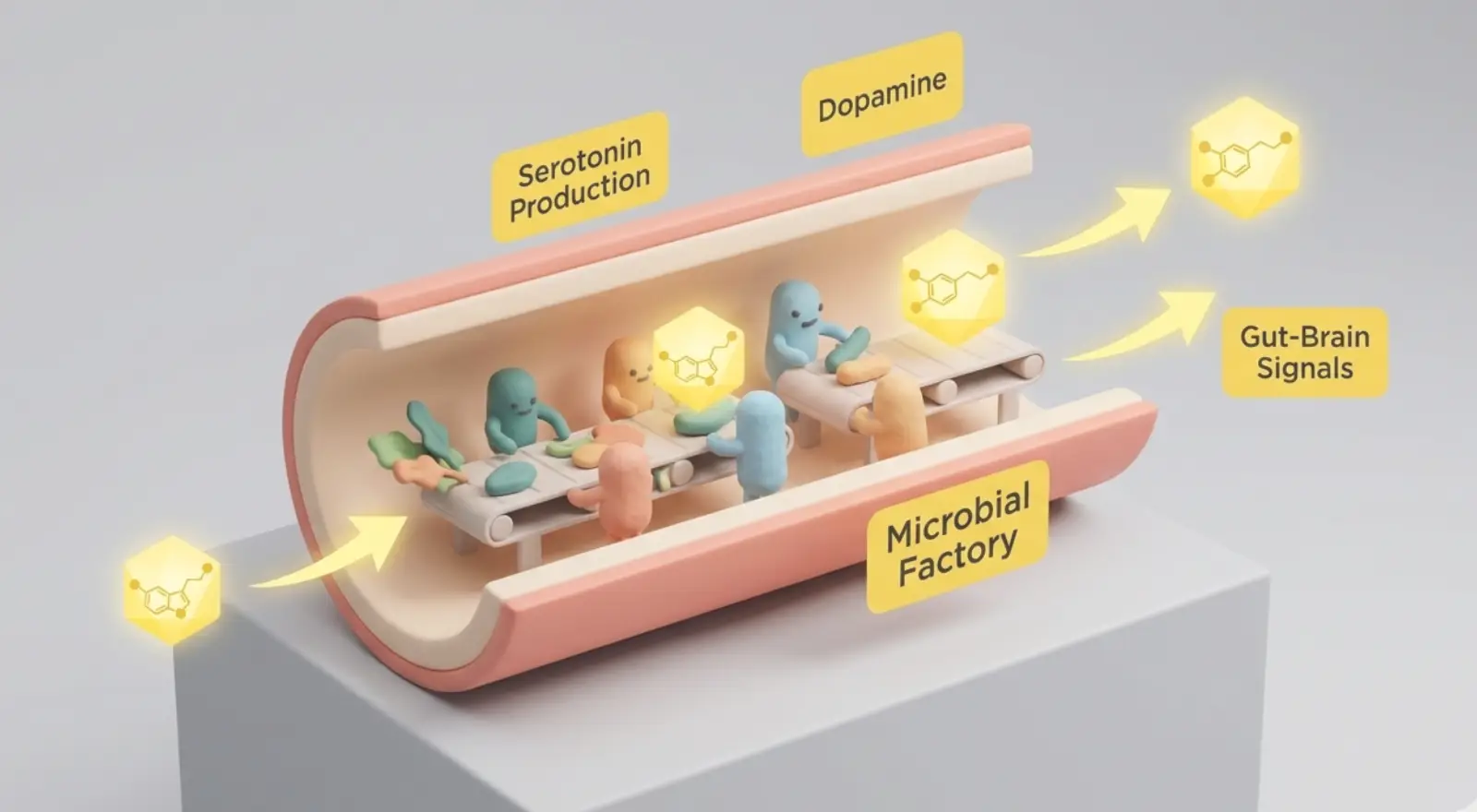
However, the gut is far more than a digestive tube. Pasricha emphasizes its complex nervous and immune components. The gut contains more nerve cells—millions—than the entire spinal cord and is home to its own “enteric nervous system.” This network produces neurotransmitters, such as [restricted term] and serotonin, just like the brain. The gut and brain are in constant two-way communication via the vagus nerve, a long, winding fiber connecting the brain to every major organ in the chest and abdominal cavity. Roughly 80% of the signals on the vagus nerve travel from the gut up to the brain, not the reverse, challenging the old notion that the brain solely influences gut function.
Researchers have understood for over a century that emotional states, such as stress, trigger physical responses in the gut, like “butterflies in your stomach.” Pasricha further describes measuring the stomach’s natural rhythms—normally about three beats per minute—using an electro-gastrogram. She explains that stressors, such as lying, can disrupt this rhythm, leading to a chaotic stomach pattern that shifts faster than the conscious brain can register, illustrating how the gut can react almost instantaneously to external cues.
This dynamic interplay underlines Pasricha’s core message: the gut is a brain in its own right and should be treated as a precious organ, deserving of the same care and respect as the brain in our heads.
The Gut Houses 70% of Immune Cells
Beyond its nervous system, the gut is also the body’s largest immune organ. Pasricha explains that a ...
Here’s what you’ll find in our full summary
Gut Anatomy and Function, Including the Gut-brain Connection
Additional Materials
Clarifications
- The gastrointestinal tract, often called the GI tract, is a continuous tube that starts at the mouth and ends at the anus. It includes all the organs involved in digesting food and absorbing nutrients. This system also moves waste out of the body. It is essential for converting food into energy and building blocks for the body.
- The esophagus is a muscular tube that runs from the throat to the stomach. It passes behind the heart within the chest cavity, specifically through the mediastinum, the central compartment of the thorax. After passing through the diaphragm, a muscle that separates the chest from the abdomen, it enters the abdominal cavity to connect with the stomach. This anatomical route explains why sensations like heartburn can be felt in the chest area.
- Heartburn is caused by stomach acid irritating the lower esophagus. The esophagus passes through the chest cavity near the heart, so pain signals are interpreted as chest discomfort. Nerves in the chest area transmit this pain, making it feel like it's coming from the chest rather than the esophagus itself. This is why heartburn can mimic heart-related pain.
- The small bowel, also called the small intestine, is a long, narrow tube where most nutrient absorption occurs. It is highly folded inside to increase surface area for absorbing vitamins, minerals, and other nutrients. The colon, or large intestine, is shorter but wider and shaped like a large "C" that frames the small bowel. Its main role is to absorb water and electrolytes from waste, turning it into solid stool for elimination.
- The enteric nervous system (ENS) is a vast network of neurons embedded in the walls of the gastrointestinal tract. It independently controls digestion, including muscle contractions and enzyme secretion, without needing direct brain input. The ENS communicates with the central nervous system but can operate autonomously, earning it the nickname "second brain." Its complexity allows it to manage gut functions efficiently and respond rapidly to local changes.
- [restricted term] and serotonin are chemicals that transmit signals between nerve cells. In the gut, specialized cells and neurons produce these neurotransmitters to regulate digestion and communicate with the brain. Serotonin in the gut influences bowel movements and sensitivity, while [restricted term] affects gut motility and blood flow. This local production helps the gut manage its functions independently and coordinate with the brain.
- The vagus nerve is the main communication highway between the gut and brain, carrying sensory information about the gut’s state to the brain. It helps regulate digestion, inflammation, and mood by transmitting signals that influence brain function and bodily responses. This nerve also plays a role in calming the body after stress by activating the parasympathetic nervous system. Its proper function is essential for maintaining balance between gut health and mental well-being.
- The vagus nerve is a major communication highway between the gut and brain, carrying sensory information about the gut’s state. Most signals it sends are from the gut to the brain, informing the brain about digestion, inflammation, and microbial activity. This bottom-up signaling helps regulate mood, immune responses, and overall health. It challenges the traditional view that the brain only controls the gut, highlighting the gut’s active role in bodily regulation.
- "Butterflies in the stomach" refers to a fluttery, uneasy feeling caused by the body's stress response. When anxious or excited, the brain signals the gut via the nervous system, altering stomach muscle contractions and blood flow. This creates a sensation similar to fluttering or light nervousness. It is a physical manifestation of emotional arousal linked to the gut-brain connection.
- The stomach’s natural rhythm refers to the regular electrical waves generated by muscle contractions that help mix and move food. An electro-gastrogram (EGG) records these electrical signals through sensors placed on the skin over the stomach. This non-invasive test shows the timing and strength of stomach contractions, helping identify abnormal patterns. Disruptions in this rhythm can indicate digestive problems or responses to stress.
- Stress triggers the release of stress hormones like cortisol, which affect the gut's nervous system and disrupt its normal rhythmic contractions. A "chaotic stomach pattern" means irregular, uncoordinated muscle movements that can cause discomfort or digestive issues. This disruption happens faster than the brain can consciously detect, showing the gut's rapid response to stress. Such patterns can lead to symptoms like nausea, cramping, or a feeling of butterflies.
- The gut is called a "brain in its own right" because it has its own complex nervous system called the enteric nervous system, which can operate independently of the brain. It contains about 100 million neurons that control digestion and communicate with the brain. This system produces many of the same neurotransmitters as the brain, influencing mood and behavior. Thus, the gut can process information and respond to stimuli without direct input from the brain.
- The gu ...
Counterarguments
- While the gut contains a large number of nerve cells and its own enteric nervous system, the claim that it functions as a "brain in its own right" is metaphorical; the enteric nervous system does not perform higher cognitive functions like reasoning or memory.
- Although the gut produces neurotransmitters such as serotonin and [restricted term], most of these do not cross the blood-brain barrier and thus do not directly influence brain function in the same way as neurotransmitters produced in the brain.
- The statement that approximately 80% of vagus nerve signals travel from the gut to the brain is based on animal studies and may not fully represent the complexity of human vagal signaling.
- While about 70% of immune cells are associated with the gut, this figure can vary depending on definitions and methods of measurement; some sources report slightly different percentages.
- The gut’s infl ...
Get access to the context and additional materials
Gut Health, Mental Health, Stress, and Disease Link
Gut Issues Worsen Anxiety and Depression via Gut-brain Axis
Trisha Pasricha describes the gut as being like a brain, closely connected to mental health through the signals it sends via the vagus nerve. This gut-brain axis enables a constant two-way communication, so gut dysfunction can strongly influence anxiety and depression. Decades of data now show that gut problems can be responsible not just for digestive symptoms, but also for neuropsychiatric and neurodegenerative disorders, including anxiety, depression, and diseases like Parkinson’s.
Stress and Emotions Trigger Physical Gut Responses
Pasricha explains that emotional stress triggers real, measurable responses in the gut. The amygdala, the brain’s emotional hub, releases corticotrophin-releasing hormone (CRH) in response to feelings such as fear, excitement, or stress. CRH then slows the stomach and speeds up the colon, which explains experiences like "butterflies in the stomach" or sudden urges to use the bathroom before stressful events. This is more than a metaphor—these are actual physiological responses.
Historical experiments at Cornell in the 1950s directly observed this effect: when participants discussed stressful or upsetting experiences, their colons visibly spasmed and moved, resulting in cramps. This clear body-mind link is also echoed by people recounting stomach cramps during arguments or stressful situations.
Gut symptoms and mental health issues create a vicious cycle. Bad gut symptoms can provoke or worsen anxiety, while anxiety can intensify gut distress. However, Pasricha emphasizes that stress or anxiety isn’t always the primary issue; often, the gut itself is malfunctioning and driving mental health symptoms. Traditionally, treatment often targeted the brain with antidepressants or therapy, but seeing the gut as the origin opens new treatment possibilities focused directly on gut health.
Gut Microbiome Disruptions Linked To Neurological and Neurodegenerative Diseases
Pasricha also notes that disruptions in the gut microbiome—the community of microbes living in the digestive tract—are now being linked to neurological and neurodegenerative diseases. This new understanding is shaping modern medicine, confirming that maintaining gut health can have profound effects beyond digestion.
Gut Health Vital For Wellbeing
The Gut's Impact: Beyond Digestion to Immunity, Inflammation, and Cancer Risk
The gut does much more than digest food. Pasricha points out that it serves as a major immune organ—70% of the body’s immune system is found there. The entire gut tract, from mouth to colon, acts as a protective barrier against pathogens, chemicals, and pollutants that enter our bodies through food and air. The gut’s immune cells are one of our most important defenses, preventing sickness from the myriad substances we ingest daily.
The gut is also active during respiratory illnesses like the flu. While the immune response begins in the lungs, many people experience diarrhea or gut activation during the fl ...
Here’s what you’ll find in our full summary
Gut Health, Mental Health, Stress, and Disease Link
Additional Materials
Counterarguments
- While the gut-brain axis is well-established, the extent to which gut dysfunction directly causes neuropsychiatric and neurodegenerative disorders (such as Parkinson’s disease) remains under investigation, and causality has not been definitively proven in humans.
- Many studies linking gut microbiome disruptions to mental health or neurological diseases are correlational, not causal, and confounding factors (such as diet, lifestyle, and genetics) may play significant roles.
- The historical experiments cited (e.g., Cornell studies from the 1950s) had small sample sizes and may not meet current scientific standards for rigor or reproducibility.
- The claim that 70% of the immune system is located in the gut is an estimate and may oversimplify the complex distribution and function of immune cells throughout the body.
- While ultra-processed foods and sugar-sweetened beverages are associated with increased colorectal cancer risk, other factors such as genetics, physical activity, and access to healthcare also significantly influence cancer incidence.
- The relationship between gut health and mental health is bidirectional, and in ...
Actionables
- you can keep a daily log pairing your mood and stress levels with any gut symptoms to spot personal patterns and triggers, then use this information to adjust routines or foods on days you anticipate stress, such as eating lighter meals before big presentations or practicing calming activities before meals when anxious.
- a practical way to support your gut’s immune function is to set up a weekly “gut-friendly swap,” where you replace one processed snack or sugary drink with a whole food or water, and note any changes in your digestion or energy over a month.
- you can create a ...
Get access to the context and additional materials
Gut Issues and how to Interpret Bowel Movements
Mel Robbins and Dr. Trisha Pasricha explore why so many people dismiss or normalize gut-related symptoms, and why paying attention to bowel movements is a vital part of maintaining health and catching serious disease early. They emphasize practical, stigma-free advice for understanding, monitoring, and supporting gut wellness.
Many Normalize Gut-related Symptoms Like Bloating, Constipation, Diarrhea, and Pain
Robbins describes her experience with unexplained bloating and observing family members who struggle with constipation, especially during travel. She notes friends who refuse to have bowel movements at work, holding it in all day, and many people chalking up digestive problems to stress, embarrassment, or a sense that “this is just how I am.” Pasricha confirms the normalization of gut symptoms, observing that people often ignore discomfort, cramps, bloating, or changes in bowel habits—even when these significantly disrupt life.
Statistically, about 40% of Americans report their bowel habits disrupt their daily life, 15% have irritable bowel syndrome, and 10% experience chronic unexplained pain with every meal. Three out of four say they cannot poop in public restrooms, and one in three report problems with constipation on vacation. Many people spend long periods in the bathroom—upwards of 60 minutes for some—straining or waiting for relief. Despite this, most do not consider themselves sick; they quietly adapt their lives around these issues.
Pasricha warns that symptoms like bloating, trouble going to the bathroom, and unexplained pain are real and not necessarily “just stress.” She urges people not to dismiss persistent symptoms. Addressing embarrassment, she notes, starts with recognizing that shame and silence around bowel function often go back to childhood and can prevent many from seeking care as adults.
Both Robbins and Pasricha stress that gut-related symptoms—especially anything new or persistent, from pain to dramatic changes in bowel habits—should not be ignored, as they can signal more serious conditions, such as early-onset colorectal cancer. The four most common symptoms of colorectal cancer at any age are abdominal pain, rectal bleeding, iron-deficiency anemia, and, most importantly, changes in bowel habits (new diarrhea, new constipation, or a shift in stool consistency). If such changes persist, seeking medical advice is crucial.
Bowel Movements Reveal Gut Health
Understanding, observing, and interpreting one’s bowel movements provide a window into overall gut and body health.
Bowel Appearance, Consistency, Frequency Indicate Issues Like Hemorrhoids, Malabsorption, or Cancer
Dr. Pasricha explains that bowel movements serve as a “report card” on your health. Medical practitioners rely on appearance, consistency, frequency, and associated symptoms to detect a range of issues—malabsorption, infection, inflammation, hemorrhoids, and even cancer. Most people aren’t sure what is normal: frequency can range from three times per day to once every three days. Daily bowel movements are not essential, but significant changes from your typical pattern can signify trouble.
Ideal stool is described as a “smooth sausage” (a “whipless wonder”) but softer, fluffier, or floating stools are also normal unless they are pure liquid or extremely frequent. Hard, pellet-like stools suggest stool is spending too long in the colon—often from suppressing the urge to go, which leads to more water being absorbed and the stool becoming dry.
Passage of small, hard pieces often results from delaying bowel movements. If you regularly “clench all day” for fear of pooping at work, expect more difficult and uncomfortable stools. Many have normalized this, but it can significantly affect gut function. Pelvic floor dysfunction can also contribute and correcting toilet posture—raising knees above hips with a stool or stack of books—can make passage easier by straightening the anorectal angle.
Patients should pay close attention to the color of their stool. Normal color is brown, the result of bilirubin metabolism. Shades can vary with diet, but the following should prompt medical attention:
- Bright red blood often comes from hemorrhoids or anal fissures, but can also signal rectal cancer—always consult a doctor.
- Maroon or jet-black stool may indicate bleeding higher in the colon or digestive tract, and, without clear dietary cause (such as beets, red wine, iron pills), is a medical emergency.
- Grayish or white (clay-colored) stool is also a medical emergency, suggesting a blockage of bile flow (potentially from a gallstone or cancer).
- Green or yellow stools can arise after eating high-chlorophyll foods or with infections, especially if accompanied by fever and diarrhea.
It’s common to find undigested bits or color changes after eating certain foods (like beets or blueberries). But if unusual color persists or is associated with pain, lightheadedness, or other symptoms, photos can help clinicians with diagnosis.
Hemorrhoids are fr ...
Here’s what you’ll find in our full summary
Gut Issues and how to Interpret Bowel Movements
Additional Materials
Counterarguments
- While persistent or dramatic changes in bowel habits can indicate serious conditions, most transient gut symptoms (such as occasional bloating or constipation) are benign and self-limiting, and do not always require medical evaluation.
- The emphasis on monitoring stool characteristics may increase anxiety or health-related obsession (orthosomnia or health anxiety) in some individuals, potentially leading to unnecessary medical visits.
- Not all individuals have access to bidets or high-quality toilet paper, and these recommendations may not be practical or affordable for everyone.
- Cultural norms and privacy concerns around discussing bowel habits vary widely, and some people may find open discussion uncomfortable or unnecessary.
- The association between smartphone use in the bathroom and hemorrhoids is correlational; causation has not been definitively established, and other factors (such as diet, hydration, and genetics) play significant roles in hemorrhoid development.
- Some ...
Actionables
- You can set a recurring weekly reminder to jot down a quick, private note about any changes in your gut symptoms, stool appearance, or bathroom habits, making it easier to spot patterns or new issues over time and share accurate details with your healthcare provider if needed.
- A practical way to reduce embarrassment and normalize gut health conversations is to practice saying out loud, in private, simple phrases describing your symptoms or concerns, so you feel more comfortable and prepared to discuss them openly with a doctor or trusted person.
- You can creat ...
Get access to the context and additional materials
Myths and Misconceptions Around Gut Health
Public discourse around gut health is rife with misconceptions, especially when it comes to concepts like "leaky gut" and the widespread promotion of probiotic supplements. Understanding the scientific facts behind these trends is crucial to making informed decisions about personal health.
"Leaky Gut" Often Misunderstood as the Root Cause For Symptoms
Intestinal Permeability Exists, Links to Conditions Inconclusive
The term "leaky gut" originates from neuro-gastroenterology research into increased intestinal permeability, a real scientific phenomenon. This occurs when the tight junctions between the cells lining the gut open slightly, allowing various cells and chemical signals to pass through. Such permeability is a normal process that happens to everyone multiple times a day and can be triggered by common factors like stress, diet, or infections.
Despite its realness, increased intestinal permeability is rarely the direct cause of most medical symptoms people attribute to "leaky gut." One well-established link exists between increased intestinal permeability and liver fibrosis or liver disease due to alcohol, where toxins crossing the gut barrier contribute to liver damage. There's also emerging data on its role in irritable bowel syndrome. However, for many symptoms circulating online—like brain fog or bloating—the direct connection to leaky gut as a root cause is unproven.
Medical professionals express concern that focusing excessively on leaky gut can distract from diagnosing real and treatable conditions, such as celiac disease. The allure of “leaky gut” as a universal diagnosis is amplified by its prevalence on social media, especially because it provides an easy explanation for vague, challenging symptoms.
Probiotic Supplements Are Heavily Marketed, but Their Efficacy Lacks Strong Research Support
A pervasive belief exists, often fueled by marketing, that probiotic supplements are universally recommended by gastroenterologists for maintaining or restoring gut health. In reality, the American Gastroenterological Association does not recommend probiotics for most medical conditions due to a lack of consistent and robust evidence supporting their widespread use. While individual experiences may suggest benefits, there is insufficient evidence to guarantee that probiotics will work reliably in all people, making it ethically questionable to recommend them broadly.
Probiotics are intended to introduce "good" bacteria associated with health outcomes. However, distinguishing between "good" and "bad" bacteria is complex. It's unclear whe ...
Here’s what you’ll find in our full summary
Myths and Misconceptions Around Gut Health
Additional Materials
Clarifications
- Intestinal permeability refers to how easily substances pass through the lining of the intestines into the bloodstream. Tight junctions are protein structures that seal the spaces between intestinal cells, controlling what can pass through. They act like gatekeepers, allowing nutrients in while keeping harmful substances out. When tight junctions loosen, permeability increases, potentially letting unwanted particles cross the gut barrier.
- "Leaky gut" refers to increased intestinal permeability, where the gut lining becomes more permeable than usual. This can allow larger molecules, like toxins or bacteria, to pass into the bloodstream, potentially triggering immune responses. Research shows this phenomenon occurs in certain diseases, such as inflammatory bowel disease and celiac disease, but its role as a cause versus a consequence is still unclear. Current evidence does not support "leaky gut" as a standalone diagnosis or a cause of broad, nonspecific symptoms.
- Liver fibrosis is the excessive buildup of scar tissue in the liver, often caused by chronic damage such as from alcohol use or hepatitis. Increased intestinal permeability can allow toxins and bacteria to enter the bloodstream, triggering inflammation that worsens liver damage. Irritable bowel syndrome (IBS) is a common digestive disorder causing symptoms like abdominal pain and altered bowel habits. Some studies suggest that increased gut permeability may contribute to IBS symptoms by allowing irritants to affect the gut lining and nervous system.
- Correlation means two things happen together, but one does not necessarily cause the other. Causation means one event directly causes the other to happen. In gut bacteria, just because certain bacteria appear with a disease does not prove they cause it; they might result from the disease or other factors. Proving causation requires controlled experiments showing changes in bacteria lead to changes in health.
- Probiotics are live microorganisms, often bacteria, that are intended to add beneficial microbes directly to the gut. Prebiotics are non-digestible food components, like certain fibers, that feed and promote the growth of these beneficial microbes already present in the gut. While probiotics introduce new bacteria, prebiotics support the existing microbial community's health and diversity. This distinction is important because a healthy gut environment depends more on nurturing microbes than just adding new ones.
- The American Gastroenterological Association does not recommend probiotics broadly because clinical studies show inconsistent results regarding their effectiveness. Probiotics vary widely in strains and doses, making it hard to standardize treatment. Some probiotics may not survive stomach acid to reach the gut in sufficient amounts. Additionally, safety concerns exist for certain vulnerable populations, such as immunocompromised individuals.
- Recommending probiotics without strong evidence can lead to false hope and wasted money for patients. It may also cause people to delay seeking effective medical treatments. Healthcare providers have a duty to offer treatments supported by solid research to ensure patient safety and trust. Promoting unproven supplements risks undermining professional integrity and patient care quality.
- The gut contains thousands of bacterial species with diverse roles, making simple labels like "good" or "bad" inadequate. Some bacteria can be beneficial in one context but harmful in another, depending on their balance and interactions. The overall health impact depends on the complex ecosystem and how bacteria influence immune responses and metabolism. Research is ongoing to understand these dynamic relationships fully.
- Dietary fiber is a type of carbohydrate that humans cannot digest, so ...
Counterarguments
- While large-scale, long-term studies on probiotics are limited, some clinical trials and meta-analyses have shown benefits of specific probiotic strains for certain conditions, such as antibiotic-associated diarrhea, Clostridioides difficile infection, and some forms of irritable bowel syndrome.
- The lack of robust evidence for probiotics' efficacy in the general population does not negate their potential value for targeted subgroups or specific health issues.
- Some individuals report significant subjective improvements in symptoms with probiotic use, suggesting that individual variability and the placebo effect may play a role, but also that probiotics may be helpful for some people even if not universally effective.
- The complexity of gut microbiota and its interactions with diet, genetics, and environment means that scientific understanding is still evolving, and future research may uncover more nuanced roles for both probiotics and prebiotics.
- While a fiber-rich diet is generally beneficial, some individuals with certain gastrointestinal conditions (e.g., small intestinal bacterial overgrowth, inflammatory bowel disease) may no ...
Get access to the context and additional materials


Create Summaries for anything on the web
Download the Shortform Chrome extension for your browser
