

10 Books That Changed My Life
In this episode of On Purpose with Jay Shetty, Shetty shares insights from ten books that have shaped his understanding of decision-making, personal fulfillment, and human behavior. He explores how cognitive biases distort our thinking, why we judge decisions by their outcomes rather than their quality, and how moral reasoning operates differently than most people assume. The episode covers the difference between intuitive and analytical thinking, and why our strongest convictions often deserve the most scrutiny.
Shetty also discusses how purpose emerges from exploration rather than introspection, why happiness comes from engaging in challenging work rather than completing it, and the importance of externalizing mental tasks to preserve cognitive resources. Drawing on teachings from the Bhagavad Gita and research on breathing, he addresses how focusing on process over outcomes builds resilience, and how simple changes to breathing patterns can directly influence stress, cognitive performance, and emotional well-being.


This is a preview of the Shortform summary of the Apr 24, 2026 episode of the On Purpose with Jay Shetty
Sign up for Shortform to access the whole episode summary along with additional materials like counterarguments and context.
1-Page Summary
Decision-Making and Cognitive Biases
Separate Decision Quality From Outcome Quality to Prevent Learning Wrong Lessons
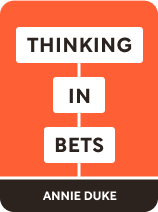
Annie Duke, a former professional poker player and decision science expert, warns against "resulting"—judging decisions by their outcomes rather than the quality of the decision-making process. This trap leads people to abandon good strategies that had poor results while repeating bad strategies that accidentally worked, turning strategic thinking into superstition. Duke's solution is to evaluate decisions based on the information and reasoning available at the time they were made, not through the lens of hindsight.
Understanding Decision-Making Errors In Your Brain
Daniel Kahneman's research divides thinking into two systems: System 1 is fast, automatic, and intuitive, while System 2 is slow, deliberate, and analytical. About 95% of our thinking is governed by System 1, which relies on mental shortcuts that are efficient but often biased. System 2 is energetically costly and tends to rubber-stamp System 1's answers rather than scrutinize them. Kahneman's research shows that certainty and confidence have almost no correlation with correctness. Jay Shetty learned to treat his strongest intuitions with the most suspicion, asking whether his certainty comes from actual deliberation or mere ease.
Moral Reasoning Functions Differently Than We Assume
Jay Shetty draws on Jonathan Haidt's argument that intuition shapes our judgments first, and reason justifies them afterward. Haidt identifies six foundational moral "taste buds": care, fairness, liberty, loyalty, authority, and sanctity. Different populations weigh these differently, with liberals emphasizing care and fairness while conservatives value all six more evenly. After reading Haidt, Shetty stopped trying to win arguments and instead focused on understanding which values others are protecting, shifting his view from dismissal to empathy.
Personal Fulfillment and Self-Discovery
Purpose Emerges Where Aptitude Meets Passion, Not From Introspection
Robin describes the element as the intersection of natural aptitude and personal passion. Purpose cannot be found through introspection alone—it requires exploration, trying new things, and noticing when work becomes effortless and absorbing. Robinson's insight is that your element is revealed not by choosing a single interest, but by recognizing where diverse passions, skills, and curiosities converge in unique ways that may not fit conventional labels.
Externalize Mental Burden to Preserve Cognitive Resources
Daniel Levitin explains that the brain's processing capacity is finite, and every decision—no matter how small—uses the same neural resources as essential creative work. The average person makes approximately 35,000 decisions per day, all consuming from a single, limited pool. Holding information in your head or keeping mental "open loops" measurably reduces available IQ. The solution is externalization: recording information, automating routines, and systematizing decisions to conserve neural bandwidth for tasks that truly matter.
Happiness Comes From Engaging In Challenges Over End Goals
Mihaly Csikszentmihalyi's research on "flow" demonstrates that the highest moments of fulfillment occur during absorption in challenging tasks—when skill matches difficulty so perfectly that the work itself becomes the reward. True happiness is found in balancing these elements, and those who experience the most flow design their lives around consistently engaging, demanding work that captures their full attention. Happiness is found not after work is complete, but during the right kind of work itself.
Social Relationships and Interpersonal Dynamics
Authentic Living Means Accepting You Can't Be Universally Liked
True freedom comes at a price: being disliked by some people. You cannot be both universally approved of and truly free. Dr. Naomi Eisenberger's research revealed that social rejection activates the brain's physical pain matrix, meaning disapproval feels like a real threat. Alfred Adler argues that living honestly and building your identity on your values will inevitably mean disappointing some people. His concept of "separation of tasks" offers a solution: your task is to live by your values and act with integrity, while others' task is to form their own opinions. The moment you take on managing both your actions and others' perceptions, you lose the ability to do either effectively.
Spiritual Wisdom and Life Philosophy
Effort and Process Over Outcomes Build Resilience
Jay Shetty, referencing the Bhagavad Gita, emphasizes the teaching: "You have the right to your work, but never to the fruit of the work." While individuals control their work and process, they don't control the result. The Gita doesn't instruct people to abandon desire, but to stop needing outcomes to match expectations. One should work toward desired results without being attached to them, because needing a result to be a particular way surrenders one's peace to factors beyond control. Peace and stability are retained by focusing on effort and process rather than attachment to specific outcomes.
Mind-Body Integration
Breathing: The Key To Changing Mental State
James Nestor identifies breathing as the most direct lever for influencing the nervous system, cognitive performance, stress response, and emotional well-being. In a Stanford study where participants breathed exclusively through their mouths for 10 days, their blood pressure increased, heart rate variability plummeted, stress hormones spiked, and cognitive performance declined—all from changing only the breathing pathway. Once they switched back to nasal breathing, every negative metric reversed. Nasal breathing filters air, increases nitric oxide production, enhances oxygen absorption, and activates the parasympathetic nervous system. By intentionally slowing down the breath and lengthening the exhale—such as inhaling for five seconds and exhaling for seven—anyone can modulate their nervous system and emotional resilience without major lifestyle changes.
1-Page Summary
Additional Materials
Clarifications
- "Resulting" is a cognitive bias where people judge the quality of a decision solely by its outcome rather than the decision process. This ignores the role of luck and external factors that can affect results independently of decision quality. It can lead to abandoning sound strategies that had bad luck and repeating poor strategies that got lucky. Annie Duke advises focusing on the decision-making process and information available at the time to avoid this error.
- Daniel Kahneman's System 1 operates automatically and quickly, handling routine tasks without conscious effort. System 2 requires deliberate focus and mental effort, engaging in complex reasoning and problem-solving. System 1 often generates intuitive judgments that System 2 can endorse or override. However, System 2 is prone to laziness, frequently accepting System 1's answers without thorough evaluation.
- Confidence and certainty often stem from intuitive feelings rather than objective evidence. People tend to overestimate their knowledge and abilities, a bias known as overconfidence. This leads to decisions made with high certainty that can still be incorrect. Accurate decision-making requires critical evaluation beyond just how sure one feels.
- Jonathan Haidt's six moral foundations are psychological systems evolved to guide human social behavior. They help explain why people have different moral priorities and political views. Each foundation corresponds to a set of values that cultures emphasize to varying degrees. Understanding these foundations aids in empathy and communication across ideological divides.
- Liberals tend to prioritize moral foundations related to individual well-being and justice, such as care and fairness, because they emphasize protecting individuals from harm and promoting equality. Conservatives generally value a broader range of moral foundations, including loyalty, authority, and sanctity, reflecting a focus on group cohesion, tradition, and social order. These differences arise from distinct worldviews: liberals often seek social change and individual rights, while conservatives emphasize stability and collective responsibility. Understanding these priorities helps explain why political groups disagree on moral and policy issues.
- The term "element" was popularized by Sir Ken Robinson in his work on creativity and education. It refers to the unique zone where a person's natural talents and deep passions overlap, creating a state of fulfillment and peak performance. Finding your element often involves experimentation and self-discovery rather than introspection alone. Being in your element leads to work that feels effortless and deeply engaging.
- "Mental open loops" are unfinished tasks or unresolved thoughts that occupy your mind. They create cognitive tension because your brain instinctively wants to complete or resolve them. This ongoing mental activity consumes working memory and attention, reducing capacity for other tasks. Closing these loops by recording or completing tasks frees cognitive resources for focused thinking.
- Mihaly Csikszentmihalyi's theory of "flow" describes a mental state where a person is fully immersed and focused on an activity, losing awareness of time and self. This state occurs when the challenge of the task perfectly matches the individual's skill level, creating deep engagement. Flow is linked to intrinsic motivation, meaning the activity is rewarding in itself, not because of external rewards. Experiencing flow regularly contributes to long-term happiness and well-being by fostering a sense of mastery and fulfillment.
- Alfred Adler's "separation of tasks" means recognizing which problems belong to you and which belong to others. It encourages focusing on your own responsibilities and not trying to control others' feelings or opinions. This helps reduce unnecessary stress and conflict in relationships. By respecting boundaries, you maintain personal freedom and healthier interactions.
- The Bhagavad Gita is a sacred Hindu scripture presenting a dialogue between Prince Arjuna and the god Krishna on duty and righteousness. It teaches "karma yoga," the path of selfless action performed without attachment to results, emphasizing duty over desire for rewards. This detachment fosters mental equanimity and spiritual growth by reducing suffering caused by disappointment or craving. The philosophy encourages focusing on righteous effort while accepting outcomes as beyond personal control.
- Nasal breathing warms, humidifies, and filters air, protecting the lungs and improving oxygen uptake. It stimulates nitric oxide production, which dilates blood vessels and enhances oxygen delivery to tissues. Mouth breathing bypasses these benefits, leading to reduced oxygen efficiency and increased stress responses. This shift activates the sympathetic nervous system, causing higher heart rate and blood pressure, impairing cognitive function.
- Nitric oxide produced in the nasal passages helps dilate blood vessels, improving oxygen delivery throughout the body. It also has antimicrobial properties, helping to kill bacteria and viruses in inhaled air. This gas enhances lung function by increasing the efficiency of oxygen exchange. Thus, nasal breathing supports cardiovascular health and immune defense.
- Slowing the breath and extending the exhale activates the parasympathetic nervous system, which promotes relaxation and reduces stress. This breathing pattern lowers heart rate and calms the body's fight-or-flight response. It also helps regulate emotions by increasing vagal tone, improving emotional control and resilience. Practicing this regularly can enhance mental clarity and reduce anxiety.
Counterarguments
- While evaluating decisions based on process rather than outcomes can prevent some errors, in many real-world contexts (such as business or medicine), outcomes are ultimately what matter, and consistently poor results may indicate flaws in the decision process that are not apparent at the time.
- The distinction between System 1 and System 2 thinking, as described by Kahneman, has been critiqued by some cognitive scientists as an oversimplification of how the brain actually works, with more recent research suggesting a more integrated or dynamic interplay between intuitive and analytical processes.
- The assertion that certainty and confidence have almost no correlation with correctness may not hold in all domains; in areas where individuals have deep expertise, confidence can sometimes be a reliable indicator of accuracy.
- Haidt’s six moral foundations theory has been challenged by some scholars who argue that moral reasoning is more context-dependent and culturally variable than the model suggests, and that additional or alternative moral values may be relevant in different societies.
- The idea that purpose cannot be found through introspection alone may not apply universally; some individuals do discover meaningful purpose through reflection, meditation, or self-analysis without extensive external exploration.
- The claim that holding information in mind measurably reduces available IQ is based on specific experimental conditions and may not generalize to all types of cognitive load or everyday situations.
- While externalizing mental tasks can be helpful, over-reliance on external systems (such as digital reminders or automation) may reduce the development of memory and self-discipline skills.
- The concept of "flow" as the highest form of happiness may not resonate with everyone; some people find fulfillment in relaxation, social connection, or contemplation rather than challenging, absorbing work.
- The assertion that true freedom requires accepting being disliked may not account for collectivist cultures, where social harmony and group approval are highly valued and seen as compatible with authentic living.
- The Bhagavad Gita’s teaching to focus on effort over outcomes may not be practical or motivating for everyone, especially in goal-oriented environments where results are necessary for survival or success.
- The benefits of nasal breathing, while supported by some studies, may be overstated in popular accounts, and not all individuals experience dramatic differences between nasal and mouth breathing due to anatomical or medical factors.


Get access to the context and additional materials
Decision-Making and Cognitive Biases
Separate Decision Quality From Outcome Quality to Prevent Learning Wrong Lessons
Annie Duke, a former professional poker player and decision science expert, warns against confusing the quality of a decision with the quality of its outcome. Many people fall into the trap of "resulting"—judging a decision by its result rather than by the quality of the process that led to it. If the outcome is good, they assume the decision was good; if it’s bad, they assume the decision was bad. This mistake is pervasive and can be destructive.
Duke explains the consequences of this trap: judging decisions solely by outcomes causes you to learn the wrong lessons from your own life. Good strategies are abandoned simply because they had poor results, while bad strategies are repeated because they accidentally worked. This approach turns you from strategic to superstitious, letting randomness rewrite your playbook.
For example, if you and a friend take identical jobs based on the same information and after careful reasoning, but your results diverge due to factors like timing or luck, it’s an error to label one a good decision and the other a bad one. Even careful analysis—such as thoroughly evaluating an investment before it fails—may be unfairly misjudged as flawed, while a reckless, lucky gamble that pays off gets unjustified praise. The difference in these scenarios is randomness, not reasoning.
Duke’s remedy is to evaluate decisions based on the information and reasoning available at the moment they were made, not on hindsight. When you ask, “Given what I knew then, was this a reasonable choice?” you avoid letting bad outcomes erase good processes. A poor outcome does not necessarily mean a poor decision.
Understanding Decision-Making Errors In Your Brain
Daniel Kahneman’s research divides thinking into two systems. System 1 is fast, automatic, intuitive, and effortless—it handles reading facial expressions, finishing sentences, and making snap judgments. System 2 is slow, deliberate, analytical, and effortful—it handles doing math, weighing evidence, and making complex choices. Almost all of our thinking—about 95%—is governed by System 1, which relies on mental shortcuts and heuristics that, while efficient, are often biased and mistaken.
System 1 often makes quick errors and presents them confidently to System 2. But System 2 is energetically costly for your brain and tends to rubber-stamp System 1’s answers rather than scrutinize them. The brain prefers to be wrong with ease than right with effort, so confidence often indicates cognitive fluency—a thought that was easy to produce—rather than actual accuracy.
Kahneman showed in hundreds of studies that certainty, the strength of your intuition, and how obvious something feels have almost no correlation with correctness. After reading his work, Jay Shetty adopted a practice of treating his strongest intuitions with the most suspicion. He learned that when he feels especially sure, it often means System 1 has hijacked his thinking. Before any crucial decision, he now asks himself whether his certainty comes from actual deliberation or mere ease—saving himself from many bad calls.
Moral Reasoning Functions Differently Than We Assume
Jay Shetty draws on Jonathan Haidt’s central argument: Reason does not drive our beliefs; instead, intuition shapes our judgments first, and reason justifies ...
Here’s what you’ll find in our full summary
Decision-Making and Cognitive Biases
Additional Materials
Clarifications
- "Resulting" is a cognitive bias where people evaluate the quality of a decision based solely on its outcome rather than the decision-making process. This is flawed because outcomes can be heavily influenced by luck or external factors beyond the decision-maker's control. Good decisions can lead to bad outcomes, and bad decisions can sometimes produce good outcomes by chance. Proper evaluation requires assessing the reasoning and information available at the time the decision was made, not just the result.
- Decision quality refers to how well a decision is made based on the information and reasoning available at the time. Outcome quality is the actual result that follows from the decision, which can be influenced by luck or external factors beyond control. Good decisions can lead to bad outcomes, and bad decisions can sometimes produce good outcomes due to randomness. Evaluating decisions by their process rather than results helps improve future decision-making.
- Randomness and luck refer to factors beyond a decision-maker’s control that influence outcomes unpredictably. Even well-reasoned decisions can lead to poor results due to chance events or external circumstances. Conversely, bad decisions can sometimes succeed because of fortunate timing or unexpected positive factors. Recognizing this helps separate the quality of the decision process from the eventual outcome.
- System 1 thinking operates automatically and quickly, without conscious effort or control. It relies on patterns and past experiences to make instant judgments. System 2 thinking requires conscious effort, attention, and logical analysis to solve complex problems. It is slower and used when tasks demand careful reasoning or when System 1’s quick answers are questioned.
- Heuristics are mental shortcuts or rules of thumb that simplify decision-making. They help the brain make quick judgments without extensive analysis. However, because heuristics rely on limited information, they can systematically deviate from rationality, causing cognitive biases. These biases lead to errors in thinking and judgment, often without our awareness.
- Cognitive fluency refers to how easily your brain processes information. When something is easy to understand or recall, it feels more familiar and true, boosting your confidence in it. This ease can create a false sense of correctness, even if the information is wrong. Thus, high cognitive fluency can lead to overconfidence in flawed judgments.
- Confidence often feels like a reliable signal because our brain equates ease of thinking with truth. However, this feeling is a cognitive illusion; the brain can generate confident but incorrect answers quickly. Studies show people frequently overestimate their knowledge or accuracy, a bias called overconfidence. This disconnect means high confidence does not guarantee a correct judgment or decision.
- Jonathan Haidt’s Moral Foundations Theory proposes that human moral reasoning is based on innate, universal psychological systems shaped by evolution. These six foundations—care/harm, fairness/cheating, liberty/oppression, loyalty/betrayal, authority/subversion, and sanctity/degradation—serve as basic building blocks for moral values across cultures. Each foundation triggers emotional responses that guide judgments about right and wrong. Different cultures and individuals prioritize these foundations differently, influencing their moral perspectives and political beliefs.
- The metaphor means intuition makes quick, automatic decisions without conscious thought. Reason then creates explanations to justify those decisions after the fact. This process helps maintain a coherent self-image and persuades others, even if the reasoning is not the true cause. It shows that reasoning often serves emotion-driven judgments rather than guiding them.
- Moral and political beliefs form quickly through emotional reactions shaped by evolution and so ...
Counterarguments
- While separating decision quality from outcome quality is valuable, in many real-world contexts (such as business or medicine), outcomes are the primary metric by which decisions are judged, and consistently poor outcomes may indicate flaws in the decision process that are not apparent from process analysis alone.
- Overemphasizing process over outcome can lead to complacency or rationalization of failure, where individuals or organizations repeatedly justify poor results by claiming their process was sound, rather than seeking necessary improvements.
- In some domains, especially those with clear feedback loops and less randomness (e.g., certain technical or engineering tasks), outcomes are a more reliable indicator of decision quality.
- The dichotomy between System 1 and System 2 thinking, as described by Kahneman, has been critiqued by some psychologists as an oversimplification of cognitive processes, with evidence suggesting more integration and overlap between intuitive and analytical thinking.
- While System 1 is prone to error, it is also highly adaptive and efficient in many situations, and excessive reliance on System 2 can lead to analysis paralysis or inefficiency.
- The assertion that moral reasoning is primarily post-hoc rationalization may understate the role of conscious delib ...


Get access to the context and additional materials
Personal Fulfillment and Self-Discovery
Purpose Emerges Where Aptitude Meets Passion, Not From Introspection
Robin describes the element as the place where natural aptitude intersects with personal passion. It is not simply a matter of being good at something, as many people excel in areas they dislike. Nor is it about pure enthusiasm, since passion alone doesn’t overcome lack of ability. True purpose lies where the two genuinely overlap.
Finding this element cannot be achieved through introspection alone. Purpose is discovered through exploration and exposure. It requires action—trying new things, failing, stumbling into unexpected situations, and paying close attention to the moments when work transforms into something effortless and absorbing—where time seems to disappear. These moments will rarely appear in the places you expect.
Robin’s perspective fundamentally changed one reader’s approach to life by granting permission to stop narrowing the search for a single, predefined purpose. Instead, fulfillment is found by noticing what happens at the edges: developing skills in one area, nurturing unexplainable curiosities in another, and engaging in energizing conversations outside of job descriptions. Robinson’s insight is that your element is revealed not by choosing a single interest, but by recognizing where diverse passions, skills, and curiosities converge in unique ways. The intersection itself becomes the purpose, often forming a configuration that defies a single job title or conventional label. Many have unknowingly stood in their element for years simply because it did not match the narrow categories society promotes.
Externalize Mental Burden to Preserve Cognitive Resources
Our brains are not designed to manage the sheer volume of modern life’s mental demands. Every bit of mental clutter diminishes available intelligence. Jay Shetty recalls learning that even on productive days, “feeling stupid” had a neurological basis—not just a metaphorical one. Daniel Levitin, a neuroscientist, explains that the brain's processing capacity is both finite and measurable. Every decision—no matter how small—uses the same neural resources as essential creative or analytical work. The brain does not distinguish between trivial and important decisions: all consume from a single, limited pool. The average person makes approximately 35,000 decisions per day, many of them micro-decisions that escape notice but still drain the prefrontal cortex.
Holding information in your head, making decisions in real time, or keeping mental “open loops” instead of writing them down or using systems, taxes working memory and measurably reduces available IQ. The solution is not found in productivity hacks, but in externalization: recording information, automating routines, and systematizing decisions. Placing keys in the same spot daily is less about being orderly and more about conserving neural bandwidth for tasks that truly matter. The most organized individuals do not necessarily value order for its own sake, but rather recognize and avoid the cognitive costs of disorder ...
Here’s what you’ll find in our full summary
Personal Fulfillment and Self-Discovery
Additional Materials
Clarifications
- "The element" is a concept popularized by Sir Ken Robinson, referring to the unique intersection where a person's natural talents and passions meet. It signifies a state of alignment where work feels effortless and deeply fulfilling. Discovering your element often requires experimentation beyond self-reflection, involving real-world experiences and openness to new activities. This concept challenges traditional career paths by valuing diverse interests and skills over fixed job titles.
- Purpose is often shaped by experiences rather than just self-reflection. Introspection can reveal preferences but may miss hidden talents or interests. Exposure to diverse activities helps uncover unexpected passions and skills. This active discovery process broadens understanding beyond internal thoughts.
- The neurological basis for "feeling stupid" involves cognitive overload, where excessive mental demands reduce the brain's efficiency. Decision-making uses the prefrontal cortex, which has limited capacity and energy, so frequent choices deplete mental resources. This depletion impairs working memory and problem-solving, causing a subjective sense of reduced intelligence or "feeling stupid." Managing cognitive load by externalizing tasks helps preserve these neural resources for complex thinking.
- The brain's processing capacity refers to the limited amount of information it can handle at one time, especially in the prefrontal cortex, which manages complex thinking and decision-making. When overloaded with too many tasks or decisions, cognitive performance and problem-solving abilities decline. This limitation means multitasking or holding many thoughts simultaneously reduces overall intelligence temporarily. Managing mental load by externalizing information helps preserve cognitive resources for important tasks.
- "Mental open loops" are unfinished tasks or unresolved thoughts that remain active in your mind. They create cognitive tension because your brain instinctively wants to complete or resolve them. This ongoing mental activity occupies working memory, reducing its capacity for other tasks. Managing or externalizing these loops frees up mental resources for focused thinking.
- Externalization is a cognitive strategy that involves offloading mental tasks onto external tools like notes, lists, or apps to free up brain capacity. Unlike productivity hacks, which often focus on shortcuts or time management tricks, externalization targets reducing mental load to improve thinking and decision-making. It helps prevent cognitive overload by creating reliable systems that store information outside the mind. This approach preserves mental energy for complex tasks rather than trivial decisions.
- Mihaly Csikszentmihalyi's theory of flow describes a mental state of complete immersion and focus in an activity. It occurs when a person's skills perfectly match the challenge level, creating deep engagement and loss of self-consciousness. Flow enhances intrinsic motivation and leads to greater satisfaction and happiness. This state is linked to improved performance and well-being, as it makes the activity itself rewarding.
- Flow occurs when ...
Counterarguments
- Some individuals do discover purpose through introspection, reflection, or spiritual practices without extensive external exploration.
- Societal and economic constraints can limit opportunities for exploration, making it unrealistic for everyone to find purpose through trial and error.
- Passion and aptitude can develop over time through perseverance and discipline, not just through initial effortless absorption or enjoyment.
- For some, fulfillment and happiness are found in stability, routine, or service to others, rather than in the convergence of diverse interests or in flow states.
- The emphasis on externalizing mental burdens may not suit everyone; some people thrive on mental organization and prefer internal systems.
- The concept of “flow” as the primary source of happiness may not apply universally; some cultures or individuals value communal experiences, ...


Get access to the context and additional materials
Social Relationships and Interpersonal Dynamics
Authentic Living Means Accepting You Can't Be Universally Liked
Illusion of Universal Approval: Pursuing Personal Freedom and Genuine Self-Expression Inevitably Excludes Universal Approval
True freedom—the ability to pursue what genuinely matters to you, to stop performing and start authentically living—comes at a price. That price is being disliked by some people. Those who preferred the version of you shaped to fit their expectations, or whose approval quietly ran your life, will not all approve of the real you. You cannot be both universally approved of and truly free; the two are mutually exclusive. Every authentically lived life in history has depended on the willingness to disappoint someone.
Disapproval as a Neurological Threat: Your Nervous System Uses the Same Pain Circuits for Being Disliked and Physical Danger, Explaining why Rejecting Others' Opinions Feels Impossible
Dr. Naomi Eisenberger’s fMRI research at UCLA revealed that the pain of social rejection activates the brain's physical pain matrix—the same neural circuits responsible for physical hurt. This means disapproval doesn’t just seem unpleasant; it feels like a real threat. When told to stop caring what others think, your brain interprets this as abandoning self-protection and inviting harm. That’s why ignoring others’ opinions feels nearly impossible on a neurological level.
Building Identity on Values, Not Opinions: Authentic Life Requires Disappointing Others; Approval Controls, Disapproval Costs Freedom
Living honestly and building your identity on your values, rather than chasing approval, will inevitably mean disappointing some people—often those whose approval has most controlled and constrained you. The courage to be disliked is not arrogance or selfishness, but a fundamental requirement for a life rooted in honesty and integrity. Alfred Adler argues that only such a life, free from the burden of constant performance, avoids eventual collapse.
Separat ...
Here’s what you’ll find in our full summary
Social Relationships and Interpersonal Dynamics
Additional Materials
Clarifications
- Authentic living means aligning your actions and choices with your true values and beliefs rather than external expectations. It involves self-awareness, honesty with yourself, and courage to express your genuine self. This approach fosters personal fulfillment and integrity, even if it leads to social friction. Authentic living contrasts with living to please others or conform to societal pressures.
- Social rejection activates the anterior cingulate cortex, a brain region involved in processing physical pain. This overlap suggests the brain interprets social exclusion as a threat to survival, triggering emotional distress similar to physical injury. Evolutionarily, this response encouraged social bonding, which was crucial for safety and cooperation. Therefore, feeling hurt by rejection is a deeply ingrained survival mechanism, not just a psychological reaction.
- Dr. Naomi Eisenberger is a social psychologist known for her research on the neural basis of social pain. Her fMRI studies demonstrated that social rejection activates brain areas involved in physical pain, such as the anterior cingulate cortex. This finding highlights the biological overlap between emotional and physical pain, explaining why social exclusion feels deeply distressing. Her work has been influential in understanding the importance of social connections for mental health.
- "Universal approval" means being liked or accepted by everyone without exception. It is impossible because people have different values, preferences, and expectations. Trying to gain universal approval often leads to suppressing your true self to fit others' desires. This compromises personal freedom and authenticity.
- Freedom involves acting according to your true values and desires, which may conflict with others' expectations. Universal approval requires conforming to everyone's preferences, which limits authentic self-expression. Since people have diverse and often opposing views, pleasing all is impossible without sacrificing personal freedom. Therefore, choosing freedom means accepting that some will disapprove.
- Alfred Adler was an early 20th-century psychologist who founded Individual Psychology. He emphasized the importance of social interest, community feeling, and the individual's striving for significance. Adler believed that many psychological issues stem from feelings of inferiority and the desire to overcome them. His "separation of tasks" concept encourages focusing on one's own responsibilities while letting others handle theirs.
- "Separation of tasks" is a psychological concept by Alfred Adler emphasizing that individuals should focus on their own responsibilities and not interfere with others' tasks. It helps reduce unnecessary anxiety by clarifying what is within one's control versus what belongs to others. This approach encourages personal boundaries and autonomy in relationships. By respecting this separation, people avoid overstepping and maintain healthier interpersonal dynamics.
- Interpersonal relationship problems influence personal issues because our self-worth and identity are shaped by how others perceive us. Career anxiety often stems from fear of negative judgment or rejection by colleagues and society. Body dissatisfaction can arise when we internalize others' critical opinions or societal beauty standards. Thus, personal struggles frequently reflect underlying social dynamics and perceived approval or disapproval.
- Approval controlling behavior means you change or limit your actions to gain others' acceptance, effectively letting their opinions dictate your choices. Disapproval costing freedom means that when you act authentically, some people will disapprove, and accepting this loss of approval is necessary to maintain your personal freedom. The k ...
Actionables
- you can schedule a weekly “discomfort challenge” where you intentionally make a small choice that might disappoint or surprise someone (like declining a social invitation or expressing a different opinion), then reflect on how it felt and what you learned about your own values and boundaries.
- a practical way to reinforce living by your values is to write a short “personal values statement” and keep it visible (on your phone lock screen or bathroom mirror), using it as a quick reference before making decisions that might trigger fear of disapproval.
- you can create a “judgment journal ...

Get access to the context and additional materials
Spiritual Wisdom and Life Philosophy
Effort and Process Over Outcomes Build Resilience
Focus On Process: Control Your Work, Not the Results
Jay Shetty, referencing the Bhagavad Gita, emphasizes the teaching: "You have the right to your work, but never to the fruit of the work." He explains that while individuals control their work and the process, they do not control the result. The appropriate focus is on the work itself, since results are never fully within one’s control.
Presence Over Outcomes: Engage Tasks With Effort, Integrity, and Attention, Allowing You to Maintain Peace Regardless of Results, as Your Identity Is Invested In the Work, Not Its Validation
Shetty elaborates that one should work with full effort, presence, and integrity, "and then you open your hands." Whatever the outcome—whether it aligns with hopes or not—is secondary, because self-worth is not tied to the result. Identity is secured in the quality and spirit of the effort, not in external validation. According to Shetty, most people struggle with this; they seek validation from the outcome and feel depleted when it does not meet their expectations.
Freedom From Attachment: Entrusting Peace to External Outcomes U ...
Here’s what you’ll find in our full summary
Spiritual Wisdom and Life Philosophy
Additional Materials
Clarifications
- The Bhagavad Gita is a sacred Hindu scripture, part of the Indian epic Mahabharata. It is a dialogue between Prince Arjuna and the god Krishna, who serves as his charioteer and spiritual guide. The text addresses moral dilemmas, duty, and the nature of life, emphasizing selfless action and devotion. It is highly regarded for its philosophical and spiritual teachings worldwide.
- The phrase "right to your work, but never to the fruit of the work" comes from the Bhagavad Gita, an ancient Indian scripture. It means you are responsible for your actions and efforts, but the results are influenced by many factors beyond your control. This teaching encourages focusing on doing your best without being attached to success or failure. It helps reduce anxiety and disappointment by accepting outcomes as uncertain.
- "Opening your hands" symbolizes releasing control and letting go of attachment to outcomes. It reflects surrendering expectations and accepting whatever results come without resistance. This metaphor encourages emotional freedom and peace by not clinging to specific desires. It originates from spiritual teachings that promote detachment as a path to inner calm.
- Desire is the natural wish or goal to achieve something, while attachment is an emotional dependence on the outcome of that desire. The Bhagavad Gita teaches that desire itself is not wrong, but clinging to specific results creates suffering. Attachment causes loss of peace because it ties happiness to external, uncontrollable factors. True freedom comes from pursuing goals without being emotionally bound to their success or failure.
- Self-worth and identity invested in effort means valuing yourself based on your dedication and integrity, not on external success or failure. It separates your sense of who you are from the unpredictable results of your actions. This mindset reduces anxiety and disappointment because your inner value remains stable regardless of outcomes. It encourages focusing on what you can control—your actions and attitude—rather than on what you cannot.
- People seek validation from outcomes because results provide tangible proof of success or failure, which influences their self-esteem. Positive outcomes boost confidence and social approval, while negative outcomes can cause feelings of ina ...
Actionables
- you can create a daily “effort log” where you briefly note what you did, how present you felt, and what you learned, without mentioning results, to shift your attention to the process and your engagement rather than outcomes; for example, after a workday, jot down that you focused fully on a project for an hour and noticed you felt more energized, regardless of what got finished.
- a practical way to reinforce valuing your effort over results is to set up a small reward system for yourself based solely on showing up and giving your best effort, not on what you achieve; for instance, treat yourself to a favorite snack or a relaxing activity after you’ve worked with focus and integrity, regardless of whether you hit a target or get recognition.
- you can practice “letting go of outcome attachment” by writing down your desired result for a task, then ...
Get access to the context and additional materials
Mind-Body Integration
Breathing: The Key To Changing Mental State
James Nestor, through years of research, identifies breathing—something most people do about 20,000 times a day without instruction or proper technique—as the single most direct lever for influencing the nervous system, cognitive performance, stress response, sleep, and emotional well-being. Nestor’s work, highlighted by Jay Shetty, demonstrates that how one breathes is fundamental to health yet widely overlooked in both education and daily practice.
Nasal vs. Mouth Breathing: Enhancing Health Via Nitric Oxide and Nervous System Changes
Nestor participated in a Stanford study where participants’ noses were blocked for 10 days, forcing them to breathe exclusively through their mouths. Within days, their blood pressure increased, heart rate variability plummeted, stress hormones spiked, sleep quality collapsed, cognitive performance declined, and symptoms of anxiety, brain fog, and exhaustion appeared—all from changing nothing other than breathing pathway. Once they switched back to nasal breathing, every negative metric reversed. This experiment underscores how central the breathing route is to health.
Parasympathetic Benefits of Nasal Breathing: Filters Air, Boosts Nitric Oxide for Better Blood Flow, Enhances Oxygen Absorption More Effectively Than Mouth Breathing
Nasal breathing provides several advantages over mouth breathing. It filters and humidifies the air, increases production of nitric oxide—a molecule that dilates blood vessels and improves blood flow—enhances oxygen absorption, and activates the parasympathetic nervous system. Nasal breathing also promotes deeper diaphragm engagement, further benefiting the body. These functions work together to support overall well-being, regulating not just physical but also emotional state ...
Here’s what you’ll find in our full summary
Mind-Body Integration
Additional Materials
Clarifications
- Nitric oxide is a gas produced naturally in the body that acts as a signaling molecule. It relaxes the smooth muscles in blood vessel walls, causing them to widen (vasodilation). This widening improves blood flow and lowers blood pressure. Additionally, nitric oxide helps regulate immune response and neurotransmission.
- Heart rate variability (HRV) is the variation in time between each heartbeat, controlled by the autonomic nervous system. Higher HRV indicates a healthy balance between the sympathetic (stress) and parasympathetic (rest) nervous systems. It reflects the body's ability to adapt to stress and recover efficiently. Low HRV is linked to increased risk of cardiovascular problems and poor stress resilience.
- The parasympathetic nervous system calms the body, promoting rest, digestion, and recovery. The sympathetic nervous system activates the "fight or flight" response, increasing heart rate and energy for action. These systems work in balance to regulate stress and relaxation. Breathing techniques can stimulate the parasympathetic system to reduce stress and improve well-being.
- Nasal breathing stimulates the vagus nerve, a key component of the parasympathetic nervous system, through airflow and pressure changes in the nasal passages. This activation promotes relaxation by lowering heart rate and reducing stress hormone levels. The slow, controlled breath typical of nasal breathing enhances this effect by encouraging parasympathetic dominance over the sympathetic "fight or flight" response. Additionally, nitric oxide produced in the nasal sinuses supports vascular and nervous system health, indirectly aiding parasympathetic function.
- The diaphragm is a large, dome-shaped muscle located below the lungs that plays a crucial role in breathing. When you engage the diaphragm, it contracts and moves downward, creating more space in the chest cavity for the lungs to expand and fill with air. This type of breathing, called diaphragmatic or belly breathing, is more efficient and promotes better oxygen exchange than shallow chest breathing. Proper diaphragm engagement also helps activate the parasympathetic nervous system, which supports relaxation and stress reduction.
- Lengthening the exhale stimulates the vagus nerve, which activates the parasympathetic nervous system, promoting relaxation. This slows the heart rate and reduces stress hormone levels. Longer exhales also help balance the autonomic nervous system by counteracting the sympathetic "fight or flight" response. This shift improves emotional regulation and calms the mind.
- Breathing influences the autonomic nervous system, which controls involuntary functions like heart rate and stress hormone release. Slow, deep nasal breathing activates the parasympa ...
Counterarguments
- While nasal breathing has documented benefits, the claim that it is the "single most direct lever" for influencing all aspects of health may be overstated, as factors like diet, exercise, sleep hygiene, and social connection also play major roles in well-being.
- The negative health effects observed in the Stanford study from exclusive mouth breathing were based on a small sample size and short duration, which may limit the generalizability of the findings.
- Some individuals, such as those with chronic nasal congestion, deviated septum, or certain medical conditions, may not be able to practice nasal breathing consistently, yet can still maintain good health through other means.
- The assertion that nasal breathing alone can "profoundly impact" emotional resilience and mental state may not account for the complexity of mental health, which is influenced by numerous psychological, social, and biological facto ...


Get access to the context and additional materials


Create Summaries for anything on the web
Download the Shortform Chrome extension for your browser
