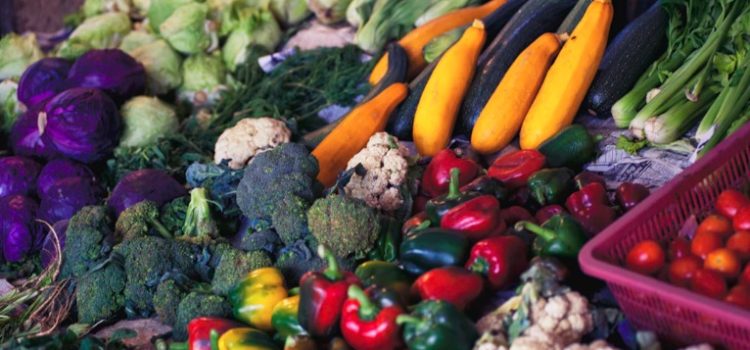
3 Cancer-Causing Foods You Eat Every Day

3 Cancer-Causing Foods You Eat Every Day
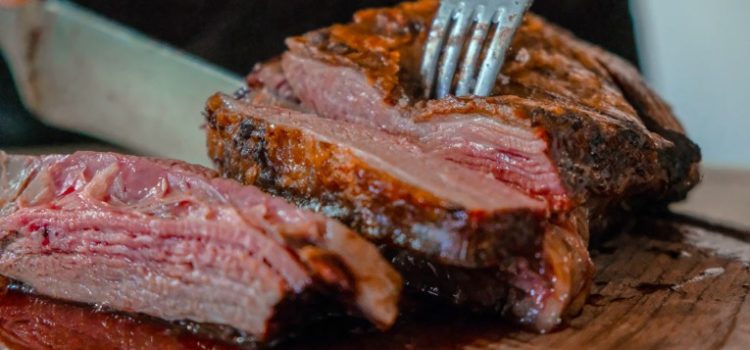
Cancer is a disease that’s startling in its prevalence. Males have a 47% chance of developing cancer in their lifetimes and females have a 38% chance. Is diet a contributing factor to the prevalence of these diseases? And if it is, what are the cancer-causing foods you should avoid? Contrary to what we’re often told, cancer is not a natural or inevitable disease. Most cancers are preventable through diet and lifestyle choices, but cancer death rates haven’t decreased over the past 20 years, despite all we’ve learned about this group of diseases. We’ll cover the studies linking certain foods, particularly

Whole Food, Plant-Based Diet for Weight Loss: Ultimate Guide

Whole Food, Plant-Based Diet for Weight Loss: Ultimate Guide

What is the whole food, plant-based diet for weight loss? Is it effective? The whole food, plant-based diet for weight loss is a way of eating that eliminates animal products and focuses on whole plant foods such as fruits, vegetables, and grains. It’s also known as the WFPB weight loss diet. The diet was popularized by The China Study authors T. Colin Campbell and Thomas M. Campbell. We’ll cover why WFPB weight loss diet is effective and how to implement it.

Food Industry Corruption: 4 Ways It Affects You

Food Industry Corruption: 4 Ways It Affects You

Food costs consume a huge percentage of our budget. Because we’re dependent on food, we’re also fairly dependent on those who market and sell it. Food industries take advantage of this. By making claims about the proven nutritional value of their products, food and drug companies and advocacy groups blur the line between science and marketing. How does food industry corruption affect you? Organizations like the National Dairy Council, the American Meat Institute, and Florida Citrus Processors Association each have annual budgets in the hundreds of millions of dollars. With this money comes power over research, medical education, and government

You’re Probably Eating Too Much Protein: How Much is Too Much?

You’re Probably Eating Too Much Protein: How Much is Too Much?

There’s a lot of confusion around protein. How much protein should I eat? Can you eat too much protein? If so, how much protein is too much? Protein is an essential part of our biological makeup—proteins function as enzymes, hormones, tissues, and transport molecules, among other roles. But you probably don’t need as much protein as you’ve heard. We’ll cover how much protein you need, how much protein is too much, and what happens if you eat too much protein.

What Should My Cholesterol Be? Lower Than You Think

What Should My Cholesterol Be? Lower Than You Think

Many doctors will tell you that blood cholesterol levels below 200 milligrams per deciliter (mg/dL) are healthy. However, some doctors say even these levels of cholesterol in the blood are unsafe. This may leave you wondering, “What should my cholesterol be?” Studies show that there may be no such thing as “healthy” cholesterol levels. We’ll cover the research linking blood cholesterol to many of the most common diseases in the West and look at why there is no healthy cholesterol range.

Is a High-Carb Diet Actually Healthy? Surprises from Science

Is a High-Carb Diet Actually Healthy? Surprises from Science

Are high-carb diets healthy? Recent dietary trends have taught us to shun carbs, but we also know that high-carb foods like fruits, vegetables, and grains are good for you. How do you know whether a low-carb or high-carb diet is healthiest? Studies show that a high-carb diet may be the healthiest out there. We’ll cover why low-carb diets are unhealthy and how you can transition to a healthy high-carb diet.

Protein-Energy Malnutrition: Animal Protein Isn’t the Answer

Protein-Energy Malnutrition: Animal Protein Isn’t the Answer

What is protein-energy malnutrition? Is protein the key to eradicating malnutrition? Protein-energy malnutrition is a type of malnutrition involving a lack of protein and/or calories in the malnourished person’s diet. During the 1960s and 70s, experts believed that a deficiency in animal-based protein was the primary cause of malnutrition. Learn why T. Colin Campbell, author of The China Study, thinks that consuming more animal protein isn’t the answer to solving protein-energy malnutrition in developing countries.