 1
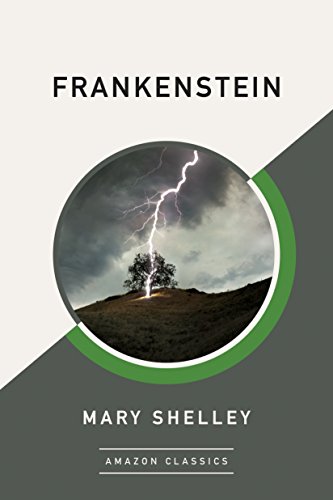
1Frankenstein
Frankenstein, an instant bestseller and an important ancestor of both the horror and science fiction genres, not only tells a terrifying story, but also raises profound, disturbing questions about the very nature of life and the place of humankind within the cosmos: What does it mean to be human? What responsibilities do we have to each other? How far can we go in tampering with Nature? In our age, filled with news of organ donation genetic engineering, and bio-terrorism, these questions are more relevant than ever.


Shelley had no truck with modesty and restraint, or doing what was expected of her. She let her imagination go as far as it could. [source]

Founder/TechCrunch
Shelley wrote this book as a teenager, and most of us read it in high school. Often credited as the first science fiction novel. You can read just about any political viewpoint you want into the book, and there are strong undertones that technology isn’t all good. But what I get out of it is the creativeness that can come with solitude, and how new technology can be misunderstood, even perhaps by the creator (see Twitter). Key thing to remember: Frankenstein is the name of the scientist/creator, not the Monster. Everybody forgets that. [source]

Brian Aldiss has famously argued that science fiction starts with Mary Shelley’s novel, and many people have agreed with him. [source]