We've ranked the best mushroom books using expert recommendations, sales data, and millions of reader ratings. At Shortform, we know books. Our book guides are the best in the world. Learn why.
Cover unavailable
1
Growing Gourmet and Medicinal Mushrooms
Paul Stamets
5.0
After years of living in awe of the mysterious fungi known as mushrooms-chefs, health enthusiasts, and home cooks alike can't get enough of these rich, delicate morsels. With updated production techniques for home and commercial cultivation, detailed growth parameters for 31 mushroom species, a trouble-shooting guide, and handy gardening tips, this revised and updated handbook will make your mycological landscapes the envy of the neighborhood.
…
Cover unavailable
2
All That the Rain Promises and More: A Hip Pocket Guide to Western Mushrooms
David Arora
5.0
Full-color illustrated guide to identifying 200 Western mushrooms by their key features.
Cover unavailable
3
Mycelium Running: How Mushrooms Can Help Save the World
Paul Stamets
5.0
Mycelium Running is a manual for the mycological rescue of the planet. That’s right: growing more mushrooms may be the best thing we can do to save the environment, and in this groundbreaking text from mushroom expert Paul Stamets, you’ll find out how.
The basic science goes like this: Microscopic cells called “mycelium”--the fruit of which are mushrooms--recycle carbon, nitrogen, and other essential elements as they break down plant and animal debris in the creation of rich new soil. What Stamets has discovered is that we can capitalize on mycelium’s digestive power and target it to decompose toxic wastes and pollutants (mycoremediation), catch and reduce silt from streambeds and pathogens from agricultural watersheds (mycofiltration), control insect populations (mycopesticides), and generally enhance the health of our forests and gardens (mycoforestry and myco-gardening).
In this comprehensive guide, you’ll find chapters detailing each of these four exciting branches of what Stamets has coined “mycorestoration,” as well as chapters on the medicinal and nutritional properties of mushrooms, inoculation methods, log and stump culture, and species selection for various environmental purposes. Heavily referenced and beautifully illustrated, this book is destined to be a classic reference for bemushroomed generations to come.
…
Cover unavailable
4
How to Change Your Mind: What the New Science of Psychedelics Teaches Us About Consciousness, Dying, Addiction, Depression, and Transcendence
Could psychedelic drugs change our worldview? One of America's most admired writers takes us on a mind-altering journey to the frontiers of human consciousness
When LSD was first discovered in the 1940s, it seemed to researchers, scientists and doctors as if the world might be on the cusp of psychological revolution. It promised to shed light on the deep mysteries of consciousness, as well as offer relief to addicts and the mentally ill. But in the 1960s, with the vicious backlash against the counter-culture, all further research was banned. In recent years, however, work has quietly begun again on the amazing potential of LSD, psilocybin and DMT. Could these drugs in fact improve the lives of many people? Diving deep into this extraordinary world and putting himself forward as a guinea-pig, Michael Pollan has written a remarkable history of psychedelics and a compelling portrait of the new generation of scientists fascinated by the implications of these drugs. How to Change Your Mind is a report from what could very well be the future of human consciousness.
Michael Pollan masterfully guides us through the highs, lows, and highs again of psychedelic drugs. How to Change Your mind chronicles how it’s been a longer and stranger trip than most any of us knew. [source]
Changed my mind, or at least some of the ideas held in my mind. [source]
Andrew Weil
Michael Pollan assembles a great deal of information here on the history, science, and effects of psychedelics. I found his frank recounting of his recent experiences with LSD, psilocybin, and toad venom most revealing. They appear to have softened his materialistic views and opened him to the possibilities of higher consciousness. He did, indeed, change his mind. [source]
Cover unavailable
5
Mushrooms Demystified
David Arora
4.9
Simply the best and most complete mushroom field guide and reference book, MUSHROOMS DEMYSTIFIED includes descriptions and keys to more than 2,000 species of mushrooms, with more than 950 photographs. Mushroom authority David Arora provides a beginner's checklist of the 70 most distinctive and common mushrooms, plus detailed chapters on terminology, classification, habitats, mushroom cookery, mushroom toxins, and the meanings of scientific mushroom names. Beginning and experienced mushroom hunters everywhere will find MUSHROOMS DEMYSTIFIED a delightful, informative, and indispensible companion.
…
Cover unavailable
6
The Audubon Society Field Guide to North American Mushrooms
National Audubon Society
4.8
With more than 700 mushrooms detailed with color photographs and descriptive text, this is the most comprehensive photographic field guide to the mushrooms of North America. The 762 full-color identification photographs show the mushrooms as they appear in natural habitats. Organized visually, the book groups all mushrooms by color and shape to make identification simple and accurate in the field, while the text account for each species includes a detailed physical description, information on edibility, season, habitat, range, look-alikes, alternative names, and facts on edible and poisonous species, uses, and folklore. A supplementary section on cooking and eating wild mushrooms, and illustrations identifying the parts of a mushroom, round out this essential guide.
…
Cover unavailable
7
Psilocybin Mushrooms of the World: An Identification Guide
Paul Stamets
4.7
From the author of GROWING GOURMET AND MEDICINAL MUSHROOMS comes the only identification guide exclusively devoted to the world's psilocybin-containing mushrooms. Detailed descriptions and color photographs for over 100 species are provided, as well as an exploration of their long-standing (and often religious) use by ancient peoples and their continued significance to modern-day culture. Some of the species included have just been discovered in the past year or two, and still others have never before been photographed in their natural habitats.
…
Cover unavailable
8
The Omnivore's Dilemma: A Natural History of Four Meals
What should we have for dinner? For omnivore's like ourselves, this simple question has always posed a dilemma: When you can eat just about anything nature (or the supermarket) has to offer, deciding what you should eat will inevitably stir anxiety, especially when some of the foods on offer might shorten your life. Today, buffeted by one food fad after another, America is suffering from what can only be described as a national eating disorder. The omnivore's dilemma has returned with a vengeance, as the cornucopia of the modern American supermarket and fast-food outlet confronts us with a bewildering and treacherous food landscape. What's at stake in our eating choices is not only our own and our children's health, but the health of the environment that sustains life on earth.
The Omnivore's Dilemma is a groundbreaking book in which one of America's most fascinating, original, and elegant writers turns his own omnivorous mind to the seemingly straightforward question of what we should have for dinner. The question has confronted us since man discovered fire, but, according to Michael Pollan, the bestselling author of The Botany of Desire, how we answer it today, ath the dawn of the twenty-first century, may well determine our very survival as a species. Should we eat a fast-food hamburger? Something organic> Or perhaps something we hunt, gather or grow ourselves?
To find out, Pollan follows each of the food chains that sustain us--industrial food, organic or alternative food, and food we forage ourselves--from the source to a final meal, and in the process develops a definitive account of the American way of eating. His absorbing narrative takes us from Iowa cornfields to food laboratories, from feedlots and fast-food restaurants to organic farms and hunting grounds, always emphasizing our dynamic coevolutionary relationship with the handful of plant and animal species we depend on. Each time Pollan sits down to a meal, he deploys his unique blend of personal and investigative journalism to trace the origins of everything consumed, revealing what we unwittingly ingest and explaining how our taste for particular foods and flavors reflects our evolutionary inheritance.
The surprising answers Pollan offers to the simple question posed by this book have profound political, economic, psychological, and even mortal implications for all of us. Ultimately, this is a book as much about visionary solutions as it is about problems, and Pollan contends that, when it comes to food, doing the right thing often turns out to be the tastiest thing an eater can do. Beautifully written and thrillingly argued, The Omnivore's Dilemma promises to change the way we think about the politics and pleasure of eating. For anyone who reads it, dinner will never again look, or taste, quite the same. --jacket
…
Recommended by Barry Estabrook, Gabriel Coarna, Paul Rozin, and 1 others.
Barry Estabrook
Michael Pollan looks at food production through four meals. One is a fast-food meal, the other is an industrial-scale organic meal, then there is a small-scale organic meal and finally he actually goes out and either grows or kills, in the case of the meat, the entire meal himself. That is the narrative. [source]
Gabriel Coarna
Michael Pollan's "The Omnivore's Dilemma" --more precisely, the first 3rd of it-- was what first made me realize how badly the Earth, as an ecosystem, is out of balance. [source]
Paul Rozin
Michael Pollan is an excellent journalist who specializes in the food domain.He proposes relying more on whole foods and less on processed foods, like Oreo Cookies. He argues that unprocessed foods are more nutritious, more wholistic and better for the environment. [source]
Cover unavailable
9
Organic Mushroom Farming and Mycoremediation: Simple to Advanced and Experimental Techniques for Indoor and Outdoor Cultivation
Tradd Cotter
4.5
What would it take to grow mushrooms in space? How can mushroom cultivation help us manage, or at least make use of, invasive species such as kudzu and water hyacinth and thereby reduce dependence on herbicides? Is it possible to develop a low-cost and easy-to-implement mushroom-growing kit that would provide high-quality edible protein and bioremediation in the wake of a natural disaster? How can we advance our understanding of morel cultivation so that growers stand a better chance of success?
For more than twenty years, mycology expert Tradd Cotter has been pondering these questions and conducting trials in search of the answers. In Organic Mushroom Farming and Mycoremediation, Cotter not only offers readers an in-depth exploration of best organic mushroom cultivation practices; he shares the results of his groundbreaking research and offers myriad ways to apply your cultivation skills and further incorporate mushrooms into your life--whether your goal is to help your community clean up industrial pollution or simply to settle down at the end of the day with a cold Reishi-infused homebrew ale.
The book first guides readers through an in-depth exploration of indoor and outdoor cultivation. Covered skills range from integrating wood-chip beds spawned with king stropharia into your garden and building a "trenched raft" of hardwood logs plugged with shiitake spawn to producing oysters indoors on spent coffee grounds in a 4�4 space or on pasteurized sawdust in vertical plastic columns. For those who aspire to the self-sufficiency gained by generating and expanding spawn rather than purchasing it, Cotter offers in-depth coverage of lab techniques, including low-cost alternatives that make use of existing infrastructure and materials.
Cotter also reports his groundbreaking research cultivating morels both indoors and out, "training" mycelium to respond to specific contaminants, and perpetuating spawn on cardboard without the use of electricity. Readers will discover information on making tinctures, powders, and mushroom-infused honey; making an antibacterial mushroom cutting board; and growing mushrooms on your old denim jeans.
Geared toward readers who want to grow mushrooms without the use of pesticides, Cotter takes "organic" one step further by introducing an entirely new way of thinking--one that looks at the potential to grow mushrooms on just about anything, just about anywhere, and by anyone.
…
Cover unavailable
10
The Mushroom Cultivator: A Practical Guide to Growing Mushrooms at Home
Paul Stamets and J. S. Chilton
4.5
The book you are about to read is a milestone in the new awareness of mushrooms. The Mushroom Cultivator by Paul Stamets and J.S. Chilton is easily the best source of information on growing mushrooms at home. The authors demystify the art of mushroom cultivation and put mastery of it within everyone's reach. If you have been searching for information on this topic, you will find it to be all that you have been looking for. Includes detailed growth requirements for 15 mushroom species, sterile culture and mushroom spawn preparation techniques, procedures for strain selection and development, practical preparation methods for compost and bulk substrates, the mushroom life cycle and mushroom genetics, identification of the major competitor molds, pathogens and pests, and guidelines for the construction of mushroom growing rooms.
…
Cover unavailable
11
The Complete Mushroom Hunter, Revised: Illustrated Guide to Foraging, Harvesting, and Enjoying Wild Mushrooms - Including new sections on growing your own incredible edibles and off-season collecting
Gary Lincoff
4.5
Do you know your mushrooms?
This is the only mushrooming book that will introduce you safely and with confidence to the not-so underground hobby of mushroom hunting and gathering. Gathering edible wild food is a lovely way to forge a connection to the earth. Mushrooms are the ultimate local food source; they grow literally everywhere, from mountains and woodlands to urban and suburban parks to your own backyard.
The Complete Mushroom Hunter, Revised is a new edition of Quarry's successful Complete Mushroom Hunter. It will enrich your understanding of the natural world and build an appreciation for an ancient, critically relevant, and useful body of knowledge. Amateur mycologists and mushroom enthusiasts will find this is a guidebook for their passion. Mushroom guru Gary Lincoff escorts you from the mushroom's earliest culinary awakening, through getting equipped for mushroom forays, to preparing and serving the fruits of the foray, wherever you live. Inside you'll find: A brief, but colorful history of mushroom hunting worldwide; how to get equipped for a mushroom foray; a completely illustrated guide to the common wild edible mushrooms and their poisonous look-alikes -- where to find them, how to identify them, and more; how to prepare and serve the fruits of your foray, plus more than 30 delicious recipes; plus, dozens of colorful, priceless anecdotes from living the mushroom lifestyle.
…
Cover unavailable
12
Mycophilia: Revelations from the Weird World of Mushrooms
Eugenia Bone
4.5
An incredibly versatile cooking ingredient containing an abundance of vitamins, minerals, and possibly cancer-fighting properties, mushrooms are among the most expensive and sought-after foods on the planet. Yet when it comes to fungi, culinary uses are only the tip of the iceberg. Throughout history fungus has been prized for its diverse properties—medicinal, ecological, even recreational—and has spawned its own quirky subculture dedicated to exploring the weird biology and celebrating the unique role it plays on earth. In Mycophilia, accomplished food writer and cookbook author Eugenia Bone examines the role of fungi as exotic delicacy, curative, poison, and hallucinogen, and ultimately discovers that a greater understanding of fungi is key to facing many challenges of the 21st century.
Engrossing, surprising, and packed with up-to-date science and cultural exploration, Mycophilia is part narrative and part primer for foodies, science buffs, environmental advocates, and anyone interested in learning a lot about one of the least understood and most curious organisms in nature.
…
Cover unavailable
13
Mushrooms
DK
4.5
An authoritative field guide to more than 450 species of wild mushrooms from around the world, "Mushrooms" shows the life cycle and features of a mushroom, what supplies are needed for mushroom foraging, and how to take a spore deposit.
A photographic field guide forms the heart of the book, providing information on size, range, and habitat; clear images and illustrations of specimens; and information on what's poisonous and what's edible -- making this the ultimate guide to mushrooms.
…
Cover unavailable
14
Mushrooming Without Fear: The Beginner's Guide to Collecting Safe and Delicious Mushrooms
Alexander Schwab
4.5
Is it safe or not? What gourmands and nature lovers need to know to harvest your own. Advice, with photographs, from an expert!
Novices eager to collect tasty wild mushrooms will find this unique guide invaluable. Unlike others, it focuses only on those types that are both safe to eat and delicious. Most importantly, it presents the eight rules of mushroom gathering in a straightforward fashion, including, "Never, never take a mushroom with gills" and "If a mushroom smells rotten, it is rotten."
Among the mushrooms covered are the cep; the red-cracked, larch, bay, and birch boletes; hen of the woods, chanterelle, trumpet chanterelle, hedgehog fungus, common puffball, horn of plenty, and cauliflower mushroom.
Each is identified with several photographs and identification checklist, and there's also information on mushroom season, handling, storage, and cooking, complete with recipes.
…
Cover unavailable
15
Healing Mushrooms: A Practical and Culinary Guide to Using Mushrooms for Whole Body Health
Tero Isokauppila, Four Sigmatic, et al.
4.4
The one and only resource on using adaptogenic mushrooms to boost immunity and promote whole body health the natural way.
Adaptogenic mushrooms are one of today's buzziest superfoods, known for their ability to restore skin's youthful glow, increase energy levels, reduce brain fog, keep your hormone levels in check, and so much more. In Healing Mushrooms, you'll learn about the ten most powerful mushrooms you can add to your daily diet to maximize your health gains. Though some of these mushrooms, like Tremella, Cordyceps, and Reishi will sound exotic, they're all easy to source online in extract form and easier to use in recipes. Even more familiar mushrooms, like Shiitake, Oyster, and Enoki, are full of seriously healing potential--you just have to know how to use them. Packed with practical information, fun illustrations, and 50 mushroom-boosted recipes for breakfast, lunch, and dinner (and even dessert!), Healing Mushrooms unlocks the vast potential of this often-overlooked superfood category and will be the go-to resource for adding mushrooms to your health and wellness regimen.
…
Cover unavailable
16
Edible Wild Mushrooms of Illinois and Surrounding States: A Field-to-Kitchen Guide
Joe McFarland
4.3
Lavishly illustrated with nearly three hundred gorgeous full-color photos, this engaging guidebook carefully describes forty different edible species of wild mushrooms found around Illinois and surrounding states, including Iowa, Wisconsin, Missouri, Indiana, and Kentucky. With conversational and witty prose, the book provides extensive detail on each edible species, including photographs of potential look-alikes to help you safely identify and avoid poisonous species. Mushroom lovers from Chicago to Cairo will find their favorite local varieties, including morels, chanterelles, boletes, puffballs, and many others. Veteran mushroom hunters Joe McFarland and Gregory M. Mueller also impart their wisdom about the best times and places to find these hidden gems.
Edible Wild Mushrooms of Illinois and Surrounding States also offers practical advice on preparing, storing, drying, and cooking with wild mushrooms, presenting more than two dozen tantalizing mushroom recipes from some of the best restaurants and chefs in Illinois, including one of Food & Wine magazine's top 10 new chefs of 2007. Recipes include classics like Beer Battered Morels, Parasol Mushroom Frittatas, and even the highly improbable (yet delectable) Morel Tiramisu for dessert.
As the first new book about Illinois mushrooms in more than eighty years, this is the guide that mushroom hunters and cooks have been craving.
Visit the book's companion website at www.illinoismushrooms.com.
…
Cover unavailable
17
The Fungal Pharmacy: The Complete Guide to Medicinal Mushrooms and Lichens of North America
Robert Rogers and Solomon P. Wasser
4.3
In The Fungal Pharmacy, noted herbalist Robert Rogers introduces readers to more than 300 species of medicinal mushrooms and lichens found in North America. These fungi, Rogers explains, have the capacity to heal both the body and, through the process of myco-remediation, the planet itself. Throughout the book, he documents their success in optimizing the immune system and treating a wide range of acute and chronic diseases, including cardiovascular, respiratory, and liver problems, blood sugar disorders, cancer, and obesity.
Entries discuss the mushroom or lichen’s medicinal traits and properties, including active chemical components, preparation methods (including extracts, essences, and essential oils), and historical as well as modern-day usage. Two hundred full-color photos and thorough descriptions make identification easy for the reader. Rogers also delves into the cultural, religious, and literary significance of each mushroom, featuring fascinating tidbits about each one’s etymology and history.
…
Cover unavailable
18
Chanterelle Dreams, Amanita Nightmares: The Love, Lore, and Mystique of Mushrooms
Greg Marley
4.3
2011 Winner, International Association of Culinary Professionals Jane Grigson Award2011 Finalist, International Association of Culinary Professionals in the Culinary History categoryThroughout history, people have had a complex and confusing relationship with mushrooms. Are fungi food or medicine, beneficial decomposers or deadly "toadstools" ready to kill anyone foolhardy enough to eat them? In fact, there is truth in all these statements. In Chanterelle Dreams, Amanita Nightmares, author Greg Marley reveals some of the wonders and mysteries of mushrooms, and our conflicting human reactions to them.
With tales from around the world, Marley, a seasoned mushroom expert, explains that some cultures are mycophilic (mushroom-loving), like those of Russia and Eastern Europe, while others are intensely mycophobic (mushroom-fearing), including, the US. He shares stories from China, Japan, and Korea-where mushrooms are interwoven into the fabric of daily life as food, medicine, fable, and folklore-and from Slavic countries where whole families leave villages and cities during rainy periods of the late summer and fall and traipse into the forests for mushroom-collecting excursions.
From the famous Amanita phalloides (aka "the Death Cap"), reputed killer of Emperor Claudius in the first century AD, to the beloved chanterelle (cantharellus cibarius) known by at least eighty-nine different common names in almost twenty-five languages, Chanterelle Dreams, Amanita Nightmares explores the ways that mushrooms have shaped societies all over the globe.
This fascinating and fresh look at mushrooms-their natural history, their uses and abuses, their pleasures and dangers-is a splendid introduction to both fungi themselves and to our human fascination with them. From useful descriptions of the most foolproof edible species to revealing stories about hallucinogenic or poisonous, yet often beautiful, fungi, Marley's long and passionate experience will inform and inspire readers with the stories of these dark and mysterious denizens of our forest floor.
…
Cover unavailable
19
Radical Mycology: A Treatise On Seeing & Working With Fungi
Peter McCoy
4.3
Fungi are found throughout the world, often playing critical roles at the center of all ecological webs. As culturally important foods and medicines, as well as instigators of religious practices, they have been intimately tied to the development and spread of human societies. And yet, despite their numerous influences on the history of the world, fungi are completely disregarded by the majority of people today.
In 2006 Peter McCoy founded Radical Mycology, a grassroots organization dedicated to increasing awareness of the many ways to work with fungi for personal, societal, and ecological health. Nearly a decade later, McCoy has written Radical Mycology to share the wide array of skills and insights that have arisen from the organization’s international work to advance the science of appropriately applied mycology. Shattering commonly held beliefs on the value of the Fungal Queendom, Radical Mycology definitively explores the many reasons that fungi should no longer be ignored but instead honored and embraced for the many gifts they offer. The result is the most comprehensive book on mycology—the science of fungi—ever published.
Interwoven with short essays on the lessons of the fungi, Radial Mycology begins with chapters that explore the uniqueness of fungal biology, the critical ecological roles of micro and macro fungi, how to accurately identify mushrooms and mycorrhizal fungi, the importance of lichens as medicines and indicators of environmental quality, and the profound influences that fungi have held on the evolution of all life and human cultures. With this foundation laid, the reader is then equipped to work with the fungi directly. Techniques for making potent fungal medicines, growing fermenting fungi for food, and cheaply cultivating mushrooms using recycled tools (and yet still achieving lab-quality results) are explored in-depth. Subsequent chapters grow far beyond the limits of other books on mushrooms. Detailed information on the principles and practices of natural mushroom farming—largely influenced by the design system of permaculture—is presented along with extensive information on cultivating mycorrhizal fungi and the science of mycoremediation, the application of fungi to mitigate pollution in the environment and in our homes. The book ends with deeper insights into the social effects that fungi present from the reflection of mycelial networks in the design of whole societies to a rigorous examination of the history of psychoactive fungi.
Written for the beginner as well as the experienced mycologist, Radical Mycology is an invaluable reference book for anyone interested in Do-It-Yourself (or Do-It-Together) homesteading, community organizing, food security, natural medicine, grassroots bioremediation, and the evolution of human-fungal-ecological relations. More than a book on mushrooms, Radical Mycology is a call to ally with the fungi in all efforts to spawn a healthier world. Heavily referenced and vibrantly illustrated by the author, this unprecedented book will undoubtedly remain a classic for generations to come.
…
Cover unavailable
20
The Mushroom Hunters: On the Trail of Secrets, Eccentrics, and the American Dream
Langdon Cook
4.3
In the tradition of Michael Pollan’s The Omnivore’s Dilemma, Susan Orlean’s The Orchid Thief, and Mark Kurlansky’s Cod—a renowned culinary adventurer goes into the woods with the iconoclasts and outlaws who seek the world’s most coveted ingredient . . . and one of nature’s last truly wild foods: the uncultivated, uncontrollable mushroom.
Within the dark corners of America’s forests grow culinary treasures. Chefs pay top dollar to showcase these elusive and beguiling ingredients on their menus. Whether dressing up a filet mignon with smoky morels or shaving luxurious white truffles over pasta, the most elegant restaurants across the country now feature an abundance of wild mushrooms.
The mushroom hunters, by contrast, are a rough lot. They live in the wilderness and move with the seasons. Motivated by Gold Rush desires, they haul improbable quantities of fungi from the woods for cash. Langdon Cook embeds himself in this shadowy subculture, reporting from both rural fringes and big-city eateries with the flair of a novelist, uncovering along the way what might be the last gasp of frontier-style capitalism.
Meet Doug, an ex-logger and crabber—now an itinerant mushroom picker trying to pay his bills and stay out of trouble; and Jeremy, a former cook turned wild food entrepreneur, crisscrossing the continent to build a business amid cutthroat competition; their friend Matt, an up-and-coming chef whose kitchen alchemy is turning heads; and the woman who inspires them all.
Rich with the science and lore of edible fungi—from seductive chanterelles to exotic porcini—The Mushroom Hunters is equal parts gonzo travelogue and culinary history lesson, a rollicking, character-driven tour through a world that is by turns secretive, dangerous, and tragically American.
…
Cover unavailable
21
Fantastic Fungi: How Mushrooms Can Heal, Shift Consciousness, and Save the Planet
Paul Stamets
4.3
Companion to the film Fantastic Fungi.
Contributions from Michael Pollan, Andrew Weil, Eugenia Bone, and many more experts make Fantastic Fungi an awe-inspiring visual journey through the exotic, little-known realm of fungi and its amazing potential to positively influence our lives.
An all-star team of professional and amateur mycologists, artists, foodies, ecologists, doctors, and explorers joined forces with time-lapse master Louie Schwartzberg to create Fantastic Fungi, the life-affirming, mind-bending film about mushrooms and their mysterious interwoven rootlike filaments called mycelium. What this team reveals will blow your mind and possibly save the planet. This visually compelling companion book of the same name, edited by preeminent mycologist Paul Stamets, will expand upon the film in every way through extended transcripts, new essays and interviews, and additional facts about the fantastic realm of fungi.
Fantastic Fungi is at the forefront of a mycological revolution that is quickly going mainstream. In this book, learn about the incredible communication network of mycelium under our feet, which has the proven ability to restore the planet’s ecosystems, repair our health, and resurrect our symbiotic relationship with nature. Fantastic Fungi aspires to educate and inspire the reader in three critical areas: First, the text showcases research that reveals mushrooms as a viable alternative to Western pharmacology. Second, it explores studies pointing to mycelium as a solution to our gravest environmental challenges. And, finally, it details fungi’s marvelous proven ability to shift consciousness.
Motivating both the visually stunning film and this follow-up book is an urgent mission to change human consciousness and restore our planet.
…
Cover unavailable
22
The Mushroom Fan Club
Elise Gravel
4.3
Join Elise Gravel as she explores the science of some of nature’s weirdest and wildest characters—mushrooms!
Elise Gravel is back with a whimsical look at one of her family’s most beloved pastimes: mushroom hunting! Combining her love of exploring nature with her talent for anthropomorphizing everything, she takes us on a magical tour of the forest floor and examines a handful of her favorite alien specimens up close. While the beautiful coral mushroom looks like it belongs under the sea, the peculiar Lactarius indigo may be better suited for outer space. From the fun-to-stomp puffballs to the prince of the stinkers—the stinkhorn mushroom—and the musically inclined chanterelles, Gravel shares her knowledge of this fascinating kingdom by bringing each species to life in full felt-tip-marker glory.
The Governor General Award–winning author Gravel’s first book with Drawn & Quarterly, If Found . . . Please Return to Elise Gravel, was a Junior Library Guild selection and an instant hit among librarians, parents, and kids alike. Fostering the same spirit of creativity and curiosity, The Mushroom Fan Club promises to inspire kids to look more closely at the world around them and to seek out all of life’s little treasures, stinky or not!
…
Cover unavailable
23
The Kingdom of Fungi
Jens H. Petersen
4.3
The essential photographic guide to the world's fungi
The fungi realm has been called the hidden kingdom, a mysterious world populated by microscopic spores, gigantic mushrooms and toadstools, and a host of other multicellular organisms ranging widely in color, size, and shape. The Kingdom of Fungi provides an intimate look at the world's astonishing variety of fungi species, from cup fungi and lichens to truffles and tooth fungi, clubs and corals, and jelly fungi and puffballs. This beautifully illustrated book features more than 800 stunning color photographs as well as a concise text that describes the biology and ecology of fungi, fungal morphology, where fungi grow, and human interactions with and uses of fungi.
The Kingdom of Fungi is a feast for the senses, and the ideal reference for naturalists, researchers, and anyone interested in fungi.
Reveals fungal life as never seen before
Features more than 800 stunning color photos
Describes fungal biology, morphology, distribution, and uses
A must-have reference book for naturalists and researchers
…
Cover unavailable
24
Psilocybin: Magic Mushroom Grower's Guide: A Handbook for Psilocybin Enthusiasts
O. T. Oss, O. N. Oeric, et al.
4.3
In the 1970s two of the most influential thinkers of the psychedelic era gathered what was then known about psilocybin botany and culture and presented it in Psilocybin: Magic Mushroom Grower's Guide. Writing under pseudonyms, the McKenna brothers provided simple, reliable, and productive methods for magic mushroom propagation, including black-and-white photographs that showed the techniques of the time. The development of more modern cultivation techniques does not eclipse the cultural contributions of this book. Philosophical asides, whimsical illustrations evoking the mystical nature of mushrooms, and speculations about the relationship of these organisms to humankind provide a lasting legacy. Truly the classic manual on home cultivation, the wisdom of Psilocybin: Magic Mushroom Grower's Guide continues to inspire new students of psycho-mycology—and refreshes psychedelic memories for others.
…
Cover unavailable
25
Mushrooms of the Northeast: A Simple Guide to Common Mushrooms
Teresa Marrone
4.3
Hundreds of full-color photos with easy-to-understand text make this a great visual guide to learning about more than 400 species of common wild mushrooms found in the Northeast. The species (from Morel Mushrooms to Shelf Mushrooms) are organized by shape, then by color, so you can identify them by their visual characteristics. Plus, with the Top Edibles and Top Toxics sections, you'll begin to learn which are the edible wild mushrooms. The information in the book, written by Teresa Marrone and Walt Sturgeon, is accessible to beginners but useful for even experienced mushroom seekers.
…
Cover unavailable
26
Mushrooms of the Redwood Coast: A Comprehensive Guide to the Fungi of Coastal Northern California
Noah Siegel and Christian Schwarz
4.3
A comprehensive and user-friendly field guide for identifying the many mushrooms of the northern California coast, from Monterey County to the Oregon border.
This exhaustive reference helps readers learn to find and identify 750 species of mushrooms common to coastal California. Each entry has a photograph, along with well-researched, up-to-date information on the fungi's description, ecology, and edibility. Written in a clear and concise style, Mushrooms of the Redwood Coast teaches beginning and experienced mushroom hunters how to find, photograph, and identify mushrooms, from common species to hard-to-find standouts. With tips on mushroom hunting, descriptions of specific biozones, and an easy-to-use key for identification, this guide is a much-needed update for a perennially popular category.
…
Cover unavailable
27
Mushrooms of the Pacific Northwest
Steve Trudell, Joe Ammirati
4.2
A must-have guide for mushroom hunters in the Pacific Northwest
Mushrooms of the Pacific Northwest is a compact, beautifully illustrated field guide to 460 of the region's most common mushrooms. In addition to profiles on individual species, it also includes a general discussion and definition of fungi, information on where to find mushrooms and guidelines on collecting them, an overview of fungus ecology, and a discussion on how to avoid mushroom poisoning. More than 500 superb color photographs Helpful keys for identification Clear coded layout Covers Oregon, Washington, southern British Columbia, Idaho, and western-most Montana Essential reference for mushroom enthusiasts, hikers, and naturalists
…
Cover unavailable
28
Mushrooms of the Midwest
Michael Kuo and Andrew S. Methven
4.2
Fusing general interest in mushrooming with serious scholarship, Mushrooms of the Midwest describes and illustrates over five hundred of the region's mushroom species. From the cold conifer bogs of northern Michigan to the steamy oak forests of Missouri, the book offers a broad cross-section of the fungi, edible and not, that can be found growing in the Midwest’s diverse ecosystems.
With hundreds of color illustrations, Mushrooms of the Midwest is ideal for amateur and expert mushroomers alike. Michael Kuo and Andrew Methven provide identification keys and thorough descriptions. The authors discuss the DNA revolution in mycology and its consequences for classification and identification, as well as the need for well-documented contemporary collections of mushrooms.
Unlike most field guides, Mushrooms of the Midwest includes an extensive introduction to the use of a microscope in mushroom identification. In addition, Kuo and Methven give recommendations for scientific mushroom collecting, with special focus on ecological data and guidelines for preserving specimens. Lists of amateur mycological associations and herbaria of the Midwest are also included. A must-have for all mushroom enthusiasts!
…
Cover unavailable
29
True Hallucinations
Terence McKenna
4.2
Like a lovely psychedelic sophist, McKenna recounts his adventures with psychoactive plants in the Amazon Basin. Either a profoundly psychotic episode or a galvanizing glimpse into the true nature of time & mind, McKenna is a spellbinding storyteller, providing plenty of down-to-earth reasons for preserving the planet. Preface 1 The Call of the Secret 2 Into the Devil's Paradise 3 Along a Ghostly Trail 4 Camped by a Doorway 5 A Brush with the Other 6 Kathmandu Interlude 7 A Violet Psychofluid 8 The Opus Clarified 9 A Conversation Over Saucers 10 More on the Opus 11 The Experiment at La Chorrera 12 In the Vortex 13 At Play in the Fields of the Lord 14 Looking Backward 15 A Saucer Full of Secrets 16 Return 17 Waltzing the Enigma 18 Say What Does It Mean? 19 The Coming of the Strophariad 20 The Hawaiian Connection Epilogue Acknowledgments Further Reading
An essential reference for mushroom enthusiasts, hikers, and naturalists
Mushrooms of the Southeast is a compact, beautifully illustrated guide packed with descriptions and photographs of hundreds of the region’s most important mushrooms. In addition to profiles on individual species, the book also includes a general discussion and definition of fungi, information on where to find mushrooms and collection guidelines, an overview of fungus ecology, and information on mushroom poisoning and how to avoid it. Fully illustrates 330 species and discusses more than 1,000 of the region’s most conspicuous, distinctive, interesting, and ecologically important mushrooms Covers northern Florida, Alabama, Arkansas, Georgia, Kentucky, Louisiana, Maryland, Mississippi, North Carolina, South Carolina, Tennessee, Virginia, and West Virginia Helpful keys for identification Clear, color-coded layout
…
Cover unavailable
31
Peterson Field Guide To Mushrooms Of North America, Second Edition: The Classic Illustrated Nature Reference for Safe Foraging
Karl B. McKnight, Joseph R. Rohrer, Kirsten McKnight Ward, Kent H. McKnight
4.2
A new edition of the classic, bestselling field guide to mushrooms from Peterson Field Guides.Peterson Field Guide To Mushrooms is a portable-sized field guide for mushroom identification―the ultimate, most comprehensive manual for North American mushrooms available.Toadstools, truffles, boletes and morels, witches’ butter, conks, corals, puffballs and earthstars: mushrooms are both mysterious and ecologically essential. They can also be either delicious or deadly. Thousands of different species of mushrooms appear across North America in the woods, backyards, and in unexpected corners. Learning to distinguish them is a rewarding challenge for a naturalist or chef. Covering the most common edible and poisonous species readers are likely to encounter, this portable-sized field guide takes a new, simple approach to the method of mushroom identification based on key features that do not require a microscope or technical vocabulary. In addition to the watercolors from the original edition, hundreds more illustrations have been added.For more than 85 years, Peterson Field Guides have set the standard by which other field guides are measured. Comprehensive and authoritative, they are essential additions to any naturalist's bookshelf or backpack.What makes this the essential field guide for mushroom hunters?Beginner-Friendly Identification: A simple approach based on key features you can see, no microscope or technical vocabulary required.Safe Foraging Guide: Detailed entries and illustrations help you confidently distinguish delicious morels from their dangerous look-alikes.Comprehensive Coverage: Explore the world of toadstools, truffles, boletes, corals, puffballs, and earthstars found across North America.Field-Ready Design: The classic portable size is designed to fit perfectly in your backpack for easy reference on the trail.
…
Cover unavailable
32
Midnight Magic: A Tarot Deck of Mushrooms
Sara Richard
4.2
Featuring dark, dreamy illustrations of the beautiful fungi of the forest discover your fortune with Midnight Magic, which reflects the themes and archetypes of the traditional Rider Waite.Welcome to a tarot deck of mushrooms, where you’ll find 78 unique tarot card designs based on the mysterious world of mushrooms. Based on the symbolism of the Rider Waite deck, these cards depict traditional tarot archetypes through images of fungi, from the authoritative, red-capped Fly Agaric as the Emperor to the brightly colored Chicken of the Woods as the impetuous Fool and so much more! These ethereal illustrations were created by Eisner Award–nominated artist and mushroom enthusiast Sara Richard whose art is inspired by the natural world and the trees and mushrooms she was surrounded by while growing up in New Hampshire. This deck is filled with magical artwork reflecting the hidden power, magic, and wonder of the woods. So whether you’re an avid mushroom hunter or you just want to add some earthy magic to your tarot card practice, this deck is for you.
…
Cover unavailable
33
Go Forth and Forage: A Guide to Foraging Over 50 of the Most Common Edible & Medicinal North American Mushrooms
Whitney Johnson
4.2
Cover unavailable
34
A Peterson Field Guide to Mushrooms: North America
Kent H. McKnight, Vera B. McKnight, et al.
4.2
More than 1,000 species of mushrooms described in detail. Over 700 paintings and drawings reveal subtle field marks that cannot be captured into photographs.
Cover unavailable
35
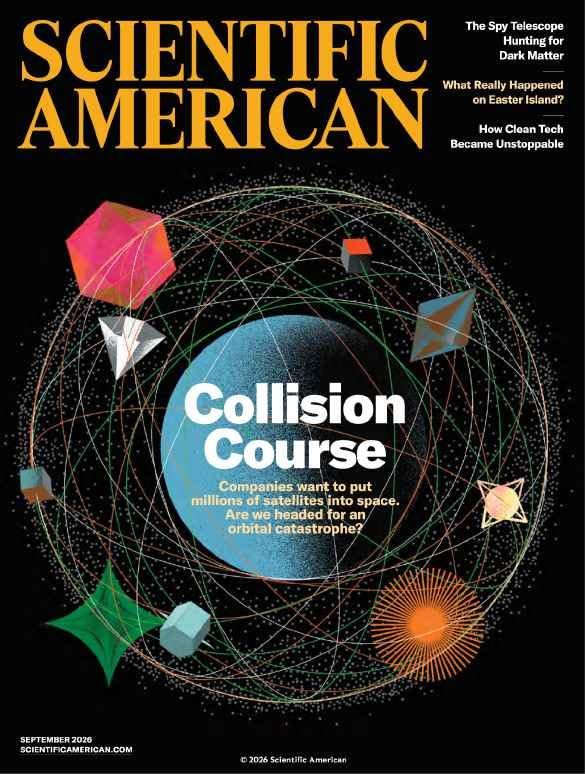
Scientific American September 2026
Scientific American
4.2
Scientific American covers the most important and exciting research, ideas and knowledge in science, health, technology, the environment and society. It is committed to sharing trustworthy knowledge and enhancing our understanding of the world .
Cover unavailable
36
The Book of Fungi: A Life-Size Guide to Six Hundred Species from Around the World
Shelley E. Evans Peter Roberts
4.2
Colorful, mysterious, and often fantastically shaped, fungi have been a source of wonder and fascination since the earliest hunter-gatherers first foraged for them. Today there are few, if any, places on Earth where fungi have not found themselves a home. And these highly specialized organisms are an indispensable part of the great chain of life. They not only partner in symbiotic relationships with over ninety percent of the world’s trees and flowering plant species, they also recycle and create humus, the fertile soil from which such flora receive their nutrition. Some fungi are parasites or saprotrophs; many are poisonous and, yes, hallucinogenic; others possess life-enhancing properties that can be tapped for pharmaceutical products; while a delicious few are prized by epicureans and gourmands worldwide.
In this lavishly illustrated volume, six hundred fungi from around the globe get their full due. Each species here is reproduced at its actual size, in full color, and is accompanied by a scientific explanation of its distribution, habitat, association, abundance, growth form, spore color, and edibility. Location maps give at-a-glance indications of each species’ known global distribution, and specially commissioned engravings show different fruitbody forms and provide the vital statistics of height and diameter. With information on the characteristics, distinguishing features, and occasionally bizarre habits of these fungi, readers will find in this book the common and the conspicuous, the unfamiliar and the odd. There is a fungal predator, for instance, that hunts its prey with lassos, and several that set traps, including one that entices sows by releasing the pheromones of a wild boar.
Mushrooms, morels, puffballs, toadstools, truffles, chanterelles—fungi from habitats spanning the poles and the tropics, from the highest mountains to our own backyards—are all on display in this definitive work.
…
Cover unavailable
37
Mycomedicinals: An Informational Booklet on Medicinal Mushrooms
Paul Stamets
4.2
MycoMedicinals:an Informational Treatise on Mushrooms, Third EditionBy Paul Stamets. Written by a mycologist and mushroom cultivator with more than 30 years of experience in the field, this full-color resource guide describes and documents the health benefits of 17 different species of mushrooms. Newly updated and expanded, MycoMedicinals: an Informational Treatise on Mushrooms includes answers to frequently asked questions and an extensive bibliography. 96 pages, softcover.
…
Cover unavailable
38
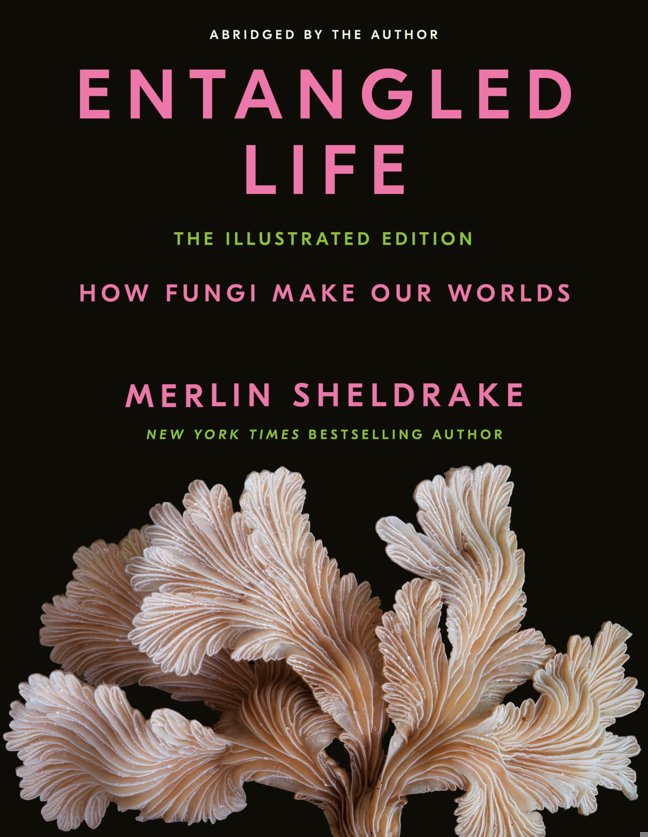
Entangled Life: The Illustrated Edition: How Fungi Make Our Worlds
Merlin Sheldrake
4.2
Merlin Sheldrake’s New York Times bestseller, Entangled Life, is now a lavish visual journey into the hidden lives of fungi.When we think of fungi, we likely think of mushrooms. But mushrooms are only fruiting bodies, analogous to apples on a tree. Most fungi live out of sight yet make up a massively diverse kingdom of organisms that supports and sustains nearly all living systems. Fungi provide a key to understanding the planet on which we live, and the ways we think, feel, and behave. In the first edition of the mind-bending, “gorgeous” (Margaret Atwood), ”brilliant [and] entrancing” (The Guardian) Entangled Life, Sheldrake introduced us to this mysterious but massively diverse kingdom of life. This new edition, abridged from the original, features over 100 full-color images that bring the spectacular variety, strangeness and beauty of fungi to life as never before. Fungi throw our concepts of individuality and even intelligence into question. They are metabolic masters, earth makers, and key players in most of life’s processes. They can change our minds, heal our bodies, and even help us remediate environmental disaster. In vivid, surprising images, Sheldrake reveals how these extraordinary organisms—and our relationships with them—are changing our understanding of how life works.
…
Cover unavailable
39
Appalachian Mushrooms: A Field Guide
Walter E. Sturgeon
4.2
From one of the region’s foremost mushroom hunters—Walter E. Sturgeon—comes a long-overdue field guide to finding and identifying the mushrooms and fleshy fungi found in the Appalachian mountains from Canada to Georgia. Edibility and toxicity, habitat, ecology, and detailed diagnostic features of the disparate forms they take throughout their life cycles are all included, enabling the reader to identify species without the use of a microscope or chemicals.
Appalachian Mushrooms is unparalleled in its accuracy and currency, from its detailed photographs to descriptions based on the most advanced classification information available, including recent DNA studies that have upended some mushrooms’ previously accepted taxonomies. Sturgeon celebrates more than 400 species in all their diversity, beauty, and scientific interest, going beyond the expected specimens to include uncommon ones and those that are indigenous to the Appalachian region.
This guide is destined to be an indispensable authority on the subject for everyone from beginning hobbyists to trained experts, throughout Appalachia and beyond.
…
Cover unavailable
40
How to Forage for Mushrooms without Dying: An Absolute Beginner's Guide to Identifying 29 Wild, Edible Mushrooms
Frank Hyman
4.2
Cover unavailable
41
Edible and Medicinal Mushrooms of New England and Eastern Canada
David L. Spahr
4.2
This beautifully illustrated guidebook provides specific, easy-to-understand information on finding, collecting, identifying, and preparing the safer and more common edible and medicinal mushroom species of New England and Eastern Canada. Author David Spahr, a trained commercial photographer, here combines his mycological expertise and photographic skill to produce an attractive and detailed overview of his subject. Based on decades of practical experience and research, the book is written in a clear and forthright style that avoids the dry, generic descriptions of most field guides.
Edible and Medicinal Mushrooms of New England and Eastern Canada also provides useful ideas for cooking mushrooms. Rather than simply providing recipes, the book discusses the cooking characteristics of each variety, with advice about matching species with appropriate foods. Many mushrooms contain unique medicinal components for boosting the immune system to fight cancer, HIV, and other diseases, and Spahr offers practical and prudent guidelines for exploration of this rapidly emerging area of alternative therapeutic practice.
…
Cover unavailable
42
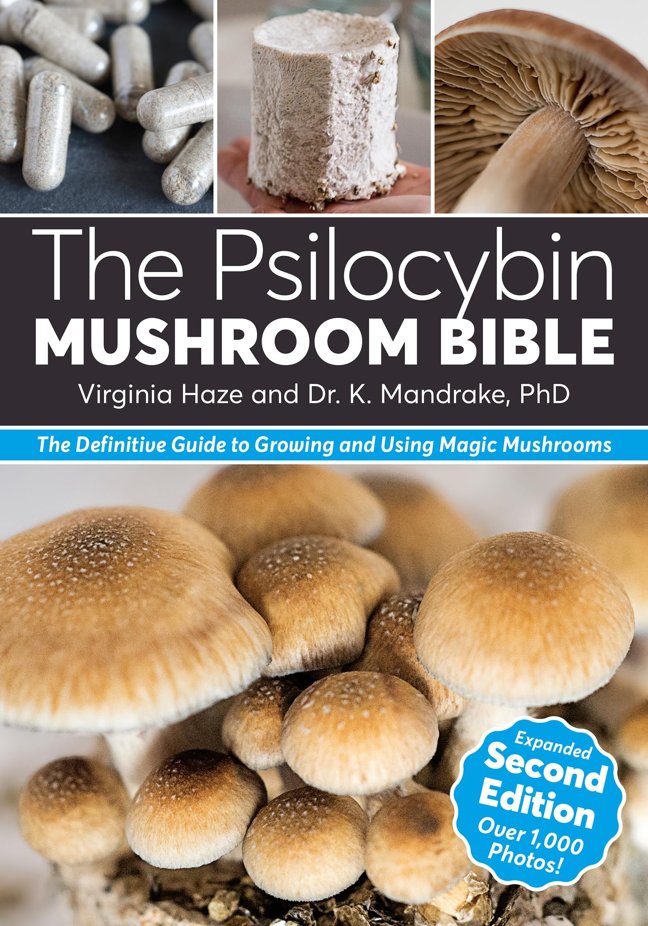
The Psilocybin Mushroom Bible: The Definitive Guide to Growing and Using Magic Mushrooms
Dr. K. Mandrake PhD, Virginia Haze
4.2
This second edition of the best-selling The Psilocybin Mushroom Bible is the most comprehensive source of information on the market regarding mushroom cultivation, harvesting, and consumption. This book uses detailed, straightforward language and high-resolution color, step-by-step photos to ensure readers can understand and apply everything they need to know about growing mushrooms. The Psilocybin Mushroom Bible will teach readers the efficient, safe, and quick process of cultivating their own magic mushrooms.In 2015, The Psilocybin Mushroom Bible was the first new book on magic mushroom cultivation published since 2006. Since its publication, it has sold over 100,000 copies and has established itself as one of the most accessible, enjoyable, and informative books on the topic, with its authors directly assisting home growers through forums and courses in the years since. This new edition expands and revises the original, with:Brand new photographs“How to” photo essaysNew chapters on both low tech and advanced growing methodsAdditional indoor and outdoor techniques for new species Processes include how to build containers and equipment at home and comprehensive instructions on multiple methods of producing magic mushrooms. This new edition also discusses current research on psilocybin as medicine, the recent decriminalization movements, as well as methods for consuming magic mushrooms, from simply eating them, to making tea or discreet pills, and even turning the mushrooms into delicious treats to be enjoyed with friends.The first edition of The Psilocybin Mushroom Bible was truly ground-breaking and this new edition not only expands on the previous topics with updated research but also provides new, in-depth information and methods that will ensure it continues to be the number one choice for anyone wanting to know as much as they want about psilocybin mushroom cultivation.
…
Cover unavailable
43
Christopher Hobbs's Medicinal Mushrooms: The Essential Guide: Boost Immunity, Improve Memory, Fight Cancer, Stop Infection, a
Christopher Hobbs L.Ac., AHG
4.2
Cover unavailable
44
The Kingdom Fungi: The Biology of Mushrooms, Molds, and Lichens
Steven L. Stephenson
4.2
The ubiquitous fungi are little known and vastly underappreciated. Yet, without them we wouldn’t have bread, alcohol, cheese, tofu, or the unique flavors of mushrooms, morels, and truffles. We can’t survive without fungi.
The Kingdom Fungi provides a comprehensive look at the biology, structure, and morphological diversity of these necessary organisms. It sheds light on their ecologically important roles in nature, their fascinating relationships with people, plants, and animals, and their practical applications in the manufacture of food, beverages, and pharmaceuticals. The book includes information about “true” fungi, fungus-like creatures (slime molds and water molds), and a group of “composite” organisms (lichens) that are more than just fungi. Particular attention is given to examples of fungi that might be found in the home and encountered in nature.
The Kingdom Fungi is a useful introductory text for naturalists, mycologists, and anyone who wants to become more familiar with, and more appreciative of, the fascinating world of fungi.
…
Cover unavailable
45
The Sacred Mushroom and the Cross
John M. Allegro
4.2
s/t: A Study of the Nature and Origins of Christianity within the Fertility Cults of the Ancient Near East Professor Allegro (Univ. of Manchester) has hitherto been known for his several excellent books on the Dead Sea Scrolls. In an unusual reversal, he has now produced a book that will make The Passover Plot seem the last refuge of theological ultra-conservatism. The thesis of the book is simple enough: Jesus did not exist, the Gospels were & are a hoax, & Christianity is the atavistic vestige of an ancient fertility cult in which the object of worship was a peculiarly phallic mushroom, Amanita muscaria, capable of producing psychedelic reactions. As farfetched as all this may seem, it cannot be denied that he has brought to this work the same care & scholarly detachment that have characterized his earlier, & more conventional, works; & he has made not one concession to the sensational nature of his thesis. The book is, in fact, a demanding one, which presupposes in the reader at least a working knowledge of the ancient Semitic tongues & of the sciences considered auxiliary to biblical studies. Only the most determined non-professional iconoclast will be willing to wade through his unrelenting jargon. None of which, of course, will affect the demand for what is probably to become a very controversial work.--Kirkus (edited)
…
Cover unavailable
46
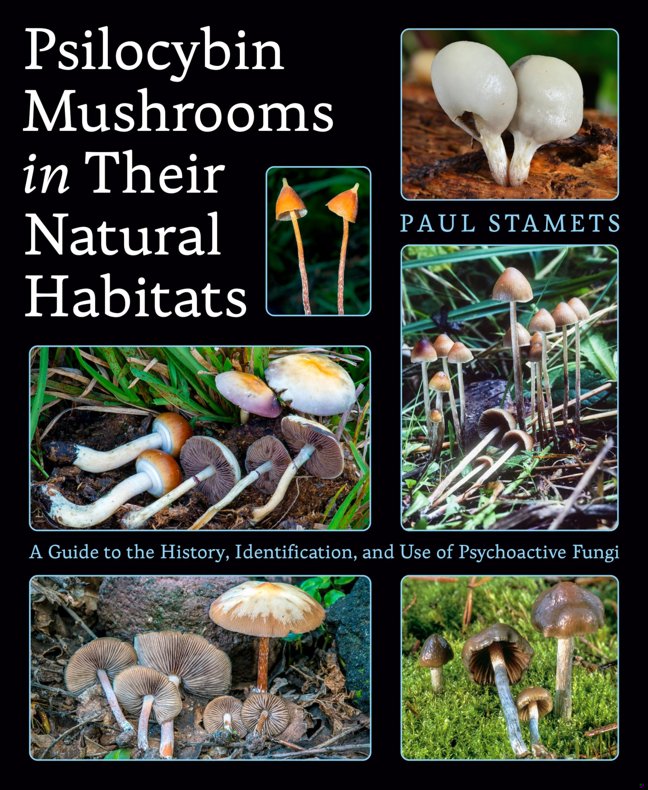
Psilocybin Mushrooms in Their Natural Habitats: A Guide to the History, Identification, and Use of Psychoactive Fungi
Paul Stamets
4.2
A full-color guide to psilocybin mushrooms—how to forage, identify, grow, and use them—with detailed descriptions, 300 stunning photographs, tips for dosing safely, and more, from a world-renowned mycologist.The past decade has seen an explosion of interest in using psilocybin (aka psychoactive or “magic”) mushrooms for recreational and medicinal purposes.In this comprehensive, full-color reference, Paul Stamets offers descriptions and 300 photographs of more than 60 psilocybin varieties and their lookalikes common to North America, Europe, and Australasia. He outlines the history and cultural use of magic mushrooms in traditional rituals and ceremonies, their natural geographic distribution and habitats, and keys to growing your own mushroom patch. But perhaps most important, Stamets explains how to reliably distinguish between a non-poisonous, psychoactive mushroom and one of its highly toxic, even deadly, lookalikes.Packed with a lifetime of scientific and real-world research, Psilocybin Mushrooms in Their Natural Habitats brings depth and understanding to an often-misunderstood topic. Revealing the potential of these powerful, mind-awakening fungi to help us live better, happier lives through micro- and macro-dosing, this handbook is an indispensable—and potentially lifesaving—addition to mushroom field guides from the biggest name in mycology.
…
Cover unavailable
47
Mr. Bloomfield's Orchard: The Mysterious World of Mushrooms, Molds, and Mycologists
Nicholas P. Money
4.1
Stinkhorns, puffballs, the "corpse finder," deadly Galerina, Satan's bolete, birch conks, black mold, the old man of the woods--the world of fungi is infinitely varied and not a little weird. Now, in Mr. Bloomfield's Orchard, Nicholas Money introduces readers to a dazzling array of fungi, from brewer's yeast and Penicillium to the highly lethal death cap. We learn of Madurella, which can erode bones until they look moth-eaten; Cordyceps, which wracks insects with convulsions, kills them, then sends a stalk out of the insect's head to release more infectious spores; and Claviceps, the poisonous ergot fungus, which causes hallucinations. Money also showcases the lives of famed mycologists--including Reginald Buller who wore horse blinders as he walked to work, the better to study luminescent fungi in his dark lab, and Charles Tulasne, the Audubon of fungi, whose illustrations of specimens border on art. And he recounts his own childhood introduction to fungi in Mr. Bloomfield's orchard, where trees and fruit were devoured by a rogue's gallery of bitter rot, canker, rust, powdery mildew, rubbery wood, and scab. Replete with historical photographs and simple yet effective illustrations, told with a refreshing sense of humor, Mr. Bloomfield's Orchard will fascinate anyone interested in the natural world.
…
Cover unavailable
48
Shroom: Mind-bendingly Good Recipes for Cultivated and Wild Mushrooms
Becky Selengut
4.1
Chef and cooking teacher Becky Selengut's Shroom feeds our enduring passion for foraged and wild foods by exploring 15 types of mushrooms, including detailed how-to's on everything home cooks need to know to create 75 inventive, internationally-flavored mushroom dishes.
The button mushroom better make room on the shelf. We're seeing a growing number of supermarkets displaying types of mushrooms that are leaving shoppers scratching their heads. Home cooks are buying previously obscure species from growers and gatherers at local farmers markets and adventurous cooks are collecting all manners of edible mushrooms in the woods. People are asking the question, "Now that I have it, what do I do with it?" Home cooks and chefs alike will need a book and an educated guide to walk them through the basics of cooking everything from portobellos and morels to chanterelles and the increasingly available, maitake, oyster, and beech mushrooms.
Shroom is that book and Chef Becky Selengut is that tour guide. In a voice that's informed, but friendly and down-to-earth, Selengut's Shroom is a book for anyone looking to add mushrooms to their diet, find new ways to use mushrooms as part of a diet trending towards less meat, or diversify their repertoire with mushroom-accented recipes inspired from Indian, Thai, Vietnamese and Japanese cuisines, among others. Recipes include Maitake Tikka Masala, King Trumpet and Tomato Sandwiches with Spicy Mayo, and Hedgehog Mushrooms and Cheddar Grits with Fried eggs and Tabasco Honey. Written in a humorous voice, Becky Selengut guides the home cook through 15 species-specific chapters on mushroom cookery with the same levity and expertise she brought to the topic of sustainable seafood in her IACP-nominated 2011 book Good Fish. Selengut's wife and sommelier April Pogue once again teams up to provide wine pairings for each of the 75 recipes.
…
Cover unavailable
49
Mushrooms of the Northeastern United States and Eastern Canada
Timothy J. Baroni
4.1
A must-have for mushroom hunters in the northeast
The Northeast is one of the best places to find mushrooms; they are both abundant and spectacularly diverse. Mushrooms of the Northeastern United States and Eastern Canada is a compact, beautifully illustrated guide packed with descriptions and photographs of more than 500 of the region's most conspicuous, distinctive, and ecologically important mushrooms. Covers Connecticut, Delaware, Illinois, Indiana, Maine, Massachusetts, Minnesota, New Hampshire, New Jersey, New York, Ohio, Pennsylvania, Rhode Island, Vermont, Wisconsin, and the Canadian provinces of New Brunswick, Newfoundland, Ontario, and most of Quebec More than 550 superb color photographs Helpful keys for identification Clear, color-coded layout An essential reference for mushroom enthusiasts, hikers, and naturalists
…
Cover unavailable
50
Mushrooms of the Rocky Mountain Region
Vera Stucky Evenson
4.1
A Must-Have for Mushroom Hunters in the Rockies
In Mushrooms of the Rocky Mountain Region, Vera Evenson describes more than 220 species of the region’s most conspicuous, distinctive, interesting, and ecologically important mushrooms. This comprehensive guide features introductory chapters on the basics of mushroom structure, life cycles, and habitats. Profiles include color photographs, keys, and diagrams to aid in identification, and tips on how to recognize and avoid poisonous mushrooms. Covers Colorado, New Mexico, Utah, and Wyoming, as well as adjacent areas in Montana and Idaho Helpful keys for identification Clear, color-coded layout An essential reference for mushroom enthusiasts, hikers, and naturalists
…
Cover unavailable
51
Treasures from the Kingdom of Fungi: Featuring Photographs of Mushrooms and Other Fungi from Around the World
Taylor F. Lockwood, Taylor F Lockwood
4.1
Cover unavailable
52
The Essential Guide to Cultivating Mushrooms: Simple and Advanced Techniques for Growing Shiitake, Oyster, Lion's Mane, and Maitake Mushrooms at Home
Stephen Russell
4.1
From the basics of using mushroom kits to working with grain spawn, liquid cultures, and fruiting chambers, Stephen Russell covers everything you need to know to produce mouthwatering shiitakes, oysters, lion’s manes, maitakes, and portobellos. Whether you’re interested in growing them for your own kitchen or to sell at a local market, you’ll soon be harvesting a delicious and abundant crop of mushrooms.
…
Cover unavailable
53
Magical Mushrooms, Mischievous Molds
George W. Hudler
4.1
Mushrooms magically spew forth from the earth in the hours that follow a summer rain. Fuzzy brown molds mischievously turn forgotten peaches to slime in the kitchen fruit bowl. And in thousands of other ways, members of the kingdom Fungi do their part to make life on Earth the miracle that it is. In this lively book, George Hudler leads us on a tour of an often-overlooked group of organisms, which differ radically from both animals and plants. Along the way the author stops to ponder the marvels of nature and the impact of mere microbes on the evolution of civilization. Nature's ultimate recyclers not only save us from drowning in a sea of organic waste, but also provide us with food, drink, and a wide array of valuable medicines and industrial chemicals.
Some fungi make deadly poisons and psychedelic drugs that have interesting histories in and of themselves, and Hudler weaves tales of those into his scientific account of the nature of the fungi. The role of fungi in the Irish potato famine, in the Salem Witch Trials, in the philosophical writings of Greek scholars, and in the creation of ginger snaps are just a few of the many great moments in history to grace these pages.
Hudler moves so easily from discussing human history to exploring scientific knowledge, all with a sense of humor and enthusiasm, that one can well understand why he is an award-winning teacher both at Cornell University as well as nationally. Few, for instance, who read his invitation to get out of your chair and take a short walk will ever again look without curiosity and admiration at the rotten part of the world around them. Magical Mushrooms, Mischievous Molds is full of information that will satisfy history buffs, science enthusiasts, and anyone interested in nature's miracles. Everyone in Hudler's audience will develop a new appreciation of the debt they owe to the molds for such common products as penicillin, wine, and bread.
-- "New Scientist"
…
Cover unavailable
54
The Mushroom at the End of the World: On the Possibility of Life in Capitalist Ruins
Anna Lowenhaupt Tsing
4.1
What a rare mushroom can teach us about sustaining life on a fragile planet
Matsutake is the most valuable mushroom in the world--and a weed that grows in human-disturbed forests across the northern hemisphere. Through its ability to nurture trees, matsutake helps forests to grow in daunting places. It is also an edible delicacy in Japan, where it sometimes commands astronomical prices. In all its contradictions, matsutake offers insights into areas far beyond just mushrooms and addresses a crucial question: what manages to live in the ruins we have made?
A tale of diversity within our damaged landscapes, The Mushroom at the End of the World follows one of the strangest commodity chains of our times to explore the unexpected corners of capitalism. Here, we witness the varied and peculiar worlds of matsutake commerce: the worlds of Japanese gourmets, capitalist traders, Hmong jungle fighters, industrial forests, Yi Chinese goat herders, Finnish nature guides, and more. These companions also lead us into fungal ecologies and forest histories to better understand the promise of cohabitation in a time of massive human destruction.
By investigating one of the world's most sought-after fungi, The Mushroom at the End of the World presents an original examination into the relation between capitalist destruction and collaborative survival within multispecies landscapes, the prerequisite for continuing life on earth.
-- "Publisher's Weekly"
…
Cover unavailable
55
The Rebel's Apothecary: A Practical Guide to the Healing Magic of Cannabis, Cbd, and Mushrooms
Jenny Sansouci and Frank Lipman
4.1
Learn how to improve your health and wellness with the healing magic of cannabis, CBD and medicinal mushrooms.
When health coach and wellness blogger Jenny Sansouci learned that her father was diagnosed with stage 4 pancreatic cancer, her extensive knowledge of the latest alternative therapies was put to the test. Jenny dove into the world of cannabis and mushrooms and their medicinal properties - and she and her dad are now outspoken champions of the healing power of these plants and fungi - not only to tame the side effects of chemotherapy, but to address everyday wellness concerns.
The Rebel's Apothecary is the result of her heartfelt and rigorous quest -- a science-based and supportive guide that will enhance the lives of anyone living with pain, anxiety, depression, a weakened immune system, insomnia, and more. Complete with background information, dosing instructions, and everyday recipes, this is the essential handbook for harnessing the ancient healing powers of cannabis and mushrooms --safely, without confusion, fear, or an unwanted high.
In addition to debunking myths and de-stigmatizing these powerful healing plants and fungi, The Rebel's Apothecary presents:
- Specific protocols and dosage guides for wellness uses (mood, sleep, immunity, focus, energy) and managing common chemotherapy side effects - Everyday wellness routines - Recipes for delicious, easy, health-enhancing cannabis and mushroom infused smoothies, coffee drinks, teas, elixirs, gummies, and broths - including recipes from chefs and wellness experts like Dr. Andrew Weil, Kris Carr, Seamus Mullen, Marco Canora and more - The latest research on CBD, THC, medicinal mushrooms and psilocybin - Tips for creating a cutting-edge home apothecary of your own
…
Cover unavailable
56
The Road to Eleusis: Unveiling the Secret of the Mysteries
R. Gordon Wasson
4.1
The secretive Mysteries conducted at Eleusis in Greece for nearly two millennia have long puzzled scholars with strange accounts of initiates experiencing otherworldly journeys. In this groundbreaking work, three experts—a mycologist, a chemist and a historian—argue persuasively that the sacred potion given to participants in the course of the ritual contained a psychoactive entheogen. The authors then expand the discussion to show that natural psychedelic agents have been used in spiritual rituals across history and cultures. Although controversial when first published in 1978, the book’s hypothesis has become more widely accepted in recent years, as knowledge of ethnobotany has deepened. The authors have played critical roles in the modern rediscovery of entheogens, and The Road to Eleusis presents an authoritative exposition of their views. The book’s themes of the universality of experiential religion, the suppression of that knowledge by exploitative forces, and the use of psychedelics to reconcile the human and natural worlds make it a fascinating and timely read. This 30th anniversary edition includes an appreciative preface by religious scholar Huston Smith and an updated exploration of the chemical evidence by Peter Webster.
…
Cover unavailable
57
Mushrooms of the Northwest: A Simple Guide to Common Mushrooms
Teresa Marrone
4.1
Get This Great Visual Guide to Mushrooms in Idaho, Oregon, and Washington!
Hundreds of full-color photographs with easy-to-understand text make this a perfect visual guide. Learn about more than 400 species of common wild mushrooms found in the Northwest states of Idaho, Oregon, and Washington. The species (from Morel Mushrooms to Shelf Mushrooms) are organized by shape, then by color, so you can identify them by their visual characteristics. Plus, with the Top Edibles and Top Toxics sections, you'll begin to learn which are the edible wild mushrooms. The information in the book, written by Teresa Marrone and Drew Parker, is accessible to beginners but useful for even experienced mushroom seekers.
…
Cover unavailable
58
Psilocybin Mushrooms: The Complete Guide to Cultivation, Safe Use and Effects of Magic Mushrooms
Marteen Baker
4.1
Cover unavailable
59
North American Boletes: A Color Guide to the Fleshy Pored Mushrooms
Alan Bessette, Arleen Bessette, William C. Roody
4.1
North American Boletes is the first comprehensive guide to an extraordinary and highly prized group of mushrooms known for their beautiful colors, distinctive features, relative abundance, and edibility. The scope of this work goes beyond the identification of species. The authors consider the symbiotic relationship that boletes share with higher plants and trees, their geographical distribution, and new information regarding the macrochemical test reactions of the boletes; they also describe several new species. The book's combination of aesthetically appealing and scientifically accurate color photographs and extensive descriptions makes it a standard reference work for bolete identification in North America.
…
Cover unavailable
60
Teaming with Fungi: The Organic Grower's Guide to Mycorrhizae
Jeff Lowenfels
4.1
“Accomplishes what few other books have—helping growers use mycorrhizae to improve the immune systems of plants. This natural union between plants and fungi is the foundation of our food web.” —Paul Stamets, author of Mycelium Running: How Mushrooms Can Help Save the World
Teaming with Fungi is an important guide to mycorrhizae and the role they play in agriculture, horticulture, and hydroponics. Almost every plant in a garden forms a relationship with fungi, and many plants would not exist without their fungal partners. By better understanding this relationship, home gardeners can take advantage of the benefits of fungi, which include an increased uptake in nutrients, resistance to drought, earlier fruiting, and more. This must-have guide will teach you how fungi interact with plants and how to best to employ them in your home garden.
…
Cover unavailable
61
100 Edible Mushrooms
Michael Kuo
4.1
With a dash of humor and a dollop of science, Michael Kuo selects the top 100 mushrooms best suited for cooking. Like Kuo’s very popular book Morels, 100 Edible Mushrooms is written in the author’s inimitable, engaging, and appealing style, taking the reader on the hunt through forest and kitchen in search of mycological pleasures and culinary delights.
Kuo describes in detail how to identify each species, where and when to find them, and how to cook them in creative and delicious recipes. The mushrooms presented in the book are the most often eaten varieties, and a description of the button mushrooms found in the grocery store is included. All of the mushrooms have at least one full-color illustration and some several more to aid in identifying and distinguishing look-alike and nonedible species.
An indispensable book for mushroom hunters, naturalists, and cooks
Michael Kuo, an English teacher in Illinois, is the developer of mushroomexpert.com, a popular online resource for mushroom identification and morel hunting.
…
Cover unavailable
62
Dark Emperor and Other Poems of the Night
Joyce Sidman, Rick Allen
4.1
A 2011 Newbery Honor Book
Come feel the cool and shadowed breeze, come smell your way among the trees, come touch rough bark and leathered leaves: Welcome to the night.
Welcome to the night, where mice stir and furry moths flutter. Where snails spiral into shells as orb spiders circle in silk. Where the roots of oak trees recover and repair from their time in the light. Where the porcupette eats delicacies—raspberry leaves!—and coos and sings.
Come out to the cool, night wood, and buzz and hoot and howl—but do beware of the great horned owl—for it’s wild and it’s windy way out in the woods!
This Newbery Honor-winning picture book combines beautifully written poetry with facts of the forest and elaborate illustrations to form a marvelously engaging collection.
…
Cover unavailable
63
Decomposing the Shadow: Lessons from the Psilocybin Mushroom
James W. Jesso
4.1
Decomposing The Shadow presents a psychological model for the experience of the magic psilocybin mushroom. It explores what the experience of this psychedelic medicine exposes to us about the nature of mind, emotion, society, psychospiritual maturity, and reality itself. This book is about facing the darkness within each of us, developing the courage of emotional honesty, and investigating how the unacknowledged aspects of self, the shadow, can make the grounds of personal growth fertile again. The psilocybin mushroom offers us the opportunity to experience life from a point of amplified emotional, psychological, and spiritual significance. It unlocks a perspective of self and other that is naturally occurring within us, but culturally suppressed to the point of nearly complete omission. When we begin to navigate the vastly novel experiences this substance can provide us, we further enable its potential for not only exposing, but healing the unconscious narratives that hold us back from being our fullest, most courageous, most honest self.
…
Cover unavailable
64
Scientific American 20th January 2026
Scientific American
4.1
Scientific American covers the most important and exciting research, ideas and knowledge in science, health, technology, the environment and society. It is committed to sharing trustworthy knowledge and enhancing our understanding of the world .
Cover unavailable
65
A Field Guide to Mushrooms of the Carolinas
Alan E. Bessette
4.1
Mushrooms in the wild present an enticing challenge: some are delicious, others are deadly, and still others take on almost unbelievable forms. This field guide introduces 650 mushrooms found in the Carolinas--more than 50 of them appearing in a field guide for the first time--using clear language and color photographs to reveal their unique features.
What's included: Hundreds of full color photographs of Carolina mushrooms Information on mushroom edibility and toxicity Microscopic information An overview of the Carolinas' role in the history of American mycology
Perfect for those interested in learning more about mushrooms, the unusually large number of described species makes this book a must-have for experienced mushroom hunters as well as beginners. Here, at last, is the field guide for North and South Carolina mushrooms, from the mountains to the coast, presented in a single, portable volume.
…
Cover unavailable
66
Magic Mushrooms: The Psilocybin Mushroom Bible – A Guide to Cultivation and Safe Use
Hank Bryant and Israel Bouseman
4.1
Cover unavailable
67
Scientific American April 2026
Scientific American
4.1
Scientific American covers the most important and exciting research, ideas and knowledge in science, health, technology, the environment and society. It is committed to sharing trustworthy knowledge and enhancing our understanding of the world .
Cover unavailable
68
Astounding Mushrooms
Alain Bellocq and Jaroslav Maly
4.1
A heartfelt appreciation of the beauty and diversity of fungi.
Astounding Mushrooms features gorgeous full-color photographs of more than 200 mushroom species in their wild habitat. The close-up images reveal every size of growth, every shade of color, every shadow of silhouette, and every detail of texture. Chapter text sheds light on this unique living species, neither animal nor plant. Concise captions identify the mushrooms and provide further description of their biology.
As Astounding Mushrooms reveals, mushrooms are astonishingly diverse. Shapes include buttons, nests, fans, feet, clubs, hooves, trumpets, mesh, tentacles, stars, tubes, and spines. Textures are smooth, shiny or pimpled. They can be dry or wet, edible or deadly. Nuanced colors and blushes include yellows, reds, blues, and greens. They may be speckled, stinky, slimy, hairy, or fuzzy. Some wear a hat, a "skirt", or can even move.
Wild mushrooms are enjoyed by an increasing number of locavores, vegans and wild food enthusiasts. Chefs everywhere are foraging wild foods, including mushrooms. Mushroom hunting tours have become popular, and mycolophiles are sharing their enthusiasm and identification tips online.
Astounding Mushrooms invites readers into the extraordinary fungi universe.
…
Cover unavailable
69
Mushrooms: A Folding Pocket Guide to Familiar North American Species
James Kavanagh
4.1
When foraging for wild mushrooms, it is critical to be able to positively identify edible and poisonous species. Mushrooms is your guide to familiar, widespread North American species. This beautifully illustrated pocket guide highlights over 60 familiar edible species and 14 poisonous species and includes tips on identifying and harvesting wild mushrooms. Laminated for durability, this lightweight, pocket-sized folding guide is an excellent source of portable information and ideal for field use by visitors and residents alike. Made in the USA.
…
Cover unavailable
70
Mushrooms of Northeast North America: Midwest to New England
George Barron
4.1
A full-color photographic field guide to mushrooms and fungi of the northern United States, from the Midwest to New England. Featured in USA Today, this must-have reference has spectacular photos and excellent species information.
Cover unavailable
71
The Third Mushroom
Jennifer L. Holm
4.1
"a follow-up to The Fourteenth Goldfish"
Cover unavailable
72
Sacred Mushroom of Visions: Teonanácatl: A Sourcebook on the Psilocybin Mushroom
Ralph Metzner
4.1
Over 30 contributors share their expertise on the chemical, biological, cultural, psychological & experiential dimensions of psilocybin mushrooms. Teonanácatl was the name given to the visionary mushrooms used in ancient Mesoamerican shamanic ceremonies, mushrooms that contain psilocybin, the psychoactive agent identified by Swiss chemist Albert Hofmann, the discoverer of LSD. The rediscovery of these visionary mushrooms thru the Mazatec healer Maria Sabina by mycologist R. Gordon Wasson ignited a worldwide mushroom culture that inspired the consciousness revolution of the 60s. This book describes the consciousness-expanding experiences of psychoactive mushroom users--from artists to psychologists--& the healing visionary inspiration received. It provides 1sthand accounts of studies performed in the Harvard Psilocybin Project, including the Concord Prison study & the Good Friday study. It describes how the use of the psilocybe mushroom spread from the mountains of Mexico into the USA, Asia & Europe by seekers of consciousness-expansion. It also details how psilocybin has been used since the 60s in psychotherapy, prisoner rehabilitation, the enhancement of creativity & the induction of mystical experiences & is being studied as a treatment for obsessive compulsive disorder.
…
Cover unavailable
73
North American Mushrooms: A Field Guide to Edible and Inedible Fungi
Orson Miller and Hope Miller
4.1
North American Mushrooms is a field guide to more than 600 edible and inedible mushrooms that can be found across the United States and Canada. Filled with full color photographs, detailed identification information, and illustrated keys and glossaries to assist with identification, this book also features mushroom lore and helpful information on gathering and using wild mushrooms.
Cover unavailable
74
National Audubon Society Field Guide to Fishes: North America
National Audubon Society
4.1
Covering both freshwater and saltwater species, this fully revised edition brings a new level of accuracy and usefulness to the original fishes field guide published over 20 years ago.
Over 700 new full-color photographs, 286 black-and-white illustrations, and 637 maps combine to make this book the most comprehensive field guide available to the fishes of North America.
•635 species covered in detail, with notes on 771 more •723 full-color identification photographs •286 black-and-white illustrations •Visual organization of species photographs by shape for easy identification •Range map for each species •Glossary of useful terms
…
Cover unavailable
75
Mushrooming with Confidence: A Guide to Collecting Edible and Tasty Mushrooms
Alexander Schwab
4.1
Picking mushrooms in the woods on a sunny day can be fun for the whole family . . . but only if you do it safely! Here mushrooms are divided into four identification categories so anyone can recognize what he or she is looking—and forage without worry!
There are thousands of different species of fungi, so it can be hard to tell which are edible and which are poisonous when you are picking them for yourself in the wild. Safe and unsafe species often closely resemble each other, and worrying about which mushrooms are safe and which might be deadly can take all the fun out of mushrooming. Enter Mushrooming with Confidence!
Improving on the usual overwhelming and exhaustive wild plant guidebook, Mushrooming with Confidence is a slim, handy manual that focuses on the tastiest and most common mushrooms, so that you can easily spot those that are not only safe to eat, but also a delight to cook and share!
Here mushrooms are divided into four identification categories so that anyone will be able to recognize what he or she is looking at quickly and correctly. Thirty of the most common and delicious types are explained in detail, from the common field mushroom to the pretty purple amethyst deceiver and the prolific and tasty charcoal burner. Each mushroom includes a “Positive ID Checklist” that the reader can go through to be absolutely certain they have the right species, and more than 300 color photographs make it a snap to know exactly what kind of mushroom you’ve found . . . and whether you really want to pick it!
With lists of the best tools for mushrooming, the best techniques for getting a mushroom out of the ground in one piece, and even how to remove worms, Mushrooming with Confidence will extinguish any fear or doubt that might stop you from hunting down your own delicious mushrooms. This will prove a fun and essential guide for novice and experienced pickers alike!
…
Cover unavailable
76
The Great Encyclopedia of Mushrooms
Jean-Louis Lamaison, Jean Marie Polese
4.0
Cover unavailable
77
Mushroom Magick: A Visionary Field Guide
Gary Lincoff, Arik Moonhawk Roper, Erik Davis, Daniel Pinchbeck
4.0
For centuries hallucinogenic mushrooms have participated in a sublime relationship with humankind, thanks to their psychoactive chemicals that shift and modify the human mind. Arik Roper's exquisite painted portraits of magic mushrooms illustrate more than 90 of the known hallucinogenic species from around the world. He captures their powerful auras, adding to a tradition of Mushroom art that stretches back more than 400 years.
Popular culture critics Erik Davis and Daniel Pinchbeck provide background and testimony in elegant essays, and mushroom expert Gary Lincoff contributes notes. This beautifully designed and profusely illustrated mushroom bible will appeal to nature lovers, mushroom hunters, and enthusiasts of all things psychedelic.
…
Cover unavailable
78
The Complete Guide to Edible Wild Plants
Department of the Army
4.0
Anyone who has spent serious time outdoors knows that in survival situations, wild plants are often the only sustenance available. The proper identification of these plants can mean the difference between survival and death. This book describes habitat and distribution, physical characteristics, and edible parts of wild plants—the key elements of identification. Hugely important to the book are its color photos. There are over one hundred of them, further simplifying the identification of poisonous and edible plants. No serious outdoors person should ever hit the trail without this book and the knowledge contained within it.
…
Cover unavailable
79
The Harvard Psychedelic Club: How Timothy Leary, Ram Dass, Huston Smith, and Andrew Weil Killed the Fifties and Ushered in a New Age for America
Don Lattin
4.0
“[Don Lattin] has created a stimulating and thoroughly engrossing read.” —Dennis McNally, author of A Long Strange Trip: The Inside History of the Grateful Dead, and Desolate Angel: Jack Kerouac, the Beat Generation, and America
It is impossible to overstate the cultural significance of the four men described in Don Lattin’s The Harvard Psychedelic Club. Huston Smith, tirelessly working to promote cross-cultural religious and spiritual tolerance. Richard Alpert, a.k.a. Ram Dass, inspiring generations with his mantra, “be here now.” Andrew Weil, undisputed leader of the holistic medicine revolution. And, of course, Timothy Leary, the charismatic, rebellious counter-culture icon and LSD guru. Journalist Don Lattin provides the funny, moving inside story of the “Cambridge Quartet,” who crossed paths with the infamous Harvard Psilocybin Project in the early 60’s, and went on to pioneer the Mind/Body/Spirit movement that would popularize yoga, vegetarianism, and Eastern mysticism in the Western world.
…
Cover unavailable
80
Mycorrhizal Planet: How Symbiotic Fungi Work with Roots to Support Plant Health and Build Soil Fertility
Michael Phillips
4.0
Regenerative practices for the farm, garden, orchard, forest, and landscape
Mycorrhizal fungi have been waiting a long time for people to recognize just how important they are to the making of dynamic soils. These microscopic organisms partner with the root systems of approximately 95 percent of the plants on Earth, and they sequester carbon in much more meaningful ways than human "carbon offsets" will ever achieve. Pick up a handful of old-growth forest soil and you are holding 26 miles of threadlike fungal mycelia, if it could be stretched it out in a straight line. Most of these soil fungi are mycorrhizal, supporting plant health in elegant and sophisticated ways. The boost to green immune function in plants and community-wide networking turns out to be the true basis of ecosystem resiliency. A profound intelligence exists in the underground nutrient exchange between fungi and plant roots, which in turn determines the nutrient density of the foods we grow and eat.
Exploring the science of symbiotic fungi in layman's terms, holistic farmer Michael Phillips (author of The Holistic Orchard and The Apple Grower) sets the stage for practical applications across the landscape. The real impetus behind no-till farming, gardening with mulches, cover cropping, digging with broadforks, shallow cultivation, forest-edge orcharding, and everything related to permaculture is to help the plants and fungi to prosper . . . which means we prosper as well.
Building soil structure and fertility that lasts for ages results only once we comprehend the nondisturbance principle. As the author says, "What a grower understands, a grower will do." Mycorrhizal Planet abounds with insights into "fungal consciousness" and offers practical, regenerative techniques that are pertinent to gardeners, landscapers, orchardists, foresters, and farmers. Michael's fungal acumen will resonate with everyone who is fascinated with the unseen workings of nature and concerned about maintaining and restoring the health of our soils, our climate, and the quality of life on Earth for generations to come.
…
Cover unavailable
81
Mushrooms and Other Fungi of North America
Roger Phillips
4.0
The ultimate illustrated handbook on mushrooms.
More than 1,000 handsome color photographs by Roger Phillips illustrate this comprehensive guide to mushrooms and other fungi of North America, in all their astonishing variety.
Amateur collectors, expert mycologists and armchair naturalists will welcome the reissue of this valuable reference.
Each photograph has a neutral background to eliminate distractions. The specimens are arranged to show the cap, stem, gills, spines, and a cross section, usually in various stages of growth.
The information on each mushroom variety includes:
Dimensions of cap, gills and stem Color and texture description of flesh Description of odor and taste Habitat and growing season Description of spores Categorization of edibility. Mushrooms and Other Fungi of North America also includes useful tips and helpful advice on collecting specimens and identifying them. This book is the ideal introduction to mycology.
…
Cover unavailable
82
The Complete Guide to Edible Wild Plants, Mushrooms, Fruits, and Nuts: Finding, Identifying, and Cooking
Katie Letcher Lyle
4.0
Edible wild plants, mushrooms, fruits, and nuts grow along roadsides, amid country fields, and in urban parks. All manner of leafy greens, mushrooms, and herbs that command hefty prices at the market are bountiful outdoors and free for the taking. But to enjoy them, one must know when to harvest and how to recognize, prepare, and eat them. The Complete Guide to Edible Wild Plants, Mushrooms, Fruits, and Nuts provides everything one needs to know about the most commonly found wild foods--going beyond a field guide's basic description to provide folklore and mouth-watering recipes for each entry, such as wild asparagus pizza, fiddlehead soup, blackberry mousse, and elderberry pie. This fully illustrated guide is the perfect companion for hikers, campers, and anyone who enjoys eating the good food of the earth. With it in hand, nature lovers will never take another hike without casting their eyes about with dinner in mind.
…
Cover unavailable
83
Never Home Alone: From Microbes to Millipedes, Camel Crickets, and Honeybees, the Natural History of Where We Live
Rob Dunn
4.0
Discover the "fascinating" and surprising science of the creepers, crawlers, wrigglers, and runners that live in our homes (The Washington Post) -- and learn why they're essential to our everyday lives.
However domesticated our houses appear, they are wild beyond imagination. Look down in the basement, up in the attic, under the floorboards, and even in the showerhead, and you'll find life everywhere. Biologist Rob Dunn and his team have done it in homes worldwide, and they found nearly 200,000 species!
In Never Home Alone, Dunn introduces us to these tiny tenants and shows us how -- in almost every case -- they make our lives better, and explains why trying to eradicate the bad ones just makes our lives worse. No one who reads this engrossing, revelatory, and just plain fun book will look at their home, or the life in it, in the same way again.
A New York Times Book Review's "Editor's Choice"
"Excellent." -- Wall Street Journal
"You'll love Never Home Alone." -- Bustle
…
Cover unavailable
84
Healing Mushrooms: Effective Treatments for Today's Illnesses
Georges M. Halpern
4.0
This easy-to-use guide begins by describing how ancient cultures utilized mushrooms to combat disease. It then explains how modern science has refocused its attention on the healing properties of mushrooms and, along the way, discovered wonderful new properties. Included are chapters that examine the folklore, health benefits, and culinary uses of mushrooms, including detailed instructions for buying, storing, and using eight major varieties of this marvelous medicinal.
…
Cover unavailable
85
Macrofungi Associated with Oaks of Eastern North America
Denise Binion, Steve Stephenson, William Roody, Harold H. Burdsall, Orson K. Miller, Larissa Vasilyeva
4.0
Macrofungi Associated with Oaks of Eastern North America, which was written as a companion to Field Guide to Oak Species of Eastern North America, represents the first major publication devoted exclusively to the macrofungi that occur in association with oak trees in the forests of eastern North America. The macrofungi covered in this volume include many of the more common examples of the three groups—mycorrhizal fungi, decomposers, and pathogens—that are ecologically important to the forest ecosystems in which oaks occur. More than 200 species of macrofungi are described and illustrated via vibrantly colored photographs. Information is given on edibility, medicinal properties, and other novel uses as well. This publication reflects the combined expertise of six mycologists on the macrofungi anyone would be likely to encounter in an oak forest.
…
Cover unavailable
86
Plants and Fungi: The Definitive Visual Encyclopedia (DK Definitive Visual Encyclopedias)
DK
4.0
Cover unavailable
87
Foraging New England: Edible Wild Food and Medicinal Plants from Maine to the Adirondacks to Long Island Sound
Tom Seymour
4.0
From beach peas to serviceberries, hen of the woods to Indian cucumber, ostrich ferns to sea rocket, Foraging New England guides the reader to the edible wild foods and healthful herbs of the Northeast. Helpfully organized by environmental zone, the book is an authoritative guide for nature lovers, outdoorsmen, and gastronomes.
Cover unavailable
88
Fungi: Discover the Science and Secrets Behind the World of Mushrooms
Lynne Boddy and Ali Ashby
4.0
Cover unavailable
89
The Pocket Guide To Mushrooms
Jean-Marie Polese
4.0
Cover unavailable
90
Field Guide to Wild Mushrooms of Pennsylvania and the Mid-Atlantic
Bill Russell
4.0
To most Americans, mushrooms are the brown lumps in the soup one uses to make a tuna casserole, but to a select few, mushrooms are the abundant yet often well-hidden delicacies of the forests. In spite of their rather dismal reputation, most wild mushrooms are both edible and delicious, when prepared properly. From the morel to the chanterelle and the prolific and aptly named chicken of the woods, mushrooms can easily be harvested and enjoyed, if you know where to look and what to look for. Bill Russell's Field Guide to the Wild Mushrooms of Pennsylvania and the Mid-Atlantic helps the reader learn just that--specifically for the often-neglected East Coast mushrooms of the United States and Canada.
Suited to both the novice and the experienced mushroom hunter, this book helps the reader identify mushrooms with the use of illustrations, descriptions, and environmental observations. Russell's fifty years of experience in hunting, studying, and teaching about wild mushrooms have been carefully distilled into this easy-to-use and well-designed guide. The book is divided into the four seasons, each with its unique mushroom offerings. Each mushroom section includes a detailed description, information about the mushroom's biology, tips on where the mushroom is most likely to be found, and a short "nutshell" description for quick reference. The book also includes color photographs of each of the mushrooms described.
Russell's Field Guide to the Wild Mushrooms of Pennsylvania and the Mid-Atlantic shows the reader not only how to identify the most common mushrooms found in the region but also how to avoid common copycats--and what to do with the mushrooms once they're identified and harvested. With both color illustrations and insightful descriptions of one hundred of the area's most common mushrooms, Field Guide is an indispensable reference for the curious hiker, the amateur biologist, or the adventurous chef.
…
Cover unavailable
91
Medicinal Mushrooms: An Exploration of Tradition, Healing, & Culture
Christopher Hobbs L.AC.
4.0
Medicinal Mushrooms is a modern handbook for exploring and understanding the rich traditions of healing fungi in Eastern and Western cultures. Author Christopher Hobbs thoroughly documents and details the nutritional and health benefits of over 100 species of edible fungi. Here is the most complete work on the cultural, health-promoting, and medicinal uses of mushrooms ever published!
Cover unavailable
92
Shroom: A Cultural History of the Magic Mushroom
Andy Letcher
4.0
Is Santa Claus really a magic mushroom in disguise? Was Alice's Adventures in Wonderland a thinly veiled psychedelic mushroom odyssey? Did mushroom tea kick-start ancient Greek philosophy?
Much stranger than the fictions it has inspired, the world of the magic mushroom is a place where shamans and hippies rub shoulders with psychiatrists, poets and international bankers. The magic mushroom was rediscovered only fifty years ago but has accumulated all sorts of folktales and urban legends along the way. In this timely and definitive study, Andy Letcher strips away the myths to get at the true story of how hallucinogenic mushrooms, once shunned in the West as the most pernicious of poisons, came to be the illicit drug of choice.
Chronicling the history of the magic mushroom, from its use by the Aztecs of Central America and the tribes of Siberia through to the present day, Letcher takes a critical and humorous look at the drug's more recent manifestations. Since the 1970s scientists and others in major Western nations, the United States and the United Kingdom in particular, have identified hundreds of hallucinogenic species, isolated their active ingredients, learned how to cultivate them on an industrial scale, and spread them around the world. More than any other civilization that has come before us, and despite all the myths we have built, we, by all rights, are the true magic mushroom enthusiasts.
Informative, lively and impeccably researched, Shroom presents a unique and engaging study of this most extraordinary of psychedelic drugs.
…
Cover unavailable
93
Texas Mushrooms: A Field Guide
Susan Metzler, Van Metzler
4.0
Mushrooms in Texas? Yes, it's true. One of the best-kept secrets in the Lone Star state is that mushrooms can be found in almost every region. Thousands of species of mushrooms flourish in Texas from the desert and semiarid regions of West Texas to the moist and acid soils of East Texas, where species that can also be found in South America live alongside those that might be spotted in Malaysia and Europe.
At last, here is the Texas mushroom book--a colorful, easy-to-follow guide that will surprise and delight uninitiated nature enthusiasts and at the same time provide the experienced mushroom hunter with the first field guide of its kind in Texas.
Excellent color photographs and precise descriptions of over 200 species will enable the mushroom hunter--even the amateur--to make quick, careful easy distinctions between the edible varieties and the potentially toxic ones. In addition, kitchen-tested recipes are included along with a microscopic spore chart, glossary, and blbllography.
In Texas, mushroom hunting can be a year-round, state-wide activity, and with this enticing introduction, collecting, identifying, and preparing wild mushrooms will become an activity the entire family can enjoy while appreciating the beauty of Texas from a new and fascinating angle.
…
Cover unavailable
94
The Scout's Guide to Wild Edibles: Learn How to Forage, Prepare & Eat 40 Wild Foods
Mike Krebill
4.0
Ever seen a tasty-looking plant or mushroom in a yard or forest but weren't sure if it would taste good...or even be edible? In The Scout's Guide to Wild Edibles, renowned forager Mike Krebill profiles 40 widely-found edible wild plants and mushrooms of North America, in a guide small enough to fit right in a pocket. The author offers clear color photos and positive-ID tips for each plant, along with lip-smacking recipes and engaging projects and activities for all skill levels. The Scout's Guide will help foragers locate, identify and safely enjoy wild edibles - with the added satisfaction of knowing exactly where their food came from.
…
Cover unavailable
95
The Practical Mushroom Encyclopedia Identifying, Picking and cooking with Mushrooms
Peter Jordan
4.0
Cover unavailable
96
Mushrooms of Ontario and Eastern Canada
George Barron
4.0
Cover unavailable
97
Mushrooms of Colorado and the Southern Rocky Mountains
Vera S. Evenson
4.0
Cover unavailable
98
The Rainbow Beneath My Feet: A Mushroom Dyer's Field Guide
Arleen Bessette
4.0
Arleen Rainis Bessette and Alan E. BessetteA unique and useful reference guide to some of the more common and best color-producing dye mushrooms of North America.
Cover unavailable
99
100 Cool Mushrooms
Michael Kuo, Andy Methven
4.0
All mushrooms are cool, but the ones discussed in 100 Cool Mushrooms are especially cool. Authors Michael Kuo and Andy Methven cover a broad spectrum of notable North American mushrooms: from common fungi that are widely distributed and frequently found, to rare mushrooms that are not found in field guides; from the beautiful to the ugly (and even disgusting).
Each is described and shown, including its ecology and physical features. Inside, you'll find mushrooms such as:
Phallus rubicundus, a stinkhorn that in certain areas appears to be spreading on wood chips sold as commercial mulch. Now you might just find it in your backyard.
Cordyceps militaris, a little orange club fungus that grows in insects, then explodes from their bodies.
Piptoporus betulinus, a mushroom commonly found on birch trees, was found carefully packed in the belongings of the Tyrolean Iceman. Archaeologists speculate that he used it for medicinal purposes.
. . . and 97 more!
Dr. Michael Kuo, the principal developer of MushroomExpert.Com, is an English teacher in Illinois and an amateur mycologist. He is the author of Morels and 100 Edible Mushrooms.
Dr. Andrew Methven is Professor of Mycology and Chair of the Biology Department at Eastern Illinois University.
…
Cover unavailable
100
Scientific American July/August 2026
Scientific American
4.0
Scientific American covers the most important and exciting research, ideas and knowledge in science, health, technology, the environment and society. It is committed to sharing trustworthy knowledge and enhancing our understanding of the world .


 1
1