100 Best Gnosticism Books of All Time
We've ranked the best gnosticism books using expert recommendations, sales data, and millions of reader ratings. At Shortform, we know books. Our book guides are the best in the world. Learn why.
2The Gnostic Gospels
In 1945 an Egyptian peasant unearthed what proved to be the Gnostic Gospels, thirteen papyrus volumes that expounded a radically different view of the life and teachings of Jesus Christ from that of the New Testament. In this spellbinding book, renowned religious scholar Elaine Pagels elucidates the mysteries and meanings of these sacred texts both in the world of the first Christians and in the context of Christianity today.
With insight and passion, Pagels explores a remarkable range of recently discovered gospels, including the Gospel of Thomas and the Gospel of Mary Magdalene, to show how a variety of “Christianities” emerged at a time of extraordinary spiritual upheaval. Some Christians questioned the need for clergy and church doctrine, and taught that the divine could be discovered through spiritual search. Many others, like Buddhists and Hindus, sought enlightenment — and access to God — within. Such explorations raised questions: Was the resurrection to be understood symbolically and not literally? Was God to be envisioned only in masculine form, or feminine as well? Was martyrdom a necessary — or worthy — expression of faith? These early Christians dared to ask questions that orthodox Christians later suppressed — and their explorations led to profoundly different visions of Jesus and his message.
Brilliant, provocative, and stunning in its implications, The Gnostic Gospels is a radical, eloquent reconsideration of the origins of the Christian faith.
3Gnosticism: New Light on the Ancient Tradition of Inner Knowing
4The Little Prince Family Storybook: Unabridged Original Text
Author
Equally allegorical, I read The Little Prince for the first time which for some reason I’d never been exposed to before. If you’re in the same boat, read it. It’s short but great. [source]
Brandon Stanton recommended this book on the podcast "The Tim Ferriss Show". [source]
Phenomenal. [source]
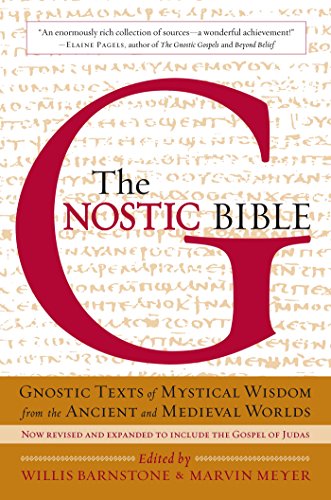
5The Gnostic Bible
The selections gathered here, in poetic, readable translation, represent Jewish, Christian, Hermetic, Mandaean, Manichaean, Islamic, and Cathar expressions of gnostic spirituality. Their regions of origin include Egypt, the Greco-Roman world, the Middle East, Syria, Iraq, China, and France. Also included are introductions, notes, an extensive glossary, and a wealth of suggestions for further reading.
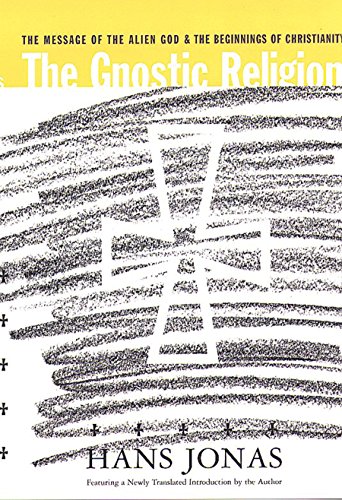
6The Gnostic Religion: The Message of the Alien God and the Beginnings of Christianity
Introduction: East & West in Hellenism
The Meaning of Gnosis & the Extent of the Gnostic Movement
Gnostic Imagery & Symbolic Language
Simon Magus
The "Hymn of the Pearl"
The Angels that Made the World. The Gospel of Marcion
The Poimandres of Hermes Trismegistus
The Valentinian Speculation
Creation, World History & Salvation According to Mani
The Cosmos in Greek & Gnostic Evaluation
Virtue & the Soul in Greek & Gnostic Teaching
The Recent Discoveries in the Field of Gnosticism
Epilogue: Gnosticism, Nihilism & Existentialism
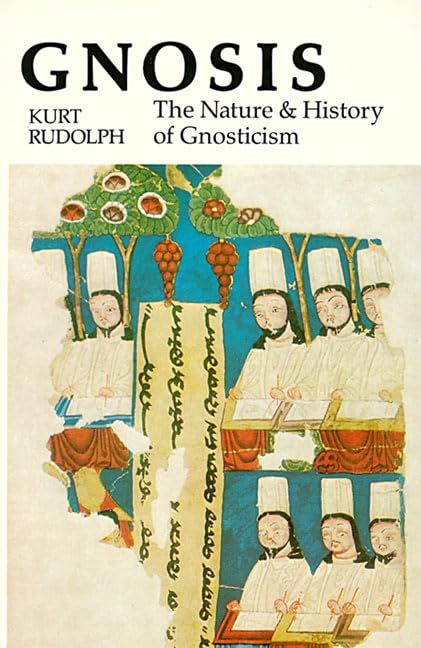
7Gnosis: The Nature and History of Gnosticism
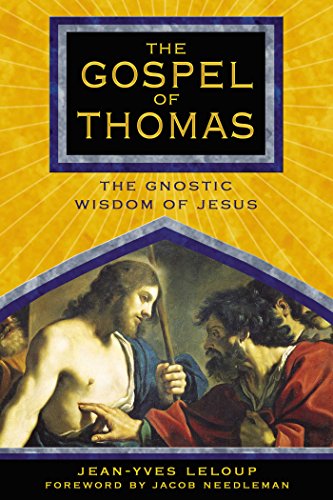
8The Gospel of Thomas: The Hidden Sayings of Jesus
Explores the gnostic significance of Jesus's teachings recorded in this gospel and explains the true nature of the new man whose coming Jesus envisioned.
Translated and interpreted by the author of the bestselling Gospel of Mary Magdalene and The Gospel of Philip.
One of the cache of codices and manuscripts discovered in Nag Hammadi, the Gospel of Thomas, unlike the canonical gospels, does not contain a narrative recording Christ's life and prophecies. Instead it is a collection of his teachings — what he actually said. These 114 logia, or sayings, were collected by Judas Didymus Thomas, whom some claim to be Jesus's closest disciple. No sooner was this gospel uncovered from the sands of Upper Egypt than scholars and theologians began to bury it anew in a host of conflicting interpretations and polemics. While some say it is a hodgepodge from the canonical gospels, for others it is the source text from which all the gospel writers drew their material and inspiration.

In this new translation of the Gospel of Thomas, Jean-Yves Leloup shows that the Jesus recorded by the "infinitely skeptical and infinitely believing" Thomas has much in common with gnostics of non-dualistic schools. Like them, Jesus preaches the coming of a new man, the genesis of the man of knowledge. In this gospel, Jesus describes a journey from limited to unlimited consciousness. The Jesus of Thomas invites us to drink deeply from the well of knowledge that lies within, not so that we may become good Christians but so we may attain the self-knowledge that will make each of us, too, a Christ.
The Gnostic Jung and the Seven Sermons to the Dead
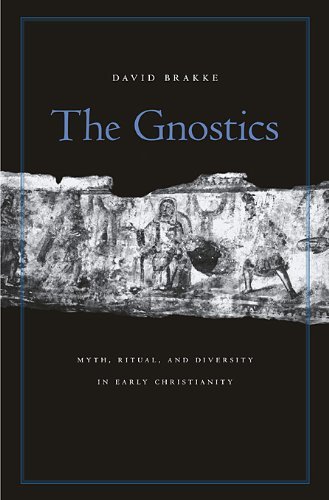
10The Gnostics: Myth, Ritual, and Diversity in Early Christianity
Who were the Gnostics? And how did the Gnostic movement influence the development of Christianity in antiquity? Is it true that the Church rejected Gnosticism? This book offers an illuminating discussion of recent scholarly debates over the concept of "Gnosticism" and the nature of early Christian diversity. Acknowledging that the category "Gnosticism" is flawed and must be reformed, David Brakke argues for a more careful approach to gathering evidence for the ancient Christian movement known as the Gnostic school of thought. He shows how Gnostic myth and ritual addressed basic human concerns about alienation and meaning, offered a message of salvation in Jesus, and provided a way for people to regain knowledge of God, the ultimate source of their being.
Rather than depicting the Gnostics as heretics or as the losers in the fight to define Christianity, Brakke argues that the Gnostics participated in an ongoing reinvention of Christianity, in which other Christians not only rejected their ideas but also adapted and transformed them. This book will challenge scholars to think in news ways, but it also provides an accessible introduction to the Gnostics and their fellow early Christians.
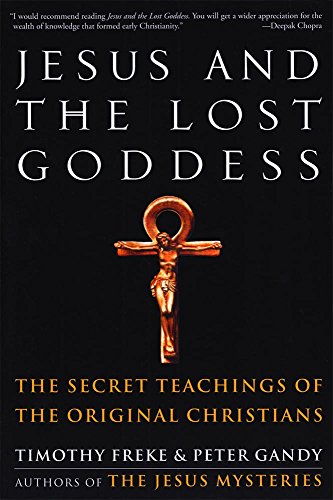
11Jesus and the Lost Goddess: The Secret Teachings of the Original Christians
• Because they portray Jesus and Mary Magdalene as mythic figures based on the Pagan Godman and Goddess
• Because they show that the gospel story is a spiritual allegory encapsulating a profound philosophy that leads to mythical enlightenment
• Because they have the power to turn the world inside out and transform life into an exploration of consciousness
Drawing on modern scholarship, the authors of the international bestseller The Jesus Mysteries decode the secret teachings of the original Christians for the first time in almost two millennia and theorize about who the original Christians really were and what they actually taught. In addition, the book explores the many myths of Jesus and the Goddess and unlocks the lost secret teachings of Christian mysticism, which promise happiness and immortality to those who attain the state of Gnosis, or enlightenment. This daring and controversial book recovers the ancient wisdom of the original Christians and demonstrates its relevance to us today.
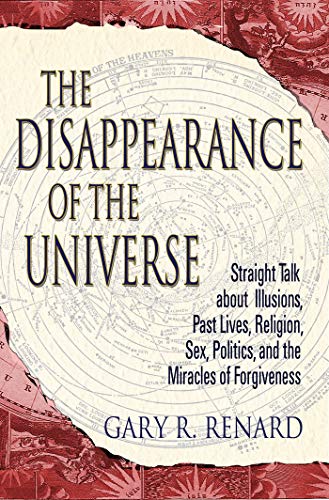
12The Disappearance of the Universe
@SuperAalif The disappearance of the universe ... Best lesson / book you gave me 🙏🤗 [source]
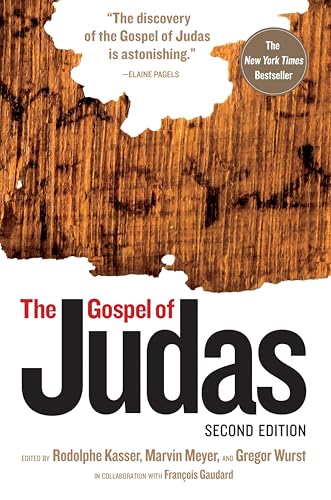
13The Gospel of Judas
The Books of Enoch: A Complete Volume Containing 1 Enoch (First Book of Enoch), 2 Enoch (Second Book of Enoch) the Extended Version, 3 Enoch (Third Book of Enoch)
This book contains all sections of The First Book of Enoch:
The Book of the Watchers
The Book of Parables of Enoch
The Astronomical Book
The Book of Dream Visions
The Epistle of Enoch
It is of particular interest to anyone with an interest in angels and demons, or Bible history in general.
The Books of Enoch: The Complete Set also contains 2 Enoch (also known as The Slavonic Enoch, or The Secrets of Enoch) and contains the Extended Version; and 3 Enoch (also known as The Hebrew Book of Enoch.)
Dr. Edward Hammond has appeared on television and radio speaking about his area of expertise. He has research interest in ancient religions and has been retired for many years.
@Gospel_Truther do a study on orbs, and the orbs of the sun as it sets as well - may find it interesting - the book of enoch refers to this as well - it is an "enclosed circle" [source]
15What is Gnosticism?
Exciting discoveries of previously unknown ancient writings--especially the forty-six texts found at Nag Hammadi in 1945--are challenging historians of religion to rethink not only what we mean by Gnosticism but also the standard account of Christian origins. The Gospel of Mary and The Secret Book of John, for example, illustrate the variety of early Christianities and are witness to the struggle of Christians to craft an identity in the midst of the culturally pluralistic Roman Empire. King shows how historians have been misled by ancient Christian polemicists who attacked Gnostic beliefs as a "dark double" against which the new faith could define itself. Having identified past distortions, she is able to offer a new and clarifying definition of Gnosticism. Her book is thus both a thorough and innovative introduction to the twentieth-century study of Gnosticism and a revealing exploration of the concept of heresy as a tool in forming religious identity.
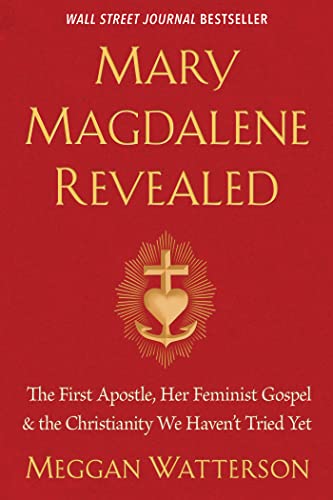
16Mary Magdalene Revealed: The First Apostle, Her Feminist Gospel & the Christianity We Haven't Tried Yet
A gospel, as ancient and authentic as any of the gospels that the Christian bible contains, was buried deep in the Egyptian desert after an edict was sent out in the 4th century to have all copies of it destroyed. Fortunately, some rebel monks were wise enough to refuse-and thanks to their disobedience and spiritual bravery, we have several manuscripts of the only gospel that was written in the name of a woman: The Gospel of Mary Magdalene.
Mary's gospel reveals a radical love that sits at the heart of the Christian story. Her gospel says that we are not sinful; we are not to feel ashamed or unworthy for being human. In fact, our purpose is to be fully human, to be a "true human being"- that is, a person who has remembered that, yes, we are a messy, limited ego, and we are also a limitless soul.
And all we need to do is to turn inward (again and again); to meditate, like Mary Magdalene, in the way her gospel directs us, so that we can see past the ego of our own little lives to what's more real, and lasting, and infinite, and already here, within.
With searing clarity, Watterson explains how and why Mary Magdalene came to be portrayed as the penitent prostitute and relates a more historically and theologically accurate depiction of who Mary was within the early Christ movement. And she shares how this discovery of Mary's gospel has allowed her to practice, and to experience, a love that never ends, a love that transforms everything.
17The Gospel of Mary of Magdala
18The Tree of Gnosis: Gnostic Mythology from Early Christianity to Modern Nihilism
19The Jesus Mysteries: Was the "Original Jesus" a Pagan God?
-- Fort Worth Star -Telegram
What if . . .
* there were absolutely no evidence for the existence of a historical Jesus?
* for thousands of years Pagans had also followed a Son of God?
* this Pagan savior was also born of a virgin on the twenty-fifth of December before three shepherds, turned water into wine at a wedding, died and was resurrected, and offered his body and blood as a Holy Communion?
* these Pagan myths had been rewritten as the gospel of Jesus Christ?
* the earliest Gnostic Christians knew that the Jesus story was a myth?
* Christianity turned out to be a continuation of Paganism by another name?
20Forbidden Faith: The Secret History of Gnosticism
In Forbidden Faith, Richard Smoley narrates a popular history of one such truth, the ancient esoteric religion of gnosticism, which flourished between the first and fourth centuries A.D., but whose legacy remains even today, having survived secretly throughout the ages.
21Voices of Gnosticism: Interviews with Elaine Pagels, Marvin Meyer, Bart Ehrman, Bruce Chilton and Other Leading Scholars
The Gnostic Scriptures: A New Translation with Annotations and Introductions
VALIS (VALIS Trilogy, #1)
24Introduction to Gnosticism: Ancient Voices, Christian Worlds
Ideal for use in courses in Early Christianity/Origins of Christianity, Christianity to 1500, Gnostic Gospels, Gnosticism, Early Christian Writings, Orthodoxy and Heresy, and New Testament Studies, Introduction to "Gnosticism" is enhanced by numerous pedagogical features, including images of the manuscripts, study and discussion questions, annotated bibliographies, tables, diagrams, and a glossary.
25The Gospel of Mary Magdalene
• The first complete English-language translation of the original Coptic Gospel of Mary, with line-by-line commentary
• Reveals the eminence of the divine feminine in Christian thought
• Offers a new perspective on the life of one of the most controversial figures in the Western spiritual tradition
Perhaps no figure in biblical scholarship has been the subject of more controversy and debate than Mary Magdalene. Also known as Miriam of Magdala, Mary Magdalene was considered by the apostle John to be the founder of Christianity because she was the first witness to the Resurrection. In most theological studies she has been depicted as a reformed prostitute, the redeemed sinner who exemplifies Christ's mercy. Today's reader can ponder her role in the gospels of Philip, Thomas, Peter, and Bartholomew--the collection of what have come to be known as the Gnostic gospels rejected by the early Christian church. Mary's own gospel is among these, but until now it has remained unknown to the public at large.
Orthodox theologian Jean-Yves Leloup's translation of the Gospel of Mary from the Coptic and his thorough and profound commentary on this text are presented here for the first time in English. The gospel text and the spiritual exegesis of Leloup together reveal unique teachings that emphasize the eminence of the divine feminine and an abiding love of nature over the dualistic and ascetic interpretations of Christianity presented elsewhere. What emerges from this important source text and commentary is a renewal of the sacred feminine in the Western spiritual tradition and a new vision for Christian thought and faith throughout the world.
26Lost Christianities: The Battles for Scripture and the Faiths We Never Knew
In Lost Christianities, Bart D. Ehrman offers a fascinating look at these early forms of Christianity and shows how they came to be suppressed, reformed, or forgotten. All of these groups insisted that they upheld the teachings of Jesus and his apostles, and they all possessed writings that bore out their claims, books reputedly produced by Jesus's own followers. Modern archaeological work has recovered a number of key texts, and as Ehrman shows, these spectacular discoveries reveal religious diversity that says much about the ways in which history gets written by the winners. Ehrman's discussion ranges from considerations of various "lost scriptures"--including forged gospels supposedly written by Simon Peter, Jesus's closest disciple, and Judas Thomas, Jesus's alleged twin brother--to the disparate beliefs of such groups as the Jewish-Christian Ebionites, the anti-Jewish Marcionites, and various "Gnostic" sects. Ehrman examines in depth the battles that raged between "proto-orthodox Christians"--those who eventually compiled the canonical books of the New Testament and standardized Christian belief--and the groups they denounced as heretics and ultimately overcame.
Scrupulously researched and lucidly written, Lost Christianities is an eye-opening account of politics, power, and the clash of ideas among Christians in the decades before one group came to see its views prevail.
27Reading Judas: The Gospel of Judas and the Shaping of Christianity
When the Gospel of Judas was published by the National Geographic Society in April 2006, it received extraordinary media attention and was immediately heralded as a major biblical discovery that rocked the world of scholars and laypeople alike. Elaine Pagels and Karen King are the first to reflect on this newfound text and its ramifications for telling the story of early Christianity. In Reading Judas, the two celebrated scholars illustrate how the newly discovered text provides a window onto understanding how Jesus' followers understood his death, why Judas betrayed Jesus, and why God allowed it.
Most contemporary readers will find passages in the ancient Gospel of Judas difficult to comprehend outside of its context in the ancient world. Reading Judas illuminates the intellectual assumptions behind Jesus' teaching to Judas and shows how conflict among the disciples was a tool frequently used by early Christian authors to explore matters of doubt and disagreement.
Presented with the elegance, insight, and accessibility that has made Pagels and King the leading voices in this field, this is a book for academics and popular audience both. Pagels's five previous books, including The New York Times bestseller Beyond Belief, and King's The Gospel of Mary of Magdala prove that there is a considerable audience eager for this kind of informed and engaging writing.
The Hermetica: The Lost Wisdom of the Pharaohs
29Dream Changer: Transform Your Nightmares Into Victories, Find Help for Bad Dreams, and Win Spiritual Battles in Your Sleep
30The Gnostics
Lawrence Durrell writes, “This is a strange and original essay, more a work of literature than of scholarship, though its documentation is impeccable. It is as convincing a reconstruction of the way the Gnostics lived and thought as D.H. Lawrence’s intuitive recreation of the vanished Etruscans.”
“A remarkable book for both knowledge and the understanding of Gnostic texts, so abstruse at first sight, and for the poetical interpretation of the Gnostic movement across history. Lacarriere is particularly well informed about the various currents and undercurrents of Gnosticism, and their perennial importance for the religious and the mystic mind.” — Marguerite Yourcenar
Jacques Lacrarriere (1925-2005) was a French writer who studied philosophy and classic literature and was known for his work as a critic, journalist, and essayist. In 1991, he received le Grand Prix de l'Academie francaise (The Great Prize of the French Academy).
31The Book of Enoch (Ethiopian)
The Book of Enoch is comprised of various monumental works: The Book of Enoch, The Parables, The Book of the Courses of the Heavenly Luminaries, The Dream Visions, The Concluding Section, and The Noah Fragments. Each work is independent, but all the works are bound by a common theme: the punishment of the wicked and the blessedness of the righteous. This edition, complete with analysis and notes, is an indispensable resource for the study and understanding of both the Old and New Testaments.
32Pistis Sophia: The Gnostic Tradition of Mary Magdalene, Jesus and His Disciples
33Womanpriest: Tradition and Transgression in the Contemporary Roman Catholic Church
34The World Of Narnia Collection
35The Land of Narnia
36Ancient Gnosticism: Traditions and Literature
I Forgive You, But...: 3 Steps That Can Heal Your Heart Forever
38The Ramayana of Valmiki, Volume 5: Sundarakanda
39The Book of Secret Wisdom: The Prophetic Record of Human Destiny and Evolution
Zinovia Dushkova, Ph.D., is one of the few living people who has gained access to the million-year-old manuscript widely known as the Book of Dzyan. Written in the language of the Gods, called Senzar, it is secretly hidden in the heart of the Himalayas, accessible to only a chosen few over the course of human history, including Gautama Buddha, Jesus Christ, Pythagoras, Plato, and Helena Blavatsky. Interpretations of various parts of this secret manuscript, presented in different lights, can be found in all religions and philosophies.
Now, for the first time ever, Dr. Dushkova has presented a never-before-seen excerpt from this ancient sacred text in The Book of Secret Wisdom. Beautiful and enlightening, it will reveal not only our past, but also our present and future. To facilitate your understanding of this profound and poetic text, the book contains a comprehensive glossary gleaned from the supreme sources of wisdom.
In The Book of Secret Wisdom, you will discover the answers to these questions:
• What are the ultimate goal and purpose of human existence?
• What is the cause of destructive weather, natural disasters, and global warming?
• What really happened in 1999 and 2012?
• What Great Event occurred invisibly in 2017?
• When did Armageddon and the Last Judgment occur?
• What should you expect in the coming decades?
• Why are people dying, and is there a chance to be immortal?
• Why does it seem that time is speeding up?
• What is the famous Philosopher's Stone?
• and much, much more!
The all-embracing and undistorted Truth presented in this book was once accessible only to the privileged initiates of ancient civilizations who spent much of their lives seeking it. But now it is available to you in the pages of The Book of Secret Wisdom, a book that offers unprecedented access to the world's most ancient mysteries.
"This book is an immeasurable treasure of knowledge. Its depth and scope are incredible."
— 2016 Benjamin Franklin Awards Judge
"It reads beautifully like a storybook, feels like a fable, and reveals valuable lessons of love for this lifetime."
— Allyson Gracie, Wellness Specialist, Pilates & Yoga Instructor
"One of the most inspiring, all encompassing, volumes of true truth I have read in all my years of seeking truth."
— April Gieseking
"It is deep, deeper and vast than you could have ever imagined."
— Aakriti, Goodreads
If you are a spiritual seeker who enjoys expanding the boundaries of your understanding, this book is for you.
Buy The Book of Secret Wisdom now to unveil the world's most ancient mysteries!
40Demian: Die Geschichte von Emil Sinclairs Jugend
41Lost Scriptures: Books That Did Not Make It Into the New Testament
Here is an array of remarkably varied writings from early Christian groups whose visions of Jesus differ dramatically from our contemporary understanding. Readers will find Gospels supposedly authored by the apostle Philip, James the brother of Jesus, Mary Magdalen, and others. There are Acts originally ascribed to John and to Thecla, Paul's female companion; there are Epistles allegedly written by Paul to the Roman philosopher Seneca. And there is an apocalypse by Simon Peter that offers a guided tour of the afterlife, both the glorious ecstasies of the saints and the horrendous torments of the damned, and an Epistle by Titus, a companion of Paul, which argues page after page against sexual love, even within marriage, on the grounds that physical intimacy leads to damnation.
In all, the anthology includes fifteen Gospels, five non-canonical Acts of the Apostles, thirteen Epistles, a number of Apocalypses and Secret Books, and several Canon lists. Ehrman has included a general introduction, plus brief introductions to each piece. This important anthology gives readers a vivid picture of the range of beliefs that battled each other in the first centuries of the Christian era.
42The Gnostic Gospel Illuminated: Gnosis freely dispensed and demystified
43Gnostic Book of Hours: Keys to Inner Wisdom
A Gnostic Book of Hours is divided into eight "offices" or prayers for different parts of the day: matins (midnight), lauds (daybreak), prime (beginning of the workday), terce, sext, none (the "little hours" during the work day), vespers (sundown) and compline (retiring to sleep). For each office, Singer has selected a text for each day of the week. She annotates and interprets the ancient text and makes it relevant to today's readers.
"There are many paths to the holy," writes Singer, "and each of us must find our own. Each path leads through differing labyrinthine ways. Yet all come to the same center, the kingdom within. There the nameless One who is called by many names awaits us."
44The Other Bible
The Other Bible gathers in one comprehensive volume ancient, esoteric holy texts from Judeo–Christian tradition that were excluded from the official canon of the Old and New Testaments, including the Gnostic Gospels, the Dead Sea Scrolls, the Kabbalah, and several more. The Other Bible provides a rare opportunity to discover the poetic and narrative riches of this long–suppressed literature and experience firsthand its visionary discourses on the nature of God, humanity, the spiritual life, the world around us, and infinite worlds beyond this one.
This new edition will include a full index and a new introduction from editor Willis Barnstone.
o The interest in Gnostic texts begun with The Da Vinci Code has spread to include many of the other "suppressed" early texts of Judaism and Christianity, and this book contains many of them in one volume.
45The Laughing Jesus: Religious Lies and Gnostic Wisdom
What if the Old Testament is a work of fiction, Jesus never existed, and Muhammad was a mobster?
What if the Bible and the Qur'an are works of political propaganda created by Taliban-like fundamentalists to justify the sort of religious violence we are witnessing in the world today?
What if there is a big idea that could free us from the us-versus-them world created by religion and make it possible for us to truly love our neighbors—and even our enemies?
What if it is possible to awaken to a profound state of oneness and love, which the Gnostic Christians symbolized by the enigmatic figure of the laughing Jesus?
Discover for Yourself Why the Gnostic Jesus Laughs
46Gnostic Philosophy: From Ancient Persia to Modern Times
• Explains how the Gnostic understanding of self-realization is embodied in the esoteric traditions of the Rosicrucians and Freemasons
• Explores how gnosticism continues to influence contemporary spirituality
• Shows gnosticism to be a philosophical key that helps spiritual seekers "remember" their higher selves
Gnosticism was a contemporary of early Christianity, and its demise can be traced to Christianity's efforts to silence its teachings. The Gnostic message, however, was not destroyed but simply went underground. Starting with the first emergence of Gnosticism, the author shows how its influence extended from the teachings of neo-Platonists and the magical traditions of the Middle Ages to the beliefs and ideas of the Sufis, Jacob Böhme, Carl Jung, Rudolf Steiner, and the Rosicrucians and Freemasons. In the language of spiritual freemasonry, gnosis is the rejected stone necessary for the completion of the Temple, a Temple of a new cosmic understanding that today's heirs to Gnosticism continue to strive to create.
The Gnostics believed that the universe embodies a ceaseless contest between opposing principles. Terrestrial life exhibits the struggle between good and evil, life and death, beauty and ugliness, and enlightenment and ignorance: gnosis and agnosis. The very nature of physical space and time are obstacles to humanity's ability to remember its divine origins and recover its original unity with God. Thus the preeminent gnostic secret is that we are God in potential and the purpose of bona fide gnostic teaching is to return us to our godlike nature.
Tobias Churton is a filmmaker and the founding editor of the magazine Freemasonry Today. He studied theology at Oxford University and created the award-winning documentary series and accompanying book The Gnostics, as well as several other films on Christian doctrine, mysticism, and magical folklore. He lives in England.
47The Tumultuous 2020's and Beyond
In many ways, the entire decade of the 2020s will be the most tumultuous decade in American history. The soul of our nation hangs in the balance.The battle rages, not only for a nation, however, but more importantly, for a cleansed, wholesome, and powerful Church. Instead of the Church being a subculture, the real believers shall become a counterculture.We have come to the brink of the realization now that authentic Christianity will survive without America, but America will not survive without authentic Christianity.This is a book to help believers navigate the tumult of the 2020s and to emerge as an authentic remnant.
48Fragments of a Faith Forgotten
49The New Gods
Returning to many of Cioran’s favorite themes, The New Gods explores humanity’s attachment to gods, death, fear, and infirmity, in essays that vary widely in form and approach. In “Paleontology” Cioran describes a visit to a museum, finding the relatively pedestrian destination rife with decay, death, and human weakness. In another chapter, Cioran explores suicide in shorter, impressionistic bursts, while “The Demiurge” is a shambolic exploration of man’s relationship with good, evil, and God. All the while, The New Gods reaffirms Cioran’s belief in “lucid despair,” and his own signature mixture of pessimism and skepticism in language that never fails to be a pleasure. Perhaps his prose itself is an argument against Cioran’s near-nihilism: there is beauty in his books.
50The Levitikon
51Hermetica: The Greek Corpus Hermeticum and the Latin Asclepius
52The Gnostic Gospels of Jesus
For all those readers curious to read the actual texts of the Gnostic Gospels, here is the definitive collection of all the Gnostic Gospels and Gospel-like texts.
Marvin Meyer, premier scholar of Gnostic and other Christian literature outside the New Testament, presents every Gnostic Gospel and Jesus text with a brilliant overall introduction, introductions to each text, and notes that explain everything the reader needs to know to understand the text. He includes his latest translations of not only the Gospel of Thomas, the Gospel of Philip, the Gospel of Mary, but other texts such as the Secret Book of John, which some scholars regard as the second part of the New Testament Gospel of John. The material is largely from the discovery at Nag Hammadi, freshly translated and introduced, but also includes texts found elsewhere. The texts, especially taken together, present an image of Jesus as the ultimate wisdom teacher, a kind of mysterious Jewish Zen master, who scandalized listeners by his radical egalitarianism (regarding women, slaves, the poor, the marginalized as of equal status, or more, with establishment male believers) and his insistence on living the message, spiritual experience, vs. outer observance only.
For those wanting to learn more after reading The Da Vinci Code. This book provides the definitive next book for those looking for expert presentation of the alternative Gnostic stream of Christianity, in which there is no talk of crucifixion and Mary Magdalene is presented as the disciple that Jesus loved best. "Marv is one of the original secret gospels scholars who has done an enormous amount of work to bring these texts to light. All of his research on the Nag Hammadi texts is having an incredible impact on our knowledge of early Christian history--it is virtually redefining it." --Dr. Elaine Pagels, Princeton University
53Inner Christianity: A Guide to the Esoteric Tradition
Rather than basing his book around exponents of esoteric doctrine, scholar Richard Smoley concentrates on the questions that are of interest to every searching Christian. How can one attain direct spiritual experience? What does "the Fall" really tell us about coming to terms with the world we live in? Can we find salvation in everyday life? How can we ascend, spiritually, through the various levels of existence? What was Christ's true message to humankind? From the Gospel of Thomas to A Course in Miracles, from the Jesus Prayer to alchemy and Tarot, from Origen to Dante to Jung, Richard Smoley sheds the light of an alternative Christianity on these issues and more.
54The White Flag: When Compromise Cripples the Church
The White Flag: When Compromise Cripples the Church diagnoses our current condition and offers biblical action steps for marching forward in a way that glorifies God. It is a call to faithfulness in an age that is characterized by weak knees, passivity, and capitulation. It instills courage in weary Christ-followers who toil in a post-Christian era.
"Here is a passionate call from a pastor’s heart, from a man widely read, who sees with great clarity the difficult situation the church now faces, with opposition without and weakness and compromise within, who believes the battle will be won by the faithful believing and by the courageous teaching and proclaiming of the Word of God."
- DR. PETER JONES, Director, TruthXchange; author of The Other Worldview, Escondido, CA
DAVID S. STEELE (D. Min, Bakke Graduate University) serves as the senior pastor of Christ Fellowship in Everson, Washington. He is the author of Bold Reformer: Celebrating the Gospel-Centered Convictions of Martin Luther and A Godward Gaze: The Holy Pursuit of John Calvin. His mission is to influence people, impact the world one person at a time, and to glorify God by enjoying him forever. His passion in ministry is expository preaching, teaching, leadership development, and writing. He aims to educate the Christian mind, engage the affections, equip the whole person, and encourage God-centered living that treasures Christ above all things.
55Jung and the Lost Gospels: Insights into the Dead Sea Scrolls and the Nag Hammadi Library
As to the connection with Jung, Dr. Hoeller states, "Jung knew that the one and only tradition associated with Christianity that regarded the human psyche as the container of the divine-human encounter was that of the Gnostics of the the first three centuries of our era. For this reason he called for a renewed appreciation of this ancient tradition, and particularly for a return to the Gnostic sense of God as an inner directing and transforming presence." Dr. Hoeller goes on in his preface, "His sympathetic insight into the myths, symbols, and metaphors of the Gnostics, whom by his own admission he regarded as long-lost friends, continues as the brightest beacon of our day..."
Chapters include such topics as Saintly Rebels: The People of the Scrolls, The Dancing Savior: The Myth of the Gnostic Christ and The Secret Sayings of Jesus: The Gospel of Thomas. The book also includes a thorough notes section as well as an index.
56The Gospel of the Beloved Companion: The Complete Gospel of Mary Magdalene
57TechGnosis: Myth, Magic Mysticism in the Age of Information
58Jesus, Interrupted: Revealing the Hidden Contradictions in the Bible & Why We Don't Know About Them
•The authors of the New Testament have diverging views about who Jesus was & how salvation works
•The New Testament contains books that were forged in the names of the apostles by Christian writers who lived decades later
•Jesus, Paul, Matthew & John all represented fundamentally different religions
•Established Christian doctrines—such as the suffering messiah, the divinity of Jesus & the trinity—were the inventions of still later theologians
These aren't idiosyncratic perspectives of just one scholar. They've been the standard widespread views of scholars across a full spectrum of denominations & traditions. Why is it most people have never heard such things? This is the book that pastors, educators & anyone interested in the Bible have been waiting for—a compelling account of the central challenges faced when attempting to reconstruct Jesus' life & message.
The Complete Dead Sea Scrolls in English
60The book that will forever change our ideas about the Bible
All this is given with the Hebrew text and the literal translation which is clearly brought word by word with an incredibly simple system, comprehensible to every type of reader.
Why was this title chosen? Because the literal translations from the Ancient Hebrew help us to discover what they didn’t know.
* the Bible clearly says that God dies as all men do
* the Bible explains that we have been formed with our creators’ DNA
* The Bible tells us that our creators travelled by flying objects
* the Bible quotes a direct relationship between the UFOs and Sumer, the land of the flying objects’ keepers
* The Glory of God was in reality… a UFO
*The Bible refers to giants and tells where to find their evidence
*The Angels mentioned in the Old Testament, where they are perceived as spiritual beings, however do not exist.
* The Ten Commandments written on the stone were not those that have been reported.
* John the Evangelist drew his mystical doctrines from the Hellenistic literature of his time
* and much more, such as the fact that the Church admits that the Old Testament knew of the aliens.
That is why what we believed to know about the Bible has changed.
61A Dictionary of Gnosticism
62Not in His Image: Gnostic Vision, Sacred Ecology, and the Future of Belief
Not in His Image delves deeply into the shadows of ancient Gnostic writings to reconstruct the story early Christians tried to scrub from the pages of history, exploring the richness of the ancient European Pagan spirituality--the Pagan Mysteries, the Great Goddess, Gnosis, the myths of Sophia and Gaia--and chronicles the annihilation of this Pagan European culture at the hands of Christianity.
Long before the birth of Christianity, monotheism was an anomaly; Europe and the Near East flourished under the divine guidance of Sophia, the ancient goddess of wisdom. The Earth was the embodiment of Sophia and thus sacred to the people who sought fulfillment in her presence. This ancient philosophy was threatening to the emerging salvation-based creed of Christianity that was based on patriarchal dominion over the Earth and lauded personal suffering as a path to the afterlife. As Derrick Jensen points out in the afterword, in Lash's hands Jesus Christ emerges as the agent provocateur of the ruling classes.
63Inwardly Digest: The Prayer Book as Guide to a Spiritual Life
64Call on Me: A Prayer Book for Young People
The book is structured in four parts:
Daily Prayer. Including morning prayer, table blessings, and night time.
Prayers for the Seasons of the Church Year. Blessing of a Christmas tree, prayer for Christ in my life for Easter, prayer for courage to share my faith, and more.
Prayers for Daily Life. Before a special school event, before a sports event, before a test, being left out, bullying, dating, divorce, doubts, forgiveness, friendship, gratitude, grief, guidance, hope, motivation, peer pressure, pets, purpose, and more.
Prayers for Important Events. Significant birthday, earning a driver's license, Confirmation, beginning the school year, starting high school, applying for college, graduating high school, going to college, joining the workforce.
65The Origin of Satan: How Christians Demonized Jews, Pagans and Heretics
66The Divine Invasion
The Divine Invasion "blends Judaism, Kabalah, Zoroastrianism, and Christianity into a fascinating fable of human existence"
--West Coast Revew of Books
67The Serpent's Gift: Gnostic Reflections on the Study of Religion
Inspired by the early Gnostics who took that startling view, Jeffrey J. Kripal uses the serpent as a starting point for a groundbreaking reconsideration of religious studies and its methods. In a series of related essays, he moves beyond both rational and faith-based approaches to religion, exploring the erotics of the gospels and the sexualities of Jesus, John, and Mary Magdalene. He considers Feuerbach’s Gnosticism, the untapped mystical potential of comparative religion, and even the modern mythology of the X-Men.
Ultimately, The Serpent’s Gift is a provocative call for a complete reorientation of religious studies, aimed at a larger understanding of the world, the self, and the divine.
68Gnostic Gospels: Including the Gospel of Judas, the Gospel of Thomas, the Gospel of Mary Magdalene (Sacred Texts)
69Gnostic Writings on the Soul: Annotated & Explained
Just what is a soul, exactly? Where did the idea come from? How do we experience our souls? Two ancient Gnostic texts--The Exegesis on the Soul and The Hymn of the Pearl, both presented here in all-new translations--hold important clues to the development of the soul as a concept and reveal inspiring ways your own soul can remember and return to its unique, divine purpose.
The Exegesis on the Soul depicts the soul as a feminine figure who has fallen into the corrupted world and must find her way back to the Divine. It is the story of the soul's struggle and redemption that will embolden your own spiritual pilgrimage. The Hymn of the Pearl is an allegorical story about a prince sent to retrieve a precious pearl but who soon forgets his purpose and falls asleep. It is a moving tale of the importance of remembering your soul's identity and calling--and knowing that only you can fulfill your destiny.
Accessible facing-page commentary explains the Gnostic writings for you even if you have no previous knowledge of Gnosticism or early Christianity. Additional material draws on ancient religions, Platonism, Christianity, Judaism, Islam and modern philosophical and psychological notions of the soul to place the Gnostic teachings in a clear historical context. By following the development of this concept through time, you will more clearly perceive--and respond to--the divine spark found in your own soul.
70Treatise of Revolutionary Psychology: The Gnostic Method of Real Spiritual Awakening
No matter who we are, we feel fulfillment, happiness, and purpose inside of ourselves. These qualities are not felt outside of ourselves, and cannot be found in external things or circumstances. Similarly, knowledge of ourselves and our purpose cannot be found in external things, but are found inside. By knowing what is in our hearts and minds, by seeing what we usually ignore, we learn not only what we are capable of, but also what prevents us from developing our full potential.
By knowing ourselves, we acquire the knowledge of how to change for the better. As we improve ourselves and awaken to our true nature, we spontaneously begin to radiate the light of divinity in everything we do, increasing our own happiness, and spreading it to others. This is how we begin to live the Gnostic message, which states that the light of the Divine is within us. By knowing ourselves, we also learn about that light, and can bring it into the world to benefit everyone.
"All things, all circumstances that occur outside ourselves on the stage of this world, are exclusively the reflection of what we carry within. With good reason then, we can solemnly declare that the 'exterior is the reflection of the interior.' When someone changes internally-and if that change is radical-then circumstances, life, and the external also change." - Samael Aun Weor
This book reflects and illuminates the spiritual psychology of all genuine religions and mystical traditions. With the practical guidance in this book, anyone can awaken to see the light for the Divine for themselves.
71The Major Mysteries: The Gnostic Jesus and the Path of Initiation
“If the Lord had not been crucified, the destiny of the Western world would have been another. We would now have sublime enlightened rabbis everywhere, preaching Christic esotericism. The union of Christic esotericism, secret Jewish Kabbalah, and holy alchemy would have completely illuminated and transformed the entire world. Yes, the mysteries of Levi would have shone with the light of Christ. Gnosis (Da’ath) would have magnificently shone everywhere.” - Samael Aun Weor
Although the genuine teachings of Jesus were obscured and hidden from the public, the time has come for them to be restored and made known. In The Major Mysteries, Samael Aun Weor reveals the practical basis of authentic Kabbalah, Christianity, and Alchemy, the science Jesus taught, which explains how to return to Eden: through the same door we used to leave it. The return to Eden is the “narrow, straight gate,” the way to be “born again.” Any birth, whether of the flesh or the spirit, is sexual. The author also provides an amazing account of the private life of Jesus and his process of development. Filled with practical exercises, prophecies, and guidance for liberation from suffering, The Major Mysteries is an essential handbook for anyone who longs to know for themselves the truth of Jesus and his message.
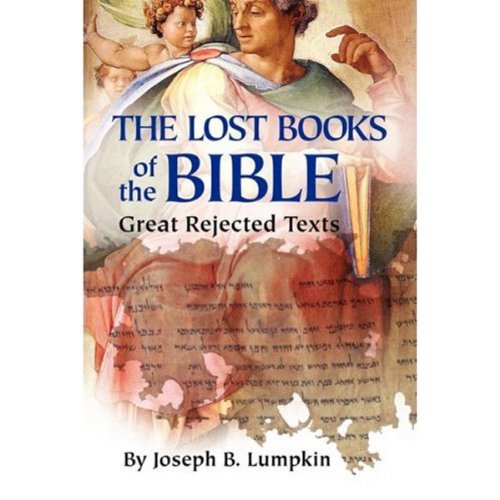
72The Lost Books of the Bible: The Great Rejected Texts
Eighteen of the most sought after books available, which shed light on the evolution of our faith, our theology, and our church. Translations and commentary by the author of the best selling book, "The Lost Book of Enoch," Joseph B. Lumpkin. - Section One: Lost Scriptures of the Old Testament-
First Book of Adam and Eve, Second Book of Adam and Eve, First Book of Enoch, Second Book of Enoch (Secrets of Enoch), Jubilees, Jasher, The Story of Ahikar
- Section Two: Apocalyptic Writings and the End of Days-
Apocalypse of Abraham, Apocalypse of Thomas 4 Ezra, 2 Baruch, War Scroll (Sons of Dark vs. Sons of Light)
- Section Three: Lost Scriptures of the New Testament-
Gospel of Philip, Gospel of Mary Magdalene, Apocryphon of John, Gospel of Thomas, Gospel of Judas, Acts Chapter 29
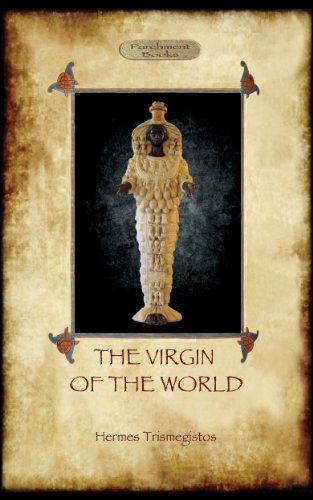
73The Virgin of the World, plus A Treatise On Initiations and The Definitions Of Asclepius
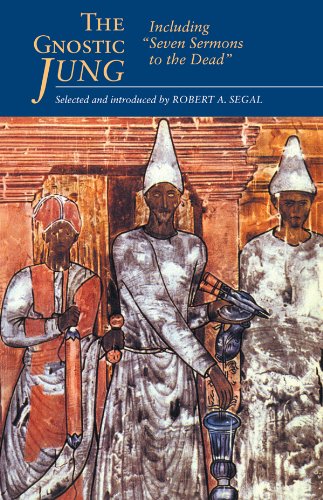
74The Gnostic Jung
Included in this volume are both Jung's sole work devoted entirely to Gnosticism, "Gnostic Symbols of the Self," and his own Gnostic myth, "Seven Sermons to the Dead." The book also contains key essays by Father Victor White and Gilles Quispel, whose "C.G. Jung und die Gnosis" is here translated for the first time. In his extensive introduction Segal discusses the parallel for Jung between ancient Gnostic and contemporary Jungian patients, the Jungian meaning of Gnostic myths and of the Seven Sermons, Jung's possible misinterpretation of Gnosticism, and the common characterization of Jung himself as a Gnostic.
75The Oxford Handbook of Anglo-Saxon Archaeology
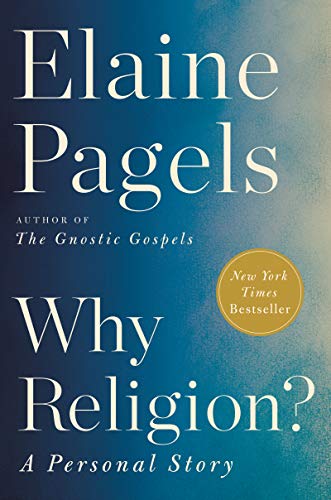
76Why Religion?: A Personal Story
One of PW’s Best Books of the Year
One of Amazon’s Best Books of the Month
Why is religion still around in the twenty-first century? Why do so many still believe? And how do various traditions still shape the way people experience everything from sexuality to politics, whether they are religious or not? In Why Religion? Elaine Pagels looks to her own life to help address these questions.
These questions took on a new urgency for Pagels when dealing with unimaginable loss—the death of her young son, followed a year later by the shocking loss of her husband. Here she interweaves a personal story with the work that she loves, illuminating how, for better and worse, religious traditions have shaped how we understand ourselves; how we relate to one another; and, most importantly, how to get through the most difficult challenges we face.
Drawing upon the perspectives of neurologists, anthropologists, and historians, as well as her own research, Pagels opens unexpected ways of understanding persistent religious aspects of our culture.
A provocative and deeply moving account from one of the most compelling religious thinkers at work today, Why Religion? explores the spiritual dimension of human experience.
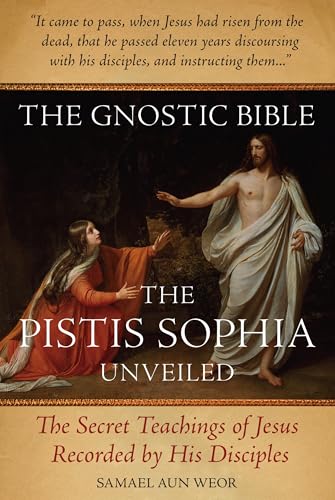
77The Gnostic Bible: The Pistis Sophia Unveiled
"It came to pass, when Jesus had risen from the dead, that he passed eleven years discoursing with his disciples, and instructing them..." (The Pistis Sophia)
The Apostles wrote down what Jesus taught them during those eleven years, resulting in "The Pistis Sophia," the most important Gnostic scripture. Includes an extensive commentary by Samael Aun Weor. "The Pistis Sophia" is a sophisticated and deeply mystical teaching given by Jesus about the suffering of Sophia as she attempts to ascend to the highest spiritual truth. This scripture is remarkable for its profound mysticism, its clear rebuke of unethical behavior, and its perspective on the spiritual role of women. Having read this text, it becomes very clear why the established religious powers attempted to obliterate the Gnostics, but failed. Study of this teaching also inspires a re-evaluation of how the Christian Gospels have been interpreted for centuries.
About this scripture, the commentary author Samael Aun Weor said, ""The Hebrew Bible clearly connotes the Word of the Eternal One. However, we, the Gnostics, also have our very special Bible. I want to emphatically declare that this is The Pistis Sophia, whose original is in Coptic. It was found underground in Egypt, the land of the Pharaohs. The Pistis Sophia contains all the words of the adorable Savior of the world. It was written by the Apostles. Thus, all the Esoteric-Christic instructions that Jesus Christ gave to his disciples on the Mount of the Olives and other holy places is written within this book. This book had been conserved in secret for many centuries. In this book, the Adorable One left an extraordinary, formidable body of doctrine."
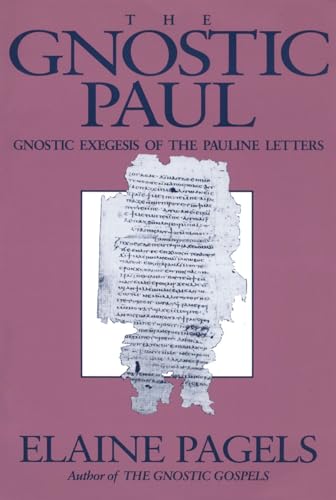
78The Gnostic Paul: Gnostic Exegesis of the Pauline Letters
79Conquering the Spirit of Death: Experiencing and Enforcing the Resurrection Power of Jesus
The devil prowls around like a lion, seeking to steal, kill, and destroy. The enemy can keep us from experiencing the abundant life that Jesus promised.
But the same Spirit that raised Christ from the dead lives within us, His children. To truly walk in fullness of life, we must apply this resurrection power to our daily lives!
Becky Dvorak is a dynamic preacher of the Gospel, healing evangelist, and prophetess to the nations. Furthermore, she is a mom, wife, and grandmother who has served on the foreign mission field for 25 years. Through her relatable ministry experience, Becky learned how to enforce God’s supernatural power in her life. In her boldest work yet, she calls all believers to step into new realms of Jesus’ resurrection power.
Through compelling testimonies, her own dynamic story, and next-level Bible teaching, Becky shows you how to:
Come into agreement with the Spirit of life.
Recognize and renounce the spirit of death.
Be prepared for sudden and unexpected battles.
Reject the fear of death.
Use five revelatory keys to overcome the spirit of death.
Use biblical keys to overcoming depression.
Throw off the spirit of death, and take hold of the joy and abundance of Jesus’ resurrection power!
80The Gnostic Bible: Revised and Expanded Edition
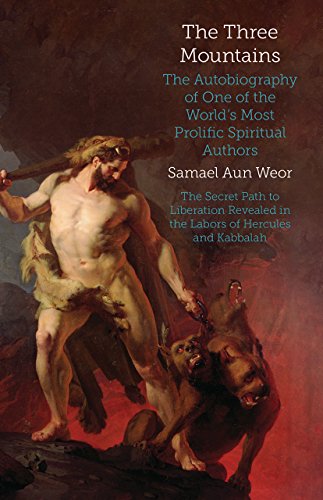
81The Three Mountains: The Autobiography of Samael Aun Weor
In this work Samael Aun Weor explains the essential outline of the Direct Path to the realization of the Being. The Direct Path is the only way to reach the heights of spiritual development, and was indicated with precision by Jesus of Nazareth: "Enter by the narrow gate; for the gate is wide and the way is easy that leads to destruction, and those who enter by it are many. For the gate is narrow and the way is hard that leads to life, and those who find it are few." - Matthew 7:13
"Without wanting to hurt delicate susceptibilities in any way, we must emphasize the basic idea that a variety of venerable institutions coexist within the cultural-spiritual environment of contemporary humanity that very sincerely believe they know the Secret Path. Nonetheless, they do not know it. In all the books of ancient times, the Secret Path is cited. This Path is quoted and mentioned in many verses; yet people do not know it. Beloved reader, to unveil, to show and to teach the esoteric path that leads to the Final Liberation is certainly the purpose of this book that you have in your hands. This is one of the books of the Fifth Gospel. The great German initiate Goethe wrote, "Every theory is gray and only the tree of the golden fruits of life is green." Certainly, what we deliver in this new book are transcendental lived experiences. It is what we have verified, what we have directly experienced." - Samael Aun Weor
82Srimad-Bhagavatam: Bhagavata Purana (18 Vol. Set)
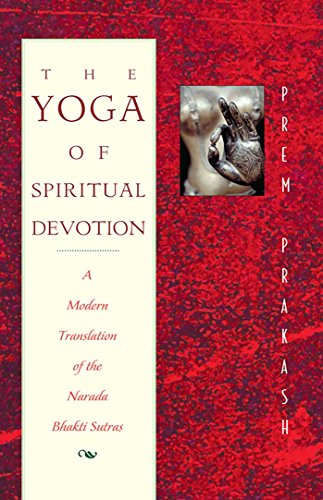
83The Yoga of Spiritual Devotion: A Modern Translation of the Narada Bhakti Sutras
• An insightful commentary aimed at making the path of love immediately accessible to Westerners.
• A life-affirming and relationship-positive path of yoga.
• Written in the spirit of the kirtans (ecstatic songs and dances) of Narada, sensitively translated by Prem Prakash.
Bhakti Yoga, the path of devotion, is considered one of the primary paths for spiritual realization in yogic tradition. Its representative, Narada, is the embodiment of the enlightened sage who travels the universe spreading his sacred teachings. Unlike Jnana Yoga, the Yoga of Wisdom, the bhakti acolyte does not discriminate against material phenomena--for him, all phenomena are aspects of God. Within the context of Ananda, blissful love, the temporal is realized as the reflection of the eternal, and the soul is realized as the expression of God.
84Freedom: Alchemy for a Voluntary Society
The Prophetic Generation: Fearless and Uncompromising
Man shall not live by bread alone; but man lives by every word that proceeds from the mouth of the Lord. (Deut. 8:3)
As the world grows darker, God is raising up a generation that is in tune with His voice and empowered by His Spirit to release supernatural transformation by declaring His Word.
Are you tired of dry, dead religion?
Do you desire to hear God’s voice in a fresh new way?
Ever wondered if things should actually be happening when you pray?
The hour that you live in does not call for passive Christianity, but an assembly of warriors determined to walk in victory over every strategy of the enemy.
The Prophetic Generation activates you to:
Prophesy in proportion to your faith Recognize God’s voice and declare what He is saying Walk in multi-generational blessing and start a prophetic legacy Engage in victorious spiritual warfare using prophetic weaponry
Take your place in this prophetic generation and usher in the greatest harvest in history!
The Invisibles, Vol. 4: Bloody Hell in America
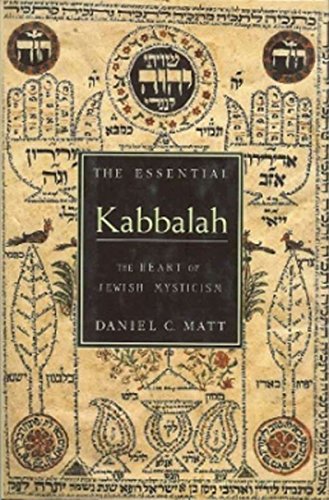
87The Essential Kabbalah: The Heart of Jewish Mysticism
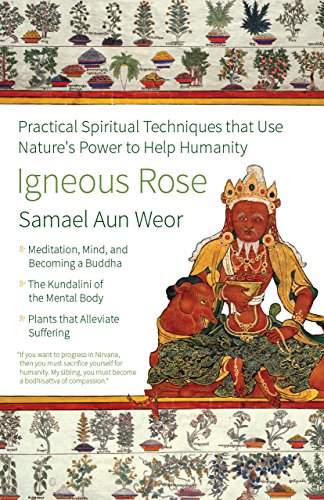
88Igneous Rose: The Magic, Sexual Energy, and Mind of the Inner Buddha
All of the great prophets and avatars performed great feats in their effort to assist humanity. This book is a practical guide to follow in their footsteps.
All those who aspire to incarnate the Christ (also known as Avalokitesvara, Vishnu, Quetzalcoatl, etc.) must first know how to work consciously with the forces of nature. Samael Aun Weor provides detailed information about the elementals of nature, the awakening of the Kundalini of the Mental Body, and the development and perfection of clairvoyance. Although Igneous Rose was written as a companion volume to the famous Esoteric Medicine and Practical Magic, this volume stands alone in the depth of its mysticism and the urgent call to action it sounds.
“If you want to progress in Nirvana, then you must sacrifice yourself for humanity. My brother, you must become a Bodhisattva of Compassion.”
"We teach our disciples about great Nature’s royal art in our book entitled Igneous Rose. Igneous Rose is a book written for all those who are aspiring to enter onto the Devic path. In the book Igneous Rose, we deeply study the evolution of the elementals of the blessed Goddess Mother of the world. In Igneous Rose we meticulously study the elemental magic of a thousand plants. Therefore, all of those disciples who aspire to enter onto the Devic path must study in depth our book entitled Igneous Rose. We study in depth the elemental life of the earth, air, water and fire in our book Igneous Rose. Seven paths of Cosmic Evolution exist and Igneous Rose is the special book for all those who aspire to the Devic path." - Samael Aun Weor, Esoteric Medicine and Practical Magic
89Echoes from the Gnosis
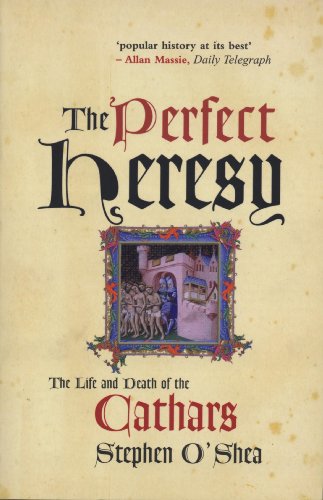
90The Perfect Heresy: The Revolutionary Life and Spectacular Death of the Medieval Cathars
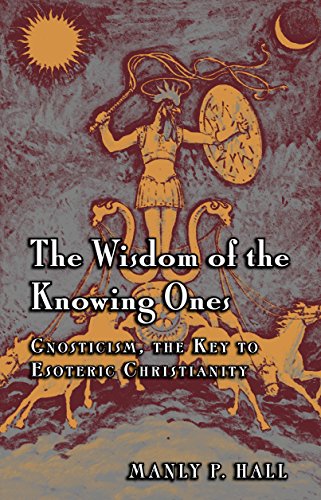
91The Wisdom of the Knowing Ones: Gnosticism, the Key to Esoteric Christianity
92Magick, Gnosticism & The Witchcraft: Introductory Essays
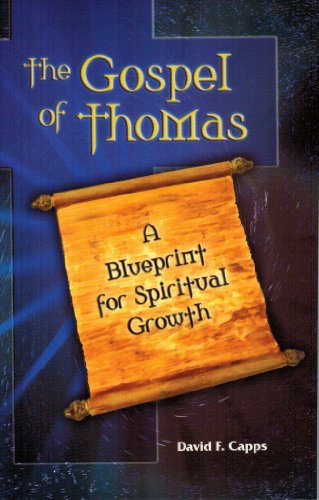
93The Gospel of Thomas - A Blueprint for Spiritual Growth
94Book of Confessions: Study Edition, Revised
95The Transmigration of Timothy Archer
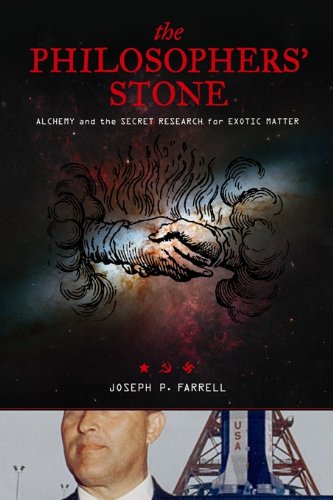
96The Philosopher’s Stone: Alchemy and the Secret Research for Exotic Matter
Goetia the Lesser Key of Solomon the King: Lemegeton, Book 1 Clavicula Salomonis Regis
98Akhenaten to the Founding Fathers: A History of the Secret Knowledge of the Western World
This book introduces several new mysterious aftifacts and sites in North America along with exciting new scientific geological research using the latest technology, which allowed Wolter to reach definitive conclusions about the authenticity of these and many other controversial artifacts. Some of these artifacts provide conclusive evidence that changes not only North American history in a profound way, but demands a thorough rewrite of world history.
Wolter brings the reader along on his investigations and presents his case using his proven and enjoyable narrative style along with over 280 black-and-white images, and 40 color photographs to introduce these artifacts and sites and illustrate his points. After the fun, Wolter distills the evidence down to his findings of fact, his interpretations of the facts, and finally presents his conclusions in a convincing scientific way that is irrefutable.
(Description from back cover of trade paperback edition)
99The Secret History of the Gnostics
100