

1-Page Summary1-Page Book Summary of The Nature of Nature
The Importance and Functioning of Natural Ecosystems
Throughout his book "The Nature of the World", Enric Sala emphasizes the vital role ecosystems play in sustaining life on Earth, particularly human life. He underscores the inherent complexity and interconnectivity of these systems and how their functions directly benefit human societies through a multitude of services related to ecology.
Ecosystems: Complex Systems Providing Vital Earth Services
Sala vividly illustrates how ecosystems, far from being static entities, are intricate networks governed by natural processes that have evolved over millennia. The varied and plentiful organisms within these systems interact with their environment in a fragile equilibrium, providing crucial life-sustaining services. This dynamic interplay results in the self-regulation, resilience, and homeostasis that characterize healthy ecosystems.
Ecosystems: Interactions Among Organisms and Their Environment
Sala introduces the concept of an ecosystem as a dynamic interaction between a community of living creatures and their physical environment or habitat. It involves more than just the presence of diverse organisms; it’s about the intricate network of connections they form. These relationships include food webs, where predator-prey interactions create balance and species compete for resources like space and light, as vividly demonstrated by Sala's description of the South African sardine run. Imagine a spectacle where a seasonal nutrient increase causes an algal bloom, triggering an explosion of sardines. Predators like tuna, sharks, and even whales converge in a frenetic feeding frenzy, a powerful demonstration of how life is interconnected.
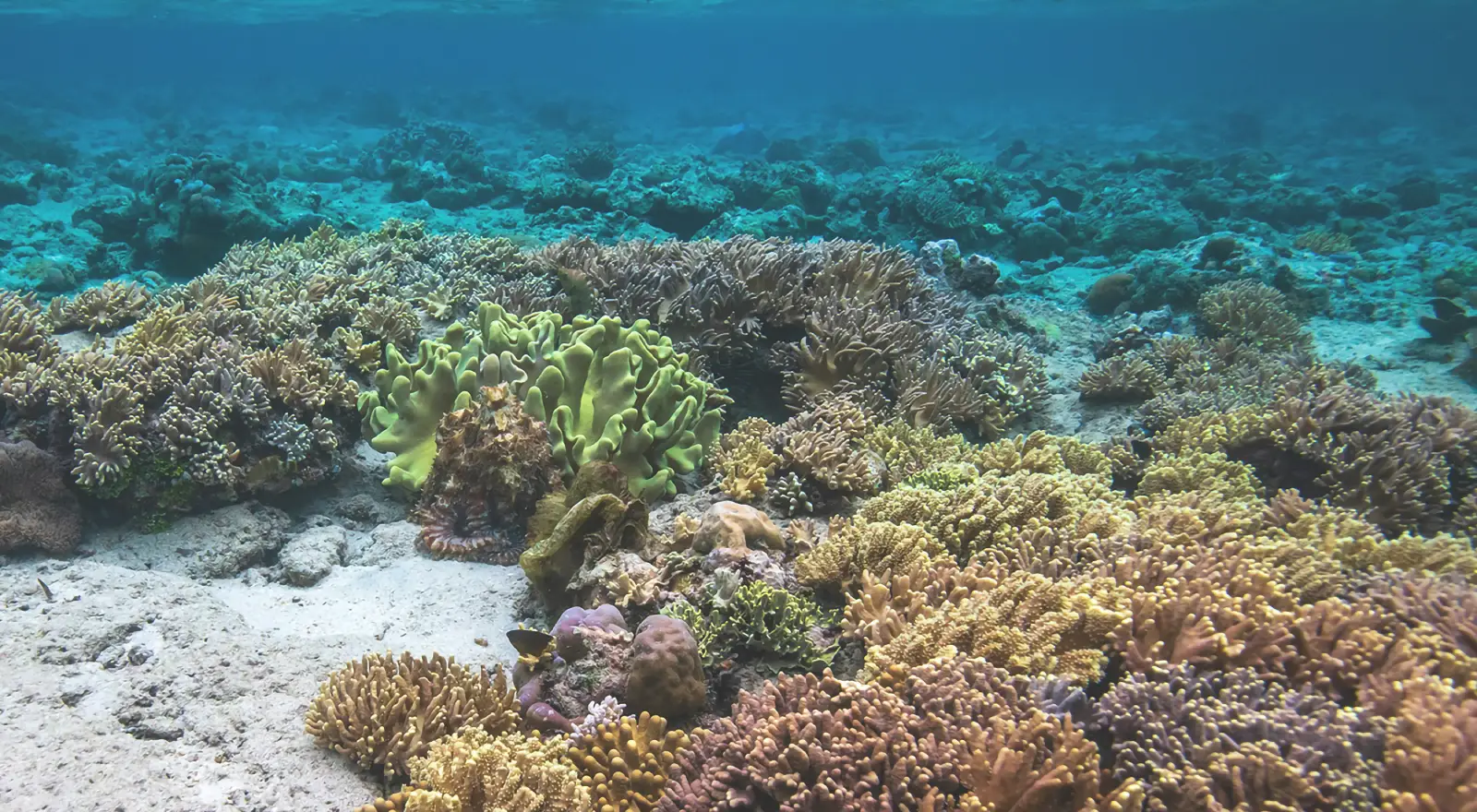
Beyond these predator-prey dynamics, organisms play vital roles in shaping their habitat. Corals, for instance, build entire reef structures, providing homes for countless diverse species, highlighting how organisms not only inhabit space but also modify and enrich it. Sala underscores that ecosystems regulate themselves, with feedback loops constantly fine-tuning the intricate interplay of life. They influence weather, purify water, and create the breathable atmosphere we depend on, making them essential to our very existence.
Context
- This is the process by which ecosystems change and develop over time, often following a disturbance, leading to a mature and stable ecosystem.
- Energy flows through ecosystems via food chains and food webs, beginning with primary producers like plants that convert solar energy into chemical energy through photosynthesis, which is then transferred through various trophic levels.
- Certain species, like beavers or elephants, physically modify their environment, creating new habitats and influencing the availability of resources for other species.
- Predators such as dolphins and birds also participate in the sardine run, using sophisticated hunting techniques to catch the fish, showcasing complex interspecies interactions.
- Coral reefs provide numerous ecosystem services, such as coastal protection from storms and erosion, sources of food and income for millions of people, and opportunities for tourism and recreation.
- Feedback loops contribute to ecosystem services like pollination, nutrient cycling, and soil formation, which are crucial for human agriculture and food security.
- Photosynthetic organisms, such as plants and phytoplankton, produce oxygen as a byproduct of photosynthesis. This process is essential for maintaining the oxygen levels in the atmosphere that most terrestrial and aquatic life forms, including humans, rely on for survival.
Ecosystems' Species Communities Evolve Gradually
Sala uses the analogy of building a house to explain how species communities gradually evolve through a process called "ecological succession." Just like a house requires foundations before walls and walls before a roof, ecosystems progress through predictable stages of development driven by the arrival and interaction of various species. Consider, for instance, the regrowth of a woodland after a wildfire. Wildflowers and grasses, the pioneer species, quickly colonize the bare ground, utilizing nutrients from the ashes and soil. They stabilize the ground, allowing seeds from shrubs and, later, trees to sprout. As time passes, a complex forest ecosystem re-emerges, which can take centuries.
This progression, Salas explains, results in more species richness, biomass (the total weight of living beings), and complexity over time. Each stage lays the groundwork for the next, with early species creating conditions that favor the arrival and establishment of more specialized species. Think of the bromeliads, those fascinating plants that grow in rainforest canopies. They require sturdy tree branches, which themselves rely on the symbiotic relationship with soil fungi. This interconnectedness illustrates the intricate, layered processes of species communities maturing over time.
Practical Tips
- Document seasonal changes in a local park or natural area with a photo diary. Take pictures from the same spots throughout the year to capture the gradual changes in vegetation and wildlife. This practice will help you appreciate the slow, yet continuous, process of ecological succession that occurs in a natural setting.
- Start a micro-habit ecosystem in your daily routine. Introduce small, beneficial habits one at a time and note how each one interacts with and influences your existing behaviors. Over time, this can lead to a more complex and robust system of habits that support your goals.
- Volunteer in a community garden to observe ecological succession firsthand. By participating in the planting and care of early-stage plants, you can witness how these species change the soil and microclimate, making it suitable for a wider variety of plants. This hands-on experience can provide insights into how starting with simple actions can lead...
Want to learn the ideas in The Nature of Nature better than ever?
Unlock the full book summary of The Nature of Nature by signing up for Shortform.
Shortform summaries help you learn 10x better by:
- Being 100% clear and logical: you learn complicated ideas, explained simply
- Adding original insights and analysis, expanding on the book
- Interactive exercises: apply the book's ideas to your own life with our educators' guidance.
Here's a preview of the rest of Shortform's The Nature of Nature summary:
The Nature of Nature Summary Effects of Humans on Environment and Need for Conservation
Sala paints a stark picture of the pervasive impact humanity has on global ecosystems. Through the destruction of habitats, overexploitation of resources, and pollution, human activities are causing an unprecedented decline in biodiversity, pushing many ecosystems towards collapse. He compellingly argues for the critical necessity of conserving protected areas, highlighting their role in restoring biodiversity, mitigating climate change, and providing a multitude of benefits for human communities.
Human Activities Rapidly Degrade Ecosystems
Sala provides a clear analysis of how human actions are accelerating ecosystem degradation and driving biodiversity loss. He paints a dire picture of our impact as "hyperkeystone predators," exploiting species at unsustainable rates and disrupting ecosystems' natural equilibrium. He argues that our use of fossil fuel energy, originating from the past, has permitted us to break free from the constraints that limit other species, leading to overconsumption and the replacement of diverse ecosystems with simplified, less resilient human-dominated ones.
Habitat Loss, Fragmentation, and Conversion Drive Biodiversity Loss
Sala...
The Nature of Nature Summary Reasons to Preserve Natural Areas and Biodiversity
Sala delves into the motivations behind conservation, venturing beyond the scientific and economic arguments to explore the ethical and moral underpinnings of our responsibility to safeguard the natural world. He argues for recognizing biodiversity's inherent worth, acknowledging that all organisms are entitled to existence independent of their utility to people. He challenges us to transcend a purely utilitarian perspective and embrace a worldview that acknowledges our interconnectedness with the planet's living systems.
Compelling Moral and Ethical Reasons to Safeguard the Environment
Sala asserts that the imperative to conserve the natural world goes beyond just practical considerations; it's deeply rooted in our moral and ethical obligations. He draws parallels between the amazement and marvel we feel in nature and the appreciation we have for cultural icons like cathedrals, arguing that the natural world deserves the same reverence and protection.
Humans as Stewards of Earth's Life Community
Sala argues that human beings have a moral responsibility to act as stewards of Earth's living systems. We're more than inhabitants of Earth; we're members of a broader...
The Nature of Nature
Additional Materials


Get access to the context and additional materials
What Our Readers Say
This is the best summary of How to Win Friends and Influence People I've ever read. The way you explained the ideas and connected them to other books was amazing.

