

1-Page Summary1-Page Book Summary of The Last Rhinos
The author's personal battle involved safeguarding the northern white rhino and addressing the precarious situation of the species.
Anthony initiated his quest after recognizing that the white rhino was perilously close to disappearing completely. Driven by his deepened insight, he embarks on a mission to save these magnificent creatures from the brink of disappearance.
The number of northern white rhinos remaining in the wild had decreased alarmingly, leaving only a handful.
This excerpt underscores the dire situation faced by the northern white rhinoceros species. The species is on the brink of disappearing forever, now limited to a single, endangered haven that serves as their last bastion in a region that previously covered their vast habitat across Central Africa.
The writer was determined to start a campaign to protect the rapidly decreasing number of northern white rhinos living in Garamba National Park in the Democratic Republic of the Congo.
Upon discovering that fewer than fifteen northern white rhinos remained, all confined to Garamba National Park in the Democratic Republic of the Congo, Anthony felt an urgent need to initiate a conservation operation. Lawrence Anthony recognized that the chance to help these animals was quickly diminishing because of the severe situation.
Anthony assembled a team of experts, among them his sons, logistics guru Grant Morgan, and a coordinator, alongside an ex-military operative, to address the challenges posed by operating in a volatile region. He also secured support from the capable Ian Raper, who leads the South Africa Association for the Advancement of Science, thus forging an important link with the country's scientific and political communities.
Practical Tips
- Start a personal 'One Less' campaign by identifying one item you use daily that you can eliminate or find a sustainable alternative for, such as using a reusable water bottle instead of buying plastic ones. This small change can significantly reduce your personal waste and can inspire others to consider their consumption habits when they see you making a conscious effort.
- Create a personal advisory board for making important life decisions. Choose individuals from different areas of your life, such as a trusted colleague for career advice, a family member for personal matters, and a friend with financial savvy for budgeting or investment decisions. Meet with them individually or as a group when you're at a crossroads and need multifaceted guidance.
- Enhance your credibility by contributing to industry publications or forums. Write articles, blog posts, or even letters to the editor on topics you're knowledgeable about, and submit them to relevant industry publications or online forums. This not only showcases your expertise but also puts your name out there, increasing the chances of being noticed and supported by industry leaders.
- Build a diverse network of contacts from different backgrounds and industries. Reach out to new people regularly, aiming to learn from their experiences and insights. A broad network can provide you with a range of perspectives and advice when facing complex challenges, much like a team operating in a volatile region would benefit from diverse expertise.
- Start a discussion group focused on topics at the intersection of science and politics to create a platform for dialogue. Invite people from both communities to monthly meetings where you can discuss current events, policies, and scientific breakthroughs. This can be as simple as creating a social media group or sending out invites to local community boards. Over time, this group could become a hub for collaborative ideas and projects.
The author faced numerous obstacles during the operation, including bureaucratic barriers and constant threats from poachers, as well as a lack of support from groups committed to protecting wildlife.
Navigating through the intricate bureaucratic and political barriers present in Congo was a formidable task. Despite receiving approval from Congo's environmental agency, the author's team encountered resistance from ICCN, which is known as the agency responsible for wildlife and habitat protection in Congo. The ICCN appeared hesitant to greenlight the comprehensive rescue mission, pointing out that African Parks, an organization also engaged in the preservation of Garamba, already had an existing accord.
The group's journey into Garamba brought to light the substantial obstacles they would have to confront. The area's safety was gravely undermined by rampant poaching, insufficient policing, and the threatening presence of a well-known insurgent group, the Lord's Resistance Army. These obstacles further complicated an already complex situation.
Context
- The DRC has a history of political instability and...
Want to learn the ideas in The Last Rhinos better than ever?
Unlock the full book summary of The Last Rhinos by signing up for Shortform.
Shortform summaries help you learn 10x better by:
- Being 100% clear and logical: you learn complicated ideas, explained simply
- Adding original insights and analysis, expanding on the book
- Interactive exercises: apply the book's ideas to your own life with our educators' guidance.
Here's a preview of the rest of Shortform's The Last Rhinos summary:
The Last Rhinos Summary The narrative also sheds light on the author's broader conservation endeavors and his involvement with the neighboring Thula Thula communities, highlighting in particular his commitment to protecting pachyderms.
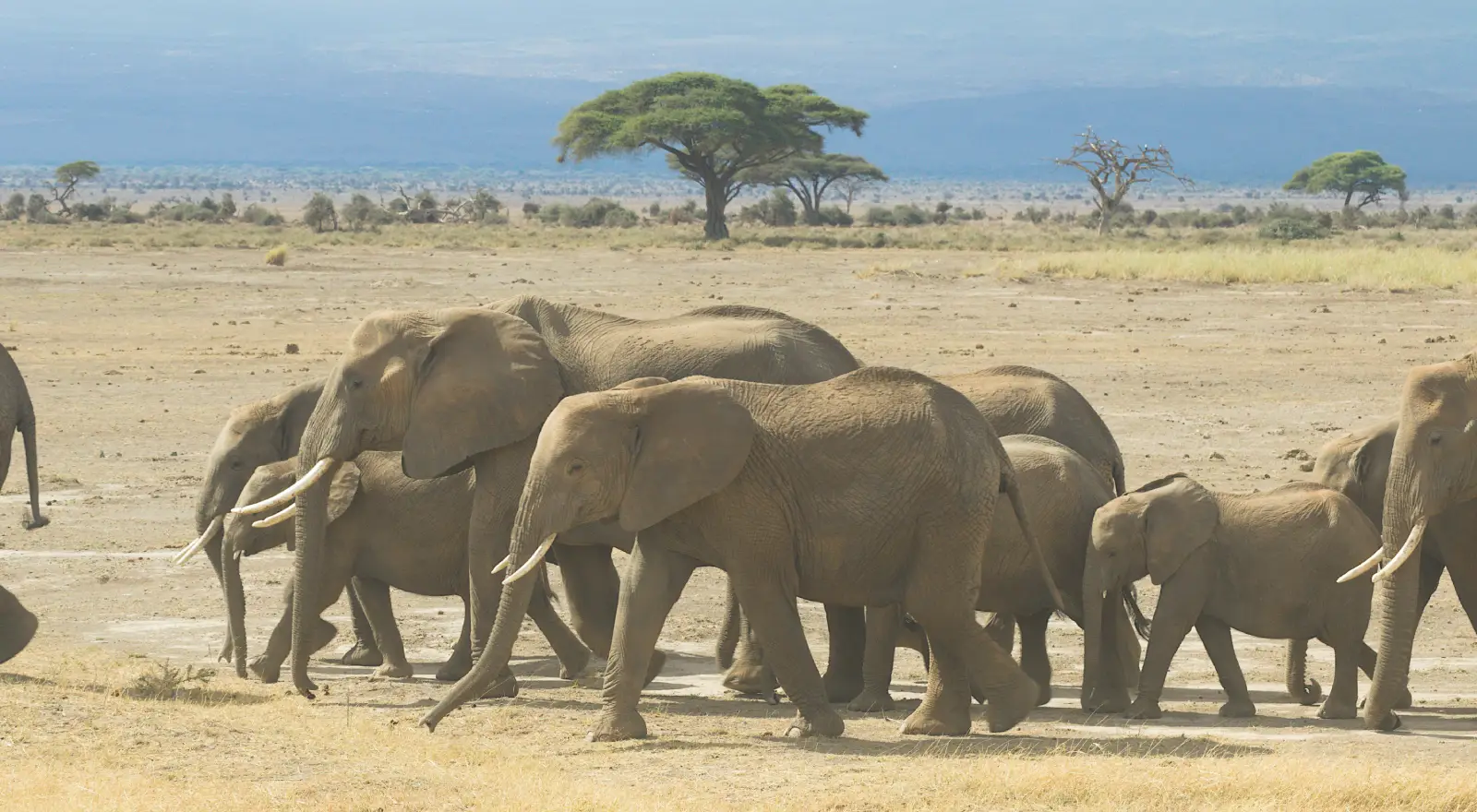
In this part of the story, the focus expands to a detailed look at Anthony's dedication to conserving wildlife, particularly through his work at the wildlife refuge he founded, which is located in the South African region. The narrative highlights his deep connection to elephants and his commitment to engaging the local Zulu community in conservation efforts.
The author's unrelenting efforts to protect Thula Thula's elephants and to engage the surrounding Zulu community in conservation efforts.
Lawrence Anthony focused his efforts on preserving wildlife at Thula Thula. He faced many challenges in securing the well-being of a group of troubled elephants relocated to the sanctuary. In addition to his work with the elephants, he also commits to establishing a strong relationship with the surrounding Zulu communities.
The author formed a deep connection with the elephants, especially Nana, the matriarch, committing to help them adjust to their new environment within the reserve.
At Thula Thula, Anthony shared a deeply personal connection with a herd of elephants, especially with their matriarch, Nana. He dedicated his efforts to helping the elephants adapt to their new...
The Last Rhinos Summary Rhinos, along with other species facing extinction, grapple with threats like poaching, the annihilation of their natural environments, and numerous conflicts.
This segment of the book underscores the broader difficulties faced in preserving wildlife, drawing attention to the critical situation caused by unlawful poaching and the increasing pressure on wildlife territories due to human expansion.
The illicit hunting of these creatures is jeopardizing the existence of rhinoceros populations across the African continent.
Anthony shines a light on the devastating effects of poaching. The harsh truth that Heidi's brutal end came about due to a relentless commerce fueled by greed and the demands of consumers in Asia is something that Lawrence Anthony had to confront.
To acquire their prized horns, poachers resorted to more advanced and aggressive methods, such as contaminating water sources and rigging animal remains with explosives to slay rhinos.
The author highlights the disturbing escalation in poaching techniques. He was alarmed by the sophisticated and brutal tactics employed by poachers, including using helicopters to dart rhinos, poisoning waterholes and even booby-trapping carcasses with explosives to deter rangers. The soaring worth of illegal trading drove poachers to adopt increasingly sophisticated and bold methods...
The Last Rhinos
Additional Materials


Get access to the context and additional materials
What Our Readers Say
This is the best summary of How to Win Friends and Influence People I've ever read. The way you explained the ideas and connected them to other books was amazing.

 1-Page Summary
- The narrative also sheds light on the author's broader conservation endeavors and his involvement with the neighboring Thula Thula communities, highlighting in particular his commitment to protecting pachyderms.
- Rhinos, along with other species facing extinction, grapple with threats like poaching, the annihilation of their natural environments, and numerous conflicts.