

1-Page Summary1-Page Book Summary of How to Take Over the World
Establishing Secret, Isolated, and Inaccessible Infrastructures and Bases
Carefully Selecting Hidden, Hard-To-access Locations for Secret Bases
This section dives into choosing a location for a hidden base. North emphasizes that you must choose a location that's self-reliant, secret, and sustainable. He then critically examines previous attempts to establish hidden bases, highlighting their flaws.
Rejecting Options: Volcanoes, Bunkers, Underwater Facilities Due to Vulnerabilities
North dismisses the common trope of a volcanic lair as impractical and vulnerable. Volcanic environments are inherently unstable, posing a risk of volcanic activity and subsequent destruction of your base. Additionally, volcanic areas are often tourist attractions, making secrecy impossible. Underground bunkers, while offering better concealment, face challenges in maintaining self-sufficiency, particularly regarding food production without sunlight. Lastly, underwater facilities, despite the allure of ocean depths, present numerous logistical problems. The constant threat of pressure, absence of sunlight for farming, limited air supply, and engineering challenges make underwater bases unsuitable for long-term habitation.
Other Perspectives
- While volcanic environments can be unstable, modern monitoring technologies can predict volcanic activity with significant accuracy, allowing for timely evacuation and risk mitigation.
- Advanced technology could enable the construction of hidden entrances or camouflage techniques that make a volcanic base secret despite the presence of tourists.
- Advances in LED technology have made it possible to provide plants with the specific wavelengths of light they need for photosynthesis, which can be powered by renewable energy sources.
- While pressure is a concern for underwater facilities, modern engineering and materials technology have advanced to the point where we can build submarines and research stations that withstand extreme depths, suggesting that it is possible to construct safe underwater habitats.
Identifying Equatorial Remote, Stable Regions for Secret Bases
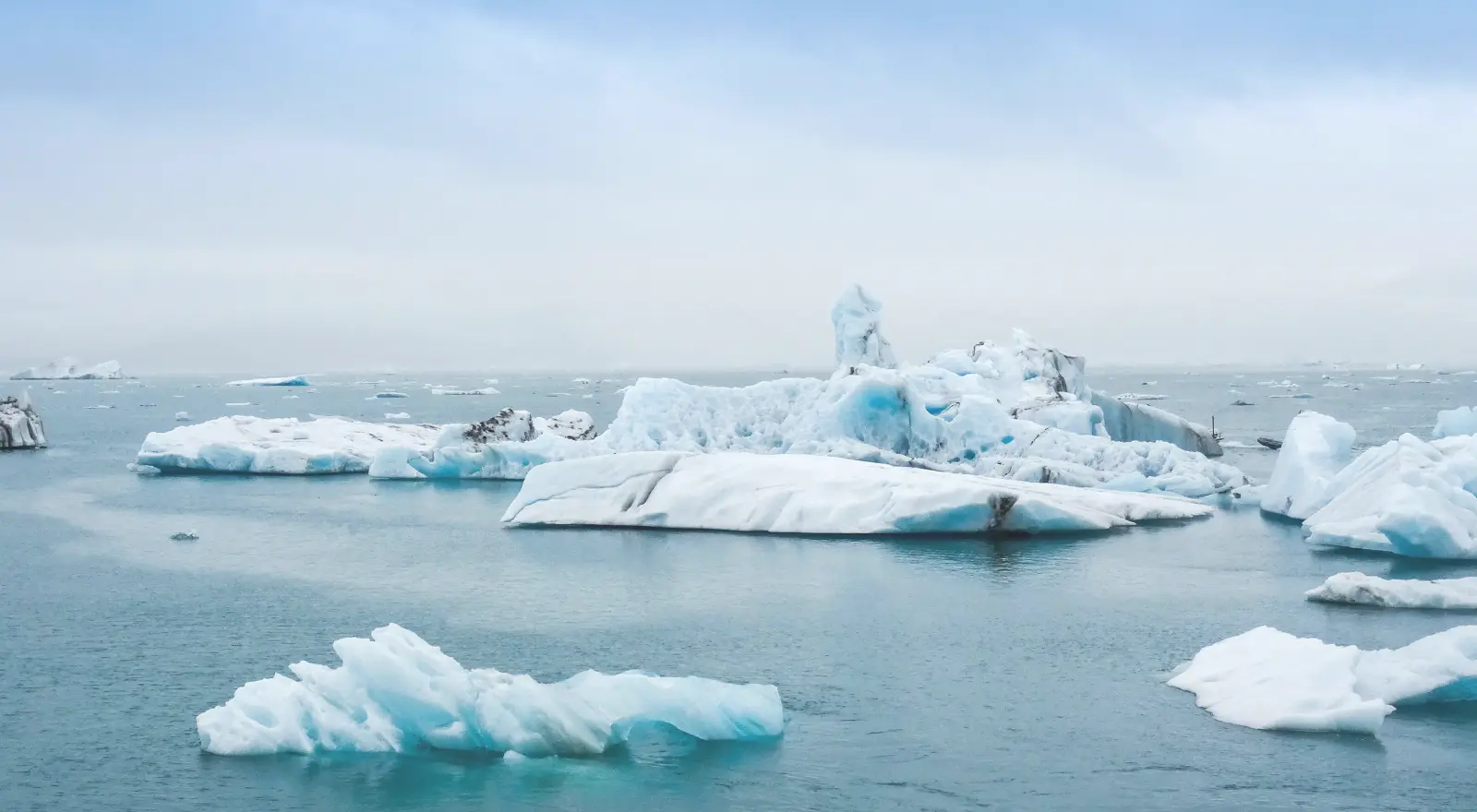
Based on these considerations, North recommends aiming for equatorial regions with favorable weather conditions and minimal risk of glaciation. He also emphasizes choosing areas that are geologically stable to avoid volcanic activity. Remote islands offer a good starting point, but due to global exploration, truly undiscovered landmasses are few. However, North identifies one promising location: an Antarctic region called Marie Byrd Land, shaped like a pie slice, which is the biggest territory on Earth that no one has claimed. This region's remoteness and unclaimed status, plus the potential to exploit legal loopholes in international agreements, make it an appealing candidate for a future secret base.
Other Perspectives
- The heat in equatorial regions could necessitate additional cooling systems for both personnel and equipment, leading to increased costs and potential points of failure.
- Geologically stable regions might still be subject to other natural...
Want to learn the ideas in How to Take Over the World better than ever?
Unlock the full book summary of How to Take Over the World by signing up for Shortform.
Shortform summaries help you learn 10x better by:
- Being 100% clear and logical: you learn complicated ideas, explained simply
- Adding original insights and analysis, expanding on the book
- Interactive exercises: apply the book's ideas to your own life with our educators' guidance.
Here's a preview of the rest of Shortform's How to Take Over the World summary:
How to Take Over the World Summary Acquiring Control Over Resources and Information Systems
This section branches out from secret facilities to explore how to gain control over resources and information systems, two essential elements for villainous success.
Loopholes for Seizing Ownerless Land: Antarctica and Bir Tawil
North asserts that one must obtain territory to assert their own authority and evade the constraints of existing political structures. He points out that while claiming undiscovered land is no longer an option, territorial disputes and legal loopholes can be exploited to create new nations.
Research Presence in the Antarctic to Assert Control
One opportunity lies in the disputed region of Bir Tawil between Egypt and Sudan, an arid, resource-poor area that neither nation formally claims. While multiple individuals have attempted to declare Bir Tawil as their own, North highlights the need to be physically present and gain international recognition, a tricky feat in a region with existing local populations and powerful nearby nations. He recommends a more strategic approach, focusing on Antarctica, specifically the unclaimed Marie Byrd Land. By establishing a legitimate research base under the auspices of a sponsoring nation, a villain could...
How to Take Over the World Summary Powerful Technologies For World-Shaping: Cloning, Weather Modification
This section explores techniques for world-changing actions, beginning with dinosaur cloning and ending with a look at weather as a tool to achieve your supervillainous goals.
Creating "Chickenasaurus" Hybrids From Dinosaur-Bird Similarities
North proposes an innovative approach to recreating dinosaurs, avoiding the impracticality of extracting ancient DNA by instead focusing on harnessing the dormant genetic potential within modern birds.
Using Chicken Embryos to Overcome Cloning Challenges for Extinct Creatures
He highlights the close evolutionary relationship between dinosaurs and birds, noting that these creatures are essentially the last remaining lineage of theropod dinosaurs. This means birds still carry within their DNA the genetic directions for traits ancestral to dinosaurs. While cloning requires the full genetic code, the author proposes that by manipulating the timing and expression of specific genes during embryonic development, it may be possible to "reactivate" these dormant dinosaur-like traits within birds. He suggests using chicken embryos, given their accessibility and our existing knowledge of their genetics, for experimentation.
**Practical...
How to Take Over the World
Additional Materials


Get access to the context and additional materials
What Our Readers Say
This is the best summary of How to Win Friends and Influence People I've ever read. The way you explained the ideas and connected them to other books was amazing.

