

JRE MMA Show #189 with Tommy McMililen
In this episode of The Joe Rogan Experience, Joe Rogan and UFC fighter Tommy McMillen break down recent championship fights, analyzing how technical execution, strategic pressure, and mental toughness determine outcomes at the highest levels of mixed martial arts. They discuss fighter development, the role of consistent competition in building experience, and how athletes like Jon Jones and Sean O'Malley demonstrate championship-level awareness and adaptation.
McMillen shares his personal journey from poverty in Montana to the UFC, detailing the obstacles he faced including injuries, financial limitations, and a multi-year gap in competition. The conversation covers modern training approaches—from nutrition and recovery technologies to injury prevention—and explores the mental resilience required to compete at elite levels. McMillen also discusses his struggles with lifestyle balance, including substance use patterns and the challenge of maintaining discipline while managing a professional fighting career and substantial sponsorships.
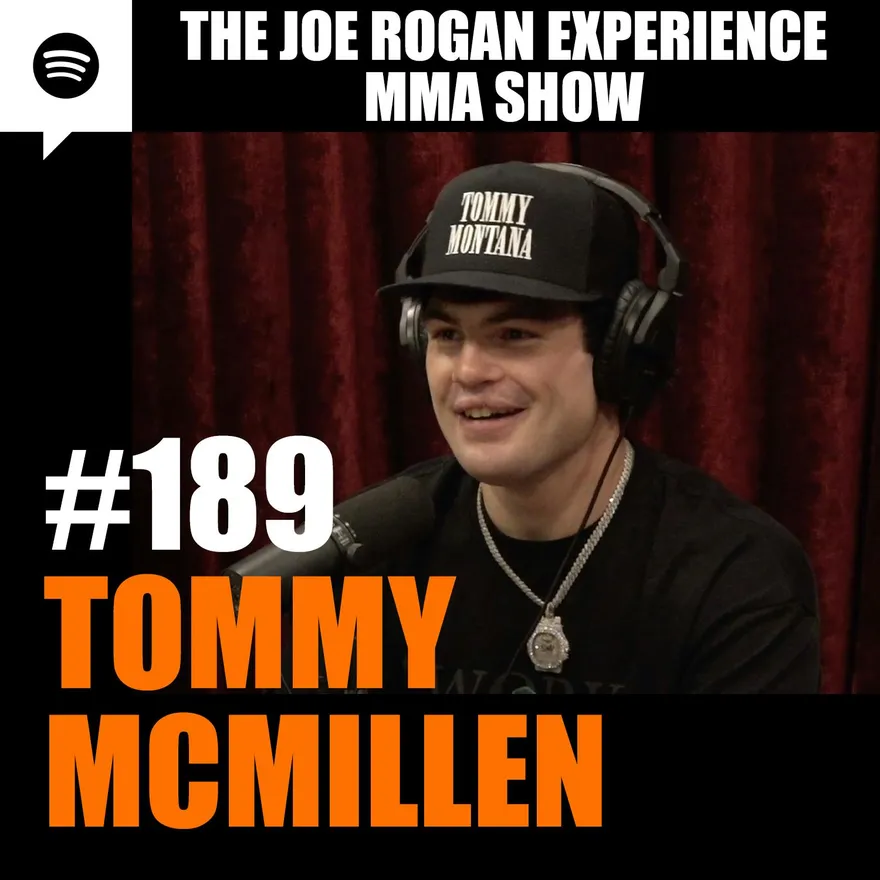

This is a preview of the Shortform summary of the Nov 17, 2026 episode of the The Joe Rogan Experience
Sign up for Shortform to access the whole episode summary along with additional materials like counterarguments and context.
1-Page Summary
Fight Analysis and UFC Strategy
Joe Rogan and Tommy McMillen discuss recent UFC championship bouts, revealing how technical execution, strategic adaptation, and fighter development impact outcomes and careers in elite mixed martial arts.
Technical Breakdown of High-Level Championship Bouts
Rogan explains that the Hooker-Gane matchup demonstrates how forward pressure can neutralize counter-strikers. Hooker's relentless pressure smothered Gane, who thrives on range and rhythm but struggles when denied space. This forced Gane into an exhausting slugfest that negated his technical advantages. However, McMillen notes that Gane showed elite-level adaptation in later rounds, catching a second wind and using his signature kicks and body work once he regained space.
Both commentators argue that egregious eye pokes should result in immediate point deductions. Rogan insists that intentional or reckless finger extension demands strict officiating, noting that the eye poke in the Gane-Hooker fight was severe enough to warrant a point deduction that could have altered the result.
Strategic Application of Game Plans in Title Fights
Rogan compares the relentless, volume-heavy style in recent title fights to athletes like Cain Velasquez, explaining that cardio and willingness to create chaos can overwhelm even the most skilled technicians. The strategic implications of fight-ending moments are highlighted in the Topuria-Gaethje bout, where Topuria's decision to clinch after a body shot allowed Gaethje to recover. Both commentators contrast this with Sean O'Malley's calculated approach of backing off to let hurt opponents try to stand—a championship-level awareness that maximizes referee intervention while minimizing risk.
The Role of Fighter Development and Experience
McMillen and Rogan marvel at how Jon Jones made elite heavyweights like Gane look ordinary, reinforcing his status as the greatest of all time. McMillen emphasizes that consistent fighting and gradual ranking progression cultivate invaluable experience. He prefers honing his craft through frequent competition while unranked, as once fighters enter the upper echelons, opportunities are less frequent and stakes far higher, demanding a fully developed skill set.
Tommy McMillen's Journey to the UFC
Early Life Circumstances That Shaped Fighting Ambitions
Tommy McMillen grows up in Great Falls, Montana, an area plagued by poverty and drug issues. His father, who works multiple jobs and boxes in semi-pro bouts, becomes a powerful inspiration. After watching fighting on TV as a young child, Tommy becomes convinced that MMA is his way out of poverty and path to helping his family. By second or third grade, he's obsessed with this dream, training at his dad's MMA gym as the only kid among adults.
Wrestling, though not a passion, gives Tommy essential grappling skills. He starts at age three and sticks with it out of strategic necessity, knowing it's vital for MMA success. His work ethic is relentless—running to CrossFit before school, training, attending classes, then wrestling and MMA practice. His dedication leads him to win the state tournament despite being an underdog.
Obstacles and Setbacks During Development
After an impressive pro debut defeating a 3-0 Division 1 wrestler, Tommy's momentum stalls. The COVID pandemic causes a two-year shutdown of regional MMA, followed by a severe foot injury that sidelines him for another year. Worse still, he deals with a pinched sciatic nerve causing debilitating pain and preventing grappling for a year and a half. Limited finances prevent surgery, so he manages injuries through therapy and stretching. The cumulative effect is a 3.5-year gap between his debut and regaining momentum.
Mentorship and Environmental Impact
Inspired by local fighter Sean O'Malley's success after moving to Arizona, Tommy persistently messages O'Malley's coach Tim until he's offered a room at 19. Arizona proves pivotal for Tommy's development. Living close to the gym in Peoria, he immerses himself fully in training, avoiding the distractions he experienced when living in party-centric Scottsdale. Tommy credits this environment and mentorship—especially from Tim and proximity to high-level fighters—for helping him "put the puzzle together" and realize his potential.
Training, Recovery, and Sports Science
Modern MMA athletes build their approach around precise nutrition, advanced recovery technologies, and preventative strategies for long-term performance.
Nutritional Foundation and Disciplinary Changes
Tommy recalls that before his transformation, his diet consisted of gas station food and processed snacks. The turnaround came when he moved in with Sean O'Malley, where he absorbed the vital connection between disciplined eating and performance gains. He credits Sean and Tim for guiding him to trade junk food for macronutrient-balanced whole foods, noticing dramatic improvements in training and recovery.
Sean experimented with veganism but eventually reintroduced red meat after observing a noticeable uptick in mass and wellbeing. This reinforced the value of individual trial-and-error in nutrition, as no one-size-fits-all approach exists.
Advanced Recovery Technologies and Protocols
Rogan emphasizes that hyperbaric oxygen therapy is excellent for healing injuries and expediting recovery, a growing practice among elite fighters. Tommy regularly uses red light therapy, crediting consistent sessions with reducing pain and accelerating recovery. He specifically praises the reverse hyper machine, invented by powerlifting coach Louie Simmons, as essential for spinal decompression and strengthening the posterior chain—offering more targeted benefits than inversion devices.
Preventative Injury Measures and Long-Term Athletic Longevity
Tommy resolved persistent sciatic issues through intensive hip flexor stretching, dedicating up to two hours daily to targeted routines. He explains that his abnormally flat lumbar spine places excess strain on his back and hip flexors, making regular stretching crucial. Rogan points to Alexander Volkanovski as a model of how fighters can sustain peak performance into their late thirties through rigorous nutrition, innovative recovery modalities, and relentless training.
Mental Toughness and Warrior Mentality
McMillen and Rogan explore how mindset is the decisive factor in elite combat sports, with mental toughness often distinguishing champions from others.
The Primacy of Mindset in High-Stakes Competition
Rogan recalls seeing athletes who perform exceptionally in the gym but buckle under fight pressure, while others thrive when stakes are greatest. McMillen emphasizes that becoming dominant requires willingness to endure hardship, stating, "Every time I sign the contract to go fight in UFC, I'm down to die about it." He believes hardship builds the necessary mindset, explaining, "Life was putting me through these tests to forge my mind into what I wanted."
Charles Oliveira's journey is highlighted as a key example—once known for folding under pressure, he became champion by choosing to face suffering head-on and rewiring his approach.
Developing Unshakeable Confidence Through Adversity
McMillen shares how setbacks and injuries forced him to either become discouraged or grow stronger. Being doubted as a freshman wrestler fueled his determination, allowing him to surpass more skilled opponents and win the state tournament. He consciously chose to interpret adversity as constructive, pausing to remind himself that every past setback eventually led to growth. This resilience is reinforced by mentors who encourage interpreting challenges as opportunities.
Historical Examples of Mental Dominance in Combat Sports
Jon Jones is cited for his technical mastery and unrivaled psychological presence, allowing him to outperform even those thought to be physically superior. Rogan and McMillen discuss Hooker's readiness to face the much larger Cyril Gane, requiring acceptance of risk and relentlessly advancing despite "eating punches." Justin Gaethje provides another example—his ability to withstand brutal damage and refuse to fold mentally breaks opponents who are technically sharper, demonstrating how cultivated, unbreakable mentality shapes true champions.
Lifestyle Balance and Personal Challenges
Partying Culture and Substance Use Patterns
Tommy describes a life deeply intertwined with partying from fifth grade, finding it was the only thing that could quiet his mind. He won state wrestling titles while attending parties and maintained the same social habits through his early MMA career. His behavior shows a clear pattern: intense focus during training camps, immediately followed by heavy partying after fights.
Tommy details an overdose episode after mixing alcohol with unknown drugs at a club, requiring [restricted term] to revive him. Despite this close call, he notes the incident served as a wakeup call but not one pushing him toward complete sobriety.
Recognition of Problematic Patterns and Attempted Course Correction
Tommy recognizes he must make adjustments, particularly as his career and health are on the line. He observes he's partying less than before, striving to be more disciplined and extending his sober periods. A major influence has been dating someone who is drug-free, which Tommy notes is probably the "best influence" in his life.
The overdose prompted Tommy to launch his own "Sober November," though he relapsed after only a week. He clarifies that for him, being "sober" means abstaining from alcohol, since drinking is the main trigger for poor decisions. With each fight camp, he tries to incrementally build more discipline, candidly admitting he doesn't have it "all figured out" but is actively working toward healthier balance.
Business and Career Implications of Lifestyle Choices
Tommy recognizes his choices directly impact his professional future. Now with substantial sponsorships—including a $100,000-per-month gambling deal—he knows he "can't be living like the way I have been." Rogan warns him that his fighting career is now a multi-million dollar business and that "anything can derail that." Both agree that having a sober companion who intervenes when necessary would be crucial for harm reduction. Tommy sees avoiding substances, especially pills and alcohol, as essential not just for health but to protect the UFC job he's worked so hard to secure, acknowledging his current path must evolve if he is to fully realize his potential.
1-Page Summary
Additional Materials
Clarifications
- Forward pressure in MMA involves a fighter continuously advancing toward their opponent, limiting their space to move or counterattack. This tactic disrupts counter-strikers, who rely on distance and timing to evade and respond effectively. By cutting off angles and closing distance, forward pressure forces opponents into close-range exchanges where their counter-striking tools are less effective. It also tires the counter-striker by forcing constant movement and defensive actions.
- Michael Chandler is known for his aggressive wrestling and powerful striking, often pushing a high pace. Ciryl Gane is a technical striker with excellent movement and timing, favoring distance control and precision. Cain Velasquez combined relentless cardio with heavy wrestling pressure to overwhelm opponents. Sean O'Malley uses creative striking and movement, relying on timing and counterattacks rather than brute force. Jon Jones is a versatile fighter with unorthodox striking, elite wrestling, and exceptional fight IQ. Alexander Volkanovski blends strong wrestling, cardio, and striking with strategic fight management. Charles Oliveira is a submission specialist with dynamic striking and aggressive grappling. Justin Gaethje is a pressure fighter known for powerful leg kicks, relentless pace, and high durability.
- Eye pokes occur when a fighter's fingers accidentally or intentionally jab an opponent's eye, causing pain, impaired vision, or injury. They disrupt a fighter's performance and can lead to fight stoppages or long-term damage. Because they provide an unfair advantage and risk serious harm, referees penalize them with point deductions to maintain fairness and fighter safety. Strict enforcement discourages reckless or intentional finger extension during striking.
- The clinch is a close-range grappling position where fighters hold each other to control movement and limit striking. It allows a fighter to neutralize an opponent's offense, tire them out, or set up strikes like knees and elbows. Skilled use of the clinch can disrupt an opponent’s rhythm and create openings for takedowns or dominant positioning. It is a key strategic tool for managing distance and momentum in MMA.
- Wrestling is a foundational discipline in MMA that develops control, balance, and the ability to dictate where the fight takes place. It teaches takedowns, takedown defense, and positional dominance on the ground, which are critical for both offense and defense. Strong wrestling skills allow fighters to neutralize opponents' striking by forcing grappling exchanges or avoiding being taken down. This control often leads to scoring points and setting up submissions or ground-and-pound attacks.
- Hyperbaric oxygen therapy involves breathing pure oxygen in a pressurized chamber, which increases oxygen delivery to tissues, promoting faster healing and reducing inflammation. Red light therapy uses low-level wavelengths of red or near-infrared light to stimulate cellular repair, reduce pain, and enhance circulation. The reverse hyper machine strengthens the lower back and glutes by extending the hips while decompressing the spine, improving core stability and reducing injury risk. These technologies collectively support quicker recovery and long-term injury prevention for athletes.
- The lumbar spine normally has a natural inward curve called lordosis, which helps absorb shock and maintain balance. A "flat lumbar spine" means this curve is reduced or absent, leading to altered spinal mechanics. This can increase stress on the lower back muscles, discs, and hip flexors, raising injury risk. Proper stretching and strengthening help compensate for this structural difference.
- Macronutrient-balanced whole foods provide the right proportions of proteins, carbohydrates, and fats essential for energy, muscle repair, and overall health. Whole foods are minimally processed, retaining more nutrients and fiber than processed alternatives. Proper balance supports sustained energy levels and optimal recovery in athletes. This approach helps prevent nutrient deficiencies and enhances physical performance.
- Mental toughness is the ability to stay focused, confident, and resilient under pressure and adversity. Warrior mentality refers to embracing challenges and discomfort as necessary for growth and success. A fighter’s mindset influences how they handle stress, pain, and fear during competition. Strong mental skills can improve decision-making, endurance, and recovery in high-stakes fights.
- In MMA, ranking progression involves moving up through increasingly skilled opponents to earn title shots. Frequent competition early on builds experience, sharpens skills, and increases visibility to promoters. Once fighters reach top ranks, matches become less frequent due to higher stakes and longer recovery times. This makes early, consistent fighting crucial for development and career momentum.
- The COVID-19 pandemic caused widespread cancellations and postponements of sporting events worldwide, including regional MMA shows. This led to fewer fight opportunities, disrupting fighters' ability to gain experience, earn income, and maintain career momentum. Many gyms closed or limited training, affecting preparation and skill development. The prolonged inactivity increased physical and financial challenges for fighters outside major promotions.
- Mentorship provides guidance, technical knowledge, and emotional support, accelerating skill development and decision-making. A positive training environment offers access to quality coaching, high-level training partners, and fewer distractions, fostering consistent progress. Changing to a better environment can break negative habits and increase motivation. Proximity to experienced fighters and coaches creates opportunities for learning and networking essential for career advancement.
- A sober companion is a professional who supports individuals recovering from substance use by providing accountability and guidance. They help prevent relapse by offering immediate assistance during high-risk situations. Their presence reduces harm by ensuring safer choices and emotional support. This role is especially valuable for people in high-pressure careers like professional athletes.
- Sponsorship deals provide fighters with significant income beyond fight purses, increasing financial pressure to maintain a positive public image. Gambling sponsorships can be controversial due to ethical concerns and regulatory scrutiny, potentially affecting a fighter's reputation and marketability. Such deals often require fighters to avoid behaviors that could harm the sponsor's brand, influencing lifestyle choices like substance use and public conduct. Failure to uphold these standards can lead to loss of sponsorship and damage to career opportunities.
- A "slugfest" is a fight where both competitors trade heavy, powerful strikes in close quarters, often prioritizing aggression over technique. "Clinching" refers to fighters grabbing and holding each other to control movement, limit striking, or set up grappling. "Referee intervention" occurs when the official steps in to pause or stop the fight for safety, rule enforcement, or to check a fighter's condition. These terms describe key aspects of fight dynamics and officiating in MMA.
- State wrestling titles indicate a wrestler's dominance at the high school level within their state, showcasing early competitive success and strong grappling skills. Division 1 wrestling refers to the highest level of collegiate wrestling in the U.S., featuring the most skilled and physically developed athletes. Success in Division 1 wrestling is highly respected in MMA because it demonstrates elite wrestling ability, a critical component for controlling opponents and dictating fight pace. Many top MMA fighters have Division 1 wrestling backgrounds, which often translates to effective takedowns and ground control in fights.
- "Trial-and-error" in nutrition means fighters experiment with different foods and diets to find what best supports their energy, recovery, and performance. Individual differences in metabolism, genetics, and training demands cause varied responses to the same diet. Therefore, no single diet works perfectly for everyone, requiring personalized adjustments. This process helps optimize health and athletic output through practical experience rather than fixed rules.
- Partying culture often involves alcohol and drug use, which can impair physical recovery, disrupt sleep, and reduce training effectiveness. Substance use increases the risk of injury, slows healing, and diminishes mental focus essential for competition. Chronic partying can lead to inconsistent discipline, undermining long-term athletic development and performance. Athletes who balance social life with strict recovery protocols tend to maintain higher performance levels.
- A pinched sciatic nerve occurs when the nerve running from the lower back down the leg is compressed or irritated. This causes pain, numbness, or weakness in the lower back, buttocks, and legs, often worsening with movement. It limits mobility and makes activities like grappling or heavy training difficult due to pain and muscle weakness. Recovery typically involves rest, physical therapy, and sometimes medical intervention to relieve nerve pressure.
- [restricted term] is the brand name for naloxone, a medication that rapidly reverses opioid overdoses. It works by blocking opioid receptors in the brain, restoring normal breathing within minutes. [restricted term] can be administered via nasal spray or injection by bystanders or medical personnel. It is a critical emergency tool to prevent death from opioid overdose before professional help arrives.
Counterarguments
- Forward pressure does not always neutralize counter-strikers; some counter-strikers excel at using pressure against aggressive opponents, as seen with fighters like Israel Adesanya or Anderson Silva.
- Fighters who rely on range and rhythm can develop clinch and infighting skills to mitigate the effects of pressure, making them less vulnerable in close quarters.
- Immediate point deductions for eye pokes may be too harsh in cases of accidental contact, especially given the nature of open-fingered gloves in MMA.
- Overemphasis on cardio and chaos can lead to reckless fighting and increased risk of injury or early career burnout.
- Strategic clinching is context-dependent; sometimes clinching is necessary for recovery or to avoid further damage, even if it allows an opponent to recover.
- Backing off to let hurt opponents stand can backfire if the opponent recovers quickly or uses the opportunity to reset and regain composure.
- Frequent competition before reaching top ranks can also increase risk of injury, overtraining, or accumulating unnecessary damage.
- Growing up in challenging environments does not universally lead to positive motivation; it can also result in negative outcomes or hinder athletic development.
- Early specialization in MMA or wrestling can increase risk of burnout or overuse injuries in young athletes.
- Managing injuries without surgery may lead to chronic issues or incomplete recovery, potentially shortening a fighter's career.
- Advanced recovery technologies are not universally accessible or affordable, potentially creating disparities in athlete preparation.
- Mental toughness, while important, is not the only decisive factor; technical skill, strategy, and physical attributes also play critical roles in championship success.
- Partying and substance use, even if managed, can still have long-term negative effects on health and performance.
- Defining sobriety only as abstaining from alcohol may overlook the risks associated with other substances.
- Relying on external influences, such as a sober companion, may not address underlying issues of addiction or self-discipline.
- High-value sponsorships can add pressure and stress, potentially exacerbating existing lifestyle challenges rather than alleviating them.
Get access to the context and additional materials
Fight Analysis and Ufc Strategy
A comprehensive analysis of recent UFC high-level championship bouts reveals emerging trends in technical execution, strategic adaptation, and the critical role of fighter development. Joe Rogan and Tommy McMillen offer insights on how evolving fight styles and decision-making processes impact outcomes and the career trajectories of elite mixed martial artists.
Technical Breakdown of High-Level Championship Bouts
Forward-Pressure Style Neutralizes Counter-Striker in Hooker-Gane Matchup
Joe Rogan notes that the contrasting styles between pressure fighters and counter-strikers lead to chaotic and highly entertaining fights. Using the Hooker-Gane matchup as a prime example, Rogan highlights how Hooker’s relentless forward pressure smothered Gane, a traditionally evasive and technical counter-striker. Gane prefers range, rhythm, and time to set up attacks. When pressured and denied space, his instinct is to maintain safety rather than engage in chaos, making him vulnerable to Hooker’s approach. This pressure-cooker environment forced Gane into an exhausting, wild slugfest, negating his technical advantages and turning the heavyweight title fight into “madness,” as Rogan describes.
Rogan draws parallels to other counter-strikers like Rahiki, who also get drawn into chaotic contests when faced by forward-moving opponents. Both Rogan and McMillen agree that dragging tacticians into brawls is a sound tactical plan, especially if opponents thrive on order and distance.
Gane's Later Round Adaptation Shows Elite Fighters Adjust By Using More Kicks and Body Work With Space to Set Up Techniques
Despite early setbacks, Tommy McMillen expresses admiration for Gane’s adaptation in the championship rounds. Rogan notes that in the fourth and fifth rounds, Gane caught a second wind and began using his signature kick-heavy offense and knees to the body. When given a sliver of space, Gane reset, regained composure, and outlanded Hooker in exchanges, demonstrating the adaptability expected at the elite level. This blend of persistence and tactical switching allowed Gane to recover and nearly even the score, making the fight razor-close.
Eye Pokes In Mma Should Lead to Point Deductions
Both commentators are adamant that egregious eye pokes should result in immediate point deductions, equated with infractions like fence grabbing. Rogan insists that intentional or reckless finger extension, not simply accidental contact, demands strict officiating. He cites the Gane-Hooker fight, noting the eye poke was severe enough that, by existing rules, it warranted a clear point deduction—potentially altering the result to a draw. They emphasize that referees possess the authority to pause, review, and penalize such fouls, and that consistent enforcement is necessary given the serious, sometimes career-altering injuries eye pokes can cause, as seen with heavyweights forced into surgery or relinquishing titles due to accumulated damage.
Strategic Application of Game Plans in Title Fights
Pressure Fighters Force Opponents Into Chaos, Valuing Cardio and Resilience Over Precision
Rogan compares the relentless, volume-heavy style seen in recent title fights to the legendary pacing of athletes like Cain Velasquez. Cardio, durability, and willingness to create chaos can overwhelm even the most skilled technicians. Fighters who can maintain frenetic pace—though sometimes less technical than the division’s best—can pull elite strikers into wars of attrition, subverting their usual game plans and forcing mistakes.
Topuria vs. Gaethje: Clinch After Body Shot Let Opponent Recover Instead of Exploiting Weakness
The strategic ramifications of fight-ending moments are underscored in the Topuria-Gaethje bout. After dropping Gaethje with a body shot, Topuria jumped into a clinch, inadvertently allowing Gaethje to recover. Both Rogan and McMillen note that maintaining optimal distance, mirroring Sean O'Malley’s approach in a similar situation, would have left the referee little option but to step in for a stoppage. Instead, closing the distance bought the hurt opponent precious seconds and altered the fight's narrative.
Sean O'malley's Strategic Retreat Showed Championship-Level Awareness
Sean O’Malley’s calculated decision to back off and let his opponent try ...
Here’s what you’ll find in our full summary
Fight Analysis and Ufc Strategy
Additional Materials
Counterarguments
- While forward-pressure styles can disrupt counter-strikers, highly skilled counter-strikers have historically adapted and succeeded against pressure fighters by using footwork, angles, and timing (e.g., Israel Adesanya, Anderson Silva).
- Not all counter-strikers become vulnerable under pressure; some excel at drawing aggressive opponents into traps and landing decisive counters.
- Forcing chaos is not universally effective; disciplined tacticians with strong clinch or grappling games can neutralize pressure and regain control.
- Eye poke incidents are often accidental, and immediate point deductions could unfairly penalize fighters for unintentional fouls, especially given the glove design and nature of MMA exchanges.
- Some referees and analysts argue that a warning system for eye pokes allows for fairer officiating, reserving point deductions for repeated or clearly intentional fouls.
- Pressure fighting can backfire if the aggressor lacks defensive awareness, leading to exhaustion or exposure to counters, as seen in fights where pressure fighters are knocked out or submitted.
- Clinching after hurting an opponent is sometimes a strategic choice to avoid wild exchanges or recover one's own composure, especially if the fighter is also fatigued or wary of counters.
- Jon Jones' ...
Actionables
- You can practice handling pressure and chaos in everyday situations by intentionally putting yourself in mildly unpredictable environments, like taking a new route home or starting conversations with strangers, to build adaptability and composure when things don’t go as planned.
- A practical way to improve your ability to adapt and recover after setbacks is to set up a weekly challenge where you deliberately switch up your routine or hobby (like changing your workout style or cooking a new cuisine) and focus on regaining your rhythm after the disruption.
- You can develop disc ...
Get access to the context and additional materials
Tommy Mcmillen's Journey to the Ufc
Early Life Circumstances That Shaped Fighting Ambitions
Tommy McMillen grows up in the small town of Great Falls, Montana, an area plagued by poverty and drug issues. His father plays a major role in his life—working multiple jobs as a plumber and grocery bagger, having children young, and still boxing in semi-pro bouts under Olympic boxer Todd Foster. Tommy recalls the powerful image of his father coming home exhausted and beat up from boxing after already putting in a full day’s work, and living with Tommy’s grandparents. Financial struggles are a constant presence, making a deep impression on Tommy from an early age.
Inspired by his father’s example, Tommy becomes singularly focused on fighting as a path to wealth and helping his family. After watching fighting on TV as a young child, he becomes convinced that MMA is his way out, describing a “delusional belief” that he will make all his money in the world by becoming a fighter. By second or third grade, Tommy is obsessed with this dream—he trains at the MMA gym his dad eventually opens, the only kid among adults, and goes to bed angry that he isn’t old enough to fight in the UFC yet. He considers everything else, including school, as secondary; he only goes to high school so he can wrestle and be eligible to compete.
Wrestling, though not a passion, gives Tommy essential grappling skills and a competitive mindset crucial for his UFC ambitions. He starts wrestling by age three, competing against older children thanks to his dad’s coaching. Despite a love-hate relationship with the sport, wrestling keeps him out of trouble and instills discipline. Tommy sticks to wrestling out of strategic necessity, knowing it is a vital foundation for MMA success. His work ethic is relentless: as a freshman, he runs to CrossFit before school, trains, attends classes, then participates in wrestling and MMA practice, sometimes all in one day. Ultimately, his dedication leads him to win the state tournament despite being an underdog, proving the strength of his focus and willpower.
Obstacles and Setbacks During Development
Tommy faces significant hurdles on the way to the UFC. After an impressive pro debut right before COVID, defeating a 3-0 Division 1 wrestler in the first round, his momentum is abruptly stalled. The COVID pandemic causes a two-year shutdown of the regional MMA scene, halting his ability to compete. As fights resume, Tommy suffers a severe foot injury, tearing ligaments that sideline him for yet another year. Limited financial resources prevent him from getting surgery, so he deals with the injury through therapy and stretching.
Worse still, Tommy deals with a pinched sciatic nerve in his back for over two years. This causes debilitating foot numbness and pain, making even basic movements torturous and preventing him from grappling—an essential part of MMA training—for a year and a half. Despite these challenges and the temptation to opt for risky surgery, Tommy chooses to manage his injury conservatively, sticking to relentless stretching and therapy routines. The cumulative effect is a 3.5-year gap between his debut and regaining momentum, testing his perseverance but not his resolve.
Mentorship and Environmental Impact
Moving To Arizona At 19 to Train With Sean O'malley Transformed Tommy's Preparation Approach
Growing up, Tommy is inspired by local Montana fighter Sean "Suge" O’Malley, who moves to Arizona to further his MMA ca ...
Here’s what you’ll find in our full summary
Tommy Mcmillen's Journey to the Ufc
Additional Materials
Counterarguments
- While Tommy’s dedication to MMA is admirable, prioritizing fighting and wrestling over education could limit his long-term career options and personal development outside of sports.
- The narrative frames financial struggle as a motivator for success, but it could also be argued that such pressure may lead to unhealthy stress or risk-taking behaviors, especially in a dangerous sport like MMA.
- The story emphasizes relentless training and discipline, but this approach can sometimes result in overtraining, burnout, or exacerbation of injuries, as seen in Tommy’s repeated physical setbacks.
- Choosing conservative treatment over surgery for serious injuries may not always be the best medical decision and could potentially lead to chronic health issues.
- The focus on moving to Arizona and living near the gym as the key to success may overlook the importance of a balanced lifestyle, social support, and mental health ou ...
Actionables
- you can create a daily routine that pairs a non-negotiable responsibility (like work or school) with a personal goal, such as setting a rule that you only watch your favorite show after completing a set amount of exercise or skill practice, reinforcing discipline and focus through structured rewards.
- a practical way to build resilience is to keep a setback journal where you briefly note obstacles you face each week and write down one small action you took or could take to move forward, helping you recognize patterns in overcoming challenges and reinforcing perseverance.
- you can improve your environment for growth by ...
Get access to the context and additional materials
Training, Recovery, and Sports Science
Modern athletes in high-impact sports like MMA now build their approach around precise nutrition, advanced recovery technologies, and preventative strategies for long-term performance. Tommy McMillen and Sean O’Malley exemplify how thoughtful self-experimentation, expert discipline, and evidence-based protocols can redefine athletic longevity.
Nutritional Foundation and Disciplinary Changes
Tommy's Shift From Gas Station Food to Macronutrients and Whole Foods Came After Living With Sean O'malley and Learning how Diet Impacts Health and Performance
Tommy McMillen recalls that, before his transformation, his diet was dominated by gas station food and processed snacks like Doritos, nachos, and Sour Patch Kids. His lack of nutritional discipline contrasted with peers who rigorously prepared for tournaments with carefully managed diets and parental supervision. Tommy admits he knew nothing about nutrition and felt this ignorance left him behind in early competitions. The turnaround came when he moved in with Sean O’Malley. Living with a health-conscious fighter like Sean, Tommy absorbed the vital connection between disciplined eating, performance gains, and injury prevention. He credits Sean and Tim for guiding him to trade junk food for macronutrient-balanced whole foods. As he embraced healthier eating, Tommy noticed dramatic changes in his training, fight preparation, recovery, and results—particularly during strict training camps where his focus became obsessive.
Sean O'malley Reintroduced Red Meat After Veganism due to Performance Benefits, Highlighting the Importance of Personal Dietary Experimentation
Sean O’Malley experimented with veganism (with the occasional inclusion of eggs), initially believing it would support his health and performance. However, after years on this mostly plant-based regimen, he reintroduced red meat into his diet. Both Sean and Tommy observed a noticeable uptick in Sean’s mass and wellbeing once meat, especially steak, was added back in. This experience reinforced the value of individual trial-and-error in nutrition: no one-size-fits-all approach exists, and experimentation is essential for optimal performance.
Hydration and Caloric Intake Prevent Back Pain and Dietary Breakdown In Formative Fighting Years
Proper hydration and sufficient caloric intake proved critical for Tommy, particularly in avoiding the dietary breakdown and back pain that plagued his early fighting years, when malnutrition from unhealthy weight cuts and poor food choices hindered his training and recovery.
Advanced Recovery Technologies and Protocols
Hyperbaric Chambers Aid Injury Healing and Shorten Recovery, Perfect for Home Training Setups
Joe Rogan and Tommy discuss advanced recovery tools like hyperbaric chambers. Rogan emphasizes that hyperbaric oxygen therapy is excellent for healing injuries and expediting recovery, a growing practice among elite fighters for both acute and long-term rehab. Tommy plans to incorporate a dedicated recovery space in his new home, recognizing the benefit of integrating these technologies into his daily routine.
Consistent Red Light Therapy Enhances Joint Mobility, Muscle Recovery
Tommy regularly uses red light therapy, offered at a spa near his gym along with cold plunges, compression, and sauna. He credits consistent, not occasional, red light sessions with reducing pain, loosening his shoulders and back, and accelerating recovery from years of accumulated fighting wear and tear. Rogan advocates doing red light therapy at least twice weekly, likening its cumulative benefits to taking vitamins.
Reverse Hyper Machines Decompress the Spine and Strengthen Muscles, Outperforming Hanging Devices for Long-Term Back Health
Both Tommy and Rogan highlight the reverse hyper machine, invented by powerlifting coach Louie Simmons, as an essential tool for spinal decompression and strengthening the posterior chain. The machine actively decompresses the spine on descent and fortifies muscles on ascent. Compared to inversion devices that hang the athlete from the ankles or hips, the reverse hyper offers more targeted and relaxing decompression and allows for load ...
Here’s what you’ll find in our full summary
Training, Recovery, and Sports Science
Additional Materials
Counterarguments
- While precise nutrition and advanced recovery technologies can benefit athletes, many elite performers have achieved success with less scientific or regimented approaches, suggesting that individual variability and psychological factors also play significant roles.
- The transformation from processed foods to whole foods is beneficial, but some athletes have performed at high levels despite less-than-ideal diets, indicating that genetics and other lifestyle factors may mitigate dietary shortcomings.
- Nutritional knowledge is important, but access to high-quality food and resources can be limited by socioeconomic status, making such transformations less feasible for all athletes.
- The benefits of reintroducing red meat after veganism are anecdotal; scientific evidence on optimal diets for athletic performance remains mixed, and some athletes thrive on plant-based diets.
- Proper hydration and caloric intake are essential, but overemphasis on these factors may overlook the importance of other elements such as sleep, mental health, and training quality.
- The efficacy of hyperbaric oxygen therapy for injury recovery is still debated in the scientific community, with some studies showing limited or inconclusive benefits.
- Red light therapy's benefits for muscle recovery and joint mobility are not universally accepted, and more large-scale, peer-reviewed studies are needed to confirm its effectiveness.
- Reverse hyper machines may benefit some individuals, but not all athletes respond equally, and improper use can potentially cause harm.
- Inten ...
Actionables
- You can create a weekly meal swap with a friend or family member where each person prepares and exchanges a batch of nutrient-dense, balanced meals, making it easier to maintain a whole-food diet and discover new recipes that support performance and recovery.
- A practical way to monitor your hydration and caloric intake is to set up a simple daily checklist on your phone or a sticky note, tracking water intake and meal timing, then noting any changes in energy, mood, or discomfort to spot patterns that affect your training or daily activity.
- You can use a t ...
Get access to the context and additional materials
Mental Toughness and Warrior Mentality
The conversation between Tommy McMillen and Joe Rogan explores how mindset is the decisive factor in elite combat sports, with mental toughness and a “warrior mentality” often distinguishing champions from others. They discuss the way athletes develop, test, and reinforce their psychological edge, and illustrate their points with personal stories and historic examples.
The Primacy of Mindset in High-Stakes Competition
Tommy McMillen and Joe Rogan strongly agree that the mind is the most crucial weapon in high-level competition. Rogan recalls seeing athletes who perform exceptionally in the gym but buckle under the intensity and pressure of public fights, while others—sometimes less technically skilled—thrive and excel when the stakes and dangers are greatest. The most successful fighters, they assert, separate themselves by embracing adversity and accepting the physical and psychological risks of combat.
McMillen emphasizes that part of becoming dominant in the UFC requires a willingness to endure hardship and accept the pain and adversity that come with the pursuit of greatness: “You don’t just get there…Life was putting me through these tests to forge my mind into what I wanted.” He believes hardship builds the necessary mindset to withstand the pressures and dangers of serious fighting, stating, “Every time I sign the contract to go fight in UFC, I’m down to die about it. I really am.”
Charles Oliveira’s journey is highlighted as a key example. Once known for folding under pressure, Oliveira became a champion by choosing to face suffering head-on and rewiring his approach—proving that competitors can deliberately reshape their mentality to meet the highest demands of the sport.
The discussion returns repeatedly to the concept of “stepping into chaos.” Rogan references brutal, high-paced fights—like Petr Yan vs. Merab Dvalishvili—where continual mental preparation for suffering and adversity is as important or more so than technical skill. McMillen agrees, underscoring that accepting and embracing pain, risk, and hardship allows fighters to perform under the most stressful conditions and rebound from setbacks within a match.
Developing Unshakeable Confidence Through Adversity
McMillen shares his own experience: setbacks and injuries early in his wrestling and MMA career forced him to either become discouraged or grow stronger. Being doubted as a freshman wrestler and overlooked after losing JV tournaments fueled his determination; hard work and refusal to surrender allowed him to surpass more skilled opponents and win the state tournament.
He recounts moments in fights and training—being hurt, making mistakes, or having to forgo grappling due to injury—where his mindset was tested. Each time, he consciously chose to interpret adversity as constructive, pausing to remind himself that every past setback eventually led to growth: “Every time I went through this, no matter how dark and bad it got, I always figured out a way to come out on top and use it to my advantage.”
This process is reinforced by conversations with coaches, mentors, and role models—people who “never really think about adversity as such,” but rather “take full advantage,” encouraging others to interpret challenges as opportunities. Tommy explains, “If I believe that’s my reality then it does become true to me.” Resilience is developed by continually reaffirming, “ ...
Here’s what you’ll find in our full summary
Mental Toughness and Warrior Mentality
Additional Materials
Counterarguments
- While mindset is important, technical skill and physical conditioning are often the primary determinants of success in elite combat sports; even the most mentally tough athlete cannot consistently overcome significant skill or athleticism gaps.
- Overemphasizing mental toughness can lead to neglect of necessary recovery, injury prevention, and tactical preparation, potentially shortening athletic careers.
- The narrative that adversity and suffering are always beneficial may romanticize unnecessary risk-taking and discourage athletes from seeking help for mental health issues or injuries.
- Some fighters succeed through strategic intelligence, adaptability, and efficient technique rather than sheer mental toughness or willingness to endure pain.
- The focus on a "warrior mentality" may reinforce unhealthy cultural norms around masculinity and stoicism, potentially alienating athletes who approach competition differently.
- Not all setbacks or hardships lead to growth; repeat ...
Actionables
- You can schedule a weekly “discomfort challenge” where you deliberately choose a safe but uncomfortable activity (like taking a cold shower, walking in the rain, or fasting for a meal) and reflect on your reactions to build your tolerance for adversity and uncertainty.
- A practical way to train your mind to reinterpret setbacks as fuel is to keep a “resilience log” where you write down daily frustrations or failures, then immediately list at least one way each could help you grow stronger or more determined.
- You can practice mental preparation fo ...
Get access to the context and additional materials
Lifestyle Balance and Personal Challenges
Partying Culture and Substance Use Patterns
Tommy McMillen describes a life deeply intertwined with partying from a young age, revealing how this behavior is nearly inseparable from his identity. As early as fifth grade, Tommy turned to substances, finding that partying was the only thing that could quiet his mind and make him feel normal. He admits that he has been partying and fighting his whole life—winning state wrestling titles while attending parties, drinking, and maintaining the same social habits through his early MMA career. During wrestling season, he would dial back his partying, doing “recipes” and focusing on competition, but would immediately revert to heavy drinking and partying once the season ended.
His behavior exhibits a clear pattern: intense focus and discipline during training camps, immediately followed by periods of heavy partying after fights. After his first amateur MMA fight, Tommy partied all night, slept just two hours, then drove to another town for a second fight. After fight camps, he describes partying for two weeks straight before beginning the next training phase—an approach he repeated after a July fight before facing Marwan.
Tommy details an episode that underscores the danger of his lifestyle: after mixing alcohol with unknown drugs at a club, he suffered an overdose and lost consciousness. His friends used [restricted term] to revive him, and he woke up hours later in the hospital with no memory of the event. The overdose and hospitalization were traumatic, especially since the news broke before he could tell his family. Despite this close call, he notes that the incident served as a wakeup call, but not one that would push him toward sudden, complete sobriety.
Recognition of Problematic Patterns and Attempted Course Correction
Although Tommy continues to see himself as someone who loves to party, he recognizes that he has to make adjustments, particularly as his career and health are on the line. He observes that he is partying less than before, especially around fight camps, striving to be more disciplined each time and extending his sober periods.
Tommy maintains that during preparation and recovery periods, he tries to reduce his substance use—often going sober for the weeks leading up to a fight and resuming partying afterwards. For example, when he prepared for the tough David McGowan fight, he quit drinking and smoking to get “locked in,” acknowledging that the level of competition demands more focus and self-control.
A major influence for improvement has been dating someone who is drug-free and does not party heavily. Tommy notes that this relationship is probably the “best influence” in his life and motivates him to make better choices, although he admits that change is ongoing and imperfect.
The overdose prompted Tommy to launch his own version of “Sober November,” aiming to reestablish boundaries around his substance use. However, despite his intentions and initial sobriety, he relapsed after only a week, drinking at a local fight in Arizona and ending up in the hospital—a stark demonstration of the power these habits hold over him. He clarifies that for him, being “sober” means abstaining from alcohol, since drinking is the main trigger for poor decisions, but he still smokes weed.
With each fight camp, Tommy tries to incrementally build more discipline, extending sobriety a little longer and dialing back the excesses after bouts. He candidly admits he doesn’t have it “all figured out,” but is actively working toward a healthier balance.
Business and Career Implications of Lifestyle Choices
Tommy recognizes that his choices ...
Here’s what you’ll find in our full summary
Lifestyle Balance and Personal Challenges
Additional Materials
Counterarguments
- While Tommy frames his partying as integral to his identity, many athletes and high performers find fulfillment and stress relief through healthier outlets, suggesting that substance use is not an inevitable or necessary coping mechanism.
- The cyclical pattern of discipline followed by excess may undermine long-term physical and mental health, and some would argue that true discipline requires consistency, not just temporary abstinence.
- Tommy’s incremental approach to change, while pragmatic, may not be sufficient to address the risks of addiction and relapse, as evidenced by his repeated hospitalizations and inability to maintain sobriety even for short periods.
- Defining sobriety as abstaining only from alcohol, while continuing to use other substances like weed, may not address the underlying issues of dependency or the potential impact on performance and health.
- Relying on external influences, such as a sober companion or a drug-free partner, may provide short-term support but does not substitute for developing internal motivation and self-regulation skills.
- The harm reduction strategy of having a sober companion, while safer than total abstinence for some, may still enable risky behaviors if not paired with genuine commitmen ...
Actionables
- you can create a personal scoreboard that tracks both your periods of discipline (like training, work, or study) and your periods of indulgence (like partying or relaxing), then set a goal to gradually increase the length and quality of your disciplined phases while shortening or moderating the indulgent ones; for example, use a simple calendar or notes app to mark days as “focused” or “unfocused,” and review your patterns weekly to spot progress and setbacks.
- a practical way to reinforce healthier habits is to set up a “future self” reminder system, where you write short notes or record voice memos to yourself during moments of clarity or motivation, then schedule them to pop up right before times you know you’re likely to slip into old habits (like weekends or after big achievements); these reminders can help you pause and reconsider c ...
Get access to the context and additional materials


Create Summaries for anything on the web
Download the Shortform Chrome extension for your browser
