

#2578 - Calley Means
In this episode of The Joe Rogan Experience, Calley Means describes what he characterizes as unprecedented centralization of power within the Trump White House, where Chief of Staff Susie Wiles controls policy decisions through a network of allies with lobbying backgrounds. Means details how this structure has resulted in blocked or delayed health and anti-corruption reforms, despite broad public support and Trump's campaign promises.
Means presents specific cases where corporate interests allegedly influenced policy outcomes, including decisions on glyphosate regulation, vaping products, and school lunch reform. He discusses the broader issue of systemic corruption in Washington, driven by the revolving door between government and corporate lobbying, and explores potential paths for institutional reform. Throughout, Means argues that there's a disconnect between the administration's stated anti-corruption platform and its actions in office, while suggesting the possibility of course correction.
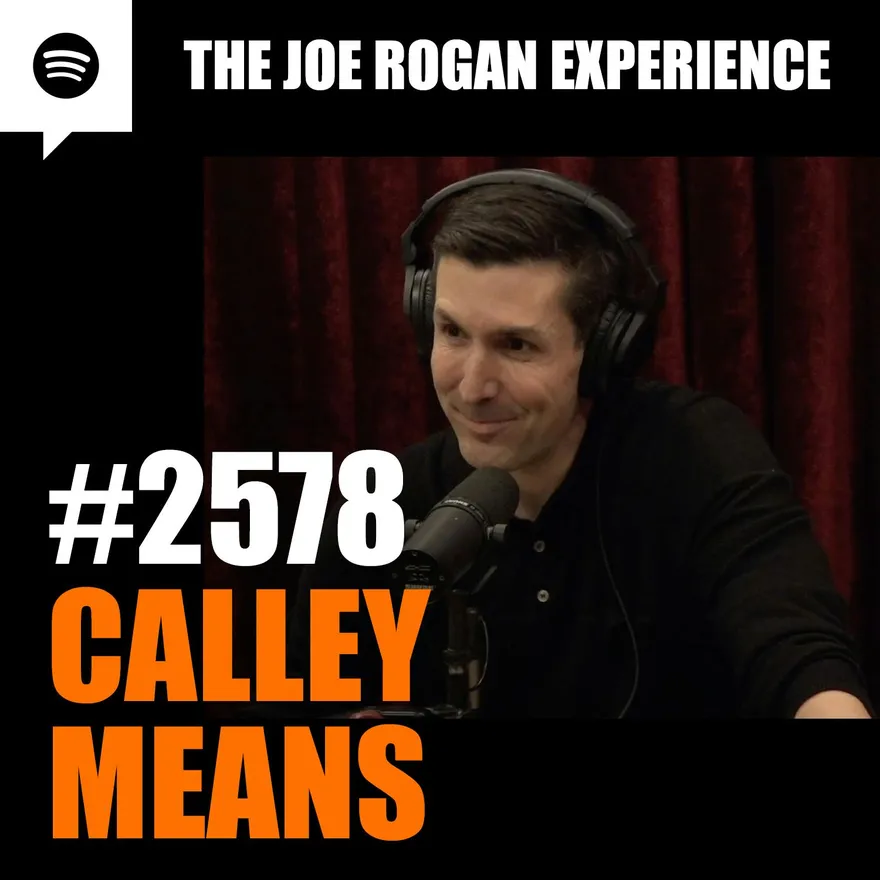

This is a preview of the Shortform summary of the Nov 6, 2026 episode of the The Joe Rogan Experience
Sign up for Shortform to access the whole episode summary along with additional materials like counterarguments and context.
1-Page Summary
Centralized Power in the Trump White House
Calley Means describes an unusually centralized White House structure where Chief of Staff Susie Wiles wields unprecedented control over policy decisions. According to Means, this environment prioritizes corporate donors and lobbyists over voter mandates, resulting in delayed or blocked reforms, particularly in health and anti-corruption policy.
Wiles' Control and Lobbying Background
Means characterizes Wiles as the most powerful Chief of Staff in modern history, requiring her office's approval for all policy initiatives. Cabinet secretaries spend considerable time navigating her network of allies, including James Blair, Tony Fabrizio, Walker Barrett, Richard Walters, and Chris Lesavita. Before joining the White House, Wiles worked as a top lobbyist for industries including pharmaceuticals, pesticides, and Netanyahu's administration—sectors often opposed to health reform.
This inner circle benefits materially from their positions. Fabrizio simultaneously advises the administration while receiving payments from corporations like Pepsi, Pfizer, and Philip Morris. Wiles' daughter joined Continental Strategies, whose revenue surged to $30 million annually after Trump took office, with companies hiring her firm for fast-track policy outcomes. Similarly, Lesavita's family firms saw explosive revenue growth. Ballard Partners, where Wiles previously worked, has become the most lucrative lobbying firm in U.S. history, drawing nearly $100 million in reported revenue, with lobbyists explicitly mentioning their ability to call Wiles directly to block or delay actions.
Policy Paralysis and Midterm Strategy
From the administration's early days, Wiles and her team aligned White House policy with midterm election strategy, arguing that policies threatening special interests should be shelved to protect fundraising. Blair and Fabrizio's focus on gerrymandering resulted in months of policy paralysis. Despite broad public support for policies like school lunch reform and pesticide regulation—with 92% of Republicans favoring such measures—Fabrizio used his polling to argue against these politically viable issues. The rationale was that securing industry donations was critical for midterm success, yet this approach resulted in historic electoral losses, demonstrating that prioritizing donor interests over voter mandates failed both morally and strategically.
Cabinet secretaries grew frustrated by the centralization, with policy meetings increasingly focused on navigating internal gatekeeping rather than implementing voter-supported reforms.
Trump's Lack of Awareness
Despite this tight control, Trump remained largely unaware of key policy decisions. He expressed shock when informed about a Supreme Court decision on glyphosate and a DOJ brief on pesticides, questioning how these positions were taken without his knowledge. Trump has shown support for policies like psychedelic therapy for veterans and vaccine research, aligning with health-focused MAHA principles, but his staff blocked or delayed such initiatives. Means notes that the scale of the federal government—with millions of employees and thousands of policy issues—makes it impossible for any president to micromanage every decision, creating vulnerabilities that operatives like Wiles exploit to advance their own agendas while Trump's attention is elsewhere.
Specific Cases of Policy Sabotage
Glyphosate Case
Means explains that the U.S., with 4% of the world's population, uses 20% of global glyphosate, contributing to American children being the sickest in the developed world. Despite 92% of Republicans supporting pesticide regulation and Trump's campaign pledges to address this issue, internal resistance was fierce. Courtney Knupp, who later became CEO of the soybean board, pushed to frame glyphosate as a national security issue, leading to an executive order that farming state generals dismissed.
The EPA's 30-year glyphosate review was thrown out in court because Bayer ghostwrote research and bribed EPA officials. Despite clear cancer links—Iowa and Kentucky now have the world's highest cancer rates—the administration granted Bayer legal immunity. The critical moment came when Trump's DOJ, through Heidi Overton and Sarah Harris (who had worked for Bayer's law firm), submitted a brief urging the Supreme Court to protect Bayer from liability. Bobby Kennedy, the health official meant to oversee such policy, was excluded from the entire process.
[restricted term] and Vaping
Means describes how the vaping industry lobbied through Wiles' network to increase [restricted term]'s legal potency limit by 20 times, creating a "gas station heroin" crisis in opioid-devastated communities—despite Trump's anti-opioid campaign promises. Similarly, James Blair made fruit-flavored vaping a priority "midterm issue," arguing it was key for young male voters. When FDA official Marty Azar refused to approve these products without legally required harm studies, he was fired, and Overton authorized the policy change. This triggered lawsuits from major health organizations like the American Heart Association, as about 70% of youth say they would avoid vaping without flavors.
Moderna mRNA Flu Vaccine
Azar also blocked Moderna's mRNA flu vaccine, citing deaths in clinical trials and only a 0.8% risk reduction. After facing "unrelenting" corporate pressure via Ballard and Wiles' network, Azar was dismissed. Overton then led an advisory committee stacked with industry insiders that approved the vaccine, exemplifying regulatory capture.
School Lunch and Food Reform
Efforts to define ultra-processed foods using basic criteria were broadly supported by groups like the American Heart Association. However, after industry calls to Wiles and her team, the policy was blocked. Wiles denied awareness of special interest input when confronted by Means and Kennedy, but privately complained about having to "do something about Maha." Stocks of major junk food companies surged 8% after the block. School lunch reform also stalled, despite agency-wide alignment to remove sugary desserts from breakfasts and add minimum protein.
Throughout these cases, Bobby Kennedy faced systematic exclusion and obstruction from his own staff, with policies advanced without his knowledge and constant aggressive lobbying from Ballard Partners, despite broad grassroots support for his initiatives.
Systemic Corruption in Washington DC
Washington suffers from systemic corruption driven by the revolving door between government and corporate lobbying. Means highlights that 19 out of 20 people he worked with at HHS become lobbyists for the industries they once regulated. About 90% of retiring generals immediately become defense contractors, and former officials like Courtney Knupp now lead lobbying groups advocating for products like glyphosate.
Corporate CEOs regularly host dinners with White House staffers and agency employees, building relationships less about public service and more about evaluating future employees who can later lobby for their companies. Senators reportedly spend up to 90% of their time fundraising from corporate donors rather than engaging with constituents or legislating. This pervasive influence means that Congress hasn't passed a major bill confronting special interests in at least two decades.
Means argues that public pressure can achieve incremental progress, but without institutional, structural reform, major change is impossible. He points to two theoretical paths for reform: a president must run on institutional reform as the central promise, refusing to sign other legislation until Congress passes a bipartisan amendment attacking corporate money in politics, or states can use Article V of the Constitution to call a constitutional convention, bypassing Congress entirely. Polls suggest 95% of Americans want a constitutional amendment to remove corporate influence from politics, yet the rules remain rigged.
Disconnect Between Trump's Promises and Actions
Trump ran on anti-corruption and health reform promises that resonated with Americans exhausted by broken institutions. Despite bold talk, these reforms met fierce resistance from entrenched operatives and special interests. Means recounts how efforts led by Bobby Kennedy achieved progress on issues like dietary guidelines and food dye removal only through intense struggle, with Wiles and Fabrizio blocking momentum using Trump's busy schedule and insulation from direct debate.
The administration's reliance on traditional strategies—gerrymandering, redistricting, and corporate fundraising—led to major midterm losses, resulting from a disconnect between campaign promises and actions in office. In agricultural states, frustration over water quality and cancer rates became major political issues, yet the White House failed to respond to this clear voter mandate. Even in Iowa, both Republican and Democratic candidates opposed liability protections for pesticide companies, proving that voters favored health-focused reforms.
Means argues that the administration can still correct course by removing operatives blocking policy and returning to its anti-corruption and health agenda. This requires confronting staff and elevating cabinet secretaries committed to reform. He suggests partnering with reform-minded progressives like Alexandria Ocasio-Cortez, who share anti-corporate priorities. Means calls the situation both grave and redemptive: the Trump presidency can still reclaim a historic legacy as a disruptor of entrenched powers—if it returns to the bold anti-corruption platform that first earned voter trust.
1-Page Summary
Additional Materials
Counterarguments
- Centralized decision-making in the White House is not unique to the Trump administration; many previous administrations have relied on strong chiefs of staff to coordinate policy and manage access to the president.
- Lobbying and the revolving door between government and industry are longstanding features of Washington, D.C., and not exclusive to any one administration or party.
- The presence of former lobbyists or individuals with industry ties in government roles does not inherently mean that all policy decisions are made to benefit special interests; such individuals may also bring valuable expertise.
- Fundraising and electoral strategy are integral parts of modern political campaigns for both major parties, and aligning policy with electoral considerations is a common practice.
- The complexity and scale of the federal government make it difficult for any president to be aware of every policy detail, regardless of staff structure.
- Some policy delays or blocks may result from legitimate differences in policy priorities, legal constraints, or the need for further study, rather than solely from corporate influence.
- The assertion that Congress has not passed any major legislation confronting special interests in two decades overlooks some bipartisan reforms, such as the 2010 Dodd-Frank Act and the 2022 Bipartisan Infrastructure Law, which included provisions affecting corporate interests.
- The effectiveness and feasibility of a constitutional convention via Article V are debated, with concerns about unintended consequences and lack of precedent.
- While public opinion polls may show support for reducing corporate influence, translating broad sentiment into specific, actionable policy is complex and subject to constitutional and legal constraints.
- The claim that policy changes directly caused increases in lobbying firm revenues or stock prices may conflate correlation with causation, as multiple factors can influence these outcomes.
Actionables
- you can track and share how your elected officials vote on health, anti-corruption, and corporate influence issues by setting up a simple spreadsheet and posting regular updates on your social media or in group chats, making it easy for friends and family to see if their representatives align with public interests or special interests.
- a practical way to reduce corporate influence in your daily purchases is to research and choose products from companies with transparent lobbying records or those that publicly support health and anti-corruption reforms, then share your findings with others to encourage collective action.
- you can write a short, personalized letter to your local representatives asking them to publicly disclose all meetings with lobbyists and corporate donors, and encourage others in your network to do the same, increasing pressure for transparency and accountability.


Get access to the context and additional materials
Centralized Power in the Trump White House
Calley Means describes a uniquely centralized structure within the Trump White House, with Susie Wiles, the Chief of Staff, wielding unprecedented influence over policy decisions. This environment prioritizes the interests of corporate donors and lobbyists over voter mandates, contributing to the delay or blockage of popular reforms, especially in health and anti-corruption policy.
Susie Wiles, Chief of Staff, Controls Policy With Lobbyists Favoring Special Interests Over Voter Mandates
Susie Wiles, Dominant Chief of Staff, Controls Policy By Requiring Office Approval For Cabinet Initiatives
Susie Wiles, described by Means as the most powerful Chief of Staff in modern history, maintains a stranglehold on White House decision-making. No policy initiative in the administration proceeds without her office's explicit approval. Means reports that cabinet secretaries and staff spend substantial time and energy seeking to remain on Wiles’ good side, as her deputies hold the keys to substantive policy advancement. Wiles’ network includes close allies such as James Blair, head of political operations; Tony Fabrizio, Trump’s chief pollster; Walker Barrett, powerful congressional staffer; Richard Walters, key fundraiser; and Chris Lesavita, campaign manager.
Wiles' Lobbying For Netanyahu's Administration, Pharmaceutical and Pesticide Industries Demonstrates Her Pattern Of Accepting Money From Industries Opposed To Health Reform and Anti-Corruption Efforts
Before joining the Trump White House, Wiles was a top lobbyist with a record of accepting contracts from powerful interests, including consultation for Benjamin Netanyahu's administration and deep involvement with pharmaceutical and pesticide companies. According to Means, Wiles has spent her career taking money from industries and foreign governments paying the highest fees—often those directly opposed to health reform and anti-corruption initiatives.
Operatives: James Blair, Tony Fabrizio, Walker Barrett, Richard Walters, and Chris Lesavita Manage Political Strategy, Polling, and Policy For Wiles, Accepting Payments From Aligned Corporations
This inner circle not only directs political and policy strategy but also benefits materially from their roles. Fabrizio, for instance, simultaneously advises the administration and receives payments from corporations like Pepsi, pharmaceutical manufacturers, tobacco, and pesticide companies. These connections are open, with his clients listed publicly, including Pfizer, Procter & Gamble, Philip Morris, and more. The team's combined influence ensures that every major policy issue is filtered through their interests, often aligning with those of their corporate clients.
Families Profiting From White House Access: Wiles' Daughter and Lesavita's Firms See Revenue Surge Under Trump
Influence extends to the families of these operatives. Wiles' daughter joined the lobbying firm Continental Strategies, whose revenue soared from almost nothing to about $30 million a year after the Trump administration began—a surge linked to companies hiring her for fast-track policy outcomes. It became an open secret in the White House that paying Wiles’ daughter’s firm virtually guaranteed policy consideration. Similarly, Chris Lesavita’s family profited through newly created firms that saw explosive revenue growth concurrent with their access to the administration.
Ballard Partners, Where Wiles Worked, now Generates the Highest Revenue in Lobbying History, With Companies Hiring Them For Access to Wiles and Favorable Policies, Creating a System Where Corporate Interests Can Buy Government Influence
Wiles’ former firm, Ballard Partners, has become the most lucrative lobbying firm in U.S. history, drawing in nearly $100 million in reported revenue—which Means notes is likely a fraction of the total via dark-money arrangements. The firm’s rise is closely linked to insider expectations that hiring Ballard secures direct influence over White House policy, particularly with Wiles at the helm. Means explains that, in D.C., "you have to pay Ballard to get something done," and their growth mirrors their deep ties and access to White House decision makers. Lobbyists for major food companies explicitly mention being able to call Wiles and White House contacts directly to block or delay actions like the ultra-processed food definition.
Operatives Surround Wiles to Delay or Block Popular Health and Anti-Corruption Policies, Focusing On Midterms to Avoid Offending Corporate Donors and Maintain Electoral Success
Blair and Fabrizio's Midterm Strategy Focused On Gerrymandering, Causing six Months of Policy Paralysis in Trump's Administration
From "almost day one," Wiles and her core team aligned the White House’s policy approach with midterm election strategy, frequently arguing that policies threatening special interest configurations should be shelved to protect fundraising for the midterms. Blair and Fabrizio spearheaded strategies like nationwide gerrymandering to protect Republican prospects, resulting in substantial policy paralysis, with reforms stalled for months.
Tony Fabrizio, Trump's Pollster, Was Paid by Pepsi, Pharmaceuticals, and Industries Opposing Maha, Used His Polling to Argue Against Politically Viable Issues With Over 90% Public Support
Tony Fabrizio, while operating as Trump's chief pollster, was paid by a range of corporate clients, many actively opposing the Maha (health-focused) agenda. Despite broad public support for policies like school lunch reform, processed food labeling, and new pesticide regulations, Fabrizio employed polling to claim these issues were not politically viable, using his influence to block or delay their consideration. For example, he imposed a complete halt on vaccine inquiry or research—a move later reversed only by Trump’s direct intervention.
The White House Operatives Claimed They Needed to Delay Popular Policies Like School Lunch Reform, Ultra-Processed Food Definitions, and Glyphosate Regulation Because Special Interest Money Was Essential for Midterm Victory, a Rationalization That Proved False When the Administration Suffered Historic Losses In the Elections Anyway
Policies with broad internal and external support—including defining ultra-processed foods, advancing healthy school lunch initiatives, and regulating harmful chemicals like glyphosate—were delayed or blocked after corporate lobbying. The rationale, repeated by Wiles and her deputies, was that securing industry donations was critical for winning the midterms. However, this approach resulted in historic electoral losses, demonstrating that prioritizing donor interests over voter mandates failed even a ...
Here’s what you’ll find in our full summary
Centralized Power in the Trump White House
Additional Materials
Counterarguments
- Centralized decision-making in the White House is not unique to the Trump administration; many presidents have relied on strong chiefs of staff to coordinate policy and maintain message discipline.
- Lobbying backgrounds are common among high-level political appointees in both parties, and prior work for industries or foreign governments does not necessarily predetermine policy outcomes.
- The presence of corporate interests in policymaking is a longstanding feature of American politics and not exclusive to the Trump administration.
- Revenue growth for lobbying firms connected to administration officials is a pattern observed across multiple administrations, not just under Trump.
- Delaying or shelving controversial reforms before midterm elections is a common political strategy used by both parties to avoid alienating key donors or voter blocs.
- Pollsters and political strategists often work for both corporate and political clients, and their influence on policy is subject to checks by other officials and public scrutiny.
- The complexity and scale of the federal government inherently limit any p ...
Actionables
- You can track and compare how your elected officials vote on popular reforms versus the interests of major donors by using public records and then share a simple summary with friends or family to raise awareness about potential conflicts of interest.
- A practical way to spot and avoid misinformation or policy manipulation is to set up a personal checklist for evaluating news stories, such as checking for donor influence, consulting multiple sources, and noting if policies are delayed or blocked despite broad public support.
- You can writ ...

Get access to the context and additional materials
Specific Cases of Policy Sabotage
Glyphosate Case: Trump Administration Betrayed Anti-Corruption Mandate By Granting Bayer Liability Protection Despite Ghostwriting Research, Bribing EPA Officials, Public Opposition, and Health Crisis
Calley Means explains that the United States, with just 4% of the world’s population, uses 20% of global glyphosate, resulting in record levels of exposure. American children are now the sickest in the developed world, with the highest rates of pediatric cancers, autoimmune disorders, metabolic and hormonal issues, driven significantly by diet and environmental toxins like glyphosate. This was a top voter concern, reflected in polling showing 92% of Republicans supporting pesticide regulation, and a repeated campaign pledge by Trump to address pesticide misuse.
Yet, Means recounts a fierce fight even to mention “glyphosate” in internal reports, highlighting the resistance from industry lobbyists and operatives close to the White House, particularly Susie Wiles and Courtney Knupp. Knupp, who later became CEO of the soybean board (a major glyphosate advocate), pushed hard to frame glyphosate as a national security issue, overriding military leaders who did not support this framing. This effort led to an executive order labeling glyphosate as a national security need—a rationale the farming states’ own generals dismissed.
EPA's 30-year Glyphosate Review Invalidated: Bayer's Interference & DOJ's Supreme Court Intervention
The regulatory process was heavily compromised. The EPA had not formally reviewed glyphosate in nearly 30 years; its last review was thrown out in court because Bayer ghostwrote the research and bribed EPA officials. Despite clear links between glyphosate and cancer—especially in epicenter states like Iowa and Kentucky, which have the world’s highest cancer rates—the administration moved to grant Bayer legal immunity from lawsuits.
The pivotal moment came as the Supreme Court considered taking a case on glyphosate liability. Means says the Trump DOJ’s intervention was decisive: the Supreme Court was unlikely to take the case without a formal brief from the administration urging them to do so. Heidi Overton, an FDA nominee connected to Susie Wiles, worked with DOJ lawyers—particularly Sarah Harris, who had previously worked for Bayer’s main law firm—on an argument in favor of liability protection. None of this involved Bobby Kennedy, the health official meant to oversee such policy. Unlike the Biden administration, which avoided intervention, Trump’s DOJ’s brief triggered the Court’s liability protection for Bayer, shielding the company from legal recourse by families harmed by glyphosate.
Glyphosate Epicenters Iowa & Kentucky: Record Cancer Rates, Undrinkable Water, Liability Protections Egregious
Iowa's cancer rates are now the highest globally, with Kentucky close behind. These farm-heavy states, where glyphosate use is concentrated, now struggle with undrinkable tap water and surging cancer clusters. Local farmers are increasingly concerned with rising health crises—disputing the narrative that all farmers support pesticide immunity.
Administration and Corporate Coordination
Means details conflicts of interest: Overton’s White House- and DOJ-coordinated Supreme Court push, Harris’s brief from Bayer’s law firm, and Wiles’s direct pressure to block dissent, excluding Kennedy from proceedings. The process gave corporate lobbyists immense power over a policy almost universally opposed by the public, all without open presidential oversight.
Vaping Industry Lobbies Trump to Relax [restricted term] Standards, Enabling Sale of Addictive Substances at Gas Stations, Harming Opioid-Affected Communities
Means and Grusch describe the rapid expansion of [restricted term], derived from leaves with opioid properties (primarily the compound 7-Oh), into a multi-billion-dollar “gas station heroin” industry. Its legal gray area allowed high-potency [restricted term] products to proliferate, destroyed by deaths and addiction, especially in opioid-devastated blue-collar states.
While health agencies originally limited 7-Oh to 0.05%, requiring someone to consume 20-40 bottles for a high, relentless lobbying—spearheaded by Susie Wiles’ network and vaping industry allies—increased the legal limit by 20 times. This made [restricted term] beverages easily addictive, targeting communities already hit by opioids. Despite Trump’s anti-opioid campaign promises, policy was reversed under lobbying pressure, and the resulting addiction crisis saw rising deaths and no meaningful public health debate.
Trump Administration Seeks Approval For Fruit-Flavored Vaping For Youth Despite Law Requiring Harm Studies
The vaping industry, flush with tobacco money, funneled funds to Ballard Partners and related operatives to gain regulatory approval for fruit-flavored vape products, which drive youth nicotine initiation. James Blair made fruit-flavored vaping a priority “midterm issue,” arguing it was key for young male Trump voters—despite polling and the skepticism of other health staffers.
FDA official Marty Azar (McCarey) resisted and refused to approve these products without legally required harm studies. After being fired for his stance, Heidi Overton—seen as loyal to Wiles—authorized the policy change. This reversal triggered lawsuits from major health organizations like the American Heart Association, which noted the lack of youth safety studies. Flavored vaping is popular: about half of high school students report vaping, and 70% of youth say they would avoid vaping without flavors, showing that industry lobbying produced policies fueling widespread youth addiction.
Trump Administration, Via Susie Wiles' Network and Heidi Overton, Blocked Marty Azar's Push For Moderna mRNA Flu Vaccine Safety Studies; Removed Him After Refusing to Approve It Despite Trial Deaths
Marty Azar was at the center of FDA efforts to assess safety of the Moderna mRNA flu vaccine. He rejected the initial application, citing two major issues: the study compared the vaccine against an outdated standard of care and showed only a negligible 0.8% risk reduction with a significant side effect burden—including deaths in the clinical trial group. Despite urging for a proper study, Azar faced “unrelenting” corporate pressure via Ballard and Susie Wiles’ network. Heidi Overton, Azar’s mentee, admitted to Means that she was abandoning her scientific integrity due to the pressure. After Azar’s dismissal, Overton led the advisory committee—stacked with industry insiders ...
Here’s what you’ll find in our full summary
Specific Cases of Policy Sabotage
Additional Materials
Counterarguments
- The scientific consensus on glyphosate’s carcinogenicity remains debated; major regulatory agencies such as the EPA, EFSA, and WHO/JMPR have concluded that glyphosate is unlikely to pose a carcinogenic risk to humans at typical exposure levels.
- Correlation between glyphosate use and cancer rates in Iowa and Kentucky does not establish causation; multiple environmental, lifestyle, and genetic factors contribute to cancer incidence.
- Legal immunity for Bayer regarding glyphosate lawsuits was not absolute; the Supreme Court’s decision was based on federal preemption doctrine, which is a standard legal principle, not unique to this administration.
- The FDA and EPA regulatory processes involve multiple layers of review and public comment, and allegations of regulatory capture or undue influence require substantiated legal findings, not just anecdotal reports.
- The expansion of [restricted term] and vaping products is also influenced by consumer demand and gaps in federal regulation, not solely by industry lobbying.
- Some public health officials and scientists argue that harm reduction approaches (such as vaping as an alternative to smoking) can have net positive effects, and regulatory decisions often weigh these trade-offs.
- The definition of “ultra-processed food” is not universally agreed upon in the scientific community, and some nutrition experts caution agains ...
Actionables
- You can use a personal food and product log to track and gradually swap out items likely to contain glyphosate, ultra-processed ingredients, or artificial flavors, then share your findings with friends or family to encourage collective change; for example, keep a simple notebook or phone note where you jot down brands and foods you eat, look up their ingredient sources, and experiment with alternatives, noting any changes in how you feel or your grocery bill.
- A practical way to reduce exposure to lobbying-influenced products is to set up a recurring calendar reminder to review and update your household’s most frequently purchased foods, beverages, and cleaning products, prioritizing those with transparent ingredient sourcing and minimal processing; for instance, once a month, check labels for new additives or changes, and rotate in new brands that publish independent safety testing.
- You can create a simple, anonymou ...
Get access to the context and additional materials
Systemic Corruption in Washington Dc
Washington, DC suffers from systemic corruption largely driven by the revolving door between government service and corporate lobbying, the dominance of corporate money in politics, and the near impossibility of enacting structural reform through Congress. Calley Means and others describe how entrenched interests, especially in sectors such as health, agriculture, defense, and finance, influence and often subvert public policy, leaving institutional reform as the only viable solution.
Revolving Door: Government To Lobbying, Enriching Officials' Families Through Corporate Ties
Nearly all high-ranking officials in the Department of Health and Human Services (HHS) and elsewhere in federal government transition to lucrative private sector roles immediately after leaving office. Calley Means highlights that 19 out of 20 people he worked with at HHS become lobbyists for the very industries they were supposed to regulate, particularly the pharmaceutical and food sectors. Similarly, almost every health policy official working with figures like Bobby Kennedy leaves to work for special interest industries after government service.
The phenomenon extends to national security and defense, where about 90 percent of retiring generals become contractors immediately after their military careers, creating deep conflicts of interest when future policy is crafted with personal gain in mind. In agriculture, former National Security Council staffers like Courtney Knupp now serve as CEOs for lobbying groups such as the soybean board, which advocates for products like glyphosate.
Corporate CEOs, including Dave Ricks of Eli Lilly, nurture relationships with government officials, regularly hosting dinners with mid-level White House staffers and agency employees to build connections. These interactions are less about serving the public and more about evaluating future employees who can later lobby for their companies. Such relationships extend deep into federal agencies like the FDA, where executives from industries like pharma maintain regular contact and exercise influence—often hiring staff who previously worked as regulators or policymakers.
In Congress, the situation is just as dire. Senators are consumed by the need to raise campaign funds, reportedly spending up to 90 percent of their time fundraising from corporate donors. This leaves little time for engaging with constituents or thoughtful legislating. The shift from state legislature-appointed senators to direct election through the 17th Amendment did not lessen corporate influence; instead, it appears to have increased it, as senators now must constantly seek money from special interests rather than state legislatures.
The cumulative effect is a system where legislative and regulatory priorities are set not by public good or expert consensus but by profit motives. Policy debates and legislative processes become games orchestrated by corporate money, making Americans' hopes for fair governance or meaningful policy change all but futile.
Corruption by Corporate Money Means Institutional Reform Is the Only Path
The overwhelming influence of corporate money means that even widely supported initiatives rarely become law if they threaten special interests. Congress has not passed a major bill confronting special interests in at least two decades, underscoring the reality of bipartisan regulatory capture. Policies such as Obamacare, often championed as major reforms, are cited as being written primarily by—and for—the insurance industry, resulting in rising healthcare costs and soaring profits for insurers rather than relief for the public.
This monopoly of special interests is so pervasive that both Democratic and Republican leaders campaign against corporate influence but consistently side with donors once in office. After leaving government, many politicians become lobbyists themselves, perpetuating this cycle.
However, public pressure can achieve incremental progress. Examples include Maha’s successful campaigns to demand more transparent dietary guidelines, scrutiny of food dyes, and advancements in psychedelics. Yet, such gains are limited. Calley Means argues that if Americans are inspired by promises of bold policy under the current system, they are being lied to—without institutional, structural reform, major change is i ...
Here’s what you’ll find in our full summary
Systemic Corruption in Washington Dc
Additional Materials
Counterarguments
- While the "revolving door" phenomenon exists, many former officials also move into academia, non-profits, or retire, and not all become lobbyists or act unethically.
- The direct election of senators via the 17th Amendment increased democratic accountability by making senators answerable to voters rather than state legislatures, which themselves were not immune to corruption or special interests.
- Some policy reforms, such as the Affordable Care Act, included significant public health provisions and expanded coverage for millions, despite industry involvement in the legislative process.
- There are examples of bipartisan legislation that have confronted special interests, such as the Dodd-Frank Act, which imposed new regulations on the financial industry after the 2008 crisis.
- Not all corporate lobbying is inherently corrupt; some lobbying efforts represent legitimate business interests or advocate for beneficial public policies.
- The influence of corporate money in politics is significant, but other factors—such as ideology, constituent interests, and party priorities—also shape legislative outcomes.
- Incremental policy improvements, while limited, have led to meaningful changes in areas like food label ...
Actionables
- you can track and share the career moves of public officials in your area by setting up simple alerts for government job changes and posting updates on social media, helping friends and neighbors see patterns in the revolving door between government and industry
- set up Google Alerts for names of local or national officials, then post a monthly summary of who moved from public office to private sector roles, highlighting any connections to industries they once regulated.
- a practical way to reduce the influence of corporate money is to use only small-dollar donations when supporting candidates and to publicly ask candidates about their fundraising sources before you vote
- before elections, email or call campaign offices to ask if they accept corporate PAC money, then share their responses with your network and encourage others to do the same, making it easier for voters to choose candidates less tied to special interests.
- you can help expose confli ...
Get access to the context and additional materials
Disconnect Between Trump's Promises and Actions
Trump Administration's Health and Anti-Corruption Policies Stalled by Special Interests
Donald Trump ran on a platform of anti-corruption, promising to “drain the swamp” and deliver major health reforms. Calley Means describes how, during Trump’s campaign and early days in office, there was genuine optimism: the administration projected a willingness to take on both partisan battles and special interests. He notes that this message resonated with Americans who were spiritually and materially exhausted by systemic corruption and broken institutions. The administration seemed poised to deliver significant policy shifts—particularly in areas like healthcare, food safety, and drug policy—by leveraging public truth-telling, shame tactics, and media pressure to shift culture and force institutional change.
Despite bold talk, however, these reforms met fierce resistance inside the administration, largely due to entrenched operatives and outside special interests. Means recounts how efforts to use public shame and coalition-building, often led by Bobby Kennedy and others, achieved progress on issues like dietary guidelines, food dye removal, and psychedelic research only through intense struggle. Major corporate interests, powerful lobbies, and key figures—namely Susie Wiles and Tony Fabrizio—slowed or blocked policy momentum, using Trump’s busy schedule and insulation from direct debate as tools to stall critical health and anti-corruption initiatives.
Efforts to advance vaccine research and psychedelic reform, both aligned with Trump’s campaign promises and with the Maha agenda on health, faced direct obstruction. Means cites directives from top staff to delay or stop these reforms altogether, while personal interventions with Trump—who remained supportive of aggressive health action when directly briefed—were crucial in breaking through bureaucratic resistance. Trump’s own insistence on fast-tracking research on psychedelics and other health reforms was vital to whatever progress was made; still, many inside the White House worked in opposition, often motivated by alternative priorities or personal enrichment.
Trump’s inner circle, particularly Susie Wiles, wielded substantial control, treating Trump as a figurehead and preventing major policy decisions from reaching him. Means notes the culture of decision-making shifted to operatives whose main expertise was campaign analytics, fundraising, or maintaining insider relationships. Cabinet secretaries and reform-oriented staff found their efforts constrained, forced to operate under a system that prized corporate influence and used institutional inertia to resist meaningful reform.
Midterm Loss Due to Ignoring Voter Mandates for Corporate Money, Proving Immoral Strategy Ineffective
The reliance on traditional strategies—gerrymandering, redistricting, and maximized corporate fundraising—helped the administration win certain tactical battles but ultimately led to major midterm losses. Means argues these losses resulted from a disconnect between the administration’s campaign promises and its actions in office, particularly its failure to deliver on anti-corruption and populist health reforms. The administration’s strategy misunderstood voter priorities, ignoring mandates for driving out corporate money and restoring integrity to government.
Trump’s most effective political moments, particularly in his 2024 resurgence, stemmed not from analytics or big-dollar donors but from direct voter contact, populist appeals, and outspoken anti-establishment stances. However, operatives around Trump continued to run a conventional playbook that de-emphasized these themes. This disconnect left the party vulnerable and the base disillusioned.
In agricultural states, frustration over water quality, cancer rates, and corporate control of food safety became major political issues—matters that closely aligned with the Maha coalition’s health and anti-corruption agenda. Large agricultural companies, eager to maintain use of pesticides like glyphosate, lobbied heavily for regulatory protections, buying off senators from farm states. However, even in Iowa—where water quality and cancer rates dominated the election—both Republican and Democratic candidates opposed liability protections for these companies. Means cites this as proof that voters, including agricultural producers, opposed the status quo and favored reforms focused on health, clean water, and accountability. The White House’s failure to respond to this clear voter mandate reinforced the perception of an out-of-touch administration.
Trump Administration Can Correct Course By Removing Operatives Blocking Policy and Returning To Anti-Corruption and Health Agenda, but This Requires Confronting Staff and Accepting Poor Advice
Means argues that the administration’s legacy—cur ...
Here’s what you’ll find in our full summary
Disconnect Between Trump's Promises and Actions
Additional Materials
Clarifications
- Calley Means is a political analyst and commentator known for detailed critiques of government policy and administration dynamics. Means often focuses on the intersection of politics, health policy, and corruption. Their work is cited for insider perspectives on White House operations and reform efforts. This background gives Means credibility in analyzing the Trump administration’s internal challenges.
- The "Maha agenda" refers to a health and anti-corruption platform associated with the Make America Healthy Again movement. It emphasizes reforming healthcare, advancing medical research (including psychedelics), and combating corporate influence in health policy. The agenda seeks to prioritize public health and transparency over special interests. It gained traction among voters frustrated with systemic corruption and inadequate health protections.
- Susie Wiles is a longtime political strategist closely tied to Trump, known for managing his campaigns and controlling access to him, effectively acting as a gatekeeper. Tony Fabrizio is a pollster and strategist who advises on campaign messaging and public opinion. Both wield significant behind-the-scenes power, shaping decisions and filtering information reaching Trump. Their influence often prioritizes political strategy and insider interests over policy reform.
- Bobby Kennedy Jr. is a well-known environmental attorney and activist focused on public health and vaccine safety. He has long campaigned against corporate influence in health policy and advocated for stricter regulations on pollutants and pharmaceuticals. His involvement in health reform efforts often centers on challenging powerful industry interests to protect public welfare. Kennedy’s legacy as a member of the Kennedy family also lends significant public attention and credibility to these causes.
- “Public truth-telling” involves openly exposing facts or wrongdoing to inform and mobilize the public. “Shame tactics” use public criticism to pressure individuals or institutions into changing behavior. Both strategies rely on transparency and social accountability to overcome resistance. They aim to create political and cultural momentum for reform.
- The proposed dietary guideline reforms aimed to update nutrition advice to reduce processed foods and harmful additives. Food dye removal focused on eliminating artificial colorings linked to health risks like hyperactivity in children. Psychedelic research involved studying substances like psilocybin for potential treatments of mental health disorders. These reforms sought to improve public health by addressing both diet quality and innovative medical therapies.
- The “conventional playbook” refers to traditional political tactics like relying heavily on data analytics, corporate fundraising, and manipulating electoral boundaries (gerrymandering) to secure votes. These methods prioritize maintaining established power structures and appealing to entrenched interests rather than directly engaging voters. In contrast, populist strategies focus on grassroots mobilization, direct voter contact, and anti-establishment messaging that emphasizes fighting corruption and representing ordinary people. Populism seeks to build broad, emotional support by addressing voters’ immediate concerns and distrust of elites.
- Gerrymandering is the manipulation of electoral district boundaries to favor one party, often creating safe seats but reducing overall competitiveness. Redistricting is the process of redrawing these boundaries, usually after a census, which can be exploited for political gain. While these tactics can secure short-term wins, they may alienate moderate voters and suppress turnout by making elections feel predetermined. This can lead to backlash and losses when voters seek genuine representation and reform.
- Glyphosate is a widely used herbicide linked by some studies to cancer and environmental harm, sparking public health concerns. Regulatory protections often shield manufacturers from liability, limiting lawsuits and stricter controls. Agricultural companies lobby to maintain these protections to avoid costly restrictions and preserve pesticide use. This creates tension between public health advocates seeking accountability and industry interests defending current regulations.
- In this context, being "treated as a figurehead" means Trump was often kept from directly engaging in detailed policy decisions. Key advisors and operatives controlled information flow, filtering what reached him to maintain their own influence. This limited his ability to make fully informed or independent choices. Such dynamics can create a disconnect between a leader’s intentions and actual policy outcomes.
- Institutional inertia refers to the resistance to change within established organizations or systems due to existing rules, habits, and power structures. It slows policy reform by making it difficult to alter procedures, priorities, or leadership that benefit entrenched interests. This resistance often protects the status quo, even when change is needed or promised. Overcoming institutional inertia r ...
Counterarguments
- The narrative that Trump was consistently blocked by staff and operatives may understate his own responsibility as president for setting priorities and managing his administration.
- Many of the Trump administration’s policy delays or failures in health and anti-corruption areas were also present in previous administrations, suggesting systemic challenges rather than unique sabotage by insiders.
- Some critics argue that Trump’s appointments of industry-friendly officials to key regulatory positions (e.g., at the EPA, FDA, and HHS) reflected a willingness to accommodate corporate interests, contradicting the anti-corporate reform narrative.
- The claim that Trump was insulated from decision-making by staff may be challenged by reports of his direct involvement in many policy decisions and his management style, which often encouraged competing factions.
- The assertion that bipartisan reform is readily achievable may overlook deep ideological divides between progressives and conservatives on the specifics of healthcare, drug policy, and regulatory reform.
- The focus on health and anti-corruption as the main reasons for midterm losses may ignore other significant factors, such as demographic shifts, candidate quality, and broader national trends.
- Some observers c ...
Get access to the context and additional materials


Create Summaries for anything on the web
Download the Shortform Chrome extension for your browser
