

#2568 - Ross Edgley
In this episode of The Joe Rogan Experience, Joe Rogan and endurance athlete Ross Edgley discuss the intersection of extreme physical challenges and ocean conservation. Edgley shares his experiences completing grueling swims—including a 112-day circumnavigation of Iceland and a 60-hour Loch Ness swim—that pushed his body to its limits while raising awareness about marine biodiversity and environmental threats.
The conversation explores the neuroscience behind endurance and resilience, examining how elite athletes develop the mental capacity to persist through severe physical breakdown. Edgley and Rogan discuss training methodologies across endurance and combat sports, recovery technologies like stem cell therapy and hyperbaric oxygen, and how modern regenerative medicine is extending athletic careers. They also touch on cultural perspectives about consciousness and reality, drawing connections between extreme physical adversity and various traditions of transformation through hardship.
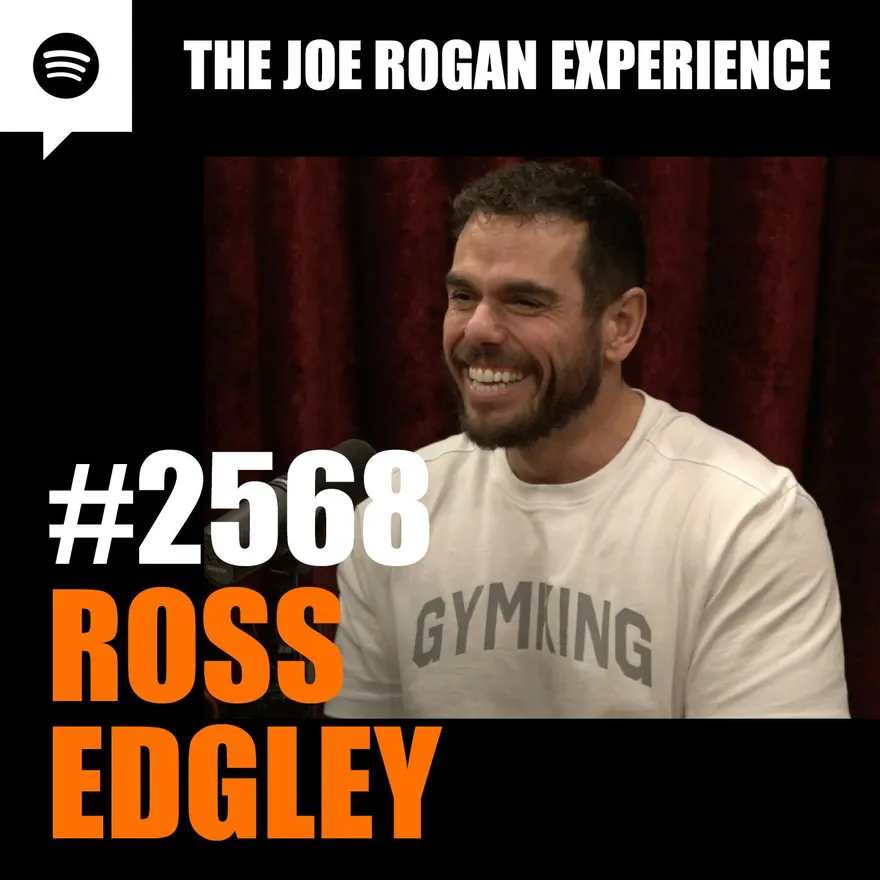

This is a preview of the Shortform summary of the Oct 20, 2026 episode of the The Joe Rogan Experience
Sign up for Shortform to access the whole episode summary along with additional materials like counterarguments and context.
1-Page Summary
Ross Edgley's Extreme Endurance and Ocean Conservation
Ross Edgley's career is defined by pushing human performance limits through extreme endurance challenges while promoting ocean conservation. His adventures test both physical and mental boundaries in some of the world's most hostile environments.
Extreme Swimming Challenges Test Human Limits
Edgley's 60-hour Loch Ness swim resulted in hypothermia, cellulitis, and a staph infection that caused hallucinations and near-unconsciousness. A year later, swimming Lake Trasimeno during a heatwave, he faced 96.8°F water that caused heat stroke and rhabdomyolysis, with creatine kinase levels reaching 19,000—requiring hospitalization for potential kidney damage.
His world-record 510-kilometer Yukon River swim over 60 hours brought different hazards: violent rapids, bleeding legs that attracted black and brown bears, and the challenge of never touching his crew or boat. His 112-day circumnavigation of Iceland involved battling Hurricane Erin, volcanic gases, and calving glaciers, fueled by motivation to finish before his partner gave birth—which he accomplished with three days to spare.
Conservation Activism Through Expeditions
Edgley leverages his swims for scientific research, partnering with the University of Iceland to collect environmental DNA samples that track marine biodiversity. His expeditions serve as both fundraising campaigns and awareness initiatives for ocean conservation, highlighting the destruction from overfishing, pollution, and waste. The podcast draws parallels to Somalia's coastal fishing collapse, where illegal overfishing led to economic desperation and piracy.
Early Foundation in Extreme Discomfort
Edgley's resilience began with England's water polo team at age 13, where underwater fighting and bloody injuries forged his comfort with pain. At 21, he underwent Amazon tribal initiation rituals with the Jamana tribe, including fire ant stings while maintaining complete silence. He also lived with Kenyan Kalenjin runners, learning how cultural practices like circumcision without anesthesia have created generational pain tolerance that contributes to their endurance dominance.
Neuroscience of Performance and Resilience
The conversation explores the brain systems underlying endurance, motivation, and the ability to persist through extreme adversity.
Pain Versus Purpose: The Anterior Mid-Cingulate Cortex
Edgley describes how the anterior mid-cingulate cortex acts as psychological scales, weighing pain against purpose. Elite UFC fighters and endurance athletes exhibit exceptional development in this brain region, enabling them to perform despite severe physical breakdown. Edgley's own persistence through injuries stemmed from reframing suffering to serve a greater purpose—the fear of being remembered for quitting became less tolerable than the pain itself.
[restricted term], Motivation, and Cognitive Reframing
When Edgley swam against a whirlpool for hours without progress, his ventral striatum—which releases [restricted term] when effort meets reward—shut down, causing depression and lost motivation. However, the dorsolateral prefrontal cortex enables strategic reframing of suffering, restoring motivation independent of outcomes. Elite athletes sustain performance by continually reinterpreting adversity, keeping [restricted term] flowing even when results disappoint.
Cultivating Resilience Through Repeated Adversity
Edgley recounts Special Forces selection tests where candidates were repeatedly knocked unconscious trying to pass a locked door—the challenge tested mental resilience, not physical victory. Joe Rogan notes that wrestlers and water polo players excel in Navy SEAL training due to constant exposure to defeat and exhaustion. Similarly, Muay Thai fighter Carlos Pratt's relaxed, playful demeanor in professional fights stems from over a hundred bouts that made combat routine.
Universal Patterns of Self-Discipline Through Hardship
Edgley references Japanese marathon monks who run nearly daily for seven years, the Tarahumara people's ultra-distance running in Mexico, and Kenyan Kalenjin circumcision rituals that ensure only those with extreme pain tolerance are considered for marriage. He connects these to ancient Stoic and Spartan traditions of winter training, suggesting that adversity as transformation represents either evolutionary adaptation or spiritual truth. This pattern aligns with Joseph Campbell's hero's journey—facing the dragon and emerging changed.
Consciousness and Cultural Reality
Rogan describes Icelandic customs where roads divert around elf habitats after machinery inexplicably fails near them, with most Icelanders refusing to deny their existence. Combined with Edgley's hallucinations during extreme swims, this suggests consciousness may be more malleable than understood. Rogan and Edgley discuss theories that reality is "rendered" like a video game engine—shaped by collective beliefs, cultural narratives, and neurological states, making the boundaries of both willpower and reality culturally constructed as much as biologically grounded.
Training Methods and Athlete Case Studies
The discussion examines diverse training strategies and the mindsets of elite athletes across endurance, strength, and combat sports.
Strength Training for Endurance Athletes
Edgley emphasizes that muscle mass serves thermic functions during extreme cold-water swims, generating heat and aiding survival in Arctic conditions. Beyond muscle growth, strength training reinforces connective tissues through mechanotransduction, creating robust rotator cuffs vital for repetitive swimming. Swimmers Caeleb Dressel and Cam McAvoy exemplify this shift—McAvoy trains pull-ups with 80-90 kilograms, creating "strength reserve" where each stroke uses a smaller percentage of maximum capacity, boosting both speed and durability.
Altitude Training and Competition Advantages
Rogan describes using a hypoxia chamber twice weekly for two months before high-altitude hunting, experiencing noticeable hemoglobin and endurance gains. In combat sports, Cain Velasquez's insufficient altitude acclimatization—only two weeks in Mexico City—led to him gassing out and losing his UFC title to Fabrício Werdum, who had trained above 9,000 feet. Rogan and Edgley recommend limiting controlled hypoxia training to two sessions weekly for optimal recovery.
Zatopek's Revolutionary Intervals and Joyful Training
Emile Zatopek pioneered modern interval training with sessions of one hundred 400-meter sprints, revolutionizing distance running. At the 1952 Helsinki Olympics, he won gold in the 5,000m, 10,000m, and marathon—entering the latter as a novice and using psychological gamesmanship to undermine his favored rival. Zatopek's creative methods included running with his wife on his back and treading laundry in the bath. Edgley argues Zatopek's joy-driven approach—running intervals on "date nights"—proves more sustainable than the intense self-criticism of athletes like David Goggins, who trains alone year-round grinding against his limitations.
Combat Sports Weight-Cutting and Performance Optimization
Rogan describes Alex Pereira weighing in at 185 pounds but entering the ring at 225-226 pounds—a 40-pound advantage demonstrating extreme weight manipulation. While this practice poses medical risks including dehydration, electrolyte imbalances, and cognitive impairment, it persists due to competitive efficacy. Athletes constantly balance building strength reserves against achieving weigh-in targets.
Backyard Ultramarathons and Psychological Warfare
The backyard ultra format features one-hour loops with no predetermined finish—only one winner survives. Phil Gormley won the Last Soul Ultra after 94 hours covering 636.5 kilometers, collecting tokens representing departed competitors' "souls" while hallucinating from exhaustion. Mark Dowdle introduced psychological predation, stalking competitors at night and waiting for them to quit under pressure, adding unprecedented mind games to the physical demands.
Recovery Technologies and Modern Therapies
New regenerative therapies are revolutionizing athlete recovery, career extension, and injury rehabilitation.
Regenerative Medicine Extends Athletic Careers
After severe rotator cuff tears from the Yukon swim, Edgley credits stem cell therapy, hyperbaric oxygen, and red light therapy for healing his shoulder without surgery. Rogan shares how a friend's knee pain resolved with a single stem cell injection, remaining pain-free two years later. Both emphasize these therapies are in early stages but already demonstrate superior outcomes compared to traditional rehabilitation.
Peptides and Regulatory Challenges
Peptides like BPC 157 support tissue regeneration but face complicated regulations—initially approved by WADA, then banned as an unapproved substance despite no evidence of harm. Rogan suggests bans may be influenced by pharmaceutical industry interests in maintaining orthopedic surgery rates and prioritizing patented drugs, potentially suppressing beneficial therapies.
Creatine's Cognitive Benefits Under Sleep Deprivation
Rogan cites studies where sleep-deprived individuals receiving 25-30 grams of creatine showed improved memory, processing speed, and cognitive function within three hours. While such high doses strain kidneys and aren't advisable daily, chronic lower doses of 10-20 grams—Rogan's personal regimen—offer ongoing mental and physical benefits valuable for endurance athletes.
Extreme Sauna Therapy and Heat Adaptation
Rogan details maintaining 147-150 bpm heart rate while sitting in a 195-196°F sauna for 20-25 minutes immediately post-exercise, creating a "stacking" effect of cardiovascular and thermal stress. This approach may trigger superior adaptation, as recovery is continually challenged without full cooling. He also notes extreme heat significantly enhances stretching flexibility compared to lower temperatures.
Nootropics and Age-Related Performance
Edgley uses over 400mg caffeine with Alpha-GPC and Cognizin during long swims to sharpen focus and maintain technique, cycling two days on, three days off to prevent tolerance. Modern recovery science is extending athletic peaks—athletes like Yoel Romero (49) and Alex Pereira (39) excel at traditionally declining ages. Edgley attributes this to lifelong adaptations in capillary density and mitochondrial efficiency, enhanced by modern recovery modalities. LeBron James exemplifies this approach, spending millions annually on rehabilitation, suggesting well-resourced recovery can counteract age-related decline.
1-Page Summary
Additional Materials
Counterarguments
- While Ross Edgley's feats are impressive, some critics argue that extreme endurance challenges can promote unsafe practices or glorify self-harm, potentially encouraging others to attempt dangerous activities without adequate preparation or support.
- The effectiveness of using high-profile endurance events to promote ocean conservation is debated; some conservationists contend that such stunts may generate short-term attention but do not always translate into meaningful policy change or sustained public engagement.
- The parallels drawn between cultural pain tolerance rituals and athletic performance may oversimplify complex social, genetic, and environmental factors contributing to endurance dominance in certain populations.
- The assertion that adversity is universally transformative or beneficial can be challenged; repeated exposure to extreme hardship can also lead to negative outcomes such as chronic injury, psychological trauma, or burnout.
- The use of unregulated therapies like peptides and high-dose supplements raises concerns about long-term safety, lack of standardized oversight, and the potential for unintended health consequences.
- The claim that modern recovery science can fully counteract age-related decline in athletic performance is contested; while recovery modalities can help, biological aging imposes limits that cannot be entirely overcome.
- Extreme weight-cutting practices in combat sports, while common, are widely criticized by medical professionals and some athletic commissions for endangering athlete health and safety.
- The idea that cultural beliefs shape reality, as discussed in the context of Icelandic elf customs, is controversial and not universally accepted in scientific or philosophical communities.
- The focus on individual resilience and willpower may underplay the importance of systemic factors such as access to resources, coaching, and socioeconomic status in athletic achievement.
Actionables
- you can create a personal adversity log by briefly recording each time you face discomfort, frustration, or setbacks in daily life, then noting what purpose or value you found in persisting, helping you train your brain to reframe suffering as meaningful and build resilience over time (for example, jot down how you handled a tough commute, a difficult conversation, or a failed attempt at a new skill, and what you learned or gained from sticking with it).
- a practical way to support ocean conservation is to set up a recurring micro-donation (even $1/month) to a marine biodiversity project and pair it with a monthly habit, like picking up litter during a beach or riverside walk, so your actions and contributions reinforce each other and keep the cause top of mind.
- you can experiment with joyful movement by scheduling one weekly workout or outdoor activity where your only goal is to have fun and be creative—try dancing in your living room, inventing a silly obstacle course, or exploring a new park—so you associate physical effort with positive emotions and make endurance training more sustainable.
Get access to the context and additional materials
Endurance Challenges, Expeditions, and Ocean Conservation Missions
Ross Edgley’s life is defined by a relentless pursuit of extreme endurance, not only stretching the boundaries of physical and mental performance, but also forging deep ties to ocean conservation and environmental activism. His adventures range from harrowing cold-water swims to hazardous treks through the world’s hottest lakes, each with uniquely daunting obstacles.
Ross Edgley's Extreme Swimming: Diverse Challenges Test Human Endurance Limits
Edgley's 60-hour Loch Ness Swim Leads To Hypothermia, Cellulitis, and Staph Infection-Induced Hallucinations and Unconsciousness
Edgley’s attempt to swim Loch Ness for 60 consecutive hours resulted in a cascade of medical crises. He suffered hypothermia, vivid shivering from deep within his body, and severe cellulitis. Unaware of the risk beforehand, he endured skin that felt like it was burning, overlapping with the classic heat sensation some experience right before death by hypothermia. This led to hospital care following hallucinations and near-unconsciousness induced by a staph infection.
Swimming In Lake Trasimeno Amid Extreme Heat Exposed Edgley To 96.8°F Water, Causing Heat Stroke and Rhabdomyolysis With Creatine Kinase Levels of 19,000, Requiring Hospitalization
A year after Loch Ness, Edgley took part in a charity swim in Italy’s Lake Trasimeno, forced by bureaucracy to swim during a heatwave. The water reached 36°C (96.8°F), making the event a real-world experiment in the effects of hot-water swimming. Edgley developed heat stroke and rhabdomyolysis, a severe form of muscle breakdown. Doctors found his creatine kinase enzyme level (a marker for muscle damage) at 19,000—a magnitude usually reserved for extreme land-based ultramarathons—raising fears for his kidneys, but he recovered after several days in the hospital.
Yukon River Swim: 510 Km From Whitehorse to Dawson Involving Rapids, Bear Encounters, and Physiological Threats
Breaking the world record for the longest non-stop river swim, Edgley covered 510 kilometers over 60 hours on the Yukon River. Swimming rules prohibited his physical contact with crew or boat. He endured the violent Five Finger Rapids and was battered on river rocks, leading to bleeding legs that attracted wildlife. Black bears and large, watchful brown bears appeared, drawn by the scent of blood. His team reassured him, prepared to intervene if a bear approached closely. On a lighter note, Edgley shared humorous moments, such as the failed use of a wetsuit "poo flat" for bathroom breaks and sustenance on moose meat and pancakes.
Edgley's 112-day, 1,000-Mile Iceland Swim: Hurricane Erin, Volcanic Gases, and Calving Glaciers Fueled by Girlfriend's Pregnancy Motivation
Edgley circumnavigated Iceland by swimming 1,000 miles in 112 days, contending with hazards like Hurricane Erin, volcanic toxic gases, and calving glaciers sending jagged ice sheets into his path. He battled saltwater-induced tongue injuries and relentless jellyfish stings but was fueled throughout by the motivation to finish before his partner gave birth. He reached his goal, making it back with only three days to spare.
Expeditions Promote Ocean Conservation and Activism, Enabling Edgley to Collect DNA Samples and Fund Marine Biodiversity Research
Edgley leverages his expeditions for more than personal triumph. Working with the University of Iceland, he collected eDNA (environmental DNA) samples along the Icelandic coastline. This research assists in tracking marine biodiversity at unprecedented detail. Sponsorships and collaboration opportunities grew from this scientific partnership, with his feats doubling as fundraising and awareness campaigns for marine conservation.
His swims highlight the overwhelming destruction caused by ocean waste, overfishing, and pollution. Edgley’s emotional connection to the ocean—one forged through repeated suffering and awe—provides lived context for activism. This tangibility surpasses data alone, driving home ocean conservation’s urgency in a manner that resonates far beyond traditional academic approaches.
The podcast conversation also draws parallels to the economic collapse of Somali coastal fishing, which, after illegal overfishing and pollution, left locals desperate and contributed to piracy. These real-world outcomes echo Edgley’s warnings about marine ecosystems' vulnerability.
Edgley's Background: Elite Water Polo and Ritual Endurance, Early Comfort With Extreme Discomfort and Physical Trauma
Water Polo Training at 13 Forced Edgley to Develop Mental Toughness Amid Underwater Fighting, Blood, and Aggression
Edgley’s foundation in endurance and pain tolerance began early. Selected to play water polo fo ...
Here’s what you’ll find in our full summary
Endurance Challenges, Expeditions, and Ocean Conservation Missions
Additional Materials
Counterarguments
- While Ross Edgley’s endurance feats are impressive, some critics argue that extreme adventure sports can have significant environmental footprints themselves, such as increased travel emissions and resource use, potentially offsetting some conservation benefits.
- The focus on individual heroism and extreme suffering may overshadow the importance of collective, systemic action in addressing ocean conservation and environmental issues.
- Edgley’s expeditions, though raising awareness, may not directly address the root causes of ocean degradation, such as industrial pollution, policy failures, and large-scale economic interests.
- The narrative of genetic or cultural “hardwiring” for endurance, as suggested by Edgley’s experiences with the Kalenjin and other groups, risks oversimplifying complex social, historical, and environmental factors influencing athletic performance.
- Some may question the ethics or necessity of participating in potentially dangerous initiation rituals or animal practices (such as semi- ...
Actionables
- you can combine personal fitness goals with environmental action by picking up litter or documenting pollution during your regular walks, runs, or swims, then sharing your findings with local environmental groups to support conservation efforts; for example, take photos of waste you find along a riverbank and email them to a local waterway advocacy group to help them map pollution hotspots.
- a practical way to build mental resilience and pain tolerance is to set up a weekly challenge where you safely expose yourself to mild discomfort, such as taking a cold shower, walking barefoot on grass, or fasting for a meal, then reflect on how you handled the discomfort and what you learned about your limits.
- you c ...
Get access to the context and additional materials
Neuroscience and Psychology of Performance, Resilience, and Willpower
Exploring the neurobiology and psychology underlying endurance, motivation, and resilience reveals the remarkable interplay between brain systems, cultural narratives, and lived experience.
Anterior Mid-cingulate Cortex: Neural Basis For Weighing Pain Vs. Purpose In Decision-Making
Cingulate Cortex Balances Pain With Activity's Purpose
Ross Edgley discusses how the anterior mid-cingulate cortex functions like a set of psychological scales, weighing "pain versus purpose" during high-stress decisions. He recounts enduring severe physical distress—such as his tongue falling apart and cellulitis—yet persisting as long as his sense of purpose outweighed the suffering. In moments contemplating quitting, he recalls telling himself to continue—citing the fear of being remembered for quitting as less tolerable than the pain itself. The cingulate cortex thus mediates the choice: grit or quit, pain or purpose.
High-Level Fighters and Endurance Athletes Exhibit Exceptional Anterior Mid-cingulate Cortex Development, Enabling Performance Despite Severe Pain, Injury, and Physiological Breakdown
Edgley points to elite UFC fighters as having notably developed anterior mid-cingulate cortices, which enables them to perform and persist under extreme punishment and physiological breakdown.
Reframing Suffering: Edgley's Strategic Continuation
Edgley illustrates this framework with personal anecdotes—strategically reframing suffering to serve greater purpose allows for continued effort, even in the face of physical and mental limits.
Ventral Striatum Controls Motivation Via [restricted term] When Expectations Meet Reality
Edgley's Whirlpool Swim Halted Progress; Ventral Striatum Reduced [restricted term], Causing Depression and Loss of Motivation
Edgley describes swimming against a whirlpool for hours only to realize he made zero progress. The biochemistry of the moment was stark: the ventral striatum, which releases [restricted term] when effort is matched by reward, shut down, plunging him into a state of darkness and lost motivation.
Dorsolateral Prefrontal Cortex Enables Reframing Suffering, Allowing Change in Interpretation Over Reliance on Grit and Discipline
He elaborates that the dorsolateral prefrontal cortex provides an exit from despair. When [restricted term] falters, strategic thinking allows a person to reinterpret suffering, thus restoring motivation independent of outcome. This process no longer relies purely on willpower but on cognitive flexibility.
Elite Athletes Excel By Sustaining [restricted term] Flow and Motivation Through Novel Interpretations Of Suffering
Elite performers sustain high motivation by continually reframing adversity. This keeps the [restricted term] flowing and ensures persistent engagement, even as challenges mount and outcomes fail to match effort.
Cultivating Human Resilience To Suffering and Discomfort
Special Forces Selection Tests Candidates' Ability to Endure Knockout Challenges and Repeated Losses While Maintaining Psychological Integrity
Edgley recounts a Special Forces selection scenario where candidates were physically exhausted and then repeatedly knocked unconscious in a futile attempt to pass a locked door, testing their willingness to persist despite certain failure and constant setbacks. The core of the challenge is not physical victory but mental resilience—the ability to withstand repeated defeat without quitting.
Wrestlers and Water Polo Players Exhibit Superior Mental Toughness in High-Stress Situations Like Navy Seal Training Due to Constant Exposure to Defeat and Exhaustion
Joe Rogan cites observations that wrestlers and water polo players excel in Navy SEAL training. Wrestlers' experience with dehydration, exhaustion, and constant hardship forges unique resilience; similarly, water polo demands continuous physical and psychological effort, teaching athletes to endure high stress and never touch bottom—metaphorically and literally.
Carlos Pratt's Success Stems From 100+ Muay Thai Bouts, Fostering Combat Comfort and a Relaxed, Playful Demeanor In Pro Fights
Rogan uses Muay Thai fighter Carlos Pratt as an example: through over a hundred fights, Pratt cultivated not only technical skill but a relaxed and even joyful demeanour in the chaos of combat. Repeated exposure made the formerly daunting routine for him, closing the mental gap between amateurs and world champions.
Self-Discipline Through Hardship: Universal Pattern Suggesting Evolutionary or Spiritual Purpose
Marathon Monks, Tarahumara, Kalenjin: Cultural Practices in Endurance Running
Edgley references the Japanese marathon monks, who perform a marathon nearly every day for a thousand days over seven years as a spiritual practice. Similarly, the Tarahumara people in Mexico run ultra-long distances in handmade sandals, and the Kalenjin in Kenya undergo painful rites of passage that cultivate stoic endurance. In Kenya, the mud-mask circumcision ritual ensures only those who exhibit extreme pain tolerance are considered for marriage, possibly contributing to generational resilience and the region’s dominance in endurance sports.
Stoics and Spartans Trained In Harsh Winters to Forge Mental Toughness, Knowing Adversity Creates Warriors Ready for Challenges
He connects this to ancient Stoic and Spartan traditions: training during the harsh winter, as recommended by Epictetus, “winters” the mind and body, preparing for life’s “summer” battles. S ...
Here’s what you’ll find in our full summary
Neuroscience and Psychology of Performance, Resilience, and Willpower
Additional Materials
Counterarguments
- The claim that elite fighters and endurance athletes have "exceptional anterior mid-cingulate cortices" is not conclusively supported by current neuroscience; structural or functional differences in this brain region among athletes remain an area of ongoing research.
- The idea that reframing suffering alone enables continued effort beyond physical and mental limits may overlook the role of physiological constraints and the risk of serious injury or long-term harm.
- The assertion that [restricted term] release in the ventral striatum is the sole or primary driver of motivation oversimplifies the complex neurobiology of motivation, which involves multiple neurotransmitters and brain regions.
- The suggestion that cultural practices like those of the Tarahumara or Kalenjin directly cause generational athletic dominance may underplay the influence of genetics, socioeconomic factors, and access to resources.
- The narrative that adversity is universally transformative and beneficial does not account for the potential negative psychological or physical consequences of trauma and chronic stress.
- The comparison of consciousness to a video game engine ...
Actionables
- you can train your brain to balance discomfort and purpose by setting a daily micro-challenge that feels mildly unpleasant (like a cold shower or brisk walk in bad weather) and pairing it with a clear, meaningful reason for doing it (such as supporting a cause or personal value), then journaling how your sense of purpose shifts your perception of discomfort over time.
- a practical way to build mental resilience is to create a “reframe bank” by writing down several alternative, positive interpretations for common setbacks or frustrations you encounter (like traffic, criticism, or fatigue), and reviewing these reframes whenever you feel your motivation dip, to practice shifting your mindset in real time.
- you can experiment with shaping your own motivational env ...

Get access to the context and additional materials
Training Methods, Optimization Strategies, and Athlete Case Studies
This article explores a rich tapestry of training strategies, physiological optimization, and the mindsets of athletes across endurance, strength, and combat sports, drawing from diverse case studies and expert anecdotes.
Strength Training Benefits For Endurance Athletes: Thermic Capacity, Tissue Robustness, Stroke Efficiency
Edgley Keeps Muscle to Generate Heat, Aiding Survival in Arctic Water Temperatures and Exposure
Ross Edgley emphasizes bulk and strength as survival tools during extreme endurance events, like his 60-hour Loch Ness swim, where muscle mass serves a thermic function, generating heat with every stroke. In Arctic storm-like conditions, this bulk aids thermoregulation and survival, unlike the streamlined physique of pool swimmers, which would be less helpful in such frigid exposure.
Mechanotransduction in Strength Training Reinforces Tendons and Ligaments, Fortifying the Rotator Cuff for Repetitive Swimming
Edgley advocates for strength training’s less celebrated benefit: mechanotransduction. While the public associates strength training with muscle growth, Edgley highlights its capacity to reinforce connective tissues—ligaments and tendons—making them robust and reducing the risk of injury. For ultra-endurance athletes, particularly swimmers, this translates to bulletproof rotator cuffs vital for surviving repetitive motion over immense distances, where breakdown from tissue failure, not just aerobic exhaustion, is the limiting factor.
Correlation Between Pull-Up Strength and Sprint Swimming Speed, as Shown by Caeleb Dressel Generating Power Through Strength-Focused Training
Cam McAvoy and Caeleb Dressel exemplify a paradigm shift in swimming through a strong correlation between pull-up strength and sprint swim speed. McAvoy trains pull-ups with 80-90 kilograms, translating to immense “strength reserve”—each powerful stroke is a smaller percentage of his maximum, maximizing efficiency and top-end speed. This contrasts with traditional “garbage yardage” and points to a broader lesson: elevated maximal strength acts as a reserve, bolstering both speed and durability.
Altitude Training Boosts Red Blood Cells and Hemoglobin, Enhancing Oxygen Use and Performance
Hypoxia Training Enhanced Joe Rogan's Hunting at High Altitude
Joe Rogan describes using a hypoxia chamber to simulate high-altitude conditions in preparation for strenuous hunting excursions at elevations up to 9,000 feet. With regular, rigorous two-a-week sessions over two months, Rogan experiences a perceptible surge in hemoglobin and endurance, validating red blood cell proliferation and improved oxygen utilization from hypoxia training.
Altitude Training's Competitive Edge: Velasquez Vs. Werdum in Mexico City
The edge provided by acclimatization is evident in combat sports: Cain Velasquez, not sufficiently adapted after only two weeks in Mexico City, gassed out and lost his UFC title to Fabrício Werdum, who had lived and trained at above 9,000 feet. This anecdote underlines altitude training’s dramatic impact on cardio-respiratory stamina in competition.
Limit Controlled Hypoxia Training To Two Weekly Sessions for Optimal Recovery
Rogan and Edgley recommend restricting high-altitude simulation to two hard cardio sessions weekly to maintain performance gains while still recovering adequately—a template applicable across sports for maximizing anaerobic and aerobic adaptation.
Zatopek's Interval Methodology Revolutionized Endurance Training
Zatopek's Trailblazing 100x400M Interval Training Revolutionized Distance Running
Emile Zatopek pioneered modern interval training by completing sessions of one hundred 400-meter sprints, a feat previously considered impossible and instrumental in transforming distance running methodologies.
Zatopek's Famous Helsinki Olympics Victory: Consecutive Wins in the 5,000M and 10,000M, Then a Marathon Triumph Through Psychological Gamesmanship Rather Than Specialized Training
At the 1952 Helsinki Olympics, Zatopek won gold in the 5,000m and 10,000m, then, entering the marathon as a novice, used psychological gamesmanship—feigning inexperience and subtly undermining his favored rival with playful banter on pace. He ultimately overtook the competition and made history with three gold medals.
Zatopek's Creative Training Adaptations Included Carrying His Wife While Running and Treading Laundry In the Bath
Zatopek’s training creativity was legendary: running with his wife on his back through the woods, retrieving javelins his wife threw for fun, and treading laundry in the bath for conditioning when winter made outdoor running impossible.
Elite Athletes' Winning Methods: Competition Mentality vs. Joy In Training
David Goggins: Intense Self-Competition Through Self-Criticism and Solo Training Year-Round
David Goggins epitomizes the extreme self-critical, combative mentality, using self-competition and often training alone year-round, grinding relentlessly against his own limitations.
Emile Zatopek Enjoyed Training With His Wife Launching Javelins for Him to Retrieve and Date Night Running Intervals Together Suggests Sustainable Elite Performance Derives From Joy Not Suffering-Based Motivation
In stark contrast, Zatopek’s training was interwoven with joy and love, notably running intervals on “date nights” with his wife and incorporating playful elements. Edgley argues this sustainable, enjoyment-driven approach can yield longer-lasting elite performance than suffering-based motivation alone.
Max Holloway Remains Unfazed and Praises Opponents, Valuing Skill Over Pain Perception, Even When Injured and Losing Fights
Max Holloway embodies another mindset, showing resilience and respect even in defeat—praising his opponents and focusing on skill rather than pain, suggesting elite mentality can transcend self-punishment.
Elite Combat Athletes Use Risky Weight-Cutting for Strategic Advantage
Alex Pereira Fought At 185 Pounds but Weighed 225-226 Pounds On Fight Day, a 40-pound Advantage Over Competitors, Demonstrating Modern Weight Manipulation Pra ...
Here’s what you’ll find in our full summary
Training Methods, Optimization Strategies, and Athlete Case Studies
Additional Materials
Clarifications
- Mechanotransduction is the process by which cells sense and respond to mechanical forces by converting them into biochemical signals. In tendons and ligaments, this stimulates cells to produce proteins like collagen, strengthening the tissue structure. This adaptation improves tissue resilience and repair capacity under repetitive stress. It is essential for preventing injuries in high-load activities like swimming.
- "Strength reserve" refers to the difference between an athlete's maximal strength and the force required for a specific movement. In sprint swimming, having a high maximal pull-up strength means each stroke uses only a small fraction of that maximum, allowing for more powerful and efficient movements. This reserve reduces fatigue and increases speed by enabling swimmers to maintain high force output throughout the race. Essentially, greater maximal strength provides a buffer that enhances both performance and endurance in sprint swimming.
- Hypoxia training exposes the body to low oxygen levels, simulating high-altitude conditions. This triggers the kidneys to release erythropoietin (EPO), a hormone that stimulates the bone marrow to produce more red blood cells. Increased red blood cells and hemoglobin improve oxygen transport and delivery to muscles. Enhanced oxygen capacity boosts endurance and performance in aerobic activities.
- Acclimatization to high altitude involves physiological adaptations like increased red blood cell production and enhanced oxygen delivery to tissues. These changes improve endurance and reduce fatigue by compensating for lower oxygen availability at altitude. Without sufficient acclimatization, athletes experience decreased performance and quicker exhaustion. The process typically takes weeks, as the body gradually adjusts to hypoxic conditions.
- "Garbage yardage" refers to high volumes of low-quality, non-specific swimming training that lacks intensity or purpose. It often involves repetitive, easy laps that do not effectively improve speed or technique. This type of training can lead to wasted time and increased injury risk without meaningful performance gains. Modern training favors focused, high-quality sets over excessive, unfocused mileage.
- Emile Zatopek’s 100x400m interval training involved running 400 meters at a fast pace repeatedly with short rest periods, far exceeding typical training volumes of his time. This method improved both aerobic and anaerobic capacity by pushing the body to adapt to sustained high-intensity efforts. It was revolutionary because it combined volume and intensity in a way that enhanced endurance and speed simultaneously. Zatopek’s approach challenged conventional training, which favored steady, long-distance runs over intense intervals.
- Psychological gamesmanship involves using mental tactics to unsettle or mislead opponents. Zatopek pretended to be inexperienced in the marathon to lower his rivals' guard. He used playful banter to disrupt their pacing and confidence. This strategy gave him a competitive edge despite lacking specialized marathon training.
- Extreme weight-cutting often involves rapid dehydration, which can impair kidney function and reduce blood volume, leading to decreased cardiovascular efficiency. Electrolyte imbalances from fluid loss can cause muscle cramps, heart arrhythmias, and neurological issues. Psychologically, severe weight-cutting can increase stress, anxiety, and cognitive impairment, affecting decision-making and reaction time. These risks can compromise both short-term fight performance and long-term health.
- One-rep max strength training focuses on maximizing the heaviest weight an athlete can lift once, building muscle and power. Weight-cutting requires rapid loss of body mass, often through dehydration, to meet competition weight limits. The tension arises because gaining muscle for strength increases body weight, making it harder to cut down safely. Athletes must carefully time and manage training and weight loss to maintain strength without exceeding weight class limits.
- Backyard ultramarathons consist of repeating a fixed-distance loop, typically one mile or one hour long, every hour on the hour. Runners must start each loop within the hour; failing to do so results in elimination. The race continues until only one runner completes a loop alone, making them the winner. This format tests both physical endurance and mental resilience due to its indefinite duration.
- Psychological predation in ultramarathons involves using mental pressure to weaken opponents' resolve. Runners like Mark Dowdle silently follow or stay close to competitors, creating stress and doubt. This tactic exploits fatigue and mental vulnerability during long, exhausting races. It ...
Counterarguments
- Maintaining significant muscle bulk for thermoregulation, as Ross Edgley does, may increase energy expenditure and reduce efficiency in endurance events, potentially leading to faster glycogen depletion compared to leaner athletes.
- Excessive strength training can sometimes lead to reduced flexibility or increased muscle mass that may hinder endurance performance, especially in sports where a high strength-to-weight ratio is not advantageous.
- The correlation between maximal pull-up strength and sprint swimming speed may not apply universally; technique, stroke efficiency, and other physiological factors also play critical roles in swim performance.
- Altitude (hypoxia) training benefits are highly individual and may not translate equally to all athletes; some may experience negative side effects such as sleep disturbances or overtraining.
- Joe Rogan’s anecdotal improvements from hypoxia chamber use are not a substitute for peer-reviewed scientific evidence, and individual results may vary.
- Acclimatization to high altitude can be logistically challenging and may not be feasible for all athletes due to time, cost, or access constraints.
- Limiting hypoxia training to two sessions per week is a general guideline and may not be optimal for every athlete; individualized programming is often necessary.
- Extreme interval training, like Zatopek’s 100x400m sessions, carries a risk of overuse injuries and may not be suitable or necessary for all endurance athletes.
- Psychological tactics in competition, while effective for some, may be considered unsportsmanlike or distracting by others.
- Creative and unconventional training methods may not always be evidence-based or safe, and could increase injury risk if not properly supervised.
- An intense, self-critical training mentality, as exemplified by David Goggins, can lead to burnout, mental health issues, or overtraining if not balanced with recovery and support.
- Enjoyment-based training approaches may not provide sufficient stimulus for all athletes to reach elite levels, especially in highly competitive environments.
- Valuing skill over pain perception, as Max Holloway does, may not always ...

Get access to the context and additional materials
Recovery Technologies, Modern Therapies, and Injury Rehabilitation
New recovery and regenerative therapies are revolutionizing how athletes and active individuals recover from injury, extend their careers, and counter aging. Progress ranges from stem cell and peptide therapies to sauna adaptation, nootropics, and improved training protocols.
Stem Cell Therapy and Regenerative Medicine Extend Athletic Careers By Restoring Tissue Function
Ross Edgley’s recovery after severe rotator cuff tears from the Yukon swim exemplifies the impact of modern regenerative medicine. Edgley credits a combination of stem cell therapy, hyperbaric oxygen, and red light therapy for healing his shoulder without surgery, allowing him to return to high-level competition. He believes that, without these therapies, surgical reattachment may have been necessary. Edgley’s experience suggests that these modalities work synergistically to enhance tissue regeneration and deliver superior outcomes compared to traditional rehabilitation alone.
Joe Rogan provides another anecdote: a friend who resolved persistent knee pain with a single stem cell injection, remaining pain-free and able to run two years afterwards. Rogan and Edgley both emphasize that regenerative therapies such as stem cells, hyperbaric chambers, and red light are in early stages, but they are rapidly gaining traction and demonstrating results that far exceed interventions available just a few years ago.
Peptide Therapies Like Bpc 157 Offer Recovery Benefits but Remain Restricted in Athletics Despite Little Evidence of Harm
Peptides such as BPC 157 support healing and tissue regeneration and are widely discussed as potent recovery aids. However, BPC 157 has a complicated regulatory history: it was initially approved by WADA, then banned as an unapproved substance, even though there is no evidence of harm and ample anecdotal and emerging scientific support for its benefits in recovery.
Bans in the NBA and by the World Anti-Doping Agency target unapproved peptides, [restricted term] secretagogues, and synthetic compounds that stimulate [restricted term] or enhance recovery. This restricts legitimate therapeutic access for athletes. Rogan points out that this may be influenced by the financial interests of the pharmaceutical and medical industries, which have incentives to prioritize patented drugs and maintain high rates of orthopedic surgeries. He argues these bans can slow down or suppress therapies that could offer immense benefits to athletes and potentially the wider population.
Creatine Boosts Cognitive and Physical Performance in Sleep Deprivation, and Enhances Brain Metabolism and Recovery
Creatine is well-recognized for its role in supporting physical strength and muscle recovery, but recent research and anecdotal use point to substantial cognitive benefits, especially under sleep deprivation. Joe Rogan cites studies where sleep-deprived individuals received high doses of creatine (25-30 grams), leading to improved short-term memory, processing speed, and cognitive function within three hours, peaking at four hours, and lasting up to nine. Although such doses can strain the kidneys and are considered not advisable for daily use, chronic lower doses (10-20 grams) offer ongoing mental and physical benefits that are particularly valuable in sleep-deprived endurance athletes. Rogan maintains a personal regimen of 10-20 grams daily. The short-term effects of high doses are temporary but can provide an acute performance edge when necessary.
Extreme Temperature Sauna Therapy With Intense Training Triggers Unique Cardiovascular Adaptation
Joe Rogan details a rigorous recovery protocol combining intense bag work with extreme sauna sessions, maintaining a heart rate of 147-150 bpm while sitting in a 195-196°F sauna for 20-25 minutes. By entering the sauna immediately post-exercise, Rogan creates a "stacking" effect—layering cardiovascular and thermal stress. This approach may explain superior adaptation, as the heart rate remains elevated and recovery is continually challenged without allowing full cooling.
He also notes that extreme heat stretching in the sauna significantly enhances flexibility and range of motion compared to stretching at lower temperatures. The synergistic adaptation of cardiovascular demand and tiss ...
Here’s what you’ll find in our full summary
Recovery Technologies, Modern Therapies, and Injury Rehabilitation
Additional Materials
Counterarguments
- Many regenerative therapies, including stem cell and peptide treatments, lack large-scale, long-term, placebo-controlled clinical trials demonstrating consistent efficacy and safety in athletic populations.
- Anecdotal evidence, such as individual athlete testimonials, is not a substitute for rigorous scientific validation and may be subject to placebo effects or confirmation bias.
- Regulatory agencies like WADA and the NBA restrict certain substances due to concerns about fairness, unknown long-term health risks, and the potential for performance enhancement beyond natural recovery, not solely due to pharmaceutical industry influence.
- The safety profile of peptides like BPC 157 in humans is not fully established, and absence of evidence of harm is not equivalent to evidence of safety.
- High-dose creatine supplementation (25-30 grams) is not widely recommended due to potential kidney strain and lack of robust evidence supporting cognitive benefits at such doses in the general population.
- The cardiovascular and thermoregulatory risks of extreme sauna use, especially immediately after intense exercise, are not well studied and may pose dangers for individuals with underlying health conditions.
- The long-term effects and safety of ...
Actionables
- you can create a personal recovery log to track how different combinations of rest, nutrition, hydration, and gentle movement (like walking or stretching) affect your recovery speed and performance, helping you identify your most effective non-invasive recovery routines for injury prevention and longevity
- By noting how you feel after various recovery activities, you’ll spot patterns—like whether a certain bedtime, hydration level, or post-exercise snack helps you bounce back faster—so you can refine your approach without needing advanced therapies.
- a practical way to support cognitive and physical recovery is to schedule short, daily “micro-recovery” breaks where you combine light movement (such as mobility drills or foam rolling) with a mental reset (like deep breathing or a quick puzzle), reinforcing the mind-body connection and promoting ongoing resilience
- For example, set a timer to remind yourself to stand up, stretch, and do a two-minute breathing exercise or brain teaser every few hours, which can help maintain both physical flexibility and mental sharpness throughout the day.
- you can experiment with alternating your workout enviro ...
Get access to the context and additional materials


Create Summaries for anything on the web
Download the Shortform Chrome extension for your browser
