

#2537 - David Sinclair
In this episode of The Joe Rogan Experience, David Sinclair discusses recent advances in aging science, particularly gene therapy using OSK genes that can reverse biological age in cells while avoiding cancer risks. Sinclair explains how epigenetic clocks measure aging through chemical markers on DNA, and how manipulating these markers shows promise for treating conditions from glaucoma to Alzheimer's. The conversation covers human trials already underway and potential applications for vision restoration, muscle regeneration, and whole-body rejuvenation.
Beyond genetic interventions, Rogan and Sinclair explore practical approaches to longevity, including exercise protocols, fasting, diet choices, and pharmaceutical supplements. They discuss how AI is accelerating drug discovery and biological research, and examine psychological factors affecting lifespan—particularly the importance of supportive relationships and stress management. The episode also addresses ethical concerns about access inequality and societal impacts, while highlighting the funding challenges facing longevity research.
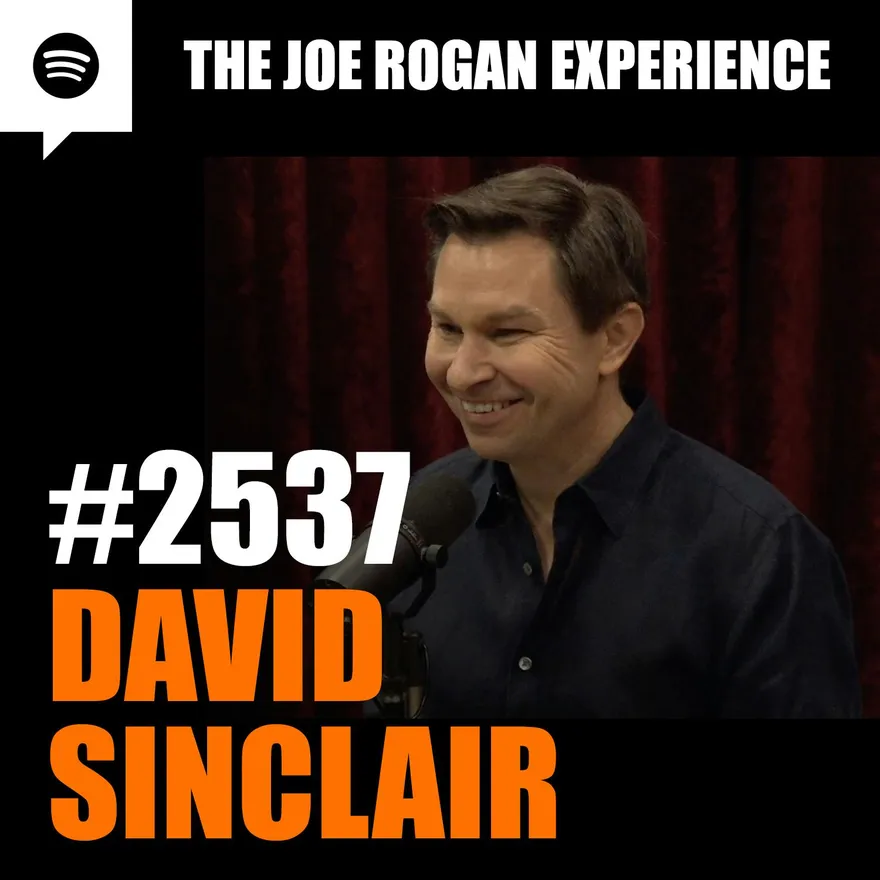

This is a preview of the Shortform summary of the Aug 7, 2026 episode of the The Joe Rogan Experience
Sign up for Shortform to access the whole episode summary along with additional materials like counterarguments and context.
1-Page Summary
Aging Reversal Technology and Epigenetic Mechanisms
In a recent podcast episode, Joe Rogan and David Sinclair discuss groundbreaking advances in gene therapy and epigenetics that are transforming aging science. Scientists now understand that aging has a single, root epigenetic cause that can be manipulated and sometimes reversed by targeting mechanisms that control cellular identity.
Osk Gene Therapy Breakthrough in Cellular Reprogramming
Building on Shinya Yamanaka's Nobel Prize-winning work, Sinclair's team discovered that using three genes called OSK (Oct4, Sox2, Klf4)—while omitting the dangerous "M" gene—can reliably rejuvenate cells, reversing their biological age by 75-80% while preserving their specialized identity. This approach sidesteps the cancer risks of full stem cell reprogramming. The first human trials are underway, with a glaucoma patient receiving trillions of virus-like capsules containing OSK genes directly into the eye with no adverse effects reported.
Epigenetic Clocks Provide Markers Of Aging
The science relies on "epigenetic clocks"—chemical markers called methyl groups that are added to DNA to control gene activity. As we age, these modifications accumulate, and measuring them allows scientists to estimate biological age. The discovery that manipulating these markers can reset the biological clock provides strong evidence that aging and the epigenetic clock are fundamentally linked.
Applications Beyond Vision Show Potential For Disease Treatment
Initial trials focused on the eye because it's contained and easier to monitor, targeting conditions like glaucoma and macular degeneration. In animal models, OSK therapy has restored vision in mice and primates, and research hints that similar approaches could restore lost memories in Alzheimer's patients by making brain cells youthful again. Chinese researchers have used comparable methods to regrow muscle and bone, reverse osteoarthritis, and rejuvenate aging skin in mice.
Safety Concerns Addressed Through Rigorous Testing
A major concern with cellular rejuvenation is the risk of cancer. However, Sinclair reports that mice treated with OSK for extended periods had fewer tumors than untreated controls. Further research shows the therapy may even combat cancer by causing tumor cells to differentiate and self-destruct, offering both anti-cancer and rejuvenating benefits.
Lifestyle and Health Optimization For Longevity
Rogan and Sinclair discuss how proven protocols for exercise, fasting, diet, sleep, and pharmaceutical interventions support both longevity and daily well-being.
Key Exercise Protocols For Strength and Function Maintenance
Resistance training is crucial for healthy aging, maintaining bone density and muscle mass while reducing fall risk. Hypoxic training, which simulates high altitude by reducing oxygen during exercise, induces hormetic stress that accelerates cardiovascular improvements and blood vessel growth. Rogan notes that some athletes report profound increases in cardiovascular capacity from this approach. Even modest amounts of combined strength and cardio training three times weekly deliver significant health benefits.
Metabolic Management Through Fasting Activates Cellular Cleaning
Fasting activates ketosis and autophagy, which clear damaged proteins and toxins from cells. While GLP-1 receptor agonists can ease the transition to fasting by reducing appetite, Sinclair raises awareness about potential risks, including a doubled incidence of sudden blindness. Ketone supplements like Ketone IQ offer similar cognitive benefits to fasting without dietary restriction.
Diet Choices Affect Aging and Inflammation
Rogan praises meat for its nutrient density and muscle-building benefits, while Sinclair favors plant-based diets for activating longevity pathways. Both agree that red and near-infrared light therapy significantly improves vision by stimulating mitochondrial function, with Rogan reporting a marked reduction in his need for reading glasses. Supplements like lutein and astaxanthine further protect eye health.
Sleep Quality Determines Cognitive Clarity
High-quality deep sleep activates the glymphatic system, clearing neurotoxins from the brain. Sinclair emphasizes that achieving even one hour of deep sleep with efficiency above 90% significantly improves mental clarity and memory consolidation.
Pharmaceutical and Supplement Interventions Target Specific Aging Pathways
Phosphodiesterase-5 inhibitors like [restricted term] provide surprising longevity benefits by improving blood flow and blocking cancer cells' ability to utilize cholesterol. NMN supplements promote new blood vessel formation by removing aging-related inhibitory proteins. Sinclair's research explores a multi-compound "cocktail approach" that targets DNA methylation marks, with animal studies showing profound physical and cognitive rejuvenation after just weeks of treatment.
Ai's Role in Biological Research and Drug Discovery
AI is revolutionizing biological research by accelerating timelines and enabling breakthroughs. Sinclair describes how his partnership with St. Jude's Hospital uses AI to screen up to a trillion potential drug molecules, reducing the candidate list to about 200 in just months—a process that would otherwise take 160 years. He recounts how a 19-year-old newcomer used AI to analyze exabytes of global biological data in just two weeks, finding evidence for his theory about genetic memory in cells.
DeepMind's breakthrough in solving the 3D structures of all 20,000 human proteins has been transformative, enabling accurate molecular docking and candidate identification at massive scale. AI also analyzes cell images to determine biological age reliably, assessing whether treated cells transition from an aged state back to a youthful one. Autonomous labs now integrate AI with robotic systems for rapid, parallelized testing, with competitors delivering over 35 successful drug candidates that would have been impossible with traditional techniques.
Psychological and Relational Factors in Longevity
Sinclair cites a Harvard study following World War II veterans that found the most important predictor of longevity was having a reliable partner—outperforming all biological markers. Not just any partner matters; enjoyable, supportive relationships reduce biological aging, while stressful relationships accelerate it. Chronic stress from troubled relationships or social media exposure floods the body with cortisol, accelerating the epigenetic aging clock. Sinclair and Rogan note that loneliness is as detrimental to health as smoking or inactivity.
Reducing stress through limiting media consumption and cultivating a sense of purpose offers protective resilience. In parenting, authority based on personal experience rather than authoritarian direction fosters resilience and reduces conflict. Rogan notes that nearly half of American chromosomes carry the DRD4 7-repeat gene variant associated with novelty-seeking and independence—found in only 2% of East Asian populations—suggesting that supporting adolescent autonomy aligns with genetic tendencies.
Future Implications and Funding Needs
Sinclair emphasizes that with more resources, researchers could launch many more trials and reduce development timelines from 10 years to just 2-3 years. Billionaires like Jeff Bezos, Sam Altman, and Brian Armstrong have poured billions into the field, greatly expanding the landscape beyond government funding alone. Sinclair argues for more aggressive yet safe testing, citing the 150,000 daily deaths globally from age-related diseases as moral urgency.
The immediate promise includes vision restoration, muscle and bone regeneration, and potentially whole-body rejuvenation that could revolutionize society by extending human lifespan. However, ethical concerns loom large: technologies could intensify social inequality, spark technological arms races (the U.S. government has already blocked foreign investments in Sinclair's companies over "super soldier" concerns), and fundamentally upend frameworks for retirement, careers, and relationships.
Sinclair's lab now relies on donations through Lifespan.com, which also serves as a hub for public education. By engaging donors and making information accessible, the longevity movement aims to create a powerful constituency advocating for increased research funding and more responsive regulatory frameworks.
1-Page Summary
Additional Materials
Clarifications
- Epigenetics refers to chemical modifications on DNA and proteins that regulate gene activity without changing the DNA sequence. These modifications determine which genes are turned on or off, defining a cell's identity and function. Over time, epigenetic patterns drift, causing cells to lose their specialized functions and contributing to aging. Reversing these changes can restore youthful gene expression and cellular behavior.
- The OSK genes (Oct4, Sox2, Klf4) are transcription factors that reprogram adult cells to a more youthful, flexible state without erasing their specialized functions. The "M" gene refers to c-Myc, which promotes rapid cell division but increases cancer risk due to uncontrolled growth. Removing c-Myc reduces tumor formation while still enabling effective cellular rejuvenation. This selective gene combination balances safety and potency in gene therapy.
- Full stem cell reprogramming involves reverting mature cells back to a pluripotent state, where they can become any cell type. This process resets cellular identity completely, erasing specialized functions. Because pluripotent cells divide rapidly and indefinitely, they can form tumors called teratomas. Partial reprogramming, like using OSK genes without the "M" gene, aims to avoid this uncontrolled growth.
- Epigenetic clocks measure biological age by analyzing patterns of DNA methylation, which are chemical tags added to specific DNA sites. These methylation patterns change predictably as cells age, reflecting gene activity shifts linked to aging processes. Scientists use statistical models to correlate methylation levels at multiple sites with chronological age, creating a "clock" that estimates biological age more accurately than calendar years. This method helps identify how interventions might slow, stop, or reverse aging at the cellular level.
- Ketosis occurs when the body, deprived of glucose from food, breaks down fat into ketone bodies for energy. Autophagy is a cellular process that removes damaged components, recycling them to maintain cell health. Fasting triggers both by creating energy stress that shifts metabolism and activates cellular cleanup pathways. These mechanisms help protect cells and improve function during nutrient scarcity.
- GLP-1 receptor agonists are drugs that mimic a hormone involved in regulating blood sugar and appetite, helping reduce hunger during fasting. They are commonly used to treat type 2 diabetes and obesity by improving insulin secretion and slowing stomach emptying. However, they can have side effects such as nausea, pancreatitis, and, rarely, vision problems like sudden blindness. Their use in fasting requires caution and medical supervision due to these potential risks.
- Hypoxic training involves exercising in low-oxygen conditions, which stresses the body mildly and triggers adaptive responses. This hormetic stress stimulates the production of new blood vessels (angiogenesis) and improves the efficiency of oxygen use in tissues. It also enhances mitochondrial function, boosting energy production in heart and muscle cells. These adaptations collectively improve cardiovascular endurance and resilience.
- Red and near-infrared light therapy penetrates tissues and is absorbed by cytochrome c oxidase in mitochondria. This absorption boosts mitochondrial respiration and ATP production, enhancing cellular energy. Increased energy supports repair and reduces oxidative stress in retinal cells. Improved mitochondrial function helps maintain and restore vision health.
- The glymphatic system is a waste clearance pathway in the brain that uses cerebrospinal fluid to flush out toxins and metabolic waste. It is most active during deep sleep, when brain cells shrink to allow more fluid flow. Efficient glymphatic function helps prevent buildup of harmful proteins linked to neurodegenerative diseases like Alzheimer's. Impaired clearance can lead to cognitive decline and increased risk of brain disorders.
- Phosphodiesterase-5 inhibitors work by increasing levels of cyclic GMP, which relaxes blood vessels and improves circulation, potentially enhancing tissue health and longevity. They also interfere with cancer cells' cholesterol metabolism, hindering their growth and survival. NMN (Nicotinamide Mononucleotide) supplements boost cellular NAD+ levels, a critical molecule for energy metabolism and DNA repair, supporting vascular health and slowing aging processes. By promoting new blood vessel formation, NMN helps restore tissue function and resilience against age-related decline.
- DNA methylation involves adding methyl groups to DNA, typically suppressing gene activity without changing the DNA sequence. These methylation patterns change with age, altering gene expression and contributing to aging. Pharmaceutical cocktails aim to modify these patterns to restore youthful gene activity and cellular function. By selectively removing or adding methyl groups, they can potentially reverse age-related cellular changes.
- AI processes vast biological datasets by using advanced algorithms to identify patterns and relationships that humans cannot easily detect. It automates tasks like protein structure prediction, molecular docking, and gene expression analysis, drastically reducing time and cost. Machine learning models prioritize promising drug candidates by simulating their interactions and effects before physical testing. This integration enables rapid iteration and optimization, accelerating the entire drug discovery pipeline.
- DeepMind's protein structure predictions solve the 3D shapes of proteins, which are crucial for understanding their function. Knowing precise structures allows scientists to identify how drugs can bind effectively to target proteins. This accelerates molecular docking, where potential drug molecules are tested for fit and interaction with proteins. As a result, drug development becomes faster, cheaper, and more accurate.
- The DRD4 7-repeat gene variant affects dopamine receptor function, influencing traits like novelty-seeking and risk-taking behavior. It is linked to increased exploratory and independent tendencies, which can impact social and decision-making patterns. This variant is more common in populations with histories of migration and environmental variability, suggesting evolutionary adaptation. Its presence helps explain genetic diversity in personality traits across different ethnic groups.
- Aging reversal technologies could widen social inequality if only wealthy individuals access life-extending treatments, creating a divide between enhanced and non-enhanced populations. "Super soldier" fears arise from concerns that such technologies might be used to create enhanced military personnel with superior physical and cognitive abilities. Governments worry this could trigger arms races or destabilize global security. Ethical debates also focus on fairness, consent, and the societal impact of drastically extended lifespans.
- Lifespan.com functions as a nonprofit platform that channels donations directly to cutting-edge longevity research projects. It also provides accessible educational content to inform the public about aging science and emerging therapies. By building a community of informed supporters, it helps influence policy and funding priorities. This dual role accelerates research progress and fosters broader societal engagement with longevity issues.
Counterarguments
- The claim that aging has a "single, root epigenetic cause" is debated; many scientists argue that aging is multifactorial, involving genetic, metabolic, environmental, and stochastic factors beyond epigenetics.
- While OSK gene therapy shows promise in animal models, its long-term safety and efficacy in humans remain unproven, and results from small or early-stage trials may not generalize.
- The assertion that OSK therapy avoids all cancer risks is premature; partial reprogramming may still carry unknown oncogenic risks, and more extensive human data are needed.
- Epigenetic clocks are useful biomarkers, but their accuracy and interpretation can vary depending on the tissue, clock algorithm, and individual variability.
- The ability to "reset" biological age by manipulating epigenetic markers does not guarantee reversal of all functional aspects of aging or prevention of age-related diseases.
- Animal model successes (e.g., vision restoration, muscle regeneration) do not always translate to similar outcomes in humans due to physiological differences.
- The claim that OSK therapy reduces cancer risk is based on limited preclinical data; more comprehensive studies are required to confirm anti-cancer effects in humans.
- The risks associated with GLP-1 receptor agonists, such as increased incidence of sudden blindness, require further investigation and may not be fully established.
- The benefits of red and near-infrared light therapy for vision and mitochondrial function are still under investigation, and some studies show mixed or inconclusive results.
- The efficacy of supplements like lutein, astaxanthin, and NMN for eye health or longevity is not universally accepted, with some studies showing limited or no benefit.
- AI-driven drug discovery accelerates candidate identification, but most AI-predicted drugs still require extensive validation, and the majority do not reach clinical use.
- The impact of supportive relationships on longevity, while significant, does not negate the importance of biological and lifestyle factors.
- Ethical concerns about social inequality, access, and unintended consequences of aging reversal technologies are widely recognized and remain unresolved.
- The DRD4 7-repeat gene's influence on behavior is complex and not solely determinative of autonomy or novelty-seeking; cultural and environmental factors also play major roles.
- Increased funding and accelerated trials may raise safety and oversight concerns, as rapid development can sometimes overlook long-term risks or rare adverse effects.

Get access to the context and additional materials
Aging Reversal Technology and Epigenetic Mechanisms
Cutting-edge advances in gene therapy and epigenetics are transforming the science of aging, as research led by David Sinclair and others moves from mice and monkeys to the first human trials. Scientists now understand that aging has a single, root epigenetic cause present in nearly all the cells of the body, and that this can be manipulated—sometimes reversed—by targeting the mechanisms that record and “remember” cellular identity.
Osk Gene Therapy Breakthrough in Cellular Reprogramming
Scientists Identify Genes Osk That Safely Rejuvenate Cells, Achieving 75-80% Restoration While Preserving Cellular Identity
Breakthrough research began with the work of Shinya Yamanaka, who won the Nobel Prize in 2006 for identifying four genes capable of turning adult cells into stem cells. However, fully reverting a cell to a stem cell erases its identity and poses huge risks, such as cancer and loss of normal function. Building on this, Sinclair’s team experimented with omitting one of the Yamanaka genes—the “M” gene—and using only the three called OSK (Oct4, Sox2, Klf4). They discovered that this cocktail could reliably rejuvenate cells, reversing their biological age by 75-80% while preserving their specialized identity. Old, dysfunctional cells were returned to a youthful, highly functional state without losing their identity, sidestepping the risks of stem cell-like dedifferentiation.
Osk Approach Omits one Yamanaka Gene to Prevent Dangerous Dedifferentiation, Enabling Safe Age Reversal
Sinclair’s research found that inclusion of the gene “M” triggers full reprogramming into stem cells, which is dangerous and potentially fatal if applied to living tissue. By excluding “M” and keeping only OSK, they achieved a controlled form of age reversal, making old cells function as young ones but not reverting them to stem cells. This controlled reversion restores youthfulness while maintaining cell identity and avoiding dysplasia or unchecked growth.
Human Trials Use Virus-Like Particles to Inject osk Gene Capsules Into Eyes; First Glaucoma Patient Shows No Adverse Effects
Sinclair describes the delivery system as a virus-like capsule, domesticated to be safe and targeted. Inside the capsule is a protein containing the OSK genes (also referred to as ER100: Epigenetic Reprogramming 100). These capsules are injected into targeted tissues—initially into the eyes of human trial participants suffering from glaucoma or sudden blindness. The very first glaucoma patient received trillions of these capsules directly into the eye with no adverse effects reported so far, marking a possible turning point in medical history for age reversal in humans.
Epigenetic Clocks Provide Markers Of Aging
Dna Methylation Patterns Serve As a Biological Clock to Measure Age and Track Aging Dynamics
Central to the science of aging is the concept of the “epigenetic clock.” Chemical markers called methyl groups are added to or removed from DNA to switch genes on or off, a basic mechanism for cellular differentiation and aging. As we age, our DNA picks up more of these epigenetic modifications, especially from factors like DNA damage or sun exposure.
Dna Methylation Tags Genes to Activate or Deactivate; Used by Scientists to Age or Reverse Aging in Organisms
These methyl groups designate which genes are active or inactive in each cell. Neurons, for example, shut off non-neuronal genes very early in development and keep the nerve-specific patterns throughout life. Measuring these methyl tags allows scientists to estimate the biological age of cells and organisms, with the patterns shifting reliably over time.
Discovery: Manipulating Epigenetic Markers Suggests Link Between Aging and Biological Clock
The discovery that actively manipulating these epigenetic markers can reset the biological clock in cells and even entire organisms provides strong evidence that aging and the epigenetic clock are fundamentally linked. By resetting the clock, time can be turned backward at a cellular level, resulting in disease reversal and improved function in animal studies.
Applications Beyond Vision Show Potential For Disease Treatment
Why the Eye Was Chosen For Genetic Trials
Initial genetic trials chose the eye because it is a contained, relatively immune-privileged area that is easier to target and monitor. Glaucoma affects over 40 million Americans, and macular degeneration even more, making it a logical first application.
Osk Gene Therapy Restores Retinal Nerve Function, Reversing Vision Loss in Mice and Primates, Hinting At Memory Recovery Potential in Alzheimer's Patients
In animal models, OSK gene therapy rejuvenated ...
Here’s what you’ll find in our full summary
Aging Reversal Technology and Epigenetic Mechanisms
Additional Materials
Counterarguments
- The claim that aging has a single, root epigenetic cause is still debated; many scientists argue that aging is multifactorial, involving genetic, metabolic, and environmental factors in addition to epigenetic changes.
- While OSK gene therapy shows promise in animal models, there is currently no published evidence demonstrating comparable efficacy or safety in humans beyond very early-stage trials.
- The long-term effects and potential risks of partial cellular reprogramming in humans remain unknown, as animal studies may not fully predict human outcomes.
- The assertion that OSK-treated animals had fewer tumors than controls is based on limited studies; broader and longer-term research is needed to confirm safety, especially in diverse tissues and larger populations.
- The use of viral vectors or virus-like particles for gene delivery carries inherent risks, such as immune reactions or off-target effects, which may not be fully mitigated by current technologies.
- The idea that resetting the epigenetic clock can reverse all aspects of aging is not universally accepted; some age-related changes may be irreversible or independent of epigenetic modifications.
- Translating results from mice and primates to humans is historically cha ...
Actionables
- You can track your own lifestyle changes by keeping a personal log of habits that may influence your biological age, such as sleep, diet, and stress, then periodically use at-home DNA methylation test kits to monitor shifts in your biological age over time and adjust your routines based on the results.
- A practical way to support safe and ethical development of age-reversal therapies is to join patient registries or advocacy groups focused on regenerative medicine, where you can contribute your health data anonymously and receive updates about upcoming clinical trials or early access opportunities.
- You can create a checklist to regularly review ...


Get access to the context and additional materials
Lifestyle and Health Optimization For Longevity
Interest in health optimization and longevity has surged globally, with widespread attention given to exercise protocols, fasting, dietary strategies, sleep quality, and new pharmaceutical interventions. Joe Rogan and David Sinclair discuss how applying proven protocols not only supports longevity but also improves day-to-day well-being.
Key Exercise Protocols For Strength and Function Maintenance
Resistance Training: Maintains Bone Density, Muscle Mass, Prevents Falls In Aging; Gradual Introduction for Sedentary Individuals
Strength training is crucial for healthy aging. Rogan and Sinclair emphasize that resistance exercise maintains bone density and muscle mass, thereby helping older adults retain mobility and independence. Regular strength training also improves balance, reducing the risk of falls and fractures. The approach for sedentary individuals should be gradual: start with manageable movements (such as walking, basic push-ups, sit-ups, and bodyweight squats), and slowly increase intensity under the guidance of a trainer to prevent injury and ensure sustainable progress. Even modest strength training two or three times a week delivers significant benefits without over-taxing the body.
Hypoxic Training Simulates Altitude, Triggers Hormetic Stress, and Boosts Cardiovascular Adaptation, With Some Athletes Reporting the Most Improvement From It
Hypoxic training, which simulates high-altitude environments by reducing available oxygen during exercise, induces hormetic stress, encouraging the body to adapt and grow stronger. Rogan describes using a hypoxic machine that replicates conditions at 14,000 feet with added heat. This protocol, when scientifically managed, accelerates cardiovascular improvements, muscle gains, and the growth of new blood vessels. Some mountain athletes and hunters (like Rogan’s friend Adam Greentree) report profound increases in cardiovascular capacity due to such training. Both Rogan and Sinclair cite studies showing repeated exposure to varied oxygen levels (as in hyperbaric or hypoxic training) yields better wound healing, memory, and even increases telomere length.
Strength Training and Cardio Synergistically Boost Longevity, Even With Modest, Thrice-Weekly Exercise
Rogan underscores that even modest amounts of rigorous exercise, such as 15–20-minute sprints or kettlebell circuits that elevate heart rate, can radically improve health, alleviate jet lag, and enhance mental clarity. Combining resistance and cardiovascular training three times weekly is sufficient for most people. Regular exercise not only aids appearance and body composition but also improves energy, mental focus, and lab markers across various health metrics.
Metabolic Management Through Fasting Activates Cellular Cleaning
Fasting Activates Ketosis and Autophagy, Clearing Toxins and Renewing Cells, Unlike Calorie Reduction
Fasting, including 24-hour fasts, provides metabolic benefits that go beyond simple calorie reduction. When fasting, the body enters ketosis and activates autophagy—especially chaperone-mediated autophagy (CMA)—which helps clear out old, damaged proteins and toxins and supports cellular renewal. Sinclair practices fasting to stimulate these anti-aging pathways.
Glp-1 Receptor Agonists Ease Transition To Fasting By Reducing Appetite, but Risks Include Vision Loss and Sudden Blindness
GLP-1 receptor agonists, often prescribed for weight loss or diabetes, can support fasting by making hunger more manageable, but Sinclair raises awareness about potential risks. Use of these drugs has been associated with a doubled incidence of sudden blindness (nyan), particularly non-arteritic anterior ischemic optic neuropathy—akin to a painless “stroke in the eye.” The absolute risk remains low but is notable given the rising popularity of these medications.
Ketone Supplements Boost Cognition Like Fasting, Aiding In Demanding Tasks Without Calorie Cuts
Ketone supplements such as Ketone IQ offer benefits similar to fasting-induced ketosis by enhancing cognitive performance. Rogan and Sinclair both use these supplements ahead of cognitively demanding activities (podcasts, live broadcasts), reporting improvements in mental acuity, recall, and presentness without dietary restriction.
Diet Choices Affect Aging: Nutrient Density and Inflammation
Meat Diets Enhance Nutrient Density For Muscle Growth; Plant Diets Activate Longevity Pathways
Diet strongly impacts both aging and well-being. Rogan praises the nutrient density of meat, especially for muscle growth and satiety, which helps during fasting. Sinclair, primarily on a plant-based diet, values plant foods for their ability to activate cellular longevity pathways noted in animal studies, while still consuming ample protein for muscle maintenance. Both agree diverse dietary strategies can promote health when carefully structured.
Red and Near-Infrared Light Stimulate Mitochondrial Function, Counteracting Age-related Retinal Cell Vision Decline
Red and near-infrared light therapy has gained scientific support for reversing or slowing aging in various tissues, especially the eye. These wavelengths stimulate mitochondrial function—the eye relies heavily on mitochondrial energy, and declining function contributes to vision loss. Rogan and Sinclair report significant personal and trial-based improvements in vision through regular red/near-infrared light therapy, with Rogan noting a marked reduction in his need for reading glasses after consistent use.
Supplementation With Lutein, Astaxanthine, and Macular Support Protects Eye Health
Supplements such as lutein, astaxanthine, and macular support formulas help protect and preserve vision. Clinical studies demonstrate that these compounds safeguard retinal health and prevent degenerative changes over time, complementing other vision-preserving strategies.
Sleep Quality Determines Cognitive Clarity, Protein Clearance
Deep Sleep Activates the Glymphatic System to Clear Brain Proteins and Toxins, With Even ...
Here’s what you’ll find in our full summary
Lifestyle and Health Optimization For Longevity
Additional Materials
Counterarguments
- The evidence supporting hypoxic training for general population health and longevity is limited; most robust data comes from elite athletes, and its safety and efficacy for older or sedentary individuals are not well established.
- Claims about red and near-infrared light therapy improving vision and reducing dependence on reading glasses are not yet widely accepted in mainstream ophthalmology, with more large-scale, long-term human studies needed to confirm efficacy and safety.
- The long-term safety and effectiveness of ketone supplements for cognitive enhancement are not well established, and existing studies are often small or industry-funded.
- While fasting and autophagy are promising areas of research, the clinical relevance and optimal protocols for humans remain under investigation, and fasting may not be safe or appropriate for everyone (e.g., those with certain medical conditions or histories of eating disorders).
- The use of GLP-1 receptor agonists for fasting support is off-label, and the risk of rare but serious side effects (such as vision loss) may outweigh benefits for non-diabetic individuals.
- The anti-cancer and longevity benefits of phosphodiesterase-5 inhibitors (like [restricted term]) are based on preliminary or observational studies; causality and long-term effects are not yet proven.
- NMN supplementation’s benefits in humans are not conclusively established, and regulatory agencies in some countries have raised concerns about its safety and marketing claims.
- The “cocktail approach” to DNA methylation mark removal and cellular rejuvenation is still experimental, with most evidence coming from animal studies; ...
Actionables
- You can create a weekly rotation calendar that pairs different types of exercise (like resistance, cardio, and short intense sessions) with specific daily habits, such as using a sleep tracker to monitor deep sleep and sleep efficiency, and setting reminders to adjust your environment for better sleep (like dimming lights or lowering room temperature an hour before bed); this helps you build a sustainable routine that covers multiple longevity pillars without overwhelming yourself.
- A practical way to experiment with dietary variety is to set up a monthly meal challenge where you alternate between plant-based and meat-based weeks, tracking how each approach affects your energy, satiety, and muscle recovery, and then use your observations to personalize your ongoing nutrition pla ...

Get access to the context and additional materials
Ai's Role in Biological Research and Drug Discovery
Artificial intelligence is revolutionizing biological research and drug discovery by accelerating timelines, enabling breakthroughs in protein structure understanding, and empowering both established scientists and young innovators. David Sinclair highlights how AI compresses research timelines, provides deep insights into cellular and molecular processes, and enables advanced autonomous laboratories.
Machine Learning Compresses Research Timelines By Screening Candidates
AI now makes it possible to screen and evaluate vast numbers of potential drug molecules at an unprecedented speed. Sinclair details a partnership with St. Jude's Hospital where AI tools are used to process a funnel with up to a trillion theoretical and known drugs. Rather than manually testing each molecule—a feat that would require 160 years or more even with advanced robots—the team relies on computational screening. They use AI to dock each molecule against target enzymes whose shapes and functions are now well characterized. This process reduces the candidate list from a trillion to about 200 molecules in just a couple of months; these selected candidates then proceed to wet-lab testing within weeks.
AI empowers innovation at all levels. Sinclair recounts how a 19-year-old newcomer to his lab used AI to sift through exabytes of global biological data in database form. Within two weeks, AI tools allowed the young scientist to find evidence supporting Sinclair's theory about genetic memory in cells—a task that decades of conventional research failed to achieve.
Deep Learning in Protein Structure and Imaging Boosts Understanding
A key driver of this acceleration is DeepMind's breakthrough, which solved the 3D structures of all 20,000 human proteins. This solves a longstanding bottleneck in understanding how molecules and drugs interact. AI's ability to model these structures makes docking and candidate identification feasible and accurate on a massive scale.
Furthermore, AI is transforming cellular aging research. Systems can now analyze cell images, automate the recognition of methylation patterns, and determine biological age reliably. Neural networks are trained to identify when the epigenetic patterns within a cell resemble those of a youthful state, which is crucial for screening compounds aimed at rejuvenating cells. Sinclair describes scenarios where AI assesses whether human cells, after treatment with screened compounds, transition ...
Here’s what you’ll find in our full summary
Ai's Role in Biological Research and Drug Discovery
Additional Materials
Clarifications
- Docking is a computational method that predicts how a drug molecule fits into the active site of a target enzyme. It simulates the physical and chemical interactions to estimate the strength and stability of the binding. This helps identify molecules likely to affect the enzyme's function effectively. Docking reduces the need for costly and time-consuming laboratory experiments by prioritizing promising candidates.
- Wet-lab testing involves conducting experiments in a physical laboratory using biological materials like cells, tissues, or chemicals. It includes hands-on procedures such as mixing compounds, culturing cells, and measuring biological responses. This testing validates AI predictions by observing real-world effects of drug candidates. Results from wet-lab tests guide further development and refinement of potential drugs.
- Methylation patterns refer to chemical modifications where methyl groups attach to DNA, affecting gene activity without changing the sequence. These patterns change predictably as cells age, serving as biomarkers for biological age. Measuring DNA methylation allows scientists to estimate how "old" a cell or tissue is, which can differ from chronological age. This helps assess aging processes and the effectiveness of anti-aging treatments.
- Epigenetic patterns refer to chemical modifications on DNA or associated proteins that regulate gene activity without changing the DNA sequence. These patterns influence how cells function and can change with age, affecting cellular health and behavior. Youthful epigenetic patterns promote gene expression profiles associated with cell repair and regeneration. Reversing age-related epigenetic changes can restore cells to a more youthful, functional state.
- An exabyte is a unit of digital information equal to one billion gigabytes or one million terabytes. It represents an enormous volume of data, far beyond what typical personal computers or even many large data centers handle. In biological research, exabytes can include vast collections of genetic sequences, protein structures, imaging data, and experimental results from labs worldwide. Managing and analyzing such massive datasets requires advanced AI tools to identify meaningful patterns efficiently.
- Neural networks are computer algorithms modeled after the human brain that learn patterns from large datasets. In biological data analysis, they identify complex features like cell images or genetic markers by recognizing subtle patterns humans might miss. They improve accuracy by training on vast amounts of labeled biological data, enabling tasks such as predicting cell age or disease states. This makes them essential for automating and enhancing interpretation of complex biological information.
- Proteins' 3D structures determine their function and how they interact with other molecules. Without knowing these shapes, designing drugs that fit precisely and work effectively is extremely difficult. Traditional methods to find these structures, like X-ray crystallography, are slow and costly. AI accelerates this by predicting accurate structures quickly, enabling faster drug discovery.
- AI integrates with robotic systems by controlling and coordinating automated lab equipment to perform experiments without human intervention. It uses algorithms to design experiments, adjust parameters in real-time, and analyze results instantly. This synergy enables high-throughput testing of many drug candidates simultaneously. The system continuously learns from data to optimize future experiments efficiently.
- Machine learning-guided discovery uses algorithms to analyze large datasets and identify patterns that humans might miss. It predicts which drug candidates are most likely to succeed based on chemical properties and biological effects. This approach reduces trial-and-error by focusing experiments on the most promising molecules. Consequently, it speeds up research and lowers costs in drug development.
- Candidate molecules are chemical compounds that have the potential to become dru ...
Counterarguments
- AI-driven predictions in drug discovery often require extensive experimental validation, as computational models can produce false positives or overlook important biological complexities.
- The quality and diversity of training data significantly impact AI performance; biases or gaps in datasets can lead to misleading results or missed opportunities.
- Many AI models, especially deep learning systems, function as "black boxes," making it difficult for researchers to interpret how decisions are made, which can hinder scientific understanding and regulatory approval.
- The integration of AI and robotics in laboratories requires substantial financial investment and technical expertise, potentially widening the gap between well-funded institutions and those with fewer resources.
- AI tools may accelerate certain aspects of research but cannot fully replace the need for human intuition, creativity, and domain expertise in hypothesis generation and experimental design.
- Overreliance on AI could lead to neglect of traditional experimental skills and critical thinking among new generations of scientists.
- The rapid pace of AI-driven d ...
Get access to the context and additional materials
Psychological and Relational Factors in Longevity
Psychological and relational experiences have powerful impacts on health and longevity, often surpassing the influence of biological markers. The quality of relationships, especially reliable and enjoyable partnerships, reduces the biological aging clock and supports better long-term outcomes, while chronic stress and isolation have the opposite effect. Parenting styles, resilience practices, and genetics also play significant roles in shaping health behaviors and aging.
Quality Relationships Predict Longevity and Health Outcomes
WWII Veterans' Lifespan Strongly Predicted by Reliable Partner Over Biological Markers
David Sinclair cites a longitudinal Harvard study led by Robert Waldinger that followed World War II veterans for forty years, measuring everything from blood pressure to cholesterol. The study found the single most important predictor of longevity was not a biological metric, but the presence of a reliable partner. This outperformed traditional health markers in forecasting how long someone would live.
Enjoyable Relationships Protect Against Aging; Stressful Ones Accelerate Aging
Finding a Like-Minded Partner Supports Positive Habits and Reduces Stress-Induced Aging
Not just any partner matters; the enjoyment and positivity within the relationship are crucial. Joe Rogan points out that having a partner you truly enjoy being around is possible and valuable. Negative or stressful relationships—even those at work or with friends—accelerate aging by increasing stress, which in turn has harmful physiological consequences. Sinclair references studies showing that relationship stress can chemically accelerate the aging clock, especially visible during difficult circumstances like the Covid-19 lockdowns. Conversely, partners who support and encourage healthy habits and autonomy provide resilience and decrease stress-induced aging.
Chronic Stress and Social Environments Accelerate Aging Clock
Stress-Induced Cortisol Elevation Ages the Epigenetic Clock
Social Media Triggers Chronic Stress, Accelerating Aging and Impairing Cognition Through Exposure to Global Issues
Loneliness and Isolation Age as Much as Smoking and Inactivity, Making Social Ties Vital for Longevity Like Physical Health Measures
Chronic stress, such as what is experienced in troubled relationships or toxic workplaces, floods the body with cortisol, which David Sinclair says accelerates the biological aging clock at the epigenetic level. Rogan and Sinclair discuss that negative relationships and loneliness are as detrimental to health and longevity as smoking or physical inactivity. Additionally, Sinclair and Rogan note that constant social media exposure to distressing world events can result in chronic, low-level stress, which impairs cognition and accelerates aging. Healthy social ties are thus as vital to longevity as exercise or diet.
Stress Reduction Through Practices Provides Measurable Effects
Stress Reduction Via Limiting Media Consumption and Local Focus
Purpose and Mission, Like Dedicating to Impactful Work for Humanity, Offer Resilience Against Stress-Induced Aging
Reducing exposure to chronic stressors—such as limiting media consumption and focusing attention on immediate, controllable environments—can measurably slow the aging clock. Sinclair emphasizes that having a sense of mission or purpose, like dedicating life to impactful work for humanity, offers protective resilience against stress-induced aging. Rogan agrees, arguing that minimizing unnecessary sources of stress and cultivating positive routines help long-term health.
Growth Mindset in Parenting: Experience as Authority Reduces Family Conflict
In parenting, Sinclair and Rogan share that authority based on personal experience rather than authoritarian direction fosters closeness, resilience, and motivation. ...
Here’s what you’ll find in our full summary
Psychological and Relational Factors in Longevity
Additional Materials
Clarifications
- The biological aging clock refers to molecular markers that indicate how quickly a person's body is aging, beyond their chronological age. It is often measured using epigenetic changes, such as DNA methylation patterns, which alter gene expression over time. These markers can predict health outcomes and lifespan more accurately than traditional measures like blood pressure. Scientists use specialized tests to assess these epigenetic modifications and estimate biological age.
- The epigenetic aging clock is a biological measure that estimates a person's age based on chemical changes to their DNA, specifically DNA methylation patterns. These changes accumulate over time and reflect how environmental factors and lifestyle influence biological aging beyond just chronological age. Scientists use this clock to assess how fast or slow someone is aging at a cellular level. It helps predict health outcomes and longevity more accurately than traditional age measures.
- The DRD4 gene encodes a dopamine receptor involved in brain signaling related to reward and motivation. The 7-repeat variant alters receptor function, influencing behaviors like risk-taking and novelty-seeking. This variant affects dopamine transmission efficiency, impacting attention and impulse control. Its prevalence varies by population due to evolutionary migration patterns.
- Novelty-seeking is a personality trait characterized by a strong desire for new and exciting experiences. It often leads to behaviors such as exploring unfamiliar places, trying new activities, and taking risks. This trait is linked to dopamine regulation in the brain, influencing motivation and reward. High novelty-seeking can promote creativity and adaptability but may also increase impulsivity and risk-taking.
- Cortisol is a stress hormone that, when elevated chronically, damages cells by increasing inflammation and oxidative stress. It accelerates aging by shortening telomeres, the protective caps on chromosomes that naturally shorten with age. High cortisol also disrupts DNA repair and alters gene expression through epigenetic changes. These effects collectively speed up the biological aging process at the cellular level.
- The Harvard longitudinal study led by Robert Waldinger is known as the Harvard Study of Adult Development. It began in 1938 and tracked the physical and mental health of 724 men over their lifetimes. The study collected extensive data on relationships, careers, and health to identify factors contributing to well-being and longevity. It is one of the longest-running studies of adult life ever conducted.
- Social media often exposes users to a constant stream of negative news and social comparisons, triggering a stress response. This persistent stress elevates cortisol levels, which can damage brain areas involved in memory and decision-making. Over time, this impairs cognitive functions such as attention, learning, and emotional regulation. Additionally, the addictive design of social media can disrupt sleep, further harming cognitive health.
- Autonomy-supportive parenting encourages children to make choices and express themselves while providing guidance and understanding. Authoritarian parenting demands obedience and strict rules, often with little warmth or explanation. The former fosters independence and self-motivation, while the latter can lead to rebellion or resentment. Autonomy support aligns with respecting a child's individuality and promoting problem-solving skills.
- A growth mindset is the belief that abilities and intelligence can be developed through effort and learning. In parenting, it means encouraging children to embrace challenges and learn from mistakes rather than fearing failure. This approach fosters resilience, motivation, and a love of learning. It contrasts with a fixed mindset, which assumes traits are innate and unchangeable.
- Certain gene variants, like the DRD4 7-repeat, became more common in populations that migrated long distances from Africa. These variants may have provided behavioral traits such as increased exploration and risk-taking, which helped early humans adapt to new environments. Over generations, natural selection favored these traits in migrating groups, increasing the gene's prevalence. This explains why the gene is more common in populations with a history of extensive migration.
- The "FU gene" nickname for DRD4 reflects its role in promoting independence and rebellious behavior during adoles ...
Counterarguments
- While psychological and relational factors are important, numerous large-scale epidemiological studies consistently show that biological markers (such as blood pressure, cholesterol, and glucose levels) remain strong, independent predictors of morbidity and mortality, sometimes surpassing psychosocial variables in predictive power.
- The Harvard study cited regarding reliable partnerships has been critiqued for its limited demographic diversity (primarily white, male, and educated), which may limit the generalizability of its findings to broader populations.
- The impact of enjoyable partnerships on longevity may be confounded by socioeconomic status, access to healthcare, and other unmeasured variables that also influence both relationship quality and health outcomes.
- Some individuals thrive in solitude and do not experience negative health effects from social isolation, suggesting that the relationship between loneliness and health is complex and may be moderated by personality traits or cultural factors.
- The assertion that social media exposure universally accelerates aging and impairs cognition is not conclusively supported by current research; effects vary widely depending on usage patterns, content, and individual susceptibility.
- Parenting styles are influenced by cultural norms, and what is considered "authoritarian" or "aut ...



Get access to the context and additional materials
Future Implications and Funding Needs
Scalable Drug Development Could Produce Therapies Within Years
David Sinclair emphasizes that the current limits on funding restrict the number of drug development approaches and concurrent clinical trials that can be run to tackle aging and disease. With significantly more resources, researchers could launch many more trials across a range of tissues and whole-body rejuvenation, vastly increasing the odds of success. Innovations in AI drug candidate generation, robotic screening, and fast-tracked regulations have the potential to reduce development timelines dramatically—from traditional 10-year spans to just 2-3 years for future therapies. Sinclair’s own company, Life Biosciences, is running trials with ER100, but he highlights that new players such as Altos Pharma (founded by Jeff Bezos), Retro Biosciences (Sam Altman), and Newlimit (Brian Armstrong) have poured billions into the field via billionaire philanthropy, greatly expanding the landscape beyond what government funding alone has enabled.
Frameworks Must Balance Safety With Urgency In Treating Age-related Diseases
Sinclair underscores the moral urgency of combating age-related diseases, citing the 150,000 daily deaths globally from these conditions. This underscores his lab’s mission-oriented approach: every day a trial is delayed, potentially avoidable suffering and loss occur. He argues for more aggressive, yet safe, testing by expanding and accelerating animal studies and progressing the best candidates to human trials faster. The eye’s enclosed nature makes it an ideal initial target for proving out these therapies before moving to whole-body rejuvenation. This staged regulatory approach can build confidence among regulators, researchers, and the public, ultimately enabling bolder interventions as results accumulate and safety is demonstrated.
Potential Applications Could Address Age-related Diseases and Injuries
The immediate promise of these interventions is seen in vision restoration, where Sinclair’s team demonstrated regrowth of optic nerve tissue in mice, suggesting profound potential for treating blindness and other eye diseases. Other labs have successfully used the same OSK technology to regenerate muscles and bones in mice with joint injuries or osteoarthritis. New findings show that even finger tips in baby mice can regrow after amputation, suggesting the encoded instructions for youth and regeneration persist in our bodies but are simply dormant. With refinement, epigenetic reprogramming and regeneration factors could enable reversal of limb and organ loss in mammals. Looking to the future, Sinclair foresees the possibility of whole-body rejuvenation, which could revolutionize society by extending human lifespan, potentially enabling multiple careers, families, and centuries of cumulative wisdom and experience.
Ethical Concerns: Access, Enhancement, Disruption Demand Governance
Sinclair and Rogan highlight several major ethical concerns. Lifespan extension and rejuvenation technologies could intensify social inequality, with early access available only to the wealthy, leading to the risk of biological castes. The strategic potential of aging reversal has also sparked fears of technological arms races; for example, the U ...
Here’s what you’ll find in our full summary
Future Implications and Funding Needs
Additional Materials
Clarifications
- Epigenetic reprogramming involves resetting the chemical markers on DNA that control gene activity without changing the genetic code itself. These markers influence how cells age and function, so reprogramming can restore cells to a more youthful, flexible state. This process can potentially reverse age-related damage and promote tissue regeneration. It is a key focus in developing therapies to repair or rejuvenate organs and tissues.
- OSK technology refers to a method of epigenetic reprogramming using three specific genes: Oct4, Sox2, and Klf4. These genes are transcription factors that can reset cells to a more youthful, pluripotent state by altering gene expression patterns. This process can reverse cellular aging and promote tissue regeneration without changing the underlying DNA sequence. It is a key tool in regenerative medicine for restoring function in damaged or aged tissues.
- Whole-body rejuvenation refers to reversing aging processes across multiple tissues and organs to restore youthful function system-wide. It is based on epigenetic reprogramming, which resets cells’ gene expression patterns to a more youthful state without altering their DNA sequence. This approach aims to repair cellular damage, improve tissue regeneration, and restore organ function simultaneously. Scientific advances in animal models show promise but human application remains experimental.
- The eye is enclosed by protective barriers that limit exposure to the rest of the body, reducing systemic side effects. Its immune-privileged status lowers the risk of inflammation and rejection during treatment. This containment allows precise delivery and monitoring of therapies. These factors make the eye a safer, controlled environment for early-stage clinical trials.
- AI drug candidate generation uses machine learning to analyze vast biological data and predict molecules likely to be effective drugs, speeding up discovery. Robotic screening automates testing thousands of these candidates quickly and accurately on biological targets, reducing human error and time. Together, they drastically cut the early phases of drug development from years to months. This integration allows researchers to focus resources on the most promising therapies sooner.
- Traditional drug development takes about 10 years due to multiple complex phases: discovery, preclinical testing, and three stages of clinical trials. Each phase requires extensive safety and efficacy testing to meet strict regulatory standards. The process includes time-consuming data analysis, regulatory review, and manufacturing scale-up. Delays often occur due to trial recruitment, unexpected side effects, or regulatory hurdles.
- Life Biosciences is a biotech company focused on developing therapies to slow or reverse aging processes. Altos Pharma, Retro Biosciences, and Newlimit are newer biotech firms founded by prominent tech entrepreneurs investing heavily in longevity research. These companies leverage advanced technologies like AI and robotics to accelerate drug discovery and clinical trials. Their involvement signals a shift toward private, well-funded efforts complementing traditional government research in aging.
- Biological castes refer to social groups divided by access to lifespan-extending technologies, creating entrenched inequality. Wealthy individuals could live much longer, gaining more resources, power, and opportunities than those without access. This disparity could deepen existing social divides and limit social mobility. Ethical concerns focus on fairness, justice, and preventing a new form of discrimination based on biological longevity.
- "Technological arms races" refer to competitive efforts by countries or groups to rapidly develop advanced technologies to gain strategic advantages. In aging reversal, this means nations might race to create superior longevity or enhancement treatments for military or economic dominance. Such competition can lead to rushed development, secrecy, and ethical compromises. It raises concerns about misuse and unequal access to powerful biotechnologies.
- Aging reversal could extend lifespans significantly, meaning people might work and live much longer than current norms. This challenges retirement systems designed for shorter lifespans, potentially requiring new financial models and policies. Resource allocation, such as healthcare, housing, and pensions, ...
Counterarguments
- The promise of dramatically shortened drug development timelines (from 10 years to 2-3 years) may be overly optimistic, as regulatory, safety, and efficacy hurdles often require extensive time regardless of technological advances.
- Reliance on billionaire philanthropy can skew research priorities toward the interests of wealthy donors rather than broader public health needs.
- Accelerating animal and human trials, even with safeguards, may increase the risk of unforeseen adverse effects, especially in complex, long-term interventions like aging reversal.
- The focus on high-tech, expensive therapies could divert attention and resources from more accessible, preventive public health measures that address age-related diseases.
- The assumption that whole-body rejuvenation will lead to positive societal outcomes (such as accumulated wisdom and experience) does not account for potential negative impacts, such as overpopulation, resource strain, or intergenerational tensions.
- Claims about the persistence of dormant regenerative instructions in the body and the feasibility of whole-body rejuvenation in humans are still largely unproven in clinical se ...

Get access to the context and additional materials


Create Summaries for anything on the web
Download the Shortform Chrome extension for your browser
