

#2498 - Brendan Schaub
In this episode of The Joe Rogan Experience, Joe Rogan and Brendan Schaub cover a wide range of topics spanning combat sports, automotive culture, digital technology, and personal lifestyle choices. Their conversation addresses critical issues in professional MMA, including fighter compensation disparities, extreme weight cutting practices, and emerging talent like flyweight Joshua Vann. They also explore betting irregularities that raise questions about fight integrity.
Beyond combat sports, Rogan and Schaub examine shifts in automotive culture—from Porsche's market evolution to the appeal of manual transmissions—and discuss social media's impact on mental health through algorithmic manipulation and artificial engagement. The episode ventures into government surveillance, digital control mechanisms, and public skepticism toward official narratives. Throughout, they reflect on personal topics including sobriety, addiction management, and parenting philosophy, offering perspectives on channeling obsessive tendencies and teaching practical skills to the next generation.
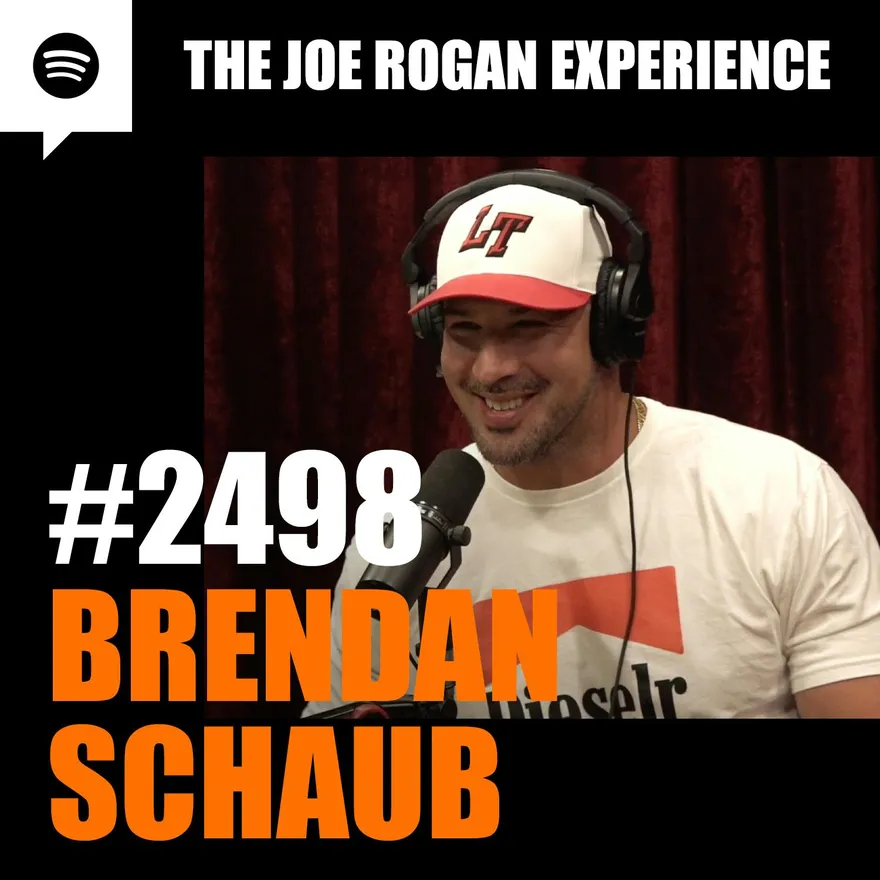

This is a preview of the Shortform summary of the May 13, 2026 episode of the The Joe Rogan Experience
Sign up for Shortform to access the whole episode summary along with additional materials like counterarguments and context.
1-Page Summary
UFC, Fighter Compensation, and Combat Sports Issues
Joe Rogan and Brendan Schaub discuss pressing challenges in professional MMA, including fighter pay disparities, health risks, and competitive integrity across multiple dimensions of the sport.
Joshua Vann's Extraordinary Talent and Future Trajectory
At 24 years old, Joshua Vann is emerging as one of the UFC's most exciting prospects. Rogan compares Vann's boxing to elite striker Ilia Topuria, while Schaub notes the rarity of knockout power in the flyweight division. Vann's recent performance against grappling specialist Tyra showcased both his striking precision and sophisticated submission defense. Schaub emphasizes that even if Vann loses to champion Alexandre Pantoja, his youth positions him for years of potential dominance in the division.
Strickland's Upset Victory Over Chimaev and Its Significance
Sean Strickland's victory over heavily favored Hamzat Chimaev, despite carrying a significant shoulder injury from a motorcycle accident, demonstrates his resilience and tactical intelligence. Rogan and Schaub highlight Strickland's underdog narrative—growing up disadvantaged and repeatedly underestimated, yet defeating elite fighters like Israel Adesanya. His superior cardio and ability to thrive in later rounds build a compelling case for Hall of Fame consideration.
Weight Cuts' Impact on Fighter Performance and Health
The hosts discuss the dangers of extreme weight cutting, with Chimaev cutting from over 230 pounds to 185, a process so taxing he required medical intervention hours before the fight. Rogan calls this "the dumbest thing we do in the sport," arguing fighters typically compete at only 70% capacity after such drastic cuts. Schaub suggests Chimaev would perform better at 205 pounds rather than as a diminished version of himself.
Fighter Compensation Disparities and Revenue Sharing Concerns
Despite the UFC's $7.7 billion valuation, fighters receive only 18% of total revenue. Rogan argues that fighters deserve more given the enormous lifelong risks they bear—neurological damage, cognitive decline, and memory issues. Schaub suggests fighters should demand closer to 30% of revenue, though both acknowledge the challenges of collective action within the current business model that prioritizes content volume over fighter development.
Suspicious Betting Patterns and Fight Integrity Issues
Rogan notes unusual betting activity before the Strickland-Chimaev fight, with sportsbooks capping bets and verifying fighter health to guard against match-fixing. These protocols stem from past FBI investigations into fight-fixing, reflecting the sport's ongoing vulnerability to corruption.
Joshua Vann's Matchup With Pantoja and Championship Longevity
The age gap between Vann and 36-year-old champion Pantoja is significant, as flyweight fighters generally decline earlier than heavyweights. Schaub emphasizes that Vann's youth and advancing skillset give him a structural advantage for potential dynasty-level dominance in the division.
Automotive Culture and Car Modifications
Rogan and Schaub explore evolving automotive culture, from Porsche's market transformation to custom engine swaps and the enduring appeal of manual transmissions.
Porsche's Market Evolution and Pricing Challenges
Schaub reflects that fifteen years ago, he bought a base Porsche 911 for $80,000—a price accessible to enthusiasts. Today, Porsche has shifted to Ferrari-level exclusivity, with base models significantly more expensive. Highly desirable models like the GT3 RS face markups of $150,000 over sticker and restrictive allocation systems, fundamentally changing brand accessibility.
Custom Engine Swaps and Performance Modifications
Schaub expresses enthusiasm for LS engine swaps in Porsche 911s, while Rogan notes the controversy among purists. Builders like Gunther Works create twin-turbo models producing over 1,000 horsepower that easily outperform GT3 RS models in rolling races. However, Schaub cautions that such high-horsepower builds lead to constant overheating and reliability issues, citing his own experiences with a 1,400-horsepower TRX truck.
Air-cooled Porsches and Manual Transmission Driving Experience
Both hosts agree that older air-cooled 911s with manual transmissions and just 250-300 horsepower can provide more driving satisfaction than modern high-performance cars. Rogan emphasizes that the physical engagement of shifting gears and the tactile feedback from hydraulic steering create enjoyment that outweighs sheer speed, especially since most drivers aren't using these cars on racetracks.
American Muscle and Truck Culture Modifications
The hosts discuss vehicles like the Dodge Durango SRT Trackhawk, which combines SUV practicality with supercar performance. Rogan praises Hennessey-tuned vehicles for delivering 1,000 horsepower with daily-drivable reliability and warranties. Ultimately, they emphasize that genuine driving joy comes from connection with lightweight, balanced vehicles rather than chasing horsepower numbers.
Social Media, Technology, and Digital Control
Rogan and Schaub examine social media's impact on mental health, algorithmic manipulation, artificial engagement, and centralized digital systems.
TikTok's Influence on Mental Health and Information Consumption
Rogan criticizes TikTok and similar platforms for promoting sensational and violent content designed to maximize engagement rather than user wellbeing. He contrasts the American experience with China's version, where algorithms surface traditional culture and enforce usage limits for minors after 10 p.m., highlighting stark differences in content priorities.
Paid Engagement and Artificial Influencer Growth
Both hosts note the rise of "astroturfing"—buying followers, views, and comments to create false legitimacy. Rogan explains that sophisticated AI-driven bots now mimic human behavior, making it difficult to distinguish genuine from artificial engagement. He notes that operations in places like Singapore control numerous devices and accounts, perpetuating false fame and misleading sponsors and audiences.
Addiction Mechanisms in Social Media Design
Rogan and Schaub emphasize that social media addiction is driven by algorithms leveraging psychological mechanisms similar to gambling's variable rewards. Platforms design feeds for maximum engagement at the expense of mental health. Schaub compares social media to cigarettes in the 1960s, imagining future generations will view pervasive digital engagement as a public health disaster. However, Rogan doubts social media will be abandoned due to its integration in communication, news, and daily life.
News Consumption Through Algorithm Curation
Rogan points out that social media now serves as many people's primary news source. He prefers curated feeds and trending tabs over algorithmic main feeds, believing they offer more agency. He also addresses how algorithmic amplification shapes public belief—citing polling after Trump assassination attempts showing most Americans doubted the events' authenticity, revealing algorithms' influence on trust and truth.
Government Overreach and Political Control
Rogan and Schaub explore government overreach, political control, digital surveillance, and public skepticism toward official narratives.
Assassination Attempts on Political Figures and Public Skepticism
Rogan highlights three legitimate assassination attempts on Donald Trump, yet they remain briefly in the news before being dismissed. A survey shows only 38% of Americans believe all three attempts were genuine, demonstrating high public skepticism. The Butler, Pennsylvania shooting featured clear photographic evidence of a bullet passing Trump's face and resulted in a firefighter's death, yet conspiracy theorists persist. Congressman Tim Burchette suggested possible MK-Ultra-style mind control involvement, while Schaub notes suspicious aspects like the assailant's lack of digital traces and alleged BlackRock ties.
UK Policy Direction and Government Censorship
Rogan notes the UK's trend toward censorship, with citizens prosecuted for anti-immigration social media posts in trials moved from juries to judges, eliminating peer deliberation safeguards. He also points to UK legislation banning cigarette sales to anyone born after a certain year, effectively phasing out access for future generations while maintaining it for older cohorts.
Digital Surveillance Infrastructure and Government Control Mechanisms
The discussion turns to proposed U.S. legislation requiring 2027 model year vehicles to include impaired driving monitoring technology and remote "kill switches." Rogan and Schaub describe this as a Trojan horse: while marketed for safety, it provides authorities potential power to immobilize vehicles for other reasons, such as online dissent. Rogan envisions a future integrating digital currency, centralized control, and social credit systems—drawing parallels to China—where dissenters could have vehicles disabled, transactions blocked, and movement restricted.
Oil Industry Profiteering and Fuel Price Manipulation
The hosts critique how U.S. fuel prices remain tied to global markets despite America being the world's largest oil producer, enabling price manipulation for maximum profit. Rogan cites Los Angeles gas prices approaching $8.40 per gallon and suggests a national oil company selling domestically to stabilize prices. Schaub summarizes: "They just ... know if we go to war we can increase the gas price," highlighting how public interest comes second to profit motives. Rogan concludes that any president attempting to disrupt these entrenched interests risks serious consequences.
Personal Lifestyle Choices and Addiction Management
Schaub and Rogan reflect on sobriety, addiction, parenting, and teaching practical skills.
Sobriety and Health Optimization Through Reduced Alcohol Consumption
Schaub celebrates nearly three years of sobriety, emphasizing improvements in conditioning, mental clarity, and overall performance. Rogan discusses his own moderation journey, now limiting himself to occasional drinks and crediting awareness of past overconsumption for improved choices.
Obsessive Personality Traits As Double-Edged Swords
Both recognize their obsessive tendencies as driving forces behind their successes. Rogan notes that while such focus leads to excellence, it also increases addiction risk. He advocates channeling obsessive tendencies into positive outlets—like fitness or skill development—as a mature addiction management strategy rather than attempting to eliminate them entirely.
Parental Philosophy and Avoiding Youth Performance Pressure
Schaub, who coaches his son's teams, describes intervening with overbearing parents whose identities are tied to their children's athletic success, often causing kids to quit sports they once loved. Rogan shares stories highlighting negative psychological impacts when parents become dependent on children's success. Both agree children should pursue activities they genuinely enjoy rather than being pushed for parental validation.
Teaching Mechanical Skills and Practical Life Competencies
Rogan and Schaub stress teaching youth practical skills like driving manual transmissions and basic mechanics. Schaub points out that such knowledge not only provides valuable competencies but can even reduce car theft risk, as fewer people know how to operate manual vehicles.
1-Page Summary
Additional Materials
Clarifications
- Joe Rogan is a comedian, podcast host, and longtime UFC commentator known for his deep knowledge of MMA and combat sports. Brendan Schaub is a former professional MMA fighter turned podcast host and analyst who often discusses fighting, fitness, and culture. Together, they co-host a popular podcast where they analyze MMA, automotive culture, social issues, and more. Their insights carry weight due to their direct experience and public influence in these areas.
- The UFC (Ultimate Fighting Championship) is the largest professional mixed martial arts (MMA) organization globally, hosting fights across various weight classes called divisions. Divisions like flyweight and heavyweight categorize fighters by weight to ensure fair competition and safety. Flyweight typically includes fighters weighing up to 125 pounds, while heavyweight includes those over 205 pounds, often up to 265 pounds. Each division has its own rankings and champions, creating distinct competitive hierarchies within the sport.
- Joshua Vann is a rising young talent in the UFC's flyweight division, known for his striking and grappling skills. Alexandre Pantoja is the current flyweight champion, representing the highest level of competition in that weight class. Sean Strickland is a top-ranked middleweight fighter recognized for his resilience and tactical fighting style. Hamzat Chimaev and Israel Adesanya are elite fighters in their divisions, with Chimaev known for his rapid rise and Adesanya for his striking prowess and former middleweight championship. Tyra is a grappling specialist, highlighting the diverse skill sets in MMA.
- "Knockout power" refers to a fighter's ability to deliver strikes strong enough to render an opponent unconscious or unable to continue. It is rare in the flyweight division because fighters are lighter and generally generate less force compared to heavier weight classes. The smaller body mass limits the impact behind punches or kicks, making knockouts less common. Consequently, flyweight fights often rely more on speed, technique, and endurance than sheer power.
- Extreme weight cutting involves rapidly losing large amounts of body weight, primarily through dehydration, to qualify for a lower weight class before a fight. This practice can cause severe dehydration, electrolyte imbalances, kidney damage, and impaired cognitive and physical performance. Fighters often regain weight quickly after weigh-ins, but the initial stress can increase the risk of injury and long-term health problems. Medical professionals warn that extreme weight cutting can be life-threatening if not properly managed.
- The UFC primarily generates revenue through pay-per-view sales, sponsorships, broadcasting rights, and live event ticket sales. Fighters are typically paid through contracts that include show money, win bonuses, and sometimes pay-per-view points, but these often represent a small fraction of total revenue. The UFC retains most earnings to cover operational costs, marketing, event production, and profit margins. Collective bargaining is limited, so fighters lack unified leverage to negotiate higher revenue shares.
- Suspicious betting patterns refer to unusual or unexpected betting activity that may indicate insider knowledge or manipulation of a fight's outcome. Fight-fixing involves deliberately altering the result of a match, often for financial gain through betting fraud. Such corruption undermines the sport's integrity and can lead to legal investigations and sanctions. Regulatory bodies monitor betting to detect and prevent these unethical practices.
- The Porsche 911 is a legendary sports car known for its distinctive design and rear-engine layout. The GT3 RS is a high-performance, track-focused variant with enhanced aerodynamics, suspension, and a naturally aspirated engine. "Air-cooled" refers to older 911 models that used air instead of liquid to cool the engine, prized for their unique sound and driving feel. Manual transmission means the driver manually shifts gears, offering more control and engagement compared to automatic gearboxes.
- LS engine swaps involve replacing a car's original engine with a General Motors LS-series V8 engine, prized for its power, reliability, and aftermarket support. They are controversial because purists argue that swapping in a non-original engine alters the car's authenticity and heritage. Additionally, LS engines can significantly change a vehicle's performance characteristics, sometimes clashing with the car's original design philosophy. This debate centers on balancing performance gains against preserving originality.
- Astroturfing is the practice of creating fake grassroots support to manipulate public opinion. AI-driven bots simulate real user behavior by posting, liking, and commenting to make content appear popular. These bots can operate at scale, making it hard to distinguish genuine engagement from artificial activity. This deceives audiences and sponsors, influencing trends and credibility online.
- Social media algorithms analyze user behavior to predict and show content that keeps users scrolling longer. They use variable reward systems, similar to gambling, by providing unpredictable, engaging content to trigger [restricted term] release. This design exploits human psychology, fostering compulsive use and addiction. Over time, it can negatively affect mental health by prioritizing sensational or emotionally charged content.
- MK-Ultra was a secret CIA program in the 1950s-60s that experimented with mind control using drugs and psychological techniques. It aimed to develop methods for interrogation and behavior manipulation. The program was officially exposed in the 1970s, leading to widespread public distrust. Conspiracy theories often claim ongoing or expanded use of such mind control tactics without evidence.
- The UK legislation banning cigarette sales to people born after a certain year creates a "smoke-free generation" by legally preventing tobacco purchases for those individuals throughout their lives. This approach aims to gradually eliminate smoking by stopping new smokers from legally accessing cigarettes. It differs from traditional age restrictions by permanently barring sales to an entire birth cohort rather than just minors. The policy intends to reduce smoking-related health issues over time without abruptly banning tobacco for current adult smokers.
- Some new vehicle technologies include sensors that detect if a driver is impaired by alcohol or drugs and can alert authorities or prevent the car from starting. Remote "kill switches" allow a vehicle to be disabled or stopped remotely, originally intended for theft prevention or safety recalls. Critics worry these features could be misused by governments to control or restrict individuals' movements beyond their intended safety purposes. Such concerns stem from fears about privacy, surveillance, and potential abuse of power.
- Global oil prices are set by international supply and demand, influencing U.S. fuel costs despite domestic production levels. The U.S. imports and exports oil, linking its market to global fluctuations and geopolitical events. Political decisions, such as wars or sanctions, can disrupt supply, causing price spikes that impact the economy and public sentiment. Domestic fuel prices often reflect these global dynamics, limiting government control over local costs.
- Social credit systems are government-run programs that assign scores to individuals based on their behavior and trustworthiness. China's model uses data from financial, social, and legal activities to reward or punish citizens, affecting access to services and opportunities. It aims to promote compliance with laws and social norms but raises concerns about privacy and control. Critics argue it can lead to surveillance and restrict personal freedoms.
- Parental pressure in youth sports often stems from parents projecting their own desires and self-worth onto their children’s performance. This can create stress and anxiety for the child, leading to burnout or loss of interest in the sport. Socially, it may isolate the child from peers and reduce intrinsic motivation, as the activity becomes about pleasing parents rather than personal enjoyment. Psychologically, excessive pressure can harm self-esteem and foster resentment toward both the sport and the parent.
- Manual transmission cars require specific skills to operate, such as coordinating the clutch and gear shift. Most car thieves lack the ability to drive stick shift vehicles, making these cars less attractive targets. This skill barrier reduces the likelihood of theft compared to automatic cars. Therefore, teaching manual driving can indirectly help prevent car theft.
Counterarguments
- While fighter pay in the UFC is lower as a percentage of revenue compared to some other sports leagues, UFC fighters often have opportunities for additional income through sponsorships, performance bonuses, and personal branding, which can supplement their earnings.
- The UFC's centralized matchmaking and promotional model has contributed to the sport's global growth and mainstream acceptance, which may not have been possible with a more fragmented or unionized structure.
- Extreme weight cutting is a longstanding practice in combat sports, and some fighters believe it provides a competitive advantage; efforts to reform weight cutting have faced resistance from athletes who prefer the current system.
- The presence of suspicious betting patterns does not necessarily indicate widespread corruption; regulatory oversight and sportsbook interventions are designed to maintain integrity and have been effective in many cases.
- High-performance modifications to vehicles, such as engine swaps, can void manufacturer warranties and may not comply with emissions or safety regulations, raising concerns about environmental impact and roadworthiness.
- The exclusivity and high pricing of brands like Porsche reflect market demand and the brand's positioning as a luxury product, which is a common strategy in the automotive industry.
- While social media platforms can have negative effects on mental health, they also provide valuable opportunities for connection, education, and activism, especially for marginalized communities.
- Algorithmic curation of news can expose users to a wider range of perspectives than traditional media, depending on user behavior and platform design.
- Government regulation of digital technologies, such as impaired driving monitoring, can enhance public safety and reduce accidents, which is a legitimate policy goal.
- The UK's approach to cigarette sales and online speech reflects different cultural and legal traditions regarding public health and hate speech, and may be supported by segments of the population.
- High fuel prices in the U.S. are influenced by global market dynamics, refinery capacity, and regional taxes, not solely by oil company profiteering.
- Parental involvement in children's activities can be positive when balanced and supportive, fostering skill development and resilience.
- Not all children are interested in or benefit from learning manual transmission driving or mechanical skills, and practical competencies can be developed in many different ways.
Get access to the context and additional materials
Ufc, Fighter Compensation, and Combat Sports Issues
The world of professional mixed martial arts (MMA) continues to raise pressing questions about fighter pay, health, sustainability, and fight integrity amid an evolving landscape of elite talent and complex business realities.
Joshua Vann's Extraordinary Talent and Future Trajectory
At just 24 years old, Joshua Vann is establishing himself as one of the UFC's most exciting rising stars. Both Joe Rogan and Brendan Schaub marvel at his elite striking abilities, with Rogan suggesting that Vann's boxing is “up there” with Ilia Topuria, arguably among the very best in the UFC. Schaub notes the challenge of being a knockout artist in the flyweight division, but Vann’s precision and sharp counters stand out. Vann’s performance against the grappling specialist Tyra showcased his complete MMA arsenal: not only did he excel on the feet, but he also proved difficult to submit, demonstrating sophisticated grappling defense and overall well-roundedness. As Schaub points out, even if Vann were to lose a prospective rematch with the highly regarded champion Alexandre Pantoja, Vann’s youth means he is poised for a long stretch of dominance, potentially leading the division for years.
Strickland's Upset Victory Over Chimaev and Its Significance
Sean Strickland’s recent victory over the highly favored Hamzat Chimaev is a testament to his resilience and tactical savvy. Despite carrying a significant shoulder injury sustained in a motorcycle accident—an injury obvious in his limited arm movement—Strickland managed to outlast Chimaev with superior cardio and awkward yet effective striking, especially in the later rounds. Rogan and Schaub both emphasize Strickland’s underdog narrative; growing up disadvantaged in America, repeatedly underestimated, Strickland defied the odds by defeating not just Chimaev but also elite fighters like Israel Adesanya, one of the best strikers of all time, and famed grapplers in his division. Each time, he entered as the underdog. This toughness, blue-collar ethic, and ability to thrive in “deep water” rounds build a compelling Hall of Fame case and an inspiring story for fans.
Weight Cuts' Impact on Fighter Performance and Health
The discussion highlights how perilous weight cutting remains in MMA. Chimaev, for example, cut from over 230 pounds down to 185—a process so taxing that his body nearly shut down just 24 hours before the bout, requiring medical intervention. Rogan calls this practice “the dumbest thing we do in the sport,” arguing that fighters who rapidly dehydrate and cut muscle mass cannot hope to recover fully in the brief window before competition; instead, they typically compete at only about 70% capacity. Schaub argues that such drastic cuts might diminish an athlete’s potential, suggesting Chimaev could perform far better at 205 pounds, fully healthy, instead of being “a 70% version of himself." This issue is further complicated when organizations, pressured by the volume of fight cards demanded by broadcast deals, push young or underprepared fighters into the spotlight, affecting both performance and fighter safety.
Fighter Compensation Disparities and Revenue Sharing Concerns
While the UFC is valued at $7.7 billion, largely because of lucrative broadcasting arrangements, current estimates place fighter compensation at just 18% of total revenue. The remainder goes primarily to executives and shareholders. Schaub and Rogan discuss the fairness of this arrangement; Rogan argues that fighters are not just the product, but bear enormous, lifelong risks—neurological damage, cognitive decline, and memory issues—making them fundamentally different from athletes in other sports. Brendan Schaub suggests that, ideally, fighters and their managers would demand a larger share—potentially 30%—especially during times when major deals are inked. Yet, both acknowledge the entrenched challenges, including the business model’s focus on maximizing content over fighter development, which ...
Here’s what you’ll find in our full summary
Ufc, Fighter Compensation, and Combat Sports Issues
Additional Materials
Clarifications
- Joe Rogan is a longtime UFC commentator and influential MMA analyst known for his deep knowledge and passionate commentary. Brendan Schaub is a former UFC fighter turned popular MMA analyst and podcaster, respected for his insider perspective. Their opinions carry weight because they combine firsthand experience with broad exposure to the sport. Fans and industry insiders often look to them for credible insights and evaluations.
- Ilia Topuria is a highly skilled UFC fighter known for his exceptional striking and grappling abilities. He is widely regarded as one of the best in the UFC's lighter weight classes. Comparing Joshua Vann to Topuria highlights Vann's elite skill level and potential to reach the sport's top tier. This comparison signals that Vann is considered a serious contender with world-class talent.
- In MMA, weight classes group fighters by body weight to ensure fair competition. The flyweight division typically includes fighters weighing up to 125 pounds (56.7 kg). Middleweight fighters usually weigh up to 185 pounds (83.9 kg). Different divisions have distinct physical demands and career longevity patterns.
- In MMA, a "grappling specialist" is a fighter skilled in techniques like wrestling, Brazilian Jiu-Jitsu, and judo, focusing on controlling opponents on the ground. "Grappling defense" refers to a fighter's ability to avoid being taken down, controlled, or submitted by these ground techniques. Effective grappling defense helps maintain a standing fight or escape dangerous positions. It requires strength, technique, and awareness to counter opponents' attempts to dominate on the mat.
- Weight cutting is the practice where fighters rapidly lose body weight before a weigh-in to qualify for a lower weight class, aiming to gain a size and strength advantage during the fight. This often involves dehydration, fasting, and intense exercise to shed water weight quickly. The risks include severe dehydration, kidney damage, impaired cognitive function, and increased vulnerability to injury during the fight. Despite these dangers, many fighters cut weight to compete against smaller, potentially less powerful opponents.
- Rapid dehydration in fighters involves losing a large amount of water weight quickly, often through sweating, sauna use, or diuretics, to meet weight class limits. This process disrupts electrolyte balance, reduces blood volume, and impairs muscle function and cognitive ability. Recovery time before a fight is limited, so fighters often compete while still physically compromised. Long-term, repeated dehydration can cause kidney damage and other serious health issues.
- The UFC generates revenue primarily from broadcasting rights, pay-per-view sales, sponsorships, and live event ticket sales. Fighters receive a portion of this revenue as their pay, but the majority goes to UFC owners, executives, and operational costs. Compared to other major sports leagues, where athletes often earn 40-50% of revenue, UFC fighters' 18% share is relatively low. This disparity raises concerns about fairness given the physical risks fighters endure.
- Repeated blows to the head in MMA can cause chronic traumatic encephalopathy (CTE), a degenerative brain disease. Symptoms include memory loss, confusion, mood swings, and impaired judgment. These effects often worsen over time, even after retirement. Protective measures and medical monitoring are crucial but cannot fully eliminate these risks.
- Broadcasting deals provide major revenue streams for MMA organizations by selling rights to air fights on TV or streaming platforms. These contracts often require a high volume of events to maintain viewer engagement and fulfill content quotas. As a result, promotions schedule frequent fight cards, sometimes prioritizing quantity over fighter readiness or development. This pressure can lead to rushed matchmaking and increased risks to fighter health and performance.
- Fight-fixing involves deliberately manipulating the outcome of a fight for financial gain, often linked to illegal gambling. Unusual betting patterns, such as large bets on unlikely outcomes, can signal insider knowledge or collusion. Sportsbooks are betting companies that set odds and accept wagers, monitoring bets to detect suspicious activity. They may limit or suspend betting to protect the sport’s integrity and prevent fraud.
- Lighter weight classes often rely more on speed, reflexes, and cardiovascular endurance, which tend to decline earlier with age. Heavier weight classes emphasize strength and power, att ...
Counterarguments
- While Joshua Vann has shown promise, comparing his striking to established champions like Ilia Topuria may be premature given his limited experience against top-tier opponents.
- Vann’s grappling defense looked strong in one fight, but a single performance does not guarantee consistent success against elite submission specialists in the division.
- Predicting long-term dominance for Vann is speculative, as many young prospects have struggled with injuries, evolving competition, or setbacks as they rise through the ranks.
- Sean Strickland’s victory over Chimaev was impressive, but Chimaev’s compromised health and extreme weight cut may have significantly affected his performance, potentially diminishing the magnitude of Strickland’s achievement.
- Strickland’s “blue-collar” narrative is compelling, but his controversial public statements and behavior have also drawn criticism and may complicate his legacy.
- While extreme weight cutting is dangerous, some fighters have successfully managed the process for years and believe it provides a competitive advantage.
- The argument that fighters would perform better at higher weight classes is not universally accepted; some athletes feel more competitive at lower weights due to size and reach advantages.
- The 18% revenue share figure is debated, as the UFC does provide additional forms of compensation (e.g., bonuses, sponsorships, performance incentives) that may not be fully captured in that percentage.
- Comparing fighter compensation to other sports does not account for differences in league structures, revenue streams, and the UFC’s unique promotional model.
- Calls for a 30% revenue share do not consider the UFC’s investments in marketing, infrastructure, and global expansion ...
Get access to the context and additional materials
Automotive Culture and Car Modifications
Brendan Schaub and Joe Rogan discuss the evolving landscape of automotive culture, with a focus on Porsche’s market transformation, the world of custom engine swaps, the enduring appeal of air-cooled and manual sports cars, and the vibrant American muscle and truck scene. Their conversation reflects both nostalgia for accessible performance and excitement for tuning culture.
Porsche's Market Evolution and Pricing Challenges
Porsche Pricing Has Become Exclusive, With Base Models and GT3 RS Variants Pricing Out Traditional Enthusiasts Who Previously Accessed the Brand At Lower Entry Points
Schaub reflects that fifteen years ago, he was able to buy a base Porsche 911 for about $80,000—a car attainable for successful enthusiasts. Today, base 911s are much more expensive, and Porsche’s market position now mirrors Ferrari’s former exclusivity. Rogan agrees, recalling when Porsche was considered the affordable supercar—still daily-drivable yet accessible to more buyers than traditional exotics. Both note Porsche’s shift from being a brand with attainable entry points to one that now prices out many who previously would have aspired to own one.
Desirability of Limited Models Like GT3 RS Creates Allocation Systems, Markups, and Challenges Ownership for Average Collectors, Changing Brand Accessibility
Schaub and Rogan highlight that highly desirable models like the GT3 RS are even harder to access, with significant markups and allocation systems restricting who can buy them. Schaub mentions markups as high as $150,000 over sticker and notes that the process of acquiring one is now so challenging that the average car collector is essentially blocked out. These trends have shifted Porsche from a brand for car enthusiasts of various means to an ultra-exclusive status symbol, fundamentally altering access for future generations of fans.
Custom Engine Swaps and Performance Modifications
LS Engine Swaps in Porsche 911s: A Controversial yet Popular Modification for Dramatic Performance Gains, With Vehicles Like Gunther Works' Twin-Turbo Slant Nose Models Producing Over 1,000 Horsepower and Crushing GT3 RS Models in Rolling Races
Schaub expresses enthusiasm for LS swaps in Porsche 911s, praising the sound and unique character it lends to the platform. Rogan points out the controversy among purists, calling it “heretical,” but also notes how impressive the results are—remarking on the American muscle sound emanating from a lightweight European chassis. They discuss specialty builders like Gunther Works, whose twin-turbo slant nose models make over 1,000 horsepower. In rolling races, such massively modified Porsches easily outperform even GT3 RS models, with Rogan describing one such race where the tuned car “buried” the GT3 RS. These vehicles, at around 2,400 pounds and with full carbon fiber construction, are drastically lighter and more powerful than most factory models.
High-Horsepower Cars Face Overheating, Reliability, and Tuning Challenges
Despite the allure of massive power figures, Schaub cautions that running 1,000-plus horsepower street cars—especially trucks and muscle cars turned race machines—leads to constant overheating and reliability issues. He gives personal accounts of running his TRX pickup with a 1,400-horsepower twin-turbo Hellcat swap, only to find himself stranded roadside with overheating engines or unable to find compatible fuel. Rogan adds that aftermarket tuning often requires complex software and ECU solutions, and newer vehicles sometimes have locked ECUs that make high performance modifications even more expensive and technologically challenging.
Air-cooled Porsches and Manual Transmission Driving Experience
Air-cooled 911s With Manual Transmission (250-300 Hp) Offer More Engaging Drives Than Modern High-Horsepower Cars
Both hosts agree that, as they get older, simple pleasures trump horsepower wars. For them, an old air-cooled Porsche 911 with a manual gearbox and just 250 horsepower can provide more enjoyment than an overwhelmed, modern high-performance car. Rogan contends that the satisfaction of shifting gears and feeling engaged with the car eclipses the thrill of sheer speed.
Older Porsche Models' Hydraulic Steering Offers Unique Driver-Machine Connection
They discuss how older Porsches with hydraulic steering enhance the tactile driving experience, connecting the driver directly with the road in a way that modern, insulated cars often do not. The focus, they argue, should be on driving enjoyment rather than outright performance numbers, especially since most drivers ...
Here’s what you’ll find in our full summary
Automotive Culture and Car Modifications
Additional Materials
Counterarguments
- While Porsche’s pricing has increased, the brand still offers models like the Cayman and Macan at lower price points, maintaining some accessibility for enthusiasts.
- The exclusivity of Porsche’s higher-end models can help preserve brand prestige and resale values, benefiting existing owners and collectors.
- Allocation systems and markups are common across many high-demand performance brands, not unique to Porsche, and reflect broader market dynamics rather than a deliberate exclusion of enthusiasts.
- LS engine swaps, while popular, can diminish the originality and heritage value of classic Porsche 911s, which some enthusiasts and collectors prioritize.
- Extreme performance modifications, such as 1,000+ horsepower builds, often compromise drivability, safety, and long-term reliability, making them impractical for most owners.
- Many modern cars, including Porsches, offer advanced driver assistance, comfort, and safety features that older models lack, appealing to a broader range of buyers.
- The tactile feedback and engagement of older cars can be subjective; some drivers prefer the refinement, technology, and ease of use found in modern vehicles.
- Manual transmissions are not universally preferred; many drivers appreciate the convenienc ...
Actionables
- you can organize a test drive day where you rent or borrow a variety of cars with different power levels, steering systems, and transmissions to directly compare how engagement, feedback, and enjoyment differ, helping you discover what truly excites you behind the wheel.
- a practical way to experience the thrill of high-performance vehicles without ownership is to join a car-sharing platform or local enthusiast group that offers access to unique or modified cars for short-term drives, letting you sample exclusivity and performance without the financial barrier.
- you can create a personal ...
Get access to the context and additional materials
Social Media, Technology, and Digital Control
Joe Rogan and Brendan Schaub discuss the profound impact of social media on mental health, how digital platforms manipulate popularity, the dangers of centralized digital systems, the addictive nature of apps, and the evolution of news consumption in the digital age.
Tiktok's Influence on Mental Health and Information Consumption
Rogan criticizes TikTok and other social media platforms for psychological harm, arguing that algorithms promote sensational and often violent content designed purely to boost user engagement. He shares that his own Instagram algorithm feeds him videos of fights and chaotic scenes, reflecting a trend toward content that maximizes [restricted term] hits rather than user wellbeing. Brendan Schaub adds that users are now commonly addicted to dramatic or violent clips, which constitutes a growing concern.
Rogan contrasts the American experience with the Chinese version of TikTok, where the algorithm instead surfaces traditional culture such as dance, martial arts, and science projects. Notably, in China, TikTok enforces a shutdown for minors after 10 p.m., highlighting a stark difference in content priorities and usage restrictions compared to the West.
Paid Engagement and Artificial Influencer Growth
Both Rogan and Schaub note the rise of "astroturfing" on social media—a practice where companies or individuals inflate metrics like downloads, views, and follower counts using fake accounts or bots. Rogan explains that one can buy followers and comments to create a veneer of legitimacy, and that some influencers have millions of subscribers but only a handful of real engagement in comments. This disconnect, he says, is a red flag for inauthentic popularity. This manipulation is not just limited to numbers. Sometimes, AI-driven engagement schemes involve automated accounts that mimic human behavior by commenting and interacting, creating a deeper illusion of popularity and influence. Rogan observes that more sophisticated bots evade detection by adjusting to platforms’ attempts to eliminate them, and that even platforms like Instagram and YouTube regularly purge millions of bots, though new, smarter ones quickly take their place.
Moreover, Rogan and his guests note that in places like Singapore, people can run AI-based programs controlling numerous cell phones and social media accounts that interact across platforms, making it very difficult to distinguish between genuine and artificial engagement. This ecosystem perpetuates a false sense of fame, potentially misleading sponsors and fans, and making it challenging for audiences to discern legitimate popularity.
Centralized Digital Currency Systems and Social Credit Scoring
While not directly discussed in the conversation, Rogan’s broader themes touch on topics like social credit and digital currency, as they highlight the increase in centralized control in digital life. He suggests that combining digital currency, social credit, and centralized systems—as seen in China’s linkage of social credit to banking and property rights—could set a precedent for comprehensive digital surveillance and control, with the possibility of granular restrictions such as "15-minute city" policies in Western democracies.
Addiction Mechanisms in Social Media Design
Rogan and Schaub emphasize that addiction to social media is rampant, driven by algorithms that leverage psychological mechanisms similar to gambling’s variable rewards. Platforms consciously design their feeds for maximum engagement and prolonged screen time, often at the expense of users' mental health. Rogan argues that this addiction is unlike other substances: social media is now integrated into calendar management, communicat ...
Here’s what you’ll find in our full summary
Social Media, Technology, and Digital Control
Additional Materials
Clarifications
- Astroturfing is a deceptive practice where fake grassroots support is created to make a cause or product appear more popular or credible than it really is. It often involves using fake accounts or paid individuals to post positive comments, reviews, or endorsements. This manipulates public perception and can influence opinions, marketing success, or political outcomes. Astroturfing undermines genuine public discourse by masking true levels of support or opposition.
- Social media algorithms prioritize content that generates strong emotional reactions because it increases user engagement and time spent on the platform. Sensational or violent content triggers heightened attention and sharing, which boosts its visibility. These algorithms analyze user behavior to predict and promote posts likely to keep users hooked. This feedback loop amplifies extreme content over neutral or positive posts.
- AI-driven engagement schemes use advanced algorithms to create bots that simulate human actions like liking, commenting, and sharing on social media. These bots analyze real user behavior patterns to generate responses that appear natural and contextually relevant. They can adapt over time to avoid detection by learning platform rules and changing their activity accordingly. This makes it difficult for platforms and users to distinguish between genuine interactions and automated ones.
- Bots evade detection by mimicking human behavior patterns, such as varying posting times and using natural language in comments. They adapt to platform algorithms by learning from previous detection methods and altering their activities accordingly. Platforms conduct purges by identifying suspicious accounts through behavioral analysis, IP tracking, and machine learning models. These purges remove large numbers of fake accounts to maintain platform integrity but are ongoing due to bots' evolving tactics.
- AI programs controlling multiple devices and accounts simultaneously use automation to manage many social media profiles at once. These programs can post content, like, comment, and follow others to simulate real user behavior. By coordinating actions across accounts, they create the illusion of widespread engagement and popularity. This technique makes it hard to detect fake influence because the activity mimics genuine human interactions.
- Centralized digital currency systems are government-controlled digital money platforms that track and regulate transactions in real time. Social credit scoring assigns individuals scores based on behavior, influencing access to services and opportunities. When combined, these systems enable authorities to monitor and control financial activities linked to personal behavior. This integration can lead to extensive surveillance and enforcement of social norms through economic means.
- "15-minute city" policies aim to design urban areas so residents can access work, shopping, education, and leisure within a 15-minute walk or bike ride. These policies promote local living to reduce reliance on cars and improve quality of life. In digital control discussions, they are relevant because centralized digital systems could enforce movement restrictions aligned with these urban designs. This raises concerns about surveillance and limiting personal freedom through technology.
- Social media platforms use variable reward systems, where users receive unpredictable likes, comments, or notifications, similar to how slot machines dispense rewards irregularly. This unpredictability triggers [restricted term] release in the brain, reinforcing repeated checking and engagement. The uncertainty of when a reward will come makes the behavior more addictive than consistent rewards. This design exploits human psychology to maximize user time spent on the platform.
- The cigarette epidemic of the 1960s refers to widespread smoking before health risks were fully recognized. It became a major public health crisis due to addiction and diseases caused by tobacco. Social media addiction is ...
Counterarguments
- While social media algorithms can promote sensational content, they also surface educational, inspirational, and community-building material, depending on user preferences and interactions.
- Not all users develop addictions to dramatic or violent clips; many use social media for positive social connection, learning, or professional networking.
- The Chinese version of TikTok (Douyin) is also subject to government censorship and propaganda, which can limit exposure to diverse viewpoints and restrict freedom of expression.
- Artificial inflation of metrics is a known issue, but platforms have made significant progress in detecting and removing fake accounts and inauthentic engagement.
- Many brands and sponsors now use sophisticated analytics to assess genuine engagement, reducing the impact of artificial popularity.
- Centralized digital currency and social credit systems, while potentially concerning, can also offer benefits such as increased financial inclusion, fraud reduction, and streamlined public services.
- Social media addiction is not universal; many users set healthy boundaries and use digital wellbeing tools to manage their usage.
- Social media has democratized news d ...
Get access to the context and additional materials
Government Overreach and Political Control
The podcast conversations between Joe Rogan and Brendan Schaub explore complex issues of government overreach, political control, digital surveillance, industry power, and the public’s growing skepticism toward official narratives and policy directions.
Assassination Attempts on Political Figures and Public Skepticism
Joe Rogan highlights that there have been three legitimate assassination attempts on Donald Trump, yet these events remain in the news only briefly before being dismissed from public attention. Rogan references a survey indicating that about 30% of Americans believe one or more of these attempts were staged, with over half either thinking they were faked or unsure of their authenticity. Only 38% of Americans believe all three attempts were genuine, demonstrating a high level of public skepticism.
The Butler, Pennsylvania shooting is discussed in detail. Rogan explains how this incident featured a bullet visibly whizzing past Trump’s face in photos and tragically resulted in a firefighter’s death, with the fatal bullet intended for Trump. Despite the clear physical evidence and deadly consequences, conspiracy theorists persist in their claims that the event was staged, which Rogan strongly criticizes as ignorant of the realities of firearms and risk.
The conversation moves to theories about the motives and orchestration of such attacks. Rogan mentions Congressman Tim Burchette’s suggestion that the Butler shooting could be linked to MK-Ultra-style mind control operations, referencing historical covert government experiments and speculating that these practices may have only become more sophisticated. Schaub echoes this sentiment, noting the suspicious lack of personal and digital traces for the assailant and referencing alleged ties to BlackRock.
Other incidents, such as the individual who rushed the stage at the Correspondents’ Dinner, are also cited as subjects of conspiracy theories, highlighting a trend where many Americans are unwilling to accept mainstream explanations for major political events.
Uk Policy Direction and Government Censorship
Rogan notes a trend toward government censorship in the UK, where citizens face prosecution for anti-immigration posts on social media. Trials for such offenses have been moved from juries to judges, eliminating the safeguard of peer deliberation. Rogan argues that this change erodes public resistance to unjust prosecutions, especially when people vent frustration over personal tragedies and find themselves facing legal consequences without the empathy of a jury.
Additionally, Rogan points to UK legislation targeting smoking among future generations. A new law bans the sale of cigarettes to anyone born after a certain year, effectively phasing out direct cigarette sales for those cohorts when they reach adulthood while maintaining access for those born earlier.
Digital Surveillance Infrastructure and Government Control Mechanisms
The discussion turns to digital surveillance in America, focusing on a proposed federal law mandating that new vehicles (starting with the 2027 model year) be equipped with technology to monitor for impaired driving and, crucially, include a “kill switch” that can remotely shut down a vehicle’s engine if impairment is detected. Rogan and Schaub describe this as a Trojan horse: while marketed as a public safety feature, it potentially provides authorities with the power to immobilize vehicles for other reasons, such as online dissent.
The hosts note that similar technology is already in limited use—OnStar can disable stolen cars, Teslas are essentially internet-connected computers—but the proposed law would create a universal mandate, extending control to all new vehicles. This expansion of government control evokes concerns about broader trends in digital tracking and restriction.
Rogan extrapolates further, discussing the possibility of a framework that integrates digital currency, centralized control, and social credit systems. Drawing parallels to China, he envisions a future where dissenters could find their vehicles disabled, financial transactions blocked, and movement restricted, all through centralized digital management. The result, Rogan argues, would be a chilling effect on protest and pe ...
Here’s what you’ll find in our full summary
Government Overreach and Political Control
Additional Materials
Counterarguments
- Media coverage of assassination attempts on political figures is often extensive initially, but news cycles naturally move on as new events occur; this is not unique to incidents involving Donald Trump.
- Public skepticism about major events is not new and is influenced by broader trends in distrust of institutions, media fragmentation, and the proliferation of misinformation online.
- The existence of conspiracy theories does not necessarily indicate that mainstream explanations are flawed; rather, it reflects the challenges of combating misinformation and the psychological appeal of conspiratorial thinking.
- The Butler, Pennsylvania shooting was widely reported, and law enforcement investigations have provided substantial evidence supporting the official account.
- MK-Ultra was a real historical program, but there is no credible evidence linking it to recent political violence or the Butler shooting.
- The lack of a digital footprint for an individual is not inherently suspicious, as some people have minimal online presence for personal or generational reasons.
- The UK’s legal changes regarding jury trials for certain offenses have been debated, but such reforms are subject to parliamentary scrutiny and judicial oversight.
- Laws restricting cigarette sales to future generations are public health measures supported by evidence linking smoking to serious health risks; similar policies have been implemented in other countries.
- Vehicle safety technologies, including impaired driving detection and remote disabling, are primarily intended to reduce accidents and fatalities; safeguards and oversight mechanisms can be implemented to prevent misuse.
- Existing remote vehicle disabling technologies are used with legal oversight, such as in cases of theft, and have not been widely abused for political purposes.
- The integration of digital currency and surveillance systems in Western democracies is subject to public debate, legislative checks, and privacy protections, making direct comparisons to China’s social credit system inaccurate.
- U.S. ...
Actionables
- you can track and compare news coverage of major political incidents by setting up a simple spreadsheet to log how long stories stay in headlines, which outlets cover them, and what angles they take, helping you spot patterns in media attention and dismissal.
- a practical way to protect your privacy and autonomy with new vehicle technology is to keep a written log of your car’s digital features, research how to disable or limit remote access settings, and store emergency contact info and backup transportation options in your glove compartment.
- you can monitor local fuel ...
Get access to the context and additional materials
Personal Lifestyle Choices and Addiction Management
Brendan Schaub and Joe Rogan reflect on their personal approaches to sobriety, addiction, parenting, and teaching practical skills, offering insights into healthy self-management and fostering well-being in children.
Sobriety and Health Optimization Through Reduced Alcohol Consumption
Brendan Schaub celebrates nearly three years of sobriety, emphasizing the resulting improvements in his conditioning, mental clarity, health, and overall performance. He candidly admits that alcohol simply was not benefiting him and that he feels better than ever since quitting.
Joe Rogan discusses his journey with alcohol moderation, explaining that while he previously overindulged, he now limits himself to an occasional drink, such as a glass or two of wine with dinner or a drink with friends. He acknowledges that abstaining or moderating is healthier and credits awareness of past overconsumption for his improved choices.
Obsessive Personality Traits As Double-Edged Swords
Both Schaub and Rogan recognize their obsessive tendencies as driving forces behind their successes—Schaub’s in professional fighting and Rogan’s in business. Schaub humorously describes his “all in” mindset, such as acquiring a fleet of cars, and notes that he’s learned to better regulate these impulses as he matures.
Rogan notes that obsessive personalities can be a double-edged sword: while such focus leads to excellence in areas like sports or business, it also increases the risk of harmful addictions, such as gambling or substance abuse. He stresses the importance of channeling these tendencies into positive outlets—like fitness, car collecting, or skill development—as a mature strategy for addiction management rather than attempting to eliminate obsessive tendencies altogether.
Both agree that the ability to regulate addictive behaviors is crucial, as unchecked obsession can spiral into destructive habits. Rogan advocates for consciously replacing detrimental addictions with beneficial ones, turning obsession into a force for personal growth.
Parental Philosophy and Avoiding Youth Performance Pressure
Schaub, who coaches his son's teams, describes the parental pressures he witnesses in youth sports. He recounts intervening with overbearing parents whose identities are tied to their children’s athletic success, pointing out that this pressure often causes kids to quit sports they once loved. He emphasizes the unhealthy dynamics this creates, including children feeling their activities become jobs rather than sources of enjoyment.
Rogan shares stories from young actors and athletes, highlighting the negative psychological impacts when parents become financially or emotionally dependent on their children's success. Both hosts agree that children should be encouraged to pursue activities they genuinely enjoy, rathe ...
Here’s what you’ll find in our full summary
Personal Lifestyle Choices and Addiction Management
Additional Materials
Counterarguments
- While sobriety has benefited Brendan Schaub, some individuals may not experience negative effects from moderate alcohol consumption and can maintain a healthy lifestyle without complete abstinence.
- Joe Rogan’s approach to moderation may not be effective for everyone, as some people with addictive tendencies find moderation more difficult than abstinence.
- Obsessive personality traits, even when channeled into positive outlets, can still lead to burnout, stress, or neglect of other important life areas.
- Replacing one addiction with another, even if the new focus is healthier, may not address underlying psychological issues driving addictive behaviors.
- Not all children thrive in unstructured or purely enjoyment-based activities; some benefit from structured environments and goal-oriented challenges.
- Avoiding all forms of parental pressure may result in missed opportunities for children to develop discipli ...
Actionables
- you can create a personal “obsession audit” by listing your current interests and habits, then rating each on a scale from helpful to harmful to identify which ones to nurture and which to redirect; for example, if you notice you spend hours scrolling social media, try swapping that time for a hands-on hobby like cooking or learning a new instrument.
- a practical way to support a child’s genuine interests is to set up a monthly “activity sampler” where your child picks a new activity to try for fun, with no pressure to continue or excel, such as painting one month and hiking the next, letting them discover what they truly enjoy.
- you can build ...
Get access to the context and additional materials


Create Summaries for anything on the web
Download the Shortform Chrome extension for your browser
