

Iran War Expert: If This Escalation Continues, 2027 Will Be Devastating! | Prof Robert Pape
In this episode of The Diary Of A CEO, Steven Bartlett speaks with Professor Robert Pape about escalating global conflicts and domestic instability in the United States. Pape introduces the escalation trap theory, explaining how leaders become locked into increasingly risky decisions after setbacks, driven by fear of humiliation and political pressure. He examines how this pattern applies to U.S. policy toward Iran and discusses the concept of violent populism, where mainstream support for political violence grows and becomes self-sustaining.
The conversation covers military strategy failures, the dangers of the post-election transition period, and interconnected crises involving Iran, Russia-Ukraine, and domestic U.S. tensions. Pape emphasizes systemic prevention strategies, or "firebreaks," including congressional action, executive restraint, and international mediation protocols. He argues that these policy-level interventions are more effective than individual preparedness measures and encourages direct public engagement with lawmakers to influence safer policy decisions.


This is a preview of the Shortform summary of the Nov 5, 2026 episode of the The Diary Of A CEO with Steven Bartlett
Sign up for Shortform to access the whole episode summary along with additional materials like counterarguments and context.
1-Page Summary
The Escalation Trap Theory
The escalation trap theory explores how leaders become locked in increasingly risky decisions after setbacks, driven by their inability to accept defeat and overwhelming pressure to avoid humiliation. This pattern is particularly evident in U.S. policy toward Iran.
How Military Victories Create Strategic Disadvantages
Despite tactical successes in recent U.S. and Israeli operations against Iranian leaders, Iran has not collapsed. Instead, Iran maintained control over the Strait of Hormuz—critical for 20% of global oil supply—resulting in sustained high gas prices. Six months of military campaigns failed to achieve strategic goals, demonstrating that firepower alone doesn't ensure victory.
The Gambler's Roulette Analogy for Political Decision-Making
The escalation trap resembles a game of roulette where each failed bet leads to riskier wagers. President Trump, after the killing of Iran's Supreme Leader failed to weaken Iran, doubled down with a six-week bombing campaign. Like a gambler borrowing from a bookie, Trump borrows political capital from his party to make ever larger bets. With Congress convening on January 3rd, this political debt comes due.
Why Leaders Cannot Accept Defeat and Move On
Presidents cannot abandon their legacy when faced with failure, as seen with Lyndon Johnson's Vietnam escalation. Trump faces unique pressures: retreating risks making him the worst modern president, and his financial interests in cryptocurrency and prediction markets are deeply tied to his political influence. Failure threatens both his legacy and substantial family wealth.
Pressure of Humiliation as Driver of Escalation
The fear of humiliation drives leaders to escalate, hoping a final gambit will recover lost ground. Trump now faces deadlines and diminishing support that risk collapsing not just his political brand but also his personal wealth, demonstrating how the fear of humiliation fuels persistent escalation.
Violent Populism and US Domestic Crisis
Robert Pape defines the current U.S. crisis as violent populism—where mainstream support for political violence grows and becomes self-sustaining, shifting from isolated incidents to widespread, destabilizing action.
Understanding Violent Populism As a Phenomenon
Violent populism occurs when political violence moves from fringe actors to something accepted by millions. Pape's national surveys reveal that over 40 million Americans support using military force to suppress anti-Trump protests, while over 60 million support using force to prevent Trump's presidency. These figures have doubled in two years, indicating dramatic growth in support for political violence as a political tool.
The Wildfire Analogy: Combustible Material and Sparks
Pape likens the current situation to wildfire season, with millions of Americans acting as "combustible material" needing only a spark to ignite widespread chaos. Trump's December 19th, 2020 tweet summoning supporters to Washington provided the combustible material, while his January 6th message accusing Pence of betrayal sparked the Capitol attack. Unlike the localized 1992 Rodney King riots in Los Angeles, recent French riots demonstrate how violent populism rapidly spreads across cities and borders in the digital age.
Election Transition as the Most Dangerous Window
Pape identifies the eight weeks between Election Day and seating a new Congress as the most volatile period for domestic violence. Violence surges as defeated leaders and supporters face losing power during transitions, as seen in the 2020-21 transfer culminating in January 6th. Federal agents clashing with protesters during ballot counting could trigger violent populism among millions already primed for such actions.
Congressional Action Could Prevent Violence During the Transition
If Democrats gain control of Congress, they acquire subpoena and impeachment powers that could destabilize the Trump presidency. Mass impeachments, including of the Secretary of Homeland Security, risk paralyzing government and triggering violence. Lawmakers propose a two-month moratorium on deploying federal agents to cities unless requested by local leaders to prevent providing the "spark" for widespread violent populism.
The Iran War and Military Strategy
Why the Three-Day Bombing Campaign Will Fail
The proposed three-day bombing campaign against Iran, modeled after 1991's "Instant Thunder" against Iraq, aims to force capitulation through rapid aerial assault. However, Pape highlights that the original Iraq campaign lasted 43 days and failed to paralyze Iraq's military. A similar campaign against Iran would leave significant military capability intact and eliminate leadership needed for negotiation, defeating the goal of coercive air war.
Escalating Casualties and Civilian Deaths
Strikes on Iranian infrastructure would result in substantial civilian deaths—potentially tens of thousands—just as the Iraq campaign killed between 5,000 and 15,000 noncombatants. These casualties would fuel Iranian outrage and create personal motivations for revenge, expanding the cycle of retribution with each additional day of bombing.
Inspired Terrorism As the Inevitable Result
Extensive civilian casualties foster environments ripe for terrorism. Pape cites evidence of "inspired terrorism"—individuals radicalized by American attacks acting not under direct command but compelled by personal and communal grievances. Massive funeral gatherings for Iranian victims would serve as recruitment pools, guaranteeing escalation in suicide attacks and other reprisals that cannot be eliminated by military means.
Quagmire: From Air To Ground War
When air campaigns fail to paralyze an adversary, pressure mounts to introduce ground forces. Pape warns that remnants of the Iranian military would remain capable of damaging counterattacks, creating calls to deploy U.S. Marines. This would likely begin as small-scale operations but could swiftly expand, drawing the U.S. deeper into a protracted, possibly unwinnable "forever war" from which disengagement is nearly impossible.
The Russia-Ukraine Conflict and Global Interconnection
Putin's Territorial Ambitions and Negotiation Tactics
Putin's objective remains complete control of Ukrainian territory he's claimed by law but hasn't fully conquered. Pape makes clear that territorial concessions would amount to political suicide for Zelensky and could result in his assassination, making real negotiation politically unviable. Similarly, if Putin accepted defeat, he could face fatal backlash from Russian hardliners.
Cyber Attacks and the European Retaliation Threshold
Russia is preparing to attack Ukrainian power facilities, potentially disrupting up to 90% of the power supply and creating a "dark winter." European governments are responding with unprecedented measures—the UK's "Be Ready" campaign urges citizens to stockpile essentials due to fear of cyberattacks extending beyond Ukraine. If large-scale cyberattacks disrupt European infrastructure, intense public pressure for direct retaliation against Moscow risks dragging NATO into direct military confrontation with Russia.
The World War III Scenario
Pape distinguishes today's proxy wars from true World War III, which would entail direct attacks by global powers on each other's homelands. While Western military aid to Ukraine continues, these remain proxy wars. Only when retaliation leads European militaries to strike Russian territory or vice versa would the conflict cross the threshold into genuine world war.
Interconnected Crisis Dynamics
The Russia-Ukraine war unfolds as part of a complex web including Iran and domestic U.S. instability. These crises are linked through economic, political, and psychological channels—the Iran conflict drives up energy prices, fueling inflation and unrest across the West. These interconnected crises create a dangerous feedback loop, especially during the critical eight-week post-election window, heightening the likelihood of wider conflict.
Firebreaks and Prevention Strategies
Pape emphasizes systemic prevention strategies, or "firebreaks," to avert crises rather than relying on individual preparedness.
Congressional Declarations as the Primary Firebreak
Congress should declare that the Trump administration must not escalate actions against Iran before the new Congress convenes, unless Iran strikes first. This political firebreak would strip Trump of the pretext to escalate and create time for diplomatic solutions.
Executive Restraint on Armed Federal Agents
Another critical firebreak is urging the Trump administration to refrain from deploying armed federal agents into cities without explicit local requests during the transition period. This prevents a possible spark that could ignite violence among millions of primed Americans.
International Mediation and Civilian Protection Protocols
Pape recommends that mediators such as Pakistan, Qatar, and India coordinate to call for a "hands off civilians" protocol, prohibiting attacks on civilian infrastructure. This diplomatic initiative could give Trump a win without military escalation while safeguarding vulnerable populations.
How Public Engagement Through Media Shapes Policy Decisions
Pape observes that media can be a powerful tool for prevention. He recounts how his appearance on a prominent show led to questions flooding decision-makers, resulting in Centcom canceling planned drone attacks against Iran. He encourages citizens to email, text, or call their representatives to urge adoption of firebreak strategies, arguing that direct public engagement meaningfully drives leaders to pursue safer courses.
Why Stockpiling Is Ineffective Compared To Systemic Firebreaks
Pape contrasts systemic solutions with individual preparedness, arguing that stockpiling supplies provides only psychological comfort and fleeting relief. True prevention comes from implementing systemic firebreaks at the policy and diplomatic levels—strategies that buy time and keep crises from escalating out of control.
1-Page Summary
Additional Materials
Clarifications
- The escalation trap occurs when decision-makers continue increasing commitment to a failing course of action to justify previous investments. Psychological drivers include loss aversion, where admitting failure feels worse than risking more, and sunk cost fallacy, which biases leaders to protect their reputation and legacy. Social and political pressures amplify this by making retreat appear as weakness or humiliation. This dynamic often leads to riskier, costlier decisions despite diminishing chances of success.
- The Strait of Hormuz is a narrow waterway between the Persian Gulf and the Gulf of Oman. It is one of the world's busiest oil transit chokepoints, with about one-third of global seaborne oil passing through it. Control over the strait allows influence over global energy markets and regional security. Any disruption there can cause significant spikes in oil prices worldwide.
- Military victory depends not only on superior weapons but also on factors like strategy, morale, logistics, and political objectives. Firepower can destroy targets but may fail to break an opponent's will or control key terrain. Effective military campaigns integrate diplomacy, intelligence, and local support to achieve lasting success. Overreliance on firepower risks prolonged conflict without strategic resolution.
- The gambler's roulette analogy compares political leaders' risky decisions to repeatedly betting on a roulette wheel, where losses prompt even riskier bets to recover. Each failed action increases pressure to escalate, similar to a gambler chasing losses. Political capital, like money in gambling, is limited and borrowing it risks future stability. This cycle can trap leaders in escalating conflicts despite mounting costs.
- Political capital refers to the trust, goodwill, and influence a leader has with their party and the public, which they can spend to push policies or decisions. When a leader makes risky or unpopular choices, they "spend" this capital, reducing their ability to gain support for future actions. Political debt occurs when a leader exhausts this capital but continues to make riskier moves, borrowing support that must be repaid later through political consequences. If the leader fails to deliver results, this debt can lead to loss of support, weakening their position.
- Lyndon Johnson significantly increased U.S. military involvement in Vietnam during the 1960s despite growing public opposition. He feared that withdrawing would damage his legacy and U.S. credibility during the Cold War. This led to a prolonged, costly conflict with no clear victory. His escalation exemplifies how leaders persist in failing policies to avoid political humiliation.
- Violent populism refers to a political movement where large groups support using violence to achieve political goals, often targeting perceived enemies or institutions. It thrives on deep social divisions and distrust in traditional political processes. This phenomenon can destabilize democracies by normalizing aggression and undermining rule of law. It often escalates during periods of political transition or crisis, increasing the risk of widespread unrest.
- Robert Pape is a political scientist known for studying the causes and dynamics of political violence and terrorism. His research often uses large-scale surveys to measure public attitudes toward violence and conflict. In the U.S., Pape's surveys reveal growing mainstream support for political violence, indicating a shift from fringe to widespread acceptance. This data helps explain how political violence can become normalized and self-sustaining within a population.
- Trump's December 19, 2020 tweet called for supporters to gather in Washington, D.C., on January 6 to protest the certification of the 2020 election results. This public call mobilized a large crowd, creating a volatile environment. On January 6, Trump's message accusing Vice President Pence of betrayal intensified anger among protesters. These communications acted as catalysts, turning political frustration into violent action at the Capitol.
- Localized riots like the 1992 Rodney King riots were confined to specific cities and triggered by immediate, local incidents. Modern violent populism spreads rapidly across multiple cities and even countries, fueled by social media and digital communication. It involves widespread acceptance of political violence by large segments of the population, not just fringe groups. This makes modern violent populism more diffuse, sustained, and harder to contain than localized riots.
- The eight-week period between Election Day and seating a new Congress is volatile because outgoing leaders and their supporters resist losing power. This transition phase lacks full governmental authority, creating uncertainty and weakened control. Political tensions peak as both sides contest election results and prepare for power shifts. Such instability increases the risk of protests and violence.
- Federal agents deployed during protests often act to enforce federal laws and protect federal property, but their presence can escalate tensions with local communities. Their actions may be perceived as aggressive or intrusive, leading to clashes with protesters and local law enforcement. During elections, deploying federal agents can be seen as intimidating voters or suppressing dissent, increasing political polarization. This dynamic risks sparking wider unrest, especially if agents act without local consent.
- The 1991 "Instant Thunder" was a planned rapid air campaign designed to quickly disable Iraq's military during the Gulf War. It aimed to achieve swift victory through overwhelming air strikes but was extended to 43 days due to Iraq's resilience. The campaign's partial failure showed that air power alone often cannot fully incapacitate a nation's military. This history suggests a similar short bombing campaign against Iran would likely also fail to achieve decisive results.
- Inspired terrorism involves individuals acting independently, motivated by personal or ideological reasons sparked by events or rhetoric, without direct orders from a group. Directed terrorism is coordinated and commanded by an organized group with specific operational plans. Inspired attackers often self-radicalize through exposure to propaganda or grievances, making them harder to predict and prevent. Directed terrorism typically involves hierarchical structures with clear communication and strategic objectives.
- Introducing U.S. ground forces in Iran risks a prolonged, costly conflict with high American and Iranian casualties. It could trigger widespread insurgency and regional destabilization, drawing in neighboring countries. Such a war would strain U.S. military resources and political support domestically. Withdrawal would be difficult, potentially trapping the U.S. in a "forever war" without clear victory.
- Putin claims parts of Ukraine based on referendums widely regarded as illegitimate by the international community. Zelensky faces intense nationalist pressure, making any territorial concession politically dangerous. Losing territory could be seen as betrayal, risking his political survival and personal safety. This limits Ukraine's ability to negotiate peace involving land concessions.
- Cyberattacks on infrastructure target critical systems like power grids, disrupting electricity, water, and communication services. Such attacks can cause widespread blackouts, economic losses, and endanger public safety. Ukraine has faced repeated cyberattacks aimed at destabilizing its government and military operations. European countries fear spillover effects that could cripple their own infrastructure, prompting emergency preparedness measures.
- Proxy wars involve major powers supporting opposing sides in a conflict without directly fighting each other. World War III would require direct military attacks between these major powers on each other's homelands. Proxy wars allow countries to influence outcomes while avoiding full-scale war and nuclear escalation. The risk of World War III rises if proxy conflicts escalate into direct confrontations.
- The Russia-Ukraine conflict, Iran conflict, and U.S. domestic instability are linked through global economic effects like rising energy prices, which increase inflation and social unrest worldwide. Political tensions in one region influence diplomatic and military decisions in others, creating a feedback loop of escalating crises. Psychological impacts, such as fear and uncertainty, spread across populations, intensifying domestic divisions and support for aggressive policies. These interconnected pressures make simultaneous resolution difficult, increasing the risk of broader conflict.
- Firebreaks are deliberate policy actions designed to interrupt escalating crises before they spiral out of control. They function like physical firebreaks in forests, creating barriers that prevent the spread of conflict or violence. These strategies focus on systemic changes rather than individual preparedness, aiming to reduce risks at a structural level. Effective firebreaks buy time for diplomacy and reduce the chance of sudden, uncontrollable escalation.
- International mediators like Pakistan, Qatar, and India often have neutral or balanced relations with conflicting parties, enabling them to facilitate dialogue. They provide diplomatic channels for communication when direct talks are difficult or impossible. These countries can propose ceasefires, negotiate terms, and help enforce agreements to protect civilians. Their involvement lends legitimacy and reduces tensions by encouraging peaceful solutions.
- Media shapes public opinion by highlighting issues and framing narratives, which pressures policymakers to respond. Public engagement, such as contacting representatives, signals voter priorities and can influence legislative agendas. Decision-makers often adjust policies to maintain public support and avoid political backlash. This dynamic creates a feedback loop where media coverage and citizen actions directly impact government choices.
- Stockpiling supplies addresses only immediate personal needs during crises and does not reduce the likelihood or severity of the crisis itself. Systemic crisis prevention targets root causes and structural risks, aiming to stop crises from escalating. It involves coordinated policy actions, diplomacy, and institutional safeguards that protect entire populations. Without systemic measures, individual preparedness cannot prevent widespread harm or societal breakdown.
Counterarguments
- While leaders may escalate due to fear of humiliation, some have demonstrated the ability to accept setbacks and pursue de-escalation or diplomatic solutions, as seen in historical cases like the Cuban Missile Crisis.
- Tactical military actions, even if not immediately achieving regime change, can serve as effective deterrents or disrupt adversary operations, contributing to longer-term strategic objectives.
- Iran’s continued control of the Strait of Hormuz is influenced by multiple factors, including international diplomatic efforts and economic interdependence, not solely military campaigns.
- The analogy of escalation to a gambler’s roulette may oversimplify complex decision-making processes that involve input from advisors, institutions, and public opinion.
- Political capital is not a finite resource that is simply "borrowed" and "repaid"; it is shaped by a range of factors including public support, media framing, and legislative dynamics.
- Not all presidents are equally unable to accept defeat; some have chosen to withdraw from conflicts or admit policy failures.
- The assertion that Trump’s financial interests are directly tied to cryptocurrency and prediction markets is not universally substantiated.
- The concept of violent populism as defined by Pape is debated; some scholars argue that survey responses about support for violence do not always translate into actual violent behavior.
- The cited survey numbers regarding support for political violence may be influenced by question wording, context, or respondent interpretation, and may not reflect actual willingness to engage in violence.
- The wildfire analogy may exaggerate the likelihood of widespread violence, as most Americans have not participated in political violence despite high-profile incidents.
- The risk of mass violence during election transitions, while real, has not consistently materialized in past U.S. transitions, suggesting other stabilizing factors are at play.
- Congressional actions such as mass impeachments are subject to legal and procedural constraints, and their likelihood or impact may be overstated.
- The effectiveness of a three-day bombing campaign depends on specific objectives and operational execution; some analysts argue that limited strikes can achieve deterrence or degrade capabilities without full-scale war.
- Civilian casualties in modern conflicts are often mitigated by precision targeting and international law, and casualty estimates can vary widely.
- The link between civilian casualties and inspired terrorism is supported by some evidence, but other factors such as ideology, local grievances, and group dynamics also play significant roles.
- The inevitability of ground war escalation is not universally accepted; some air campaigns have achieved objectives without large-scale ground deployments.
- The assertion that territorial concessions by Zelensky would necessarily lead to assassination is speculative and not a universally accepted outcome.
- The threshold for NATO involvement in direct conflict with Russia is governed by collective decision-making and deterrence strategies, which may prevent escalation to world war.
- The interconnectedness of global crises is real, but the degree to which one conflict directly drives another can be debated, as local factors and agency also matter.
- Congressional declarations or moratoriums may have limited practical effect if not supported by executive action or broader political consensus.
- International mediation efforts often face significant obstacles and may not always succeed in preventing escalation or protecting civilians.
- Media influence on policy is significant but not always decisive; policymakers weigh multiple sources of input and strategic considerations.
- Individual preparedness, such as stockpiling, can provide real benefits in certain crisis scenarios, especially when systemic solutions are delayed or ineffective.
Get access to the context and additional materials
The Escalation Trap Theory
The escalation trap theory examines how leaders can become locked in a spiral of increasingly risky decisions, especially after perceived or real military or political setbacks. This vicious cycle, observable in U.S. policy toward Iran, is fueled by the inability of leaders to accept defeat, the structure of political incentives, and the overwhelming pressure to avoid humiliation.
How Military Victories Create Strategic Disadvantages
During recent U.S. and Israeli operations, tactical successes failed to achieve intended strategic goals. The killing of Iranian leaders and targeted military strikes were perceived victories, but Iran did not concede defeat. Instead, Iran maintained control over the Strait of Hormuz, a vital waterway for 20% of the global oil supply, resulting in persistent high gas prices. Despite six months of sustained military campaigns—including a six-week air campaign—Iran has not collapsed or capitulated. These actions, while appearing successful militarily, bolstered Iran’s strategic standing, ultimately disproving the conventional belief that firepower ensures victory.
The Gambler's Roulette Analogy for Political Decision-Making
The escalation trap closely resembles a game of roulette, where each failed bet leads to even riskier wagers. President Trump, after gambling that killing Iran’s Supreme Leader would weaken Iran, witnessed no such collapse and found himself "losing on red." Instead of reassessing, he doubled down with a six-week bombing campaign, and after another loss, kept raising the stakes. Just as a gambler borrows from a bookie to keep betting despite mounting losses, Trump borrows political capital from his party and MAGA supporters to make ever larger bets. This relentless escalation creates a looming deadline—like the gambler’s debt coming due—with the new Congress convening on January 3rd representing a point where political capital must be repaid or faced with consequences.
The sequence of escalation—from the killing of the Supreme Leader, through a six-week bombing campaign, to the planning of further air strikes—mirrors the gambler’s logic: increase the size of the bet to recover mounting losses. Yet, each round leaves the U.S. further from its objectives and more deeply invested, both politically and materially, without improving outcomes.
Why Leaders CanNot Accept Defeat and Move On
Leaders, particularly presidents, cannot simply abandon their party, agenda, and legacy when faced with failure; the precedent is seen in Lyndon Johnson’s escalation in Vietnam, where he continued increasing U.S. involvement despite falling public support. Presidents fear the legacy of retreat—becoming remembered as political failures like Jimmy Carter or Lyndon Johnson, both of whom struggled with foreign policy debacles.
For Trump, retreating from his Iran policy risks making him the worst modern president, combining the negative legacies of his predecess ...
Here’s what you’ll find in our full summary
The Escalation Trap Theory
Additional Materials
Clarifications
- The escalation trap occurs when leaders continue increasing commitment to a failing course of action to avoid admitting defeat. Psychologically, it stems from loss aversion and the desire to protect self-image and legacy. Politically, leaders face pressure from supporters and institutions that reward persistence over retreat. This dynamic creates a cycle where each failure prompts riskier decisions to recover losses.
- The Strait of Hormuz is a narrow waterway between the Persian Gulf and the Gulf of Oman. It is a critical chokepoint through which about one-third of the world's liquefied natural gas and a significant portion of global oil exports pass. Control or disruption of this strait can impact global energy prices and supply security. Its strategic importance makes it a focal point in regional and international geopolitical tensions.
- U.S. and Israeli military operations against Iran have often targeted Iran’s nuclear program and regional influence. These actions include airstrikes, cyberattacks, and covert operations aimed at weakening Iran’s military capabilities. The goal is to prevent Iran from developing nuclear weapons and to counter its support for proxy groups in the Middle East. These operations are part of a broader strategy to contain Iran’s power without triggering full-scale war.
- Iran’s Supreme Leader is the highest-ranking political and religious authority in Iran, holding ultimate control over the government and military. The position oversees major policy decisions, including foreign relations and national security. The Supreme Leader’s influence shapes Iran’s strategic responses and resilience in conflicts. Removing or targeting this figure is seen as a way to destabilize Iran’s leadership.
- Political capital refers to the trust, influence, and goodwill a leader has with the public and political allies, which can be spent to push policies or decisions. "Borrowing" political capital means using this goodwill beyond its sustainable limit, risking future support. When leaders overextend it, they may face backlash or loss of influence if outcomes fail. It acts like a limited resource that must be carefully managed to maintain power and effectiveness.
- The gambler’s roulette analogy compares political leaders’ risky decisions to repeatedly betting on a game of chance. Each failed decision is like losing a bet, prompting leaders to make even riskier moves to recover losses. This cycle escalates because admitting failure feels like losing everything, so leaders keep "doubling down." The analogy highlights how emotional and political pressures drive increasingly dangerous choices despite poor outcomes.
- Lyndon Johnson escalated U.S. military involvement in Vietnam despite growing public opposition, aiming to avoid appearing weak. His decisions led to a prolonged, costly war that damaged his presidency and public trust. Jimmy Carter faced criticism for perceived foreign policy failures, such as the Iran hostage crisis, which hurt his reputation. Both leaders are often cited as examples of presidents whose legacies were harmed by their handling of difficult international conflicts.
- Trump’s political influence can affect market confidence, which is crucial for the value of cryptocurrencies, as they rely heavily on public trust. Prediction markets, where participants bet on political outcomes, can be influenced by insider knowledge or regulatory changes linked to political power. Regulatory decisions made by those in power can directly impact the profitability and legality of these markets. Therefore, maintaining political control helps protect and potentially increase the value of these financial interests.
- A "confidence investment" in cryptocurrency means its value largely depends on investors' trust and belief in its future worth rather than tangible assets or earnings. Unlike stocks or bonds, cryptocurrencies often lack intrinsic value, making them highly volatile. Market sentiment, regulatory news, and public perception heavily influence their prices. This reliance on confidence makes them risky, especially if political or economic stability is uncertain.
- Regulatory decisions can shape the legal and financial environment for prediction markets, affecting their profitability and operational scope. Favorable regulations might reduce restrictions, lower taxes, or provide legal protections, enhancing investment returns. Trump’s family could benefit if such policies increase market liquidity or attract more participants. This creates a direct link between political influence and financial gain in these markets.
- January 3rd marks the official start of a new session of the U.S. Congress, when newly ...
Counterarguments
- The escalation trap theory may overstate the inevitability of leaders escalating conflicts; there are historical examples where leaders have chosen de-escalation or negotiated settlements after setbacks (e.g., U.S. withdrawal from Vietnam, Soviet withdrawal from Afghanistan).
- Tactical military actions can sometimes achieve strategic goals, depending on context and objectives; not all military interventions result in escalation traps or strategic disadvantages.
- The analogy to gambling may oversimplify complex political and military decision-making processes, which often involve multiple stakeholders, institutional checks, and strategic calculations beyond personal risk-taking.
- The assertion that Trump’s financial interests in cryptocurrency and prediction markets are a primary driver of his foreign policy decisions is not universally accepted and may lack direct evidence.
- The pressure to avoid humiliation is a significant factor, but leaders may also be motivated by genuine concerns for national security, alliance commitments, or humanitarian considerations.
- Not all leaders are equally susceptible to escalation traps; indiv ...
Get access to the context and additional materials
Violent Populism and Us Domestic Crisis
Robert Pape defines the current U.S. domestic crisis as one fueled by a surge in violent populism—where mainstream support for political violence grows and becomes self-sustaining, shifting from isolated incidents to widespread, destabilizing action.
Understanding Violent Populism As a Phenomenon
When Political Violence Becomes Mainstream: Characteristics of Violent Populism
Violent populism occurs when political violence shifts from being the domain of fringe actors to something accepted and supported by millions. Instead of isolated assassination attempts or city-specific riots, such as the four days of unrest in Los Angeles after the Rodney King verdict in the 1990s, violent populism spreads rapidly across multiple regions and even crosses borders. Pape describes it as a phenomenon now involving large numbers of Americans on both sides of the political spectrum, with political violence increasingly normalized for political goals.
Survey: Over 40m Americans Support Force to Stop Anti-Trump Protests, Over 60M Support Force to Stop Trump's Presidency—Numbers Doubled In two Years
Pape cites recent national surveys showing that more than 40 million Americans support the use of military force to suppress protestors opposing the Trump agenda, while over 60 million support using force to prevent Trump’s presidency. These figures have doubled in two years, laying bare the dramatic growth of support for political violence.
Statistics Reveal Alarming Political Polarization and Acceptance of Violence
These findings are evidence of stark political polarization, indicating the scale of Americans treating violence as a justifiable tool to achieve political aims. The numbers reveal not just temporary anger but a persistent willingness to condone or support violent actions to further political agendas.
The Wildfire Analogy: Combustible Material and Sparks
Millions of Americans Supporting Political Violence Are "Combustible Material" Needing Only a Spark to Ignite Widespread Chaos
Pape likens the current situation to wildfire season, with millions of Americans acting as “combustible material.” This means the populace is now primed for violent populism, lacking only a spark to ignite a national crisis. The support for violence sits latent, ready to be triggered by unforeseen events or catalysts.
Precedent Shows how a Single Trump Tweet Inciting Supporters To Washington and Another Accusing Pence of Betrayal Sparked January 6th Capitol Violence
Recent history provides a clear example: President Trump’s tweet on December 19th, 2020 summoned supporters to Washington, D.C. On January 6, the true spark was another Trump message accusing Vice President Pence of betrayal, which galvanized the crowd to storm the Capitol, chanting threats. The combustible material was the millions of supporters; the spark was the President’s words.
Unlike the 1992 Rodney King Riots In Los Angeles, Recent France Riots Rapidly Spread Violent Populism Across Cities and Borders
Pape contrasts this with both U.S. history and events abroad. The 1992 Rodney King riots were localized to Los Angeles, while more recent riots in France exemplify how violent populism in the age of digital connectivity spreads rapidly from city to city and even across national borders, making containment exponentially more difficult.
Election Transition as the Most Dangerous Window
High-Risk Period for Domestic Violence: Eight Weeks Between Election Day and New Congress Seating Due to Political Power Transfer
Pape identifies the weeks between Election Day and seating a new Congress—about eight weeks—as the most volatile and dangerous window for domestic violence, especially in an era when tens of millions support political violence. During this period, power transfer processes like ballot counting and certification increase tensions and vulnerability to escalation.
Violence Surges as Defeated Leaders and Supporters Face Losing Power, Authority, and Ally Protection During Transitions
Transitions of power intensify stakes for both sides, particularly for those facing the prospect of losing authority or protection. This was seen during the 2020–21 transfer from Trump to Biden, culminating in the January 6th attack on the Capitol—a process stretching over two months from election certification to new Congress seating.
Federal Agents Clashing With Protesters During Ballot Counting Could Trigger Violent Populism Among Millions of Americans Primed For Such ...
Here’s what you’ll find in our full summary
Violent Populism and Us Domestic Crisis
Additional Materials
Clarifications
- Violent populism, as defined by Robert Pape, refers to a political climate where large segments of the population not only support but normalize the use of violence to achieve political goals. It implies a shift from isolated acts by extremists to widespread acceptance across mainstream society. This phenomenon destabilizes democratic institutions by eroding norms against political violence. It also increases the risk of sudden, large-scale outbreaks of violence triggered by political events or rhetoric.
- The 1992 Rodney King riots erupted in Los Angeles after four police officers were acquitted despite video evidence showing them beating Rodney King, an African American motorist. The verdict sparked outrage over systemic racial injustice and police brutality. The riots resulted in widespread violence, looting, and destruction, causing over 50 deaths and thousands of injuries. This event highlighted deep racial tensions and became a landmark moment in U.S. civil rights history.
- President Trump’s December 19, 2020 tweet called for supporters to gather in Washington, D.C., on January 6 to contest the election results. On January 6, he tweeted accusing Vice President Pence of betrayal for not overturning the election outcome. These messages energized and mobilized his supporters to storm the Capitol. The tweets acted as direct calls to action, escalating tensions into violence.
- After the November election, votes are counted and certified by states, a process that can take several weeks. "Seating a new Congress" means officially swearing in the newly elected members, which occurs on January 3rd following the election. This marks the start of their legislative term and the formal transfer of congressional power. The period between Election Day and this swearing-in is when the outgoing Congress still holds authority.
- Federal agents enforce federal laws and can be deployed to maintain order during crises. The Insurrection Act allows the President to use the military domestically to suppress civil disorder or insurrection. Its use is rare and typically requires a breakdown of state authority or request from state officials. Deploying federal agents under this act can escalate tensions if perceived as militarizing law enforcement.
- Subpoena power allows Congress to compel individuals to provide testimony or documents for investigations. Impeachment power enables Congress to formally charge and potentially remove federal officials, including the president. These powers can be used to hold officials accountable but may also heighten political tensions. Extensive use during a volatile period risks government paralysis and increased unrest.
- Cabinet heads are senior officials who lead executive departments and advise the President. The Secretary of Homeland Security oversees national efforts to protect the U.S. from threats like terrorism, natural disasters, and cyberattacks. This role includes managing agencies such as the Coast Guard, FEMA, and Customs and Border Protection. Their decisions significantly impact national security and crisis response.
- Recent France riots, such as those sparked by police violence or economic grievances, rapidly spread across multiple cities due to social media and digital ...
Counterarguments
- While surveys indicate significant numbers supporting political violence, survey methodology and question framing can influence results, potentially overstating the true level of support for violence.
- The comparison between recent U.S. events and riots in France or the Rodney King unrest may overlook important contextual differences in political systems, social dynamics, and law enforcement responses.
- The assertion that violent populism is equally present on both sides of the political spectrum may not account for asymmetries in the scale, organization, or outcomes of violence associated with different groups.
- The analogy of “combustible material” may oversimplify complex social and political attitudes, as not all individuals expressing support for violence are equally likely to participate in or incite actual violence.
- The proposal for a moratorium on federal agents could be criticized as potentially limiting the federal government’s ability to respond to genuine threats to public sa ...
Get access to the context and additional materials
The Iran War and Military Strategy
Why the Three-Day Bombing Campaign Will Fail
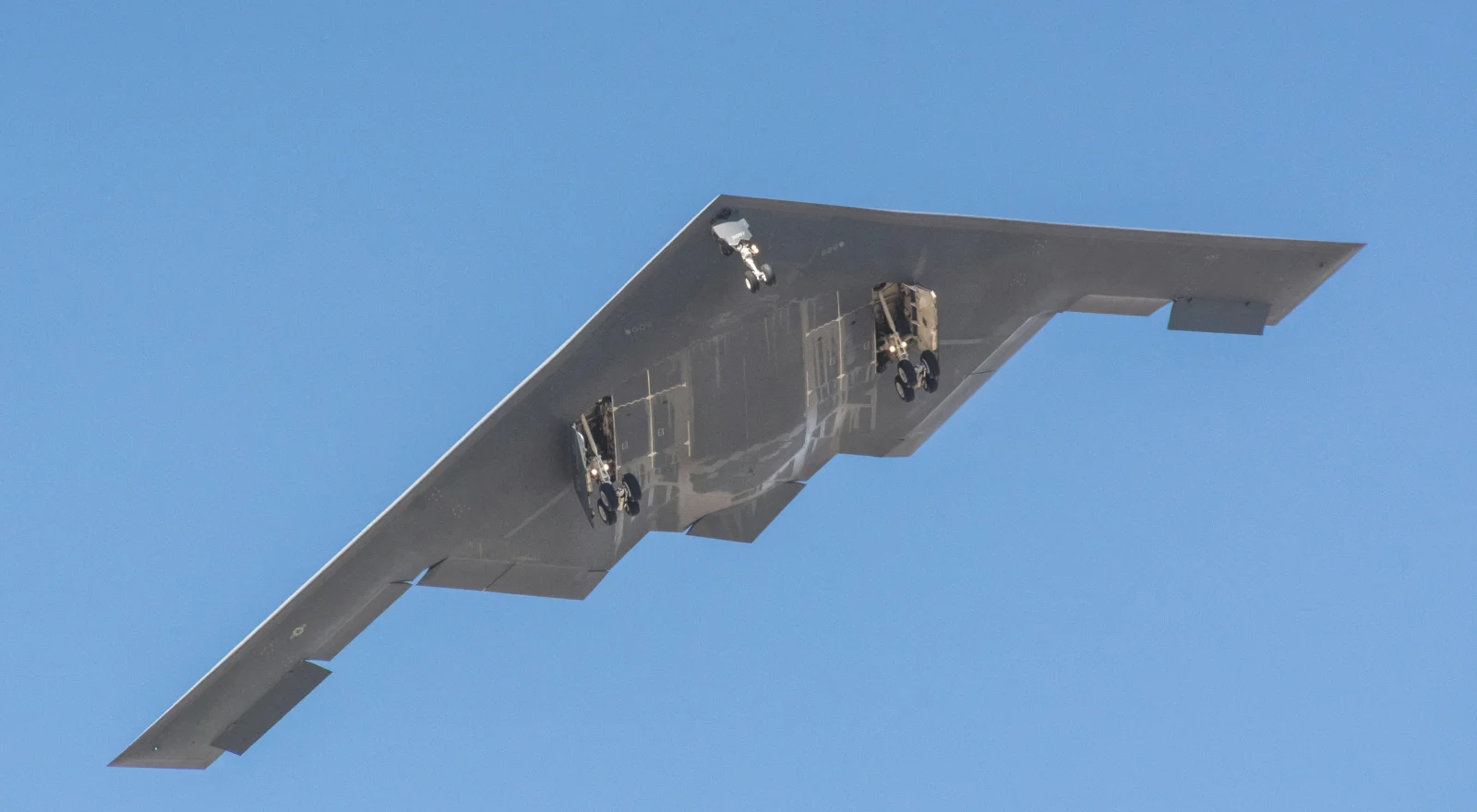
The proposed three-day bombing campaign against Iran, modeled after the 1991 "Instant Thunder" air campaign against Iraq, is intended as a high-intensity, rapid aerial assault. This plan targets Iranian leadership, military command centers, drone hubs, missile sites, and critical infrastructure such as refineries and bridges, aiming to force capitulation without a prolonged ground war. The U.S. military and media often interpret the three-day timeframe as suggesting a limited conflict, but in practice, such campaigns frequently extend far beyond their initial scope.
Robert Pape highlights that the original "Instant Thunder" plan against Iraq was meant to paralyze Saddam Hussein's regime within three days, yet it lasted 43 days and failed to paralyze Iraq’s military or leadership. This historical precedent suggests that a similar campaign against Iran is unlikely to achieve its aims in the intended timeframe. Even after heavy strikes, significant elements of the Iranian military would remain able to retaliate with drone and missile strikes, cyber attacks, and assaults against regional targets and U.S. forces. Rather than inducing surrender, the decapitation of Iranian leadership would leave no functioning government with which to negotiate, defeating the underlying goal of coercive air war.
Escalating Casualties and Civilian Deaths
A campaign striking Iran's infrastructure would result in substantial civilian deaths, just as the Iraq campaign killed between 5,000 and 15,000 noncombatants through attacks on oil refineries, electric plants, and economic targets. Pape warns that tens of thousands of Iranian civilians could be killed by such a bombing campaign, contradicting the notion of a "clean" or limited war. If initial strikes fail to neutralize Iran’s military, further bombing is likely, resulting in mounting civilian casualties.
These deaths would not only fuel outrage among Iranians but would also create personal motivations for revenge against the United States. As civilian casualties escalate, so does the potential for survivors and bereaved family members to support acts of terrorism and prolonged resistance against American interests. Each additional day of bombing increases civilian suffering and expands the cycle of retribution.
Inspired Terrorism As the Inevitable Result
Extensive civilian casualties inevitably foster environments ripe for terrorism. Pape cites the Tel Aviv airplane incident, where a co-pilot nearly crashed a plane into the city. Although some officials tried to link the event directly to Iranian state orders, evidence points toward so-called "inspired terrorism": individuals radicalized by American attacks and loss, not acting under direct command but compelled by intense personal and communal grievances. Religious rituals preceding such attacks, like the co-pilot stopping to pray, are common among suicide attackers.
Massive funeral gatherings for Iranian victims double as recruitment pools for further attacks. Pape emphasizes that these are not scen ...
Here’s what you’ll find in our full summary
The Iran War and Military Strategy
Additional Materials
Counterarguments
- While the 1991 "Instant Thunder" campaign against Iraq did not achieve all its objectives within three days, the strategic, technological, and intelligence capabilities of the U.S. military have advanced significantly since then, potentially increasing the effectiveness and precision of modern air campaigns.
- Iran's military infrastructure, command and control, and critical assets may be more vulnerable to precision strikes than assumed, especially given improvements in surveillance, targeting, and cyber warfare.
- The Iranian government and military may be more risk-averse or less cohesive than Iraq under Saddam Hussein, potentially making them more susceptible to coercion or internal destabilization following a concentrated air campaign.
- Not all air campaigns necessarily result in high civilian casualties; advances in precision-guided munitions and intelligence gathering can reduce collateral damage compared to previous conflicts.
- The assumption that civilian casualties will automatically lead to increased terrorism or resistance does not account for the possibility of internal dissent against the Iranian regime or war fatigue among the population.
- The risk of escalation to a ground war is not inevita ...
Actionables
- You can track news about military conflicts and, for each new escalation, write down the potential unintended consequences you notice—such as civilian harm, cycles of retaliation, or increased instability—to build your awareness of how actions can spiral beyond initial intentions.
- A practical way to understand the human impact of military escalation is to read personal stories from civilians in conflict zones and reflect on how cycles of violence affect families and communities, then share a summary of what you learned with a friend or family member to foster empathy and awareness.
- You can create a simple ...
Get access to the context and additional materials
The Russia-Ukraine Conflict and Global Interconnection
The ongoing Russia-Ukraine conflict continues to reshape regional and global dynamics, with profound implications for security, politics, and the interconnected crises spanning Europe, the Middle East, and the United States.
Putin's Territorial Ambitions and Negotiation Tactics
Vladimir Putin’s central objective remains the annexation and complete control of Ukrainian territory, specifically the oblasts he has already claimed by law but has not fully conquered. Since the February 2022 invasion, Russian troops have solidified positions in eastern and southern Ukraine, and while Russian forces withdrew from areas near Kiev, fighting has focused on Donetsk, Crimea, and the other partially occupied oblasts. As of July 2026, Russia holds some additional ground but remains far from dominating the entirety of these regions, let alone expanding ambitions toward Novorossiya—areas with large Russian-speaking populations beyond the initial four annexed oblasts.
Putin’s aims in any negotiation therefore go beyond optics; he seeks to force the West, and especially a U.S. administration under Donald Trump, to exert pressure on Ukraine to surrender these territories. However, Pape makes clear that such concessions are almost impossible for Ukrainian President Zelensky. Any attempt to cede these regions would amount to political suicide for Zelensky and could likely result in his assassination by his own military or the civilian population, making real territorial negotiation politically unviable. At the same time, if Putin were forced to accept defeat or a settlement falling short of his stated goals, he could face a fatal backlash from hardliners and the military establishment in Russia—an authoritarian leader’s capitulation that could end in personal doom.
Cyber Attacks and the European Retaliation Threshold
As the diplomatic stalemate persists, Russia is preparing to escalate the conflict by targeting critical Ukrainian infrastructure. Plans include attacking power facilities in Kiev, Kharkiv, and Odessa, potentially disrupting up to 90% of the power supply and creating a protracted humanitarian crisis through a “dark winter.” Such attacks are not limited to momentary outages but could plunge targeted cities into darkness for months, severely impacting civilian life.
Recognizing the risk of escalation, European governments are taking unprecedented steps. The UK government, for instance, has launched the "Be Ready" campaign, urging citizens to stockpile three days’ worth of essentials like bottled water, tinned food, batteries, and cash due to the fear of cyberattacks that could shut down payment systems, internet access, and critical infrastructure. The campaign echoes rising concerns about Russian cyber operations extending beyond Ukraine, potentially targeting European infrastructure. If such large-scale cyberattacks were to occur—disrupting power or communications in cities like London—there would be intense public pressure for direct retaliation against Moscow. This retaliation threshold, once breached, risks dragging NATO countries into direct military confrontation with Russia, elevating the threat of world war.
The World War III Scenario
Robert Pape distinguishes the current era of proxy conflicts from the true definition of World War III. While today’s proxy wars in Ukraine and elsewhere resemble Cold War confrontations in Africa, Latin America, and Afghanistan—where superpowers clashed indirectly—World War III would entail direct attacks by global powers on each other's homelands and armed forces.
Despite the ongoing bloodshed and Western military aid to Ukraine, Pape notes, these remain proxy wars. Only when retaliation for, say, Russian cyberattacks leads European militaries to strike Russi ...
Here’s what you’ll find in our full summary
The Russia-Ukraine Conflict and Global Interconnection
Additional Materials
Counterarguments
- While Putin’s stated objectives include annexation of Ukrainian territory, some analysts argue that Russia’s war aims have shifted over time and may now prioritize securing a land corridor to Crimea and maintaining leverage over Ukraine, rather than full annexation of all claimed oblasts.
- The assertion that Zelensky would face assassination if he conceded territory is speculative; while such a move would be deeply unpopular and politically risky, there is no direct evidence that assassination is a likely or inevitable outcome.
- The risk of fatal backlash against Putin from Russian hardliners is possible, but the Kremlin has historically managed internal dissent through repression and control of information, making immediate regime change less certain.
- The effectiveness and scale of Russian cyberattacks on European infrastructure remain uncertain; Western countries have invested heavily in cyber defense and resilience, which could mitigate the impact of such attacks.
- The “Be Ready” campaign in the UK and similar measures may reflect prudent risk management rather than an imminent or likely threat of catastrophic cyberattacks.
- Direct NATO military retaliation for cyberattacks is not automatic; NATO’s response to cyber incidents is subject to political deliberation and may involve non-military measures such as sanctions or counter-cyber operations.
- The feedback loop between crises in ...
Actionables
- You can create a personal crisis response checklist tailored to potential disruptions like power outages, cyberattacks, or supply chain shocks, so you know exactly what to do if essential services are interrupted for days or weeks; for example, list steps for securing water, food, communication, and alternative power sources, and keep it printed and accessible.
- A practical way to reduce your vulnerability to economic shocks from global crises is to set up a simple monthly review of your household spending and identify one recurring expense you can temporarily pause or replace with a lower-cost alternative, freeing up cash for emergencies or inflation spikes.
- You can ...
Get access to the context and additional materials
Firebreaks and Prevention Strategies
Robert Pape emphasizes the critical importance of systemic prevention strategies, or "firebreaks," to avert crises, rather than relying on individual preparedness. He details practical recommendations to reduce the risk of political violence, military escalation, and harm to civilians, supported by evidence of the role public engagement plays in changing outcomes.
Congressional Declarations as the Primary Firebreak
Pape argues that Congress should move swiftly to declare that the Trump administration must not escalate actions against Iran before the new Congress convenes, unless Iran strikes first. Such a declaration from Congress would strip President Trump of the pretext to escalate, especially to rally MAGA supporters, and would open space for diplomatic solutions rather than fueling the prospect of a bombing campaign. This political firebreak would impose a hard limit on potential escalation and create the time necessary for strategic reconsideration, reducing the risk of rash military engagement.
Executive Restraint on Armed Federal Agents
Another critical firebreak is urging the Trump administration to refrain from deploying armed federal agents into cities without explicit local requests during the transition period. Pape warns that deploying federal agents, particularly at voting locations, could provoke clashes with anti-Trump protesters and potentially activate latent supporters of violence. Holding back these deployments serves as a firebreak, stopping a possible spark that could ignite violence among millions of primed Americans.
International Mediation and Civilian Protection Protocols
On the international front, Pape recommends that mediators such as Pakistan, Qatar, and India coordinate to call for a “hands off civilians” protocol in regions like the Middle East and South Asia. This diplomatic initiative would prohibit attacks on civilian infrastructure or residential areas and seek to establish new norms for civilian protection during conflicts. Creating political costs for any nation that targets civilians, such mediation could give Trump a diplomatic win without military escalation, potentially bolstering his political position while safeguarding vulnerable populations.
How Public Engagement Through Media Shapes Policy Decisions
Pape observes that media and social media can be powerful tools for prevention, not just sources of misinformation or unrest. He recounts how his discussions on prominent shows reached key decision-makers after episodes aired, with questions and concerns flooding to leaders. Specifically, he notes that after appearing on a show in July, when momentum was building at Centcom for drone attacks against Iran’s drone network, the real risks were highlighted and brought to the attention of influencers. This public discourse led Centcom to cancel the planned strikes—a clear case where raising the profile of consequences through social media and podc ...
Here’s what you’ll find in our full summary
Firebreaks and Prevention Strategies
Additional Materials
Counterarguments
- Systemic prevention strategies, while important, can be slow to implement and may not address immediate threats as effectively as individual preparedness in certain situations.
- Congressional declarations may lack enforceability, especially if the executive branch chooses to ignore or circumvent them, limiting their practical impact as a "firebreak."
- Relying on Congress to act swiftly can be unrealistic given political polarization and procedural delays, potentially rendering such measures ineffective in urgent scenarios.
- The assumption that a congressional declaration would remove the president’s pretext for escalation may underestimate the executive’s ability to frame actions in alternative ways or find new justifications.
- Holding back federal agent deployments could be criticized as potentially leaving local authorities without necessary support in situations where federal intervention is genuinely needed for public safety.
- International mediation efforts, such as a “hands off civilians” protocol, often face significant challenges in enforcement and compliance, especially in regions with complex, multi-actor conflicts and weak international oversight.
- The effectiveness of media and social media in shaping policy decisions ca ...
Actionables
- you can create a personal crisis prevention checklist for your household or workplace that focuses on identifying and addressing weak points in systems (like communication, decision-making, or safety protocols) rather than just stocking supplies; for example, set up a group chat for emergency updates, designate a backup decision-maker, and agree on steps to take if a major disruption occurs.
- a practical way to encourage systemic prevention is to draft and share a simple, clear letter template with friends and family that they can use to urge local leaders or organizations to adopt policies that prevent escalation in tense situations, such as requiring multiple approvals before major decisions or public statements are made during crises.
- you can us ...
Get access to the context and additional materials


Create Summaries for anything on the web
Download the Shortform Chrome extension for your browser
